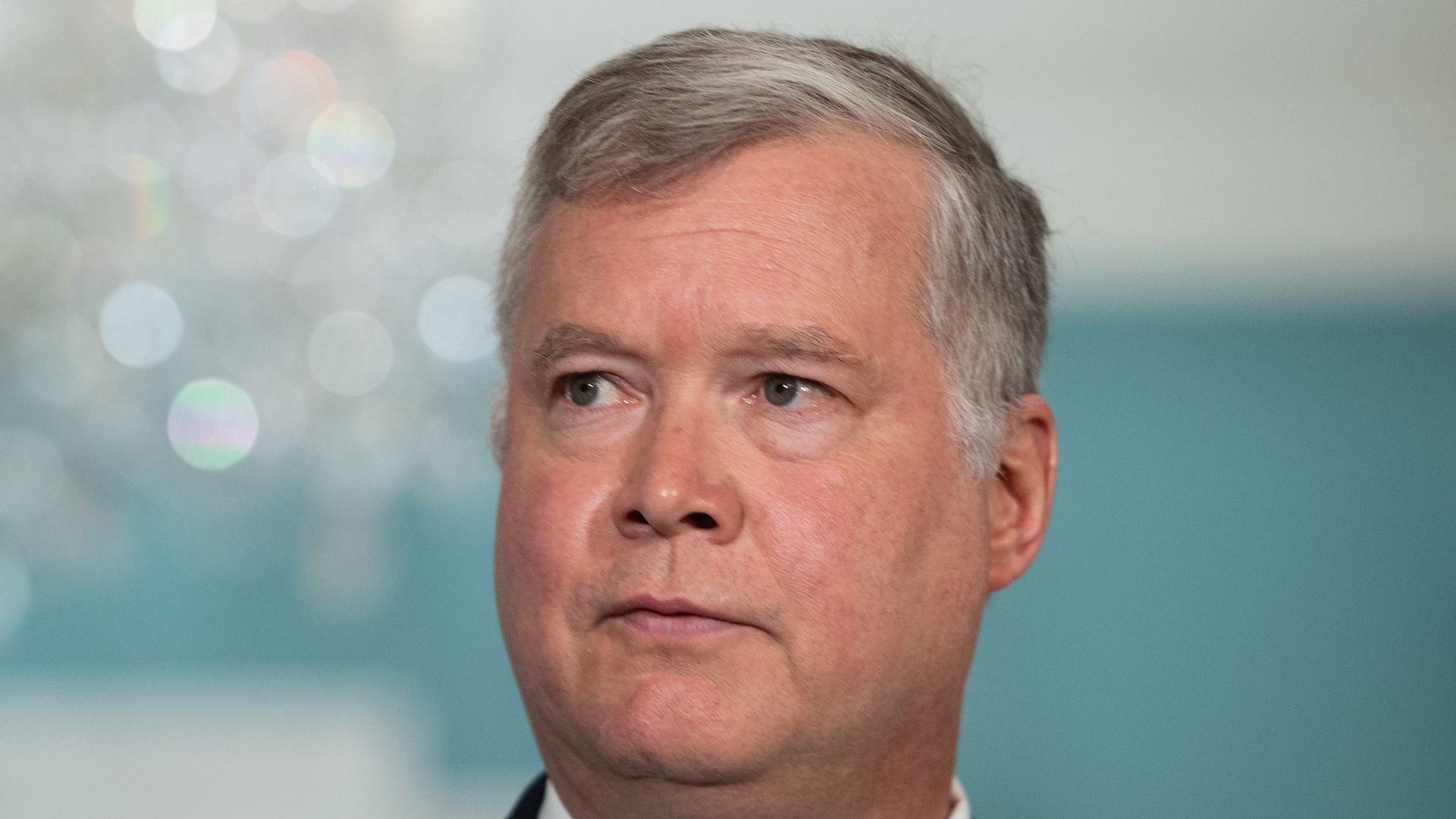
Steve Biegun, the Trump administration's North Korea negotiator, told reporters in an off the record briefing Sundaythat the administration wanted a "complete freeze" of North Korea's weapons of mass destruction program while they are negotiating with the U.S.
Between the lines: Biegun's off the record remarks, made aboard Secretary of State Mike Pompeo's plane during the return trip to Washington from Korea, signaled he's willing to be more flexible with North Korea than the hardliners in the Trump administration. Biegun said the administration isn't ready to lift the sanctions against North Korea if it freezes its weapons program, but that it could give Kim other concessions, such as humanitarian relief and improved diplomatic ties.
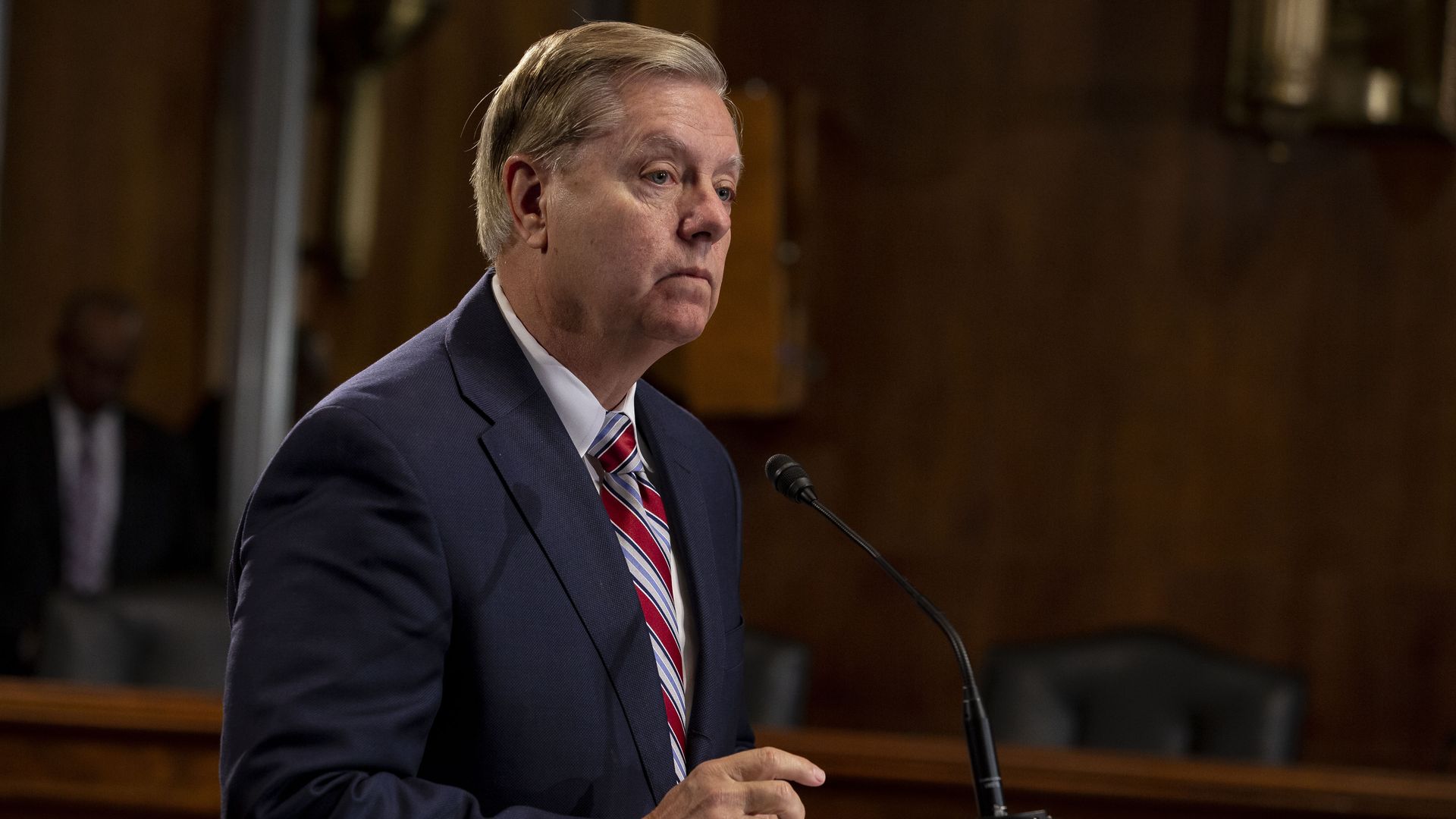
Sen. Lindsey Graham (R-S.C.), a close ally of President Trump, said on Tuesday in a joint press conference in Jerusalem with Sen. Chris Van Hollen (D-Md.) that he plans to talk to Trump and urge him to base the White House's Israeli-Palestinian peace plan on a two-state solution.
Why it matters: Although Trump said publicly last September that he supports a two-state solution, it is unclear if the U.S. peace plan will include this principle. The administration's support of settlements in the West Bank is likely to make a two-state solution far more difficult.
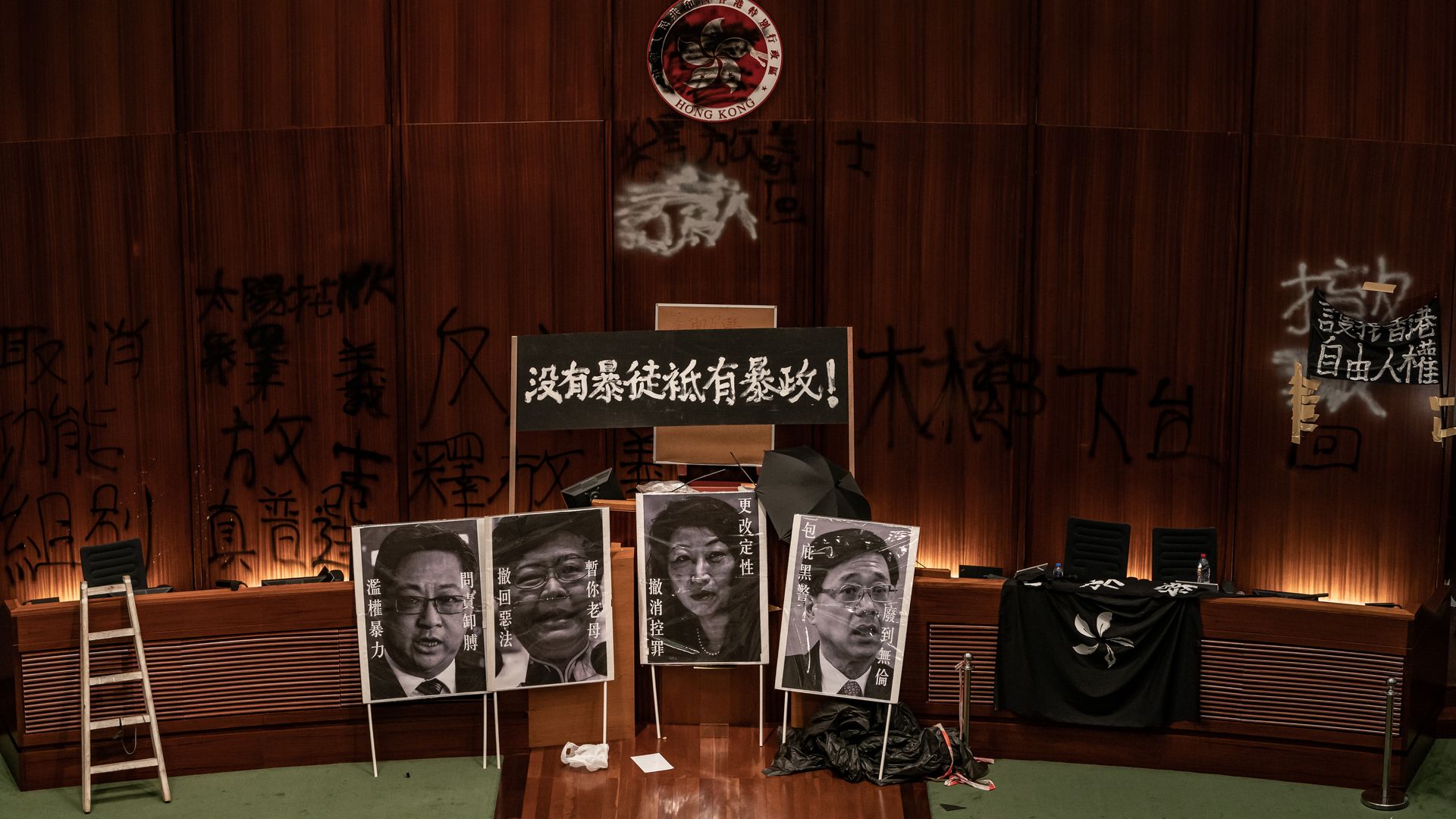
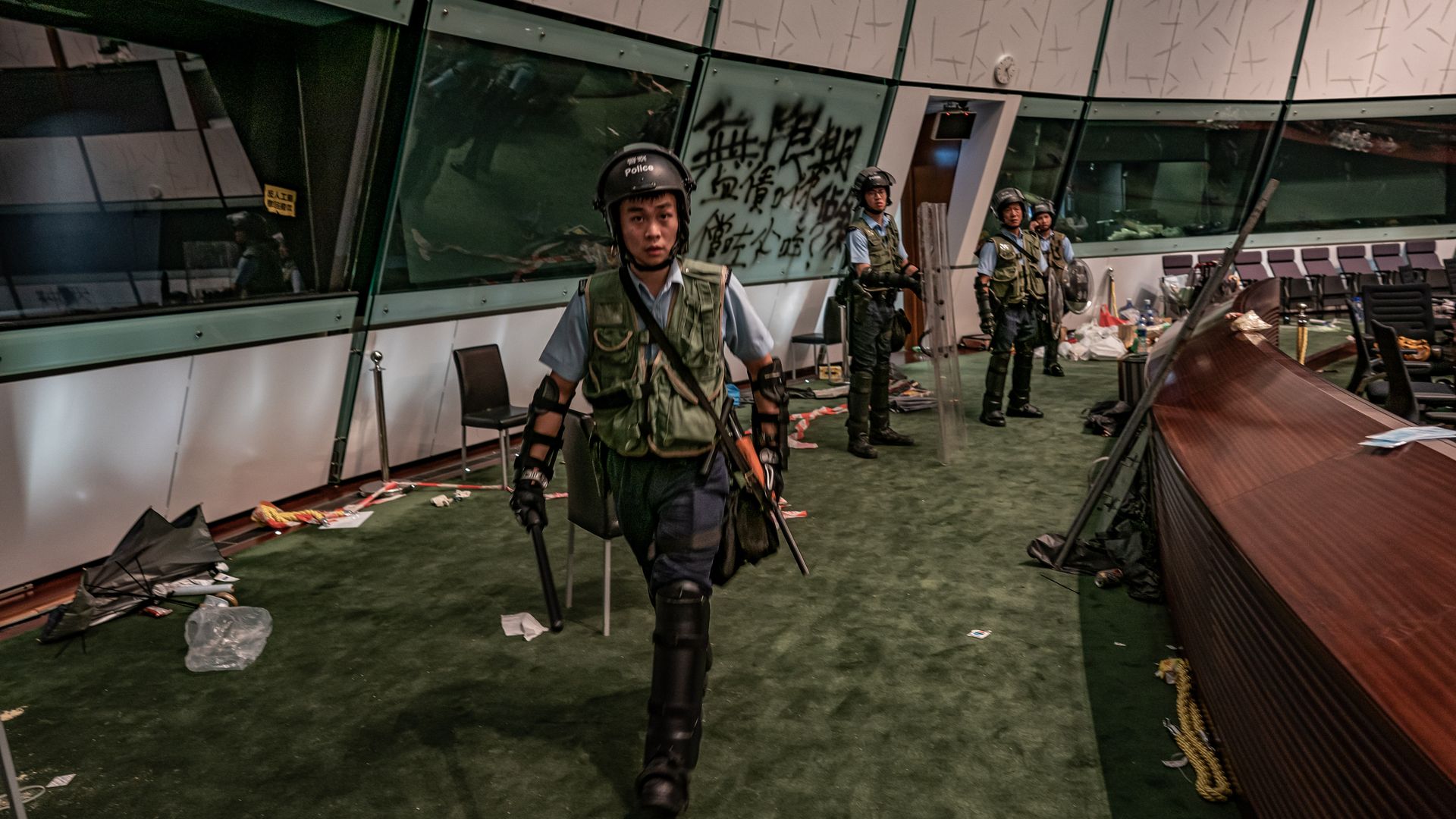
Protests against a proposed Chinese extradition bill in Hong Kong have continued as groups of protesters occupied and ransacked the city's legislative chamber Monday and were met with tear gas. The city's leader, Carrie Lam, condemned the "extreme violence and vandalism."
Why it matters to the market: The growing unrest could dampen the territory's prominent financial market, which saw a major boom in the first half of the year.
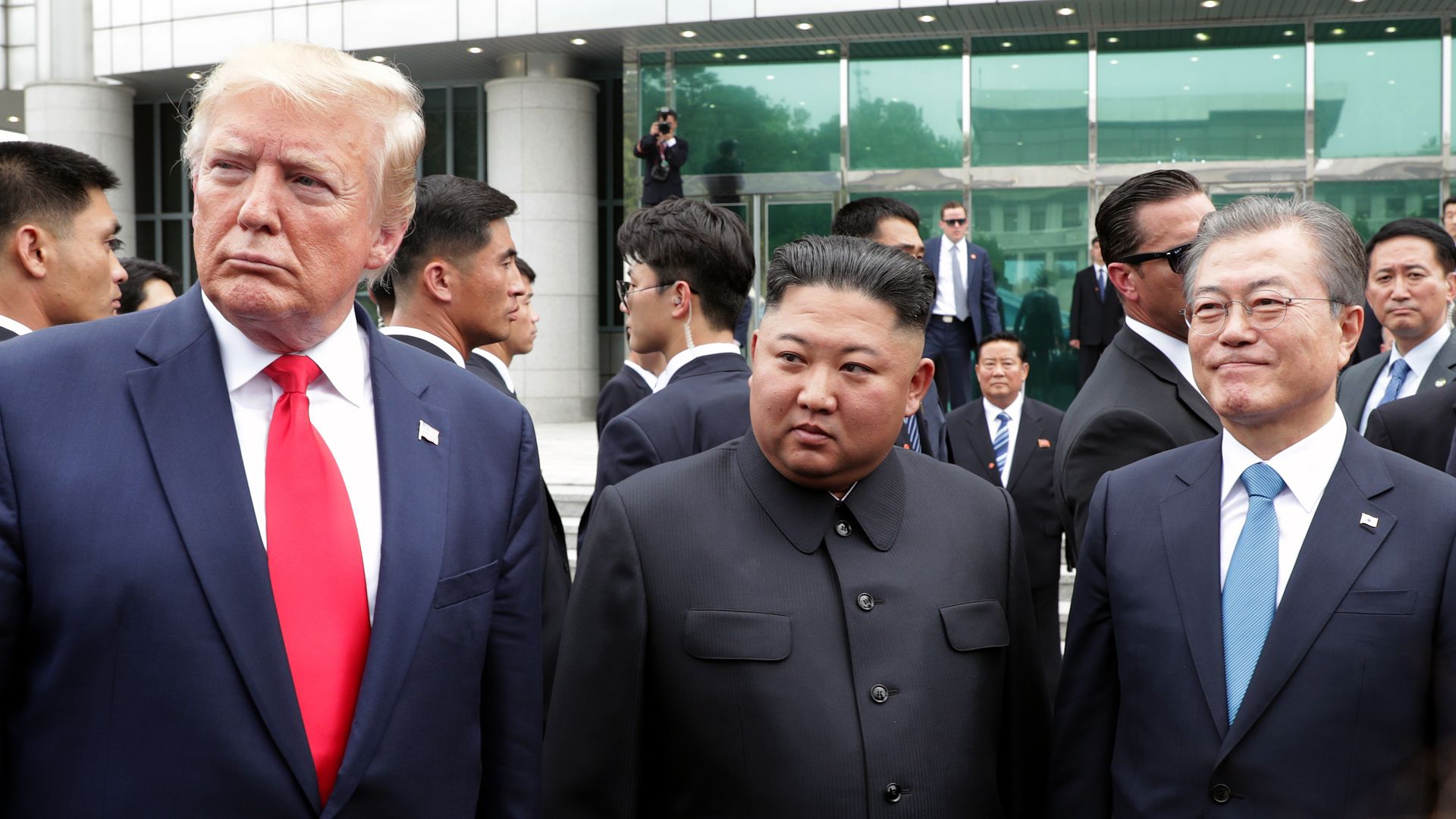
South Korean President Moon Jae-in told a Cabinet meeting Monday his meeting with President Trump and North Korean leader Kim Jong-un at the Demilitarized Zone marked "an end of hostile relations," AP reports.
Why it matters: Trump on Sunday became the first sitting U.S. president to enter North Korea before his summit with the 2 Korean leaders. Leading Democrats dismissed the event as little more than a "photo op." AP notes that many experts also believe it lacked substance, but Moon said the talks were the "start of an era of peace."
Hong Kong's leader Carrie Lam said Tuesday she condemned what she called the "violent acts" of protesters who stormed and ransacked the Legislative Council the previous night, the BBC reports.
Details: There's a tense calm in the territory, after police used tear gas to evict the activists who'd occupied the building into early Tuesday, according to Reuters. Some had spray-painted slogans on the walls of the main chamber demanding the release of Hong Kongers arrested in last month's protest, as well as the resignation of Lam, per AP
The White House said in a statement Monday that it will continue its "maximum pressure" campaign against Iran after the Islamic Republic announced it had breached the maximum level of low-enriched uranium allowed under the 2015 nuclear deal.
Why it matters: The Iranian breach is the most substantial move the regime has taken yet to retaliate against the administration's maximum pressure campaign, a policy designed to cripple Iran's economy after Trump's withdrawal from the nuclear deal. The move also follows weeks of heightened tensions between the U.S. and Iran, which have led to fears of a potential military intervention.
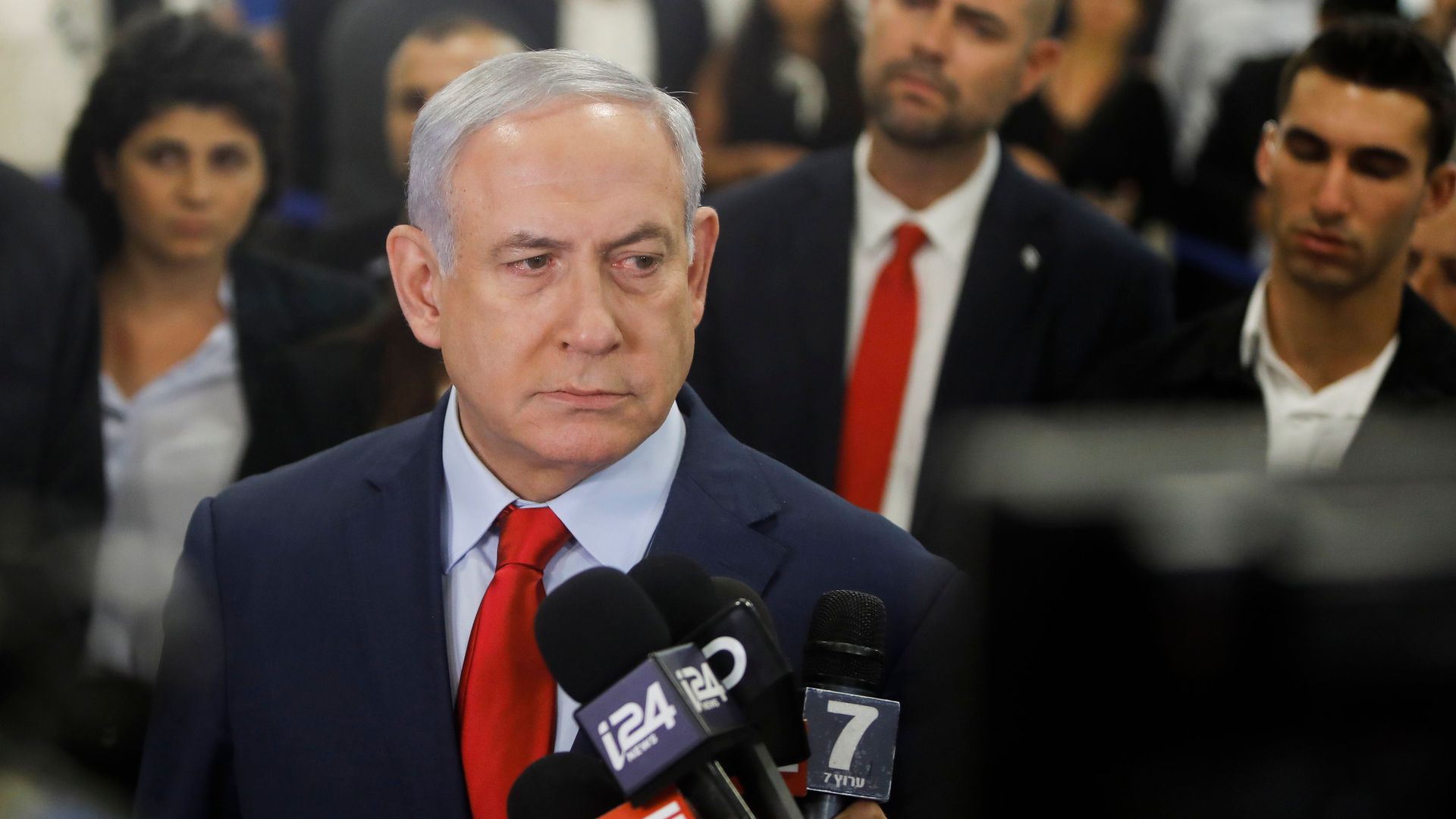
Israeli Prime Minister Benjamin Netanyahu said Monday that Israel will soon reveal more evidence that Iran has been lying all along about its nuclear program, in response to news that the Islamic Republic has breached uranium stockpile limits from the 2015 nuclear deal for the first time.
Why it matters: Netanyahu didn't elaborate on what kind of evidence will be released, but Israel has twice in the last two years released intelligence about Iran's nuclear program. The first revealed documents captured by the Mossad from Iran's secret nuclear archive, while the second included photographs of what Israel claimed to be an "atomic warehouse" in Tehran, where the country allegedly stored parts from its clandestine military nuclear program.
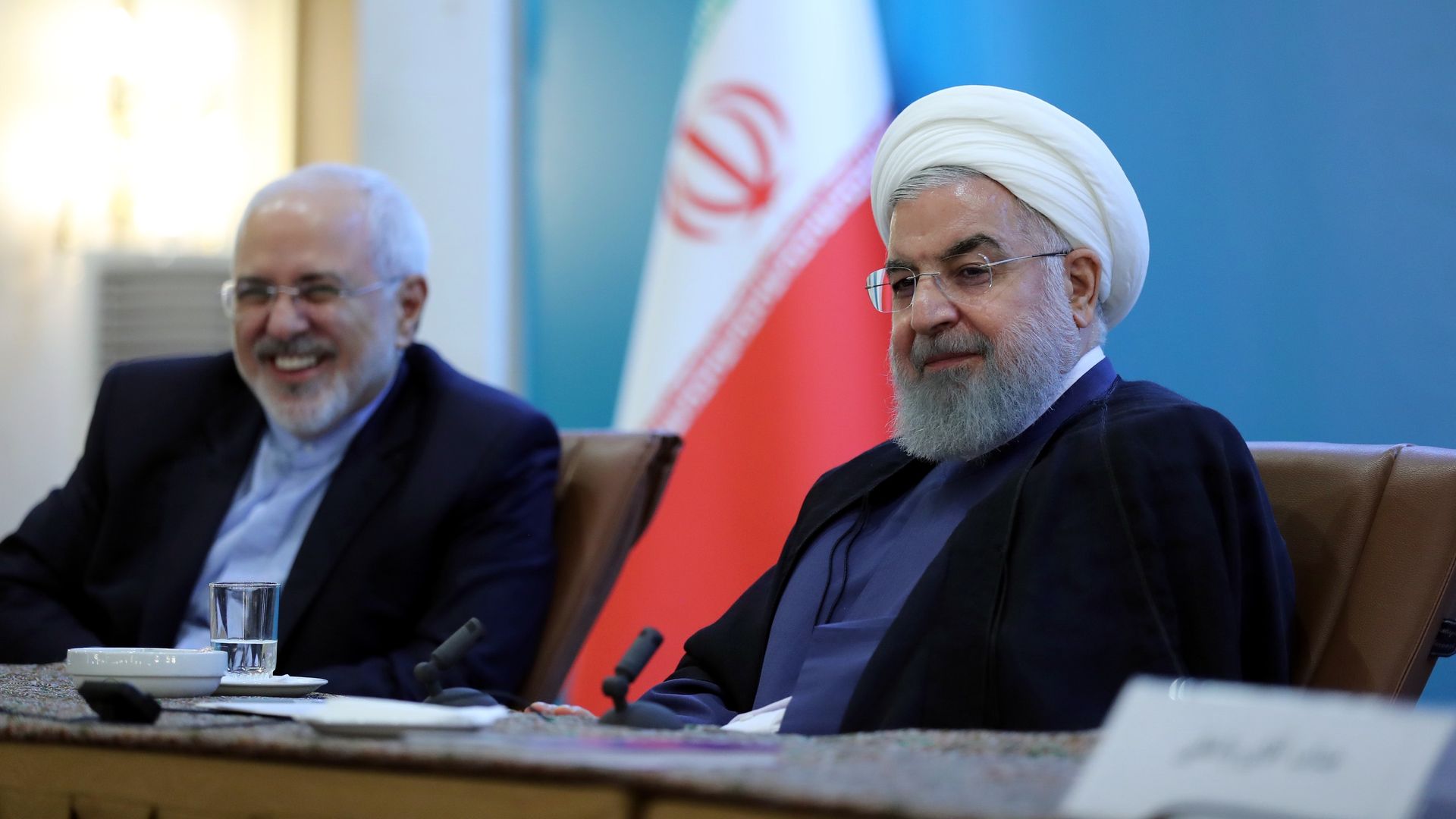
Iranian foreign minister Mohammad Javad Zarif says his country's stockpile of low enriched uranium has crossed 300 kilograms — the maximum amount it is allowed to hold under the 2015 nuclear deal.
Why it matters: This is the first time Iran has deliberately violated the 2015 deal.
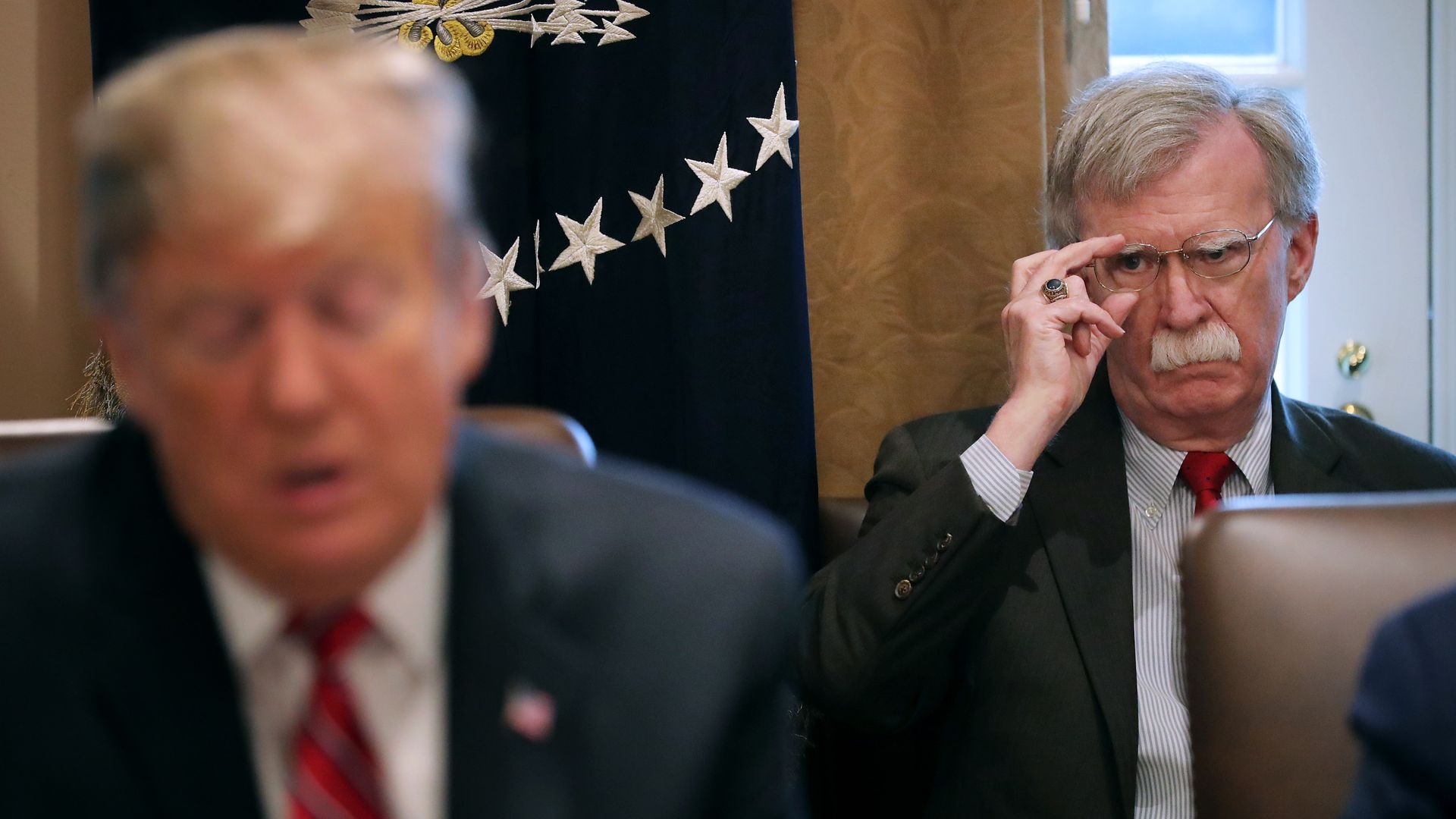
National security adviser John Bolton denied a New York Times report that the U.S. was considering endorsing a North Korean nuclear freeze in the next round of negotiations between Pyongyang and Washington in a Monday tweet.
"I read this NYT story with curiosity. Neither the NSC staff nor I have discussed or heard of any desire to 'settle for a nuclear freeze by NK.' This was a reprehensible attempt by someone to box in the President. There should be consequences."
The big picture, per the Times report:A nuclear freeze would pause further weapons development in North Korea but allow it to keep existing weapons — a step back from the Trump administration's previously outlined goal of complete denuclearization.