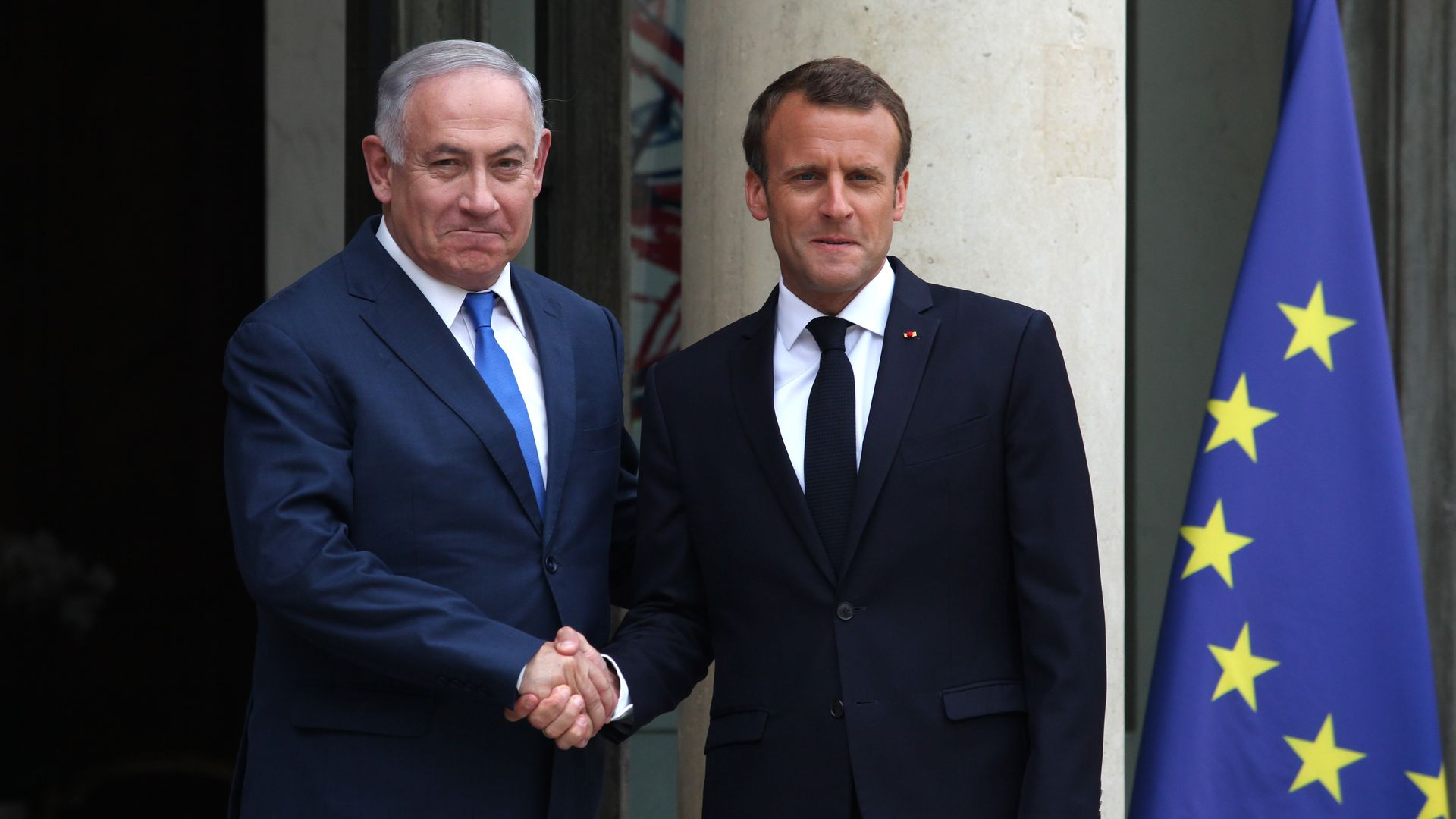
Israeli government officials believe French President Emmanuel Macron will propose his own Middle East peace initiative if President Trump doesn't release his plan in the first few weeks after the November midterm election.
Why it matters: Israeli Foreign Ministry Political Director Alon Ushpiz made that prediction during a closed-door, classified hearing of the Knesset Foreign Affairs and Defense Committee, 2 Knesset members who attended the hearing told me. Trump said a few weeks ago he would release the plan in 2–4 months — meaning between the end of the midterms and the end of 2018.
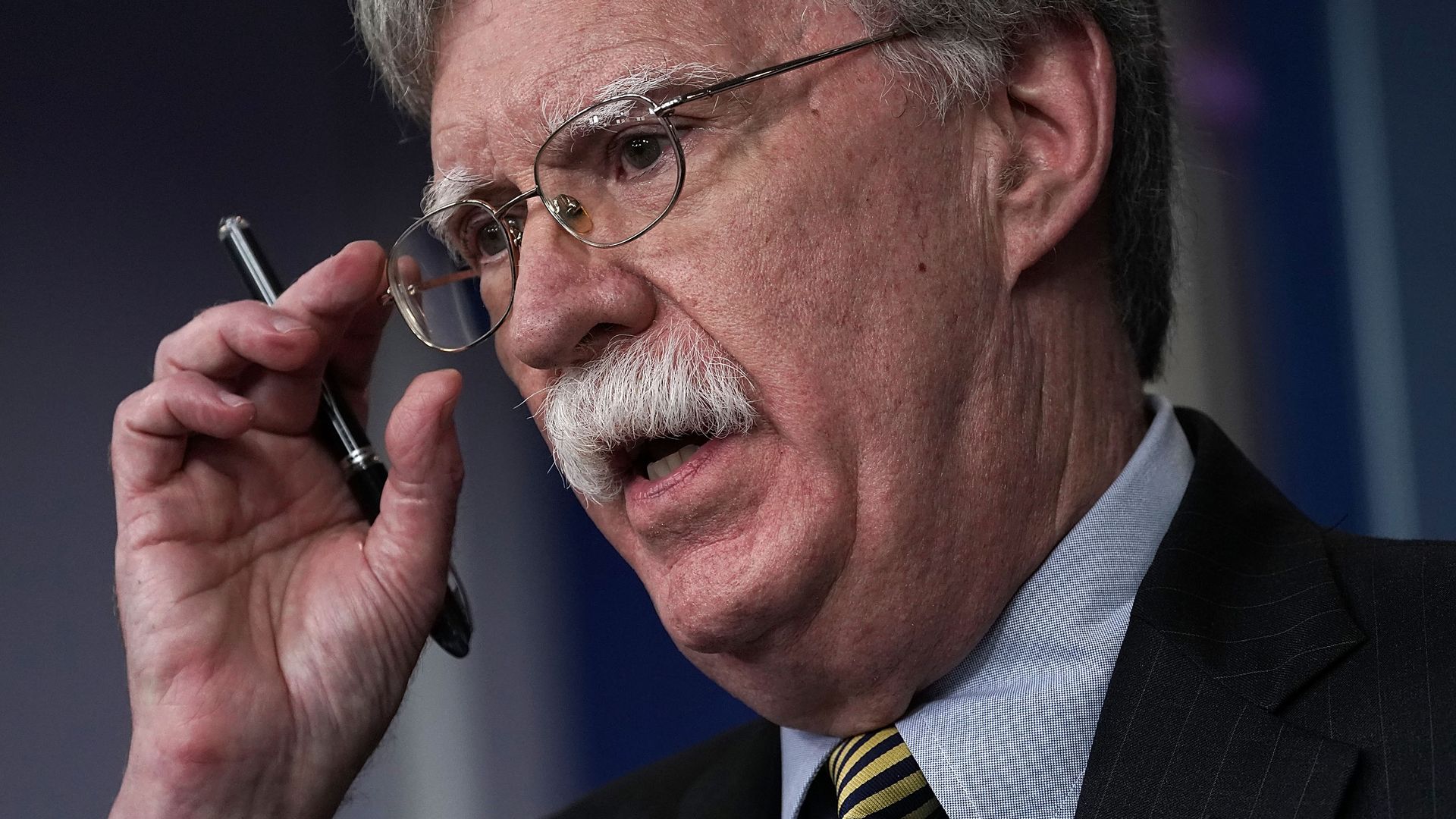
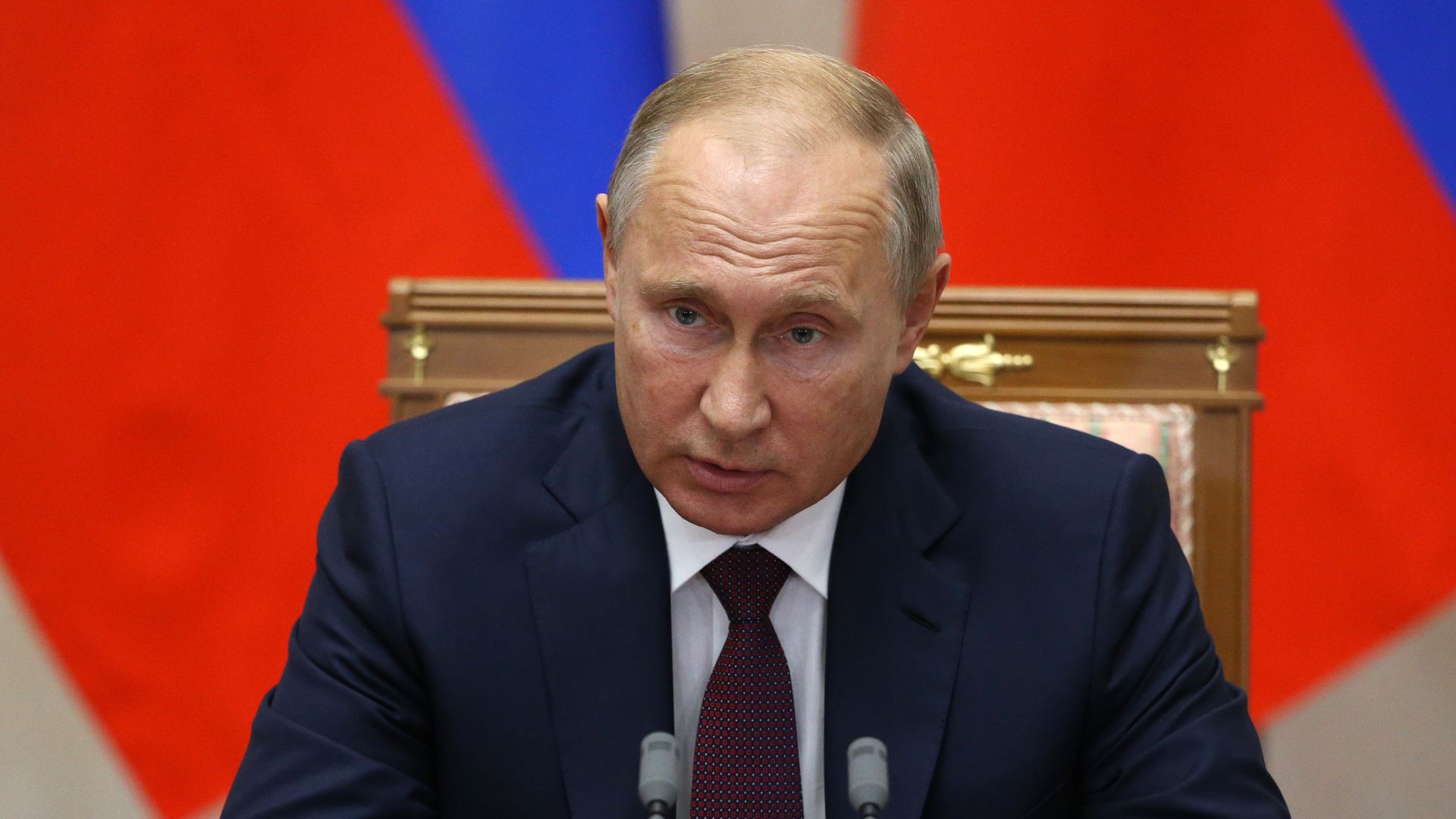
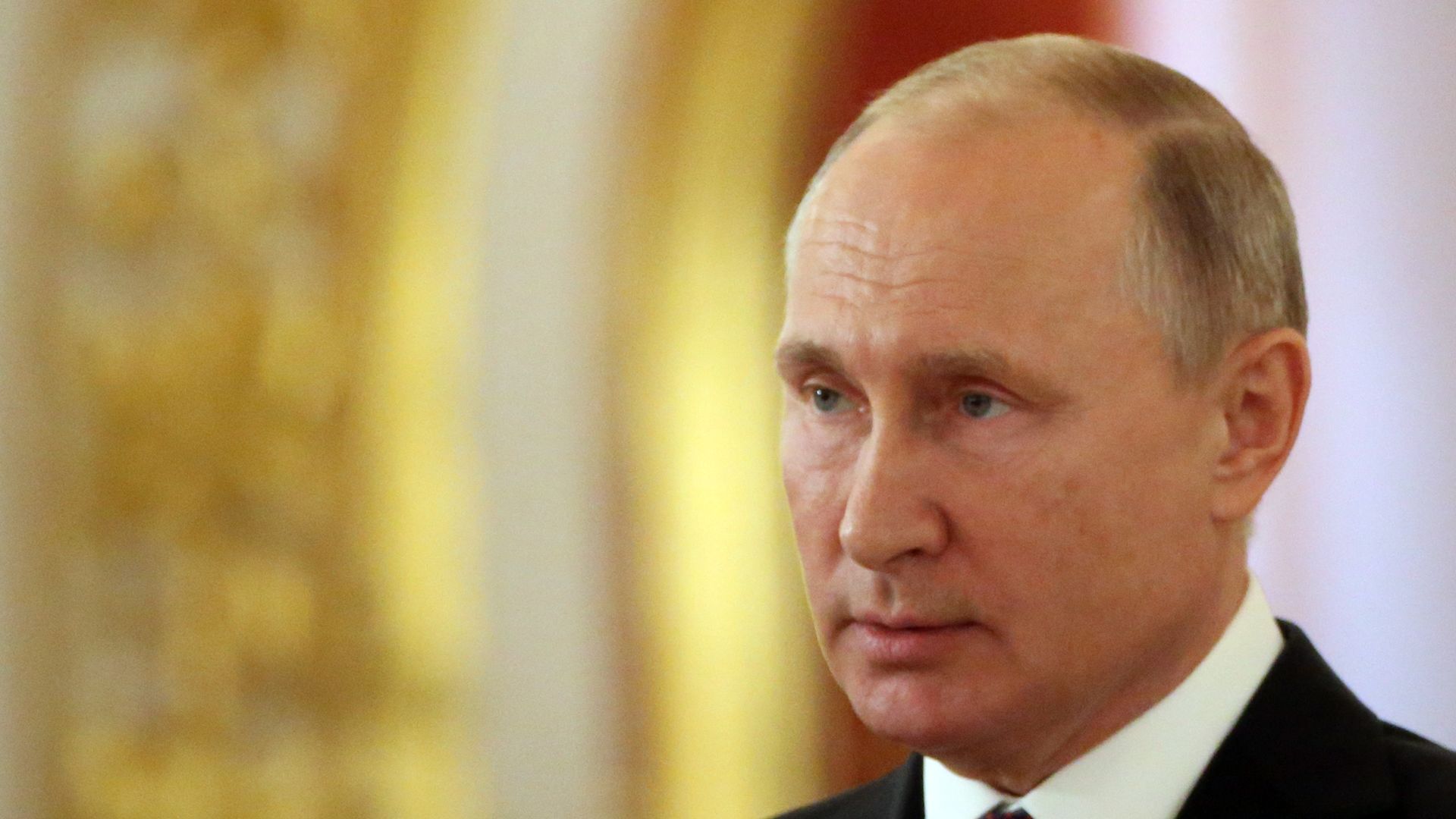
National Security Adviser John Bolton said Tuesday that President Trump will meet with Russian President Vladimir Putin in Paris on Nov. 11, the 100th anniversary of the armistice ending World War I.
The big picture: Bolton was in Moscow to meet with Putin about Trump's decision to withdraw from a landmark nuclear weapons treaty, a move the Kremlin says "will make the world more dangerous." During his last meeting with Putin, Trump drove global headlines for days by appearing to accept Russia's denials about interfering in the 2016 presidential election over the findings of the U.S. intelligence community.
Update: President Trump said on Monday, Nov. 5 that the two would "probably not" be meeting in Paris, but that they will meet at the G20 summit in Argentina, taking place Nov. 30-Dec. 1.
The Russian-owned Central Scientific Research Institute of Chemistry and Mechanics supported the development and injection of the TRITON malware that intruded in an industrial plant last year in Saudi Arabia, according to a new assessment by cybersecurity firm FireEye.
Why it matters: FireEye assessed last year that the attack was intended to cause physical damage by preventing Schneider Electric equipment from operating properly, and given how widely the equipment is used, it means the attack could potentially be deployed around the globe, per the New York Times. FireEye doesn’t go so far as to peg Russia responsible for the malware itself, but it does explain that Russia is behind the intrusion that allowed the malware to be injected and that the institute supported the malware’s testing.
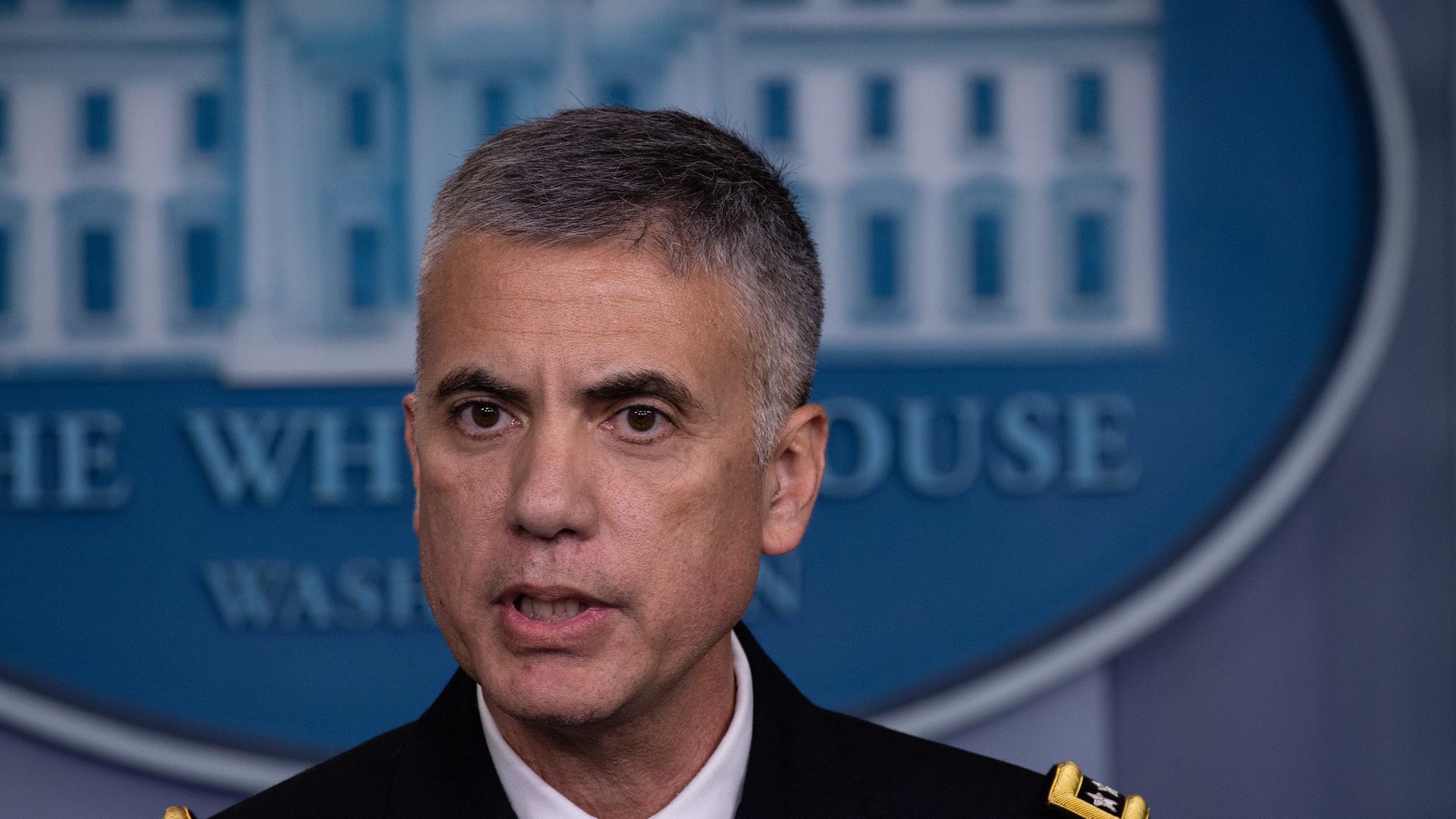
The Pentagon’s Cyber Command is launching its first operation against Russian election interference by sending direct messages to Russian individuals informing them that their efforts to sow misinformation online are being tracked, the NYT reports.
Why it matters: It’s the first reported overseas cyber operation launched to protect U.S. elections. The midterm elections are exactly two weeks away.
Team8, a cybersecurity firm run by former Israeli military intelligence, and several Fortune 500 companies, including Walmart, Moody’s, Microsoft's venture capital arm M-12, Cisco, and SoftBank, announced Tuesday that they have formed a coalition with $85 million in capital backing to launch new technology and cybersecurity companies.
The big picture: The coalition wants to build out infrastructure that has cybersecurity built in by design and not as an afterthought, to better deal with the growing cyberthreat landscape. And Team8 has a track record in this space, having incubated and launched four companies before — Sygnia, Hysolate, Illusive Networks, and Claroty.
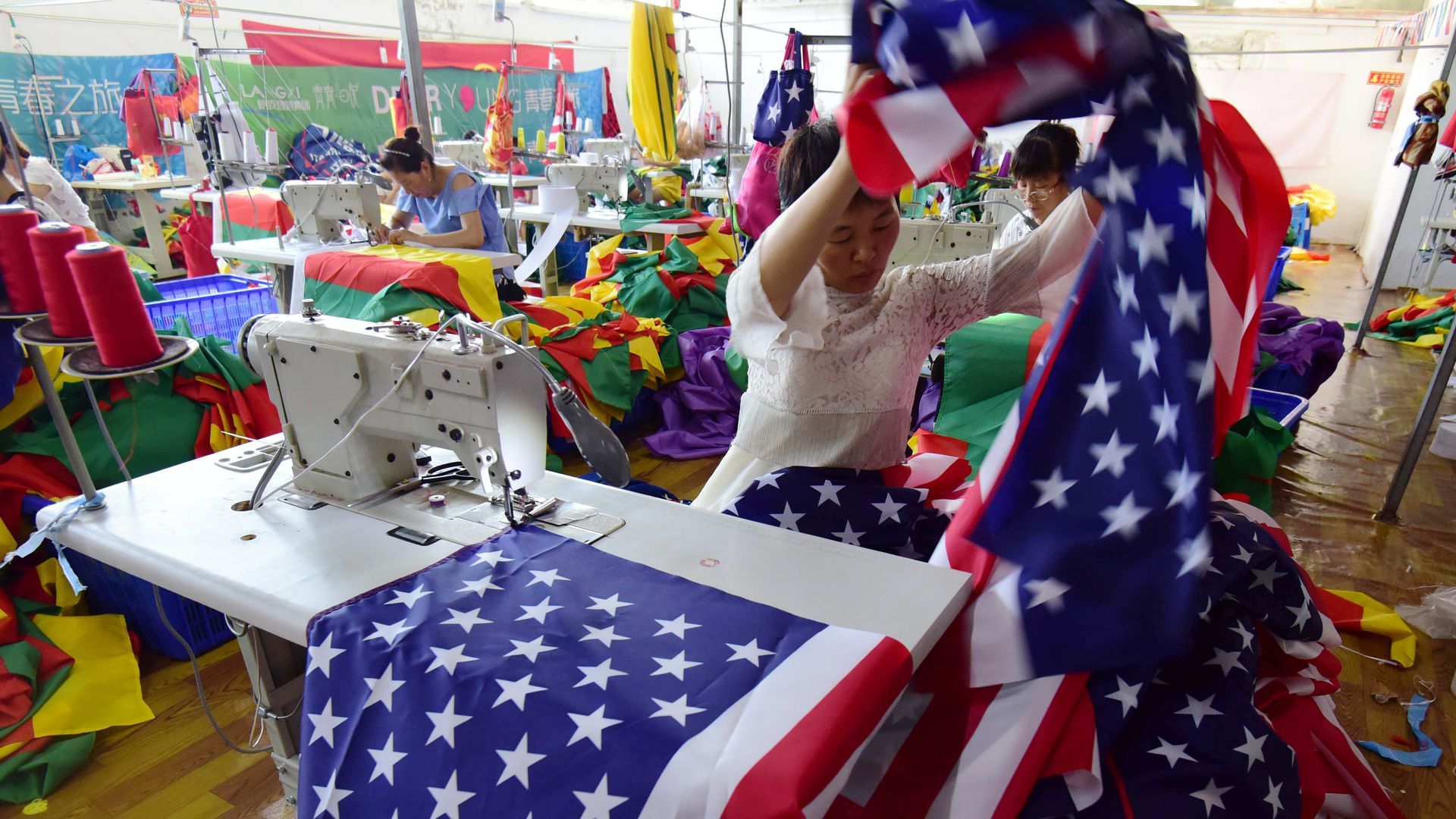
President Trump appears to be trying to decouple the American and Chinese economies, but he may be largely too late.
What's happening: China's push to own the Big Tech future, and make what it needs at home — what Xi calls "Made in China 2025" — is in part an effort to inoculate itself from Western politics. The next time the U.S. decides to sanction Chinese tech, the impact will be cushioned.
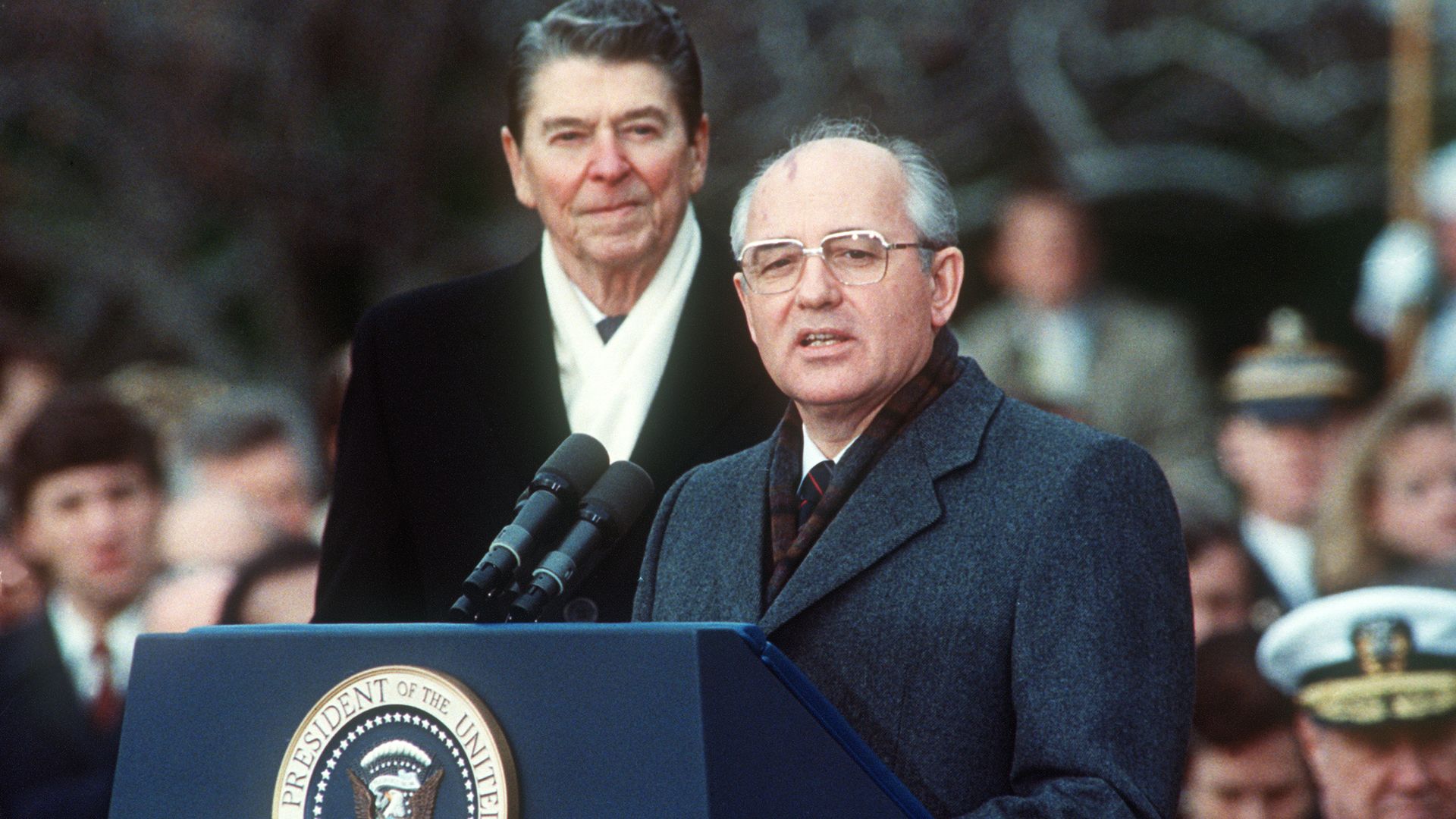
National Security Adviser John Bolton reiterated to his Russian counterpart today in Moscow that the U.S. is pulling out of an arms control treaty signed in 1987 by Ronald Reagan and Mikhail Gorbachev, Axios' Jonathan Swan reports.
The big picture: Trump isn't just walking away from a landmark of the last Cold War, he's looking ahead to the next one. One of the key arguments for withdrawing from the treaty is that the U.S. will need every tool at its disposal to confront the military rise of China.
Glued to a 2,400-year-old script, the U.S. and China seem to be on the same war-bound path that great powers have taken since Sparta fought upstart Athens.
The bottom line: The U.S. has slapped increasing tariffs on Beijing, cordoned off U.S. tech, and jailed a Chinese spy, while Beijing has continued to build its military footprint in the disputed South China Sea, demanded tech secrets from Western companies, and more.
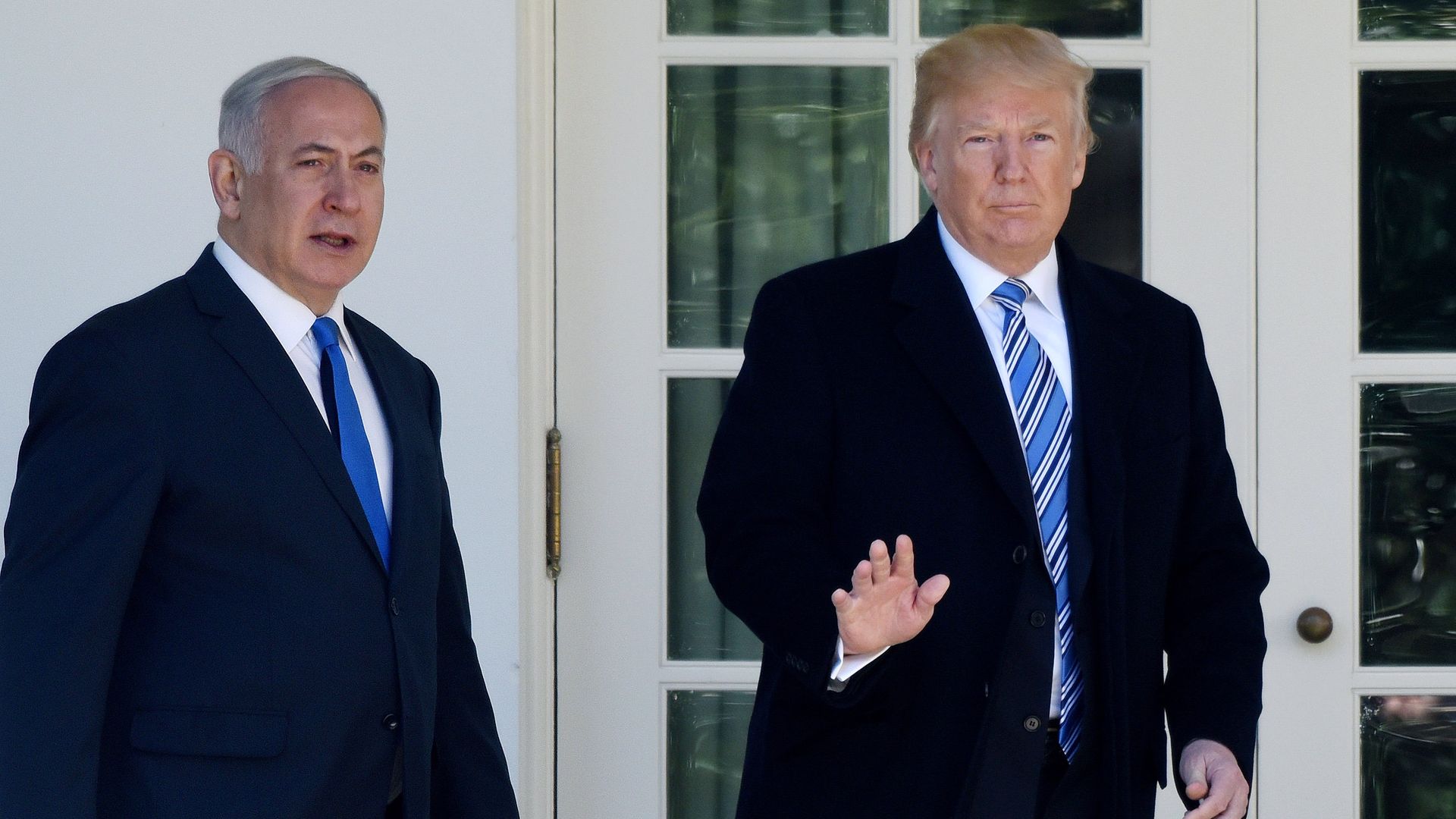
President Trump told French President Emmanuel Macron last month that he's ready to put pressure on Israeli Prime Minister Benjamin Netanyahu to accept his upcoming Middle East peace plan, four Western diplomats briefed on the meeting tell me. Trump specifically mentioned the fact the U.S. gives Israel billions of dollars in aid every year.
Why it matters: We haven’t previously heard Trump say anything about his willingness to put pressure on Netanyahu, perhaps his staunchest ally around the world. Three days after the meeting with Macron, which happened on the sidelines of the UN General Assembly, Trump met with Netanyahu in New York and announced for the first time his support for the two state solution. In the same meeting, Trump said he was planning to present his peace plan in two to four months.
On Oct. 19, the Financial Action Task Force (FATF), an intergovernmental organization that sets standards for countries to combat money laundering and terrorist financing, gave Iran an extension until February 2019 to implement its plan to address “strategic deficiencies” in these areas.
Why it matters: The U.S., which currently holds the FATF presidency and wants to impose “unprecedented financial pressure” on Iran, almost certainly opposed the extension. Washington’s inability to carry the debate demonstrates the diplomatic shortcomings of its unilateral approach to Iran.
National Security Adviser John Bolton has relayed to his Russian counterpart President Trump's "strong, clear and precise words" on the Nevada tarmac on Saturday: "We’re going to terminate the agreement and we're going to pull out" of the landmark Intermediate-Range Nuclear Forces Treaty, according to a senior official accompanying the U.S. delegation in Moscow.
Behind the scenes: In a meeting in Moscow on Monday morning, Bolton made it his first agenda item to convey the Trump administration's intention to the Secretary of the Security Council of Russia, Nikolai Patrushev.
The Kremlin claimed Monday that President Trump's withdrawal from the Intermediate-Range Nuclear Forces Treaty would make the world a more dangerous place, and warned that Russia would retaliate if the U.S. begins developing new missiles, reports Reuters.
The big picture: National Security Adviser John Bolton is in Moscow today and Tuesday, where he will hold talks with Russian officials and discuss Trump's decision to pull out of the historic pact. While both the U.S. and Russia have long accused each other of violating the terms of the deal, Trump's unilateral withdrawal has nonetheless prompted concern from China, France, Germany and other members of the international community.





/2018/10/22/1540234772853.gif?w=3840)