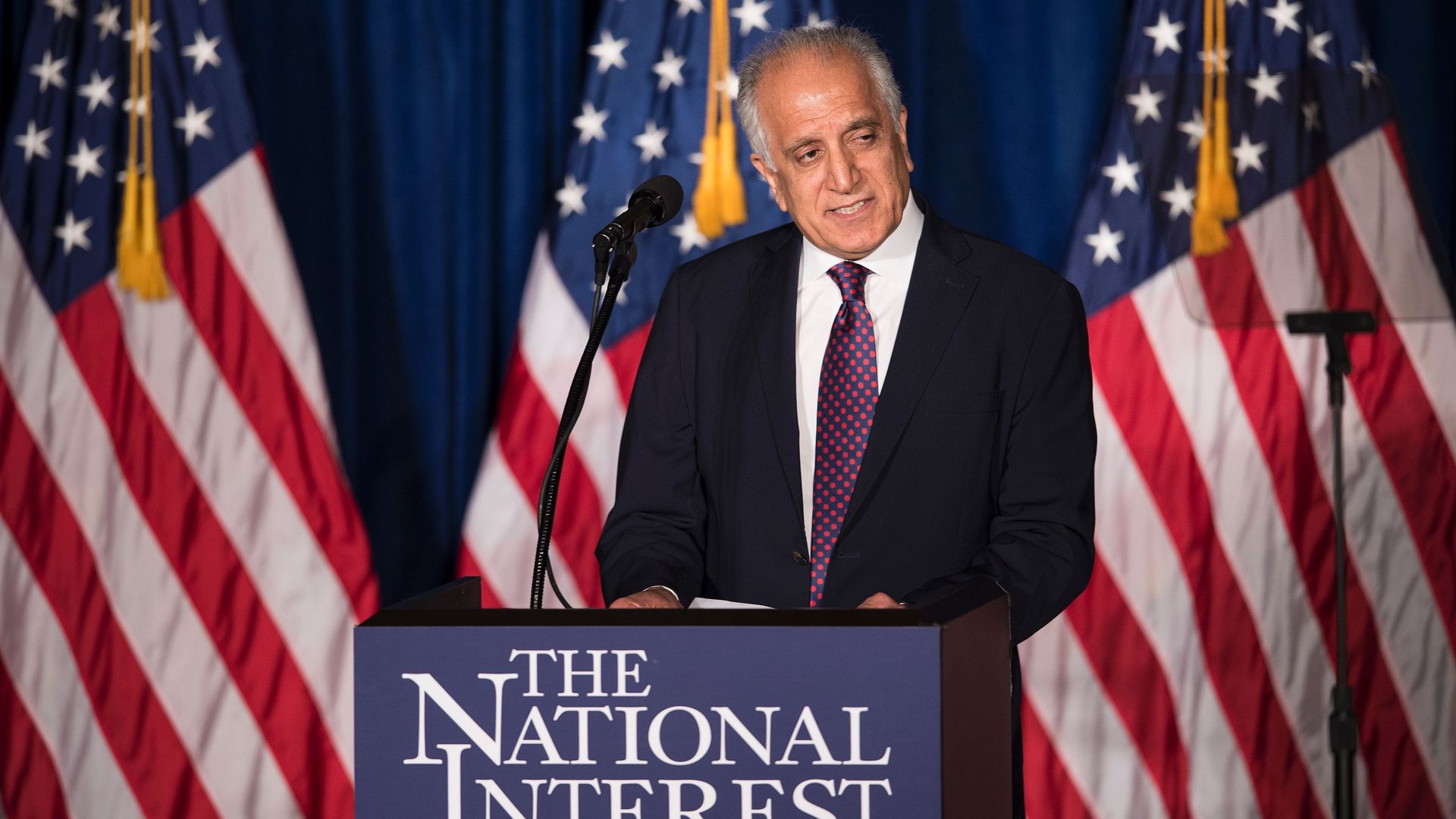
On Oct. 23, the U.S. and six Gulf partners sanctioned seven Taliban leaders and two Iranian Revolutionary Guard officers for terrorist activity and narcotics trafficking. The slated purpose is to “disrupt Taliban actors and their Iranian sponsors that seek to undermine the security of the Afghan government.”
Between the lines: These financial sanctions are unlikely to have a strategic effect on Afghanistan’s civil war, as the Taliban don't depend heavily on Iranian support. At the same time, however, the U.S.’ Gulf allies have been, at best, haphazard in their imposition of previous sanctions on the Taliban: If they follow through now on sending a real warning, the Taliban might listen.
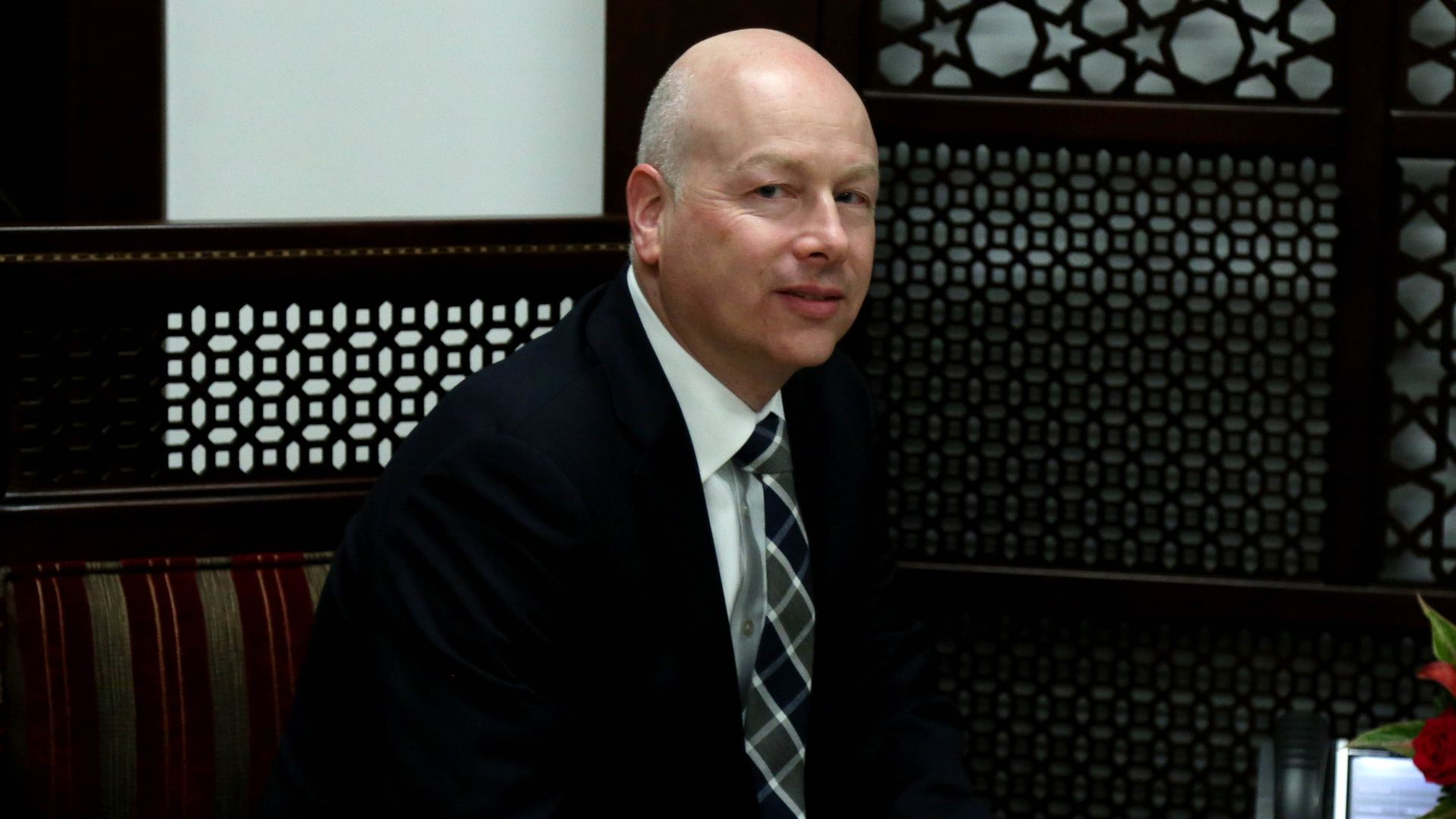
Jason Greenblatt, President Trump's special envoy for Middle East peace, will travel to Israel to continue talks with Israeli officials on the White House's upcoming peace plan, Israeli and U.S. officials tell me.
The big picture: Trump said in September he wants to release his peace plan for the Middle East within the next two to four months. The White House's "peace team," led by Jared Kushner, is in the pre-launch phase of the peace plan. The team is spending a lot of time reaching out to different groups in the U.S. and abroad that are relevant to the Israeli-Palestinian peace process.
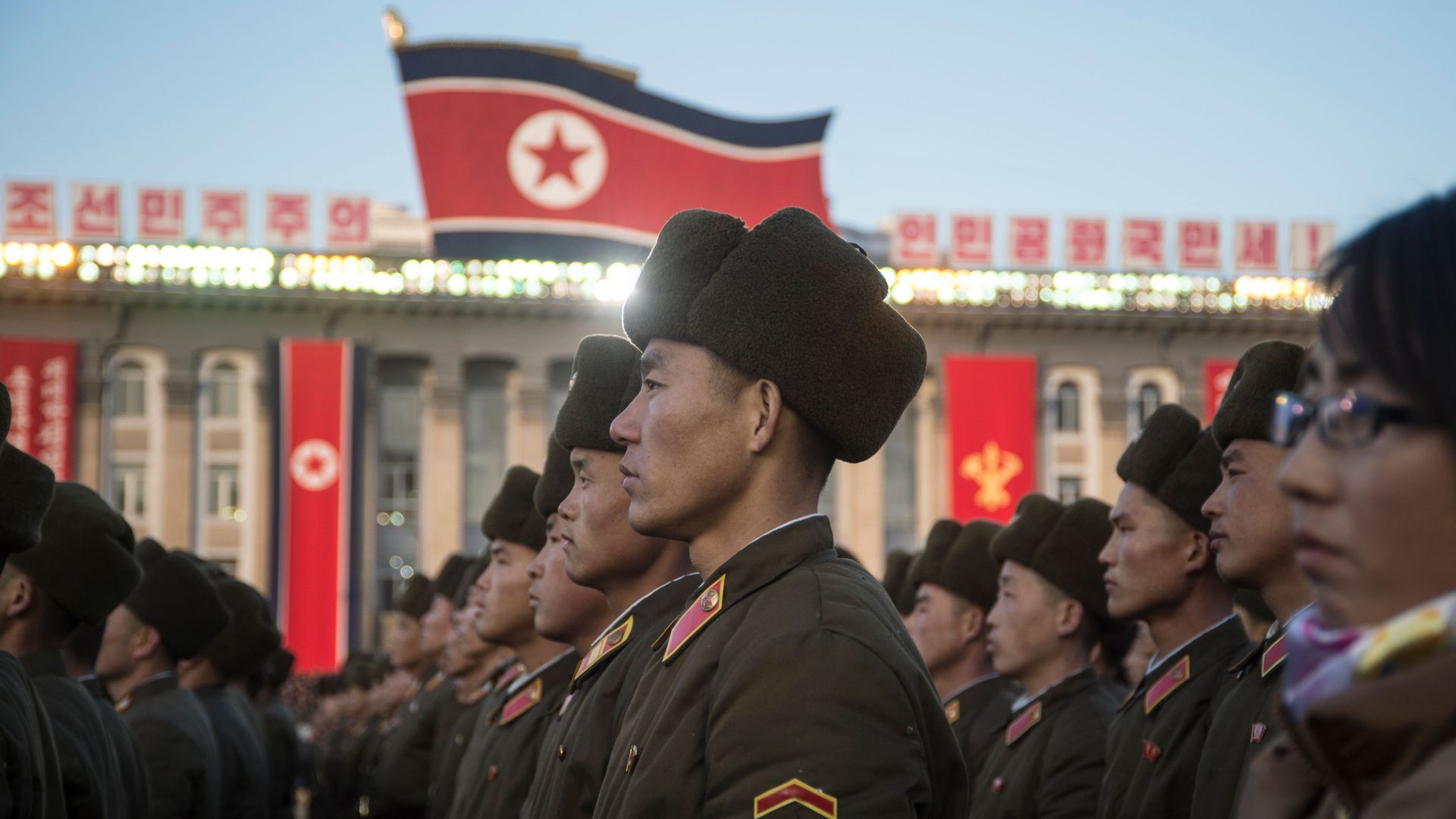
The big picture: North Korea relies on money from cyber crimes to compensate for sanctions. But they aren't all $81 million heists. "North Korean hackers spend most of the day doing low-level crime — cheating at online poker, cracking video games, committing low-level financial crime. That's where most of the money comes from," said Priscilla Moriuchi, director of strategic threat development at threat intelligence firm Recorded Future.
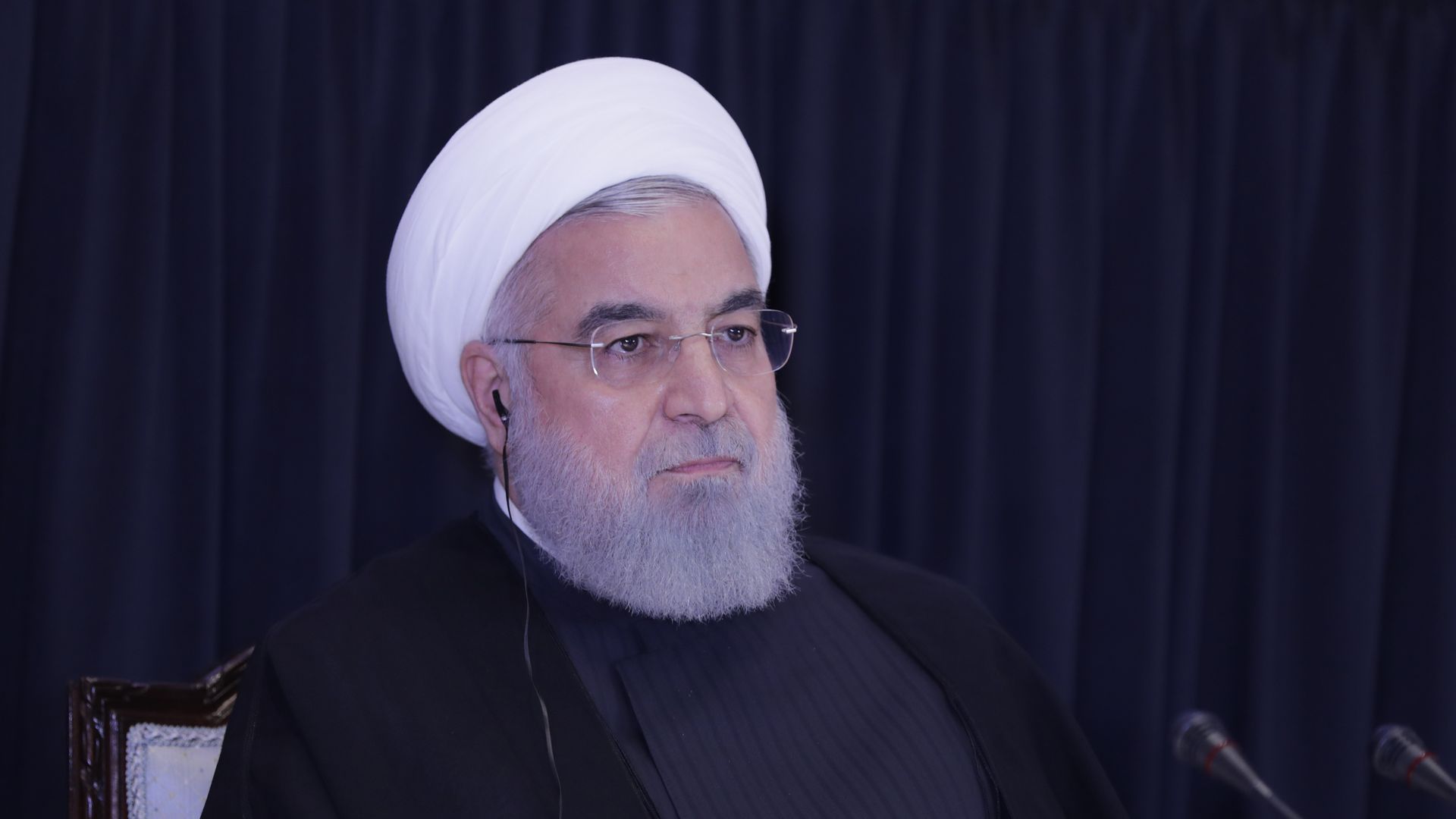
Iranian President Hassan Rouhani weighed in Wednesday on the killing of journalist Jamal Khashoggi at Saudi Arabia's consulate in Istanbul, saying he doesn't "think that a country would dare commit such a crime without the protection of America," reports Reuters, citing Iranian state media.
The big picture: Saudi Arabia is key to the U.S. pressure campaign against Iran, a regional enemy of the Saudis and a target of some of the Trump administration's most hawkish rhetoric. As one well-wired Republican told Axios' Mike Allen, "Constraining Iran is the priority and Saudi is a critical ally in that effort. That 'trumps' the horrible human rights violation."