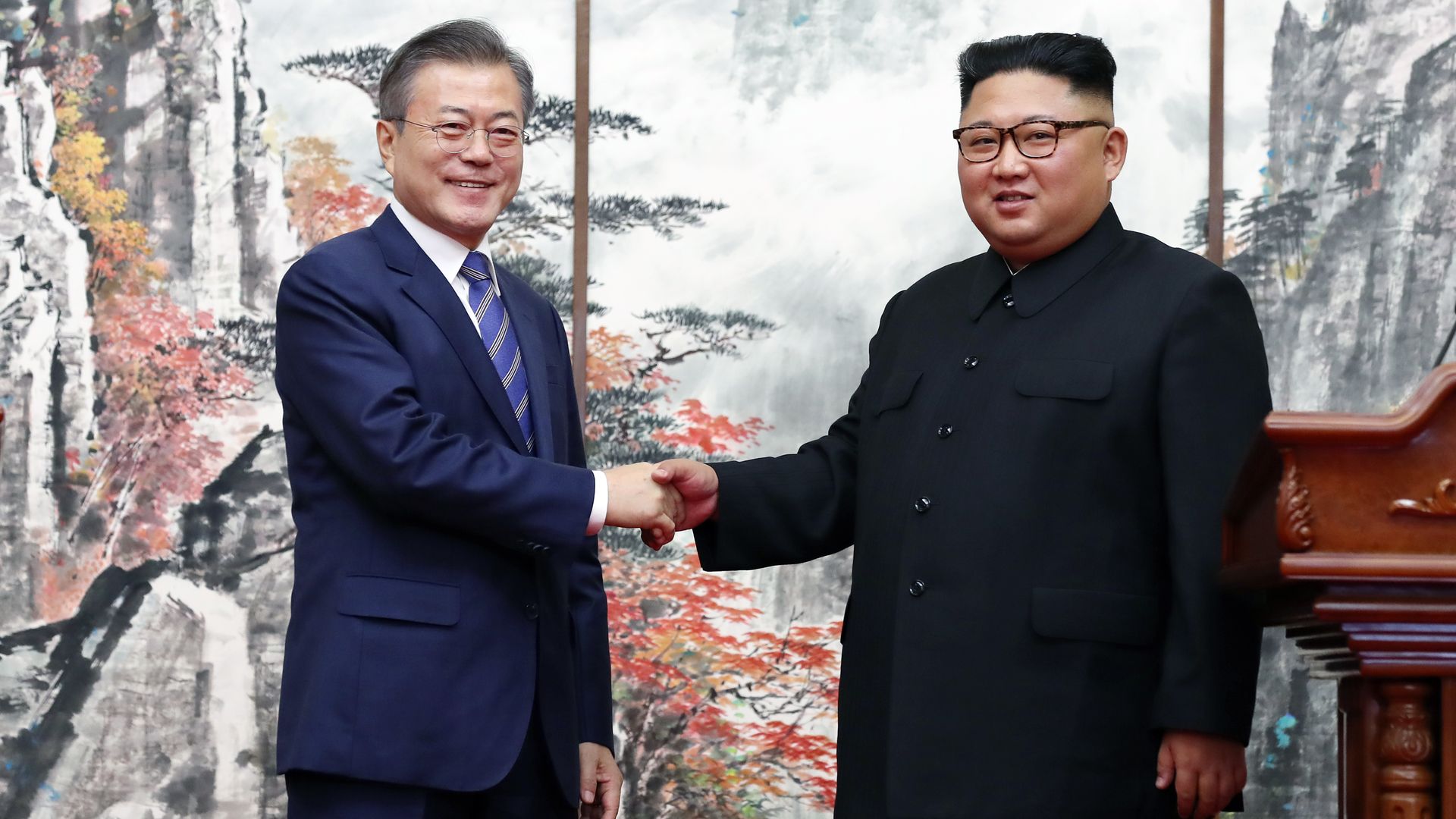
The border zone between North and South Korea, where the joint summit between the Koreas took place in April, has been disarmed so that civilians are allowed to walk across, reports Yonhap News.
Why it matters: The area has long symbolized the military tensions between the two countries. Firearms, ammunition, guard posts, and armed personnel have been withdrawn from the zone, although some unarmed guards will remain.
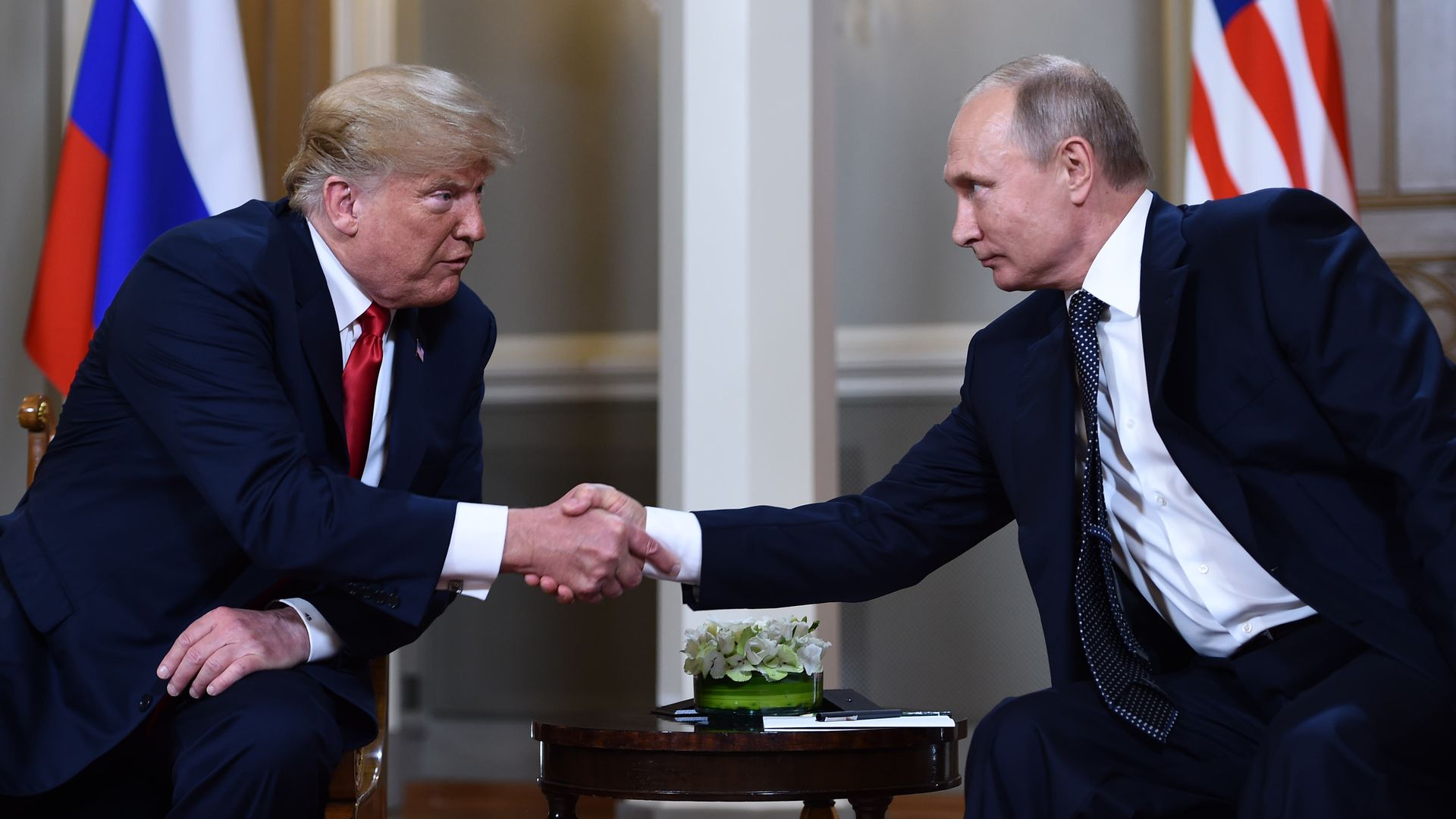
The Trump administration has invited Russian President Vladimir Putin to visit Washington D.C. in early 2019 for "a full day of consultations," U.S. National Security Adviser John Bolton said Friday. It's still unclear whether Putin has accepted the invitation and the exact date and scheduling is still to be determined.
Why it matters: If Putin comes to Washington, it'll mark his first visit to the White House since the George W. Bush administration.
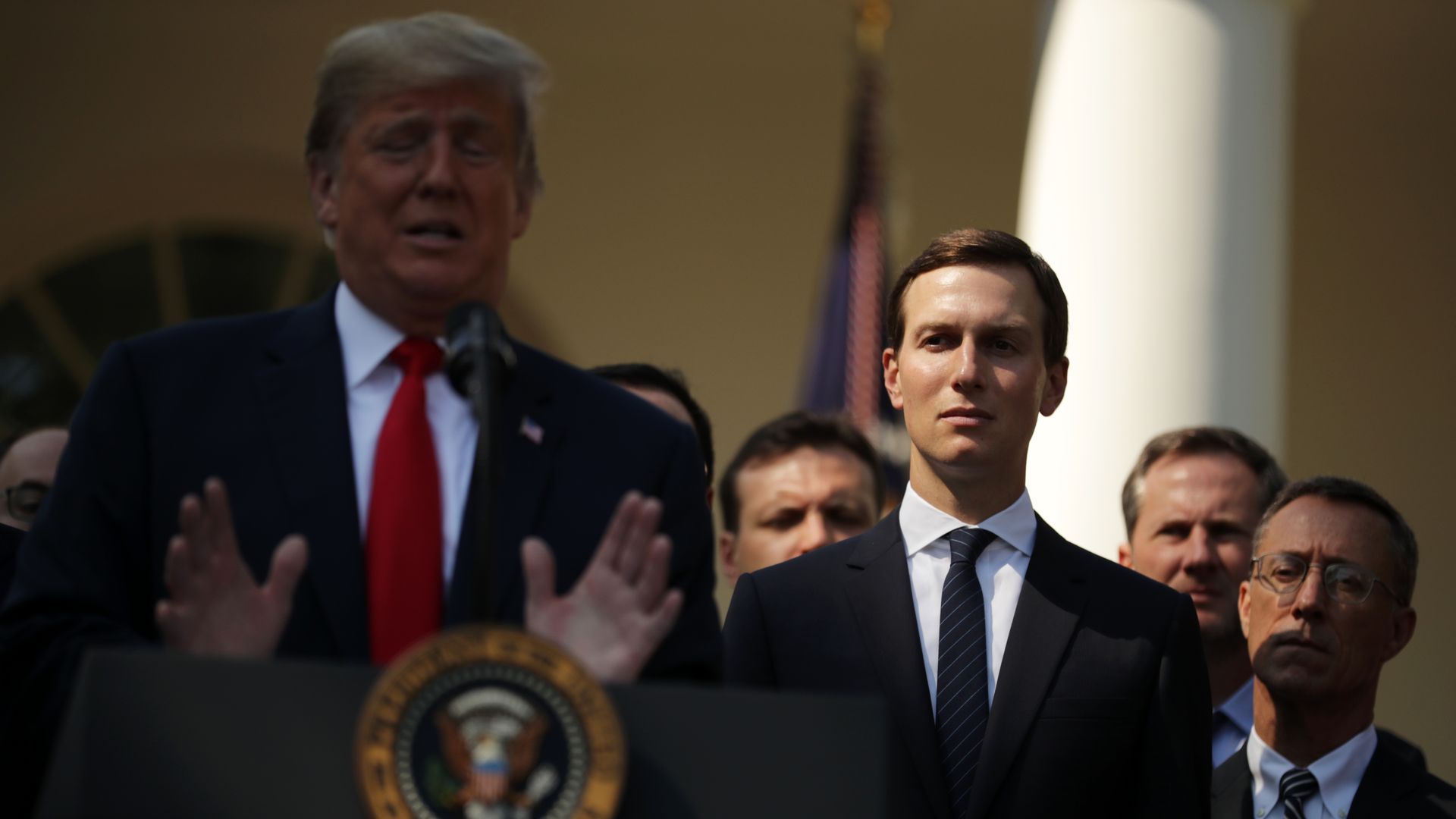
The White House is creeping toward President Trump’s self-imposed deadline (next few months) to release a Middle East peace plan. But the Khashoggi killing has thrown a wrench into what was already a tumultuous situation.
The Palestinian leadership won’t deal with the White House after the Jerusalem embassy decision, and there’s no obvious avenue to engage them before the plan’s release. But the one thing Kushner’s team has going for it: Expectations of success couldn’t be lower.
The Trump administration has started to limit the number of congressional members it gives direct access to intelligence about North Korea’s nuclear program, prompting frustrations among Republicans and Democrats alike, CBS News reports.
The details: Congressional sources told CBS News that the new policy limits access to only leaders of each party in the House and Senate, as well as the chairs and ranking members of foreign relations and intelligence committees. Previous intelligence reports were available to the entire committees and their staffers. Sources in Congress are reportedly worried that the drastic cut in access may leave many in the dark about Pyongyang 's nuclear developments, and that it might indicate North Korea is accelerating the program.
On Oct. 23, the U.S. and six Gulf partners sanctioned seven Taliban leaders and two Iranian Revolutionary Guard officers for terrorist activity and narcotics trafficking. The slated purpose is to “disrupt Taliban actors and their Iranian sponsors that seek to undermine the security of the Afghan government.”
Between the lines: These financial sanctions are unlikely to have a strategic effect on Afghanistan’s civil war, as the Taliban don't depend heavily on Iranian support. At the same time, however, the U.S.’ Gulf allies have been, at best, haphazard in their imposition of previous sanctions on the Taliban: If they follow through now on sending a real warning, the Taliban might listen.
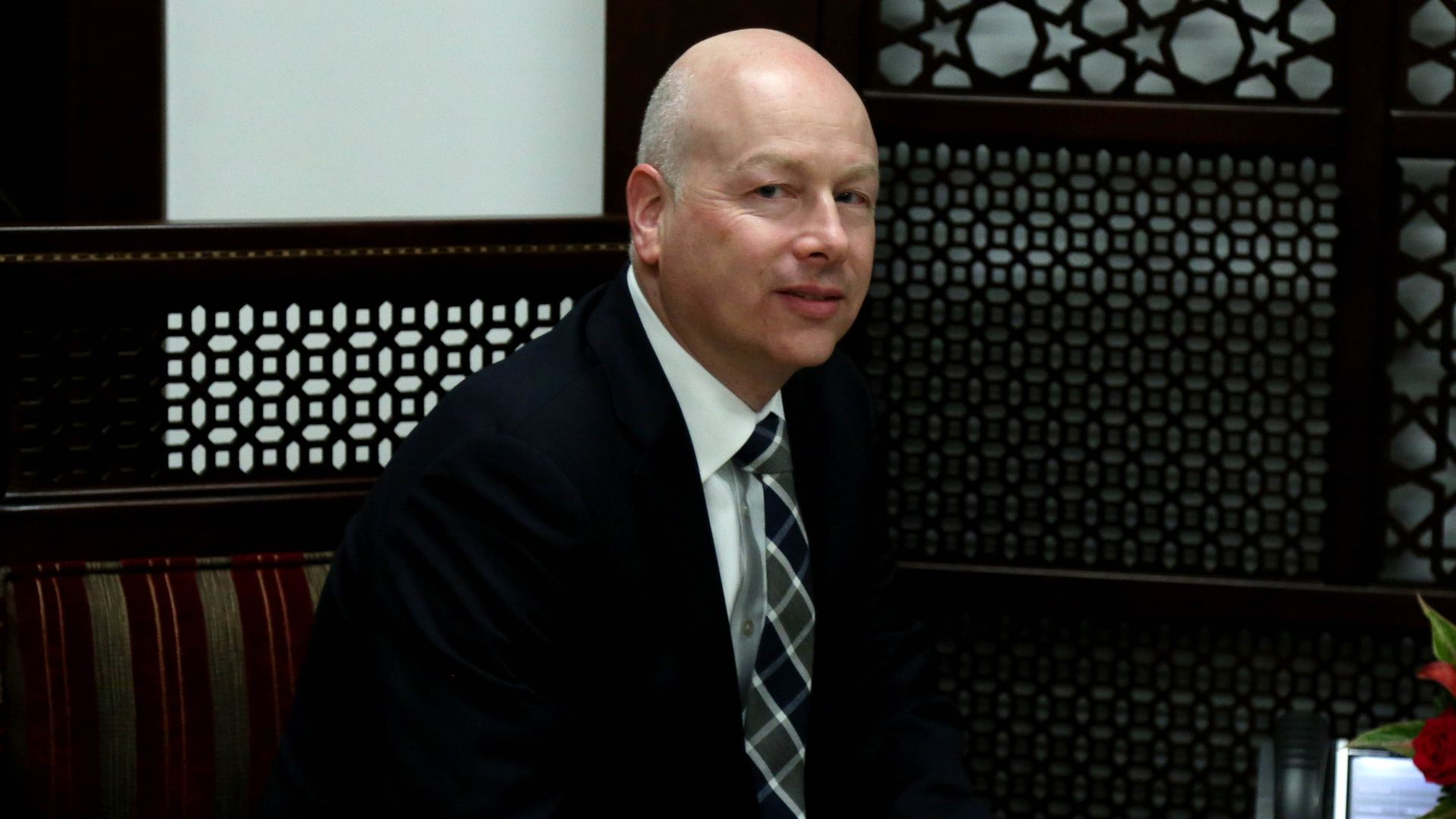
Jason Greenblatt, President Trump's special envoy for Middle East peace, will travel to Israel to continue talks with Israeli officials on the White House's upcoming peace plan, Israeli and U.S. officials tell me.
The big picture: Trump said in September he wants to release his peace plan for the Middle East within the next two to four months. The White House's "peace team," led by Jared Kushner, is in the pre-launch phase of the peace plan. The team is spending a lot of time reaching out to different groups in the U.S. and abroad that are relevant to the Israeli-Palestinian peace process.
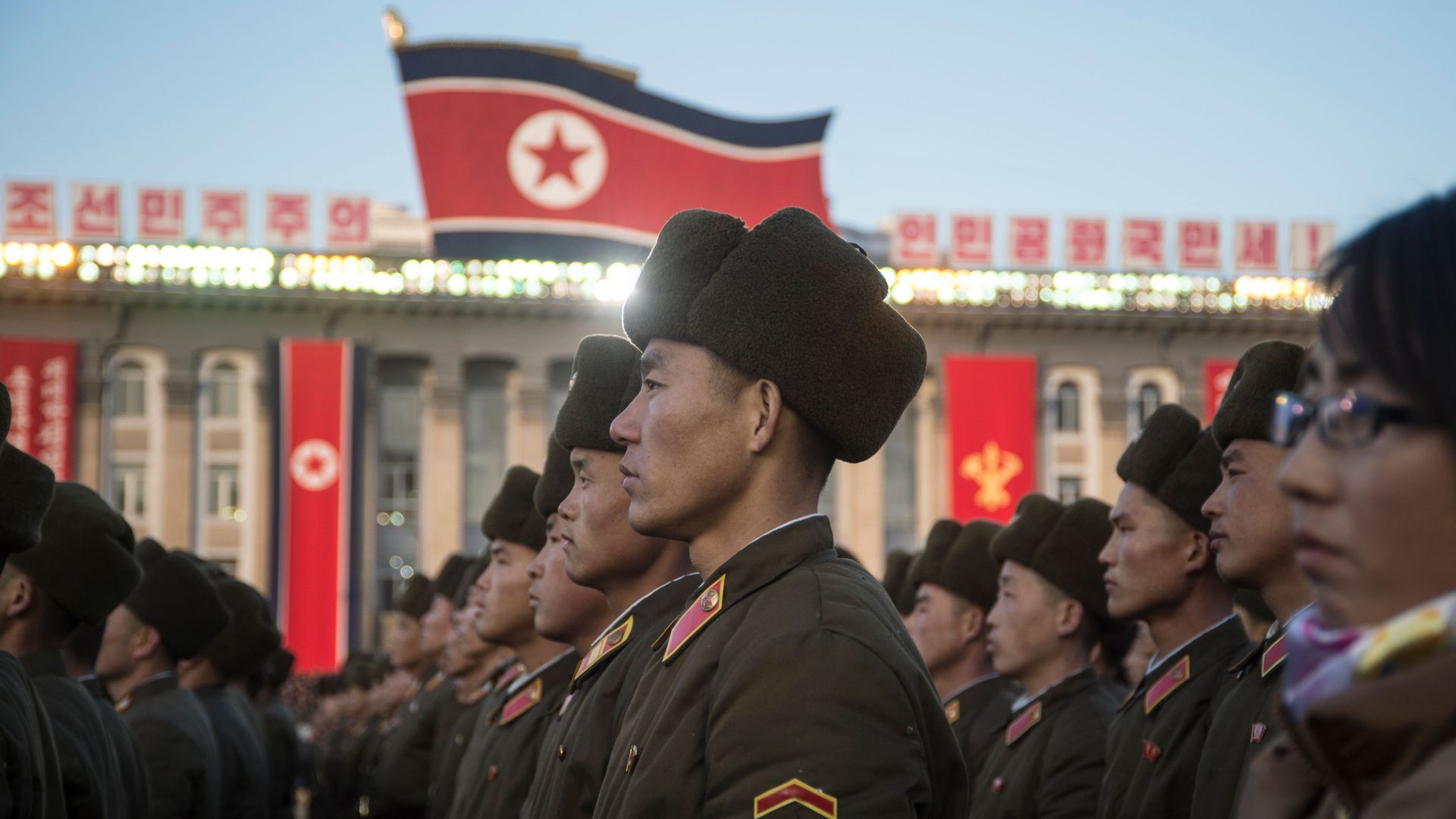
The big picture: North Korea relies on money from cyber crimes to compensate for sanctions. But they aren't all $81 million heists. "North Korean hackers spend most of the day doing low-level crime — cheating at online poker, cracking video games, committing low-level financial crime. That's where most of the money comes from," said Priscilla Moriuchi, director of strategic threat development at threat intelligence firm Recorded Future.