Friday's world stories

White House: Trump doesn't support Putin's Ukraine referendum idea
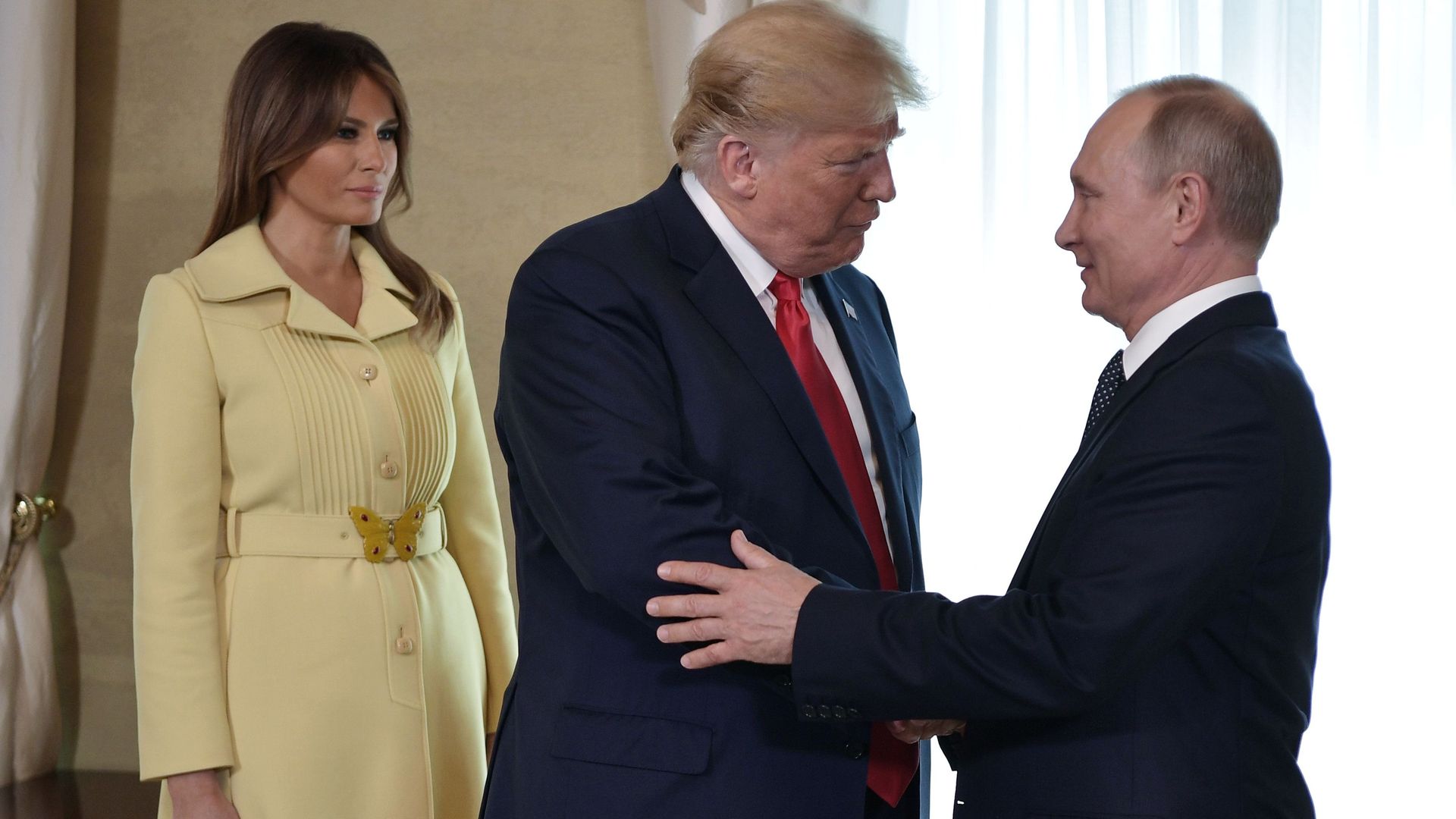
The White House says President Trump "is not considering supporting" a referendum in Eastern Ukraine — an idea that Vladimir Putin reportedly floated during his one-on-one meeting with Trump in order to help resolve the standoff there.
Why it matters: The U.S. position remains that areas controlled by Russian separatists in Eastern Ukraine belong to Ukraine. Trump told Putin he would consider the referendum idea, and asked him not to discuss it publicly while he did so, a source told Bloomberg. This is the second suggestion made by Putin during the meeting that appeared to be under consideration, but has since been ruled out. The White House has not provided details on what was said in the meeting, and has generally been on the defensive this week on matters relating to Russia.

Report: Iran readying cyberattacks on U.S., Europeans, Middle East
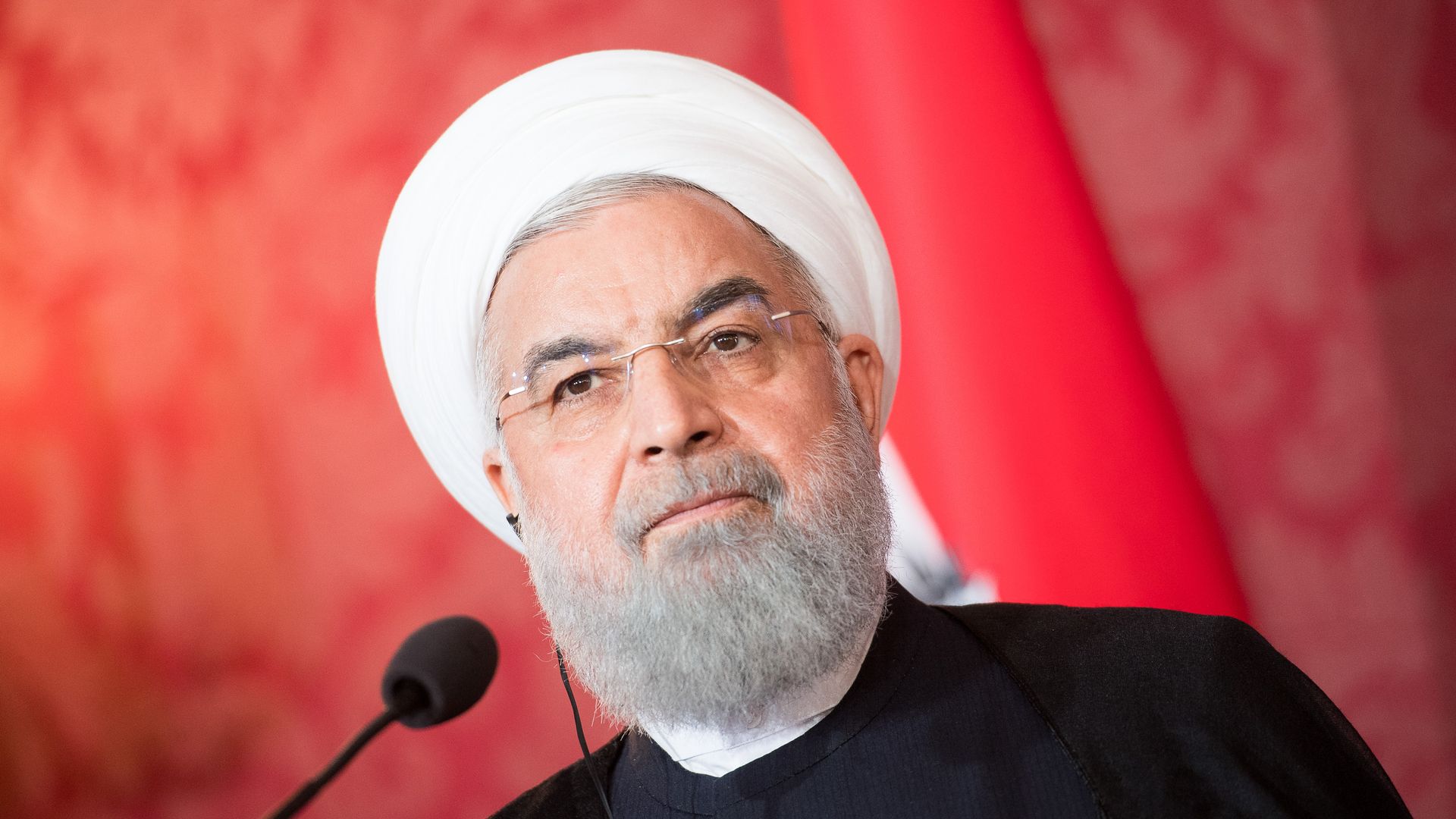
Iranian hackers have laid the foundation to launch cyberattacks on electric grids, water plants, and health care and technology companies in the U.S., European countries, and in the Middle East, multiple senior U.S. officials tell NBC News' Courtney Kube, Carol E. Lee, Dan De Luce, and Ken Dilanian.
Why it matters: Iran has launched similar attacks before, like when it attacked U.S. banks and a dam in New York in what some security experts believe to have been in response to the 2010 Stuxnet attack on Iran, per Reuters. The U.S. is weighing whether striking back against Iran, if these extensive cyberattacks indeed come, would be the appropriate response. In preparation, the White House has reportedly readied sanctions against Tehran.

Three senior cybersecurity officials to leave FBI
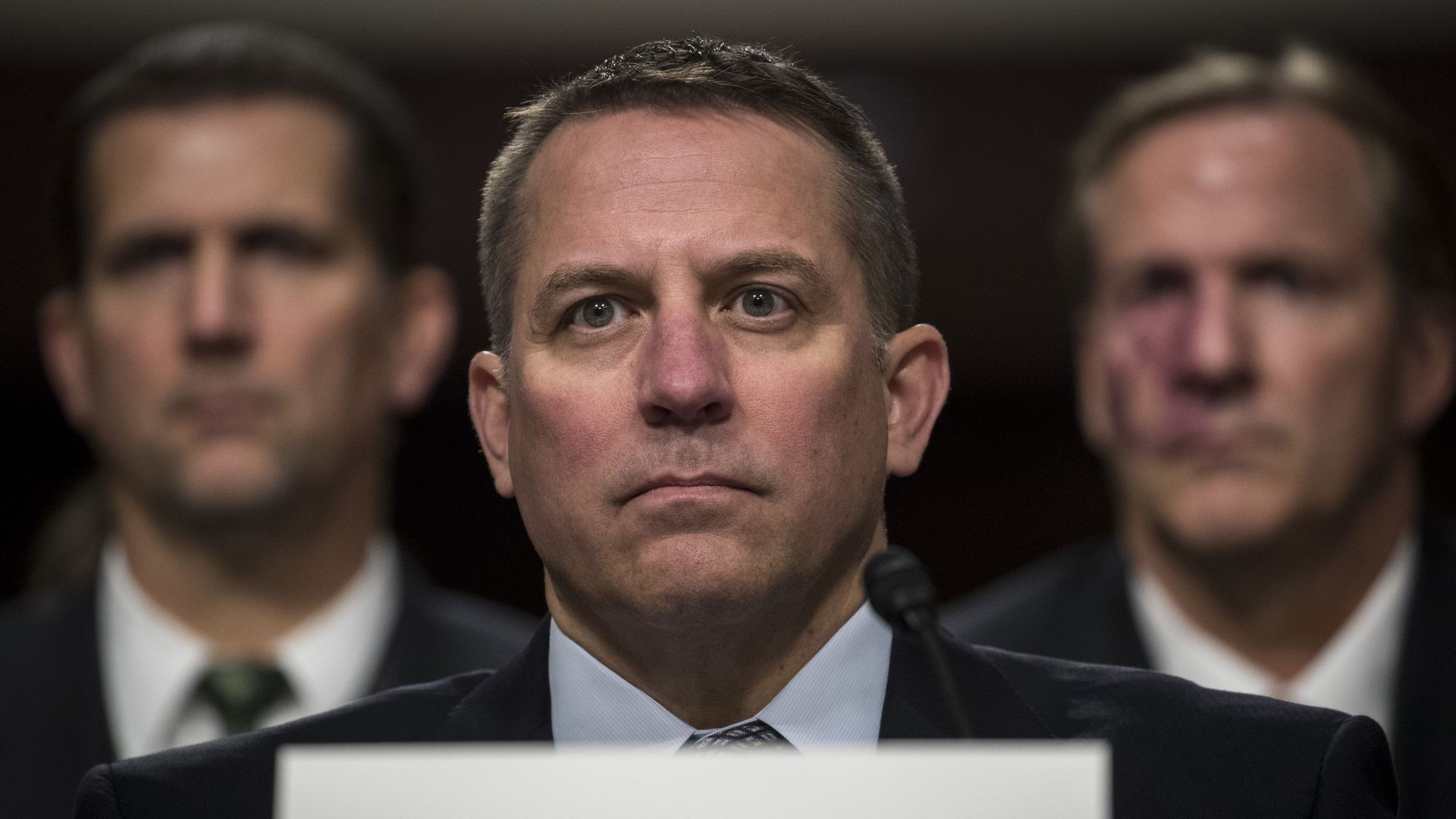
Three high-level cybersecurity officials are retiring from the FBI, reports WSJ.
Why it matters: While it is not uncommon for officials to leave after become eligible for retirement benefits at age 50, the timing and scale of the exodus is noteworthy given President Trump's criticism of the intelligence community and the ongoing cyber threats from Russia and other foreign adversaries.

Report: Suspects in British poisoning attack fled to Russia

British authorities say the two suspects they identified in the poisoning of former Russian double agent Sergei Skripal and his daughter Yulia, fled to Russia after the attack, reports CNN.
The big picture: Their departure was revealed through a coded Russian message to Moscow that was sent after the attack, further linking Russia to the poisoning. The British government suspected Skripal's poisoning to be an attack by Russia and, with this new evidence, that suspicion is only getting stronger.
Russia, China block U.S. rebuke over United Nations North Korea oil sanction
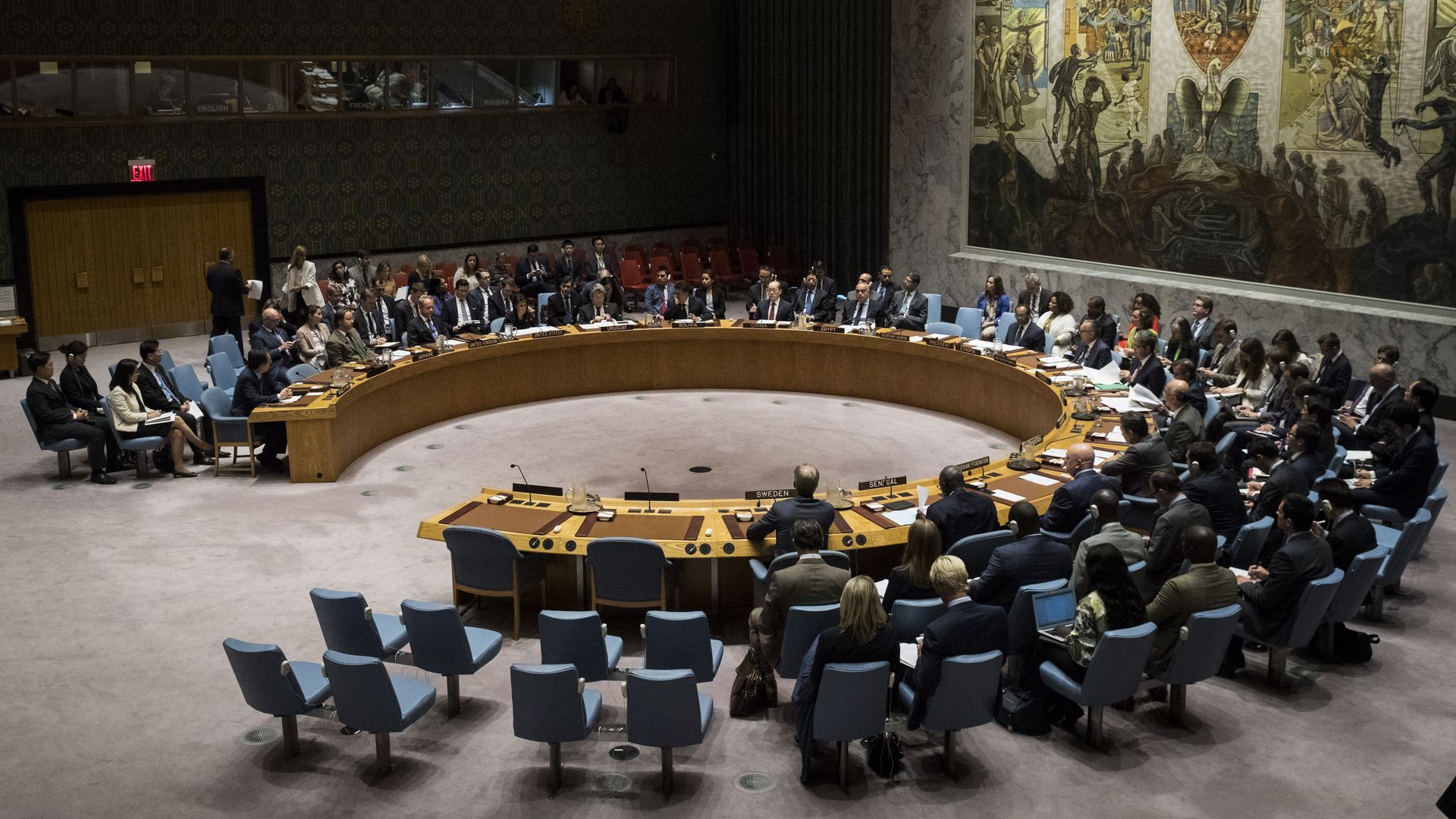
Russia and China on Thursday blocked the U.S. from getting the United Nations to publicly point fingers at North Korea for smuggling more petroleum products beyond the limit imposed by UN sanctions, reports the AP.
The details: The policy was imposed by the UN's 15-member Security Council in response to North Korea’s nuclear and missile tests. The U.S. requested last week that the Security Council publicly rebuke North Korea for violating the quota and had until today to object. Just moments before the noon deadline per the AP, diplomats said Russia and China put "a hold" on the motion citing a need to investigate the U.S.' allegations, automatically delaying any action on the U.S. request for six months.
North Korea's next move
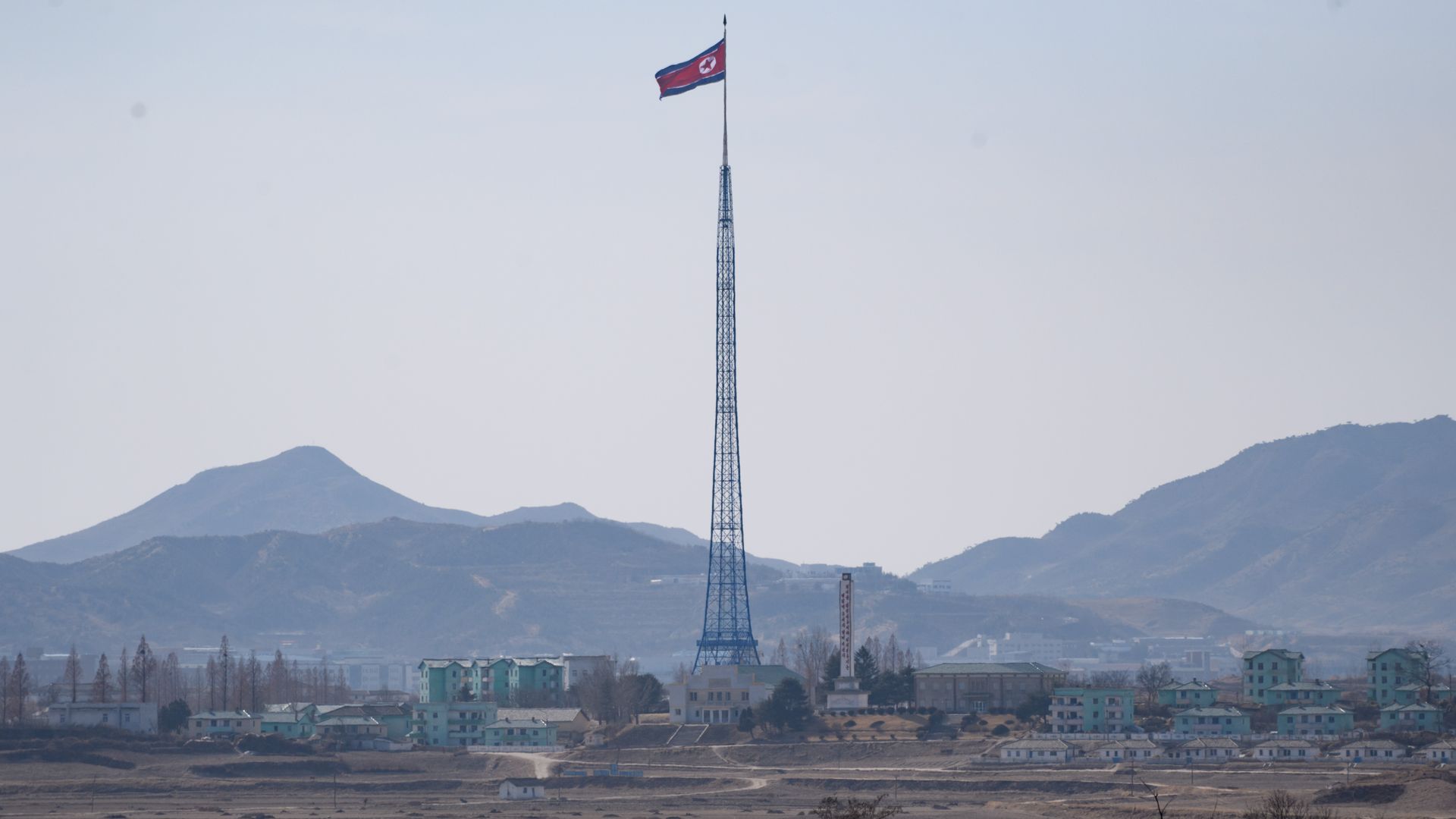
The dramatic Singapore summit between President Trump and Kim Jong-un has been followed by five weeks of occasional talk and no action. That could change next week.
The latest: In talks at the DMZ, North Korea agreed to return the remains of 50-55 troops killed during the Korean War, a U.S. official tells Stars and Stripes. The U.S. is reportedly scheduled to receive the remains on July 27, the 65th anniversary of the end of the war, but further delays are possible.
Russia displays newest weapons days after Putin-Trump summit
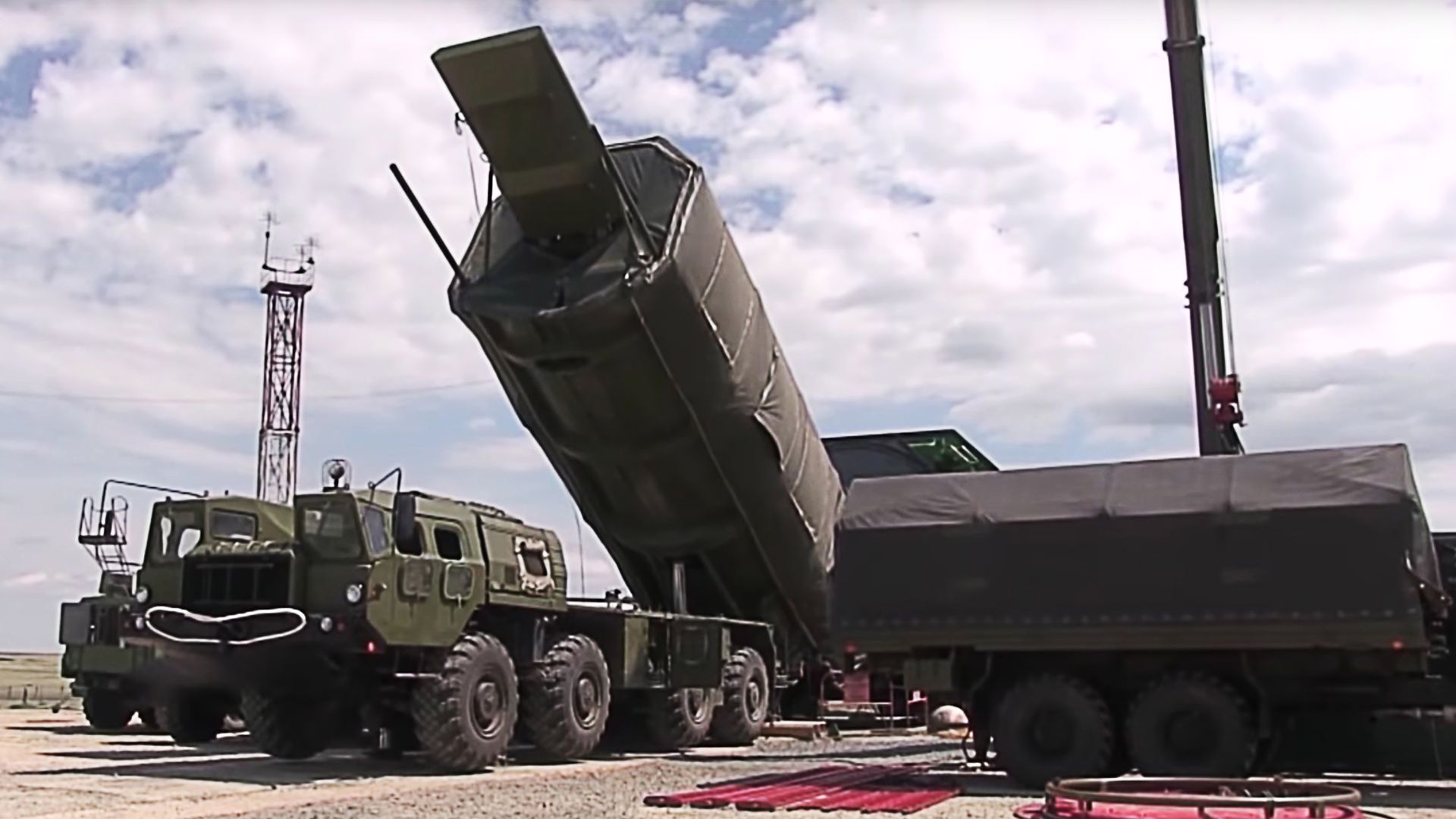
Just days after the one-on-one meeting between Russian President Vladimir Putin and President Trump when they reportedly discussed the intention to avoid a nuclear arms race, Russia broadcast videos Thursday that display its latest batch of nuclear and conventional weapons, Reuters reports.
The details: The Russian Defense Ministry aired "Hollywood-style footage of many of the new weapons Putin unveiled in March being tested or in action," per Reuters. "It showed a Russian MiG-31 fighter jet taking off from an airfield carrying the new Kinjal hypersonic missile and then launching it while airborne. MiG-31 jets which patrol the Caspian Sea have been armed with the Kinjal since April."
Trump says he'll be Putin's "worst enemy" if dealings don't work out
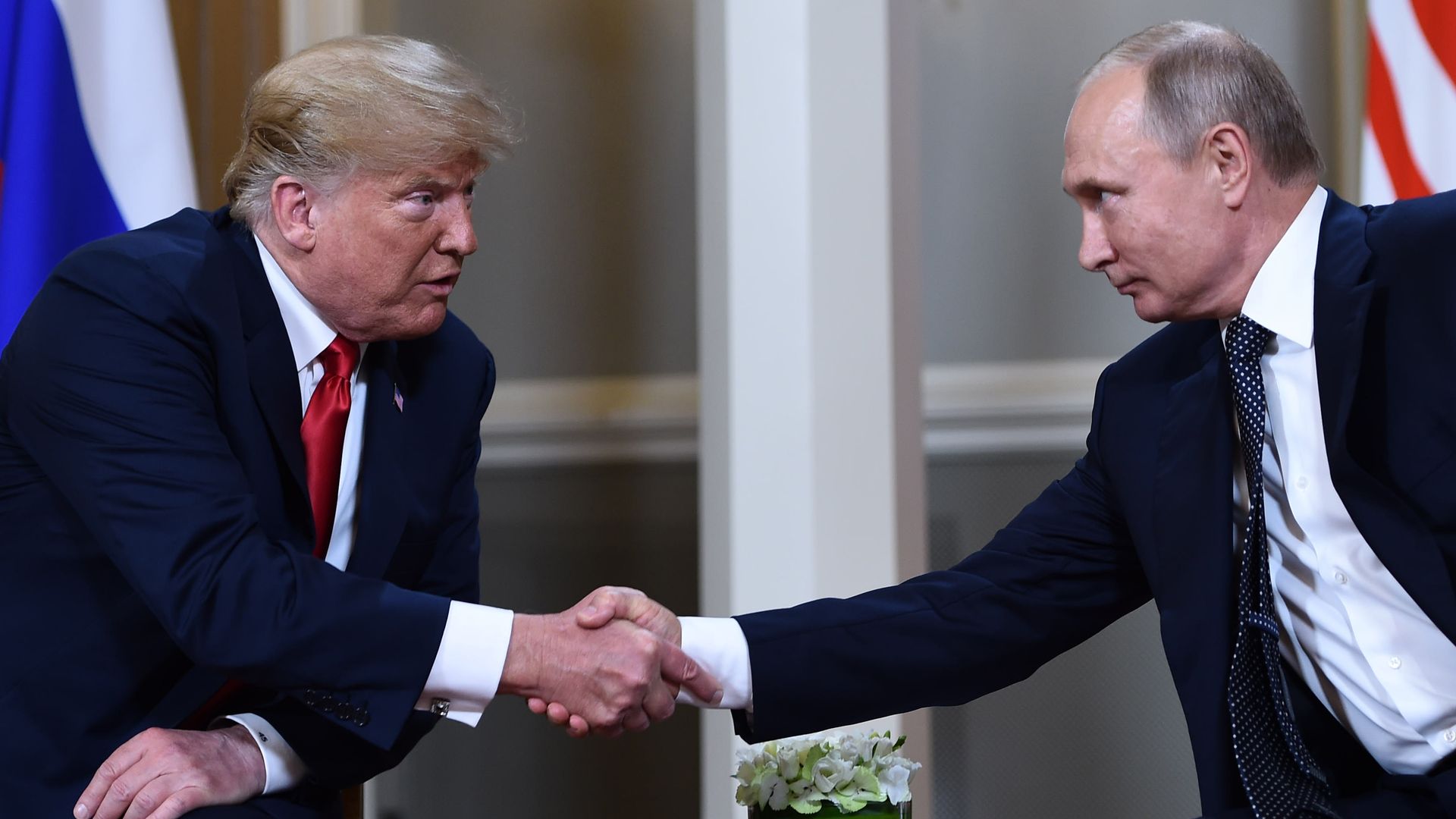
President Trump again claimed in an interview with CNBC that getting along with Russia would be great for the United States, but that if their relationship doesn't work out, he will be "the worst enemy" Vladimir Putin has ever had.
Why it matters: Trump has long insisted that no president has been as tough on Russia as he has, taking time during the interview to slam former President Obama as a "total patsy" for Russia, even as Trump faces his own criticism for being soft on Putin during their summit in Helsinki.
Talks underway for Putin's White House visit

White House Press Secretary Sarah Sanders on Thursday said the White House has extended an invitation to Russian President Vladimir Putin to visit Washington this fall, and discussions are currently underway.
Senate votes against Putin's proposal to question Americans in exchange for cooperation

The Senate on Thursday unanimously approved a non-binding resolution against making current and former diplomats available to the Russian government for questioning in exchange for cooperation with the Mueller probe.
Why it matters: This is a blowing rebuke against President Trump who was initially considering the request from Russian President Vladimir Putin, calling it an "incredible offer." Trump's willingness to consider handing U.S. citizens, including former U.S. ambassador Michael McFaul, for interrogation triggered widespread outrage. The White House ruled out the request just hours before the Senate vote.

There are an estimated 2.6 million people enslaved in North Korea
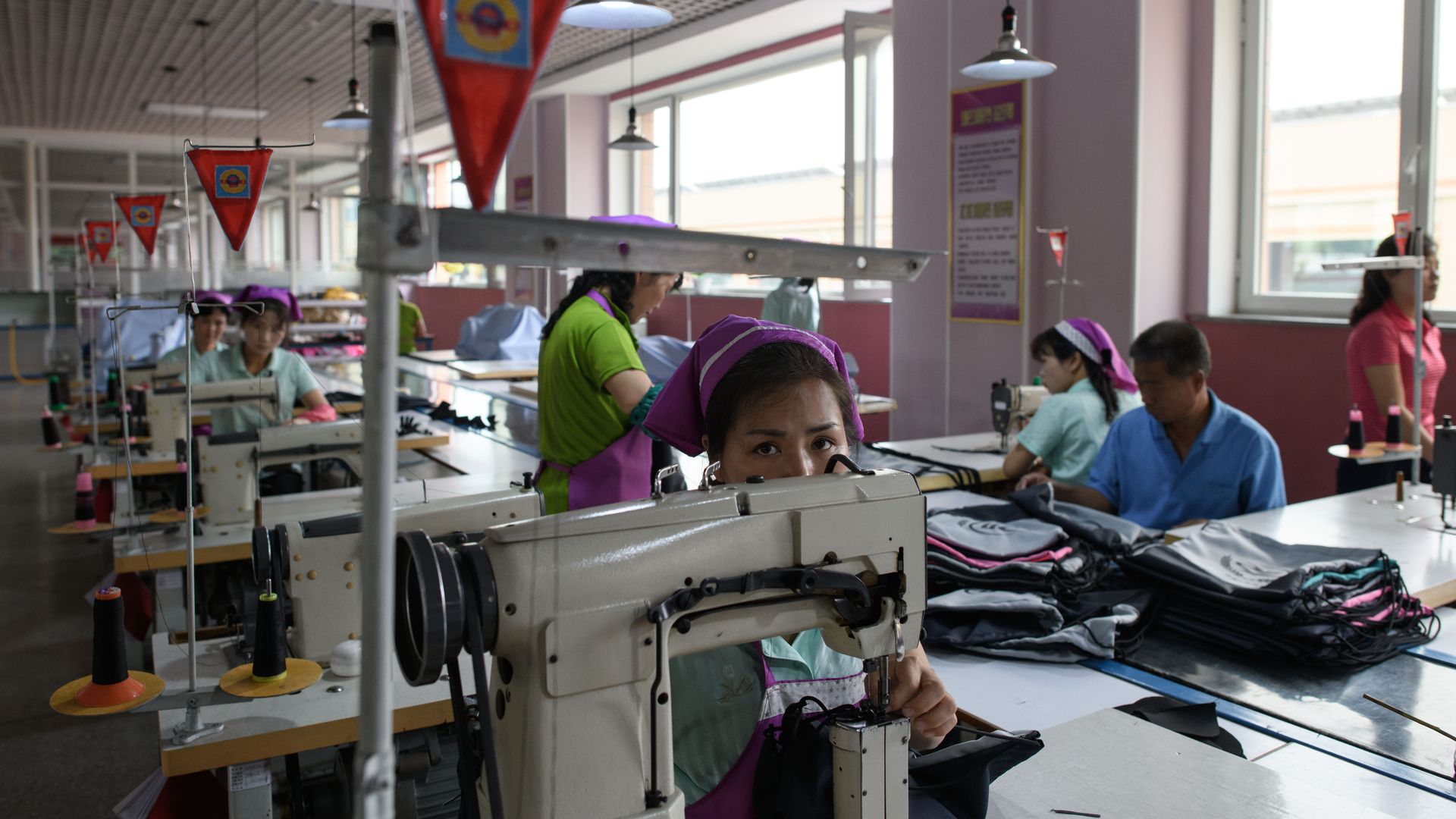
North Korea had an estimated 2.6 million modern slaves in 2016, according to the 2018 Global Slavery Index by the Walk Free Foundation, a global organization combatting modern slavery.
Why it matters: That means that one in ten North Koreans are imprisoned by forced labor or marriage, and a majority of those are enslaved by the state, according to the report. Andrew Forrest, founder of the Walk Free Foundation, told Axios that he hopes President Trump will challenge Kim Jong-un on the issue. Forrest said that "nobody is better qualified that Donald Trump to persuade and inform the North Korean president to the reality" of modern day slavery.
Go deeper: The estimated 400,000 people caught in modern slavery in the U.S.
Trump rules out Putin's plan to interrogate U.S. citizens

The White House has belatedly rejected Vladimir Putin's proposal that Russia be allowed to question several U.S. citizens, including former U.S. Ambassador to Russia Michael McFaul, in exchange for cooperation with the Mueller probe.
The latest: Three days after the press conference in which President Trump praised Putin's "incredible offer," Press Secretary Sarah Sanders today released a statement saying that while Putin's offer was "made in sincerity," Trump "disagrees with it." Sanders had generated significant backlash just yesterday, including from McFaul and other former U.S. officials, when she said Trump would meet with advisers to discuss the idea. The Senate was planning to vote on a resolution opposing Putin's proposal.
Democrats’ push for more election security funding keeps failing

House Democrats forced a vote on election security funding this week — and lost again today.
The big picture: This shows that the recent outburst in criticism against President Trump's back-and-forth on whether he believes the intelligence community's assessment that Russia meddled in U.S. elections may not be enough to translate into votes. According to an exclusive Axios/SurveyMonkey poll, Republicans overwhelmingly (79%) approve of the way Trump handled his press conference with Russian President Vladimir Putin.

Trump's Iran sanctions could lead to volatile gas prices, recession
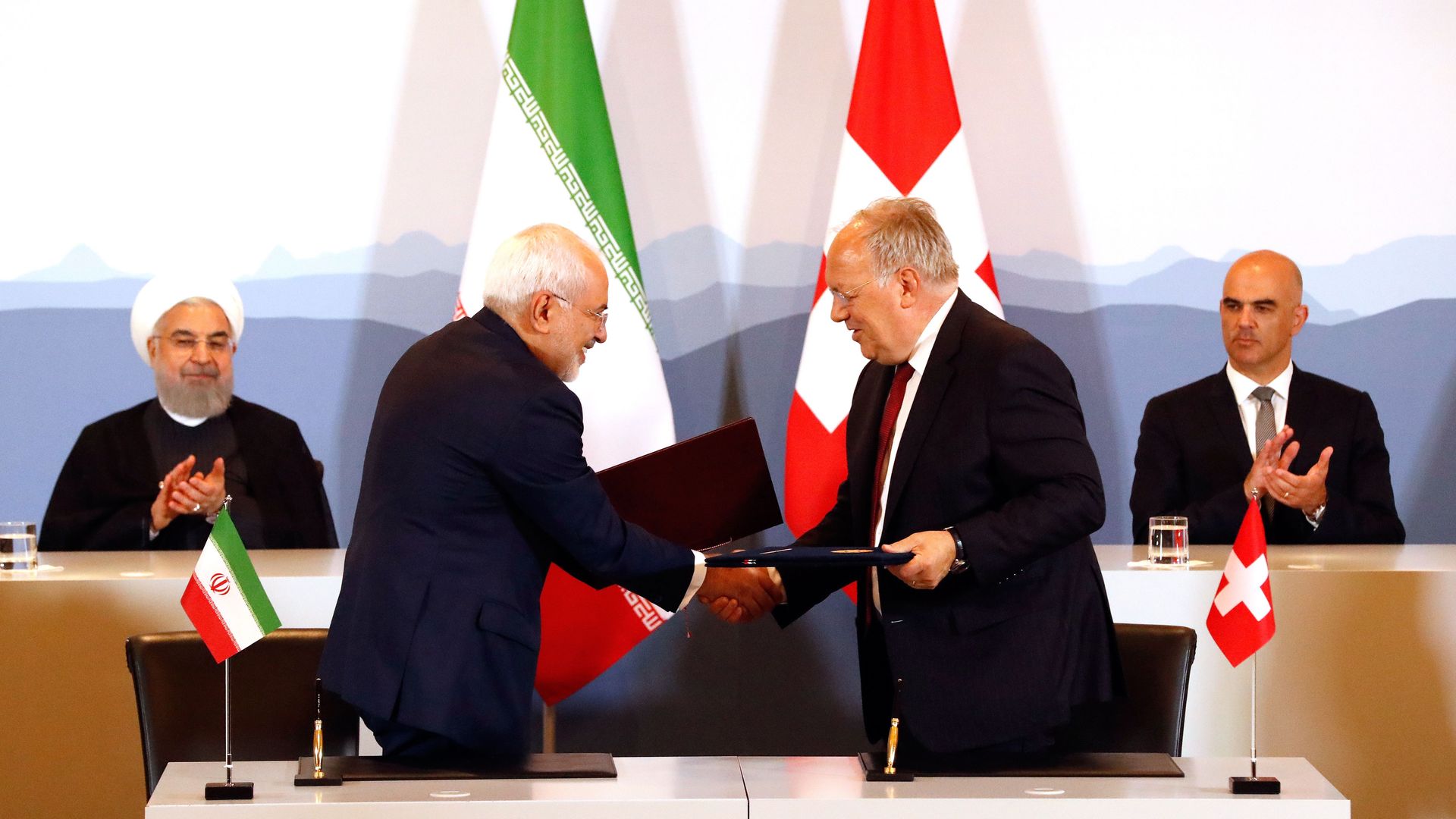
President Trump’s decision to unilaterally withdraw from the Iran nuclear deal throws a new degree of uncertainty into global oil markets and poses a stark dilemma for U.S. foreign policy.
The big picture: The Trump administration's efforts to drastically reduce Iran’s oil exports might risk a massive blow to U.S. consumers and allies. If Trump's “maximum pressure” campaign succeeds, the volatile and rising gasoline prices that result could finally dent his approval ratings, even among hardline supporters, and spark a global recession.
Israel passes Jewish "nation state" bill
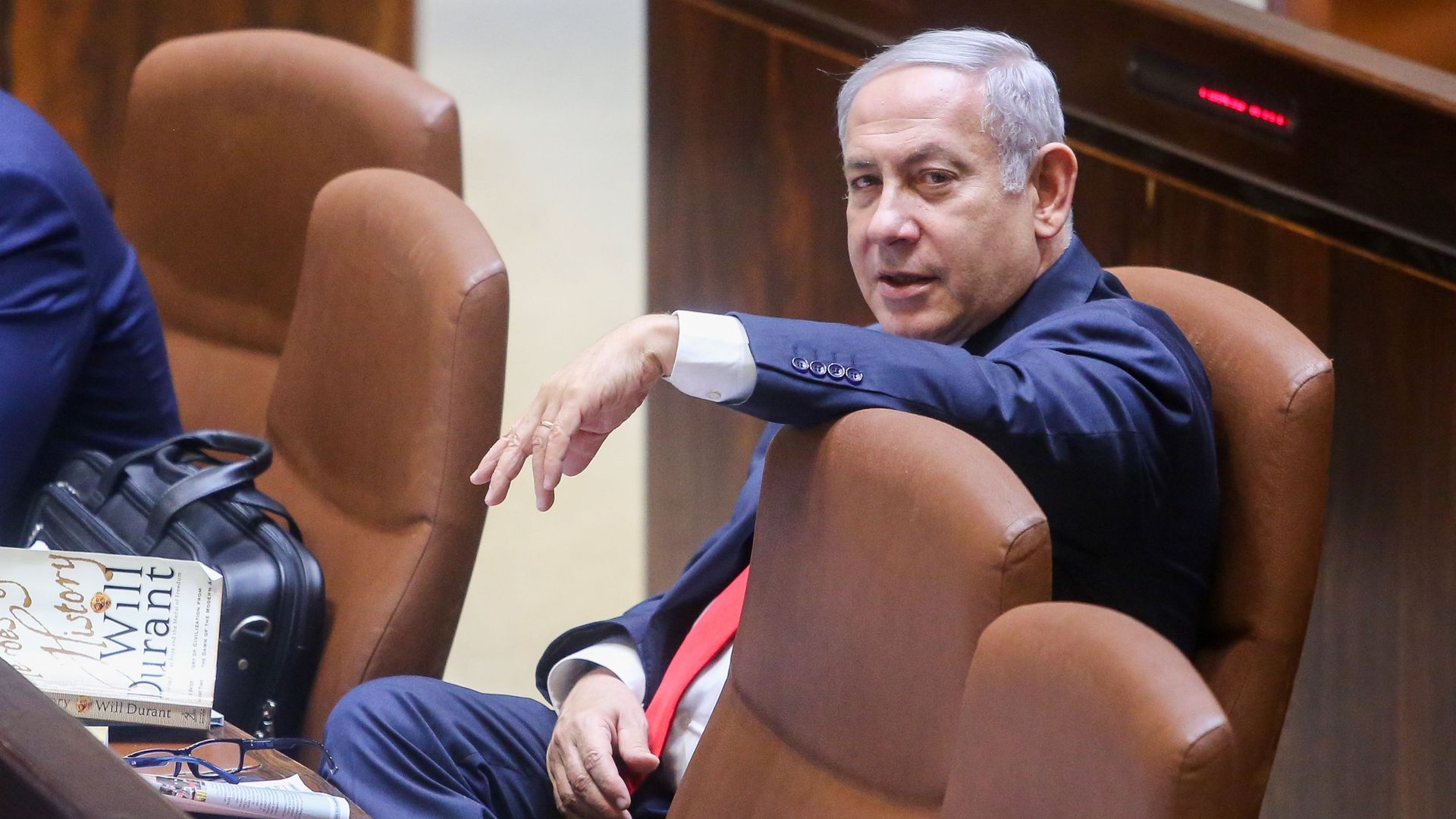
Israel's parliament passed a controversial bill Thursday recognizing the country as the national and historical home of the Jewish people, granting Jews the "unique" right to "exercise national self-determination," reports The Times of Israel.
Why it matters: Israel's status as a Jewish state had not previously been enshrined in law. Among other things, the largely symbolic legislation reiterates that Jerusalem is the capital of Israel and officially names Hebrew as the "state's language." The proposal generated passionate opposition in a country where 20.9% of the population identifies as Arab.

Putin: U.S.-Russia relations on "the path to positive change"
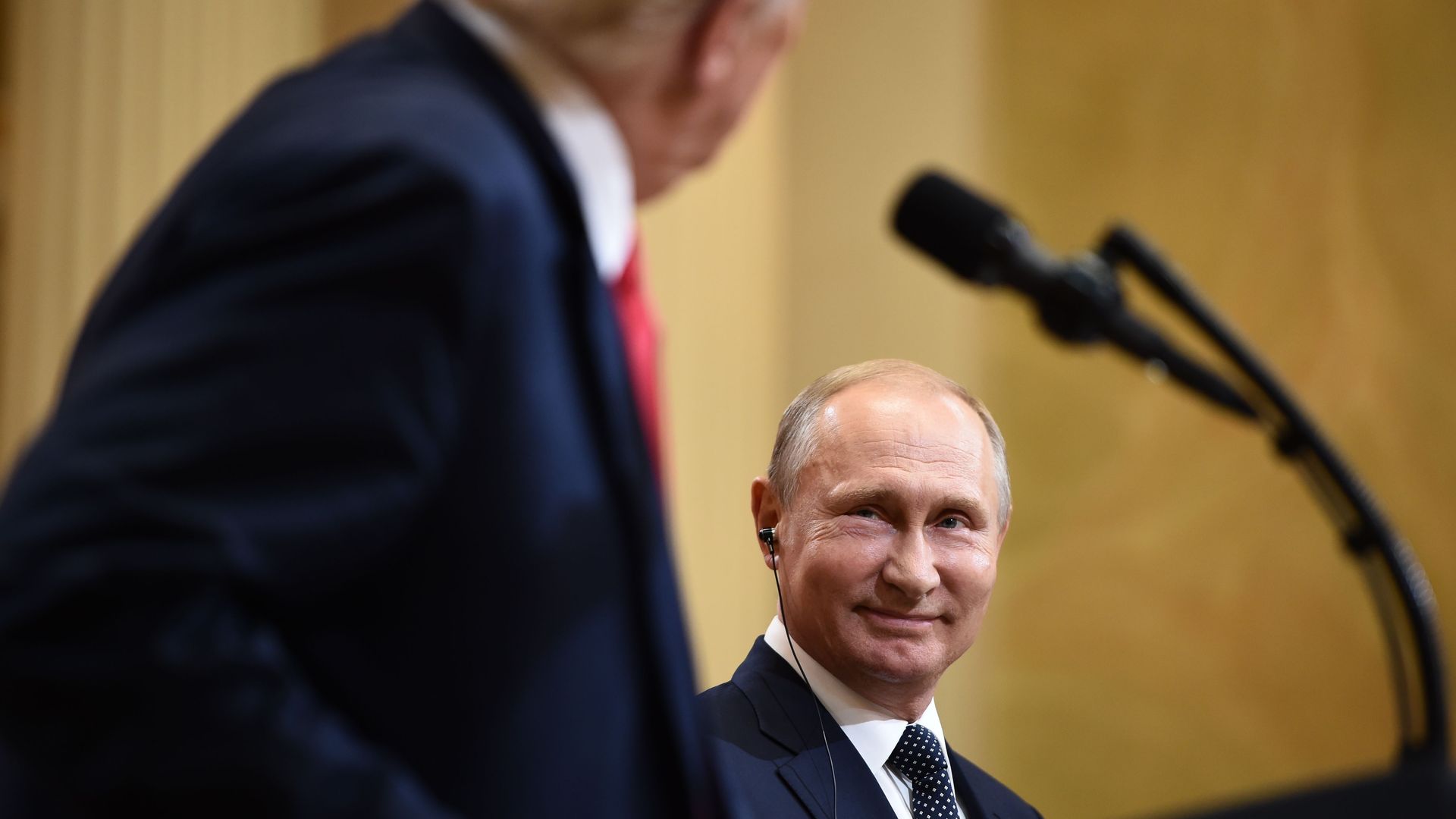
Russian President Vladimir Putin said on Thursday that his meeting with President Trump in Helsinki put U.S.-Russia relations on "the path to positive change" despite currently being "in some ways worse than during the Cold War," per the AP.
Why it matters: This is a talking point that Trump has touted frequently, saying relations between the two countries have never been worse. Putin also expressed his concerns about "forces" in the U.S. who are trying to hamper efforts to improve relations.
Trump accuses the media of Russia warmongering
President Trump suggested that the news media is pushing for a confrontation with Russia in a Thursday tweet, saying reporters "hate the fact that I’ll probably have a good relationship with Putin."
"The Fake News Media wants so badly to see a major confrontation with Russia, even a confrontation that could lead to war. They are pushing so recklessly hard and hate the fact that I’ll probably have a good relationship with Putin. We are doing MUCH better than any other country!"
The backdrop: It's Trump's latest in a multi-day series of tweets defending his Helsinki performance — and it comes on the heels of a new Axios/SurveyMonkey poll which shows that Americans are sharply divided over Trump's press conference with Putin, with 7% of Democrats and 79% of Republicans saying they approved of his comments.