Russia is seeking the release of Maria Butina, the Russian national accused of accessing U.S. political organizations in an attempt to influence prominent Republicans and gain information to report back to the Russian government, the New York Times reports.
The details: Since Butina's indictment by the Justice Department, the Russian government has made a vast effort in demanding her release. On Saturday, Russian foreign minister Sergey Lavrov reportedly called Mike Pompeo and argued that the charges against Butina were "fabricated."
Hamas leaders announced on Saturday they've accepted a cease-fire with Israel, CBS reports; it's the second such agreement of the week.
Why it matters: Fighting between the militant group and Israeli forces has been escalating near a brink of an all-out war — of which there has been three in the past decade, per CBS. And even after the cease-fire, an Israeli tank moved on a Hamas military post in Gaza in response to "a breach of the border fence," CNN reports.
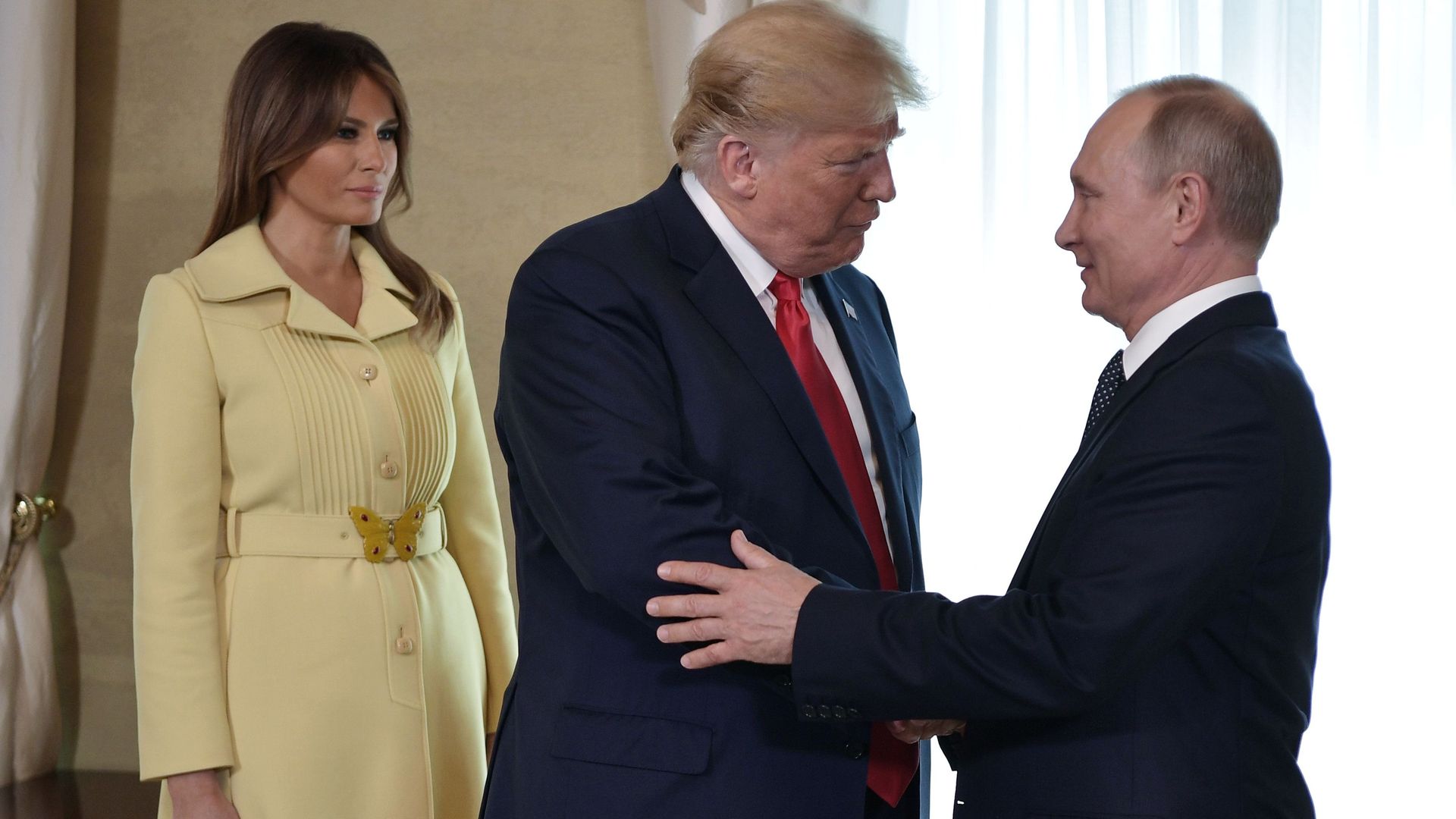
The White House says President Trump "is not considering supporting" a referendum in Eastern Ukraine — an idea that Vladimir Putin reportedly floated during his one-on-one meeting with Trump in order to help resolve the standoff there.
Why it matters: The U.S. position remains that areas controlled by Russian separatists in Eastern Ukraine belong to Ukraine. Trump told Putin he would consider the referendum idea, and asked him not to discuss it publicly while he did so, a source told Bloomberg. This is the second suggestion made by Putin during the meeting that appeared to be under consideration, but has since been ruled out. The White House has not provided details on what was said in the meeting, and has generally been on the defensive this week on matters relating to Russia.
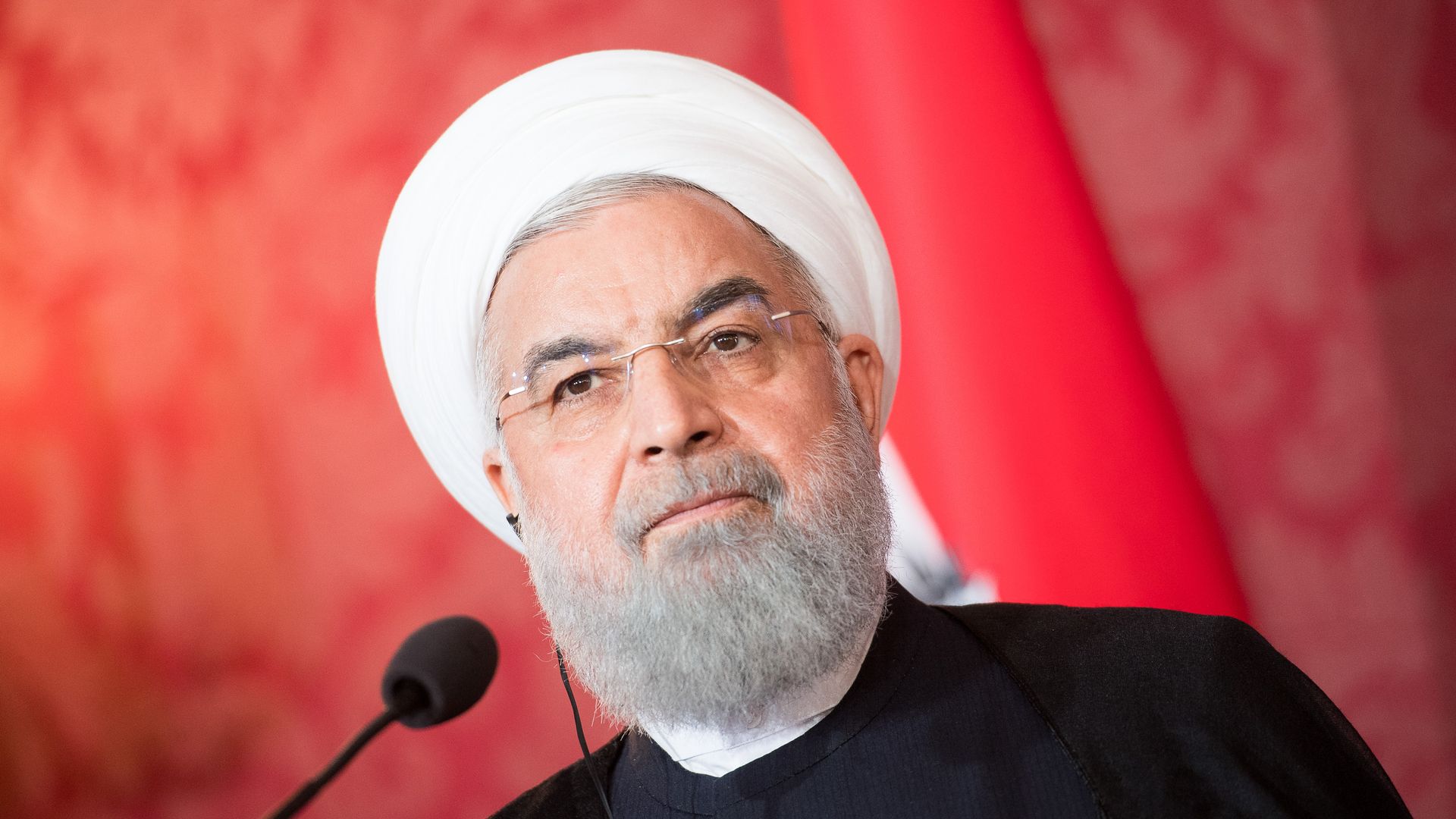
Iranian hackers have laid the foundation to launch cyberattacks on electric grids, water plants, and health care and technology companies in the U.S., European countries, and in the Middle East, multiple senior U.S. officials tell NBC News' Courtney Kube, Carol E. Lee, Dan De Luce, and Ken Dilanian.
Why it matters: Iran has launched similar attacks before, like when it attacked U.S. banks and a dam in New York in what some security experts believe to have been in response to the 2010 Stuxnet attack on Iran, per Reuters. The U.S. is weighing whether striking back against Iran, if these extensive cyberattacks indeed come, would be the appropriate response. In preparation, the White House has reportedly readied sanctions against Tehran.
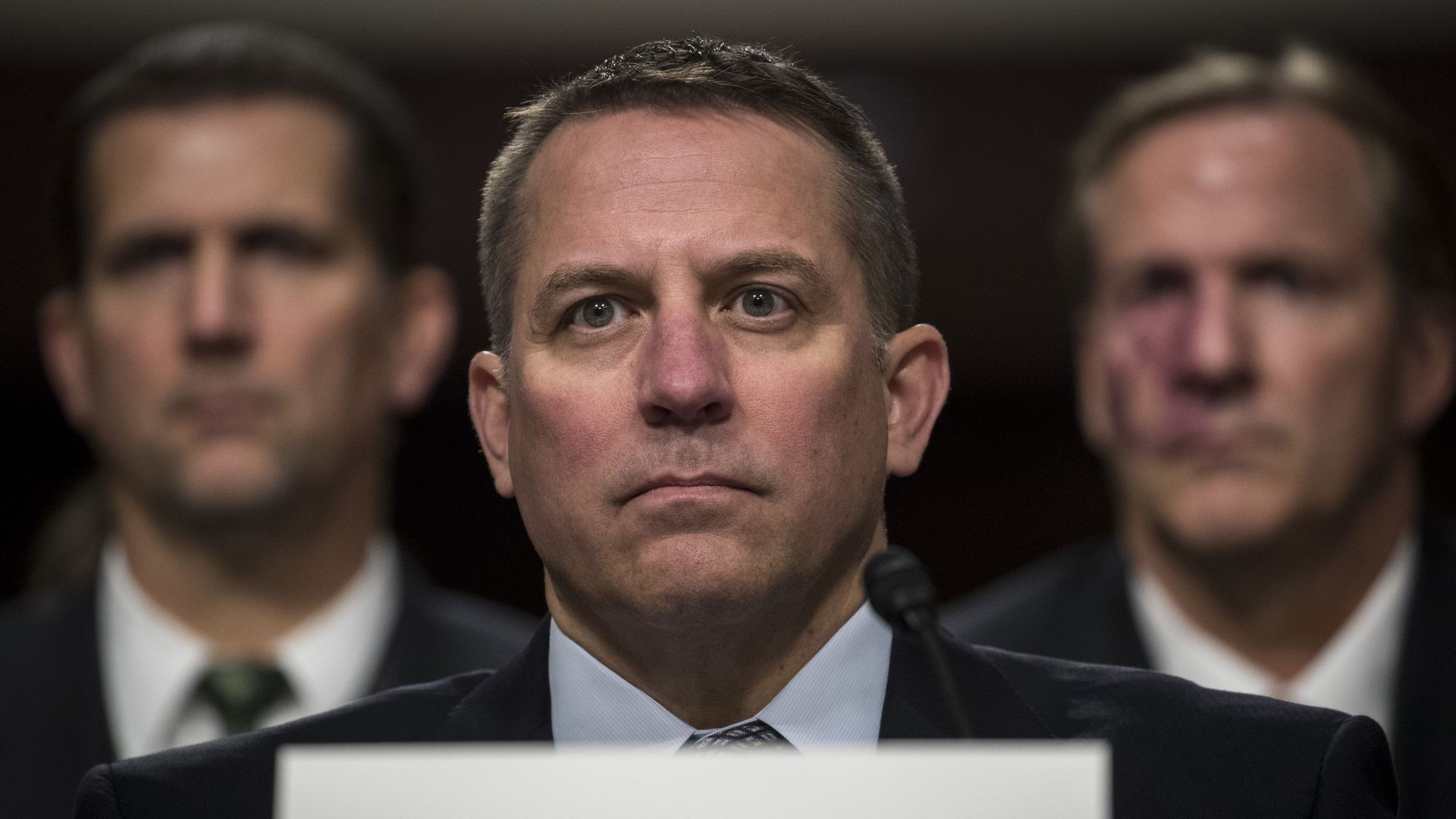
Three high-level cybersecurity officials are retiring from the FBI, reports WSJ.
Why it matters: While it is not uncommon for officials to leave after become eligible for retirement benefits at age 50, the timing and scale of the exodus is noteworthy given President Trump's criticism of the intelligence community and the ongoing cyber threats from Russia and other foreign adversaries.
British authorities say the two suspects they identified in the poisoning of former Russian double agent Sergei Skripal and his daughter Yulia, fled to Russia after the attack, reports CNN.
The big picture: Their departure was revealed through a coded Russian message to Moscow that was sent after the attack, further linking Russia to the poisoning. The British government suspected Skripal's poisoning to be an attack by Russia and, with this new evidence, that suspicion is only getting stronger.
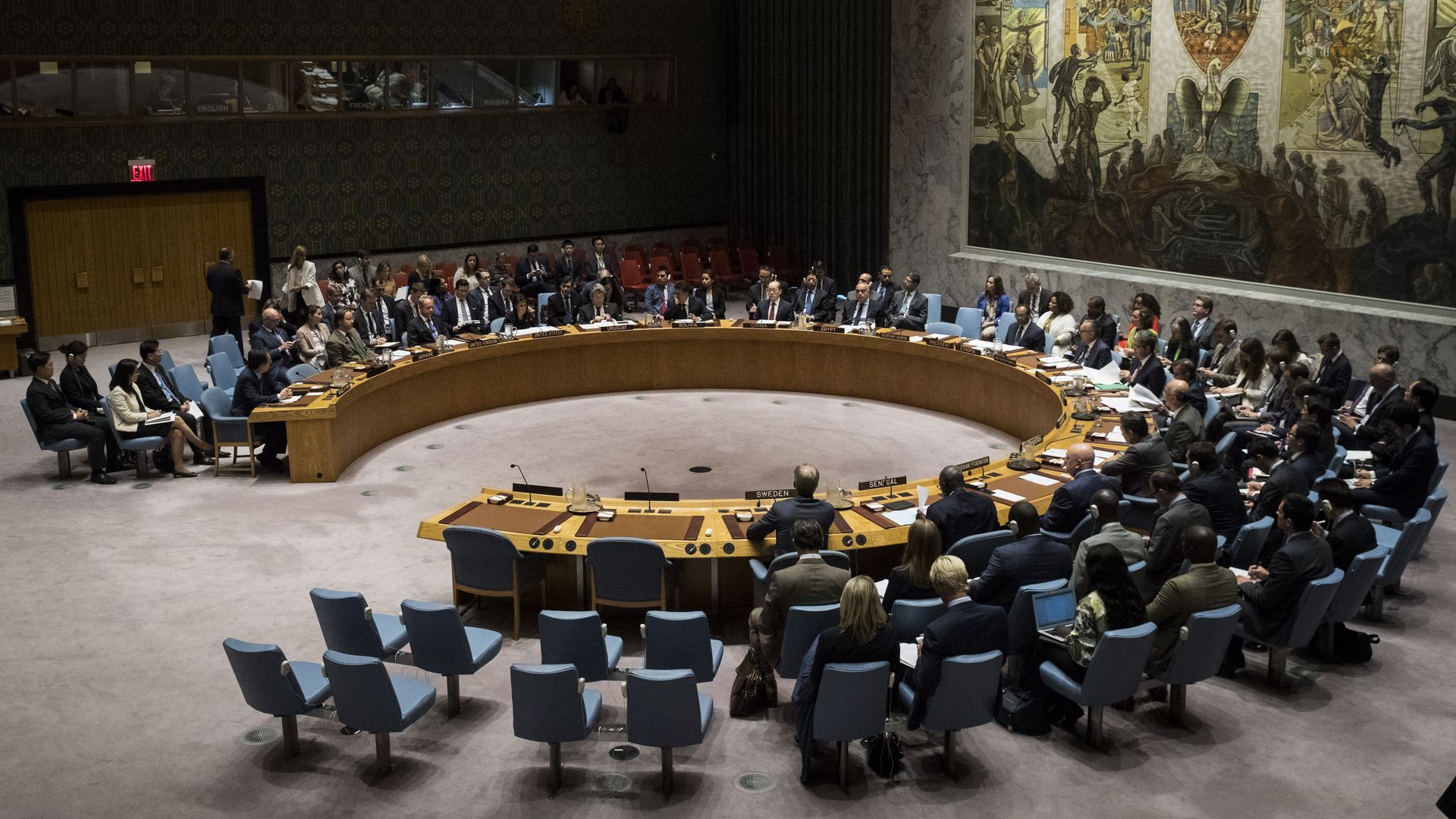
Russia and China on Thursday blocked the U.S. from getting the United Nations to publicly point fingers at North Korea for smuggling more petroleum products beyond the limit imposed by UN sanctions, reports the AP.
The details: The policy was imposed by the UN's 15-member Security Council in response to North Korea’s nuclear and missile tests. The U.S. requested last week that the Security Council publicly rebuke North Korea for violating the quota and had until today to object. Just moments before the noon deadline per the AP, diplomats said Russia and China put "a hold" on the motion citing a need to investigate the U.S.' allegations, automatically delaying any action on the U.S. request for six months.