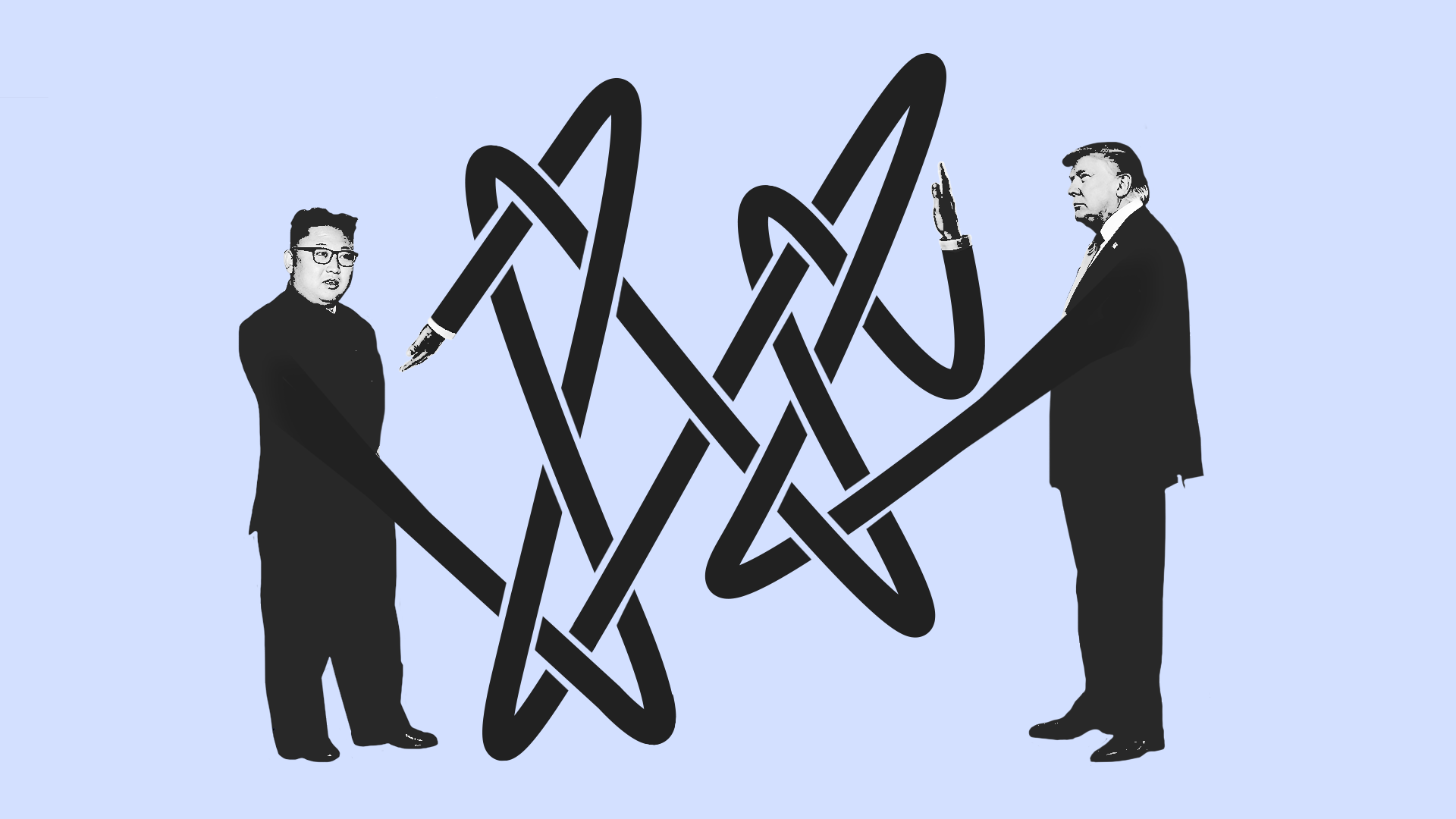
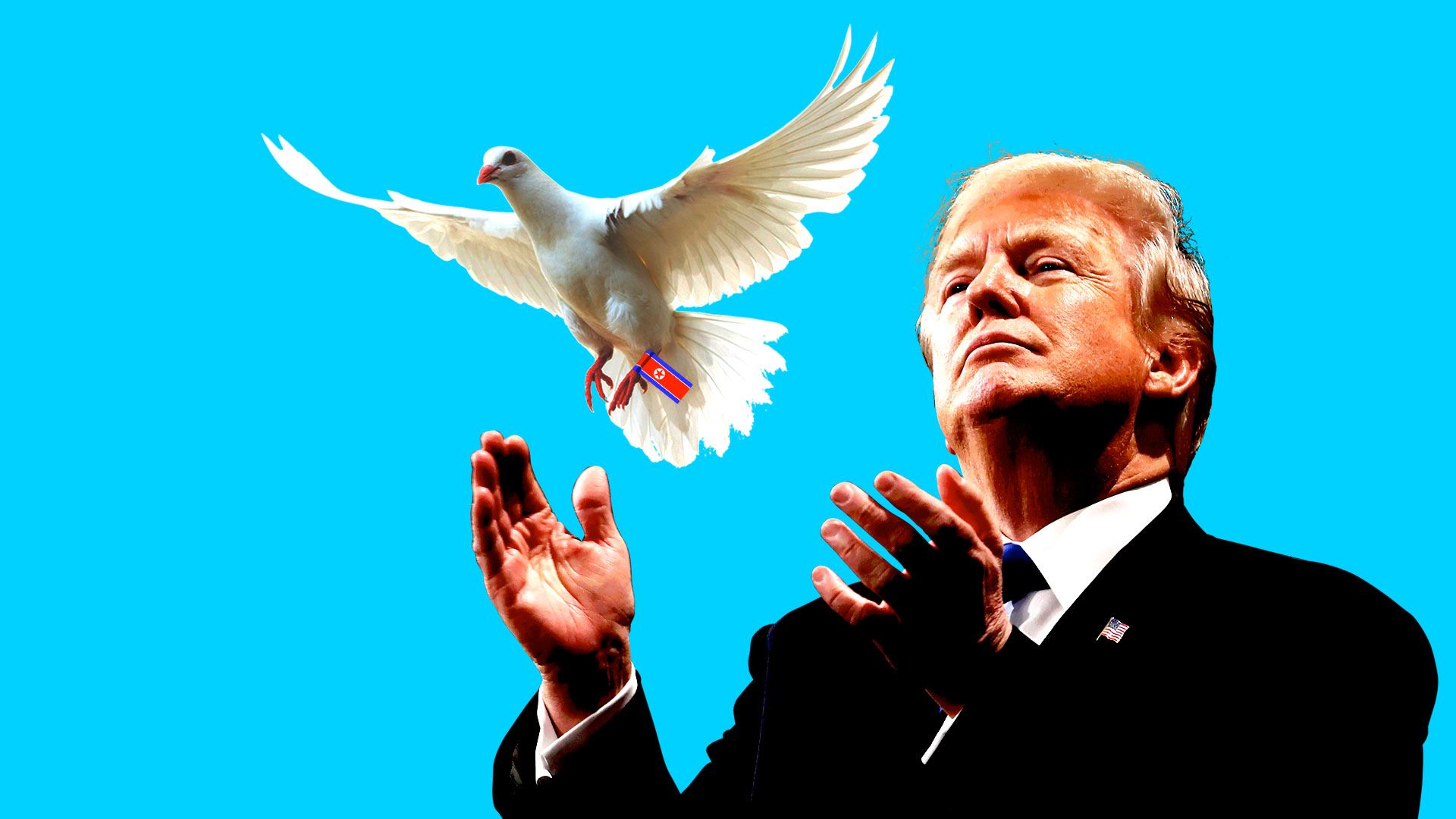
Mike Pompeo's secret visit to Pyongyang is the latest in a series of dramatic events in the run-up to the summit between President Trump and Kim Jong-un. It’s almost certainly not the last.
The big picture: "Part of this is normal, but we've got a wacky situation here," says Jim Walsh, an international security expert at MIT who has taken part in previous negotiations with North Korea. When it comes time to present a "final package," he adds, "surprises won't fly."
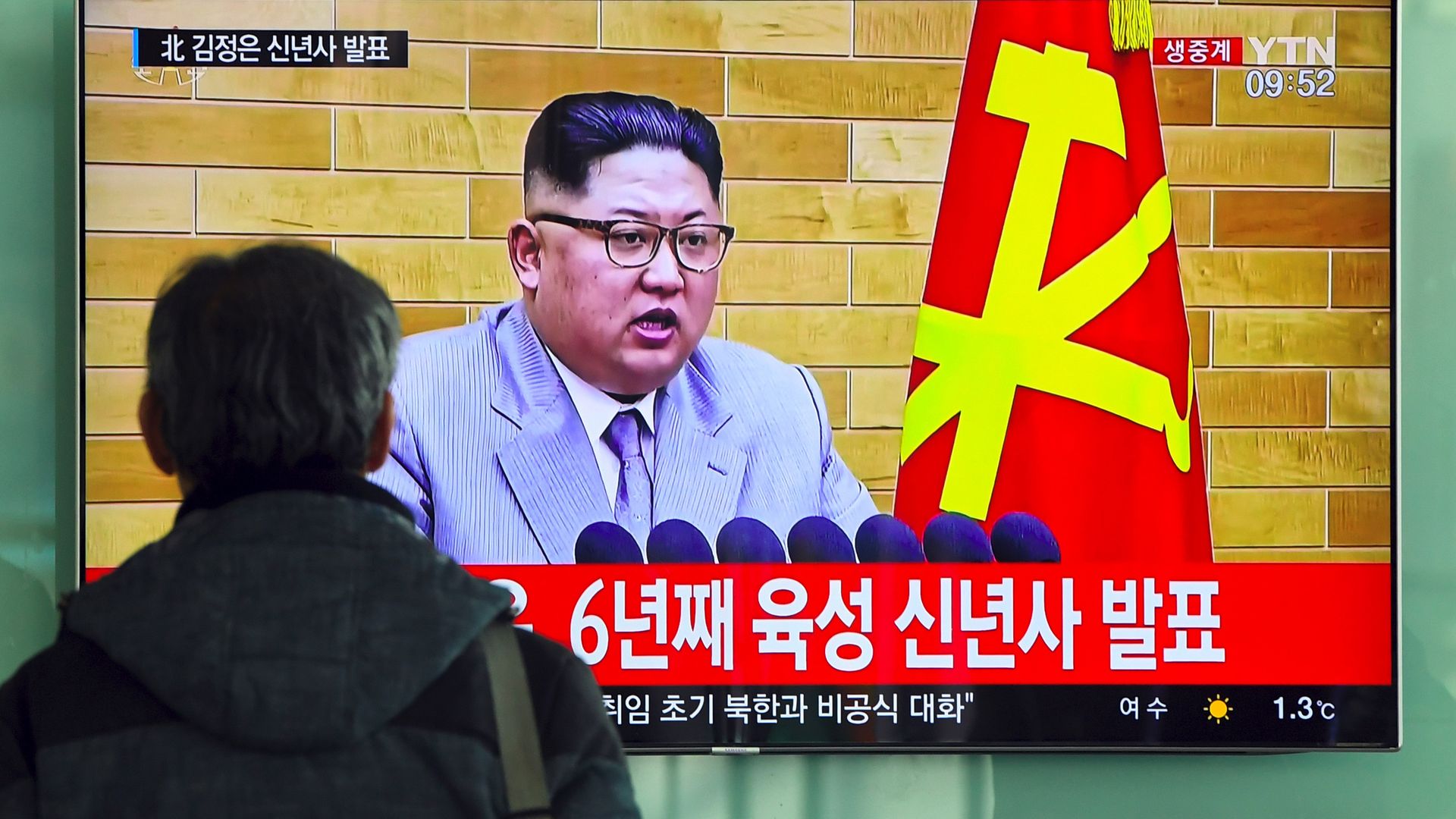
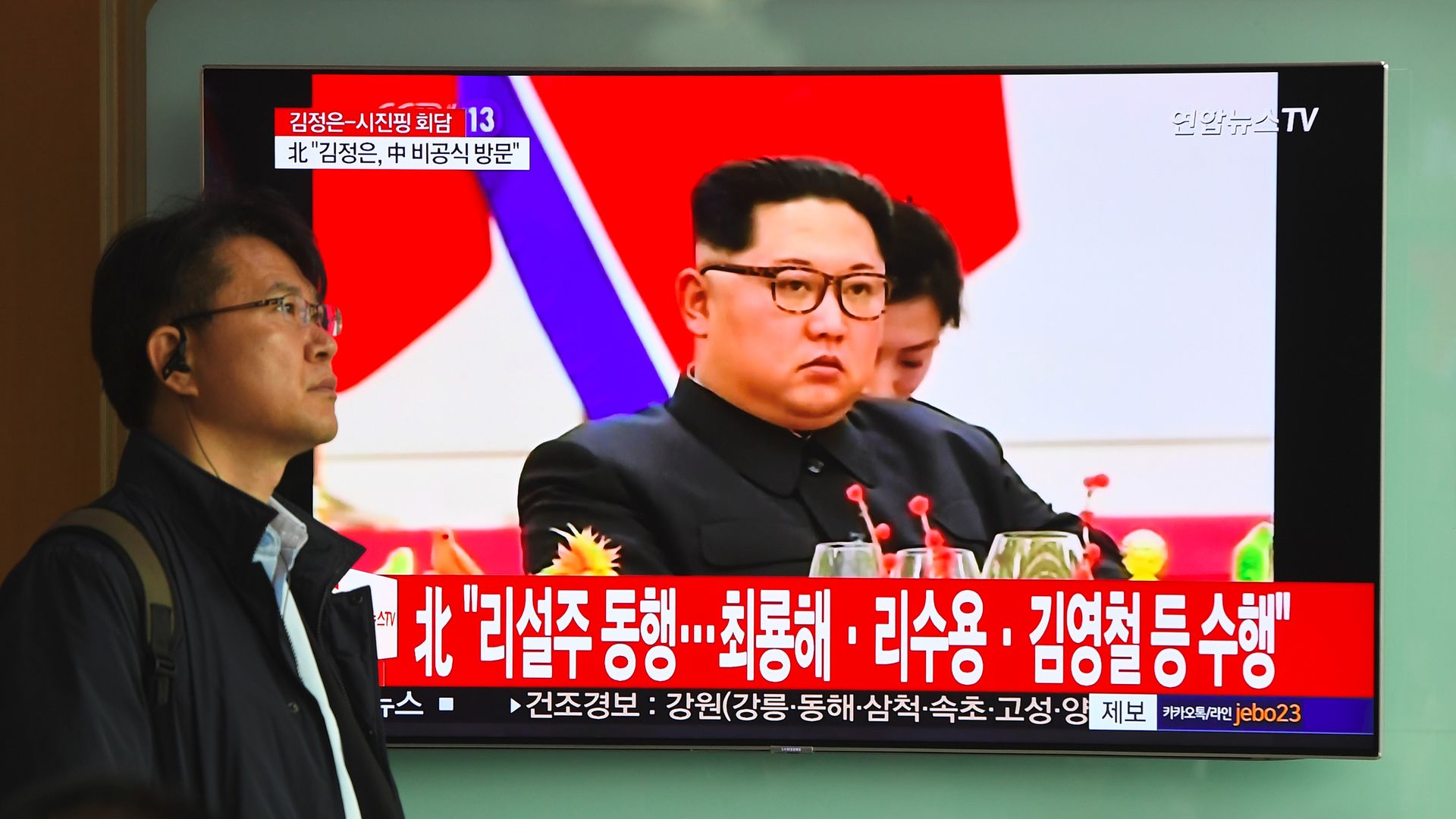
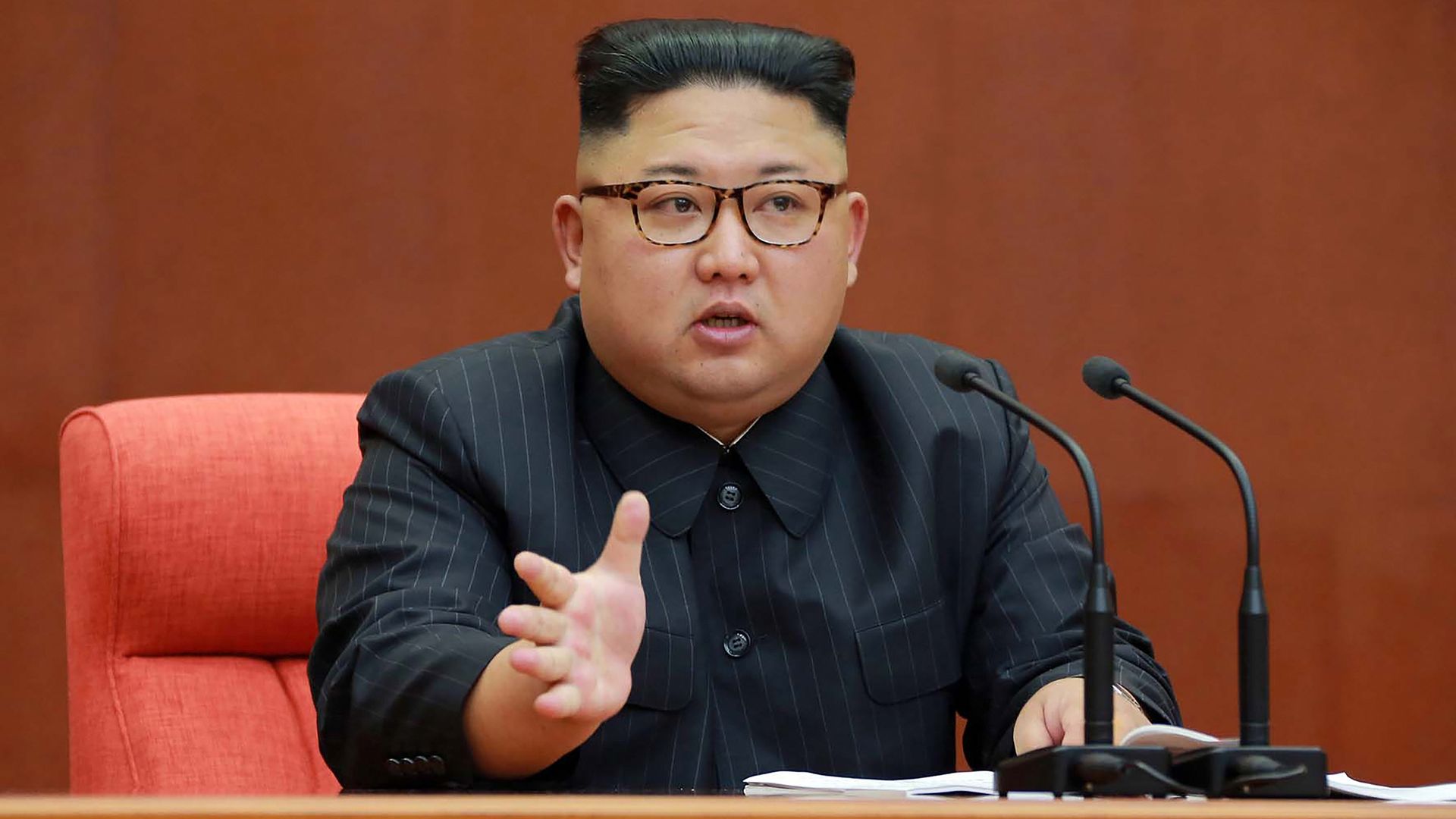
North Korean leader Kim Jong-un has dropped his demand for the U.S. to withdraw troops from South Korea in exchange for giving up its nuclear weapons, reports the New York Times.
Why it matters: The announcement, made by South Korean President Moon Jae-in, is a major victory ahead of the long-anticipated meeting between the U.S. and North Korea. As the Times notes, Kim Jong-un has been continually demanding the removal of 28,500 American troops in South Korea. The move hasn't been officially confirmed by the North.
Critics of the upcoming U.S. summit with North Korea have voiced concerns that Kim Jong-un will never agree to denuclearization or that, if he does, he will renege. Those dubious of hardliners like John Bolton suspect talks are a charade and a prelude to war. These fears are real, but so is the potential for success.
The big picture: Though both the U.S. and North Korea could well adopt poison pills the other would not accept, the two countries do in fact have common ground. The policy community should focus on developing a diplomatic strategy rather than heralding the summit's inevitable failure.
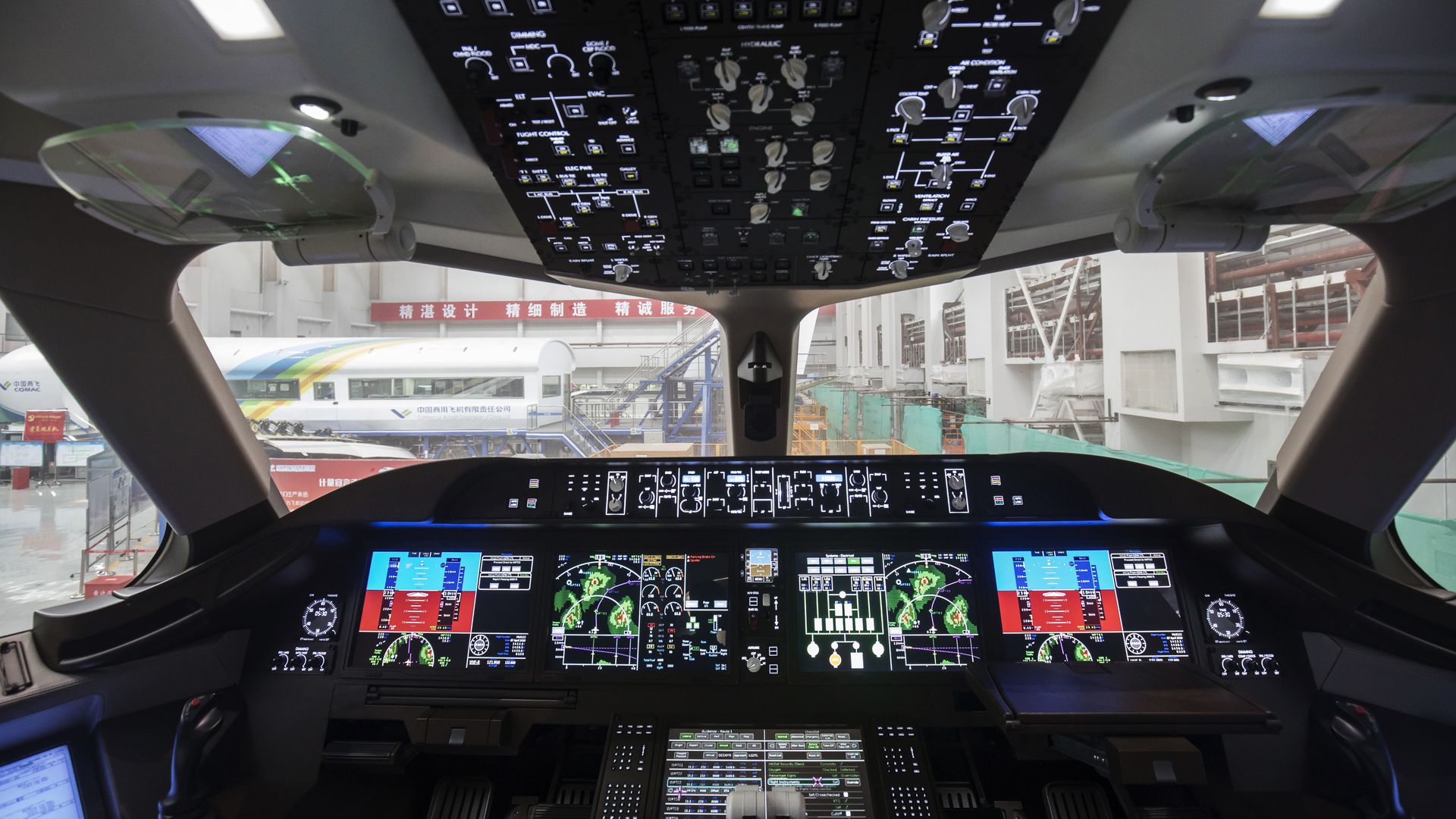
This week China formally inaugurated its new Ministry of Ecology and Environment (MEE) to replace the Ministry of Environmental Protection. The MEE consolidates regulatory functions that were spread over seven or eight different ministries and administrations.
Why it matters: The fragmentation of regulatory authority is a major reason China has struggled to combat the severe environmental degradation that has attended its rapid economic rise. The consolidation, part of a larger government reorganization announced in March, aims to address that deficiency by making the Chinese government more coherent and effective.
President Trump views the North Korean crisis as his “great man” of history moment.
The big picture: He came into office thinking he could be the historic deal maker to bring peace to the Middle East. He’s stopped talking about that. There’s very little point. The peace deal looks dead and cremated. But Trump wants to sign his name even larger into the history books, and he views North Korea as his moment.
The U.S. is experiencing a revival of Japan syndrome, harking back to the late 1970s when "Made in Japan" abruptly stopped being a source of mirth, Americans began to snap up Toyotas and Nissans in big numbers, and Detroit sank into a profit-and-jobs bloodbath.
The big picture: Five years ago, American technologists sneered at China's Baidu and its new search engine. But "they aren't laughing anymore," says Gregory Allen, an AI expert at the Center for a New American Security. "Now they are marveling at Baidu's advances in artificial intelligence."
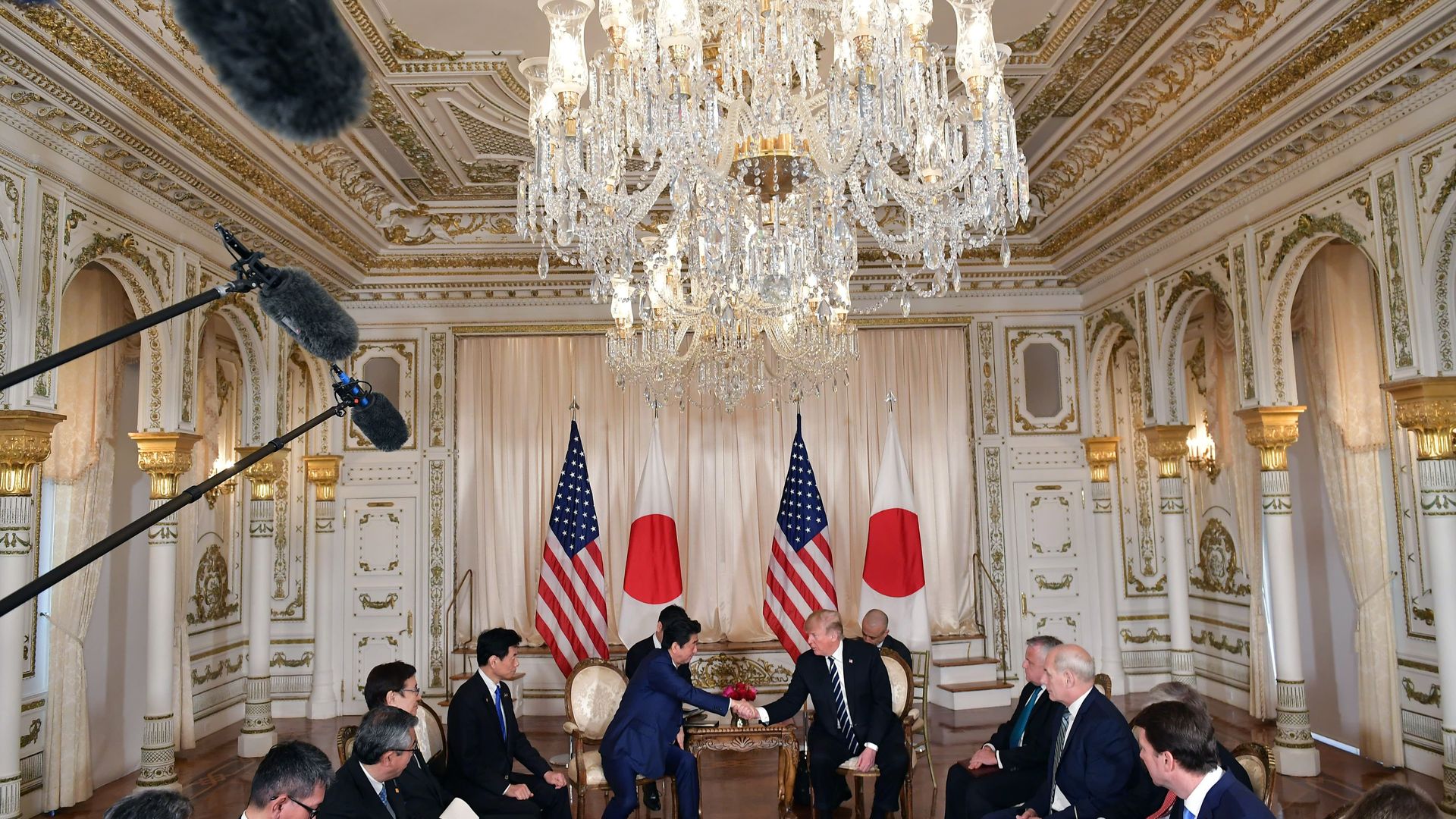
A deal on automobiles could help change Trump's mind on a key Obama policy for confronting China: the Trans-Pacific Partnership (TPP), a trade deal with 11 Pacific nations, according to trade experts surveyed by Axios.
What's going on now: Trump is at Mar-a-Lago with Shinzo Abe, the Japanese prime minister, a cornerstone signatory of TPP, who is struggling politically at home and would love to pull the U.S. back into the deal.
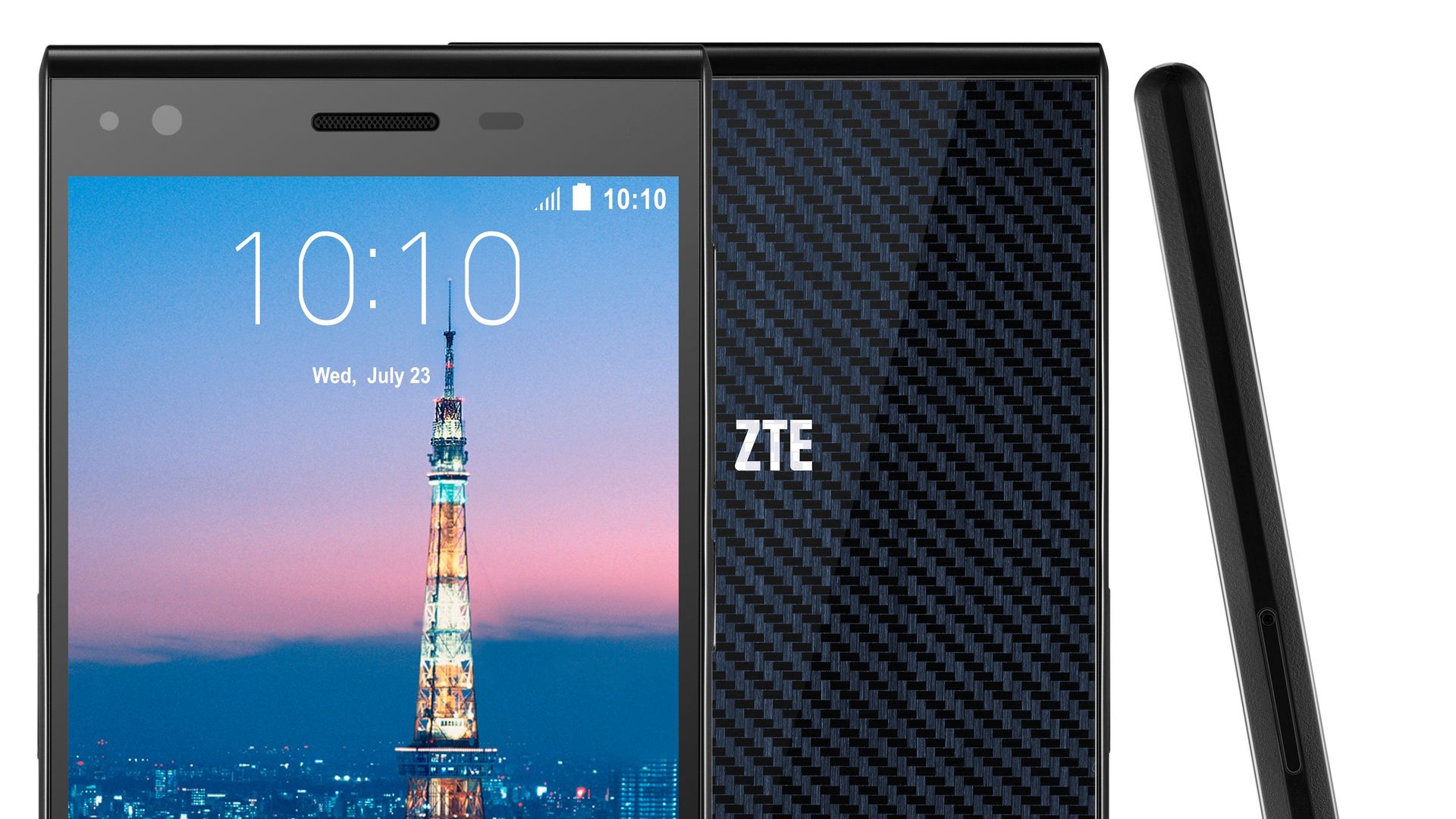
Chinese telecom firm ZTE is delaying this week's scheduled quarterly earnings report as it scrambles to deal with a Commerce Dept. ban that keeps it from buying U.S. components for the next seven years, the WSJ reported Wednesday.
Why it matters: The order is a huge blow to the company, especially for the smartphone part of its business that relies on chips from Qualcomm and software from Google and others.
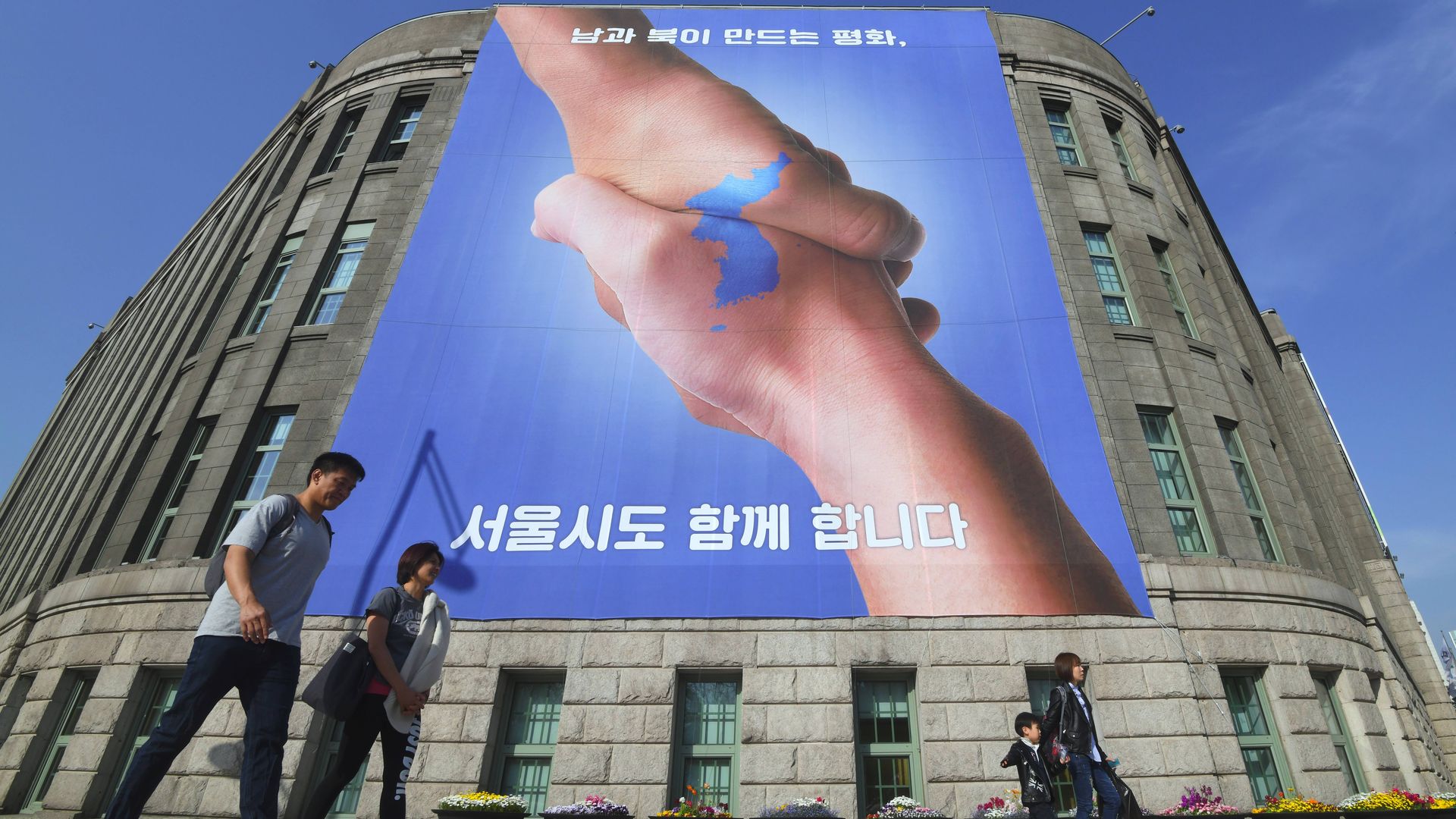
Parts of the North Korea-South Korea summit set to take place next week will be broadcast live, South Korea’s presidential office said, per Yonhap News.
A preview: Spokesman Kwun Hyuk-ki told Yonhap key moments of the summit will be broadcast, including the handshake between Kim Jong-un, North Korea's dictator, and Moon Jae-in, South Korea's president. That's an unusual amount of transparency for an event involving the North Korean leader.
The secret early April visit to Pyongyang by Mike Pompeo, the CIA Director and Secretary of State nominee, suggests that the unprecedented summit between President Trump and North Korean leader Kim Jong-un will take place after all.
Why it matters: Face-to-face negotiations are terra incognita for two countries used to threatening and pressuring each other. Even with North Korea now talking about denuclearization and Washington weighing the prospects of a deal, the outcome of the summit — and what it might mean for U.S. allies in Seoul and Tokyo — remains highly uncertain.
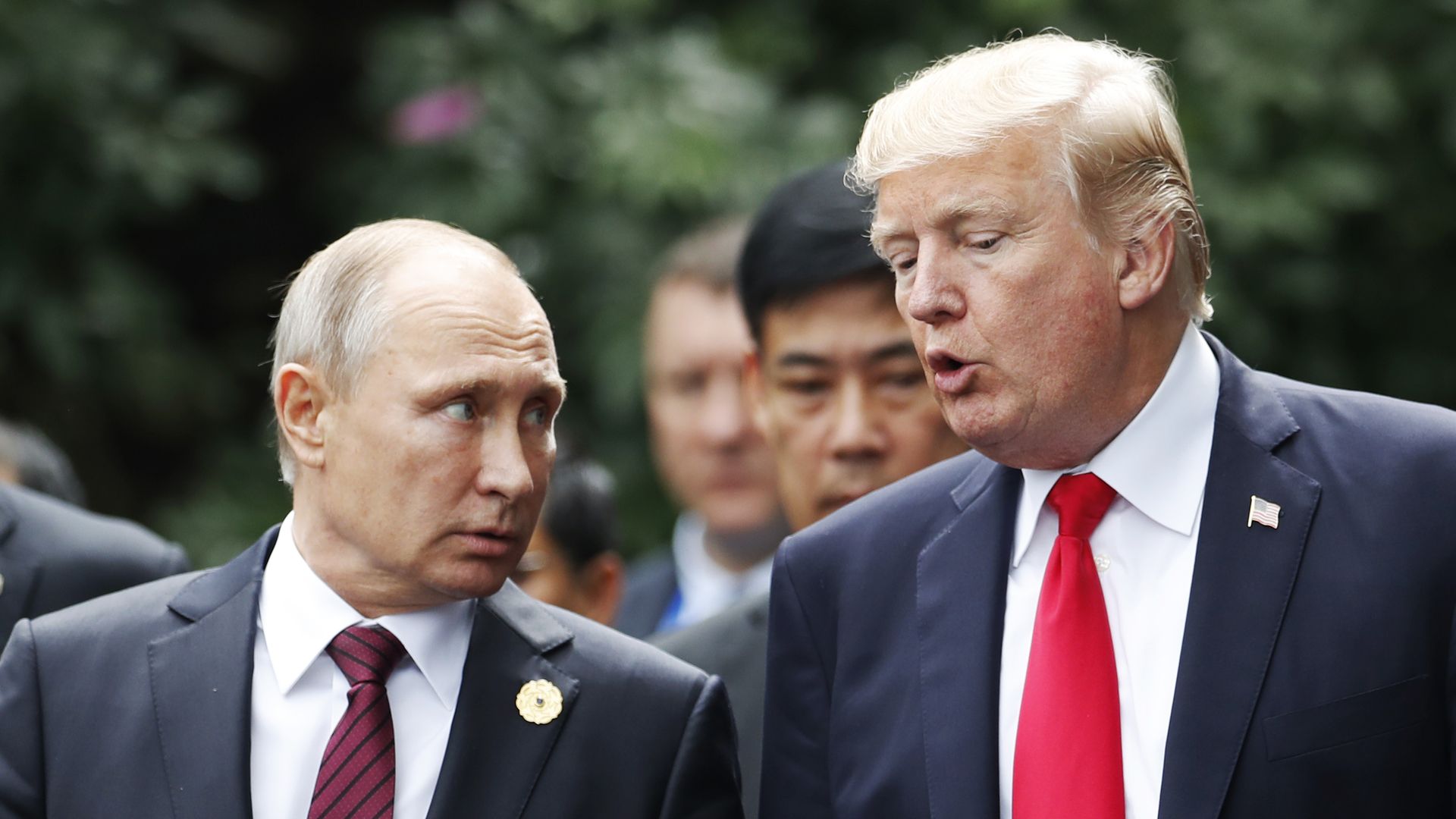
Russian President Vladimir Putin is taking measures to attempt to foster a positive relationship with President Trump and the United States despite recent sanctions on Russia and the missile launches against Syria over the weekend, Bloomberg reports.
The big picture: The Kremlin walked back a plan to issue harsh counter-sanctions against the U.S. this week after Trump and his international partners engaged in only a limited strike against chemical weapons targets in Syria. Though, as Bloomberg notes, "But given the current political climate in the U.S. it’s unlikely that any concession Putin may offer would be enough to bring a real thaw."
President Trump confirmed the Washington Post's report that CIA Director Mike Pompeo took a secret trip to North Korea to meet its reclusive leader Kim Jong-un in a morning tweet. (One discrepancy: The Post said the trip took place over Easter weekend, while Trump said it happened last week.)
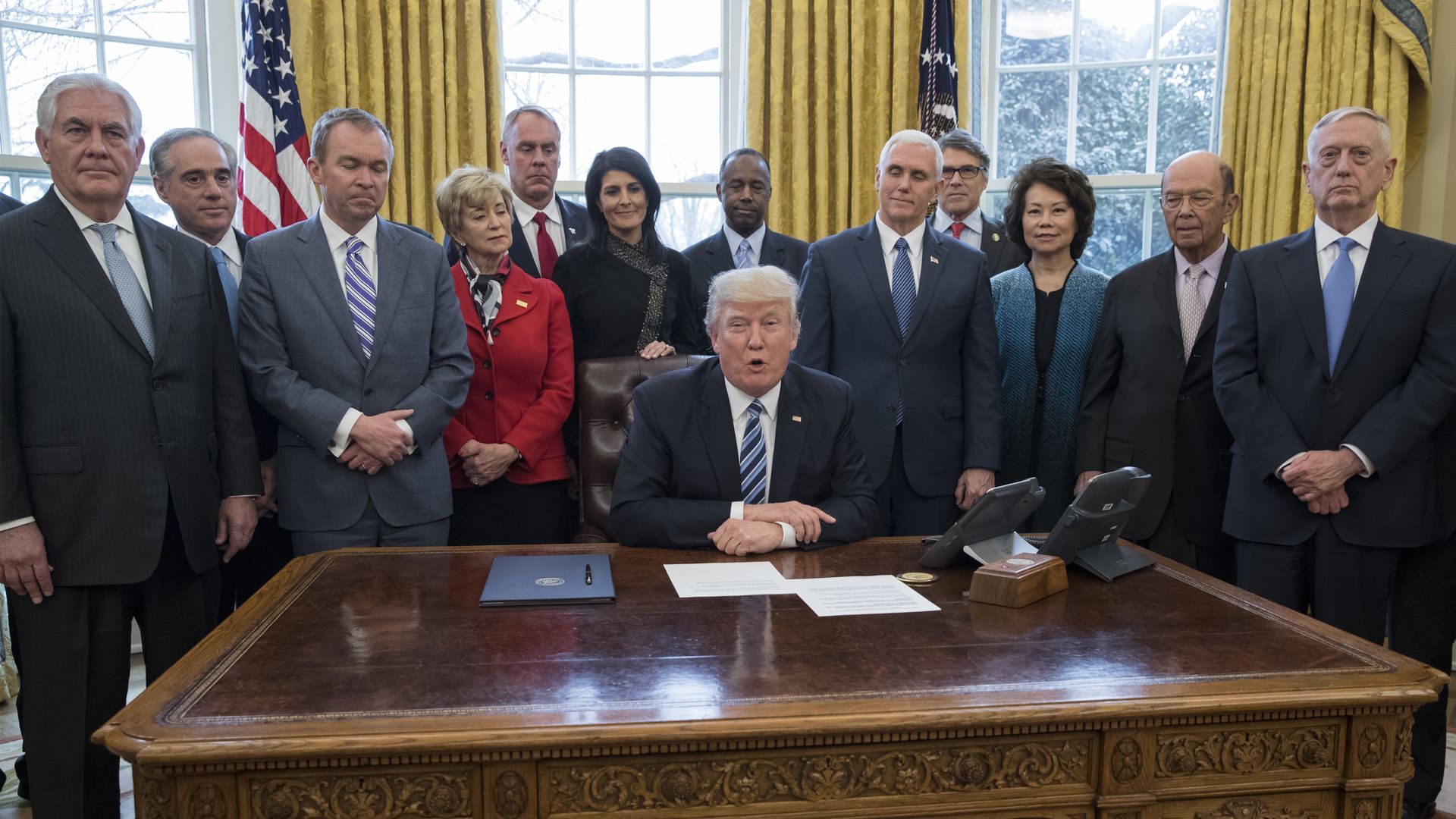
President Trump is striking back against his cabinet over foreign policy decisions, crossing UN Ambassador Nikki Haley on Russia sanctions and overruling Defense Secretary Jim Mattis on congressional approval for Syria airtstrikes.
The bottom line: These conflicts with top aides — one of them unfolding in the open — show that, in the end, the president will govern how he wants.
CIA director Mike Pompeo traveled to North Korea on Easter weekend to meet with North Korean dictator Kim Jong-un, the Washington Post reports, in a dramatic move on the path to an unprecedented summit between Kim and President Trump.
Why it matters: When Trump agreed to meet with Kim, he was accepting an invitation that came second-hand, from the South Koreans. There has been considerable skepticism since then that the summit would actually take place. The meeting with Pompeo indicates that discussions are farther along than was previously known.