The International Monetary Fund believes that the world economy could grow 3.9% over "this year and next," the AP reports, which "would be the fastest since 2011."
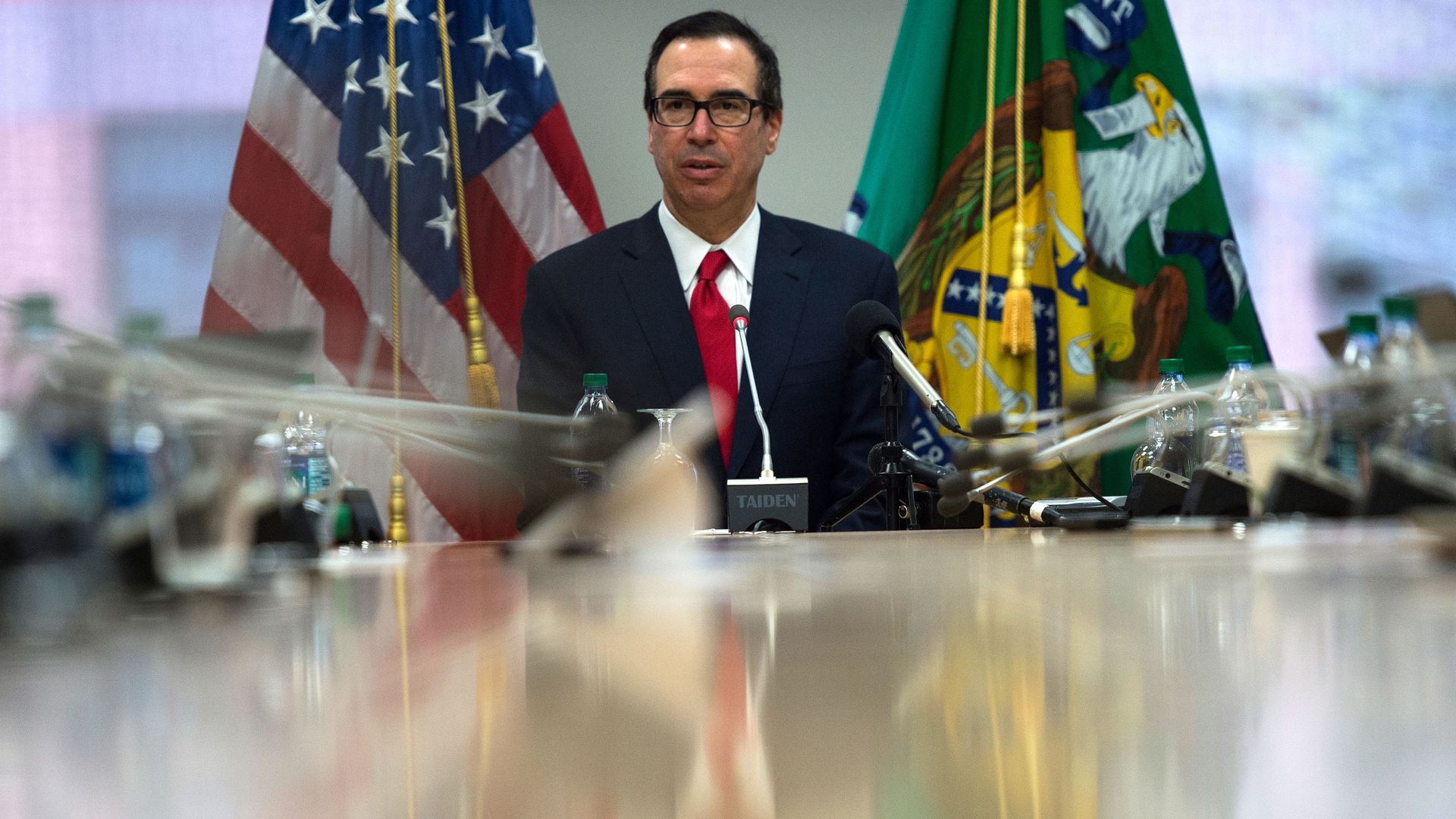
But, but, but: The IMF's policymaking committee said "a strong world economy is threatened by increasing tension over trade and a heavy global debt load." Per the AP, the trade war between China and the U.S. could "drag down worldwide growth." Treasury Secretary Steven Mnuchin argued in favor of the administration, saying what drags down the global economy is "unfair global trade practices."
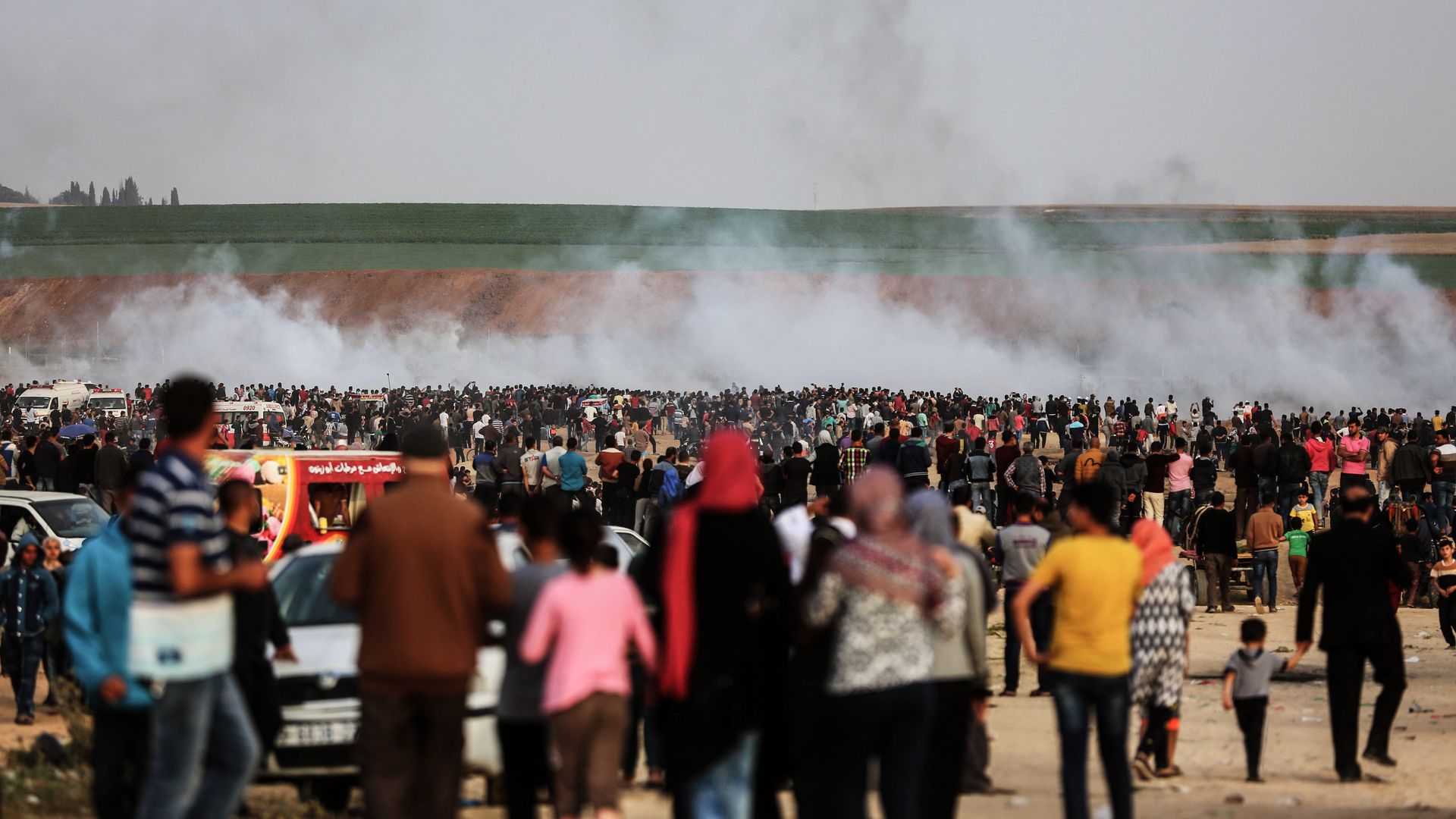
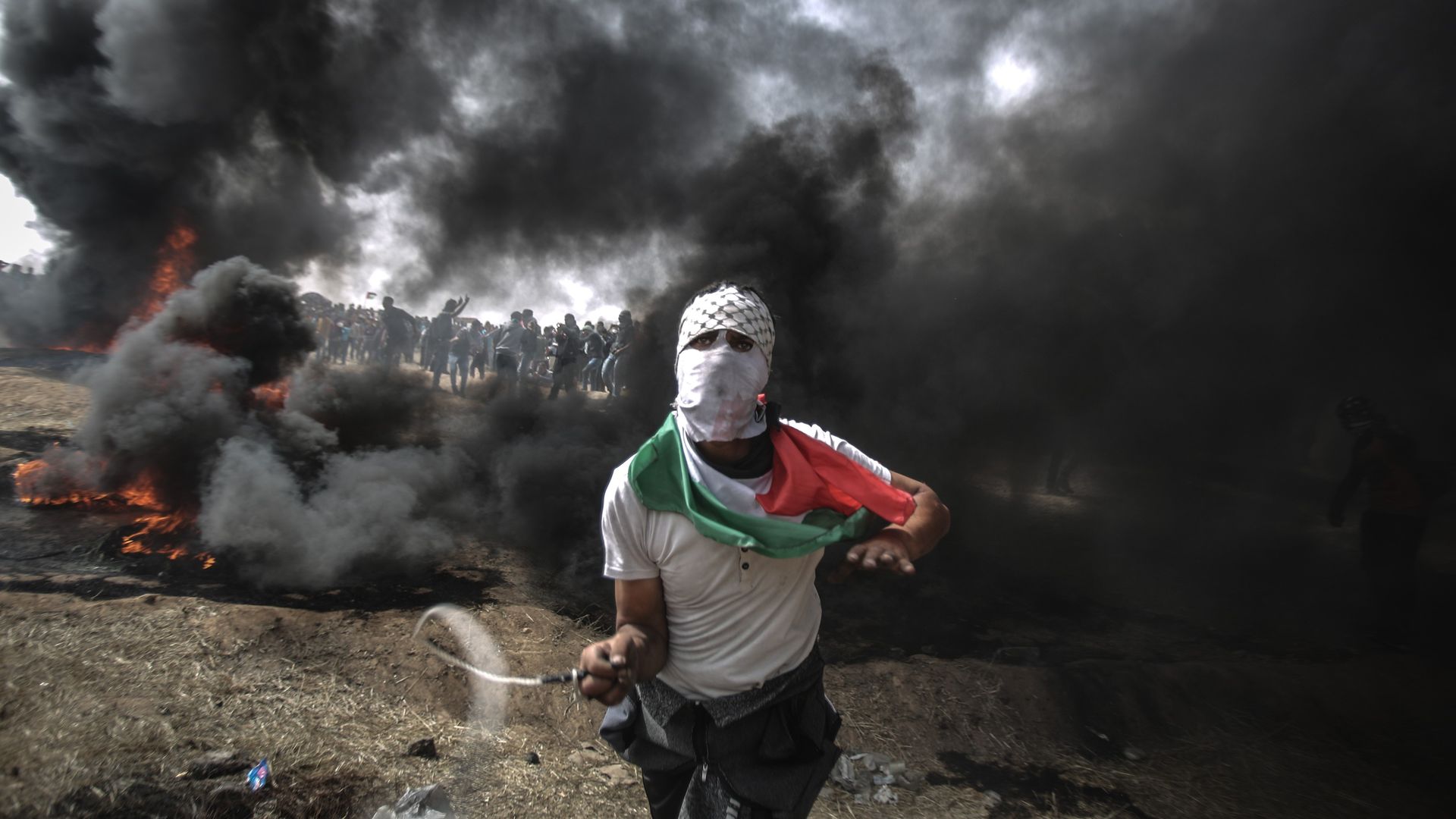
At least 37 people have been killed in protests in Gaza since its start in late March, the New York Times reports, and hundreds have been left "wounded by Israeli fire."
The big picture: While participation has waned slightly, the protests along the border separating Israel and Gaza have drawn thousands. Aaron David Miller, director of the Wilson Center's Middle East Program, said that these protests have "become the bloodiest since the 2014 war," and it's "likely to get even worse."
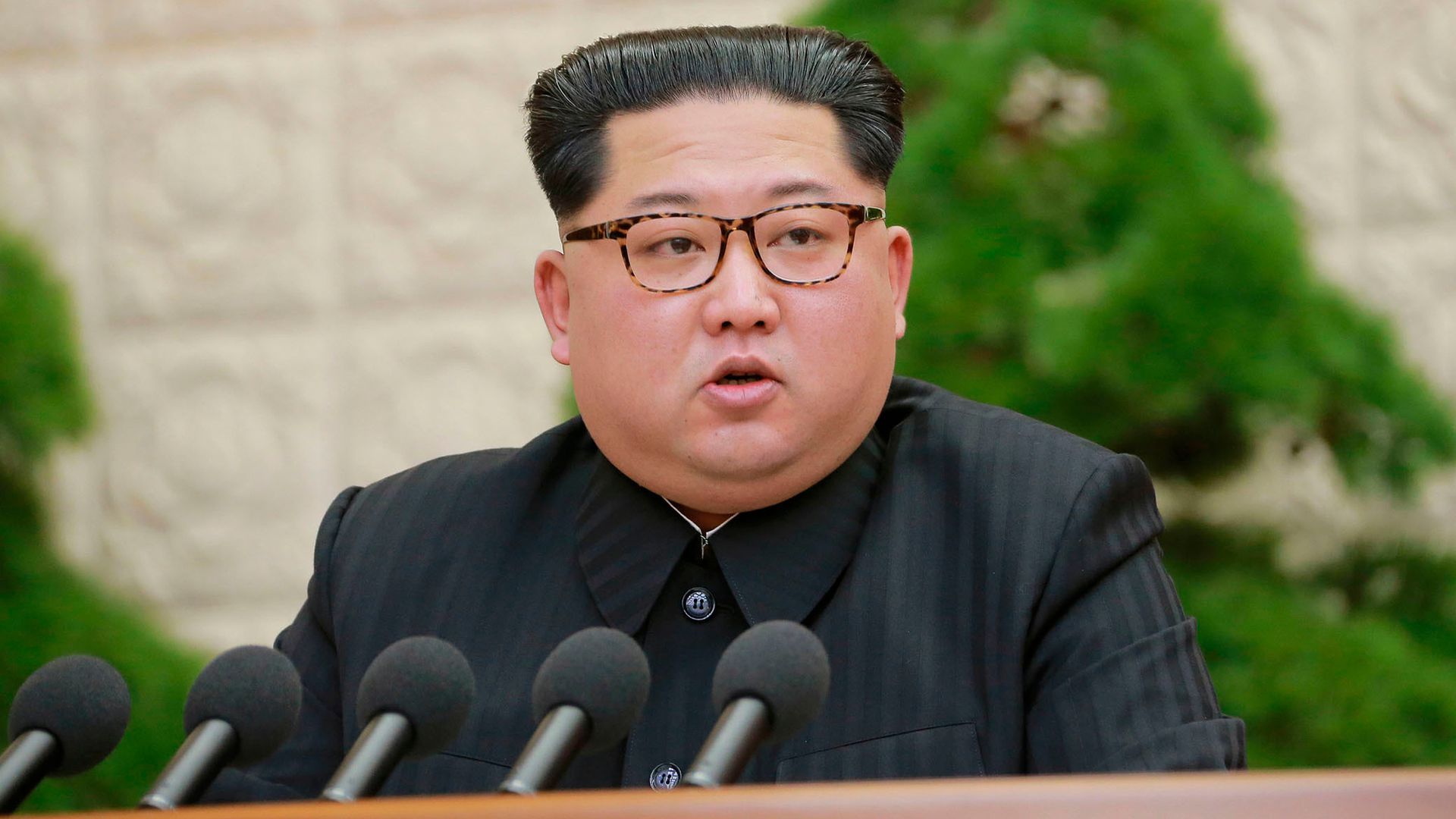
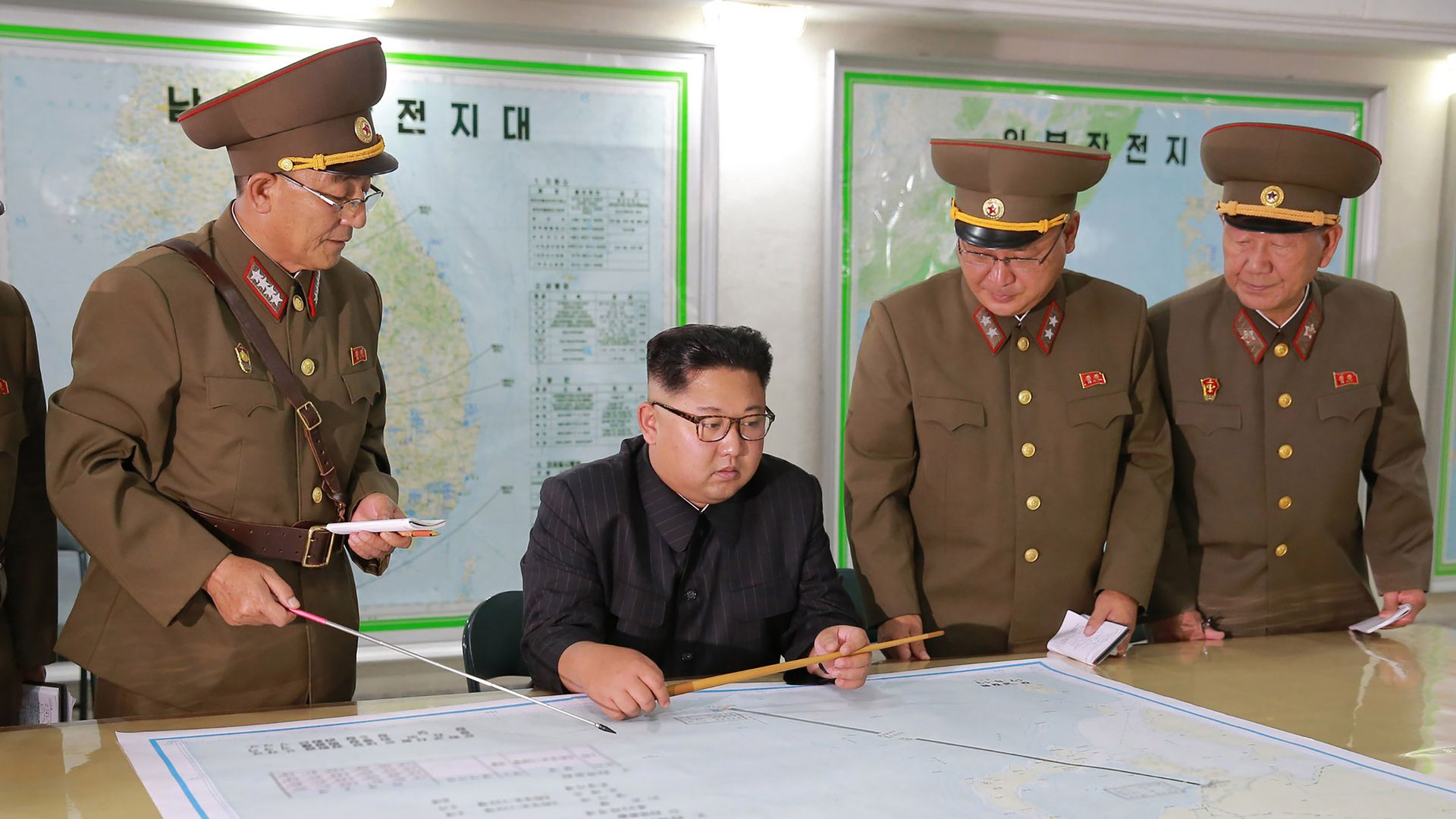
Kim Jong-un may have learned the art of dealing with President Trump: Give him a win — or at least what he thinks is a win, or can spin as a win.
Why it matters, via BBC:"The surprise announcement comes as North Korea prepares for historic talks with South Korea and the U.S.": Kim is due to meet his South Korean counterpart next week, and President Trump by June.
North Korean leader Kim Jong-un has announced the country will stop conducting nuclear tests and launches of intercontinental ballistic missiles starting April 21, and shut down a nuclear test site in the north side of the country, through a broadcast on the state news agency KCNA reports, and President Trump announced in a tweet, later adding quotes from the message.
The State Department dropped almost all uses of the term "occupation" from its latest annual report on the human rights situation in Israel and the Palestinian Authority.
Between the lines: This is a significant change, because the public language used by the State Department usually communicates a policy. The U.N., the E.U., Russia, China and almost all the countries in the world see the Israeli control of the West Bank, Gaza, East Jerusalem and the Golan Heights since 1967 as "military occupation." But Israel doesn't, and now the U.S. might not see it that way either.
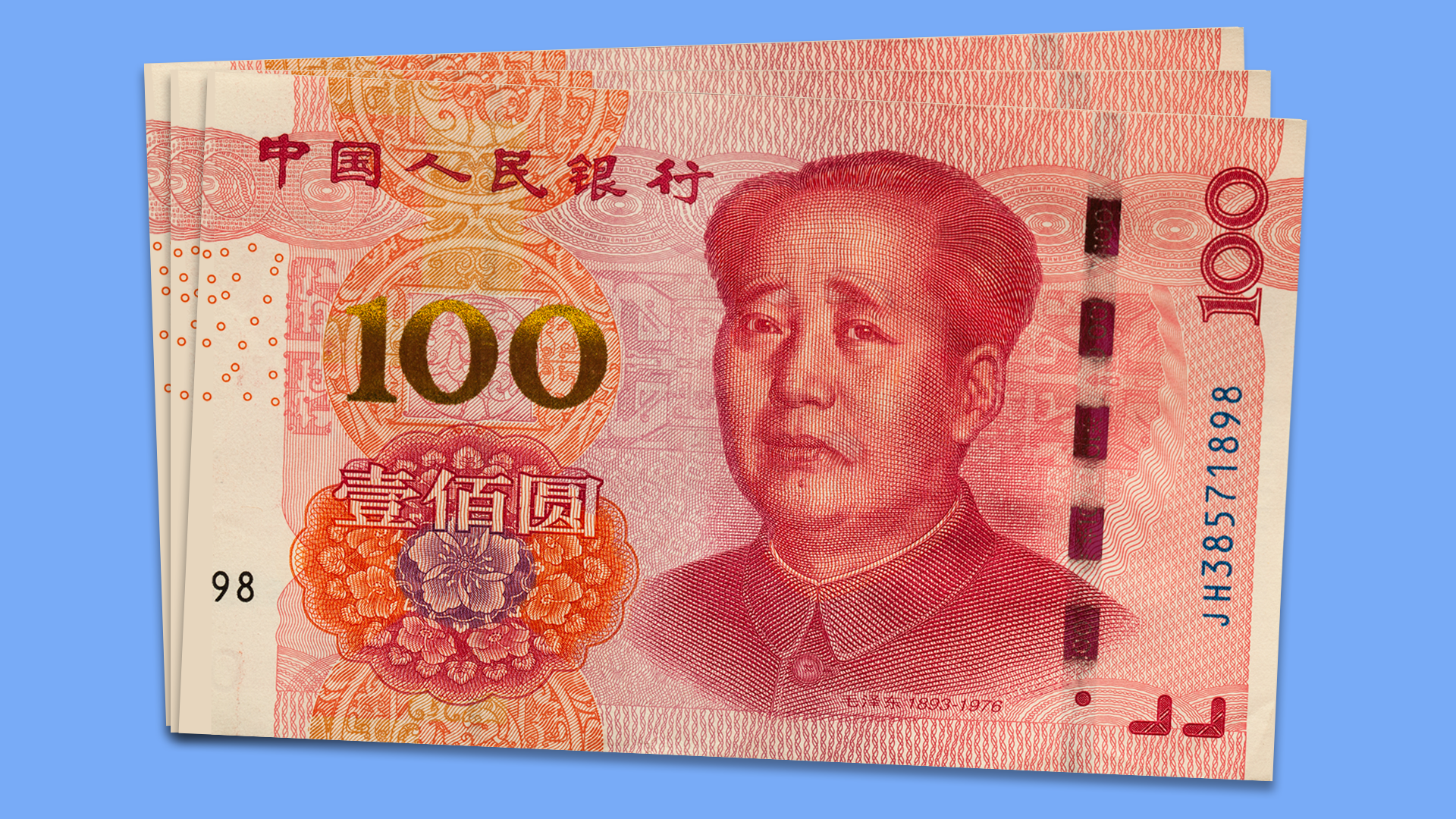
The U.S. is considering using emergency powers to curb Chinese tech investments, and a new report by the U.S.-China Economic and Security Review Commission shows the government "is dangerously vulnerable to Chinese espionage or cyberattack because of its dependence on electronics and software made in China."
Why it matters: Tensions with China over technology are only going to deepen. If you rely on China for your supply chain, have you finished your contingency plans in the event of massive disruption?
A new report from the Tow Center for Digital Journalism examines the spread of fake news and misinformation among Chinese-American immigrant users of WeChat, Tencent's communication platform that is used by nearly 900 million people globally, including Chinese overseas.
Why it matters: Western policymakers grappling with the growing global influence of the PRC and the Chinese Communist Party have little ability to influence the content flowing through WeChat.
Congress is working on legislation that could theoretically prevent a San Francisco-based venture capital firm from investing in a Los Angeles-based startup. It could also stop a New York-based private equity firm from acquiring an Indianapolis-based tech company.
Bottom line: None of this is intended. But that's the thing about trade wars: They can come with a whole slew of unintended consequences.
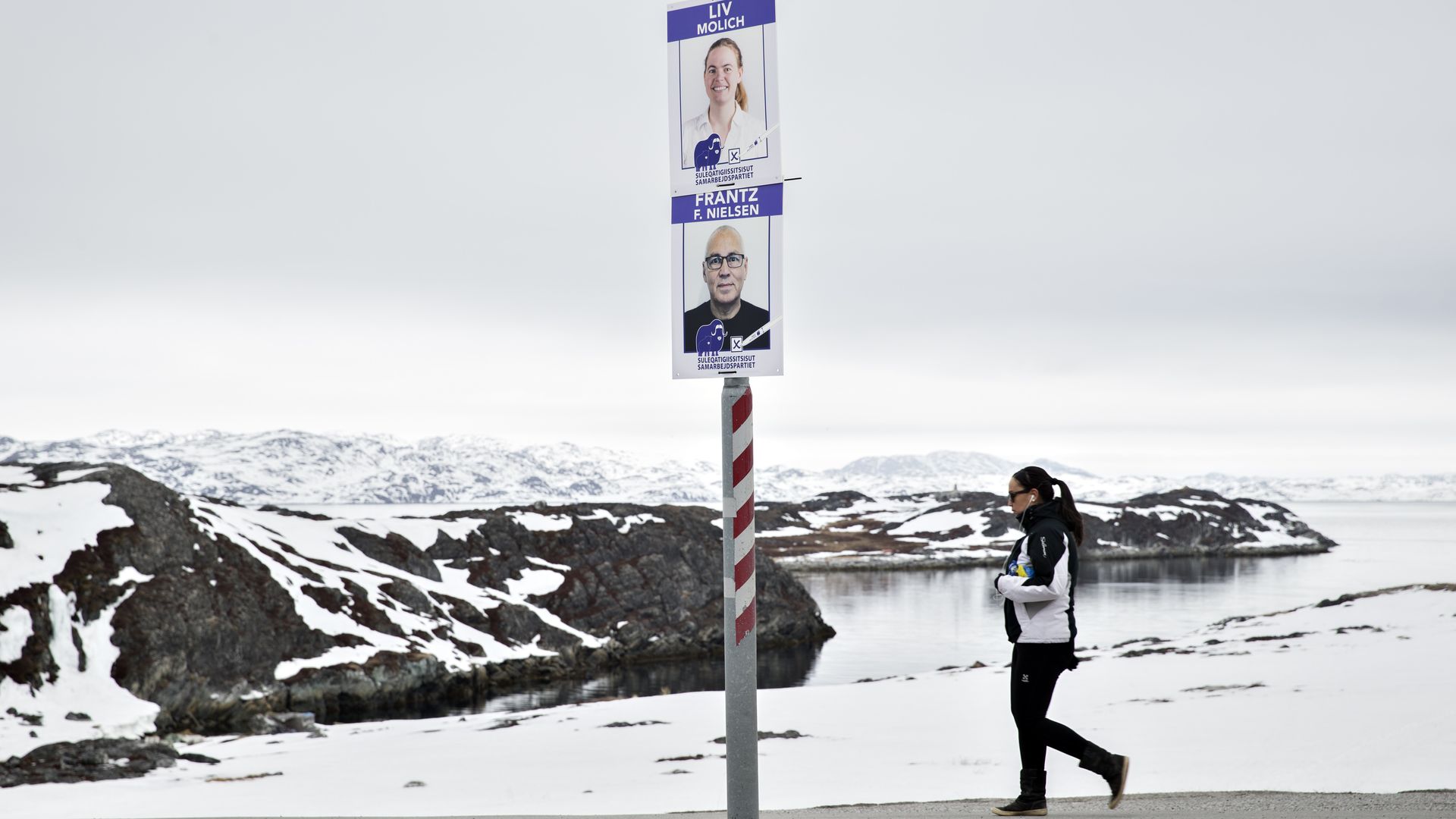
Greenland has self-rule, but formally remains part of the Kingdom of Denmark. Some of its 56,000 residents want full independence, but the country needs Denmark’s cash.
What to watch: China, as you may have heard, also has cash, and it wants access to the Arctic’s potentially vast reserves of oil, gas, metals, and minerals. China is also interested in new sea lanes created by melting ice, for reasons both commercial and strategic.





/2018/04/20/1524251970313.gif?w=3840)