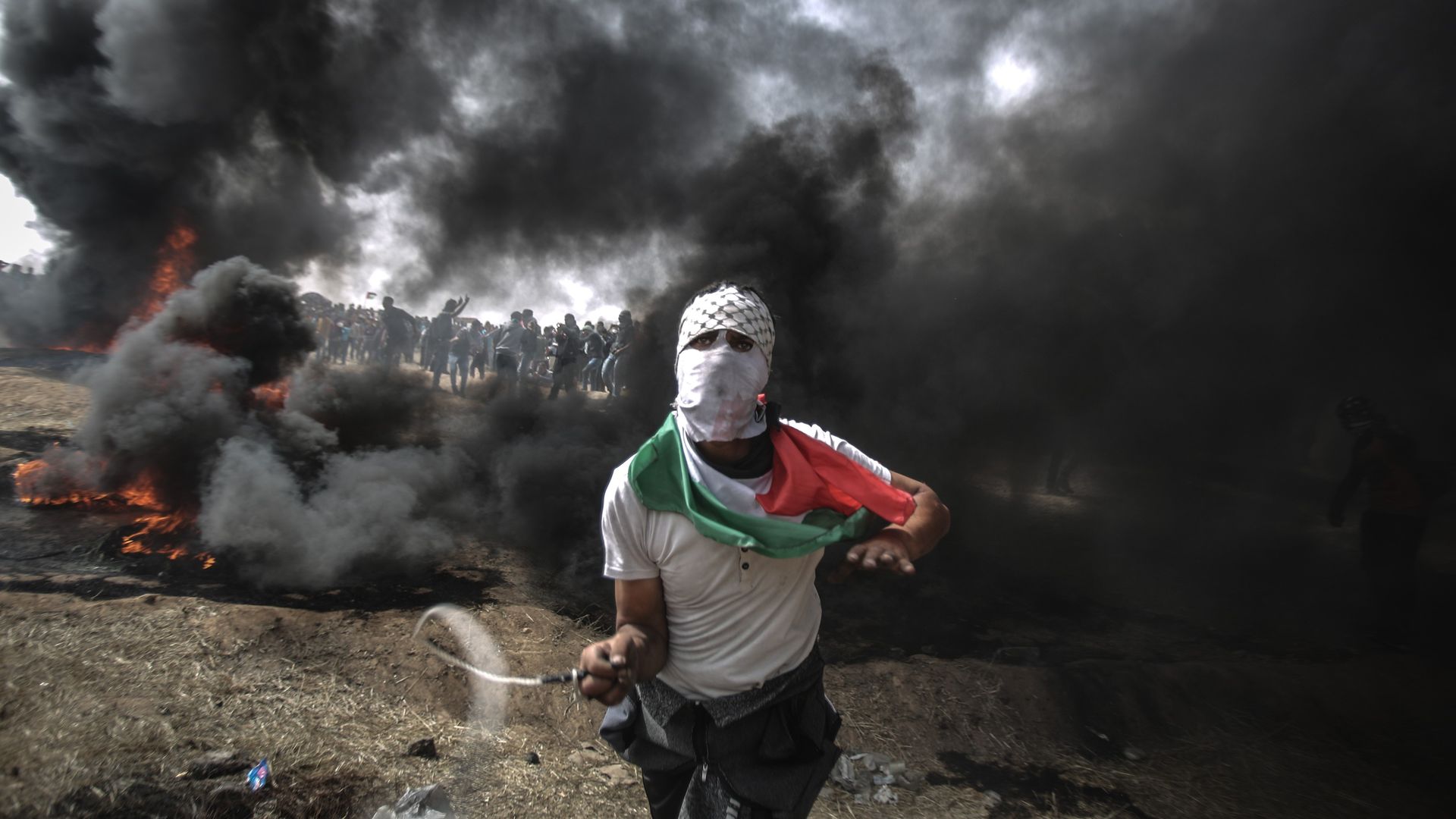
The State Department dropped almost all uses of the term "occupation" from its latest annual report on the human rights situation in Israel and the Palestinian Authority.
Between the lines: This is a significant change, because the public language used by the State Department usually communicates a policy. The U.N., the E.U., Russia, China and almost all the countries in the world see the Israeli control of the West Bank, Gaza, East Jerusalem and the Golan Heights since 1967 as "military occupation." But Israel doesn't, and now the U.S. might not see it that way either.
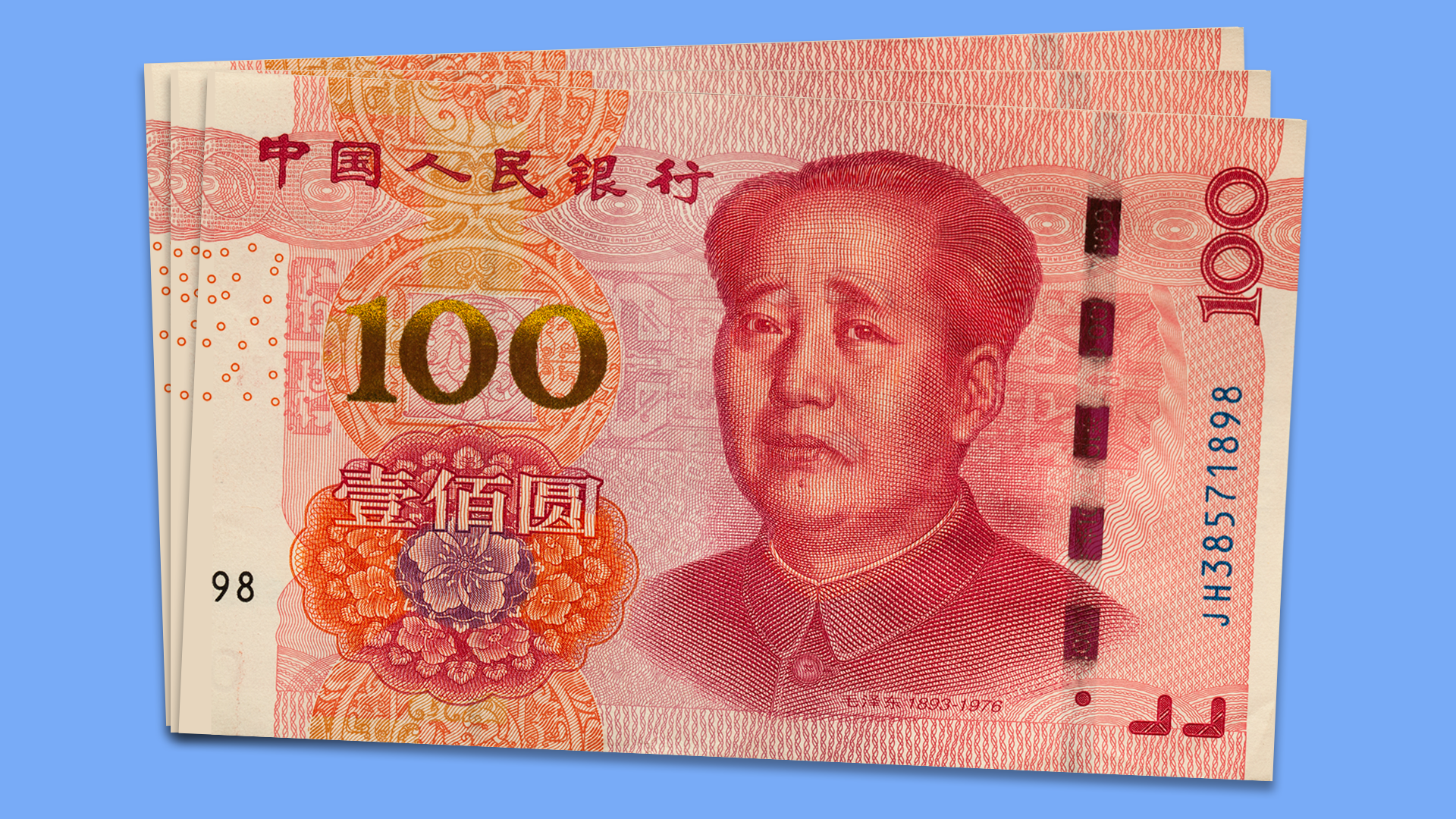
The U.S. is considering using emergency powers to curb Chinese tech investments, and a new report by the U.S.-China Economic and Security Review Commission shows the government "is dangerously vulnerable to Chinese espionage or cyberattack because of its dependence on electronics and software made in China."
Why it matters: Tensions with China over technology are only going to deepen. If you rely on China for your supply chain, have you finished your contingency plans in the event of massive disruption?
A new report from the Tow Center for Digital Journalism examines the spread of fake news and misinformation among Chinese-American immigrant users of WeChat, Tencent's communication platform that is used by nearly 900 million people globally, including Chinese overseas.
Why it matters: Western policymakers grappling with the growing global influence of the PRC and the Chinese Communist Party have little ability to influence the content flowing through WeChat.
Congress is working on legislation that could theoretically prevent a San Francisco-based venture capital firm from investing in a Los Angeles-based startup. It could also stop a New York-based private equity firm from acquiring an Indianapolis-based tech company.
Bottom line: None of this is intended. But that's the thing about trade wars: They can come with a whole slew of unintended consequences.
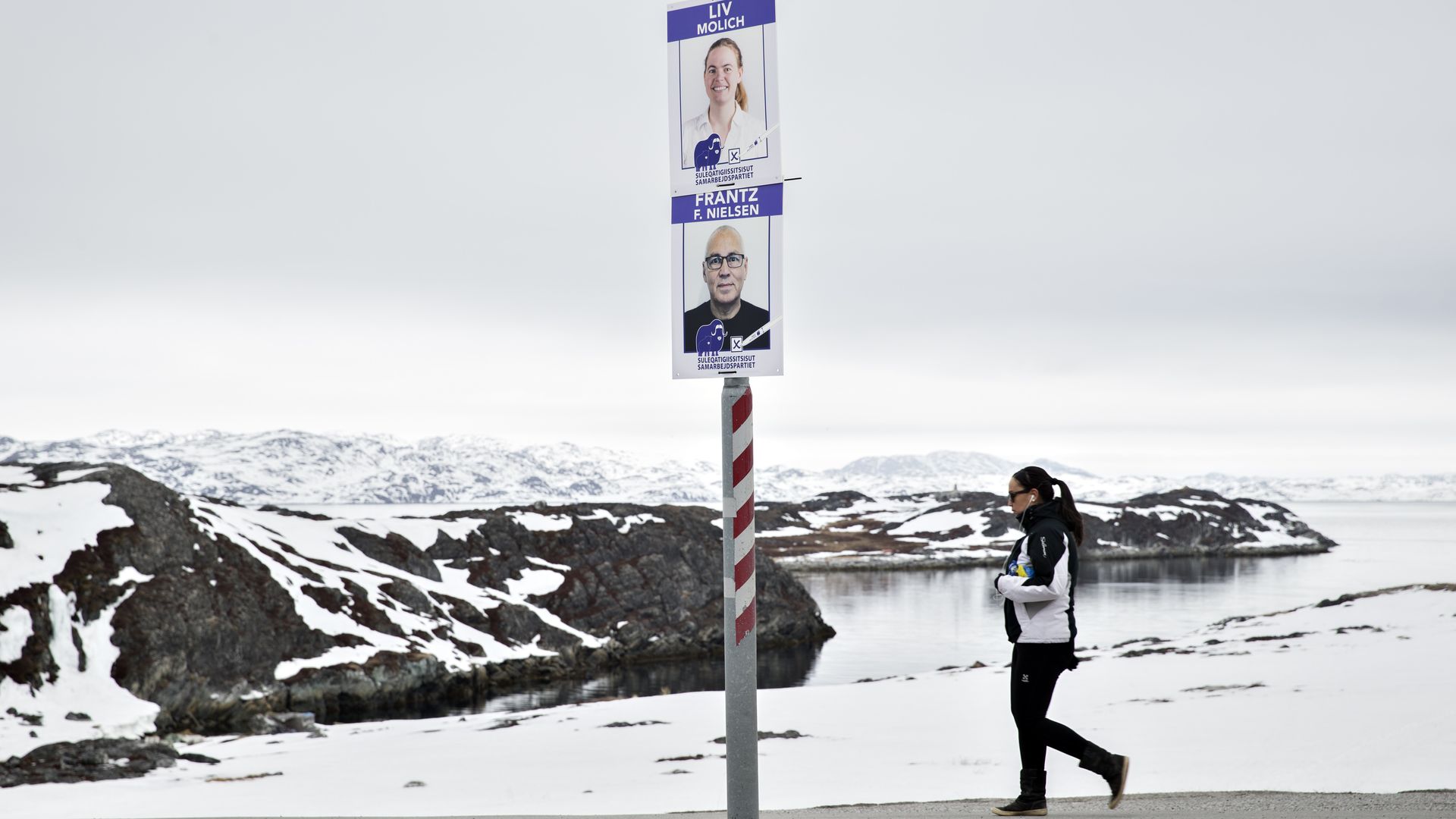
Greenland has self-rule, but formally remains part of the Kingdom of Denmark. Some of its 56,000 residents want full independence, but the country needs Denmark’s cash.
What to watch: China, as you may have heard, also has cash, and it wants access to the Arctic’s potentially vast reserves of oil, gas, metals, and minerals. China is also interested in new sea lanes created by melting ice, for reasons both commercial and strategic.
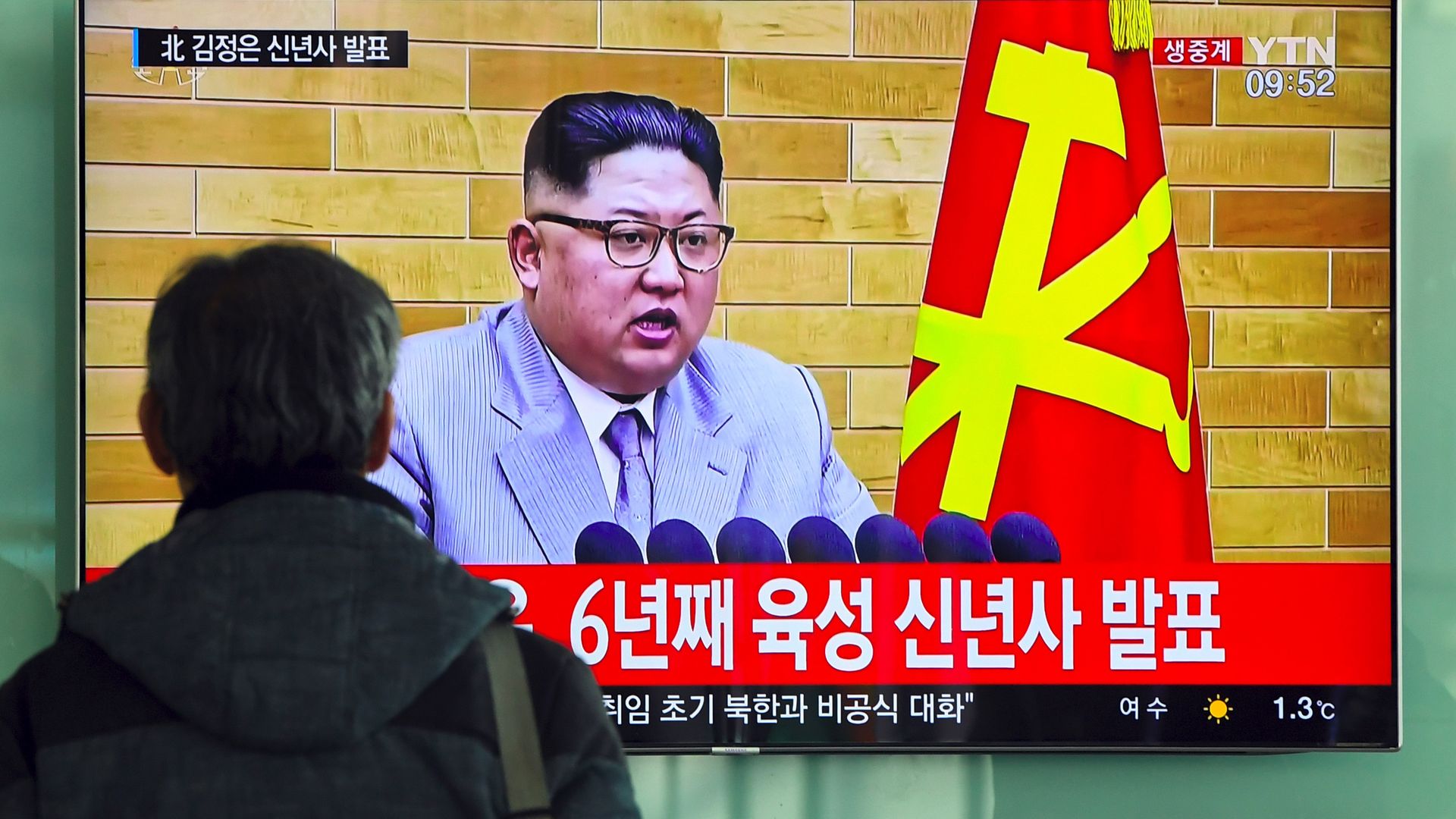
North Korea's fingerprints have appeared over the past 18 months on an increasing number of surprisingly sophisticated cyber-attacks, The Wall Street Journal's Timothy W. Martin writes from Seoul.
Why it matters: "As North Korea prepares for possible negotiations with Washington aimed at freezing its nuclear program, its hacking capabilities could help it generate money to compensate for economic sanctions or to threaten foreign financial institutions."
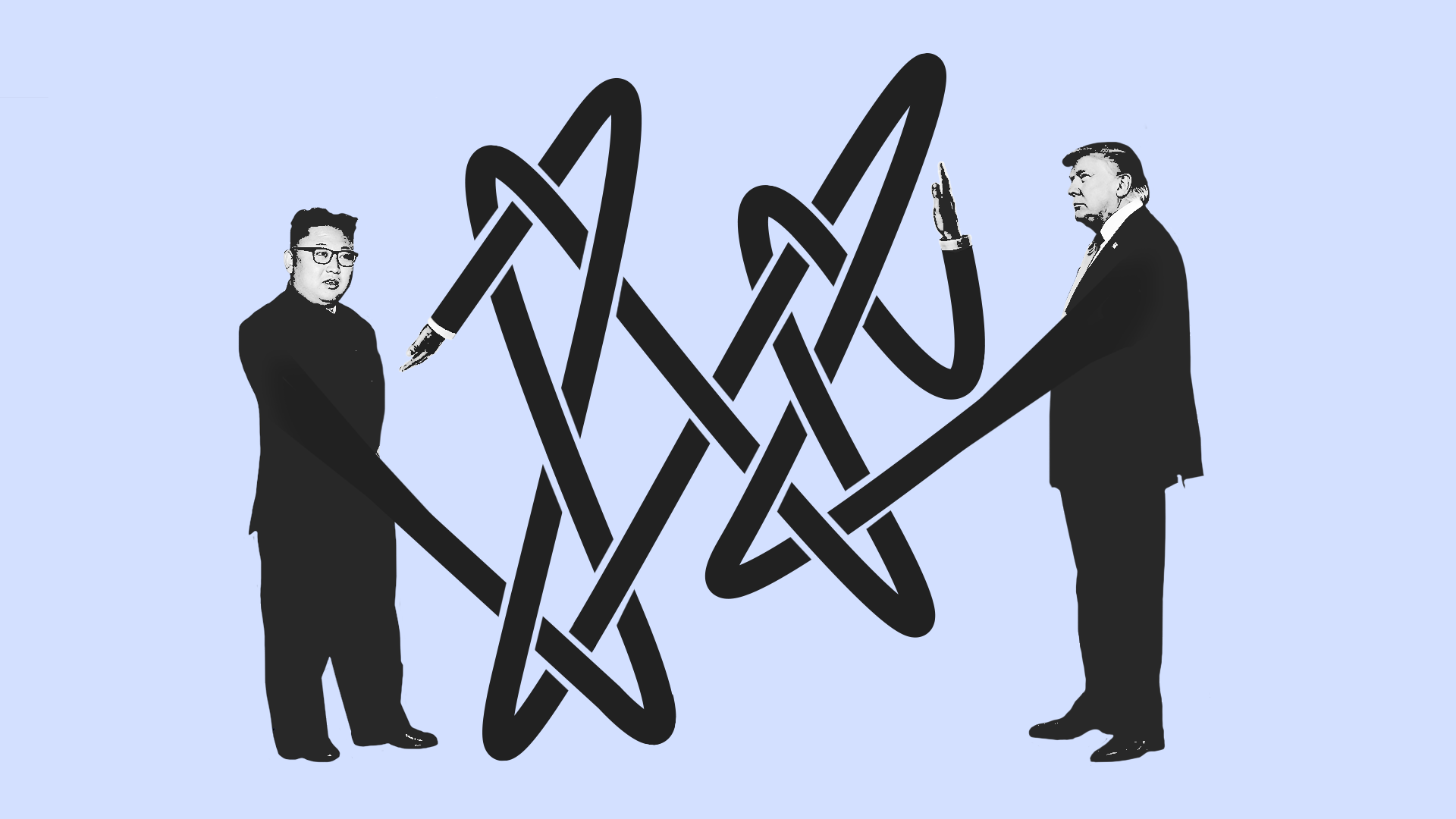
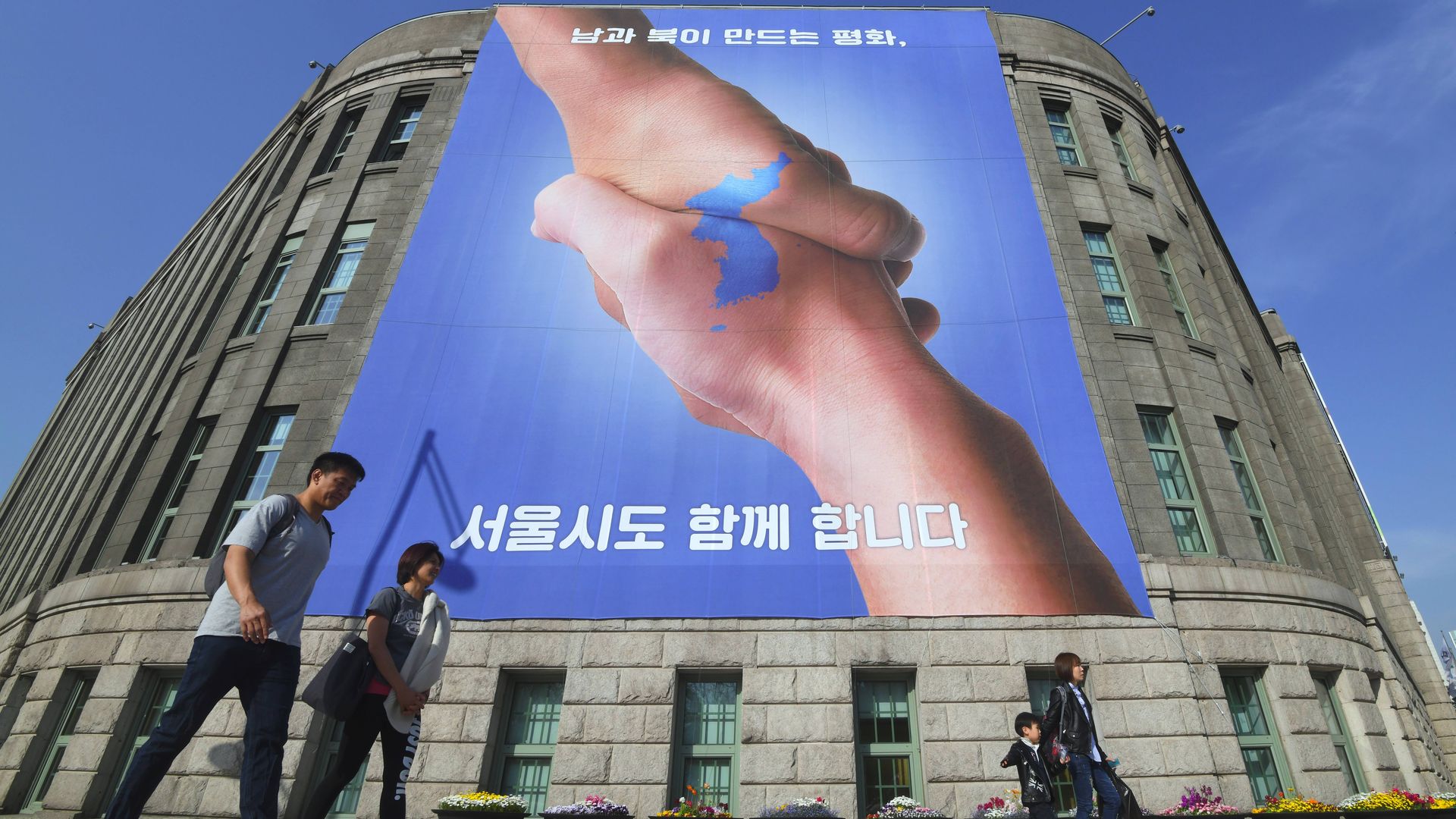
Mike Pompeo's secret visit to Pyongyang is the latest in a series of dramatic events in the run-up to the summit between President Trump and Kim Jong-un. It’s almost certainly not the last.
The big picture: "Part of this is normal, but we've got a wacky situation here," says Jim Walsh, an international security expert at MIT who has taken part in previous negotiations with North Korea. When it comes time to present a "final package," he adds, "surprises won't fly."
North Korean leader Kim Jong-un has dropped his demand for the U.S. to withdraw troops from South Korea in exchange for giving up its nuclear weapons, reports the New York Times.
Why it matters: The announcement, made by South Korean President Moon Jae-in, is a major victory ahead of the long-anticipated meeting between the U.S. and North Korea. As the Times notes, Kim Jong-un has been continually demanding the removal of 28,500 American troops in South Korea. The move hasn't been officially confirmed by the North.
Critics of the upcoming U.S. summit with North Korea have voiced concerns that Kim Jong-un will never agree to denuclearization or that, if he does, he will renege. Those dubious of hardliners like John Bolton suspect talks are a charade and a prelude to war. These fears are real, but so is the potential for success.
The big picture: Though both the U.S. and North Korea could well adopt poison pills the other would not accept, the two countries do in fact have common ground. The policy community should focus on developing a diplomatic strategy rather than heralding the summit's inevitable failure.
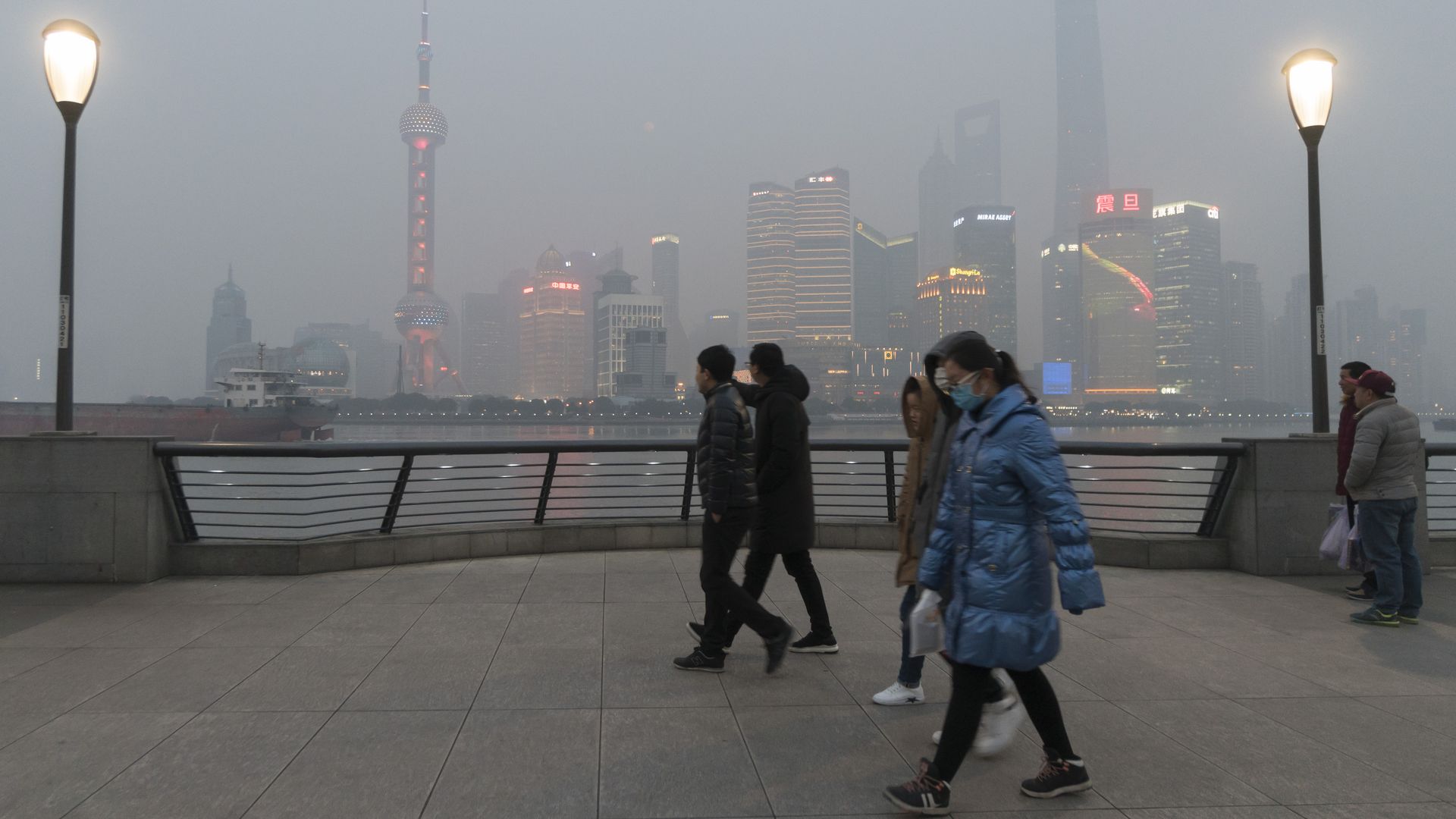
This week China formally inaugurated its new Ministry of Ecology and Environment (MEE) to replace the Ministry of Environmental Protection. The MEE consolidates regulatory functions that were spread over seven or eight different ministries and administrations.
Why it matters: The fragmentation of regulatory authority is a major reason China has struggled to combat the severe environmental degradation that has attended its rapid economic rise. The consolidation, part of a larger government reorganization announced in March, aims to address that deficiency by making the Chinese government more coherent and effective.
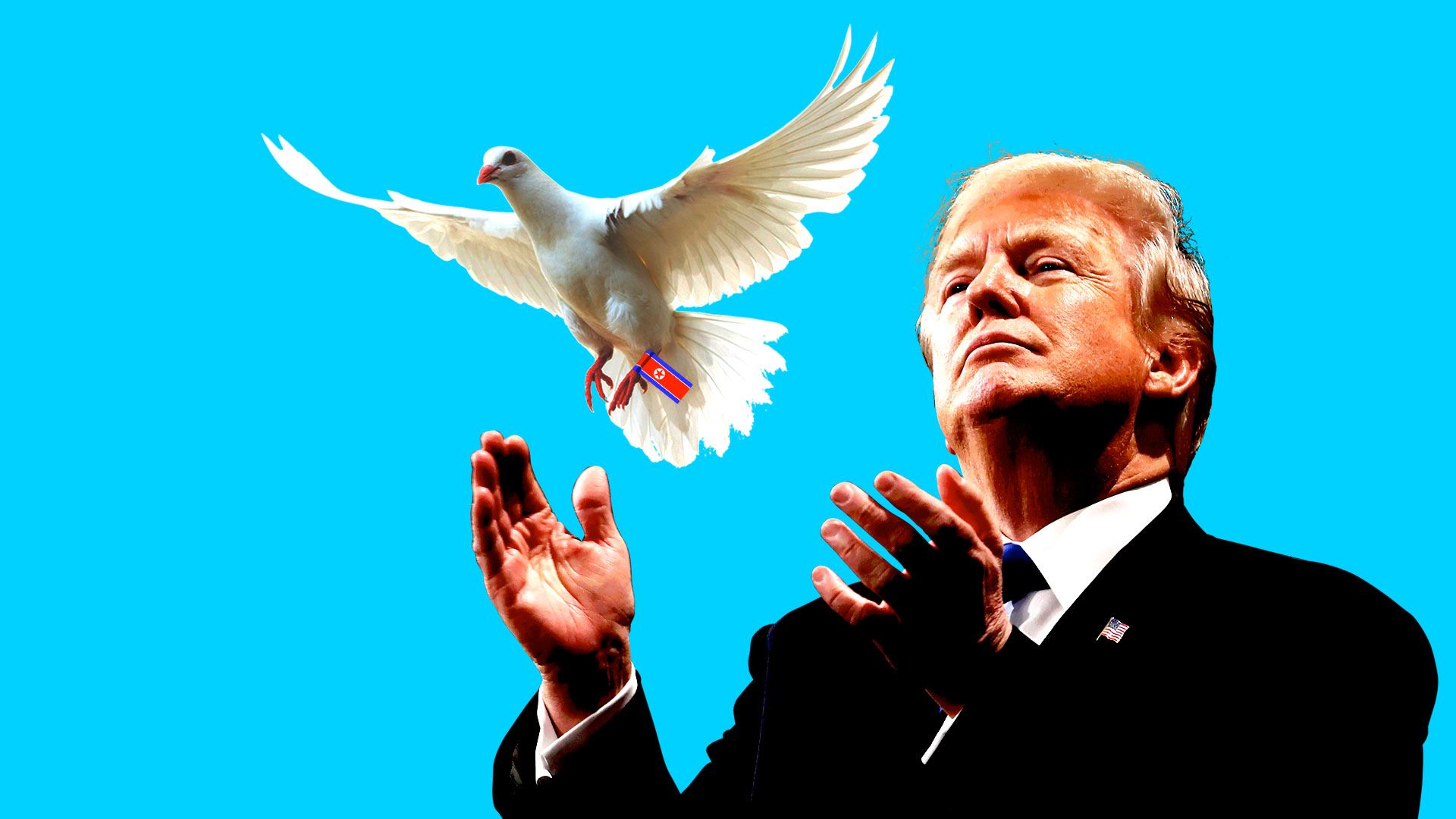
President Trump views the North Korean crisis as his “great man” of history moment.
The big picture: He came into office thinking he could be the historic deal maker to bring peace to the Middle East. He’s stopped talking about that. There’s very little point. The peace deal looks dead and cremated. But Trump wants to sign his name even larger into the history books, and he views North Korea as his moment.


/2018/04/20/1524251970313.gif?w=3840)