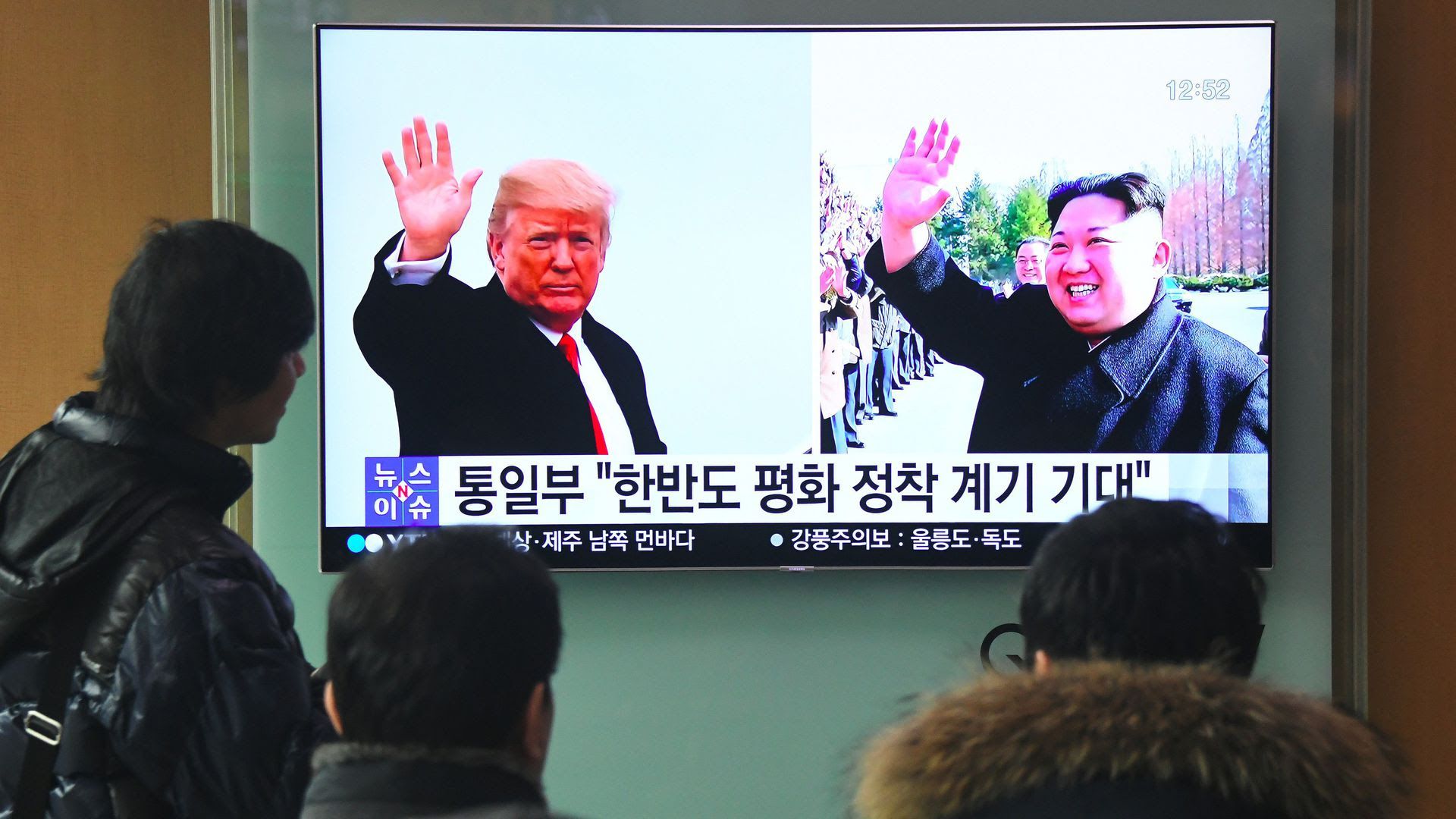
Beijing is pleased with the news that President Trump accepted an offer to meet with North Korean leader Kim Jong-un. Ministry of Foreign Affairs spokesperson Geng Huang called it “a step in the right direction,” Xinhua reports.
What I'm hearing: Chinese officials were not aware that Kim had suggested to the South Koreans he was willing to sit down with Trump, but they will be happy at the prospect that lowered tensions may be on the horizon.
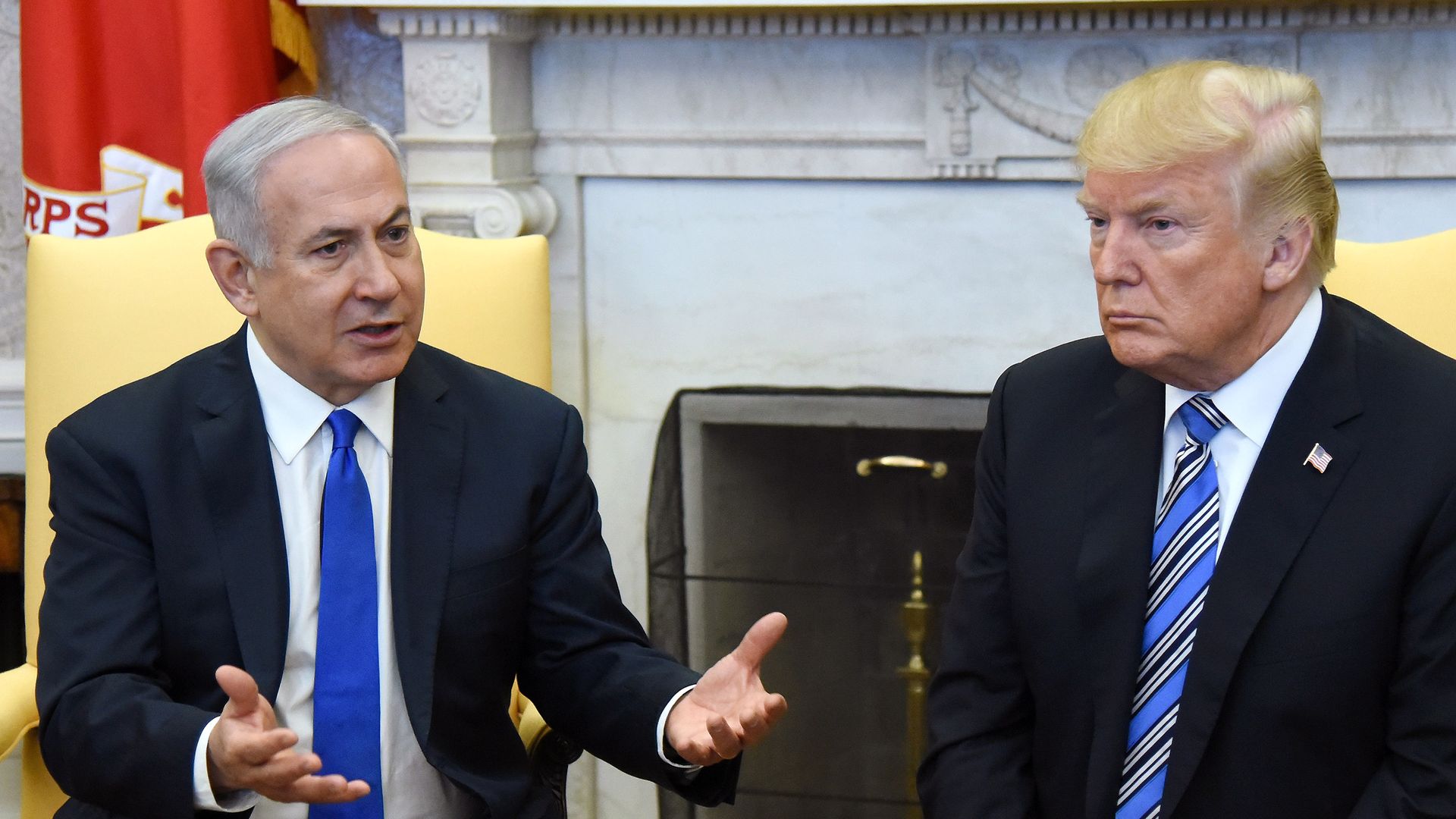
During his meeting with President Trump at the White House on Monday, Israeli Prime Minister Benjamin Netanyahu raised concerns over a possible deal between the U.S. and Saudi Arabia to build nuclear reactors in the kingdom, Israeli officials told me.
Where things stand: The officials, who spoke on conditions of anonymity, said Netanyahu asked Trump not to continue with the deal, but the message from Trump and his team was that if the U.S. doesn't sell the Saudis nuclear reactors other countries like Russia or France will.
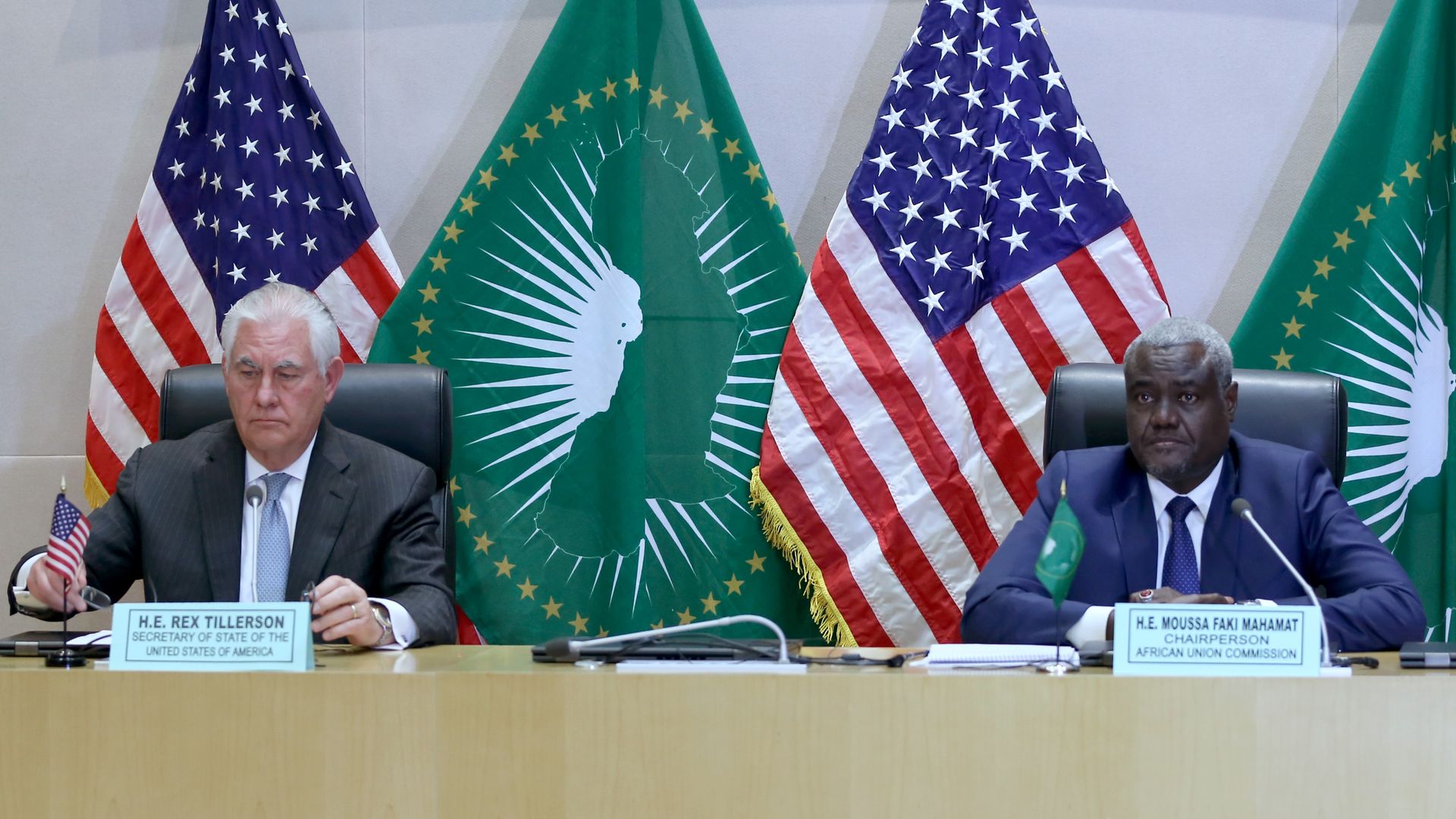
U.S. Secretary of State Rex Tillerson is warning Africans not to forfeit "any elements of your sovereignty" to China via its investments and loans, during his five-nation Africa tour. Separately, other U.S. leaders are growing more concerned about moves China is making on an important port in Djibouti.
Why this matters: Africa is the new target in the global influence race between China and America. Similar to a recent trip to Latin America, Tillerson is sounding the alarm over China's growing influence. But, China's reach is expected to continue expanding, especially as Chinese President Xi Jinping views President Trump's "America First" platform as a boon.
Following the news that President Trump had accepted an invitation to meet with Kim Jong-un, Sen. Lindsey Graham issued a stern warning to the North Korean leader:
"Word of warning to North Korean president Kim Jong-un, the worst possible thing you can do with Donald Trump is meet with him in person and try to play him. If you do that it will be the end of you and your regime."
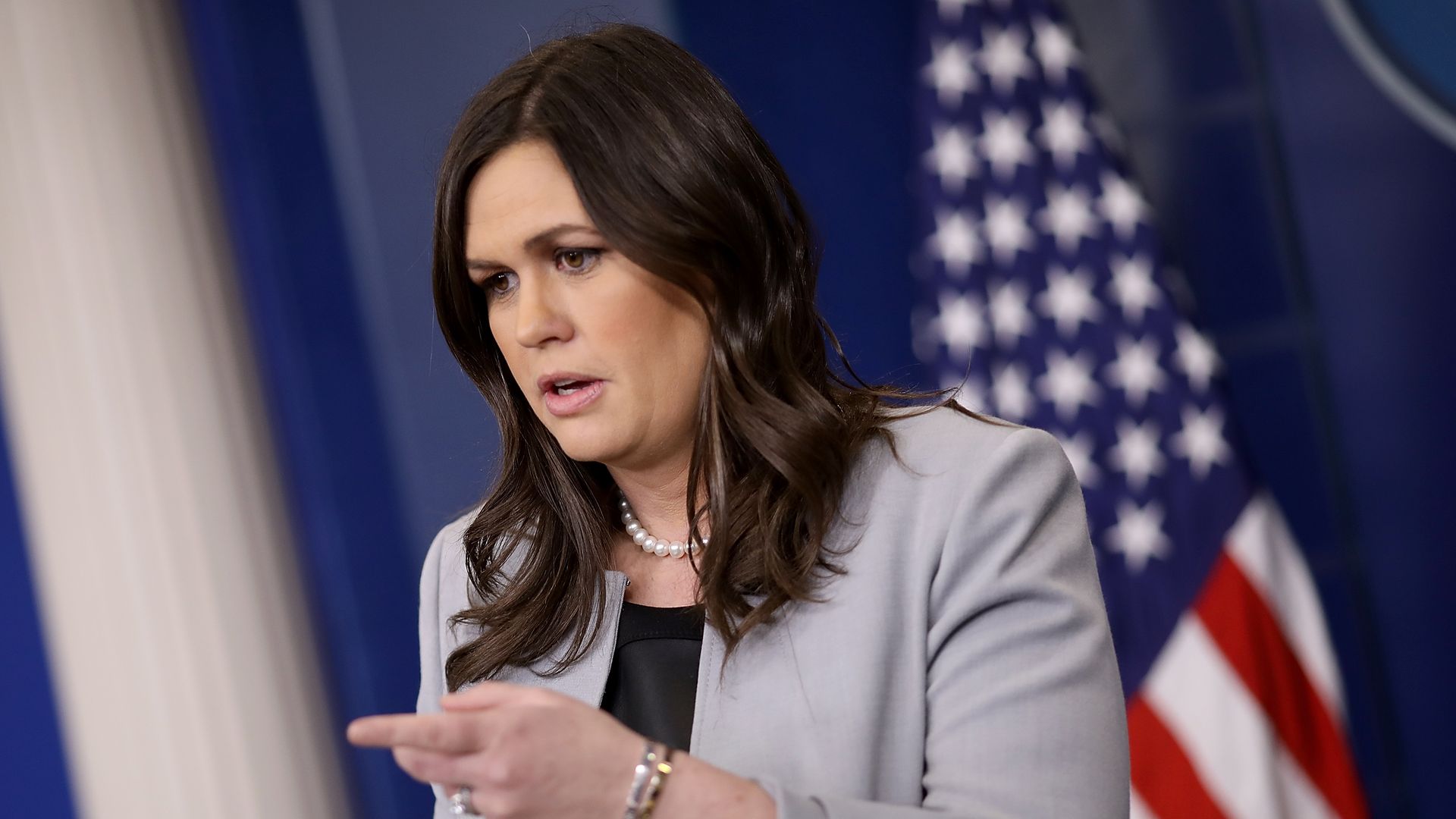
Press Secretary Sarah Sanders said Friday that President Trump is "hopeful" about the proposed meeting with North Korean dictator Kim Jong-un, but made clear that the meeting will not take place until the U.S. sees "concrete actions on the promises they've made." Sanders added that a time and place have not yet been determined.
Worth noting: Sanders said that the White House "made zero concessions" by agreeing to talks with North Korea, adding that North Korea "promised to denuclearize." However, the South Korean national security adviser only said that North Korea "is committed to denuclearization."
News that President Donald Trump will sit down with North Korean leader Kim Jong-un in the next three months is a stunning development. There is considerable risk associated with this dramatic gambit. Contrary to the normal diplomatic playbook, which calls for leaders to meet after experts have worked through complex details, this meeting will in essence kickstart negotiations.
What's next: If Kim is willing to bargain away his nuclear and missile capabilities — a big if — the biggest hurdle to an agreement will be less what North Koreans demand than what American politics allows.
Yesterday's offer by North Korean leader Kim Jong-un to meet with a U.S. president and to freeze testing of nuclear weapons and missiles is a major development. But at this point, what we don’t know far exceeds what we do. We need to proceed with caution and careful diplomacy.
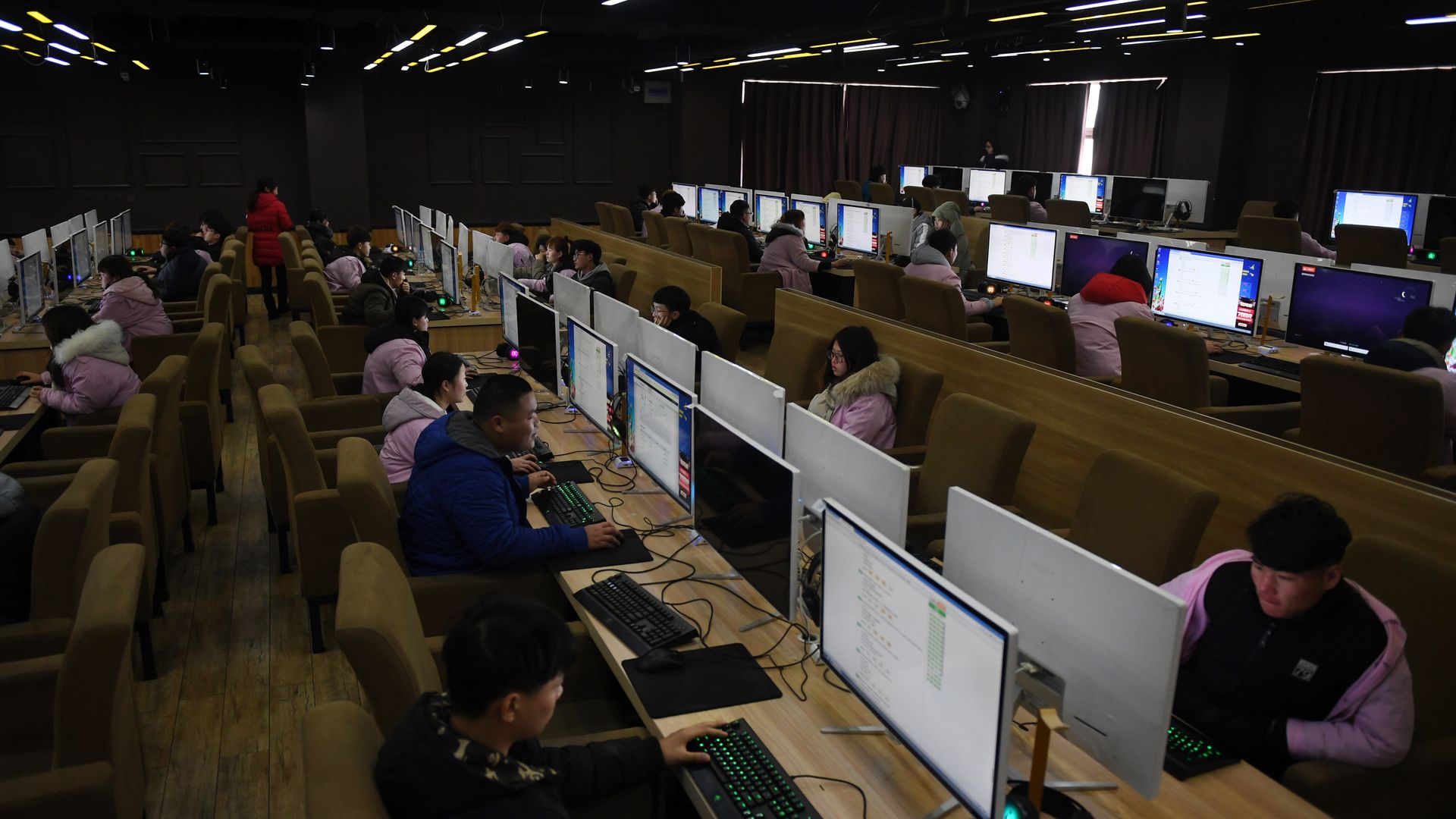
Months after a U.S. cyber intelligence firm published research that the Chinese appeared to withhold publicly available cybersecurity warnings from a public database when they might interfere with its cyber espionage operations, the firm found evidence that China was trying to cover that up.
The details: In November, Recorded Future published a report that the Chinese public database of security vulnerabilities was far faster to update than its U.S. counterparts 97% percent of the time. But the 3% of the time they were slower appeared to correlate with the vulnerabilities believed Chinese espionage groups used to breach computers.
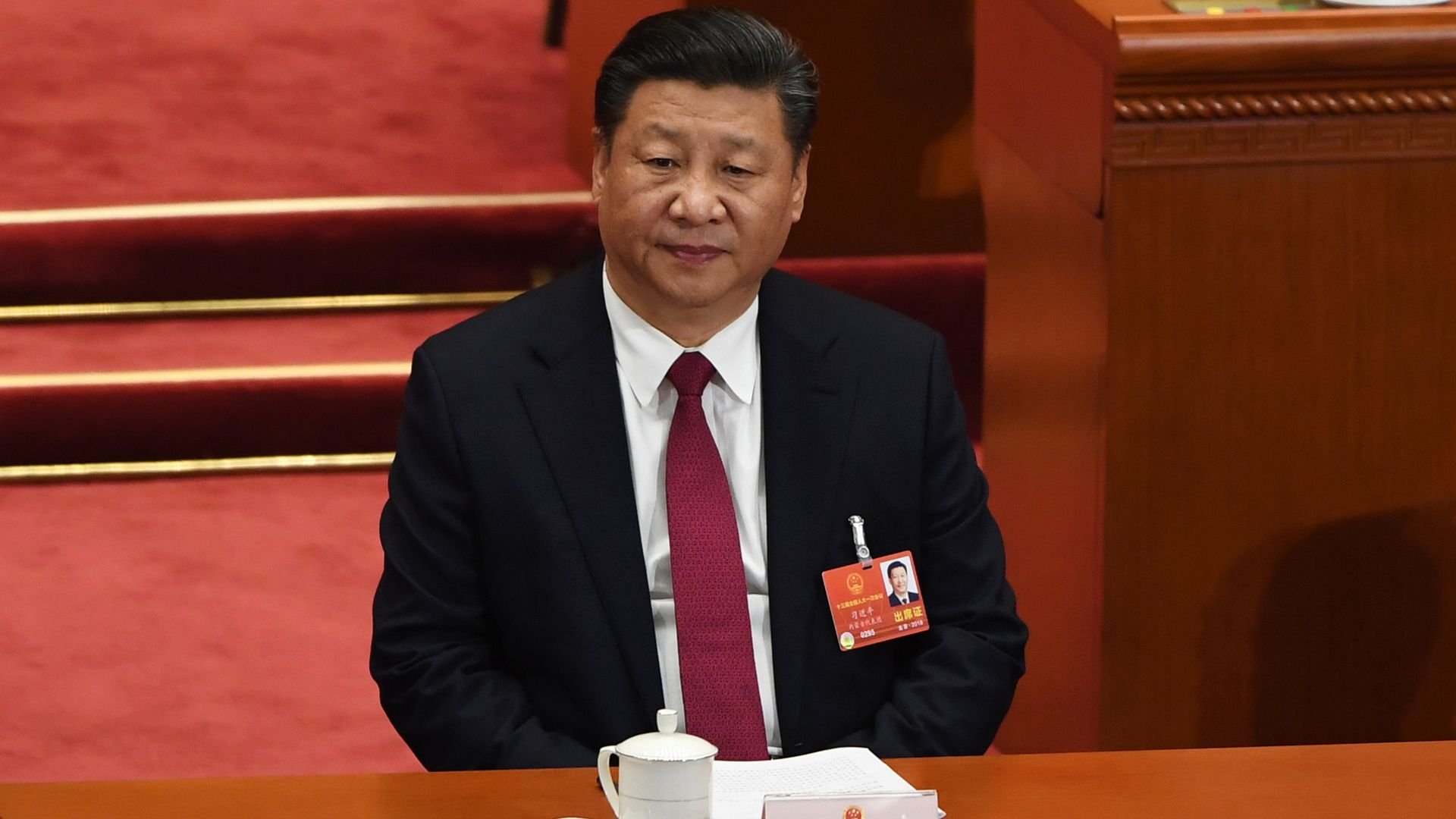
The change to presidential term limits in China has gotten much recent attention but just as important — if not more so — was the Third Plenum decision on deepening reform of party and state institutions that furthers the trend of the Communist Party of China (CPC) taking over state institutions.
Why it matters: President Xi Jinping is working to obliterate any boundaries between party and state and to reinsert CPC into all aspects of China's economy and society — all in conjunction with ensuring he's the unchallenged embodiment of the CPC. The end result will be Xi's complete dominion of all parts of Chinese government and society.
President Trump's "breathtaking gamble" (as the N.Y. Times calls it) in agreeing to meet with North Korean dictator Kim Jong-un reflects the winging-it approach he has always taken to life, business and politics:
The big picture: Trump is totally improvisational. He spent his days at Trump Tower with effectively no calendar and no agenda. He’d sit at his desk taking and making phone calls, open to any offer, any idea.
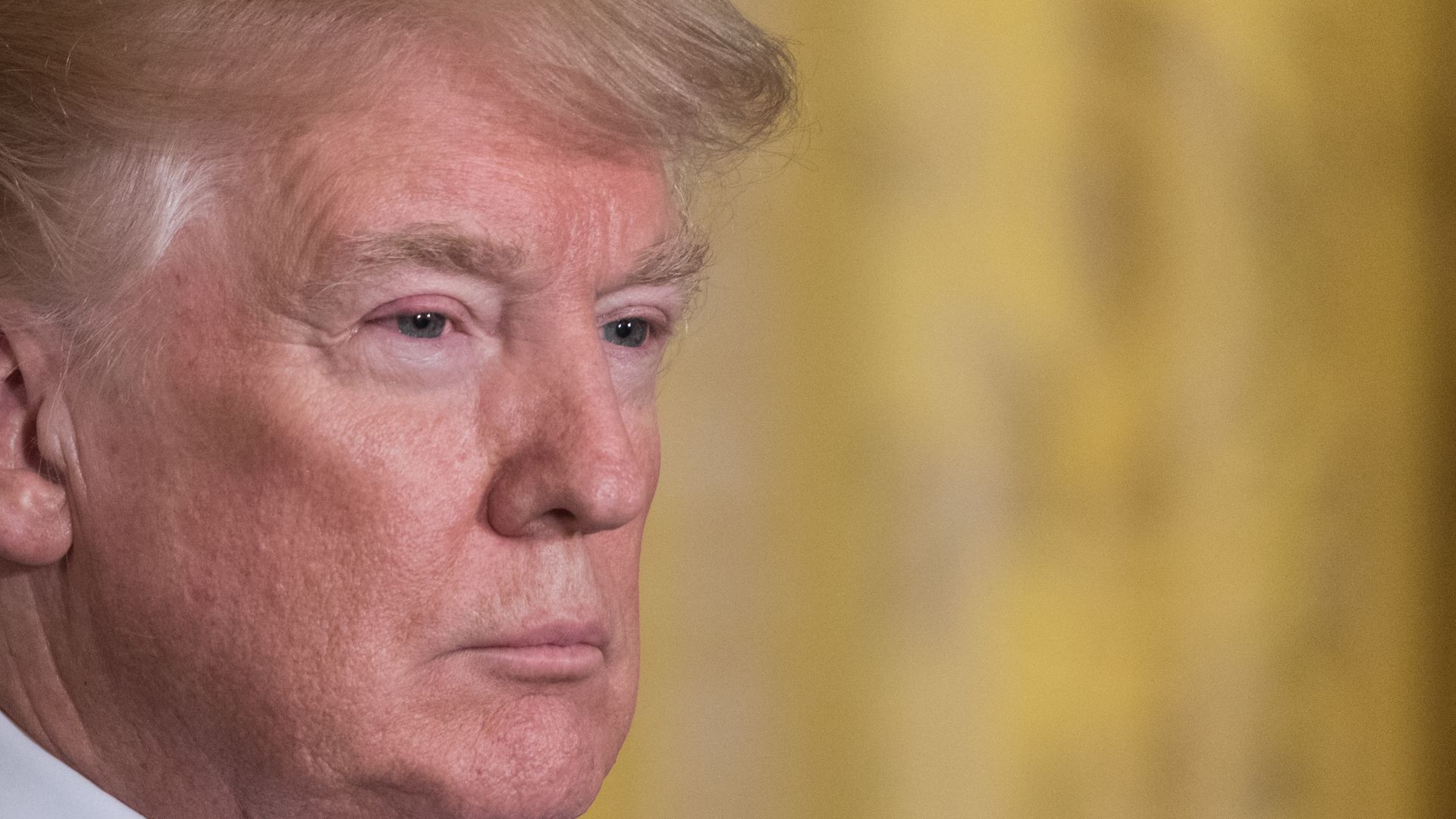
President Trump has thrust himself into a precarious diplomatic situation by unexpectedly agreeing to meet in the coming weeks with Kim Jong-un.
The big questions: North Korea put a lot on the table, according to South Korean officials — denuclearization, a testing freeze and acceptance of U.S.-South Korea military drills. The U.S. hasn't even made its opening bid. So what does Trump choose to believe from Kim, and what's he willing to offer to make a deal?
A senior administration official reiterated on Thursday night that pressures on North Korea will not lessen, following the announcement that President Trump has agreed to meet with Kim Jong-un:
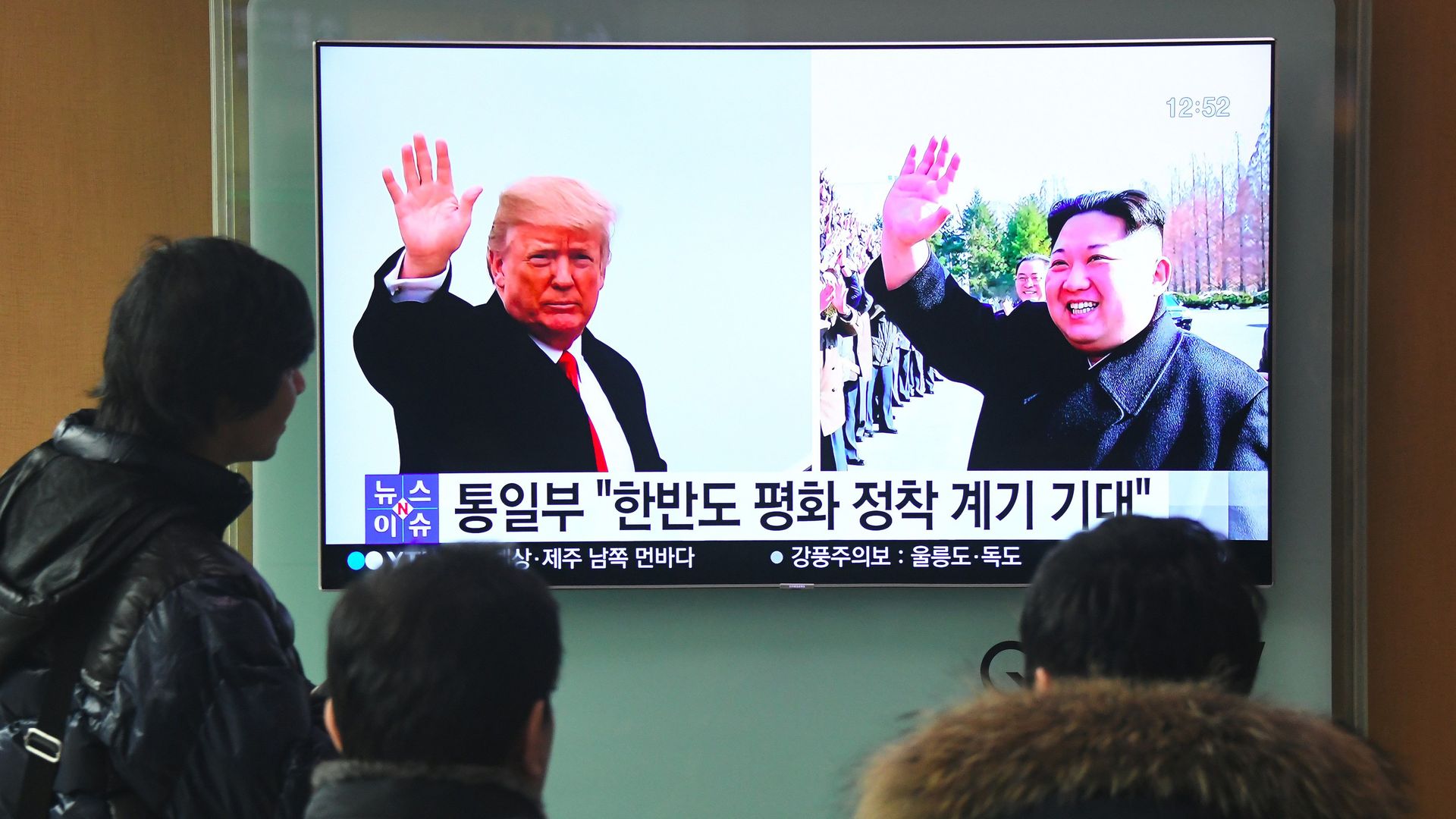
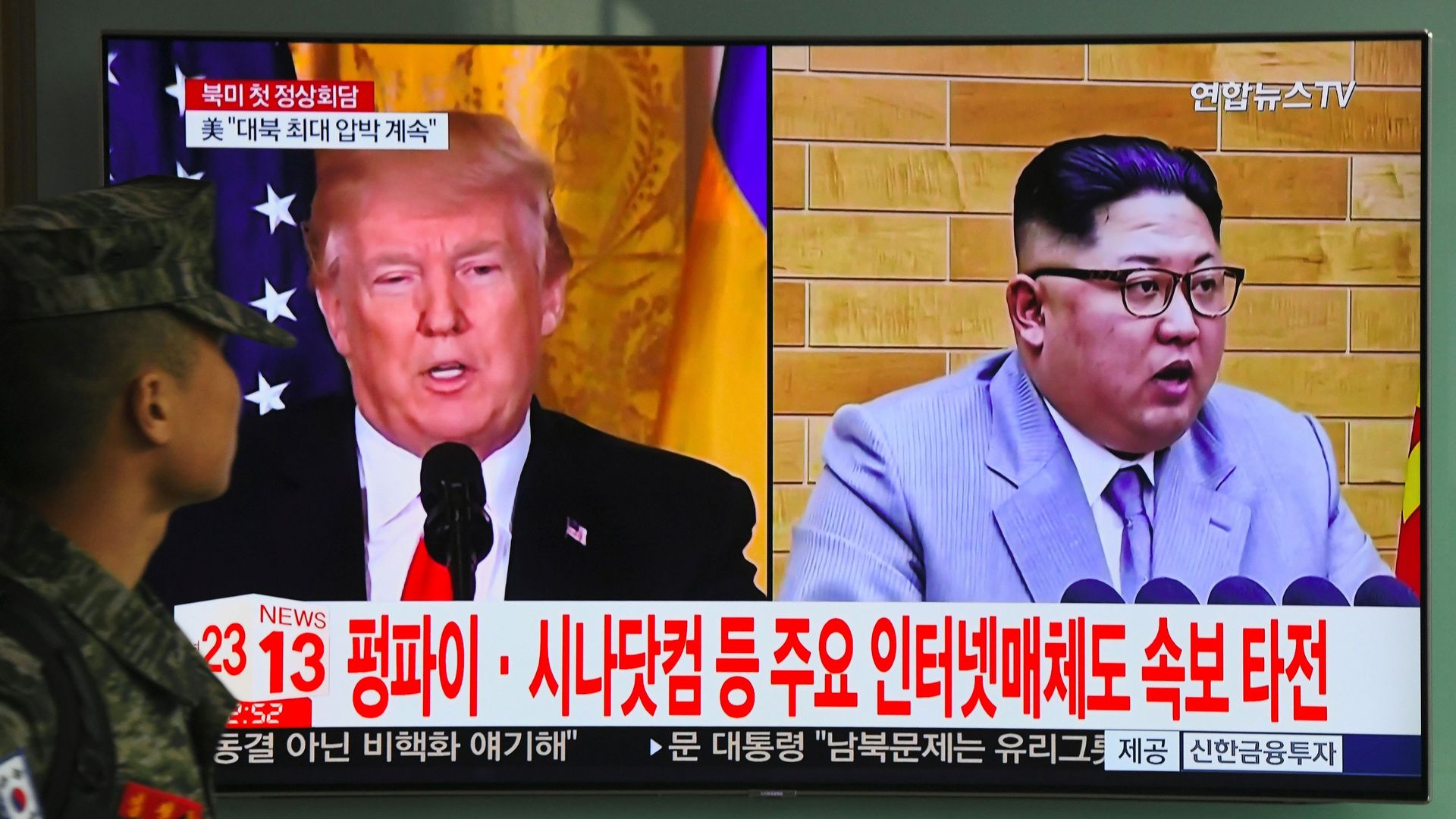
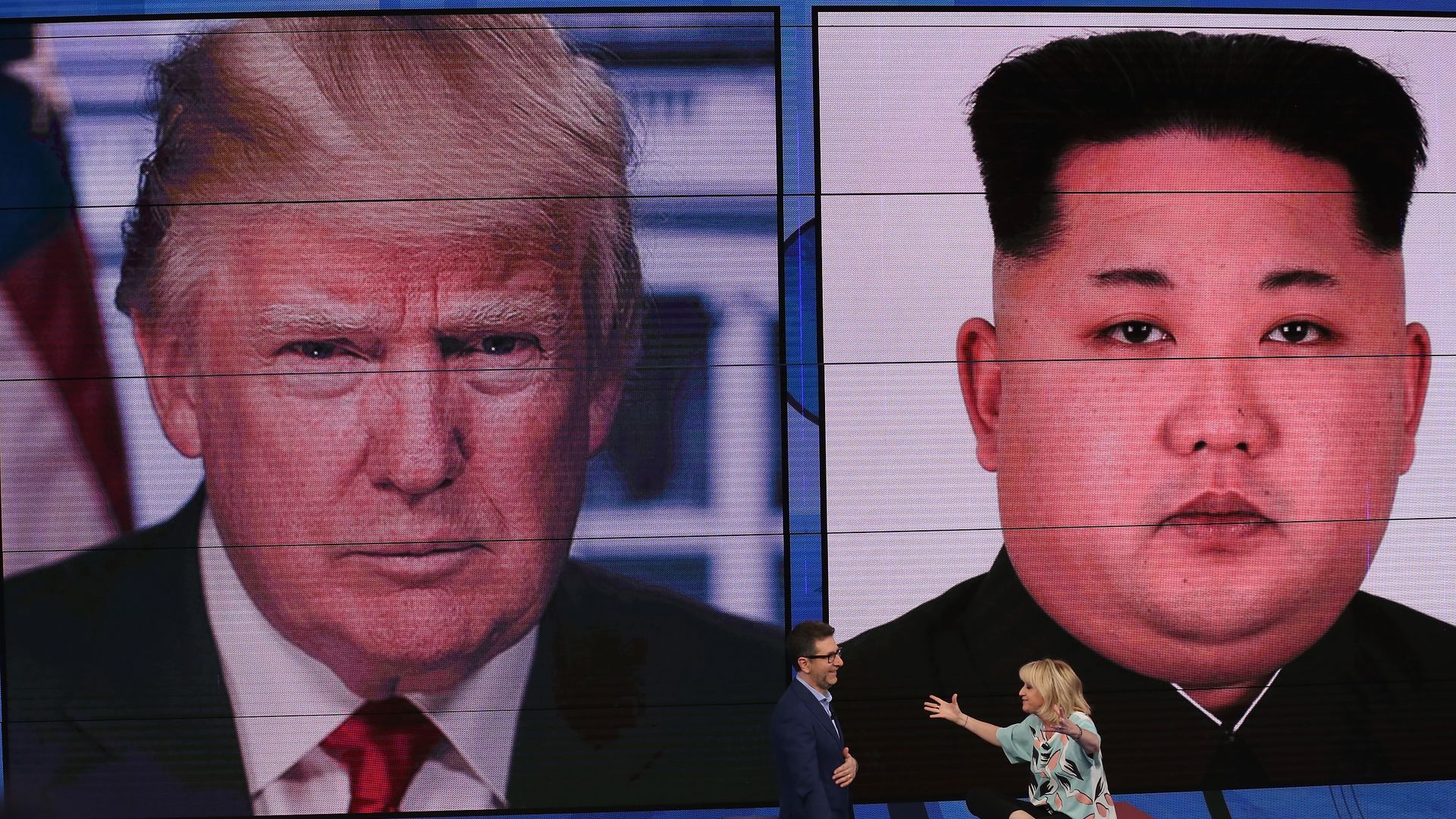
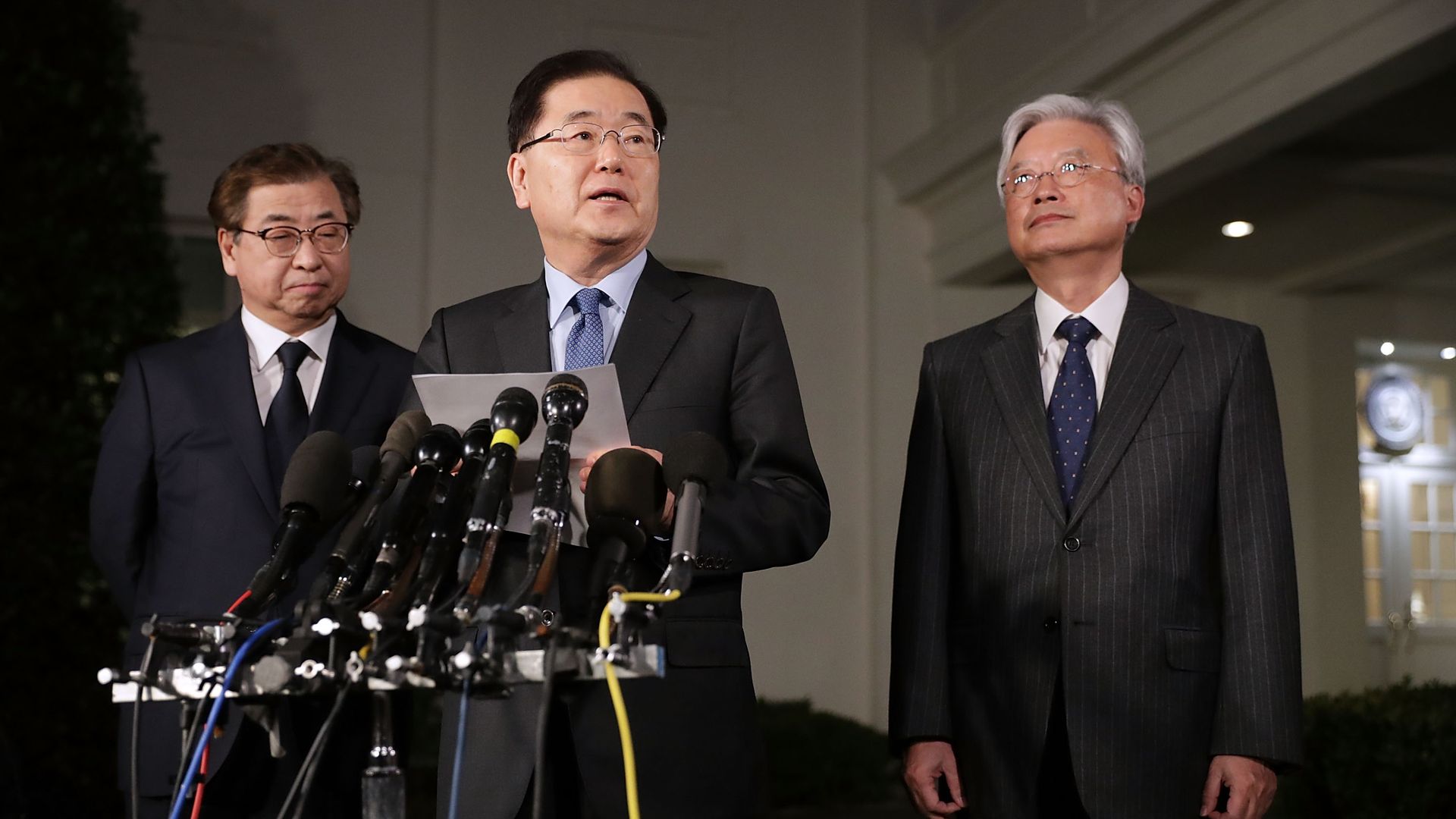
President Trump has accepted an invitation from North Korean leader Kim Jong-un to meet and the meeting will take place "by May," South Korean national security adviser Chung Eui-yong said in a statement from the White House. Chung also said Kim had offered to suspend nuclear testing and would not object to joint U.S.-South Korean military exercises.
The White House has confirmed that Trump "will accept the invitation to meet with Kim Jong Un at a place and time to be determined," White House press secretary Sarah Sanders said in a statement. "We look forward to the denuclearization of North Korea. In the meantime, all sanctions and maximum pressure must remain."
Why it matters: This is a stunning announcement — both that Kim suggested the meeting and that Trump immediately accepted — given just a few months ago the leaders were exchanging threats of nuclear destruction. It's also a very risky move, and there's plenty of room for caution given the history of negotiations with North Korea.