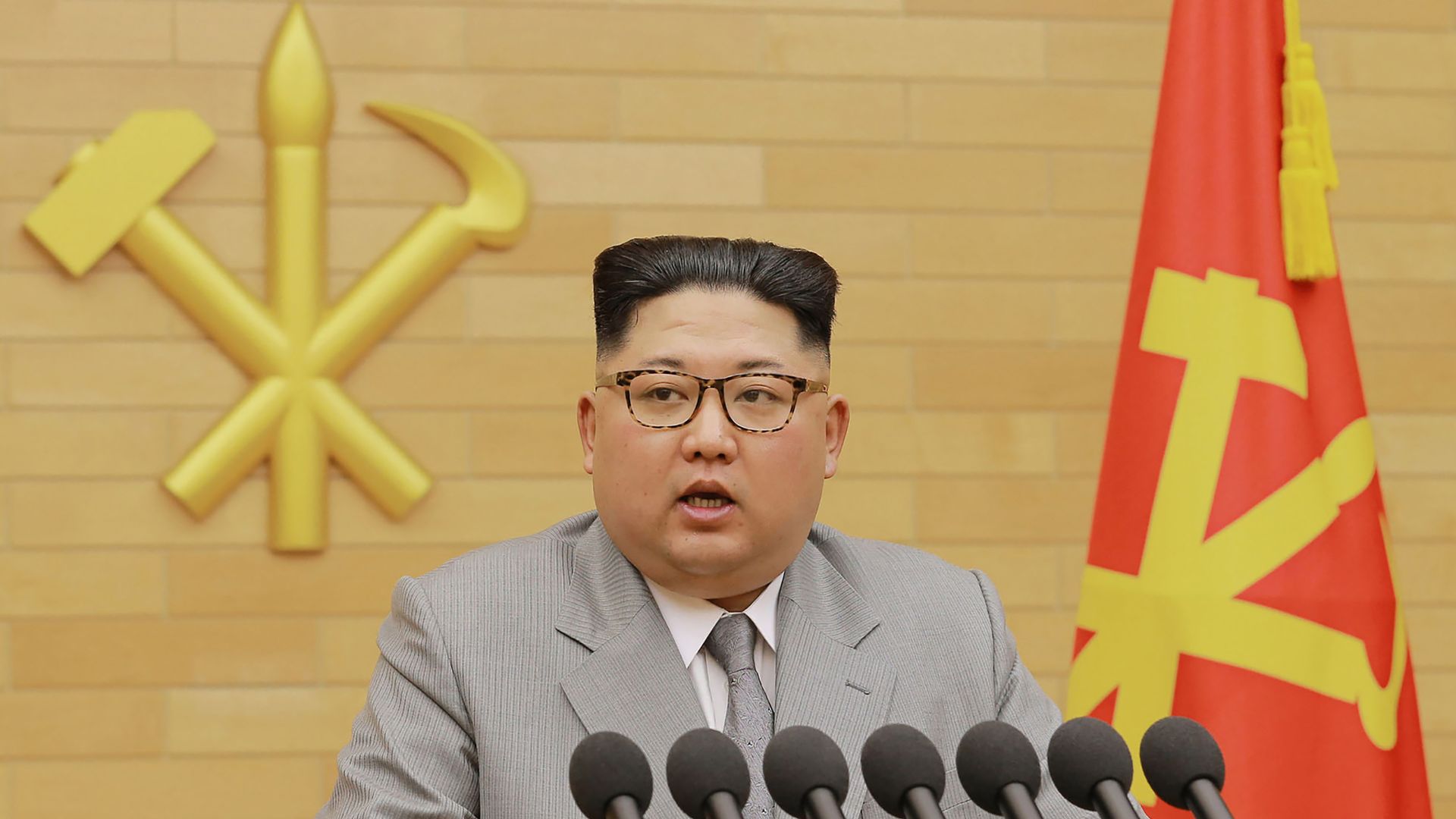
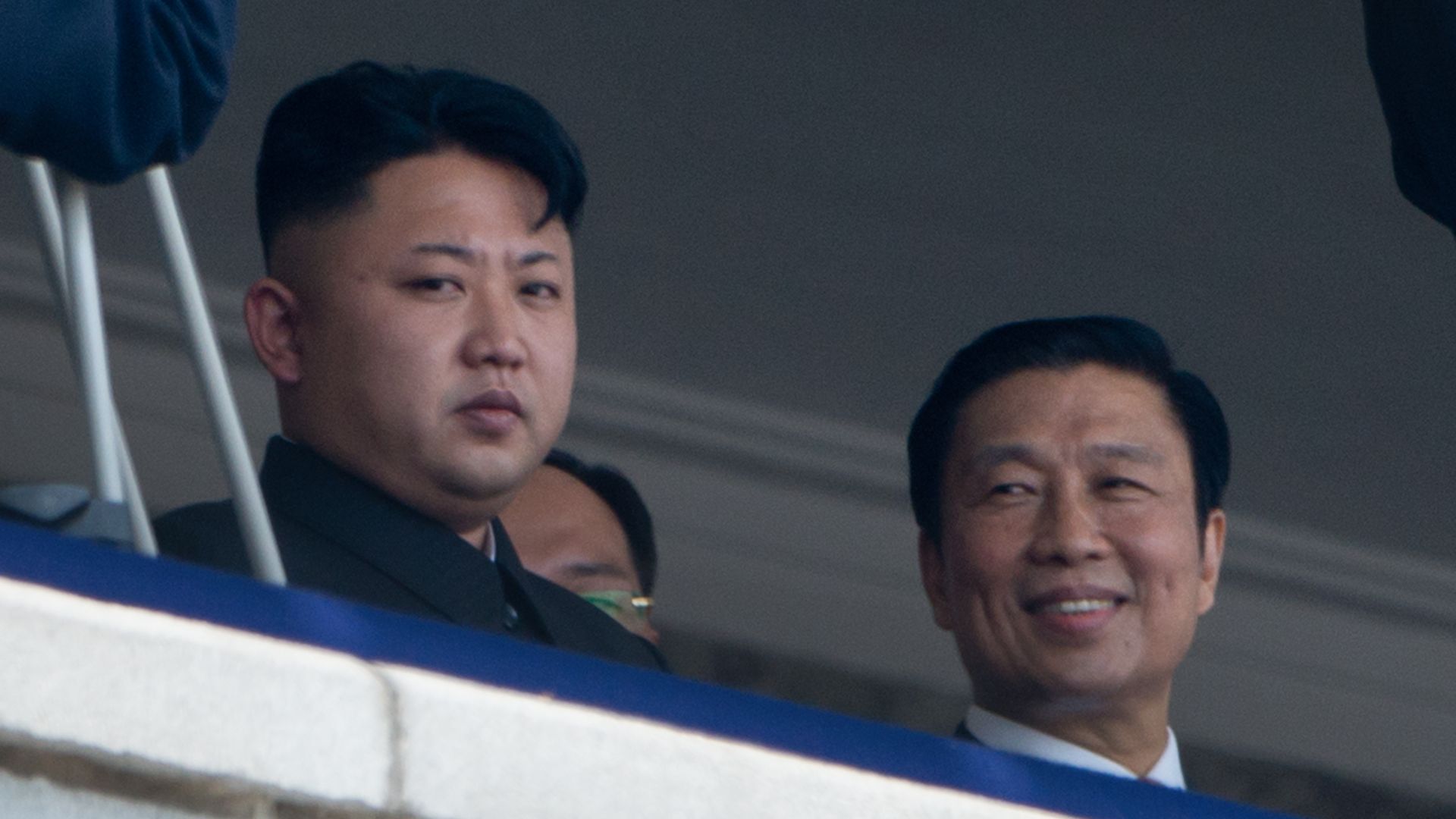
Tyson Meadors, the director for cybersecurity policy for the National Security Council (NSC,) said Thursday that if North Korea ever decided to integrate with the world economy, it could be an outsize cybersecurity powerhouse.
"If we brought North Korea into the rest of the economy of the world... they could be a relatively complementary partner in the global economy"
— Tyson Meadors at a conference held by Association for Federal Information Resources Management and US Cyber Challenge
Hidden Cobra, a North Korean cybercrime group, is suspected of launching a malware attack on Turkey’s financial system, according to the McAfee Advanced Threat Research team. The attack shows similarities to the attack on the global financial network, SWIFT, according to code analysis.
Why it matters: The attacks show a continued interest by North Korea in cyber attacks for financial game, such as the WannaCry attack and one on cryptocurrency exchanges.
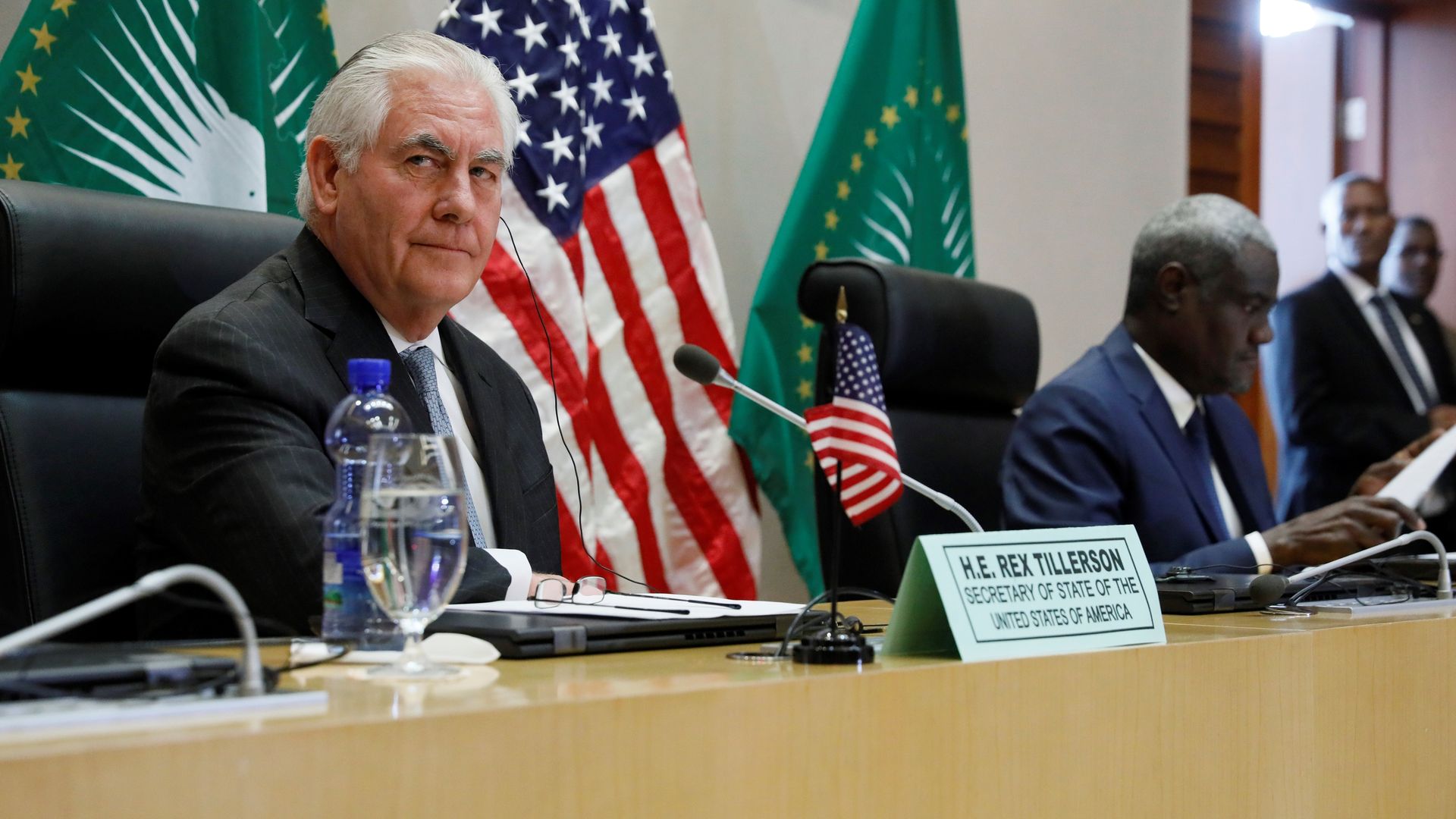
Secretary of State Rex Tillerson was in Ethiopia visiting the headquarters of the African Union Thursday, the first stop on his five-country tour of the continent. Per the NY Times, Tillerson's trip thus far, much like his recent visit to Latin America, has been marked by tense exchanges and calls to answer for the "shithole countries" remark Trump reportedly made in January.
Why it matters: Trump's unpredictability and inflammatory comments (including about Tillerson) haven't made representing the U.S. abroad any easier, particularly with global approval of U.S. leadership plummeting under his administration.
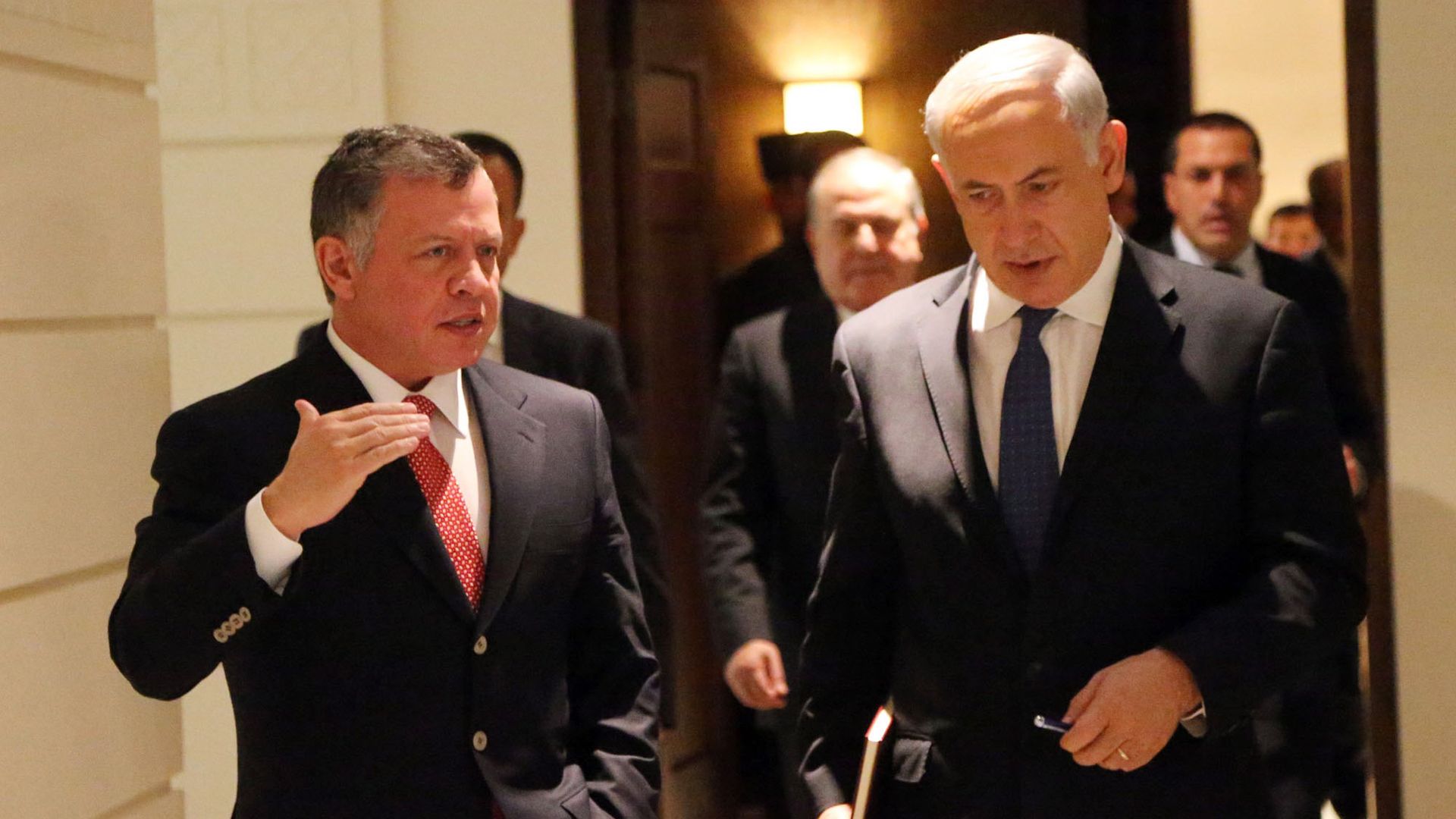
Israeli Prime Minister Benjamin Netanyahu wants to see a further decrease in U.S. and international funding to the UN Relief and Works Agency – UNRWA, which assists Palestinian refugees and their descendents. He suggests that some of the money be transferred directly to the Jordanian government, and has raised the idea with UN secretary general Antonio Guterres, per Israeli diplomats and UN officials.
The backdrop: Netanyahu and the Israeli government believe the UNRWA helps Palestinians maintain their demand for a "right of return" for refugees to their homes inside Israel. The Trump administration cut the U.S. contribution in half in January, citing the need for a "fundamental reexamination" of the agency's operations and the way it's funded.
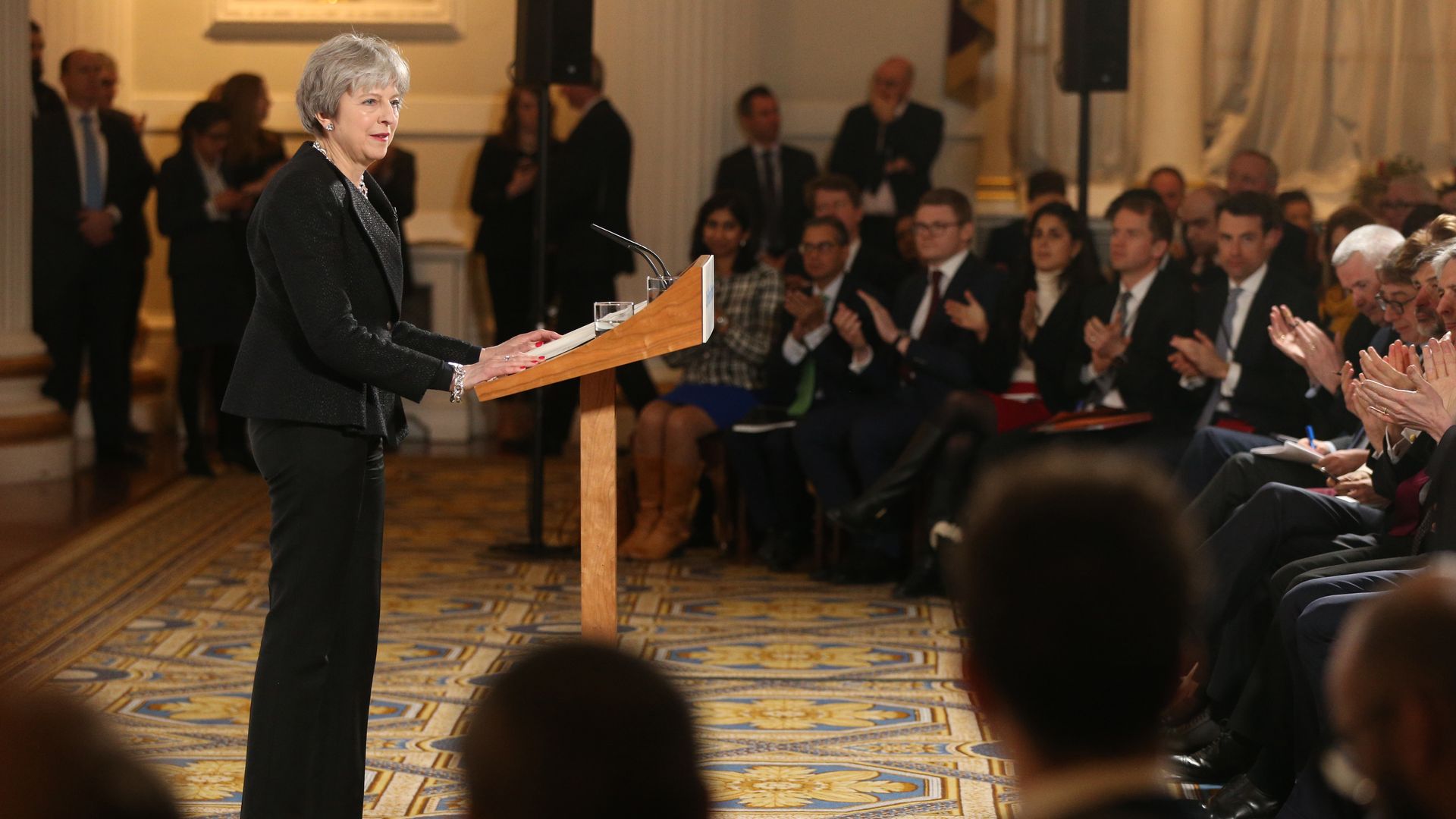
In her address last Friday about Britain’s impending withdrawal from the European Union, Prime Minister Theresa May failed to present a compelling vision for post-Brexit Europe. To lay the groundwork for trade negotiations in Brussels, the speech needed to meet three objectives but accomplished one at most.
The bottom line: Senior members of the British government have said they aren't ready to "point fingers," but that there will be a robust response if a "state actor" (ahem, Russia) is determined to be the guilty party. The question is when such a determination will be made, and what that response would look like.
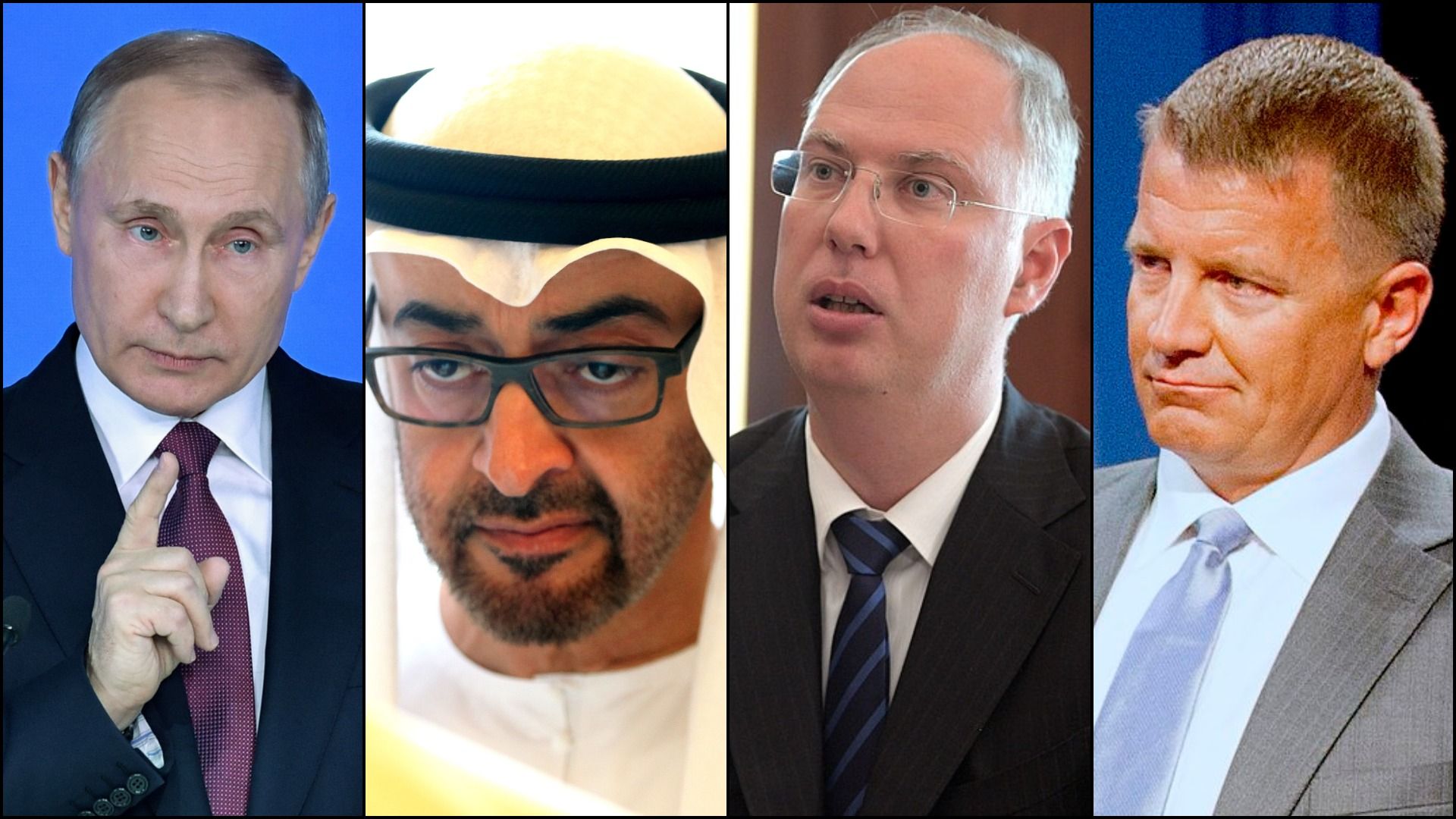
Last night, WashPost reported that a witness informed Robert Mueller that a January 2017 meeting in the Seychelles, which took place just days before President Trump's inauguration, was an attempt to set up a back channel between the White House and the Kremlin.
Why it matters: In the grand scheme of Mueller's sweeping investigation — which has caught 19 individuals and three companies in its web of indictments and guilty pleas thus far — a single meeting between a Russian emissary and an American businessman with no formal ties to the Trump transition team may seem relatively benign. But with reports that Mueller may be targeting the influence of foreign cash, the Seychelles meeting takes on a new significance.
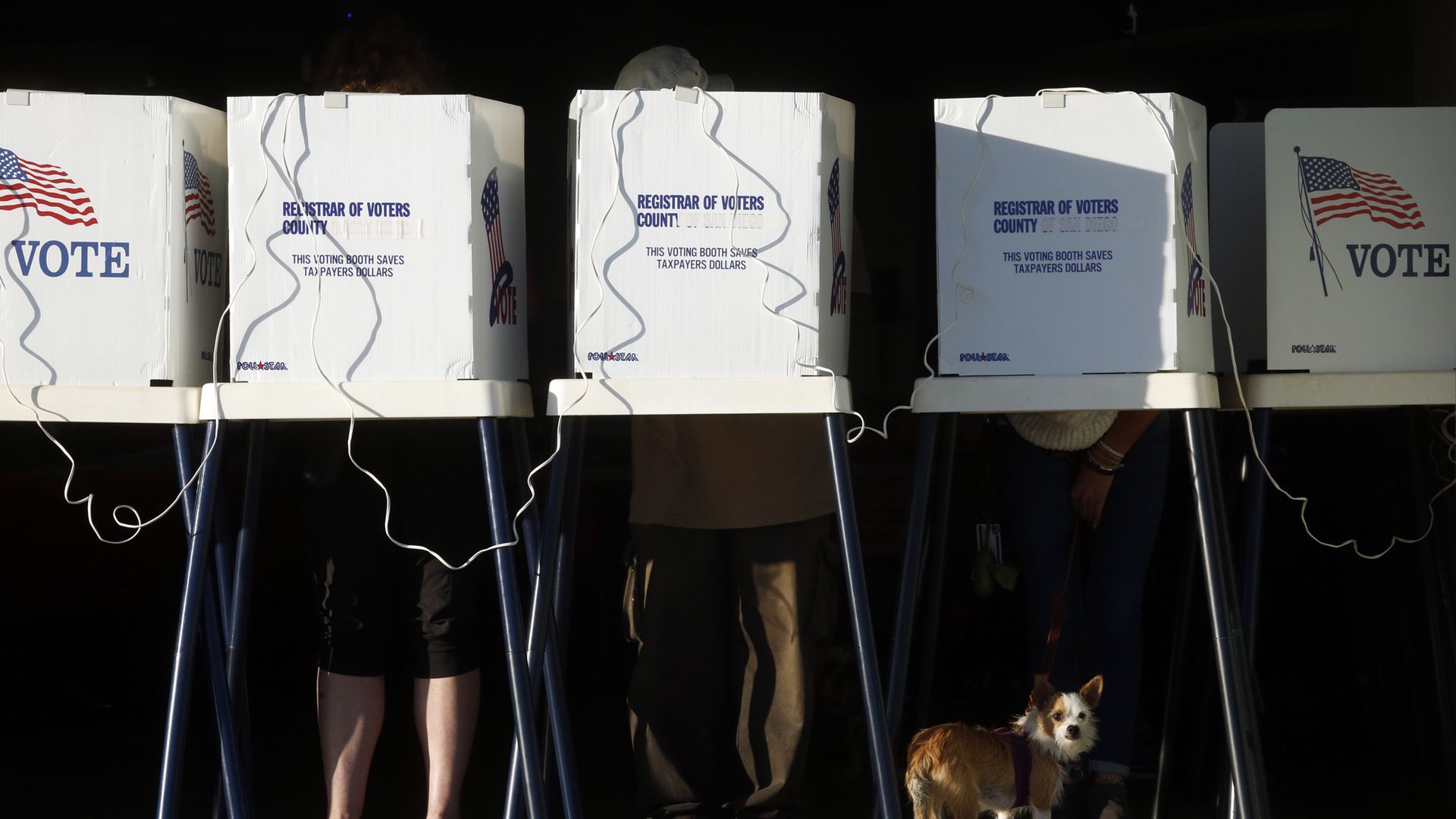
Hillary Clinton's former campaign manager says the current focus on improving voting machine cybersecurity would not have prevented the last election's mess. Instead, he said, the major culprit was hacking campaign personnel and political parties.
Why it matters: Robby Mook saw first-hand the damage caused by the election hacking during Clinton's presidential campaign, and he is now part of Harvard's new Defending Digital Democracy Project on election security. He believes that securing voting machines is important, but cannot be the end of the election security conversation.
The Trump administration is debating onboarding a North Korean envoy to help handle potential negotiations with Pyongyang alongside Secretary of State Rex Tillerson, one administration official told CNN. Seoul has announced that North Korea expressed interest in speaking with the U.S. about denuclearization in a potential breakthrough.
Why it matters: The State Department’s Special Representative for North Korea, Ambassador Joseph Yun, is leaving his post. The State Department lacks a permanent ambassador to Seoul, and the assistant secretary for East Asia is in place in an acting capacity and hasn’t yet been confirmed. But with such a delicate conversation, a point person may help negotiations along, per CNN.
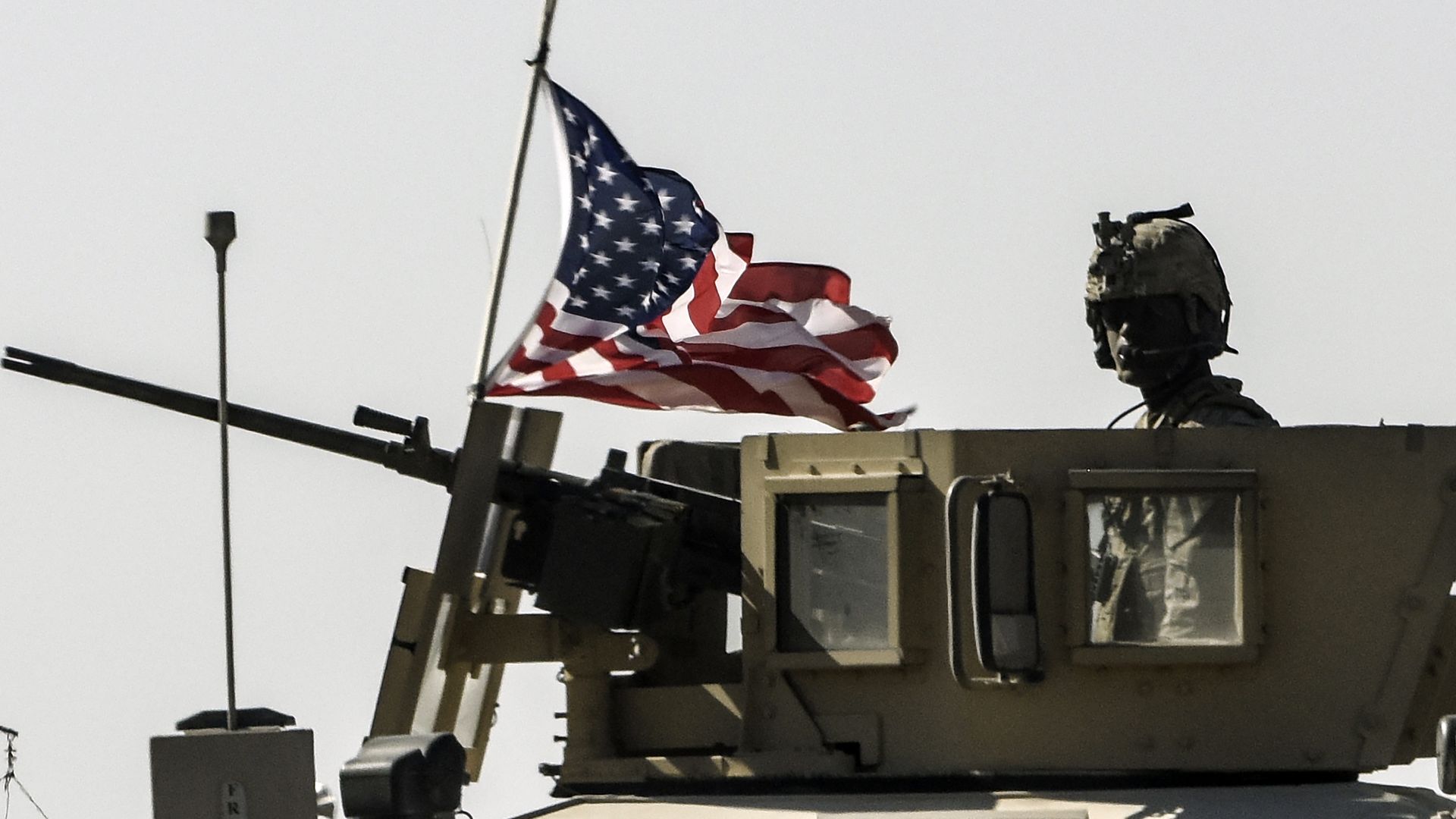
Pro-Assad forces are "massing east of the Euphrates River" in Syria, which was established as a deconfliction line by the U.S. and Russia, CNN reports.
The big picture: Similar movements were seen in early February, before pro-regime forces crossed the river and began attacking Syrian Democratic Forces, resulting in rare U.S. strikes on pro-regime forces. The U.S. strikes resulted in the deaths of scores of Russian mercenaries.
Per CNN: "The U.S. military is monitoring the situation...to see if the pro-regime troops attempt to once again attack areas controlled by the [Syrian Democratic Forces]."
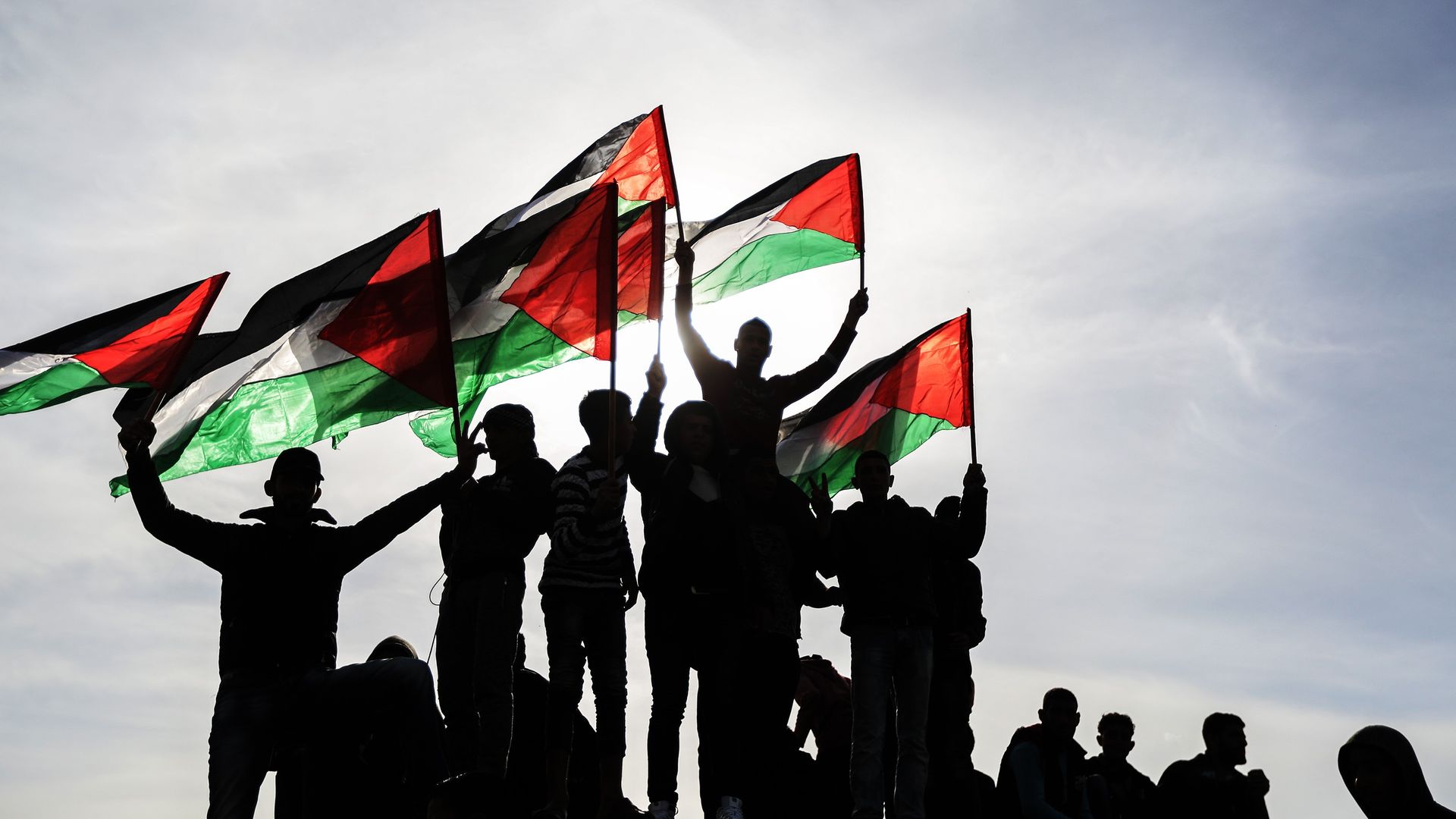
The Israeli legislature passed a bill Wednesday allowing the government to revoke the residency permits of Palestinians living in East Jerusalem.
Per Haaretz: "The government-sponsored law specifies three situations in which the interior minister can revoke permanent residency: If the status was granted under false pretenses, if the resident endangered public safety or security, or if he betrays the State of Israel."
Why it matters: The 420,000 Palestinians who currently reside in East Jerusalem possess permanent residency ID cards and are treated as foreign immigrants by the Israeli government. Deri claims the new measure will help "protect the security of Israeli citizens," but because East Jerusalem is considered occupied territory, opponents argue that it violates international humanitarian law.
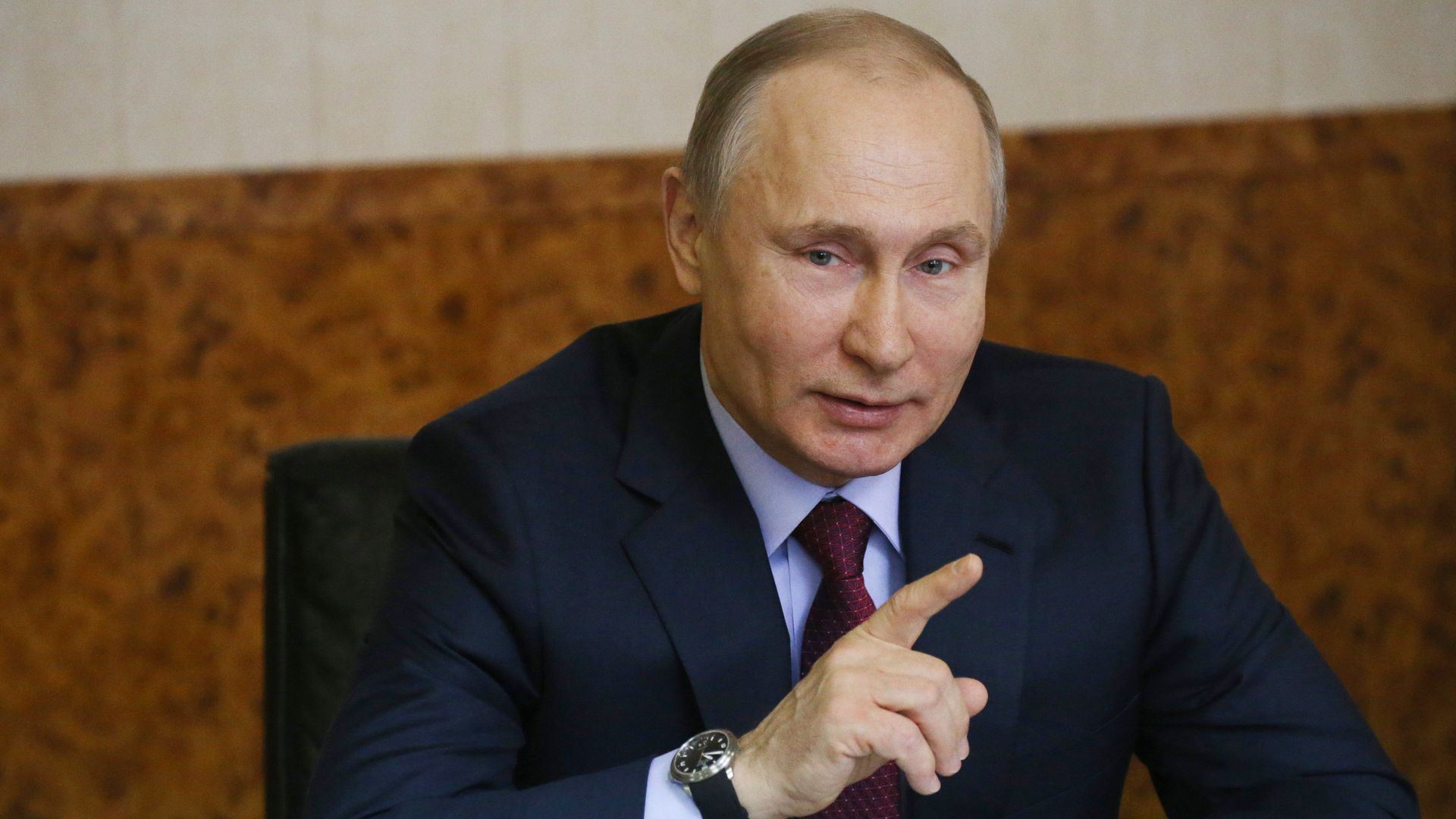
In a series of interviews with Russian state television, detailed by the AP, Russian President Vladimir Putin showered President Trump in compliments, calling him a "great communicator" and noting he "made a very good impression on me."
Yes, but: Putin said the U.S. political system is a different story.
"[The U.S. political system] has demonstrated its inefficiency and has been eating itself up... It’s quite difficult to interact with such a system, because it’s unpredictable."
Investigators now believe that a nerve agent was used to poison a former Russian double agent, Sergei Skripal, and his daughter in the English town of Salisbury on Sunday. Both victims remain in critical condition, as is a police officer who was on scene. Anti-terror police are treating the case as attempted murder.
Between the lines: Suspicion has, naturally, fallen on Russia (Vladimir Putin, himself a former intelligence officer, has vowed publicly that traitors will be killed) and the nature of the poison further indicates a state may be responsible. Moscow denies involvement.
Why it matters: "Mueller appears to be examining the influence of foreign money on Mr. Trump’s political activities and has asked witnesses about the possibility that ... Nader ... funneled money from the Emirates to the president’s political efforts."