China is embarking on the largest infrastructure project in history, spanning four continents and attempting to link the old Silk Road to Europe — and back to China.
Why it matters: China is increasingly asserting its economic power, and seeking to bolster its global influence. It is undertaking this project at a time when the U.S. can't pass a domestic infrastructure project, and is taking a step back from the world.
Adapted from a Mercator Institute for China Studies map; Map: Lazaro Gamio / Axios
The Pentagon’s newly released National Defense Strategy says China and Russia pose more of a threat to the U.S. than terrorism because they jeopardize U.S. military prowess on a global scale, per AP. Countering China and Russia are now the military’s two top priorities.
Threat level: The assessment points to China’s expanding military and its presence in the South China Sea and to Russia’s aggressive military moves with respect to Ukraine, the Syrian war, and its meddling in the 2016 U.S. presidential election.
Beijing’s crackdown on capital outflows and investments in non-strategic assets coupled with the increasing hostile environment in Western countries to PRC investment in a growing number of "sensitive" sectors caused China’s ODI to drop nearly 30% in 2017 to around $120 billion.
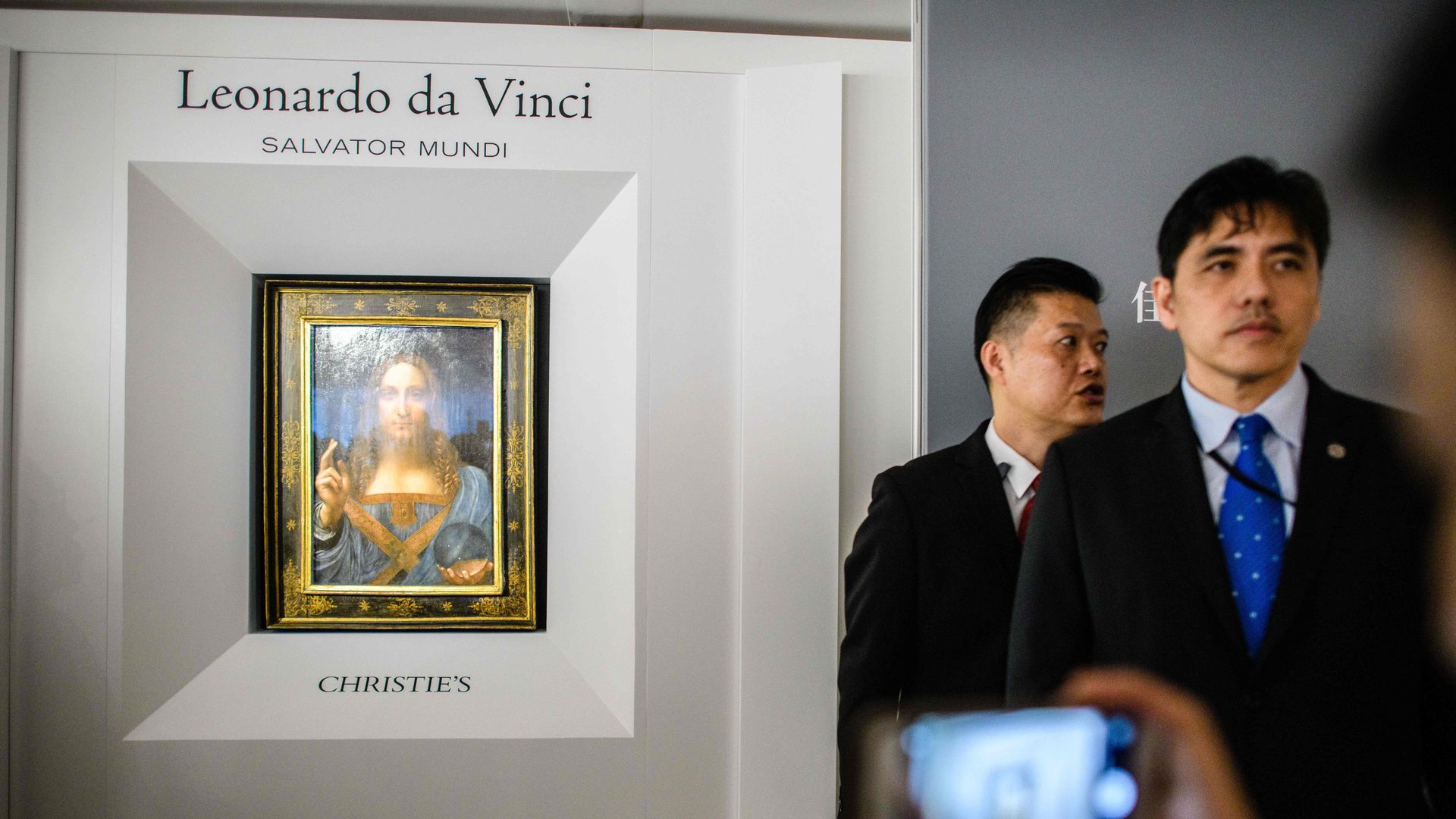
An ex-CIA agent betrays the agency, feeding the identities of local informants to the Chinese, who carry out a systematic and deadly operation to break the network. A years-long search leads FBI agents to the ex-operative’s hotel room, where handwritten notes cause them to suspect he's the mole they’ve hunted for.
Why it matters: These were the events leading up to Jerry Chun Shing Lee’s arrest on Monday, if investigators' suspicions prove correct. The affair ranks among the worst intelligence failures in U.S. history, and crippled U.S. espionage operations in China, according to reporting from the NY Times.
The Chinese Communist Party emphasized its expanding global ambitions in a remarkable 5,500 character treatise on the front page of Monday's "People's Daily."
"The world needs China, as all humans are living in a community with a shared future ... That creates broad strategic room for our efforts to uphold peace and development and gain an advantage.”
— Communist Party "manifesto" on China's role in the world
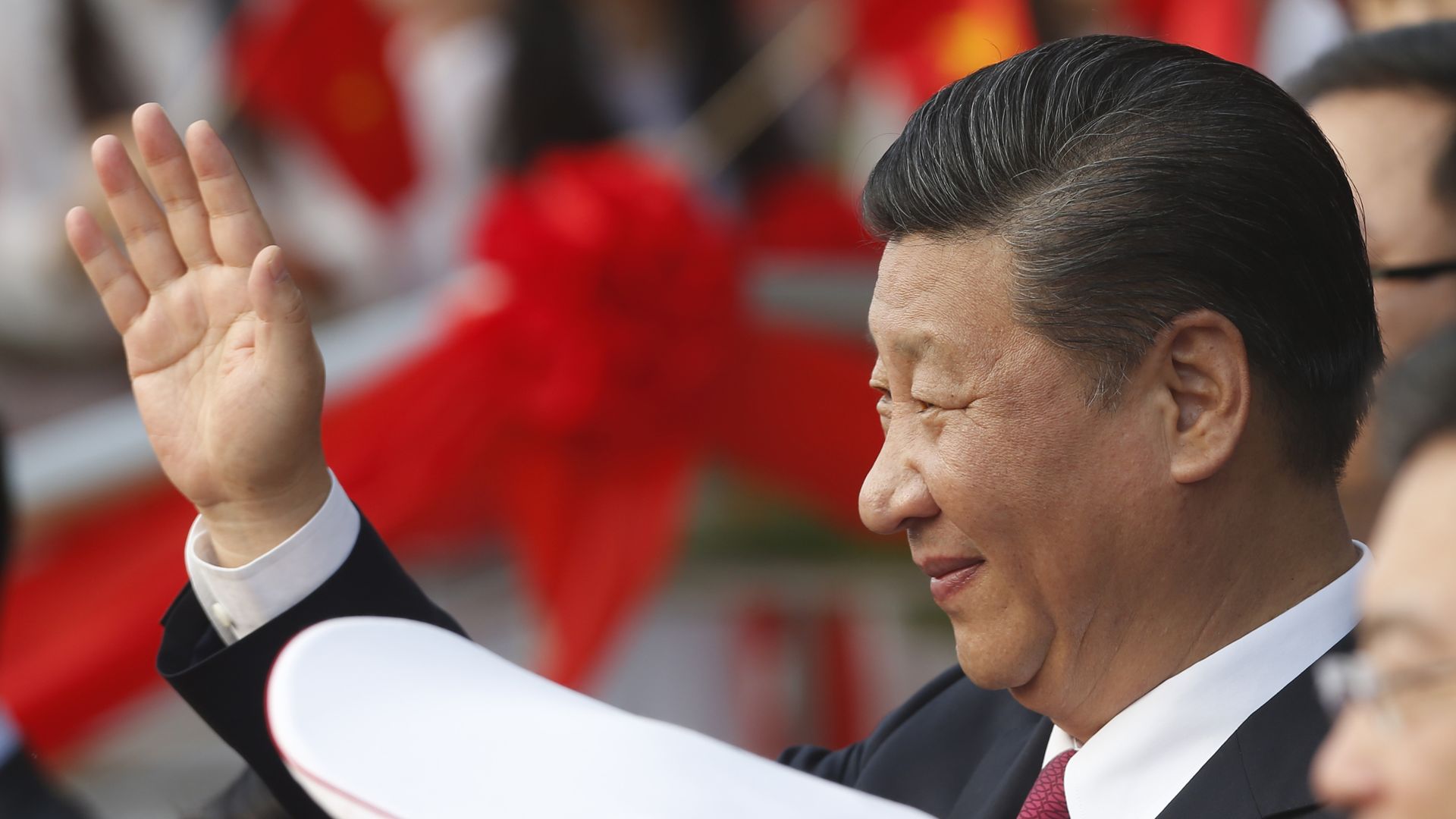
Why it matters: This is further evidence of the seriousness of China's broad global vision. President Xi Jinping sees a remarkable opportunity, enhanced by the Trump presidency and its “America First” policies, to reshape the global order in ways that legitimize the Chinese political system and create more strategic advantages for the China.
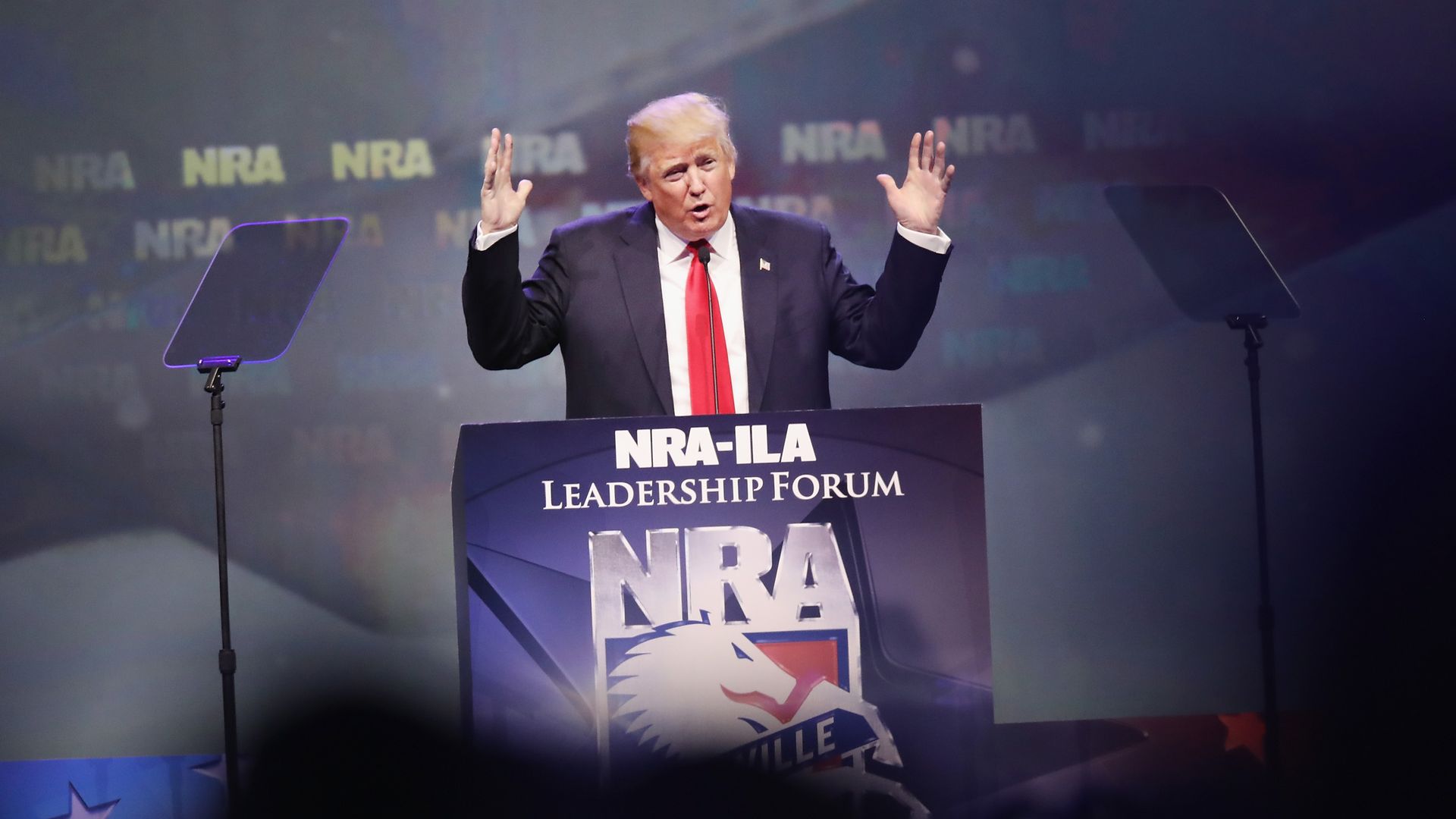
The FBI is investigating whether top Russian banker Alexander Torshin, who has close ties to the Kremlin, sent money to the NRA to help President Trump win the election, reports McClatchy.
Why it matters: The NRA spent $30 million to support Trump in 2016, triple what they spent on fellow Republican Mitt Romney in 2012. The sources of those donations were not disclosed, and two people told McClatchy that the gun lobby's actual election spend may have been closer to $70 million.
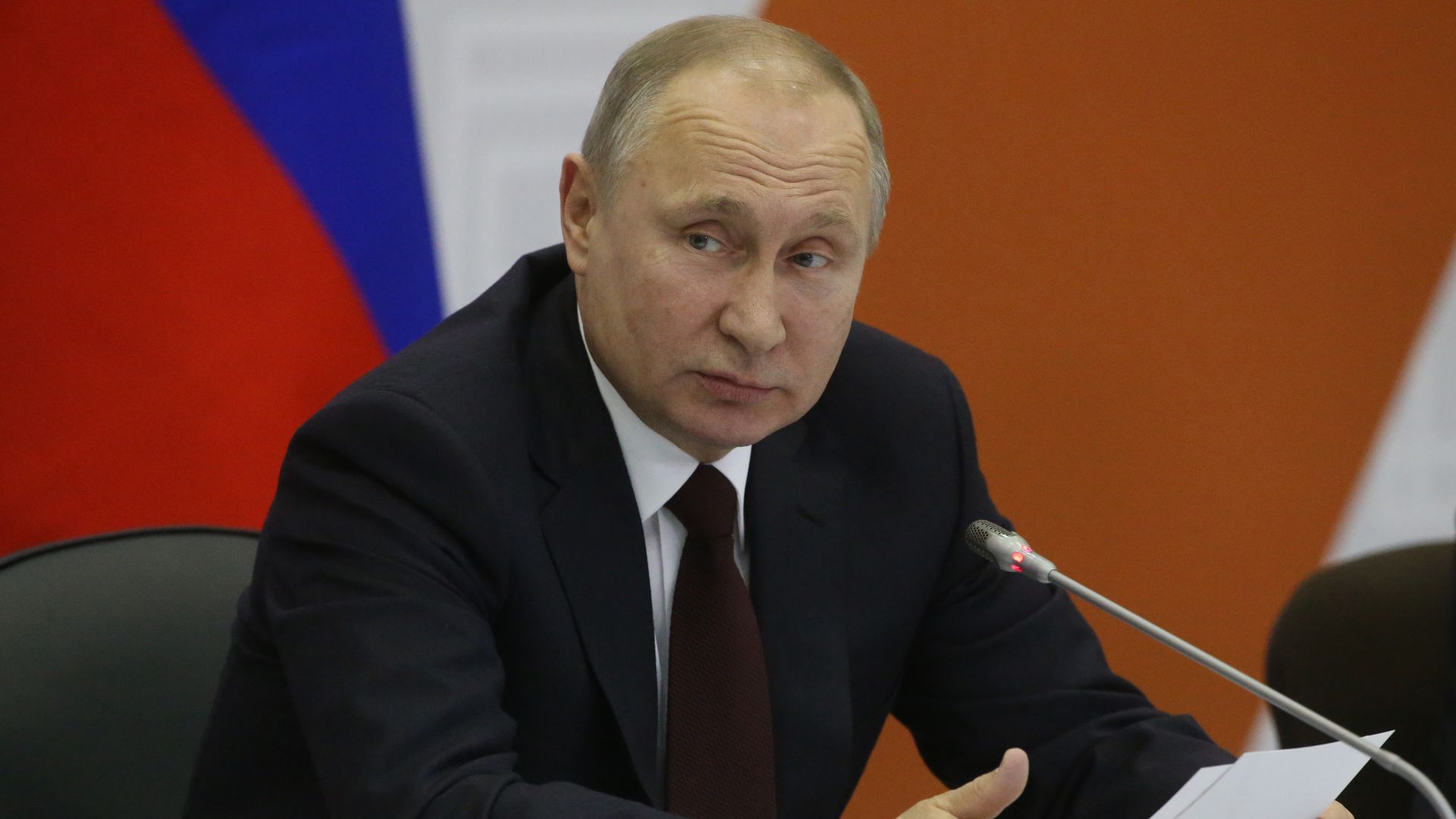
Philip Gordon and Robert Blackwill, senior fellows at the Council on Foreign Relations and veterans of the Obama and Bush White Houses respectively, make the case in Foreign Affairs that Russia must face far stronger consequences for 2016 election meddling.
"We will never know for certain whether Russia’s intervention changed the outcome of the 2016 election. The point is that it tried," they write, calling for fresh sanctions, defensive measures, and a private threat to release "embarrassing information about Putin and his cronies." They add: “If this package of measures sounds like a set of prescriptions for a new Cold War with Russia, it is.
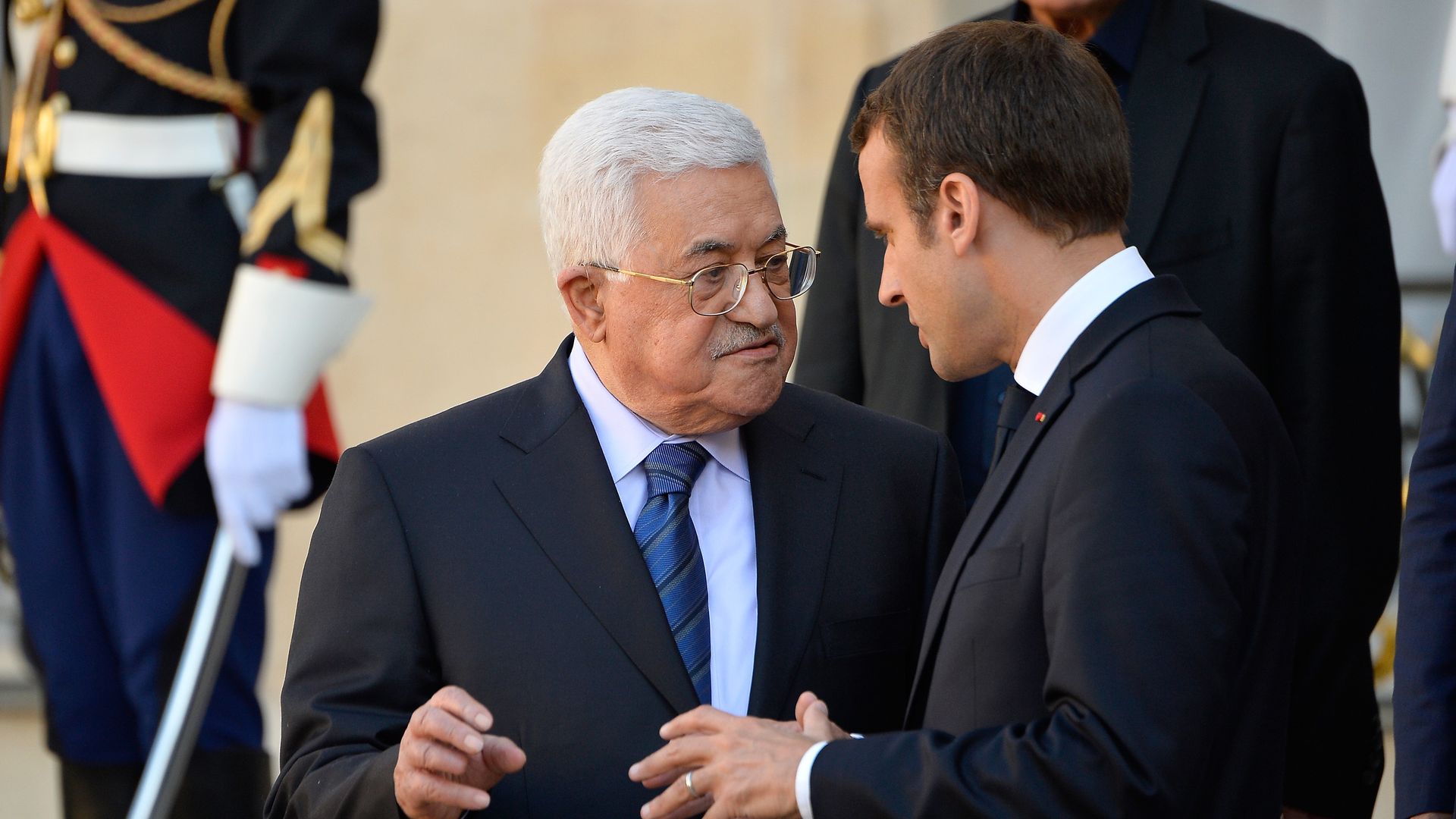
French President Emanuel Macron sent his deputy national security adviser Aurélien Lechevallier for a secret visit in Ramallah earlier this week to convey reassuring messages to the Palestinian President Mahmoud Abbas, French and Palestinian officials told me.
Their main message was that the Palestinians must give a chance to the Trump peace plan, which could be unveiled in the coming months.
American officials have released satellite photographs they claim show six Chinese-owned or operated cargo ships engaging in trade with North Korea that is banned under U.N. sanctions, according to The Wall Street Journal. The ships would turn off their tracking devices before entering North Korean ports to load cargo and turn them back on when en route to destinations in Russia and Vietnam, the officials say.
Why it matters: The revelation threatens to throw a wrench into American-Chinese relations over support of the North Korean regime, which relies on coal sales to fund luxurious lifestyles for its elite officials. Trump complimented Chinese efforts to curb North Korean activities just yesterday — though he often vacillates on that topic, having said that China does "NOTHING" but "just talk" on North Korea last year.
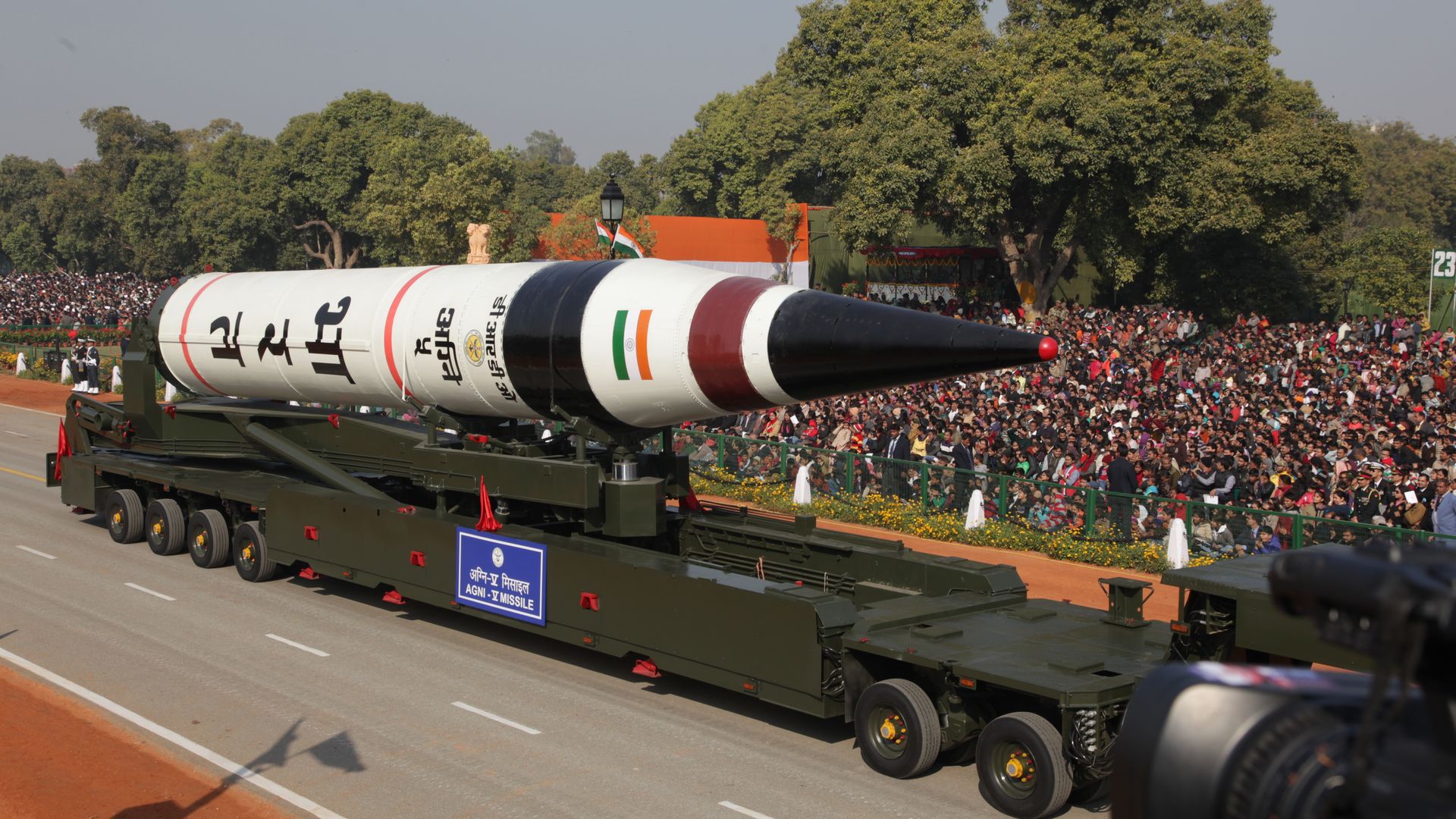
India tested a long-range ballistic missile on Thursday morning, which traveled 3,000 miles over about 19 minutes and “successfully met" all objectives, according to India's Defense Ministry.
Why it matters: Most of China is in range. An independent national security analyst in New Delhi, Nitin A. Gokhale, told the NYT that if there were "hostilities... then India has something which can deter China or at least make China think twice."
The missile, called Agni 5, is capable of transporting a nuclear weapon. Once India incorporates the missile into its Strategic Forces Command, it will join China, Russia, and the U.S. as countries that have access to nuclear-ready ICBMs.
Germany and China eclipsed the United States in global approval of their leadership around the world in 2017, per the Gallup World Poll. According to the survey, Germany is now the world's top-rated global power with a 41% approval rating after the U.S. plunged from 48% in 2016 to 30% in 2017.
Why it matters: The results show how steeply global confidence in the United States has eroded in the first year of Donald Trump's presidency, which could weaken key American alliances.
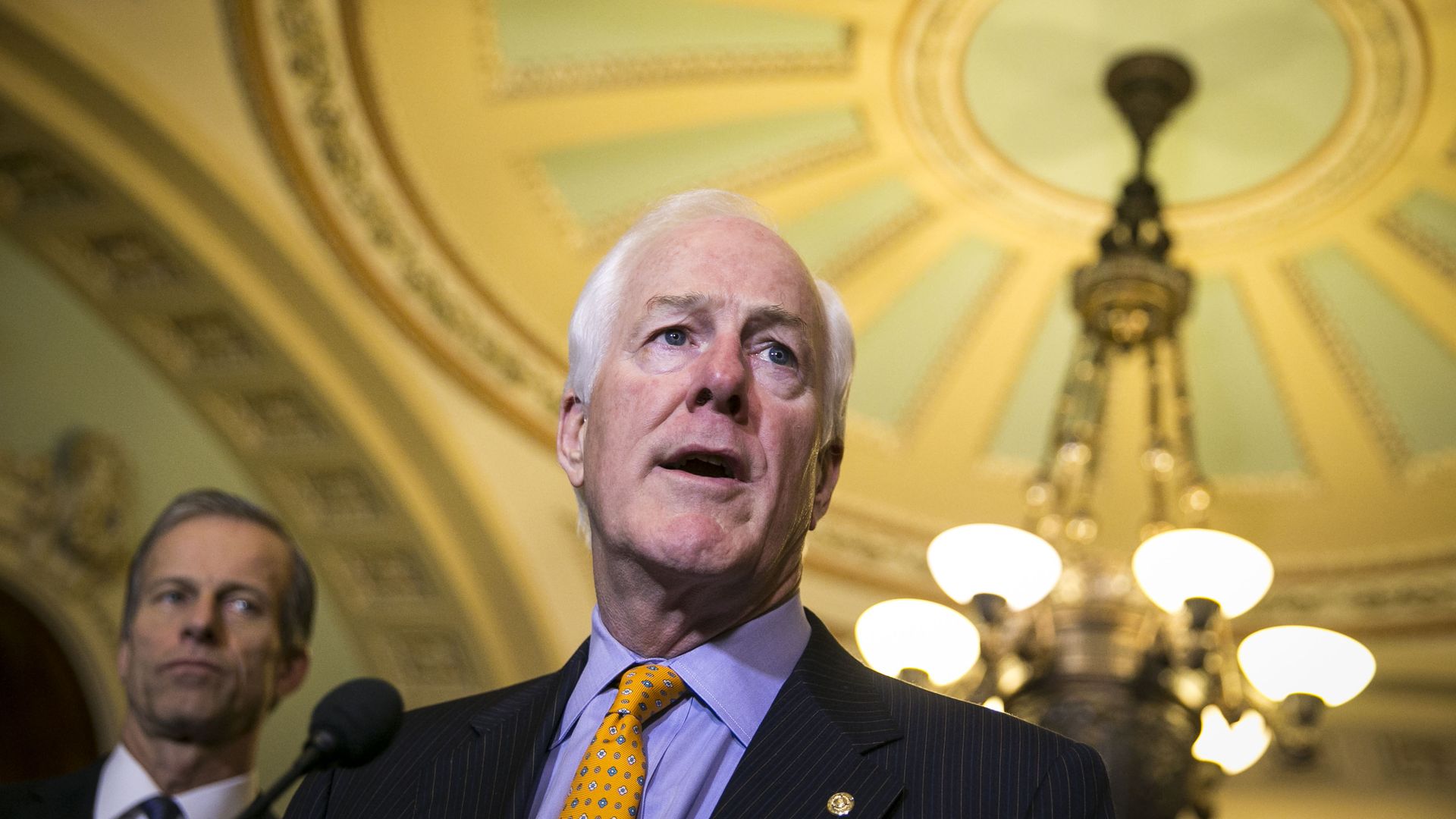
The Senate Banking Committee today will hear testimony on proposed changes to the review process for acquisitions and other foreign investments in U.S. companies.
Why it matters: This is nominally about any foreign investment in the U.S., but it's really about worries that China is stealthily acquiring U.S. technological secrets.
China's economy has been booming for decades but, after steady declines since 2010, the rate of year-on-year growth actually ticked back up in 2017, to 6.9% from 6.7% in 2016, per Reuters.
Why it matters: The increase beat expectations, and came as China was "also engineering a significant slowdown in credit growth, after years in which economists have warned about risks building from years of aggressive credit stimulus," per the FT, which anticipates China will have a difficult time keeping up that pace in 2018.
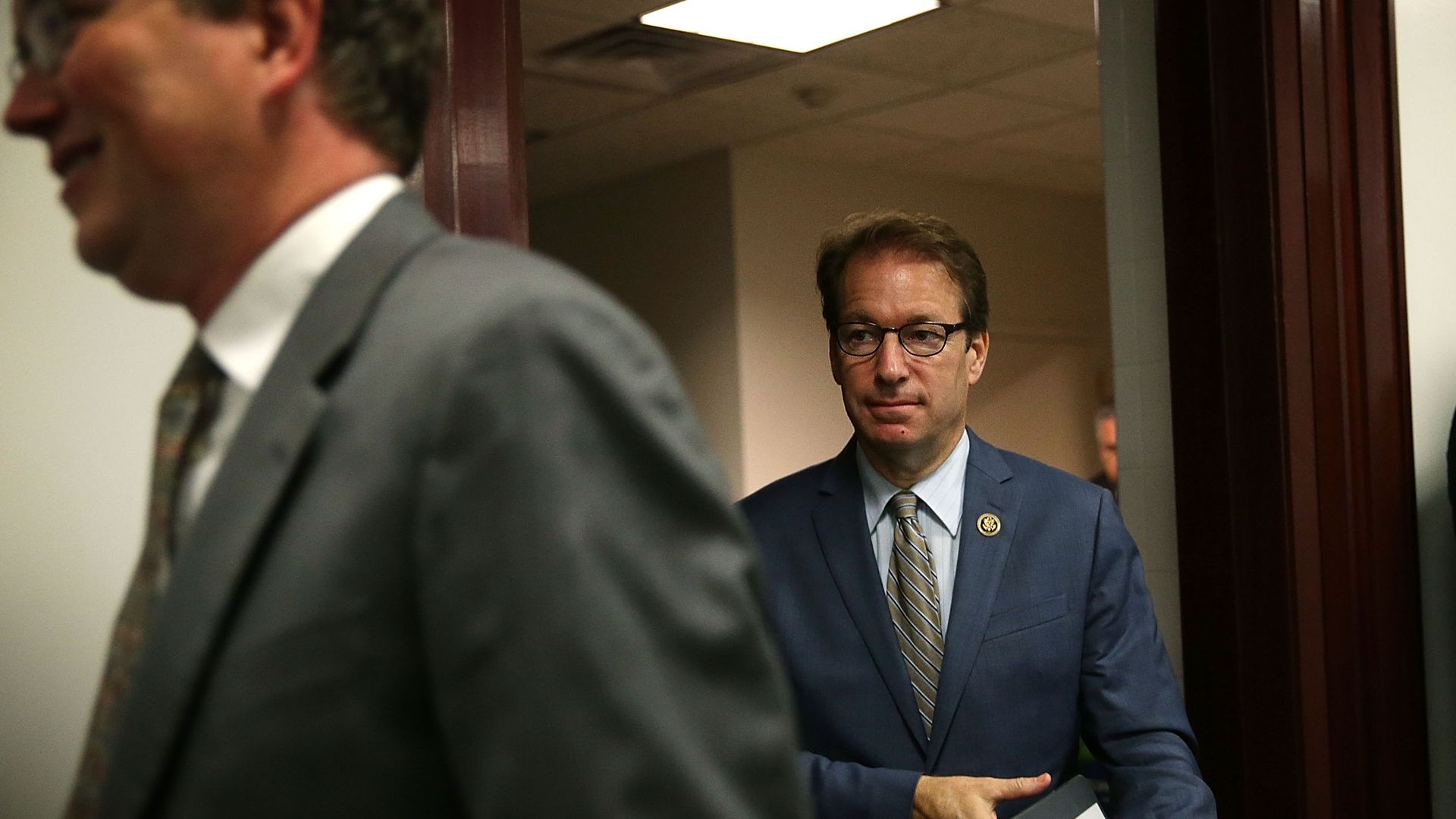
I've got my hands on a copy of the bill that House Republicans will drop Thursday to amend the Iran deal. Conservative Iran hawks tell me they are going to rally around this bill — spearheaded by Reps. Peter Roskam, Liz Cheney and others — because they don't like what they're hearing about the Senate version being drafted by Republican Bob Corker and Democrat Ben Cardin.
Why this matters: Last Friday, President Trump waived sanctions on Iran for what he said was the last time. He said it was a "last chance" for Congress and the Europeans to fix the deal. Trump wants a tougher international inspection regime, an end to Iranian ballistic missile research and development and a permanent nuclear ban to replace the current temporary deal that expires within a decade.