Tech stocks plunged Thursday in the most visible sign yet that investors are growing worried about a slowdown in the AI boom.
The latest: The tech-heavy Nasdaq Composite index was down 4.7% at 3 p.m., with just an hour left in trading. The broader stock market was also down sharply.
The sell-off is shaping up to be the stock market's worst showing since the April 2025 tariff panic.
OpenAI's researchers used the company's latest cyber model to take advantage of nearly 1000 security flaws in the popular Linux operating system — a piece of extensively vetted software that underpins much of the world's digital infrastructure.
Why it matters: AI is making it possible to uncover and test security weaknesses at a scale that could overwhelm companies' ability to fix them before hackers strike.
Corporate America can't ignore the message voters are sending with the scale of Democrats' midterm victories. This wasn't an election defined by any single issue. It was everything, all at once.
Why it matters: For communicators, the challenge now is separating political noise from the concerns that directly affect their businesses and shaping decisions that tackle those issues.
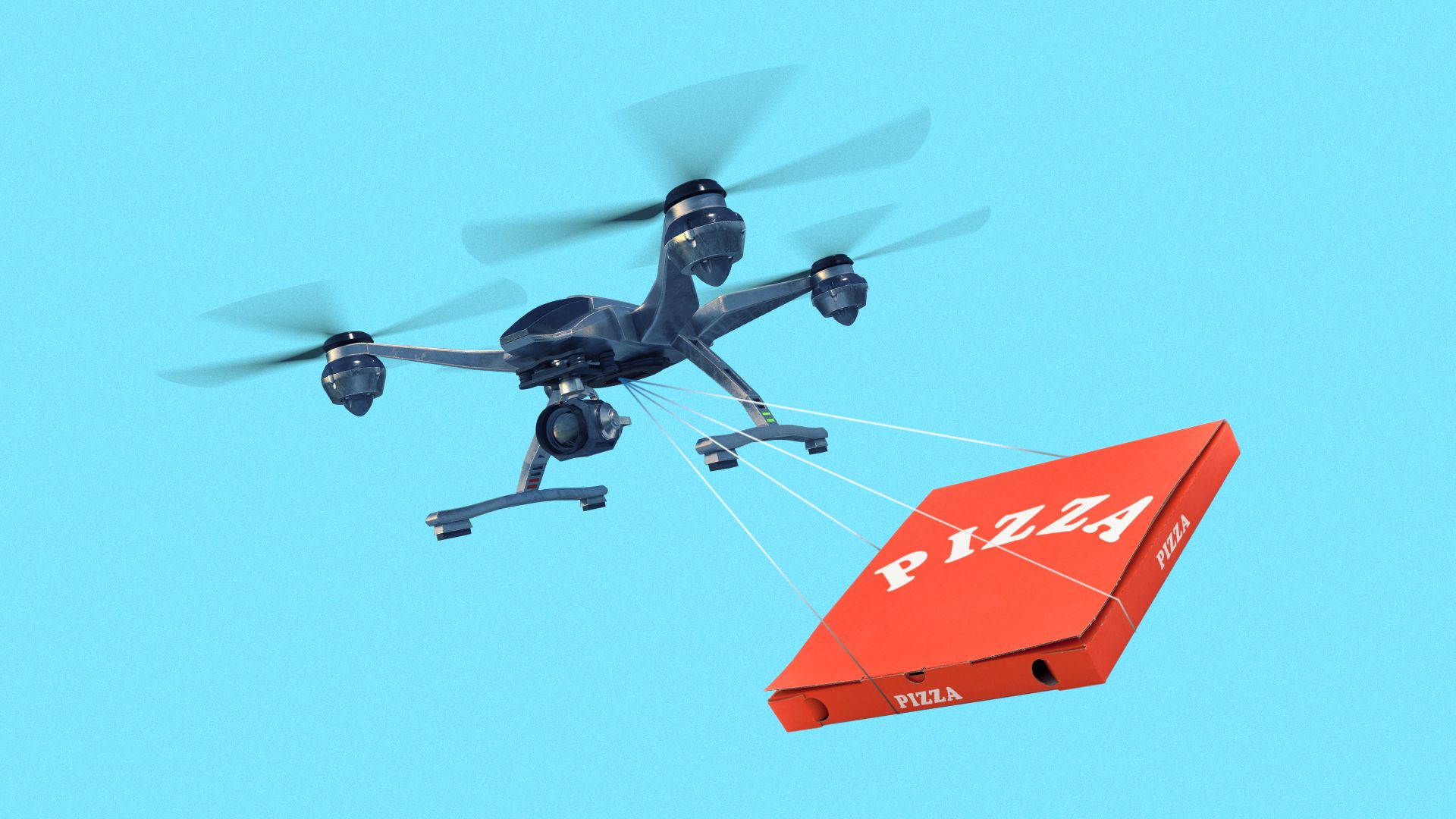
Zipline, a South San Francisco-based drone delivery service, on Thursday announced that it's raised $1.5 billion at a $21.5 billion post-money valuation. It also expanded its Walmart partnership.
Why it matters: Drone delivery may eventually supplant data centers as the target of local community ire against Big Tech, as evidenced by a recent battle between my hometown and Amazon.
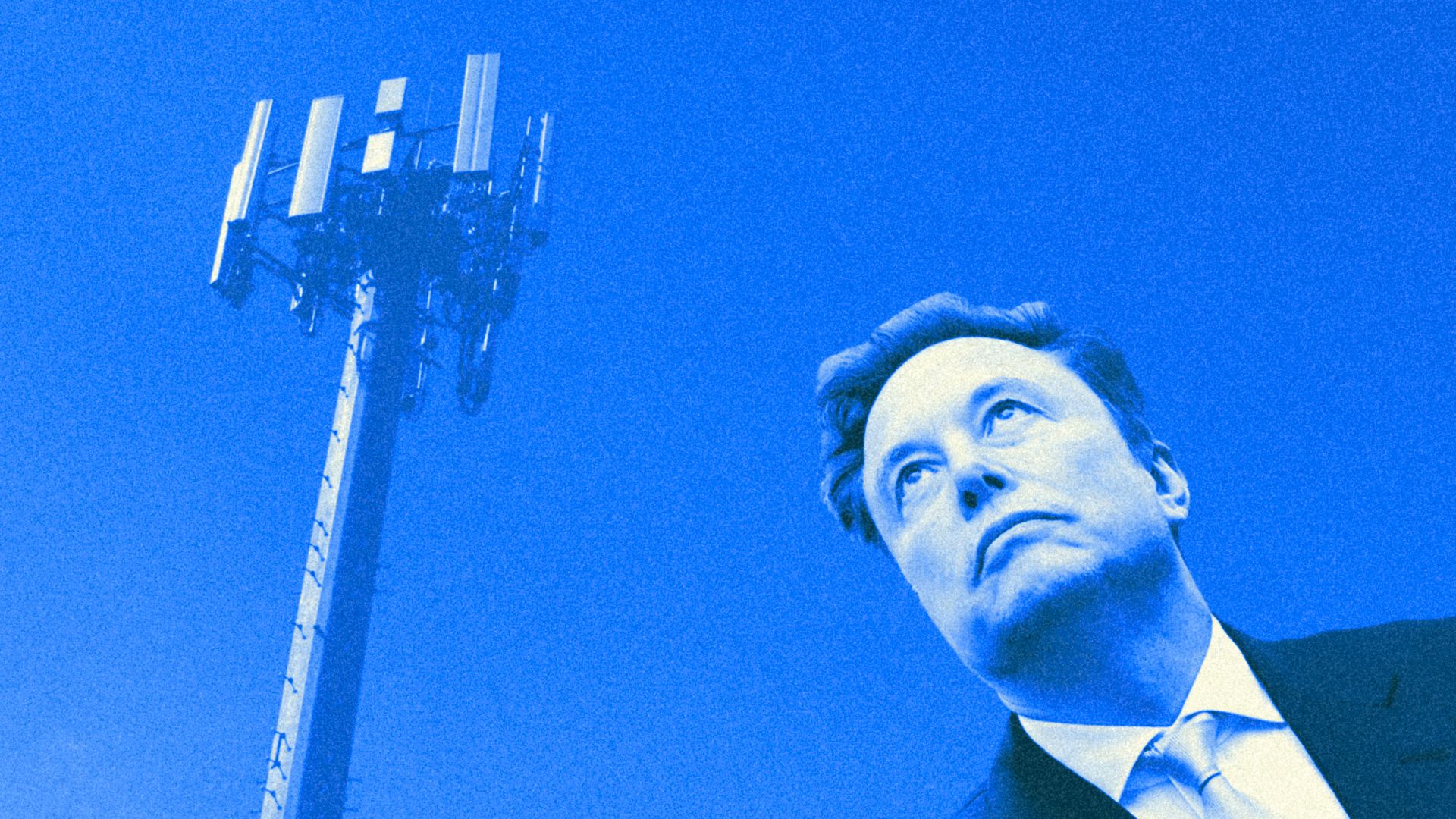
Elon Musk is moving ahead with plans to build a nationwide cellular network. Can he really do it, or is it just a ruse to bring the big telecom companies to the negotiating table?
Why it matters: SpaceX has spent billions on spectrum and struck a multiyear agreement with Qualcomm to build a 5G network. But a deal with an existing carrier could make more economic sense, raising questions about how much of the network Musk actually intends to build.
The AI industry is scrambling to repackage a $10 trillion infrastructure buildout to appease a hostile electorate that overwhelmingly voted to restrict data center construction in ballot measures across the country.
It's not just changing the name of data centers to "compute campuses," but offering communities real money, including dividends and benefits for schools or cities, plus environmental concessions and labor protections.
Why it matters: Tuesday's election proved voters won't tolerate unchecked growth, although the market and many analysts see the blue wave slowing — but not stopping — data center construction around the U.S. To prevent an existential threat, the world's biggest companies are working on a rebrand.
How well they execute on their promises will determine the pace of the global AI race.
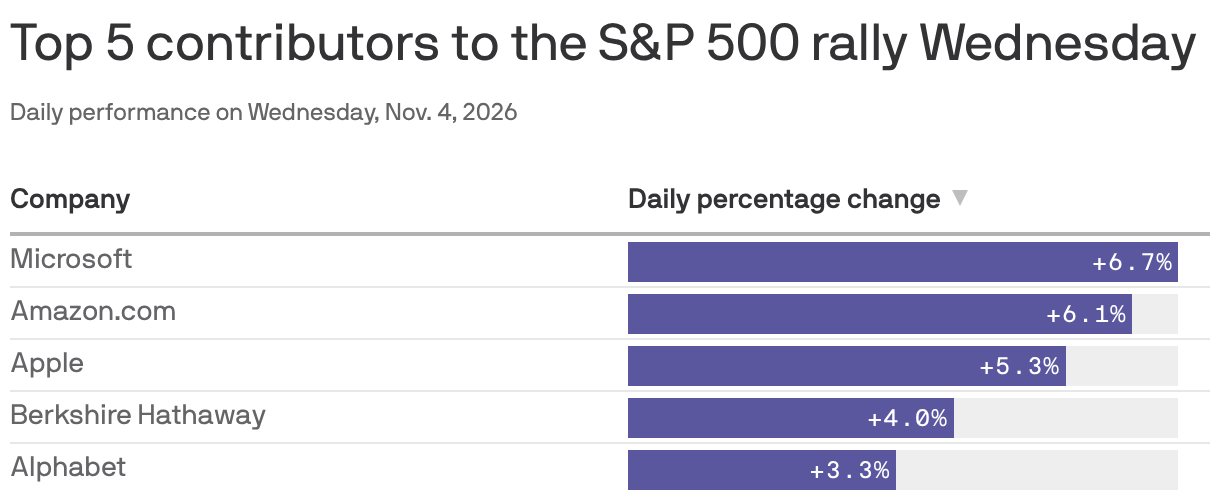
Voters clearly put the brakes on the AI buildout this week, but the biggest tech companies kept on rolling.
Why it matters: The rally in the shares of the likes of Microsoft and Amazon reflects a growing realization on Wall Street that a slowdown in the AI race may not be such a bad thing.
If companies can put off enormous spending commitments, they get to show healthier cash flows, avoid financing costs and possibly sidestep risky investments.
Democrats wasted no time gloating and warning the Trump administration about a pending flood of subpoenas and investigations once the 2026 midterm blue wave became clear.
Why it matters:Democrats are eager to exercise their oversight powers over the president and his allies, but they must navigate that while addressing Americans' No. 1 election concern — the high cost of living.
Meta has acquired Conductor, an AI coding startup that lets software engineers manage multiple coding agents simultaneously, sources familiar with the deal tell Axios exclusively.
Why it matters: Meta is joining OpenAI and other AI giants in a race to own the tools developers use, as coding has become a crucial pathway to AI adoption and capturing enterprise spending.
Your next car could know almost as much about your personal life as your spouse or best friend — thanks to new embedded AI assistants that promise to make driving easier and more convenient.
Why it matters: Automakers are racing to turn vehicles into intelligent personal assistants that can anticipate drivers' needs, manage their schedules and eventually handle errands on their behalf.
Ford says drivers who don't want their cars collecting and sharing personal information can go "full '80s mode" by turning off connectivity altogether.
Why it matters: Earning consumers' trust on data privacy is becoming critical for automakers racing to turn vehicles into intelligent personal assistants, prompting new assurances that customers' personal information is safe.
Venture capitalists love to talk about pivoting. Good. They're gonna have to.
The big picture: This isn't about personal politics, although there are certainly some venture frontrunners who will hope that folks memory-hole the past two years.
It's about how the investment math may have just changed for AI — which now dominates venture investments and returns.
Elon Musk's SpaceX is moving ahead with plans to build a nationwide cellular network, selecting Qualcomm to provide key technology for tens of thousands of cell sites that it plans to begin deploying next year.
Why it matters: SpaceX's move threatens to upend the established wireless industry, though its ultimate ambition may be bigger than simply stealing smartphone subscribers from Verizon, AT&T and T-Mobile.
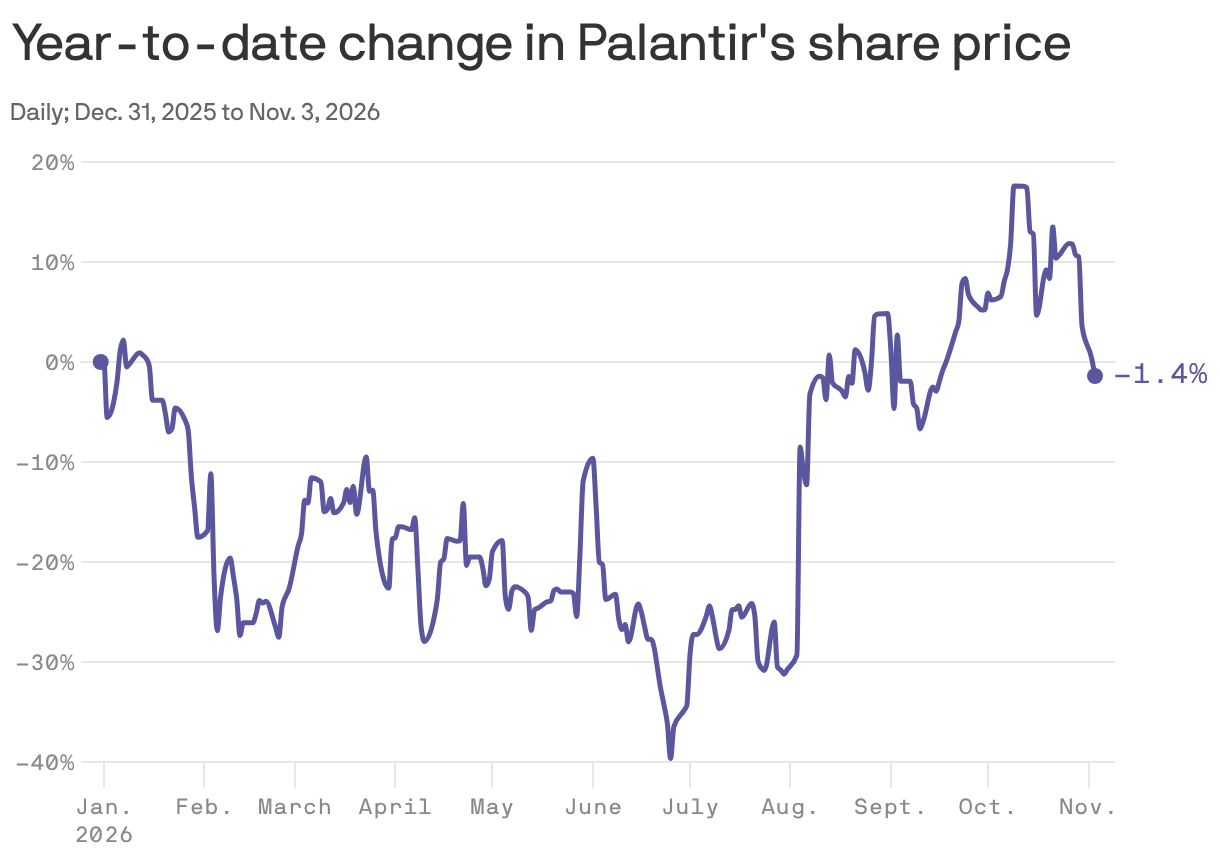
Palantir Technologies, the AI-driven analytics platform known for its work for the military, reported better-than-expected quarterly sales and earnings and raised its full-year sales guidance, yet still its stock slumped.
Why it matters: Such a lackluster response to an erstwhile favorite of retail traders underscores how investor psychology has shifted from the FOMO-fueled run-up between 2023 and 2025 to today's gnawing concerns about the durability of the AI boom.
The big picture: In recent years, the AI software company had been one of the top gainers in the S&P 500, which Palantir joined in September 2024.
Its shares rose roughly 340% in 2024 and 135% last year, riding a combination of retail enthusiasm, AI-related optimism, interest in military technology and its perceived advantages of connections to the Trump administration. (The company's co-founder, chairman and top individual shareholder is billionaire Republican megadonor Peter Thiel.)
Yes, but: Palantir's roughly 2,000% increase in its stock price over the last four years vastly outpaced the company's actual fundamentals, resulting in valuation metrics that ranged from the extreme to the arguably lunatic.
Palantir's forward price-to-earnings ratio peaked at 255 times in November 2025 and was over 100 times well into this year.
A fairly valued company is traditionally considered around 15 times. The S&P 500 is currently about 18.5 times.
Palantir's forward price-to-sales multiple, meanwhile, topped out at more than 90 times in November 2025.
For those not accustomed to these kinds of measures, that is mind-blowing.
As a point of comparison, the S&P 500 currently has a forward-price-to-sales ratio of 3.1 times.
Between the lines: Then a funny thing happened. Palantir really started delivering the goods, financially speaking.
Earnings per share jumped 64% in 2024, 83% in 2025, and they're expected to rise 122% when 2026 is done and dusted.
Sales accelerated too, rising 29% in 2024 and 56% in 2025. They are expected to jump 89% this year.
There's more. Margins expanded, as did backlogs. Costs stayed in check. Palantir's U.S. commercial division, focused on selling software to help companies use AI more productively, saw sales soar.
Zoom in: Analysts say one blemish on Palantir's third-quarter numbers — which it released Monday after the close — was that its order backlogs were largely flat quarter over quarter.
That might seem a small nit to pick. But it touched a nerve for investors increasingly concerned about the sustainability of the AI trade.
What they're saying: "Over the past three months, tech investors have placed greater scrutiny on the results of companies across the AI ecosystem," wrote Louie DiPalma, who covers Palantir for the brokerage firm William Blair.
"The valuations for many AI supply chain providers have been cut in half on concerns that recent growth is unsustainable."
Likewise, Brent Thill, who covers Palantir for Jefferies, noted that "the debate is increasingly about sustaining acceleration against a larger base, rather than whether underlying demand remains strong."
The bottom line: None of this means that Palantir is troubled. In fact, just the opposite: The company has done so well that it has become harder and harder to wow the market, or as Thill puts it, "comps keep getting tougher."
But it also suggests a subtle shift among the investing public toward caring about the realities of the present, rather than seeing only limitless AI upside ahead.
OpenAI will acquire Pierre Computer, a developer tools startup whose technology is already embedded in Codex, the company told Axios exclusively.
Why it matters: OpenAI is joining a slew of companies challenging Microsoft's GitHub as AI agents take on more coding work. The platform has acted as a central repository and nerve center for software development for many years.
Voters showed deep distrust of the AI race Tuesday, approving dozens of data center moratoriums and electing a raft of candidates who favor slowing a $10 trillion buildout, including in Texas — the epicenter of the boom.
Why it matters: In an election that hinged on an affordability crisis for many Americans, voters made it clear they view Silicon Valley's AI ambitions not as a technological miracle, but as a resource-draining threat to their wallets and communities.
The results were a warning shot to some of the nation's wealthiest and most powerful executives, many of whom are already working on ways to build a more palatable version of the revolution they are dead set on winning.
Elon Musk cracked jokes early Wednesday morning after the Republican candidates he spent record sums supporting got drubbed in historic midterm elections.
Why it matters: No one has ever spent as much as Musk for so little payoff — especially in Texas, which ended up with a massive blue wave.
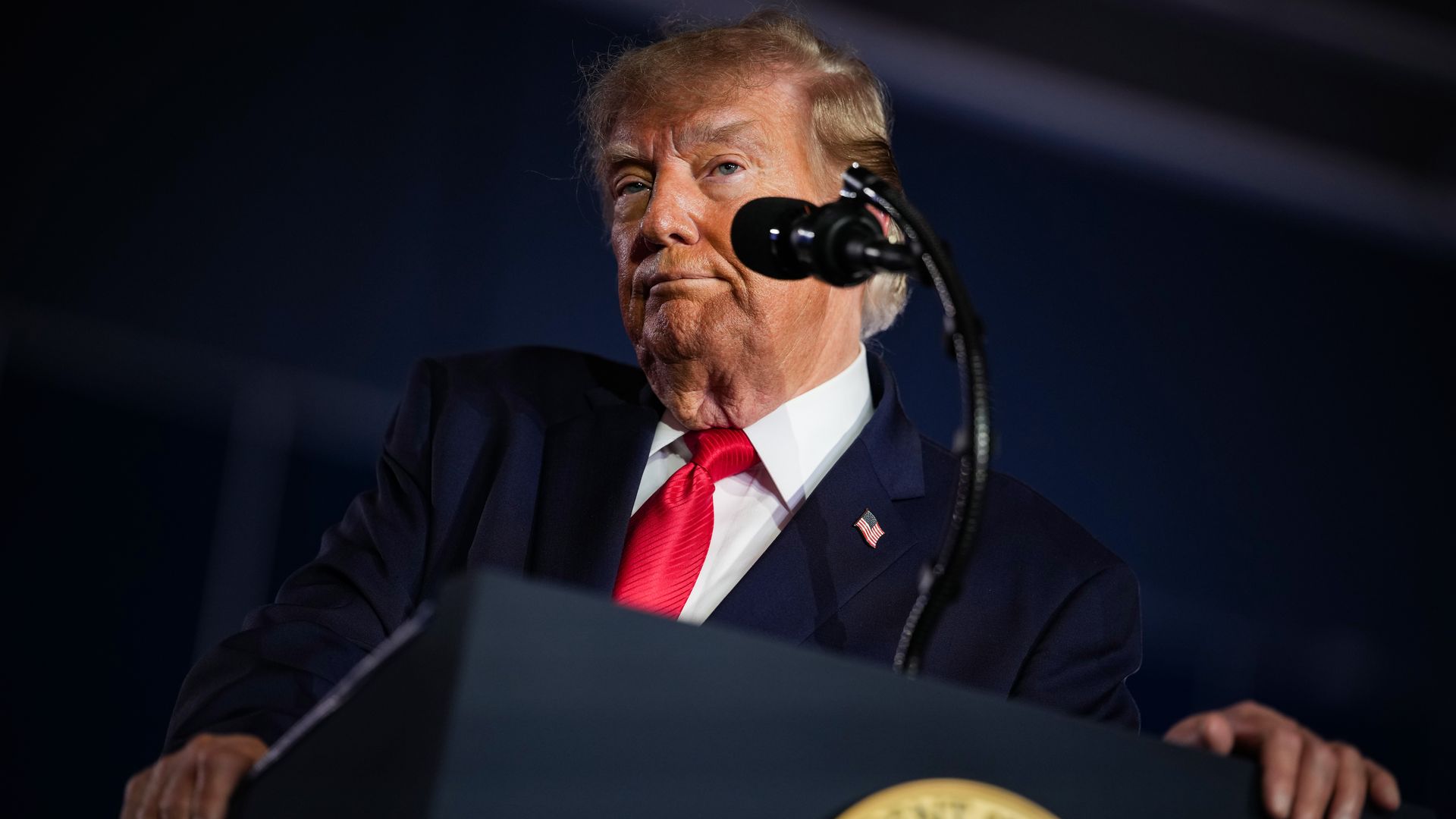
President Trump said Republicans would have won Tuesday's midterm elections had he been on the ballot.
Why it matters: After raging on social media before major races were called, Trump reacted to the results for the first time Tuesday night as a blue wave began to take shape.
OpenAI's massive data dump of more than 300 solved math problems triggered a wave of despair about the end of human supremacy. But one mathematician has found reasons to push back against the doom loop.
Why it matters: As AI capabilities continue to advance across disciplines, beating humans at one task after another, every new feat requires important contemplation. What problems remain to be solved? Where can humans still have an impact? What does it all mean?
For Vanderbilt University's Dan Margalit, the answer within mathematics is that the machines aren't replacing human intellect. They are deeply reliant on it.
He sees AI as a tireless finisher of human-led ideas and imagines a future where mathematicians can thrive in the age of AI.