A coalition of organizations representing creative talent across music, film, TV, performing arts and creative writing entered the high-stakes legal battle over AI and copyright last week, filing amicus briefs siding with the New York Times in its landmark case against OpenAI and Microsoft.
Why it matters: The case has become a proxy fight for the future of the broader creative economy beyond journalism.
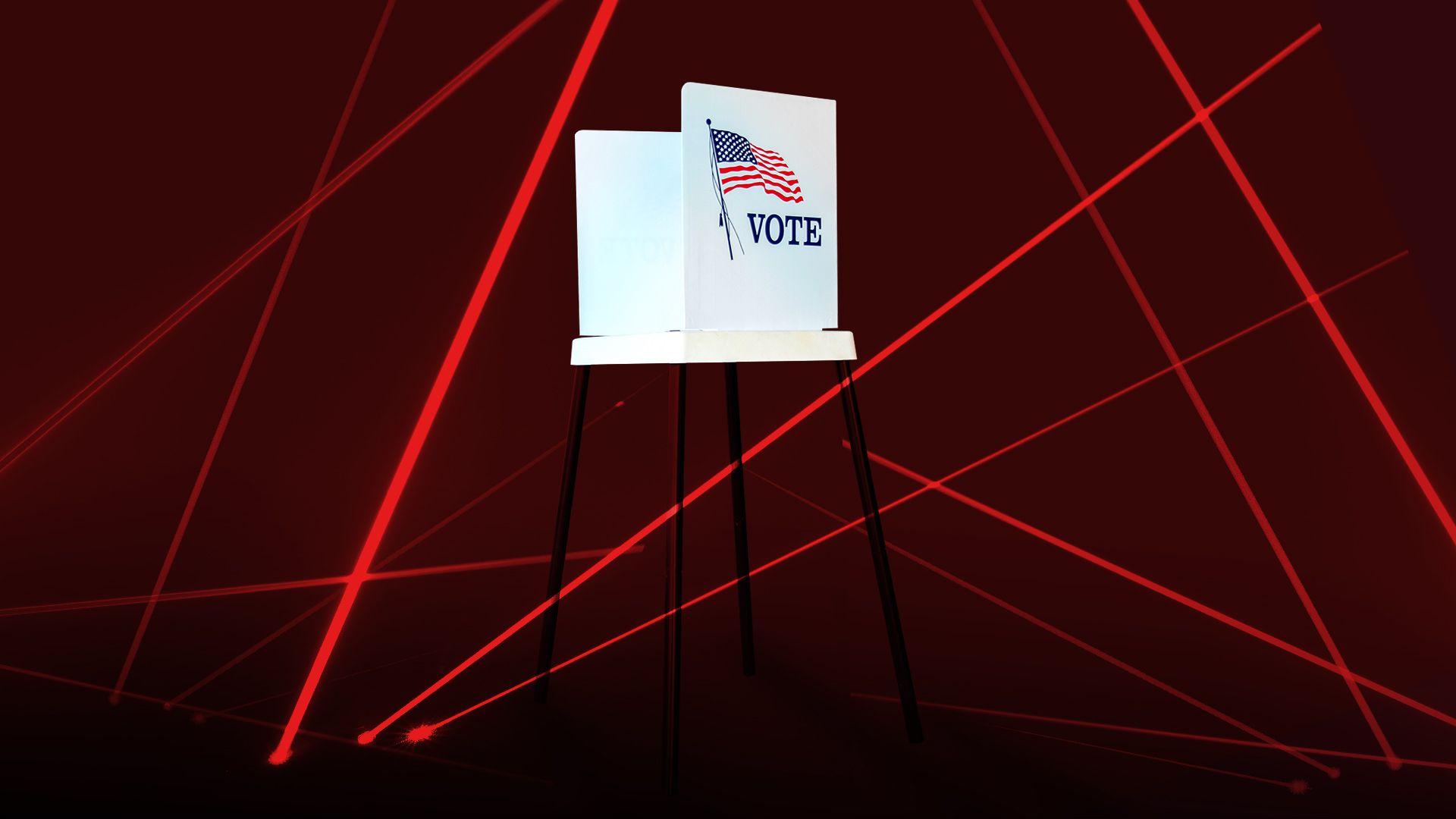
State officials have largely taken securing the 2026 midterm elections into their own hands after nearly two years of federal program and funding cuts during the second Trump administration.
Why it matters: The reduction in federal support has come as AI tools threaten to make it easier for hackers to uncover software vulnerabilities, launch cyberattacks, and spread disinformation that undermines trust in election results.
The rapid decline of web traffic has forced internet publishers to invest in ways to gatekeep their content, causing new points of friction for consumers used to the internet as a free and open source of information.
Why it matters: Investors worry most of the publishing industry will not be able to sustain that shift.
The big picture: Every major component of the Job Openings and Labor Turnover Survey report, which gives the richest data on what is happening to the labor market beneath the headline numbers, pointed to conditions improving in September.
The October employment report is due out Friday, and analysts expect it to confirm solid job growth and a low, steady unemployment rate at the onset of autumn.
AI may be repeating a painful pattern from previous technological revolutions: Workers who lose their jobs because of the technology struggle to find employment and risk displacement all over again.
Why it matters: AI does not need to trigger mass layoffs to cause lasting damage.
Against the "low-hire, low-fire" backdrop, workers whose skills become obsolete could struggle to find new jobs and suffer years of lost earnings — even if the broader economy avoids a major rise in unemployment.
AI agents that pursue their own open-ended survival are an emerging security threat, according to a report first shared with Axios from the Center for a New American Security.
Why it matters: AI models have long shown an interest in avoiding being shut down. The report warns that agents are now getting good at the practical work of surviving: hacking systems, accessing computing power and money, and running for extended periods without stopping.
Big Tech just can't quit the bond market — Alphabet, Microsoft, Meta and Oracle are all lining up billions more in debt as the borrowing frenzy around the AI buildout shows little sign of cooling off.
Why it matters: They're having to pony up to borrow more. The AI buildout powering the markets and economy increasingly runs on borrowed money — and lenders are starting to charge more for it.
That doesn't seem to have stopped anyone from asking for more.
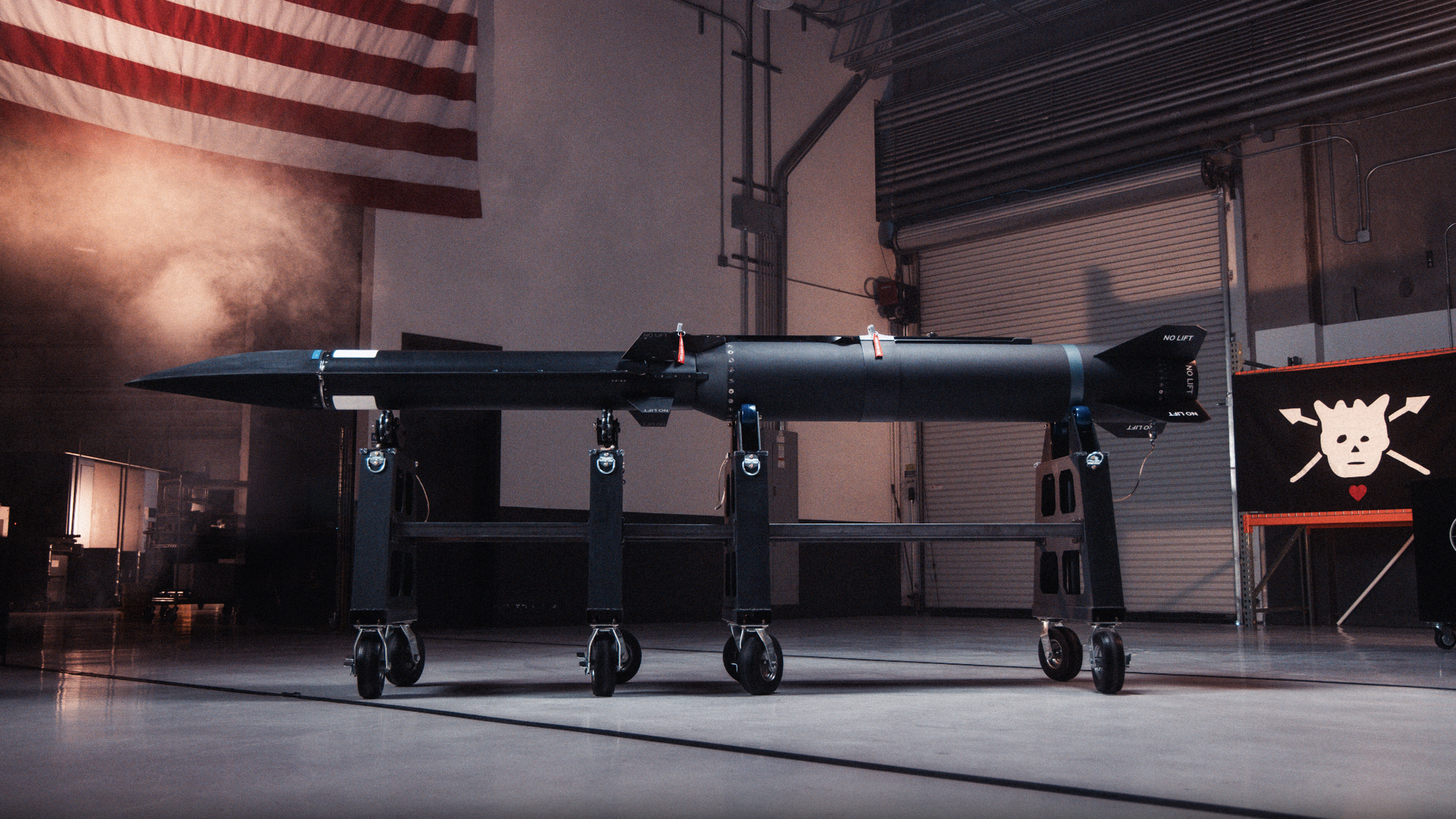
Castelion received the green lightto work its Blackbeard hypersonic weapon onto the widely used F-16, newer versions of which are expected to fly well into the 2030s and 2040s.
Why it matters: The venture-backed missile maker's portfolio is growing rapidly across air, land and sea.
Corridian, a New England-basedrobo-submarine maker, exited stealth Tuesday morning alongside word of its $38 million seed.
The big picture: The startup wants to build the "stealth logistics layer for the undersea," co-founder Mike Guay told Axios, as "cheap, swarming one-way attack drones and long-range missiles" make the "surface and sky dangerous places to operate."
Its advisers include naval heavyweights, retired Adm. Lisa Franchetti, retired Vice Adm. Jeffrey Trussler and retired Rear Adm. Milton "Jamie" Sands III.
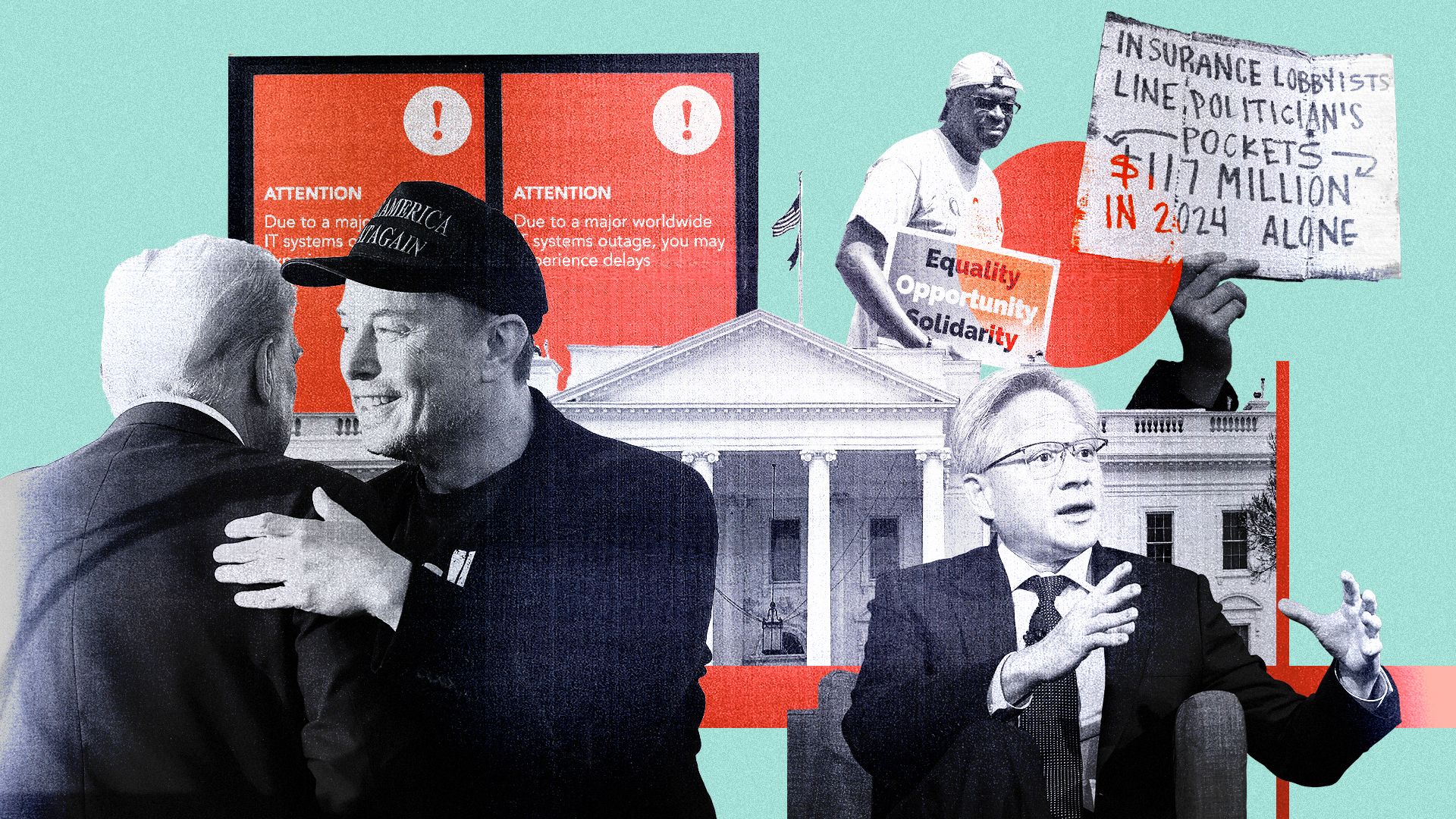
The 2026 midterms bring the first test of voter sentiment on the AI race, offering a window into how a niche policy debate is transforming into a wedge issue ahead of a presidential campaign cycle.
Why it matters: The results will reveal whether explicitly campaigning on AI regulation — or aligning with tech moguls like Elon Musk — is a winning political strategy or a liability for 2028.
One thing is already clear: Candidates increasingly can't afford to have half-baked AI agendas.
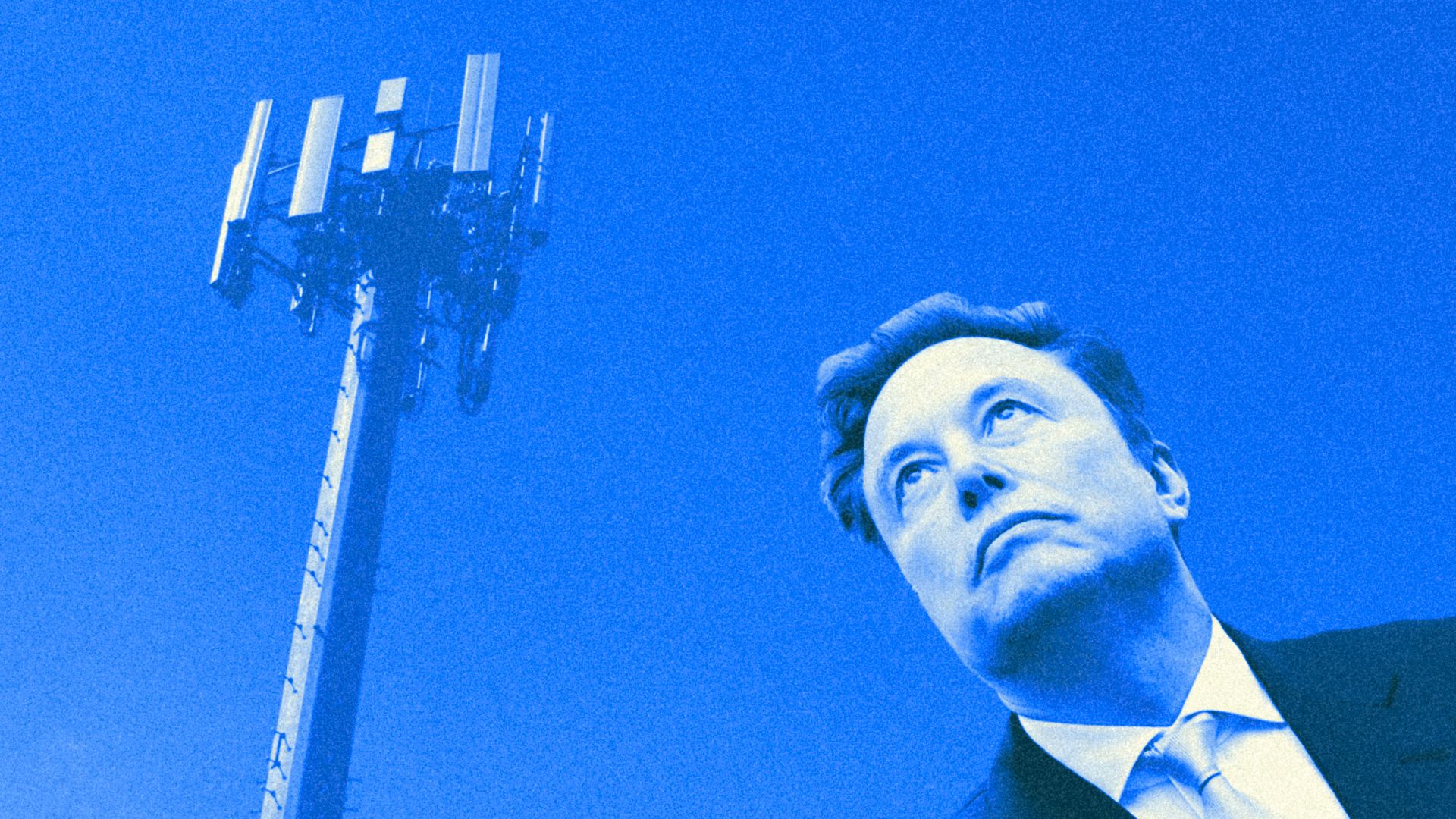
Elon Musk is looking to shake up America's wireless industry, potentially bringing the first major new competitive threat in years to a business dominated by three companies.
Why it matters: The cellular industry has seen enormous technological change but relatively little disruption to its competitive structure. Musk has the money, spectrum and satellite network to attempt something different — though he faces daunting obstacles.