Corporations are poised to buy more clean energy this year than ever before, driven by the AI boom and a rush to secure expiring tax credits, according to a new report shared exclusively with Axios.
Why it matters: The surge underscores the enduring influence of corporate demand on the clean energy market — and the resilience of cleantech investment even after President Trump rolled back federal support.
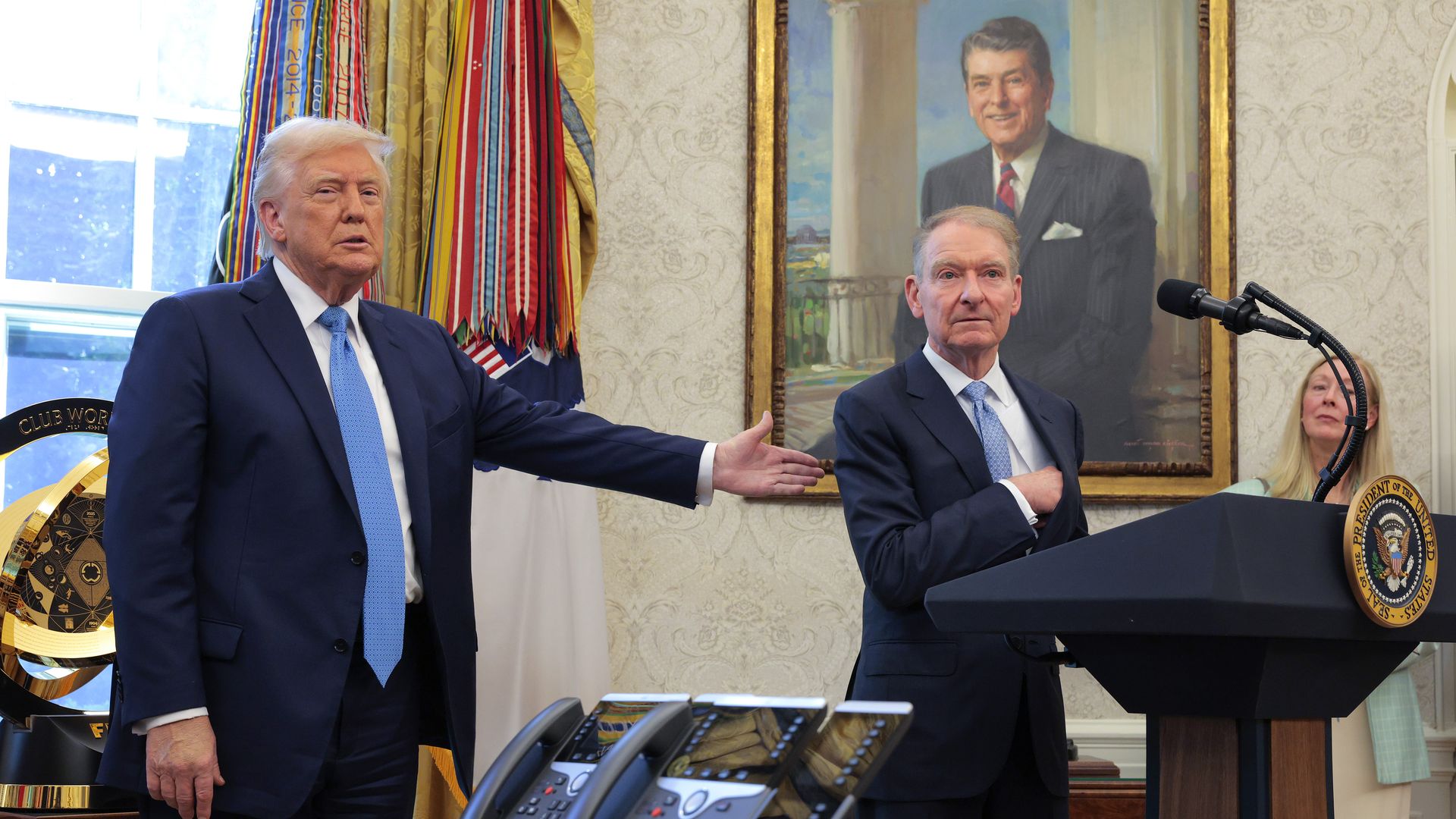
The Securities and Exchange Commission on Tuesday proposed two new rules that the agency says will make it easier for companies to go public.
Why it matters: It's the largest overhaul of the IPO rules in 20 years, the agency says, and part of SEC chairman Paul Atkins' push to "make IPOs great again."
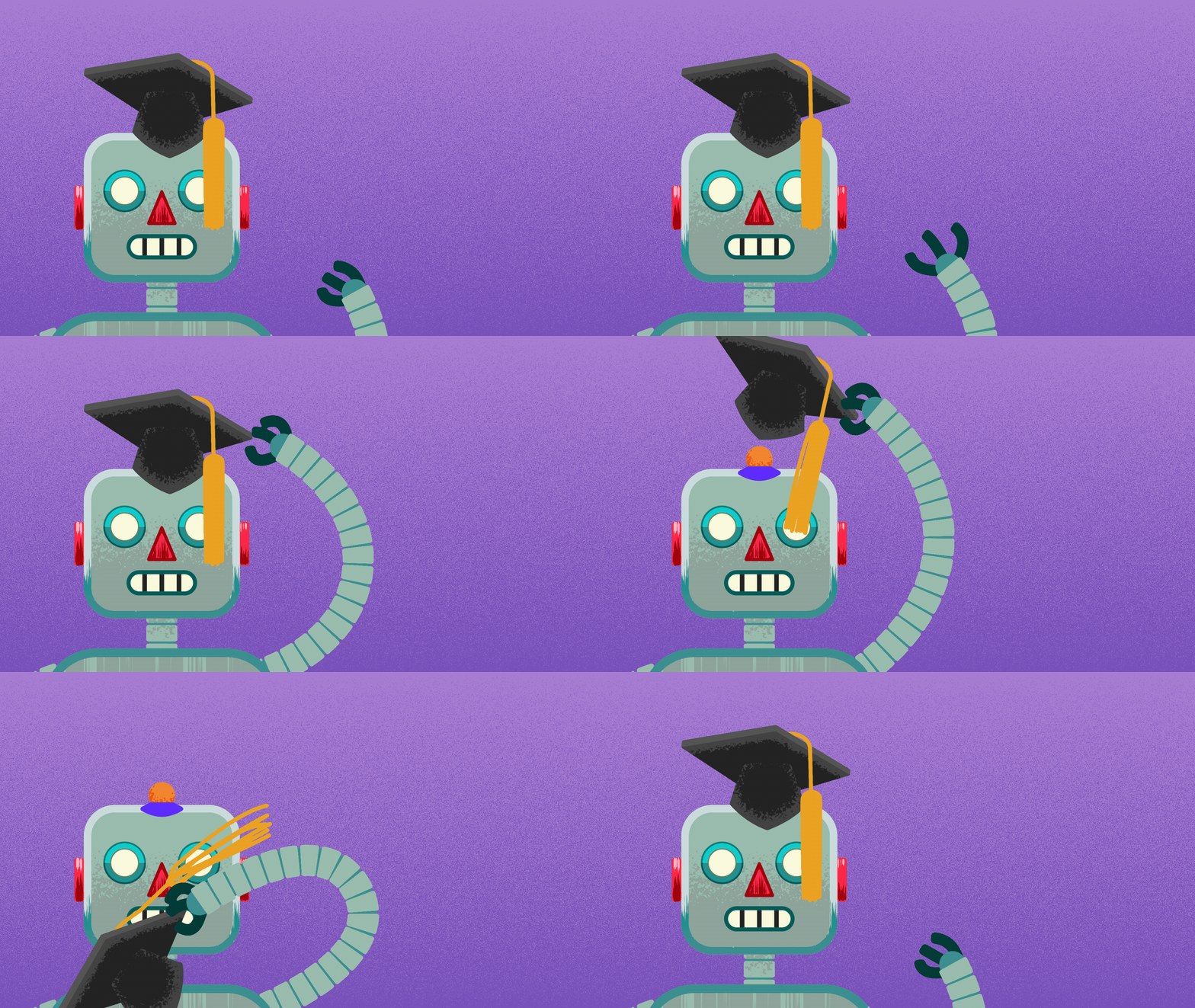
As artificial intelligence forces students to rethink their majors and reshapes the job market, it's clear that graduates don't want to hear about the technology on their big day.
The big picture: Several commencement ceremonies have been interrupted by boos and jeers when speakers have brought up AI, an indicator that while the tech is easing into many parts of life, not everyone is on board.
Sen. Maggie Hassan (D-N.H.) is requesting an "urgent" classified briefing from the acting director of the country's top cyber agency after a recent leak of internal agency credentials was exposed, according to a letter first shared with Axios.
Why it matters: This marks the first congressional response to the latest disruption to hit the Cybersecurity and Infrastructure Security Agency in the second Trump administration.
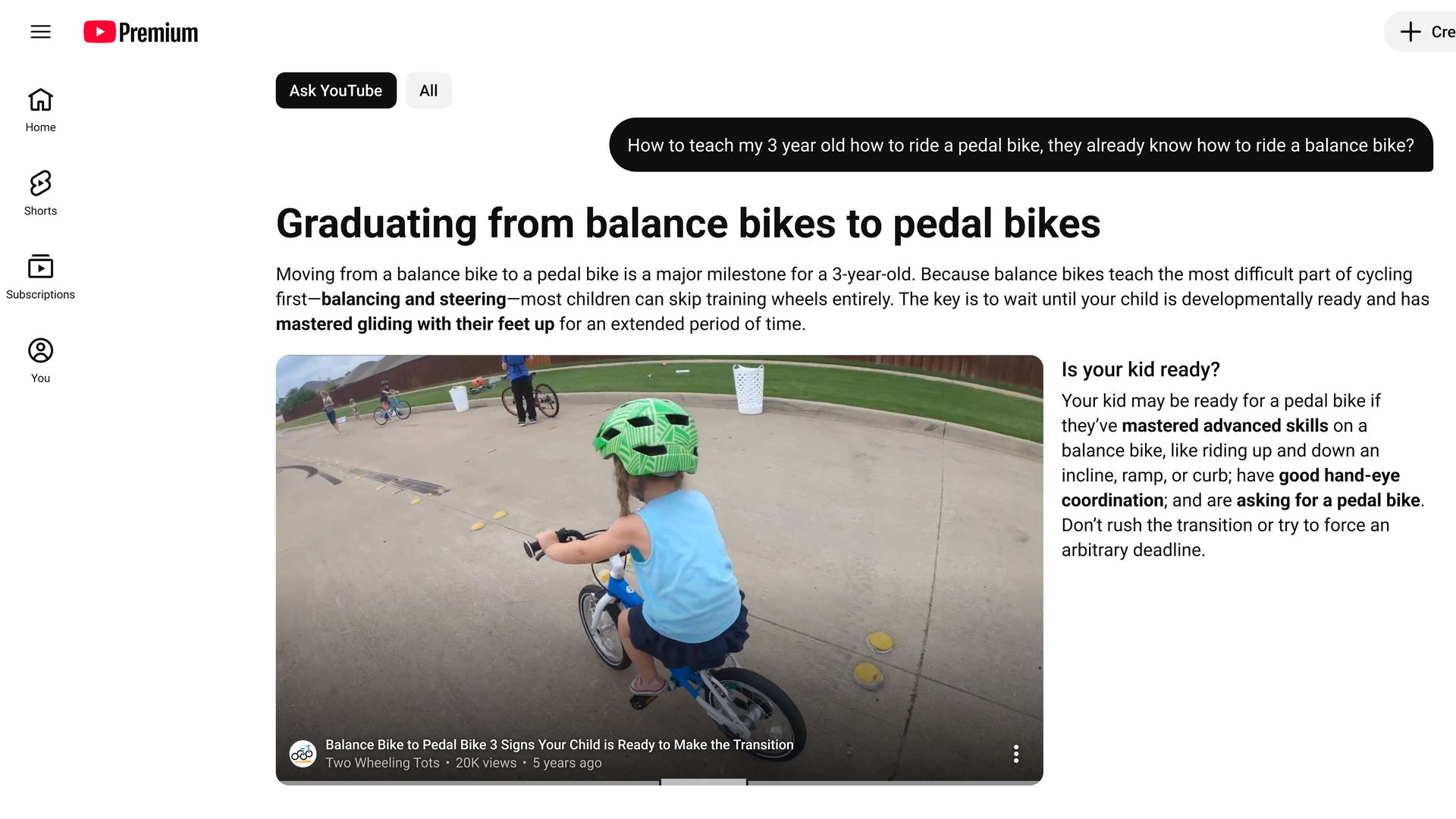
Google used its I/O developer conference on Tuesday to showcase how deeply it plans to embed AI across its products — from new models and a revamped search bar to forthcoming AI glasses and conversational search in YouTube.
Why it matters: Google comes to the AI race with arguably the deepest set of assets, but also the largest amount of surface area to defend against a world of AI-native apps.
Big banks and federal agencies are working frantically to shore up their defenses against new advanced AI systems, but small towns, schools and utilities lack the staff and basic cyber defenses needed to fend off such threats, experts tell Axios.
Why it matters: Cybercriminals and nation-state hackers have long viewed state and local targets as gateways for their attacks.
Andrej Karpathy, one of the best-known AI researchers in the world and a founding member of OpenAI, announced Tuesday that he's joining rival AI lab Anthropic.
Why it matters: The hire is a major coup for Anthropic in the high-stakes competition for elite AI talent — and another sign the company is emerging as a magnet for some of the industry's most respected technical minds.
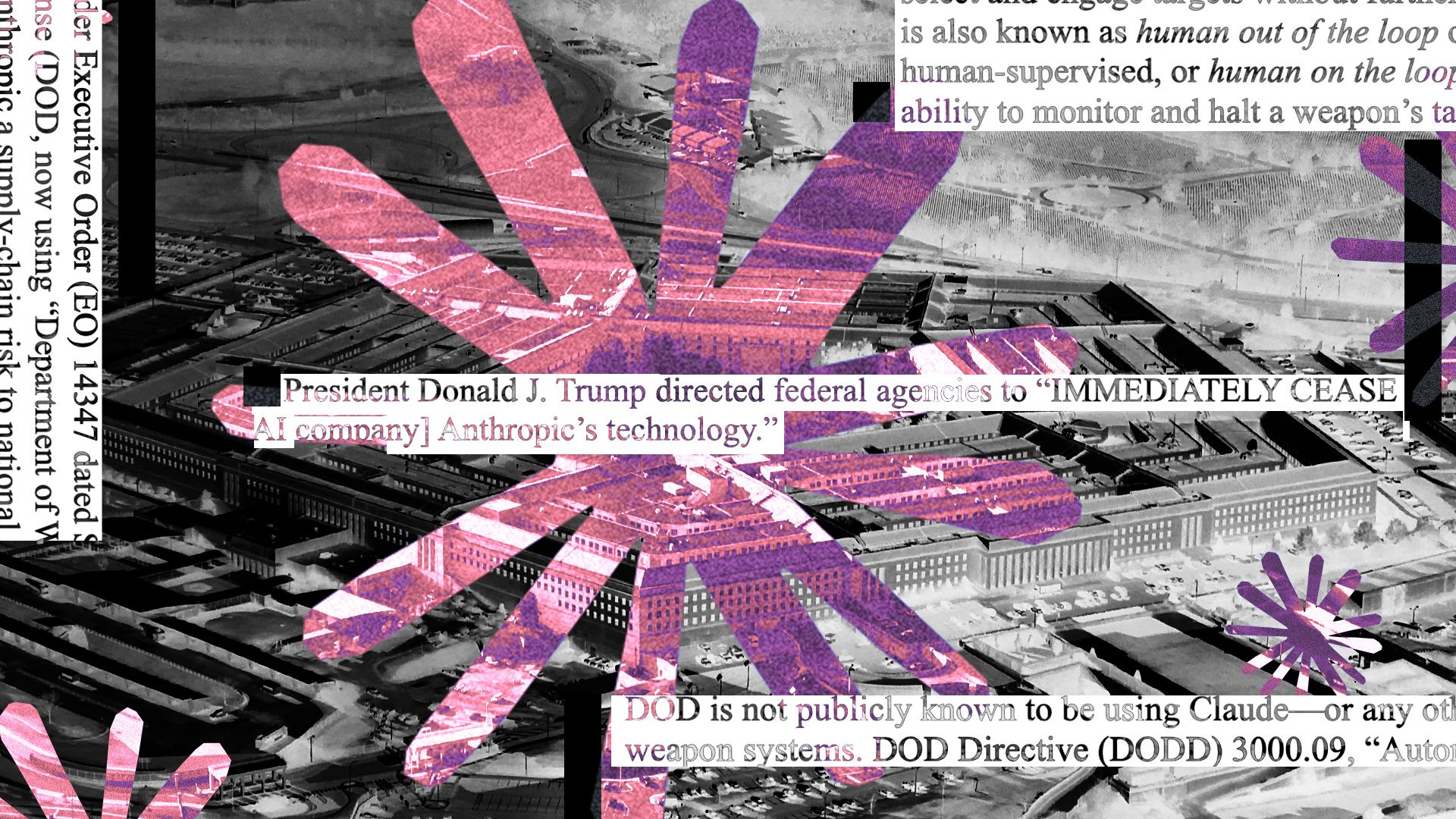
The Trump administration defended its designation of Anthropic as a supply chain risk in oral arguments in federal court Tuesday, even as it actively tries to figure out how it can adopt its most powerful model yet, Mythos, to combat cyber threats.
Why it matters: Treating a U.S. company as a national security threat while looking to use its technology to combat foreign adversaries is an awkward needle to thread.
Microsoft's digital crime investigators took down online infrastructure supporting a cybercriminal service that sold fraudulent code-signing certificates to ransomware gangs, the company said today.
Why it matters: The operation highlights how quickly cybercriminals are scaling the business of selling trusted-looking digital certificates, which make it easier for hackers to distribute malware that can evade security defenses.
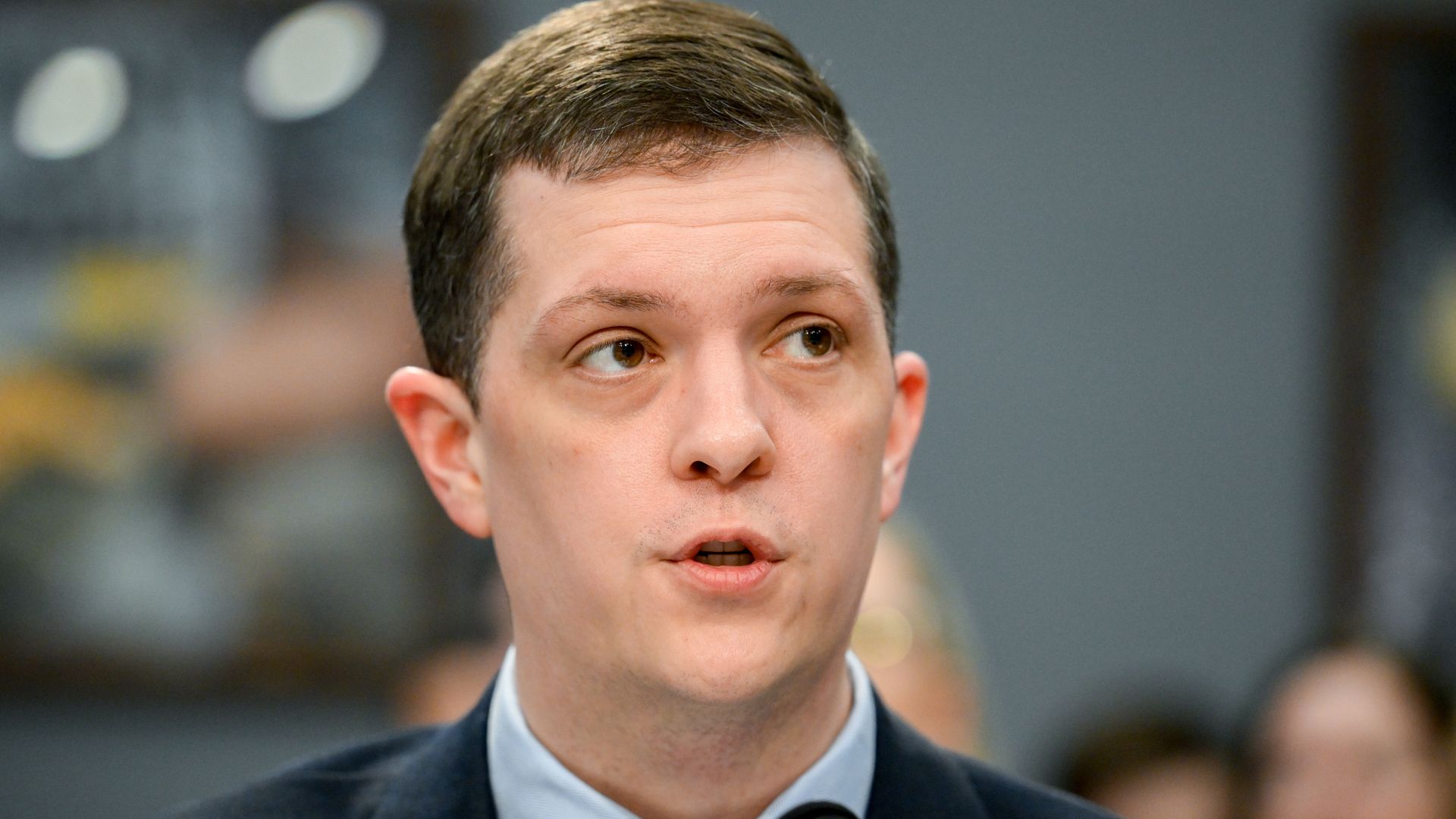
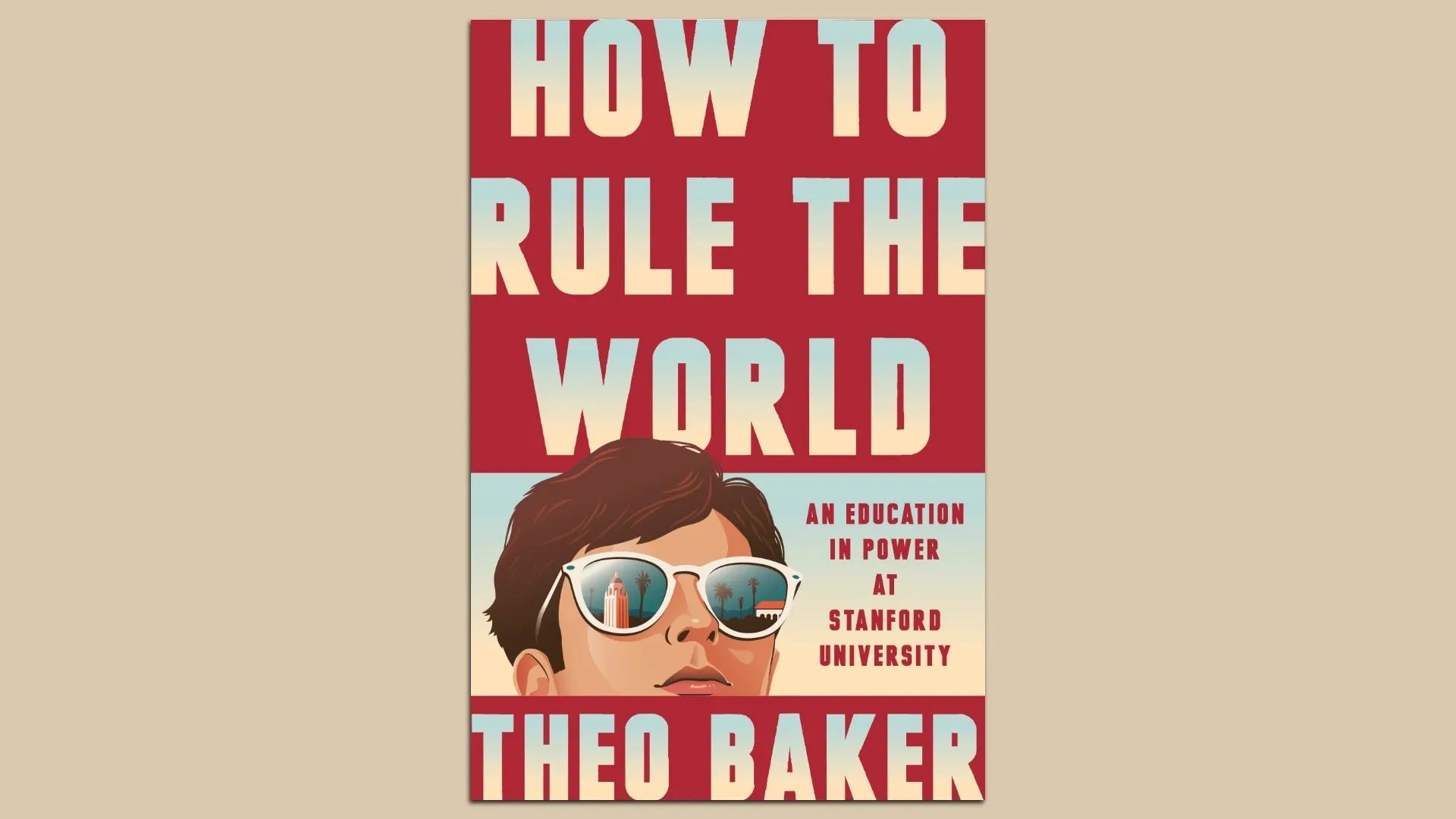
Theo Baker, a Stanford history major who'll graduate 26 days from now, is out today with a vivid, dishy exposé of the sometimes comical, at times seemingly corrupt, efforts by tech funders to seduce undergraduates who smell like future moguls and geniuses, and vice versa.
"I've had more one-on-ones with billionaires than I've been on formal dates," Baker writes in "How to Rule the World," which takes its title from an unofficial, exclusive seminar at Stanford run by a Silicon Valley CEO. "I've encountered genius and misdeed at every stage, from wide-eyed freshman wannabes to accomplished masters of the universe."
Hospitals are bracing for a sweeping rewrite of federal health privacy rules that could result in more penalties for cybersecurity breachesand add billions of dollars in costs.
Why it matters: Spurred by the massive Change Healthcare hack in 2024, the changes reflect a growing belief that at least some health care breaches are preventable and that hospitals should be required to meet baseline security standards.
The NextEra-Dominion merger plan signals the rapid evolution of the U.S. power landscape marked by rising demand, rising bills, and AI's voracious needs.
Why it matters: There are a lot of wild stats around NextEra acquiring the smaller (but still very big) Dominion, but this one is especially eye-opening in the AI data center age:
The company would have a pipeline of over 130 gigawatts of "large load" customers — with data centers a big part — looking to come online by 2032.
Members of Congress are rushing to institute new regulatory guardrails around online prediction markets following a series of alleged insider trading scandals.
Why it matters: As with cryptocurrency and artificial intelligence, this is proving to be yet another emerging tech policy area in which Congress finds itself struggling to stay ahead of the curve.
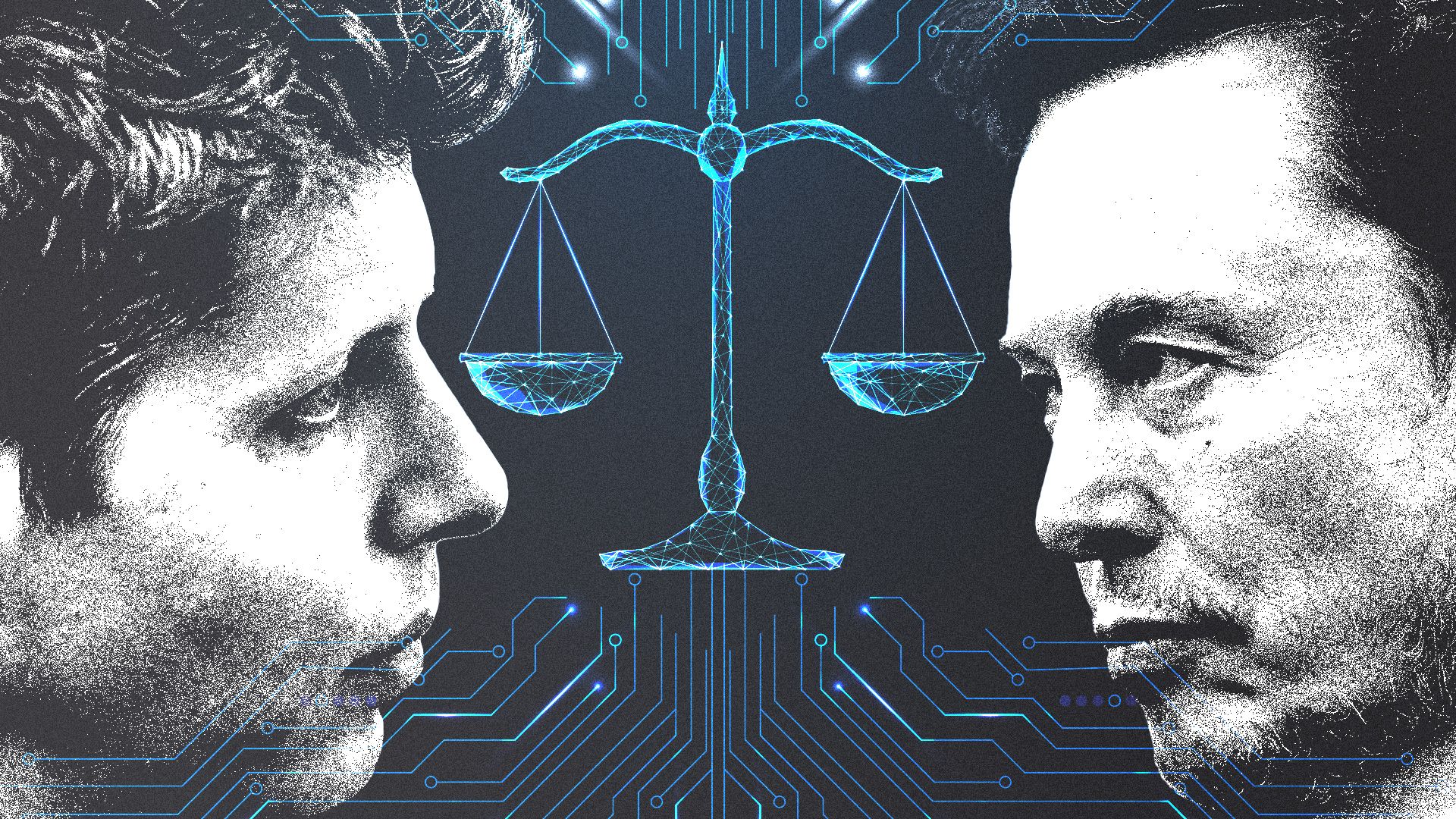
The biggest tech trial of the AI era — which ended anticlimactically Monday on procedural grounds — revealed a sector consumed by the same power struggles and profit motives its leaders once warned would corrupt artificial intelligence.
Why it matters: The trial cemented a growing public fear about AI: that the people racing to control the world's most powerful technology are driven less by humanity-saving ideals than by money, power and personal rivalries.
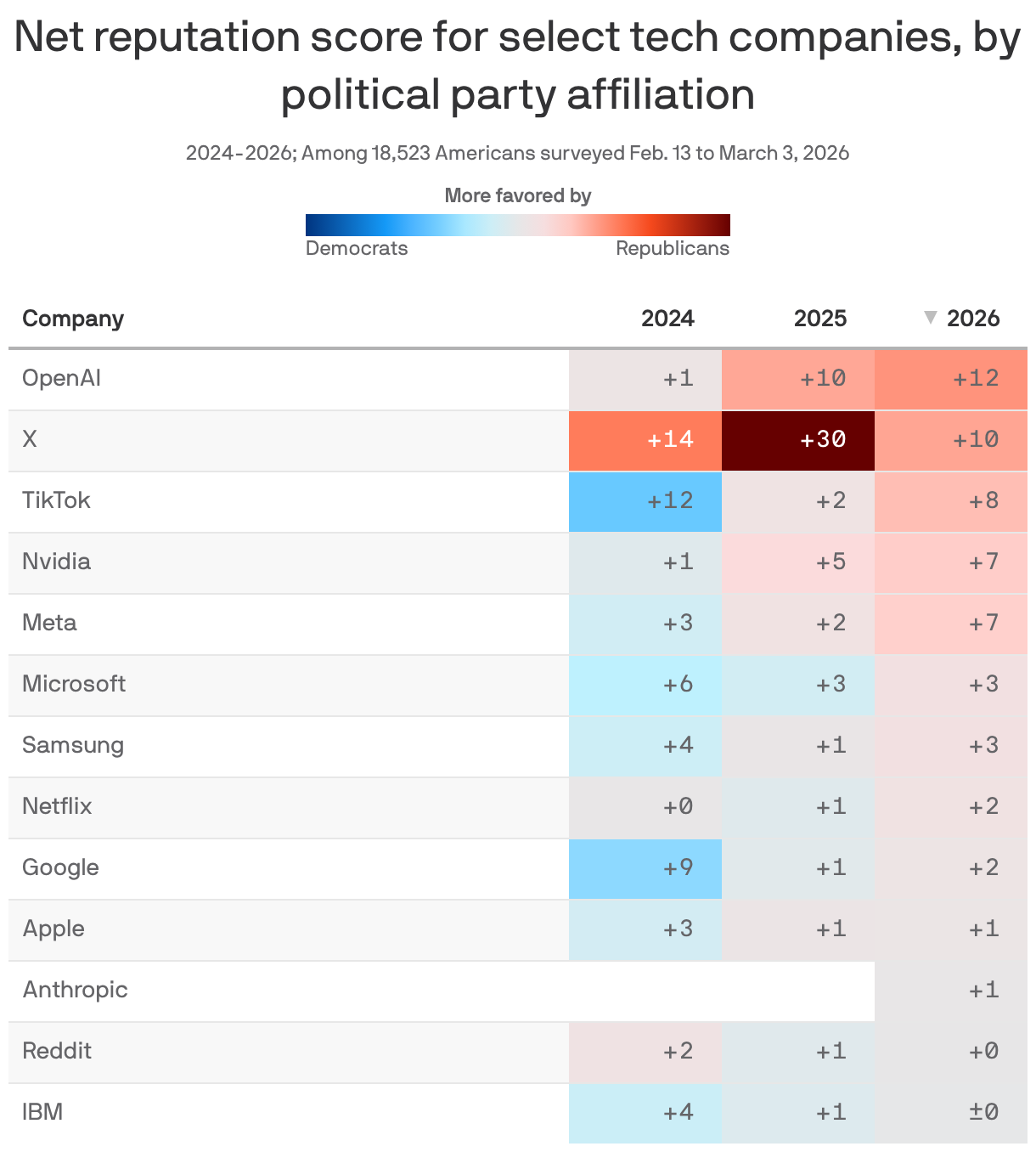
Democrats have become more skeptical of AI technology and the industry behind it, while Republicans are significantly more likely to trust most AI companies, according to this year's Axios Harris Poll 100 rankings.
Why it matters: This represents a significant shift in just two years, since the White House changed hands and AI advancements accelerated.