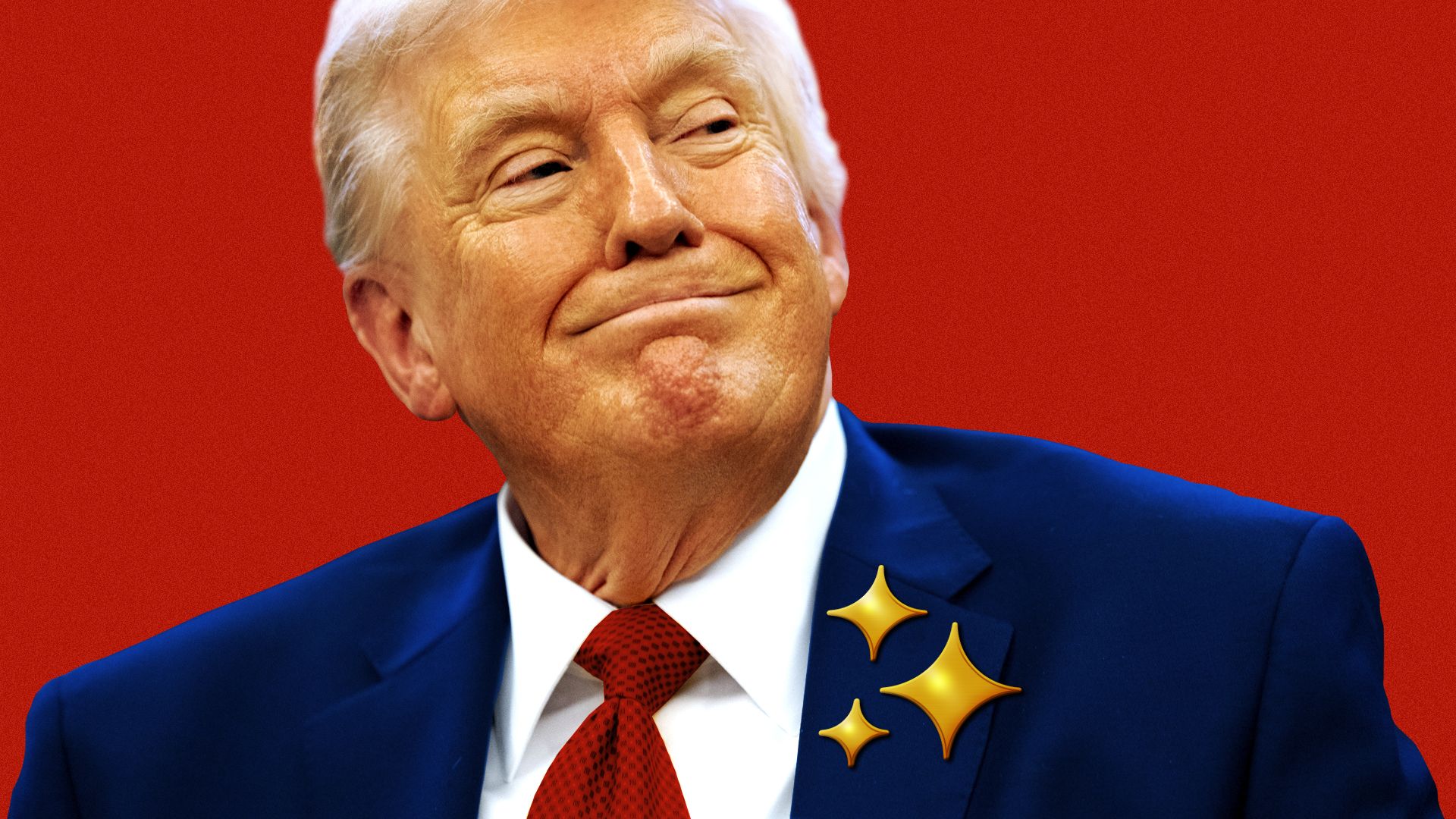
Everything seemed set for a photo op with tech and AI CEOs surrounding President Trump on Thursday as he signed a much-anticipated executive order on AI and cybersecurity.
But it fell apart hours before the order was to be signed, as a top Trump adviser and some tech executives gave it a big thumbs down. And the president didn't really want to regulate AI in the first place.
Why it matters: Any further delay of the order means more time for infighting and for the text to get bogged down in disagreements among different parts of the government and industry.
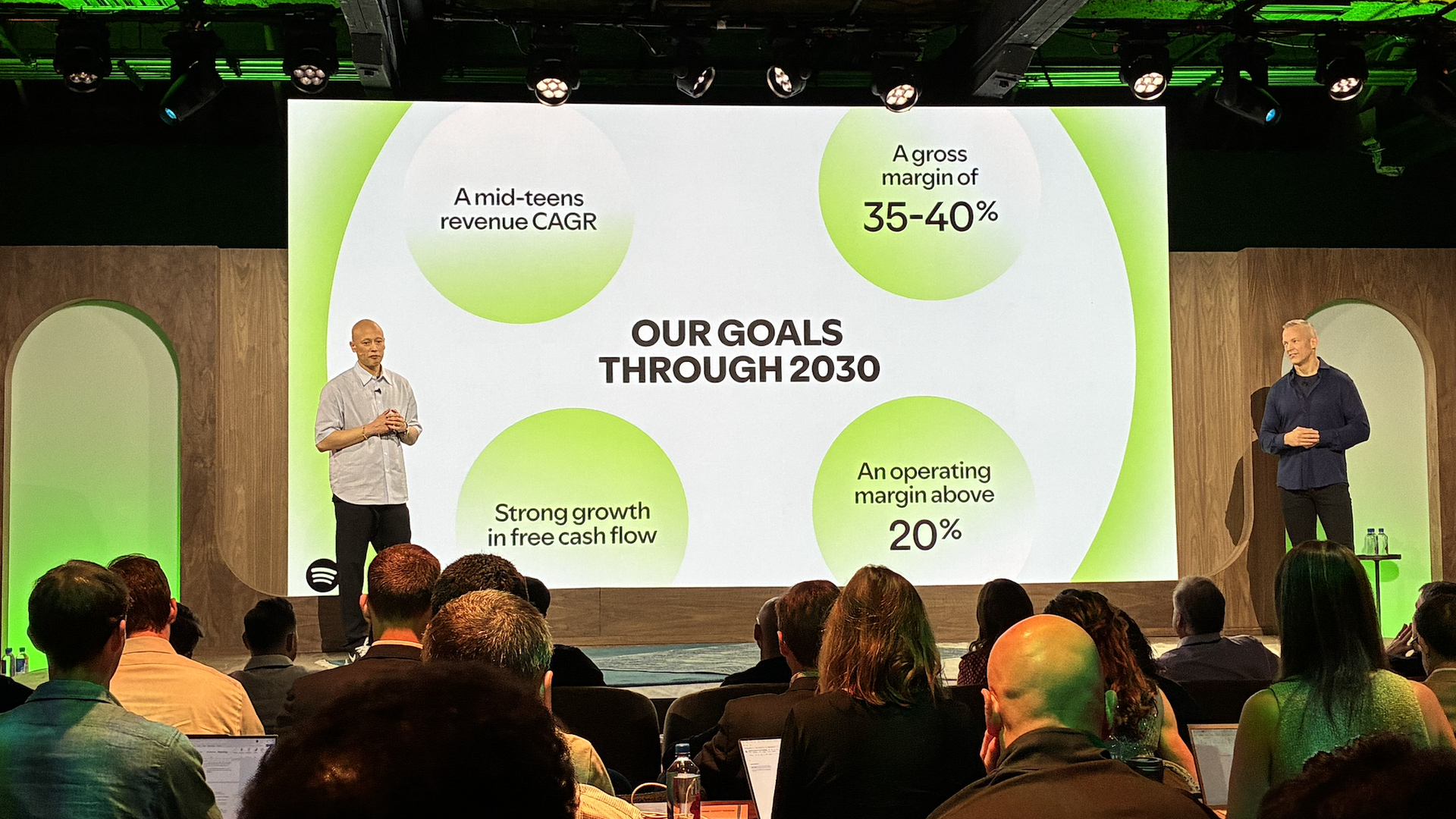
Spotify believes it will become much more profitable over the next four years by leveraging AI to build a "large taste model" that supportsinteractive sharing over passive listening.
Why it matters: The streamer spent the past four years proving it could turn its popularity into a meaningful business. Now, it wants to show Wall Street it can sustain and build on that momentum in the agentic era.
SALT LAKE CITY — Utah's tech adaptation and training opportunities position the state well to weather economic uncertainty, state business and political leaders said.
Axios' Erin Alberty and Megan Morrone spoke to state Rep. Jennifer Dailey-Provost (D-Salt Lake City), Salt Lake Chamber president and CEO Derek Miller, Utah Governor's Office of Economic Opportunity executive director Jefferson Moss, and Nomi Health co-founder and COO Joshua Walker for the May 19 event, which was sponsored by Anthropic.
What they're saying: A new directive from Gov. Spencer Cox says all recent or upcoming college graduates will "have an AI certificate at no charge to them" to set them up for success, Moss said.
Many businesses are incorporating AI into daily operations and for customer service improvements, according to Miller.
"Most of the world, and certainly the United States, are really clueing in to how innovative Utah has become," Dailey-Provost said. "We absolutely have led the country in AI … and tech policy."
If approved, it would be one of the biggest data centers in the world.
What's next: We have to make sure "that we're maximizing safety and tech … in a rapidly changing economy and workplace," Dailey-Provost added.
Content from the sponsor's remarks
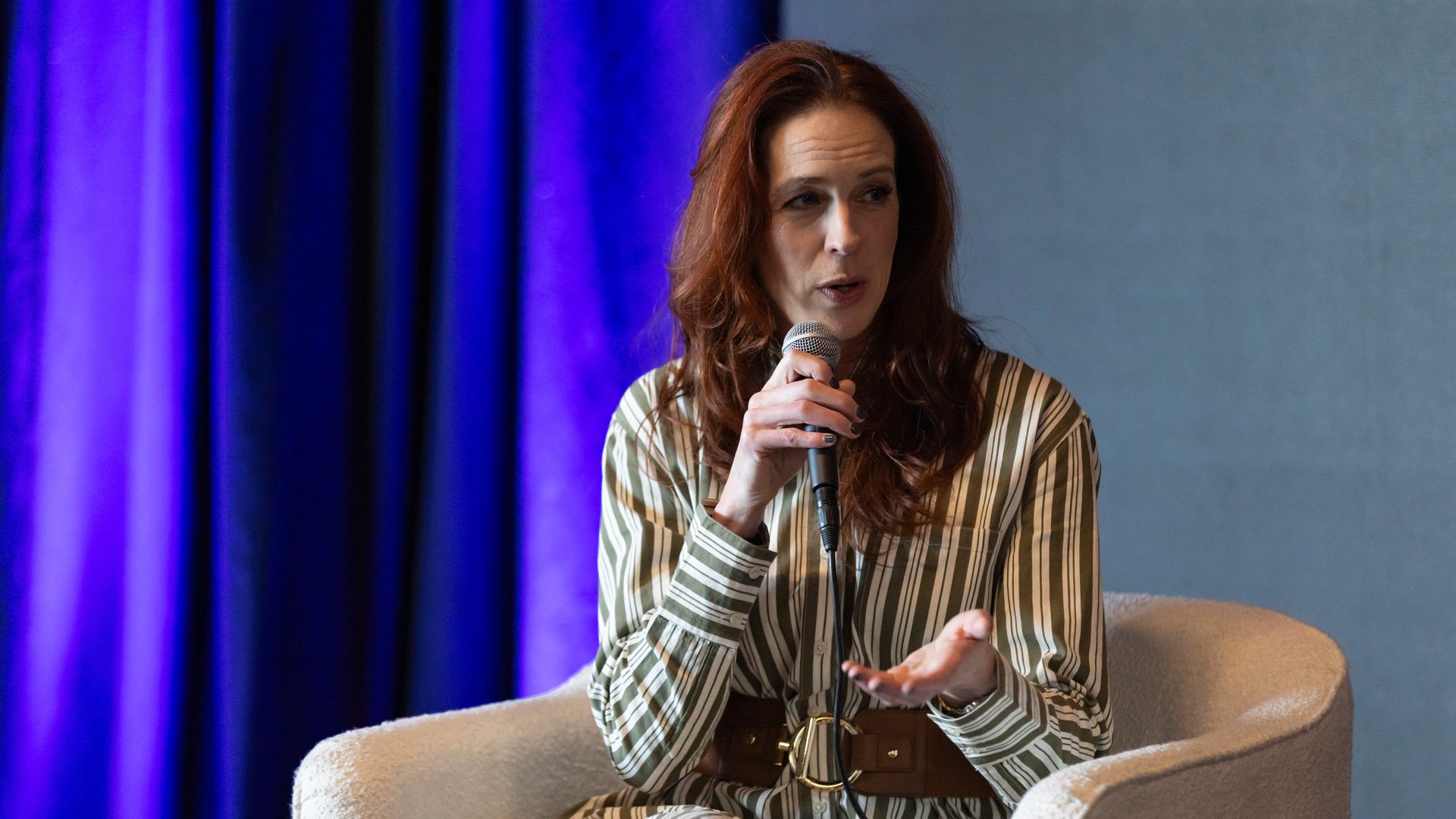
In a View From the Top segment, Anthropic head of central policy Miriam Chaum said that Utah is thinking hard about how to bring Claude into state agency work.
In a recent, four-week pilot program, "over 70% of the engineers involved reported that they had saved over 20 hours" of work, Chaum said.
"Safety comes down to the least safe player in the room," she added, "and that's why you need regulation."
The White House has postponed its planned ceremony for President Trump to sign a new executive order on AI and cybersecurity, per a note seen by Axios.
Why it matters: Trump suggested it's because he didn't like the order he was supposed to sign — another setback for an effort that has been stalled by internal disagreements.
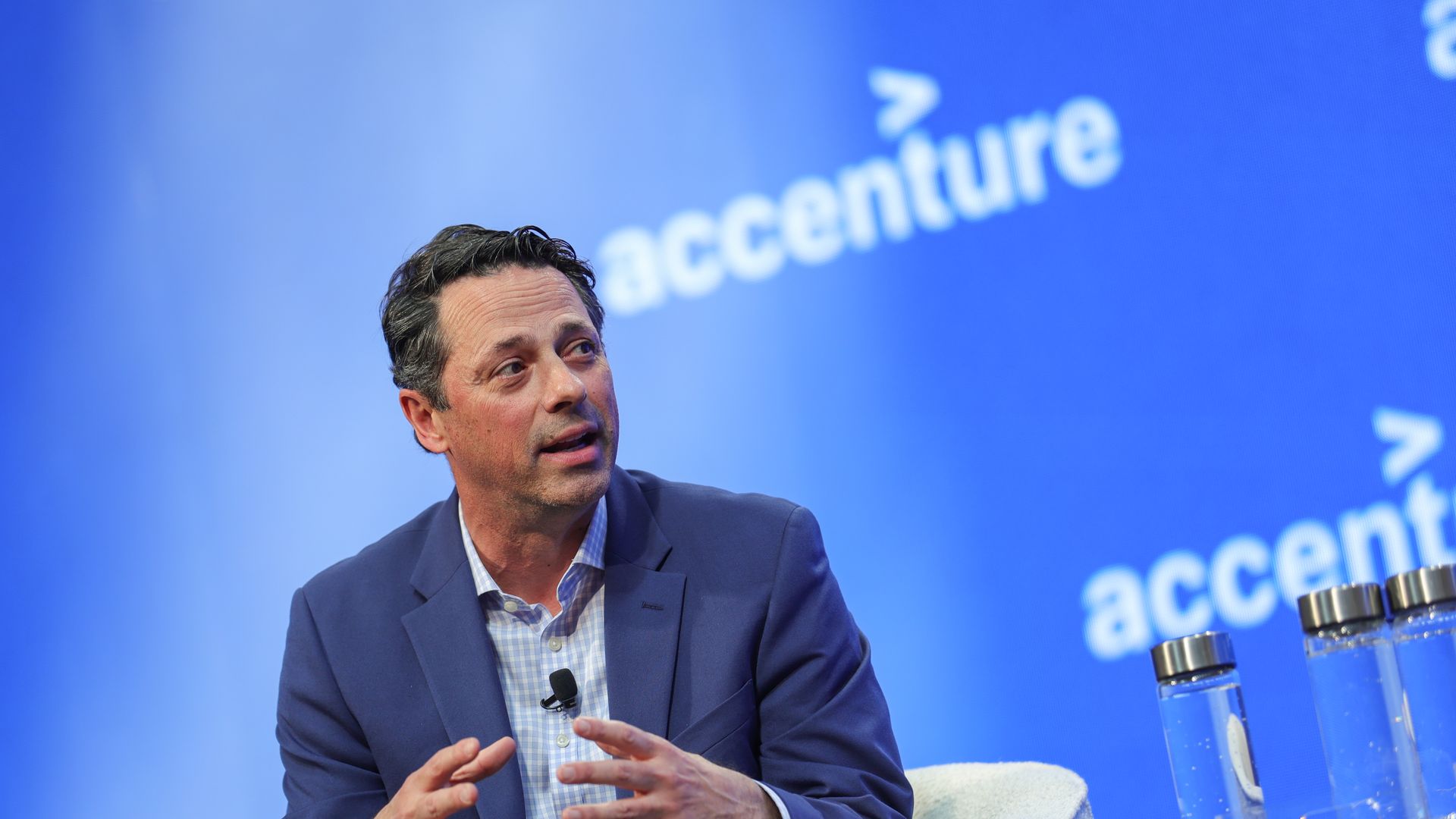
Axios publisher Nicholas Johnston sat down with Ron Ash, Accenture Federal Services CEO, in a View from the Top conversation. The two discussed why government can move faster from testing to deploying AI, how rethinking processes and workforce integration unlock impact and what it will take for the U.S. to scale innovation.
The U.S. government on Thursday said that it has agreed to take equity stakes in nine quantum computing companies, tied to $2 billion in CHIPS Act grants.
Why it matters: These sorts of quasi-socialist arrangements have been normalized with breathtaking speed.
SpaceX is going public, but not really: Elon Musk will retain a vise-like grip on the company he runs, its initial public offering filing shows.
Why it matters: It's the largest IPO history and as such will reshape the fabric of the public markets and may set a new standard for how companies are run.
Nvidia announced plans to supersize the shower of cash it will return to shareholders.
Why it matters: On Wall Street, big increases in plans to return cash — such as a fast-growing company announcing a dividend for the first time — are viewed as a tacit acknowledgement that the company is running out of places to invest profitably.
Over the course of two hours Wednesday afternoon, the AI industry produced an extraordinary stream of headlines mapping out the vast architecture of its ambitions.
Why it matters: One historic news cycle peeled back virtually every layer of the AI revolution — smarter systems, exploding revenues, roaring markets, staggering infrastructure demands and a federal government racing to catch up.
Google is trying to pull off one of the trickiest balancing acts in tech: aggressively disrupting its own products with AI while protecting the businesses that generate tens of billions in profit.
Why it matters: Unlike OpenAI and Anthropic, Google enters the AI race with enormous scale, distribution and cash flow — but also a vast empire it has to defend.
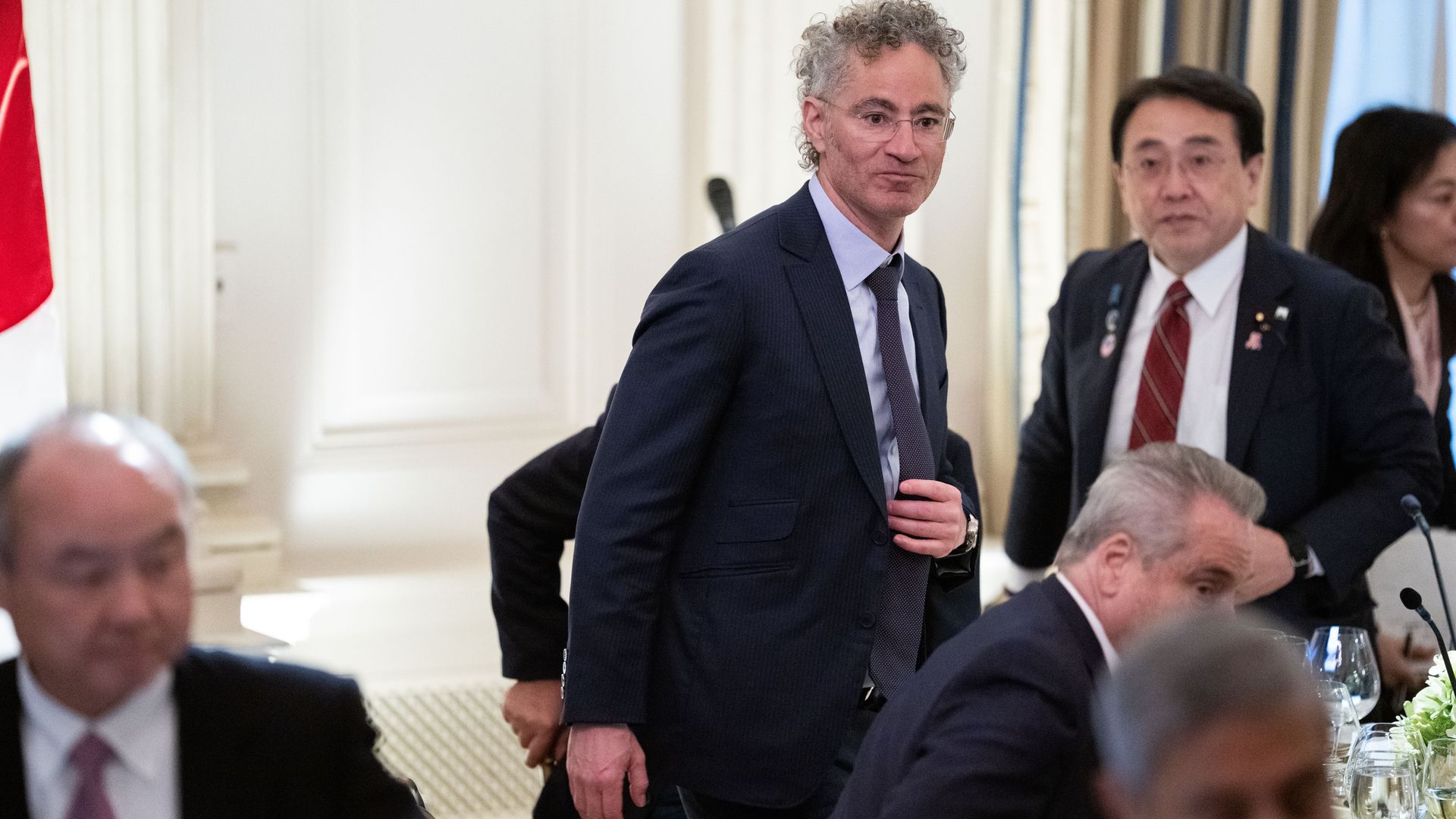
Palantir is battling the Pentagon's Defense Intelligence Agency for the ability to bid for a contract to modernize its data analytics system, according to a filing obtained by Axios.
Why it matters: Palantir's already massive foothold at the Pentagon could eventually expand to an agency tasked with providing foreign military intelligence to prevent and win wars.
A just-departed executive at one of the world's most influential wellness companies is giving us three pieces of advice for preserving our humanity in the age of AI.
The big picture: David Ko, who was CEO of the app Calm for the last four years, recently stepped down to pursue a new, undisclosed path focused on guardrails for kids using AI. He's exceptionally candid about his exit.