Axios Live: Utah is "leading the country economically," state Rep. Dailey-Provost says

Add Axios as your preferred source to
see more of our stories on Google.
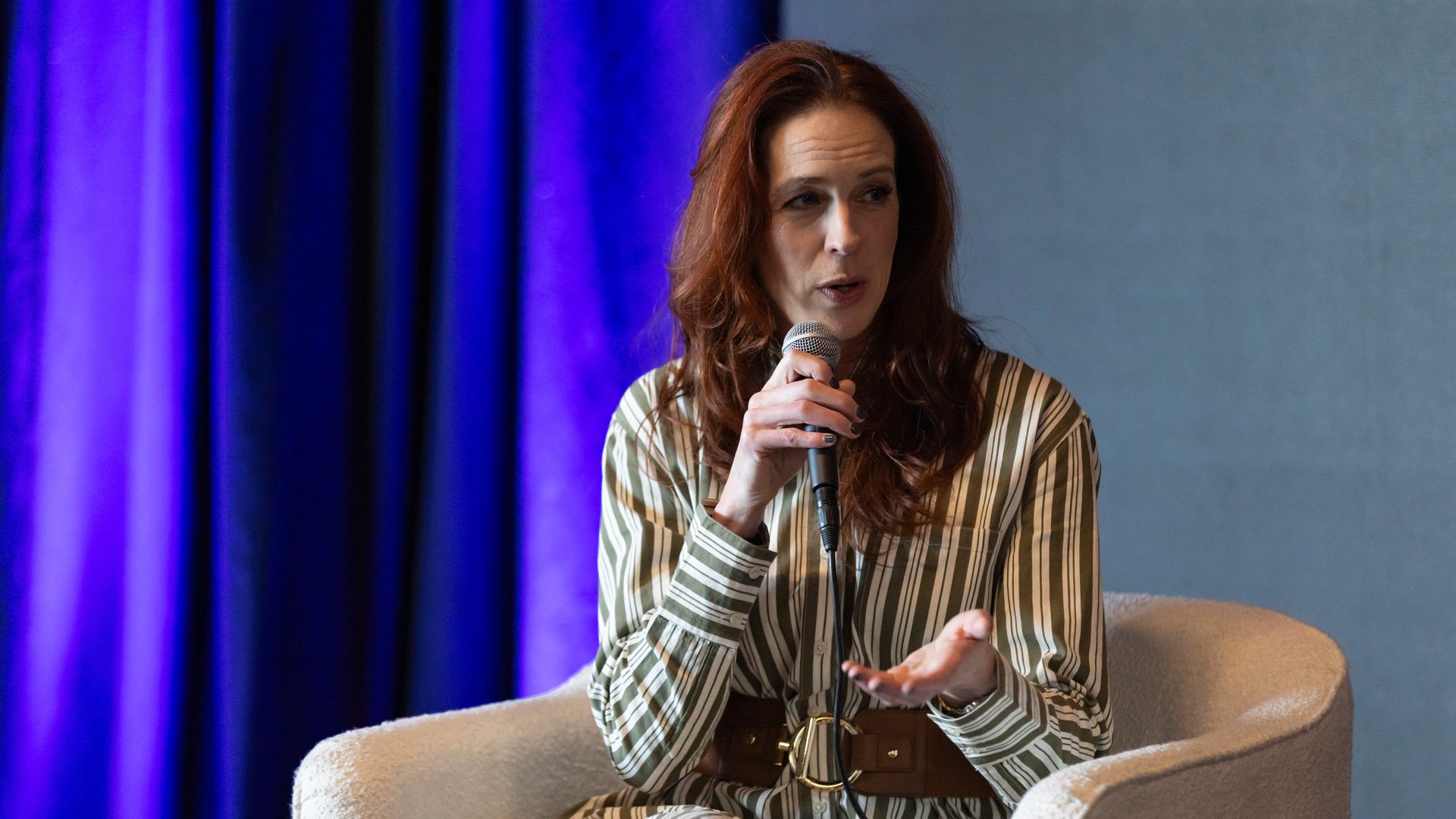
Photographer Leah Louviere for Axios
SALT LAKE CITY — Utah's tech adaptation and training opportunities position the state well to weather economic uncertainty, state business and political leaders said.
Why it matters: Those deliberate investments are bolstering job security and productivity for Utahns despite a gloomier national job outlook, and higher energy prices..
Axios' Erin Alberty and Megan Morrone spoke to state Rep. Jennifer Dailey-Provost (D-Salt Lake City), Salt Lake Chamber president and CEO Derek Miller, Utah Governor's Office of Economic Opportunity executive director Jefferson Moss, and Nomi Health co-founder and COO Joshua Walker for the May 19 event, which was sponsored by Anthropic.
What they're saying: A new directive from Gov. Spencer Cox says all recent or upcoming college graduates will "have an AI certificate at no charge to them" to set them up for success, Moss said.
- Many businesses are incorporating AI into daily operations and for customer service improvements, according to Miller.
- "Most of the world, and certainly the United States, are really clueing in to how innovative Utah has become," Dailey-Provost said. "We absolutely have led the country in AI … and tech policy."
Yes, but: A new, planned data center is facing widespread backlash for its environmental implications.
- If approved, it would be one of the biggest data centers in the world.
What's next: We have to make sure "that we're maximizing safety and tech … in a rapidly changing economy and workplace," Dailey-Provost added.
Content from the sponsor's remarks
In a View From the Top segment, Anthropic head of central policy Miriam Chaum said that Utah is thinking hard about how to bring Claude into state agency work.
- In a recent, four-week pilot program, "over 70% of the engineers involved reported that they had saved over 20 hours" of work, Chaum said.
- "Safety comes down to the least safe player in the room," she added, "and that's why you need regulation."
