President Trump on Friday unveiled a cybersecurity strategy calling for modernizing federal systems, expanding offensive and defensive cyber operations and streamlining regulations.
Why it matters: The seven-page plan is designed to set the administration's cyber policy for the next three years.
OpenAI is rolling out Codex Security, an AI-powered application security agent that finds, validates and proposes fixes for vulnerabilities.
Why it matters: OpenAI is entering a growing market for AI-enabled code security tools — escalating competition among both traditional application security vendors and rival AI labs.
Here's a question the Torah doesn't specifically answer: "Can a Jew let his AI agent run over Shabbat if the last prompt was Friday afternoon?"
Why it matters: It's a post that went viral on X, and is one of many new queries that rabbis debate when it comes to reconciling how modern technology fits within millennia-old tradition.
Science Corp., a brain implant startup led by Neuralink co-founder Max Hodak, raised $230 million in Series C funding at a $1.5 billion valuation.
Why it matters: Science Corp. appears likely to bring the world's first computer-brain interface to market, initially in Europe, ahead of Neuralink or other rivals.
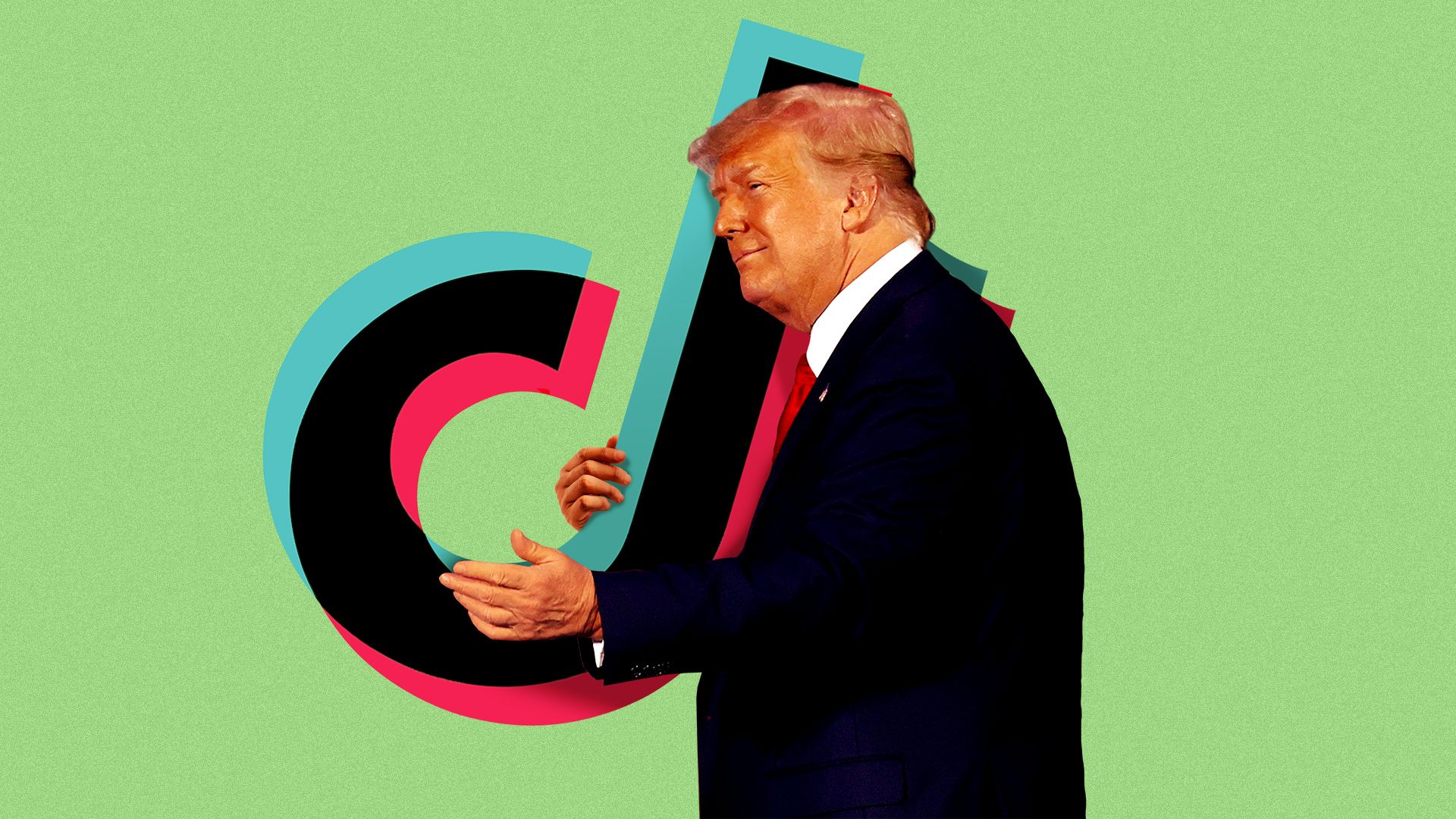
One of President Trump's first actions upon retaking office was to postpone enforcement of a law that required TikTok to be banned in the U.S. if still controlled by China's ByteDance.
Driving the news: That decision, and several that sprang from it, are the crux of a lawsuit that theoretically could cost TikTok U.S. — now under new ownership — billions of dollars. And possibly lead to renegotiation of the sale itself.
In theory, an emergency that's blocking petro-flows and spiking prices should boost the case for clean energy. But in practice, it's way more complicated.
Why it matters: The Iran war is the biggest energy crisis since Russia's 2022 invasion of Ukraine, if not longer.
Banks had a bad day on Thursday. One of the main reasons: private credit.
Driving the news: After a report that BlackRock slashed a private loan in its portfolio to zero, bank stocks fell, as investors get increasingly twitchy over exposure to the murky private credit business. (Those cockroaches that JPMorgan Chase CEO Jamie Dimon had warned about.)
Mozilla said Friday it fixed more than 100 bugs in Firefox discovered by Anthropic's Claude, including 22 security flaws.
Why it matters: AI models are rapidly lowering the cost of finding software vulnerabilities, surfacing serious flaws even in heavily scrutinized projects like Firefox.
President Trump seethed when the Supreme Court stripped away his unilateral tariff authority, the first real check on his presidency.
Then he set out to impose his will on every remaining vector of American power — smashing norms and shrugging off Congress in a historic, 14-day show of executive force.
Why it matters: Over the past two weeks, Trump launched a massive Middle East war, blacklisted the hottest AI company on the planet, ordered new global tariffs, and presided over the biggest media merger in two decades.
Pink noise — which is often used to mask environmental sound and induce sleep — might actually reduce REM sleep, a new study in the journal Sleep suggests.
Why it matters: Noise machines have become a go-to sleep aid, particularly for babies, but they might interrupt crucial processes for brain health and happiness.
From the researchers who brought you "workslop" comes another new term for an AI downside: "brain fry," defined as mental fatigue from excessive use or oversight of AI tools beyond one's cognitive capacity.
Why it matters: The rapid adoption of AI in the workplace — and the aggressive push from employers to use the technology — is frying the minds of those who use it most intensely.
A bipartisan group of senators is urging the federal government to aggressively track how AI is impacting workers, per a letter shared exclusively with Axios.
Why it matters: Lawmakers say they need quality, real-time data to understand and respond to how the technology is reshaping the workforce.
GOP lawmakers in several red states want to pass AI safety bills, but their efforts are being chilled by the fear of angering the White House.
Why it matters: State lawmakers eager to tackle AI over concerns about kids, jobs and privacy are facing pushback from the White House, with tensions poised to spike next week.
The Pentagon has formally designated Anthropic a supply chain risk, as CEO Dario Amodei apologized Thursday for a leaked memo criticizing the Trump administration.
Why it matters: The dispute has raised fundamental questions over AI governance and cast a shadow over the industry's relationship with Washington.