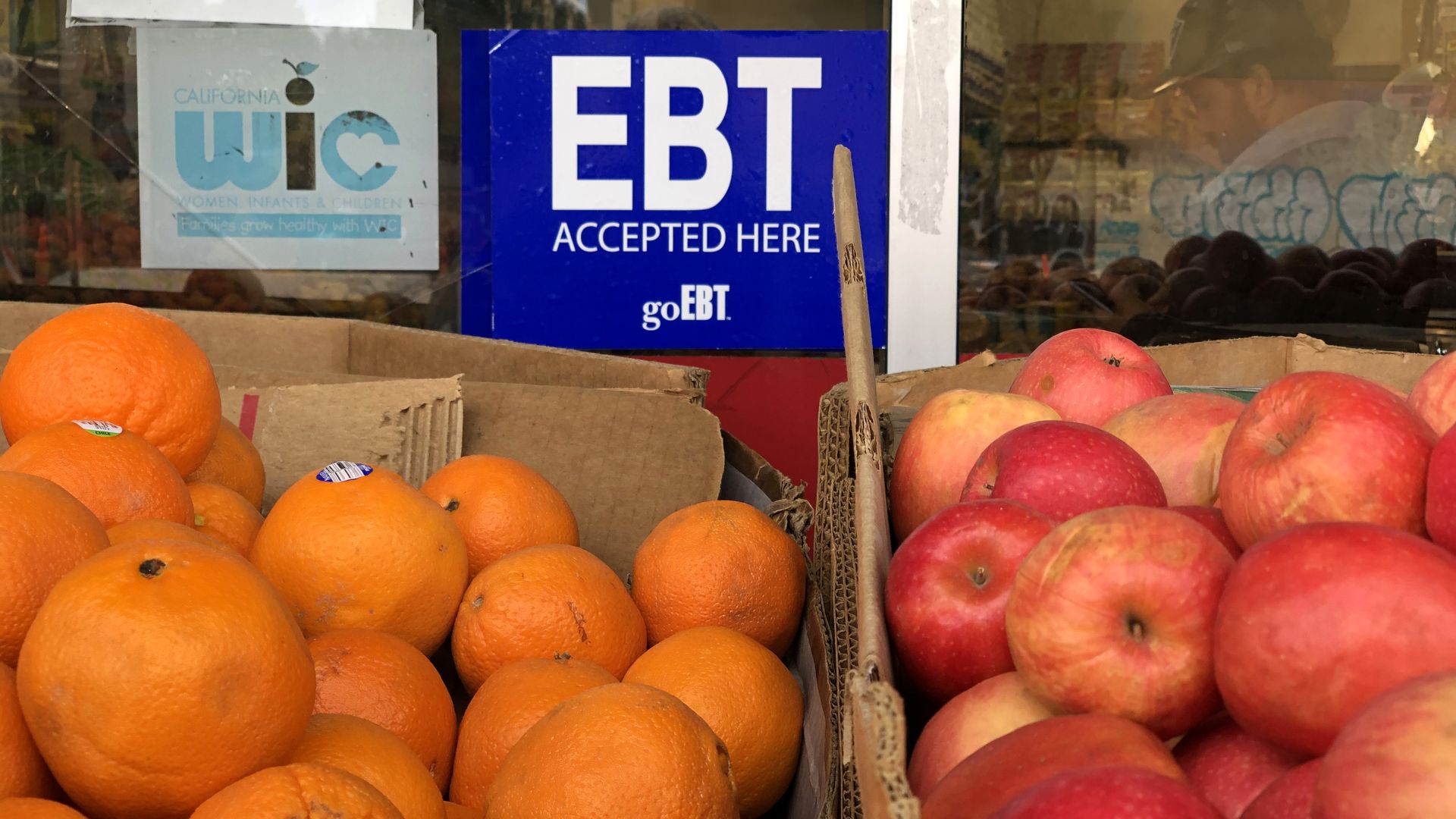
DHS officials recommend SNAP recipients keep their cards locked and secure to avoid losing funds.
What they're saying: "Your existing card will continue to work, but your regular payment will not appear," said Rep. Shontel Brown (D-Ohio) in a press release. "Keep your EBT Card active."
Mackenzie Libbey with Community Legal Services told CBS News: "That's money that's already been appropriated. It's been put on their card."
"So we definitely do not want people rushing out to try to use up their benefits at the end of October thinking they're not going to be able to buy anything in November."
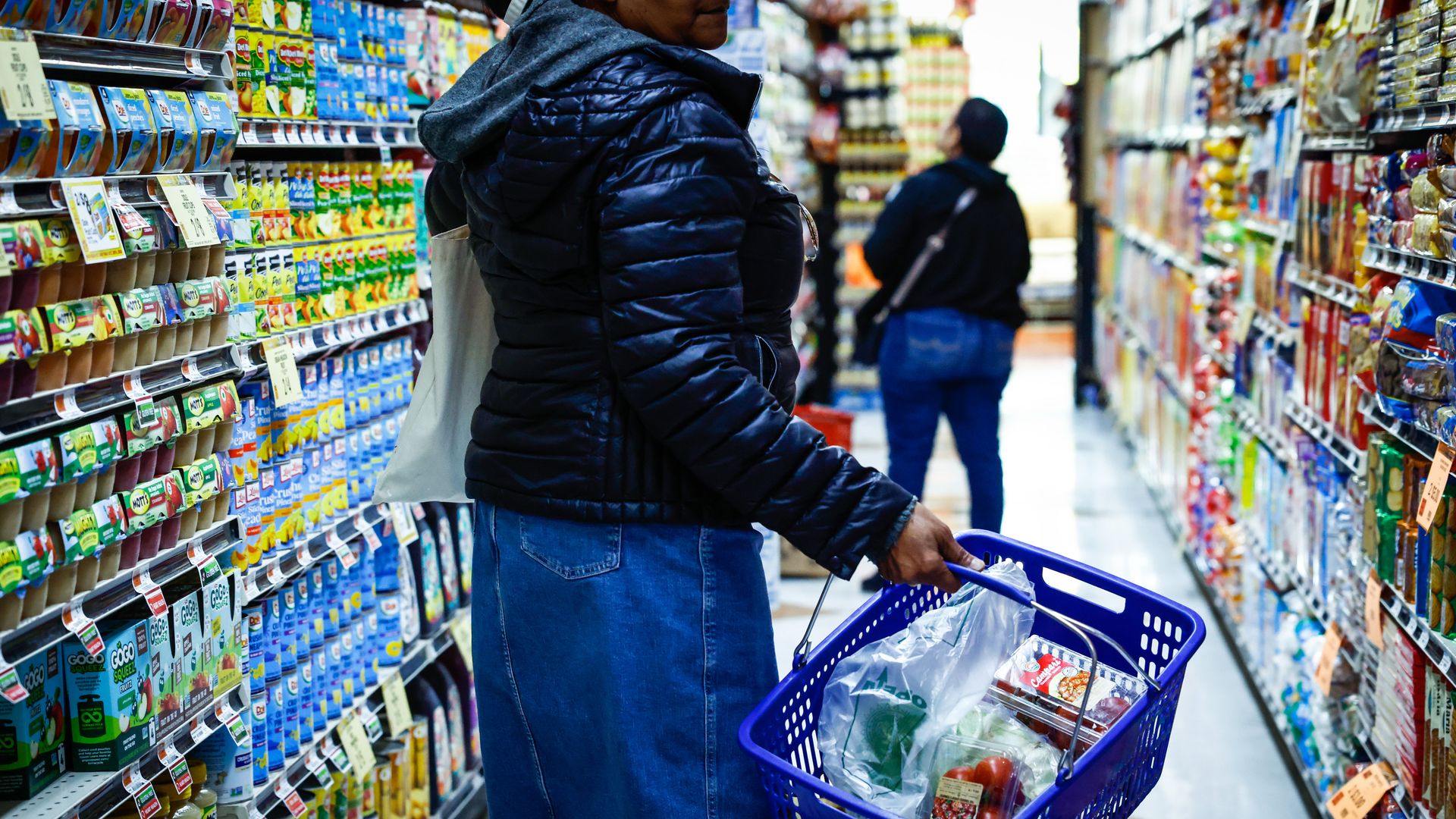
Yes, but: SNAP recipients often spend all of their benefits at once, or in the month they're issued, Axios' Emily Peck writes.
"About 80 percent of benefits are spent in the first two weeks and 97 percent by the end of the month," said Lauren Bauer of the Brookings Institution.
This spending becomes a key revenue driver for grocery stores, meaning a drop in SNAP benefits usage can lead to a broader decline in general spending, too, Peck writes.
States and SNAP benefits
The intrigue:Some states say they're unsure if EBT cards will still work in November and that families should plan ahead.
New Hampshire, for example, recommends beneficiaries use all of their funds before Oct. 31.
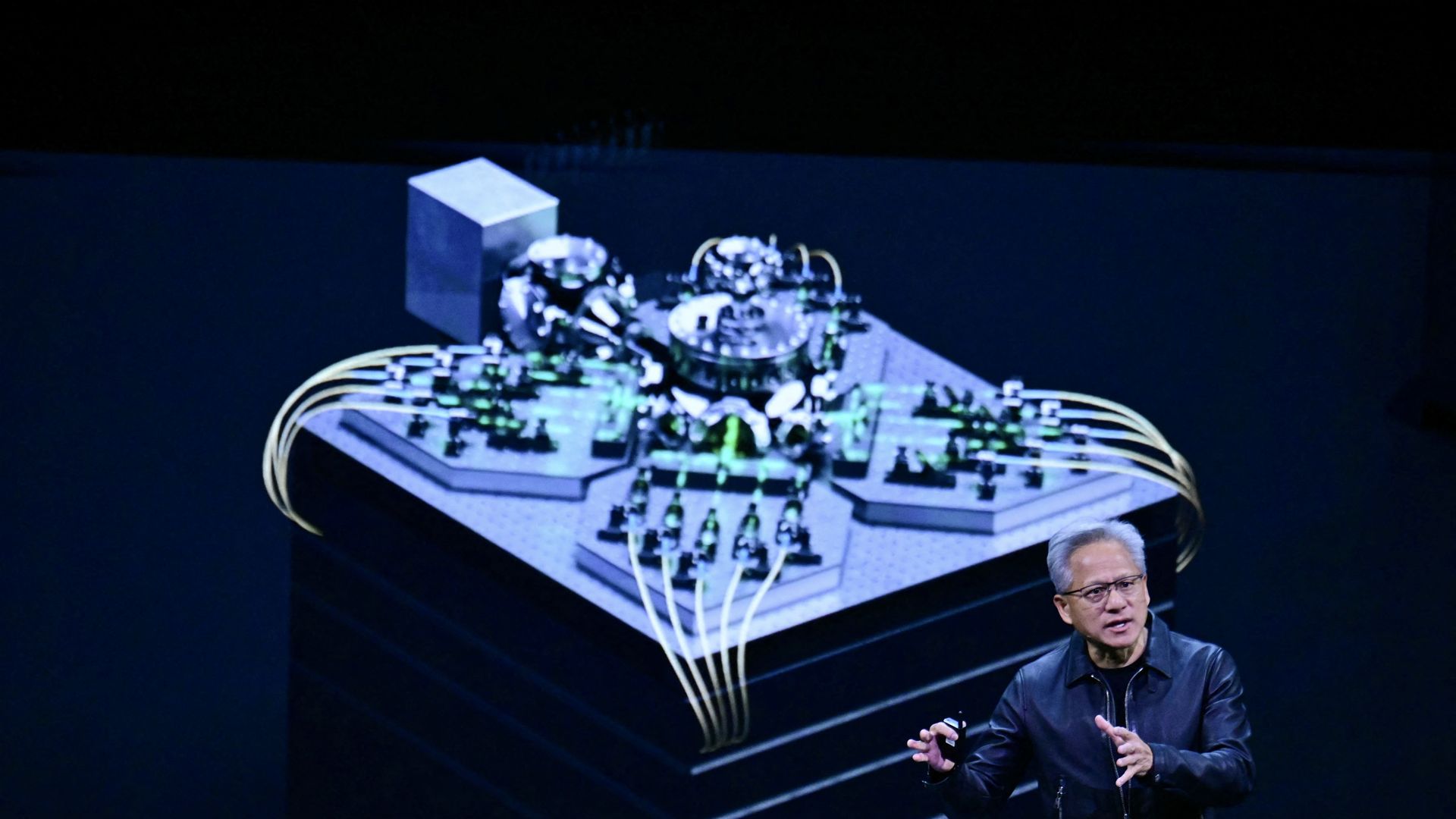
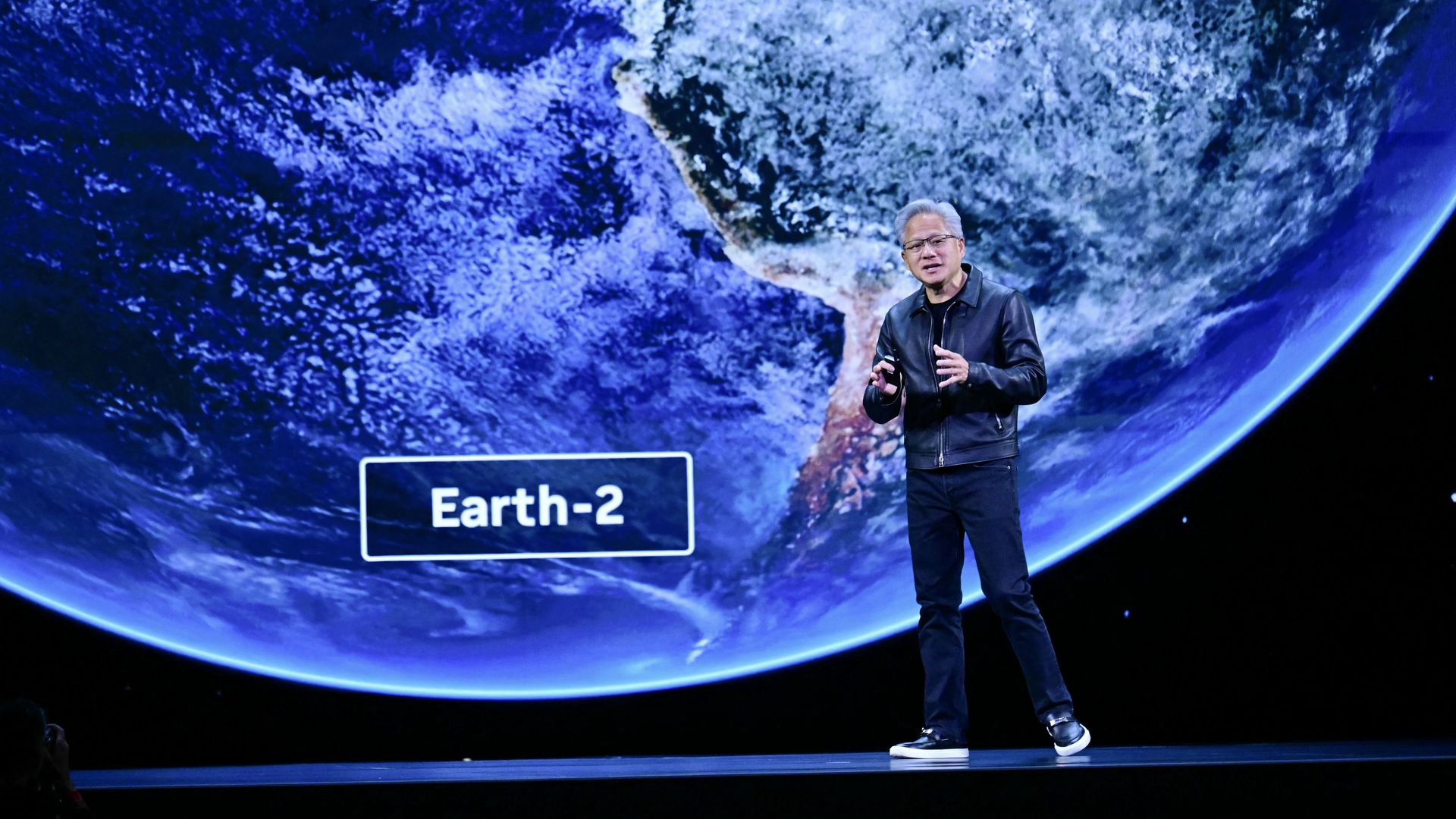
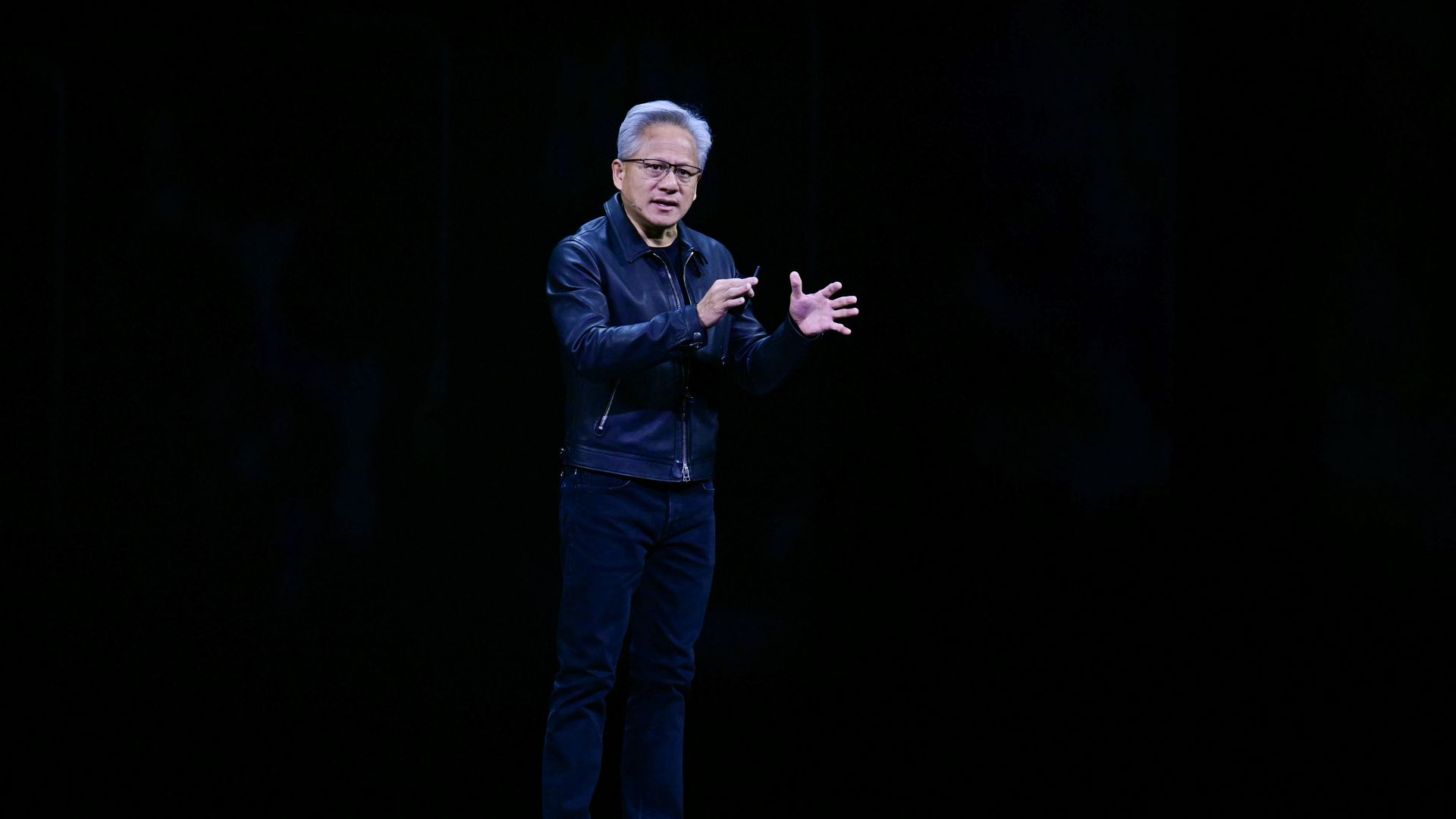
President Trump may be overseas, but his presence loomed large over an Nvidia conference in D.C. on Tuesday where CEO Jensen Huang lauded the administration's embrace of AI.
Why it matters: Huang has built a strong relationship with Trump, and Nvidia has been rewarded for it — from winning approval to export chips to China to preventing the National Guard deployment to San Francisco.
Nvidia on Tuesday revealed a new computing system designed to enable autonomous vehicle developers to accelerate self-driving cars — with Uber signed on as an early collaborator.
Why it matters: The "inflection point" for robotaxis "is about to get here," Nvidia CEO Jensen Huang said at the Nvidia GTC in Washington, D.C.
Twenty-five Democratic-led states sued the Trump administration on Tuesday to force it to resume food stamps payments as the government shutdown drags on.
The big picture: Roughly 42 million Americans rely on the Supplemental Nutrition Assistance Program (SNAP), and the Department of Agriculture has warned benefits will stop Nov. 1.
OpenAI has committed to spend about $1.4 trillion on infrastructure so far, equating to roughly 30 gigawatts of data center capacity, CEO Sam Altman said on Tuesday.
Why it matters: The statement helps clarify the many announcements the company has made with its chip, data center and financing partners.
Nvidia CEO Jensen Huang on Tuesday put the company at the center of a new AI-driven economy, announcing a slate of major AI initiatives with industry partners.
Why it matters: Huang is broadening Nvidia's reach as a key U.S. player in the AI race policymakers are eager to win, with projects spanning biopharma, autonomous vehicles, telecom and quantum computing.
The White House is pushing Congress to pass a clean, 10-year reauthorization of a program that affords liability protections to companies that share cyber threat intelligence with the federal government.
Why it matters: It's been nearly a month since the protections lapsed, leaving companies and the federal government without a complete picture of how adversaries are targeting networks.
As the Cybersecurity and Infrastructure Security Agency pulls back, the government's hard-won trust with small businesses and local utilities is slipping, with potentially serious implications for national security, industry executives tell Axios.
Why it matters: Small to medium-sized businesses are the backbone of the U.S. economy, and hackers know it.
Trump Media and Technology Group says it will soon offer Truth Social users access to prediction markets.
Why it matters: The rules governing prediction markets are still evolving, but now the company bearing the name of the president is wading into that space.
OpenAI completed its long-awaited and controversial reorganization Tuesday, splitting itself into a nonprofit and a for-profit that the nonprofit will control.
Why it matters: The capital-hungry AI heavyweight's move will help it raise the piles of cash it needs to develop advanced artificial intelligence and accelerate its creative dealmaking activity.
Microsoft is adding tools to create apps and workflows directly in the business version of its Copilot chatbot.
Why it matters: The software giant faces growing pressure from rival chatbots and "vibe coding" tools that let users build software with plain language.
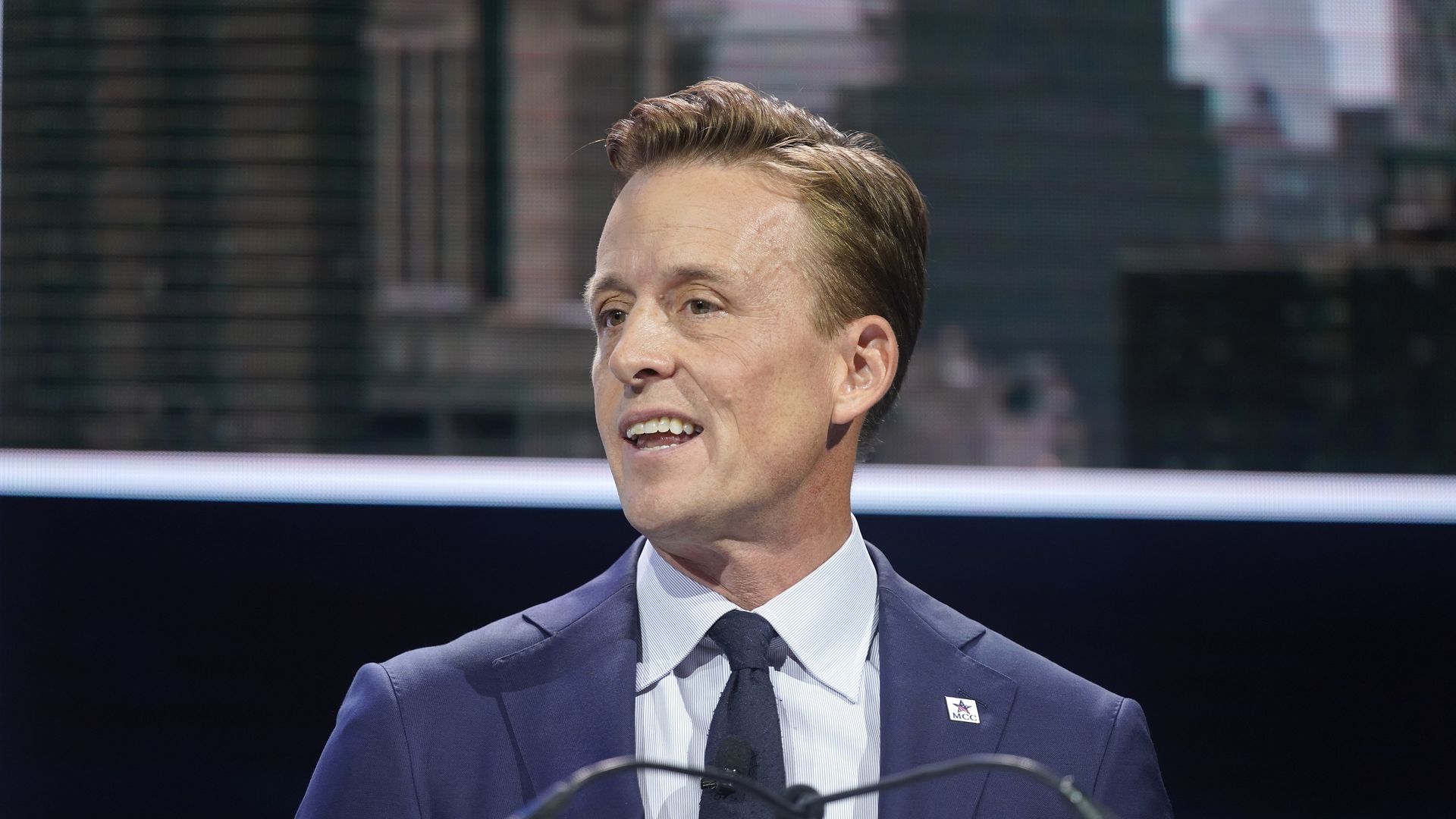
Campbell Brown, a veteran news anchor and the former head of news at Meta, has raised a $3 million seed round to co-launch a new company called Forum AI that evaluates AI models for bias and makes judgment calls about high-stakes topics.
Why it matters: Brown believes much more transparency and expertise are required to inform human-level intelligence within AI systems.
Adobe announced Tuesday it is building new AI-based assistants into its core creative apps and a plan to also allow its apps to run inside popular chatbots.
The big picture: Adobe has been working for years to show creators how generative AI can be a boon to their jobs rather than an existential threat.
Hanwha Global Defense and HavocAI are collaborating, bringing together shipbuilding and autonomy expertise they believe will shake up the defense market.
Why it matters: The previously undisclosed partnership could earn Hanwha a stronger stateside foothold and propel the production of Havoc's drone boats.
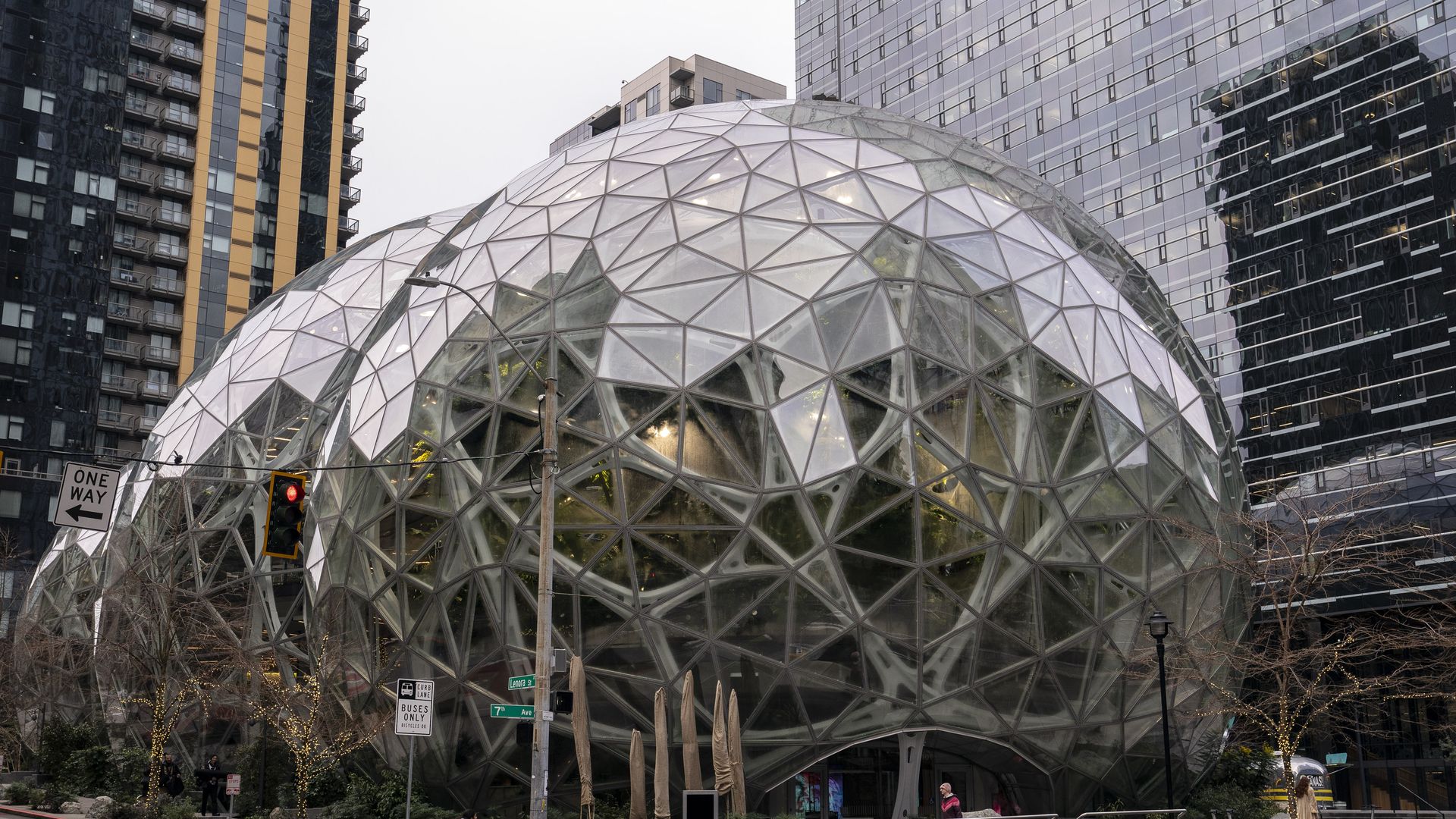
Amazon on Tuesday said it would cut 14,000 corporate roles, in an effort to thin out bureaucracy and be more flexible in an AI-driven era.
Why it matters: Big companies are starting to cut back headquarters positions in an uncertain economy, where AI is increasingly capable of supplanting many roles.
Four hours of "Morning Joe" just isn't enough for Joe Scarborough. The MSNBC host tells Axios he's launching an early-afternoon newsletter, "The Tea, Spilled by Morning Joe," for viewers who crave a lunchtime hit.
"Your newsletter in the morning really drives the day," Scarborough told me. "We thought by noon, it'd be time for another one."
Why it matters: Scarborough and Mika Brzezinski, whose show has been shaping and driving elite opinion for nearly 20 years, have expansive plans for their "Morning Joe" franchise. In addition to "The Tea," debuting today, they'll host virtual town halls where fans can quiz the cast.
As five of the Magnificent 7 report earnings this week, investors are looking for fresh ways to play the AI boom beyond those overbought Big Tech stocks.
Why it matters: Wall Street's shift of attention away from the Mag 7 is throwing a spotlight on three AI companies: Oracle, Broadcom and Palantir.
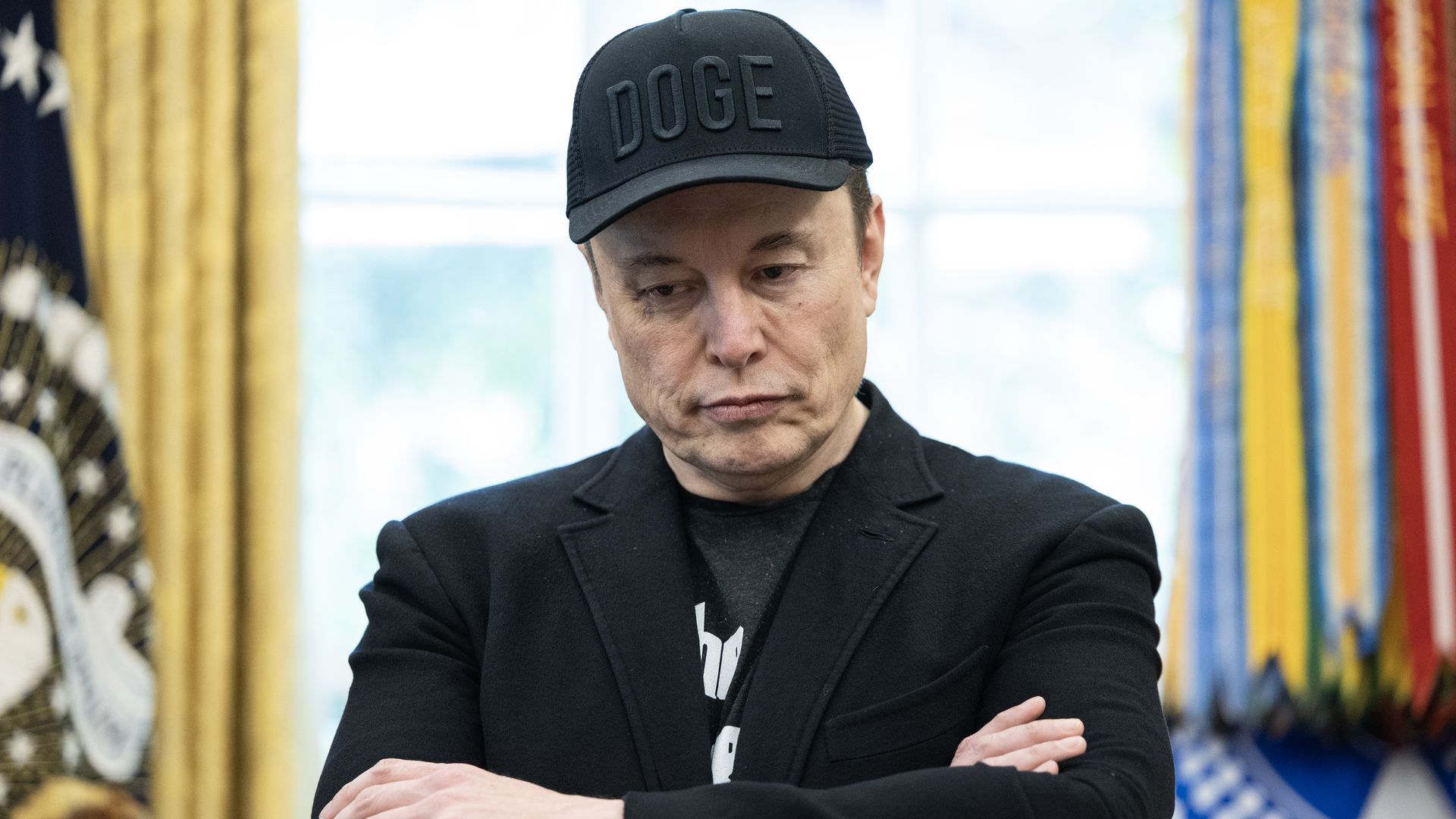
Tesla CEO Elon Musk's "polarizing and partisan actions" may have cost the EV maker over 1 million U.S. car sales, Yale researchers find in a new paper.
Why it matters: It puts huge numbers around what auto analysts and pollsters have directionally believed about the business effect of Musk's political arc.
By all accounts — even in the absence of government data — the U.S economy is growing strongly, driven by almost unfathomable levels of spending to build AI dominance.
Just one caveat: Don't bother looking for a job.
The big picture: Some of America's largest and most important employers say they don't need to hire to keep growing, as AI takes the place of many workers and drives more productivity out of others.
OpenAI's new browser, Atlas, is triggering fresh privacy and security alarms — and no one's quite sure how to navigate them.
Why it matters: Browsers are the gateway to the internet, and they're known to gobble up some of users' most sensitive information, like their passwords and credit card information.
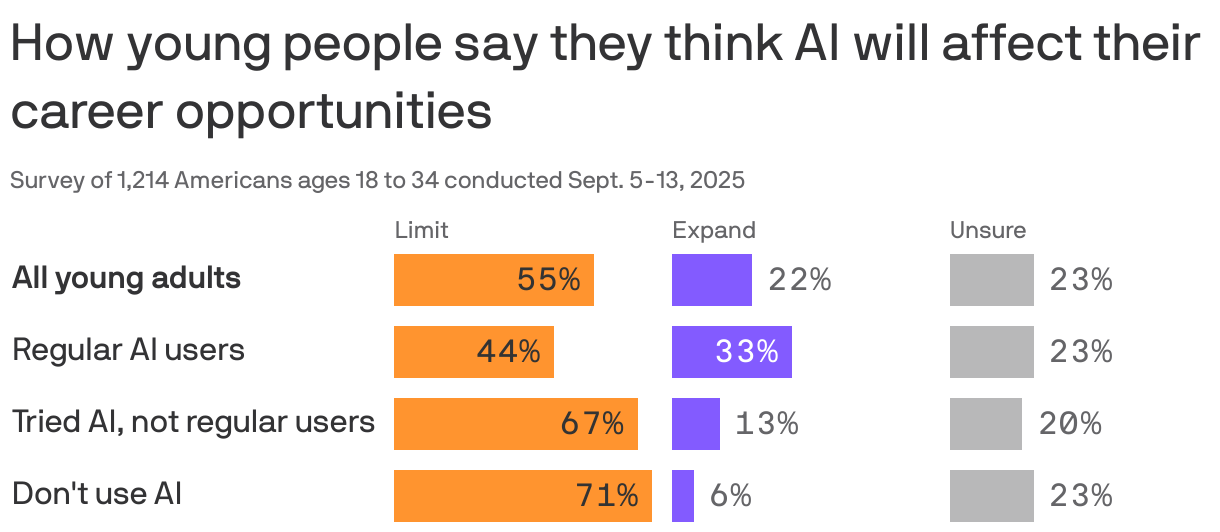
Young Americans who use AI tools regularly are more optimistic about their careers than their peers who don't, per new data from American University's Sine Institute.
Why it matters: Fear of AI may already be holding people back — and that hesitation could widen opportunity gaps.
Elon Musk's Grokipedia launched on Monday, but the encyclopedia powered by xAI's assistant Grok that's built to rival Wikipedia, crashed shortly after — leaving the site briefly inaccessible to users.
The big picture: Grokipedia was launched after Musk complained about "propaganda" on Wikipedia and, after a stuttering start, it was live late Monday evening with nearly 900,000 articles available, according to the homepage.