Thursday's technology stories

Democrats fume at DOGE's "surprise attacks" on their districts
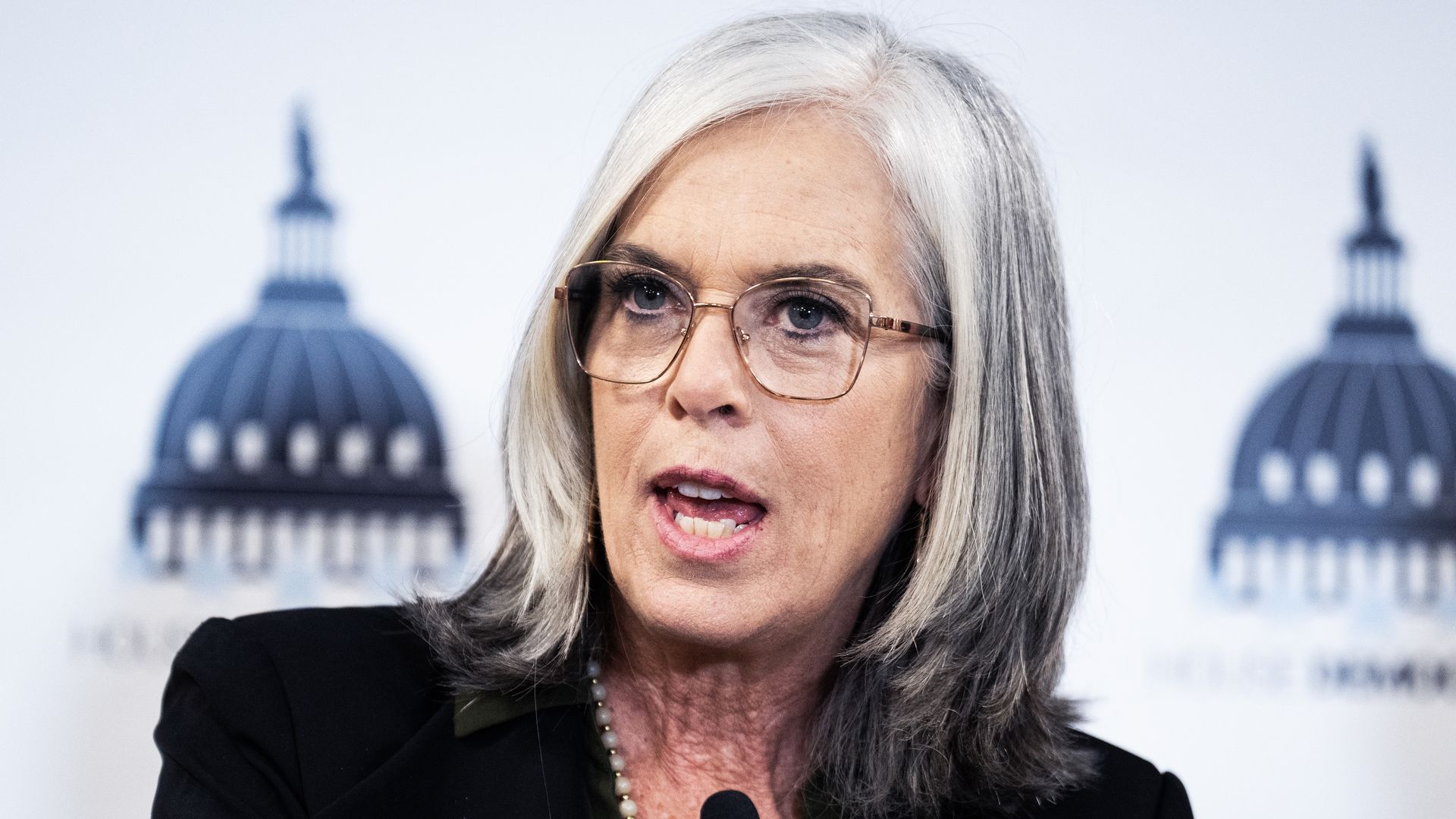
House Democrats are homing in on a new attack against DOGE at their annual retreat: That they don't even get a heads up about cuts that will clobber their constituents.
Why it matters: Republicans have been able to work back-channels to get cuts in their districts rolled back, but Democrats don't have the same privilege, as Axios previously reported.

Elon Musk pays a visit to the National Security Agency
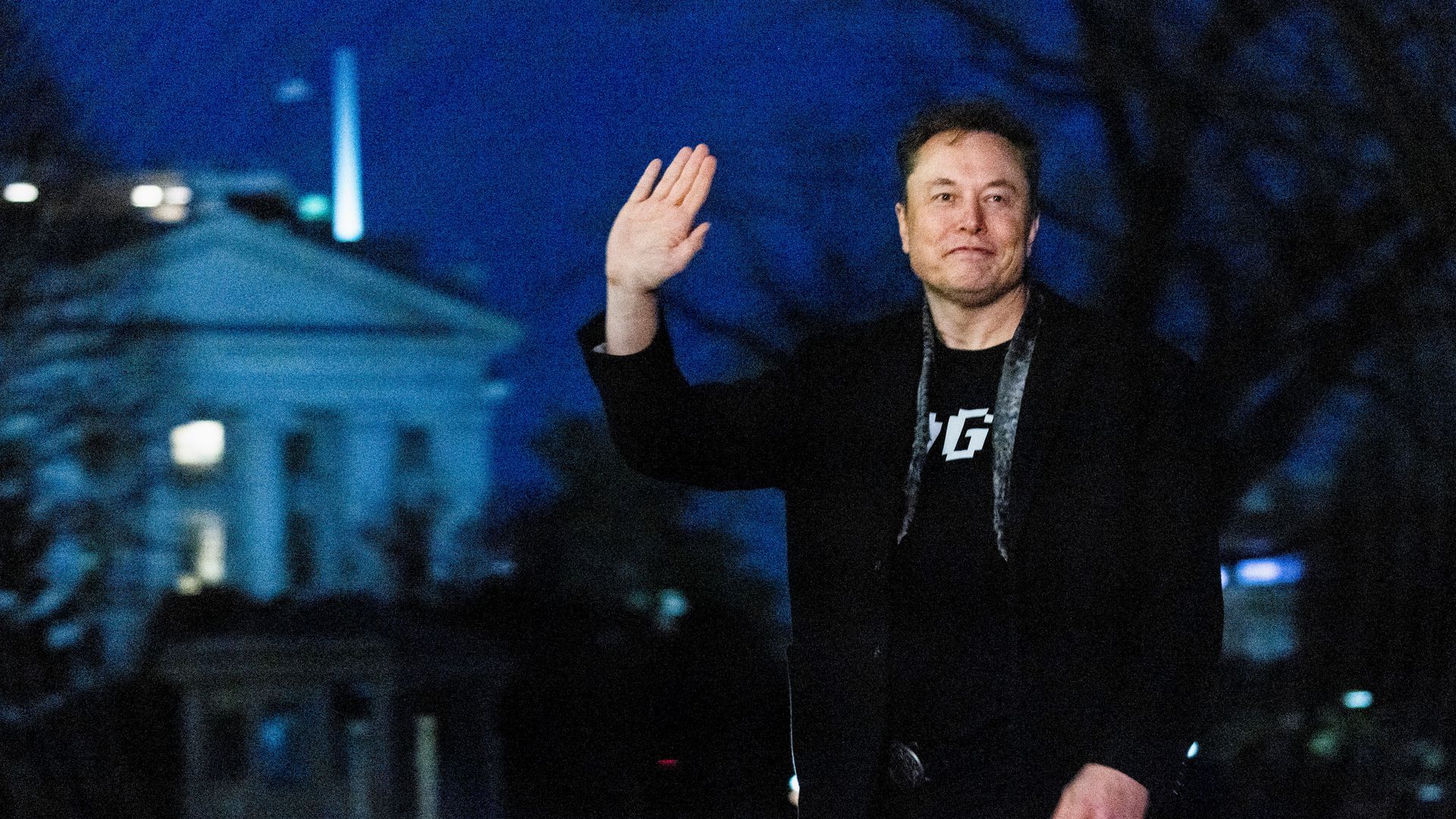
Elon Musk visited the National Security Agency on Wednesday and met with NSA chief Gen. Timothy Haugh, an agency spokesperson confirmed to Axios.
Why it matters: This is Musk's first recorded visit to an intelligence agency as a special adviser to the president. The visit came a week after Musk called for an overhaul at the agency.

Cancel culture fades as controversial celebrities and politicians bounce back

"Cancel culture has been canceled." That's what DOGE leader Elon Musk posted on X in December.
Why it matters: The resurgence of once-exiled celebrities and public figures signals that large-scale cancellations could be over.
Dissecting the "go direct" communications debate

The "go direct" strategy — skirting intermediaries like the media to get out a message — remains largely misunderstood and is leading to major debates within the communications industry.
Why it matters: The evolving media landscape and continued audience splintering make going direct an effective strategy that's possible for some but unattainable for most.


FTC backtracks on claim that it lacks resources for Amazon case

The Federal Trade Commission yesterday asked a court for extra time before proceeding on a case against Amazon, claiming its resources are too constrained, before reversing course just hours later.
Why it matters: This suggests that the FTC may struggle to meet its responsibilities, including enforcing antitrust law, or at least could become more selective.
Catch up quick: The FTC in 2023 sued Amazon for allegedly enrolling customers in its Prime program without consent and making it difficult to cancel subscriptions. In short, a deceptive practices case, as Axios' Ashley Gold and I report.
- Yesterday, an FTC attorney named Jonathan Cohen told the judge overseeing the case: "Our resource constraints are severe and really unique to this moment. We have lost employees in the agency, in our division and on the case team."
- Later in the case, after media coverage of Cohen's request for a trial delay, he fell on his sword, saying: "The commission does not have resource constraints and we are fully prepared to litigate this case."
Behind the scenes: A senior FTC official tells Axios that Cohen was "going rogue," and that his supervisors were unaware of his delay request before it was made. The agency is said to be investigating what happened.
- At the same time, however, the FTC — which already had a reputation for being under-resourced — has lost some personnel from DOGE's "fork in the road" resignation offer and cut a dozen staffers on its own.
- It's unclear if DOGE itself has been inside the FTC, but Elon Musk has directed FTC staff to soon move into USAID offices, while also rendering government-issued credit cards ineffective.
The bottom line: Trump's FTC is widely expected to keep Big Tech's feet to the fire, including by continuing to pursue its case against Microsoft, so this episode likely reflects internal strife more than a directional change.

Exclusive: Databricks teams with Palantir on sales push

Databricks and Palantir are joining forces to make it easier and cheaper for government customers to use both firms' technologies, the companies tell Axios.
Why it matters: The partnership comes as the Trump administration and Elon Musk's DOGE team are reportedly searching for ways to use AI to reduce government waste.
Axios interview: Chris Lehane on OpenAI's policy strategy for new Trump era

OpenAI's chief global affairs officer Chris Lehane told Axios in an interview this week that it's time to accelerate AI policy for the Trump era two years after ChatGPT exploded onto the scene.
Why it matters: For top AI companies, the policy message has shifted from begging for regulation and warning of dangers to projecting confidence about the policies needed to keep growing and beat China in the AI race.


Tesla turmoil ignites political proxy war
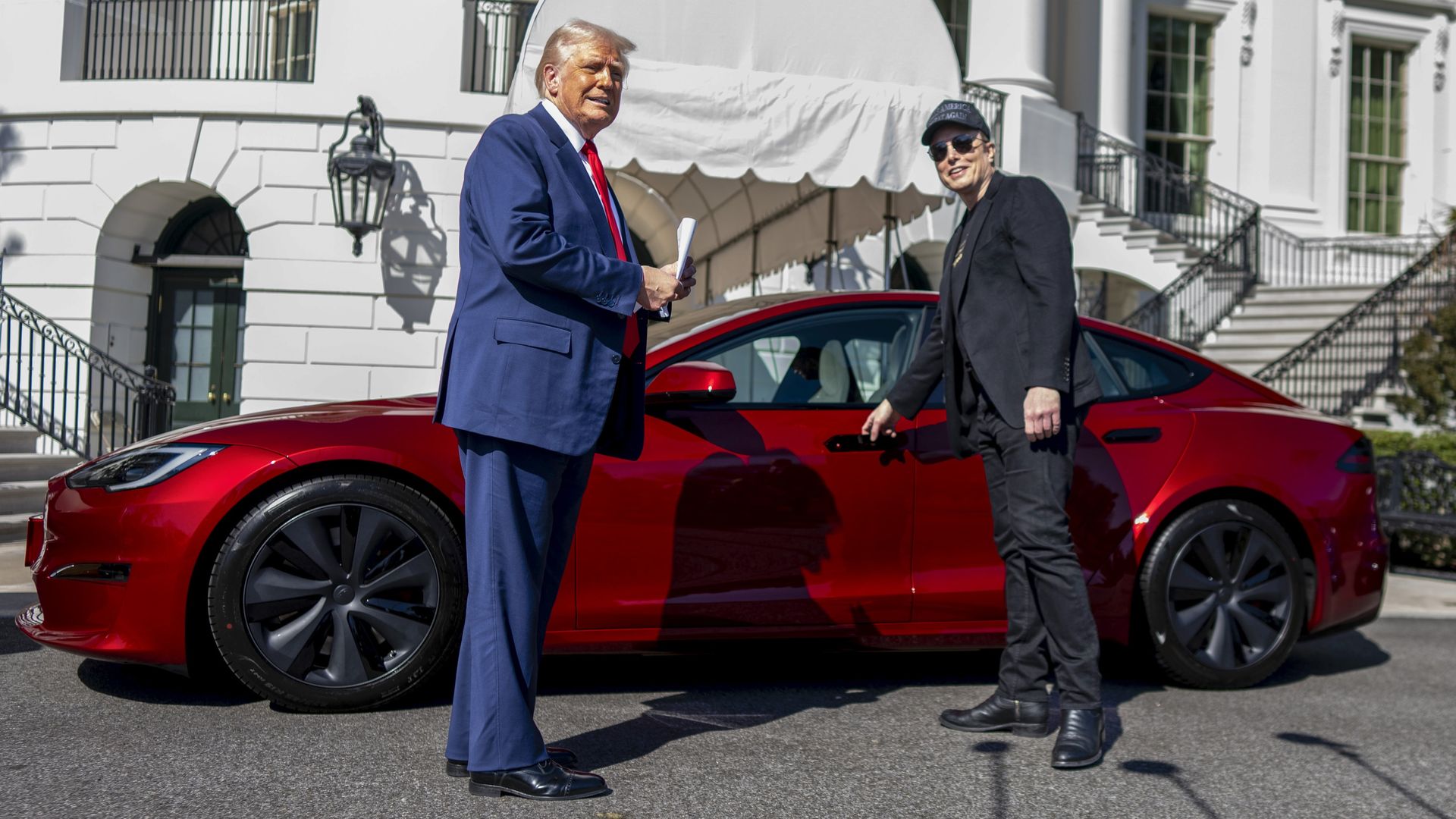
President Trump's public intervention on behalf of Tesla marks the most extraordinary chapter yet in the partisan war over America's preeminent electric vehicle brand.
Why it matters: Elon Musk's assault on the federal government has supercharged Tesla's evolution from liberal status symbol to pride-of-MAGA protectorate. The company's stock has taken a beating along the way.

AI's creative block
/2025/03/12/1741823865941.gif?w=3840)
Tech evangelists predict the arrival of "superintelligence" any year now, but others doubt AI will ever produce its own Leonardos and Einsteins.
Driving the news: In a post on X Tuesday, OpenAI CEO Sam Altman touted the company's development of "a new model that is good at creative writing" and showed off its work — a thousand-word "metafictional" composition on "AI and grief."

Axios Event: Consumers turn to social media and influencers for product recommendations
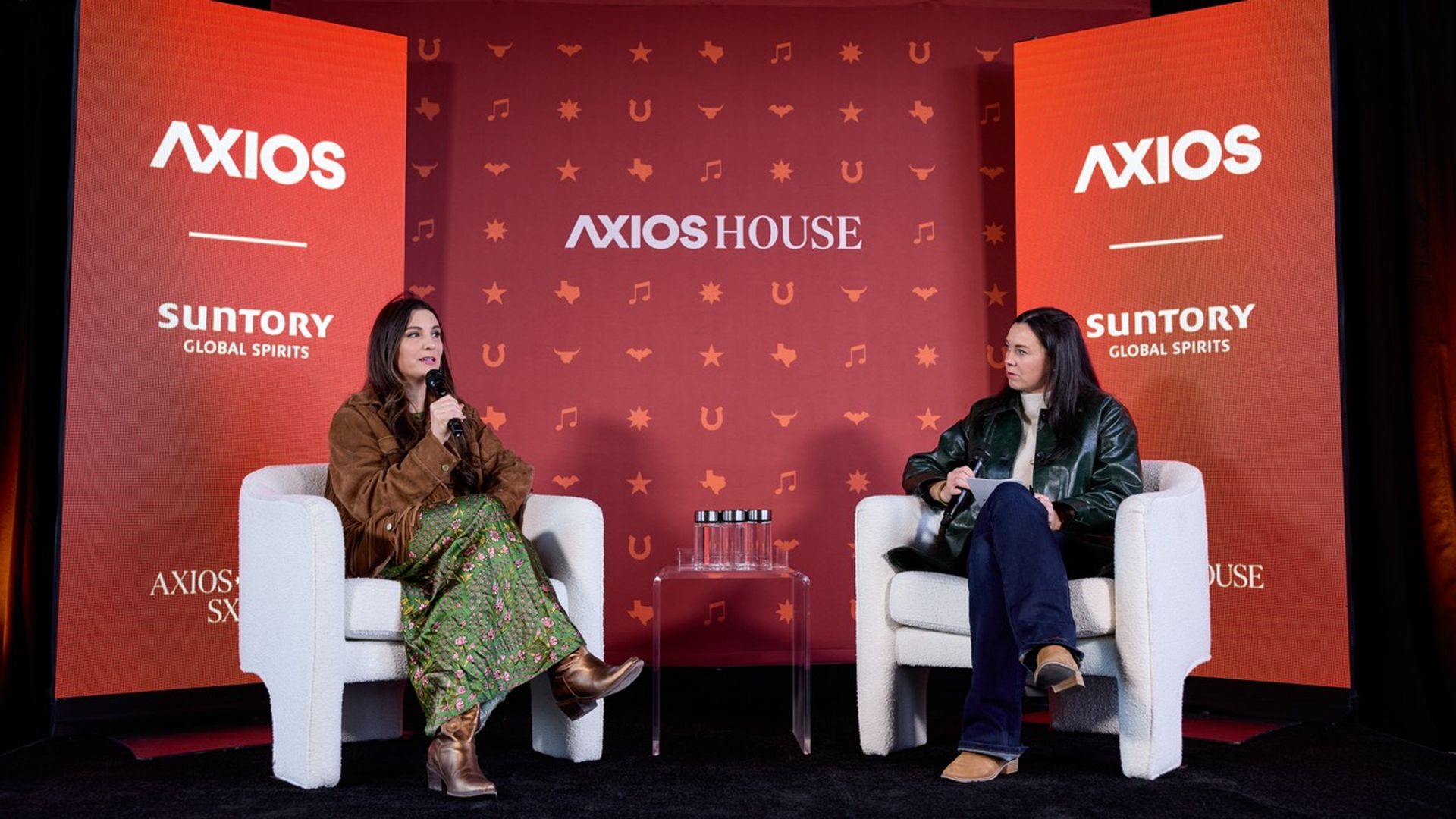
AUSTIN, Texas – Social media is redefining how consumers discover and trust products and companies, brand leaders said at a March 9 event at Axios House SXSW.
The big picture: Gone are the days of solely relying on search engines to build brand recognition and reputation. Consumers are increasingly turning to social media and influencers to determine what to trust.
Axios' Kerry Flynn, Eleanor Hawkins and Nicole Cobler moderated conversations with Bobbie chief brand officer Kim Chappell, Form co-founder Sami Bernstein Spalter, and Tecovas VP of brand marketing Samantha Fodrowski at the event, which was sponsored by Suntory Global Spirits.
What they're saying: Brands that aren't utilizing social media are "missing the boat," Chappell said.
- "Moms, especially the younger moms that we're seeing come up, are not going to Google in the way that they used to," she said. "They're actually turning to TikTok, and they're saying, 'what is the best baby formula' or 'this brand versus this brand.'"
Bobbie embraces influencer marketing but only partners with people who genuinely use the products.
- Chappell stressed the importance of sticking to the company's mission and values. When it comes to social activism, she said their customer base responds strongly to supporting causes that align with their mission.
- "People want to know that their dollar is going to something more than just a transaction," she said.
Zoom in: For influencers and brands, staying true to their identity is critical.
- "I love that quote, 'no one is you, and that is your power,'" said Spalter. "No matter how crowded a space is or no matter how saturated it can be, no one's ever going to do it the way that we do it because they're not us."
- "You can sometimes feel like looking around is going to give you inspiration to help you figure out what's next. My best philosophy is actually staying really heads down and being able to know yourself so well and check in with yourself to help decide what feels authentic to you before just doing what worked for someone else," Spalter added.
- Fodrowski said Tecovas aims to offer an authentic approach to Western fashion. "What's so nice about us being so young is we're able to be the most welcoming brand in Western, and that's what we really try to lean into," she said.
- "When we have different celebrities and musicians [who] want to wear our boots and are big fans, we love it," Fodrowski added.
Content from sponsored segment:
In a View From the Top conversation, Eric Schuetzler, Suntory Global Spirits' head of global research and development, said consumers look for authenticity and transparency about a product, such as for their ready-to-drink (RTD) bottled cocktails.
- "If you get a ready-to-drink cocktail, you don't necessarily know everything that goes into it," said Schuetzler. "The more that we're able to demonstrate and show people and tell people, this is how this cocktail is made, and it's much more convenient, and you can take it anywhere you want, and you can have the mixologist taste without the mixologist there – that's what we're trying to bring to light."
Axios Event: "Technology is at the heart of retail," enhancing personalization, says Ulta Beauty CMO
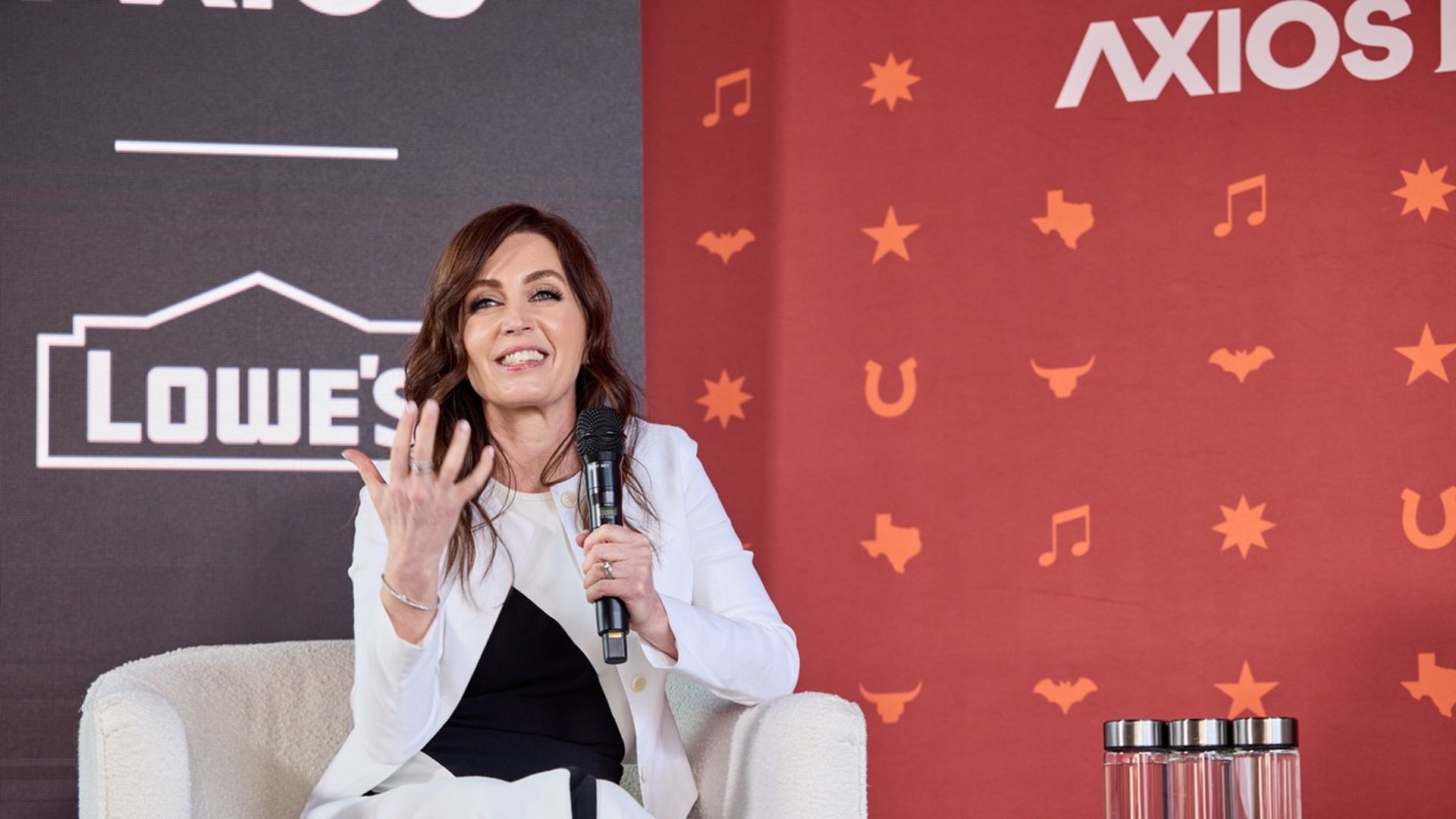
AUSTIN, Texas – AI is transforming how brands cut through the noise and engage with consumers, retail leaders said at a March 8 event at Axios House SXSW.
The big picture: As brands compete for consumer attention, more digital work, technology, in-store experiences and omnichannel strategies are expected to drive the next wave of customer engagement.
Axios' Kerry Flynn and Axios Local's Nicole Cobler moderated conversations with Ulta Beauty's chief marketing officer Kelly Mahoney; Jason Wersland, Therabody's founder and chief wellness officer; Amanda Henry, Therabody's vice president of business development and women's wellness; Olipop's CEO, co-founder and formulator Ben Goodwin; and Samsung Electronics America CMO Allison Stransky at the event sponsored by Lowe's.
What they're saying: Ulta Beauty has used AI since 2018 to enhance its data and tailor its marketing approach based on shopping habits, Mahoney said.
- "Beauty is so dynamic and beauty is very, very personal," she said. "So we were really forced early to think about how to personalize the experience because everybody's beauty experience is just so no one-size-fits-all."
Zoom in: As more brick-and-mortar stores close, technology can help physical stores stay relevant.
- Ulta Beauty is piloting LUUM Precision Lash, an automated robot that applies lashes on customers in-store.
- "We know lashes are in," Mahoney said. "But it's really tricky [to apply]. It's hard to do it. And so how can we make that experience much easier for our beauty consumers when they come in?"
- For Therabody, physical stores remain vital as competitors flood the market.
- "When you create an industry, everybody piles in," said Henry. "But then when you actually feel the products, you're like, 'OK, wow, there's a real difference.'"
How it works: Beyond selling products, Therabody is making its online store more than a marketplace.
- "It's [not just] a shopping site," Werlsand said. "You have tons of education. We have a science department. We have research in there so you can dig down if you want to as a physician, or a practitioner, or a body work or massage therapist. So we really want to make it so that when you jump on, whoever you are, you feel really at home."
- Samsung is also leveraging technology to create a seamless consumer experience with its SmartThings platform. Stransky said the platform is "product agnostic" and connects to more than 300 third-party products, allowing customers to have fully connected homes.
Separately, Goodwin highlighted the power of social media marketing to reach customers.
- "It's really cost-effective. It's a really fantastic way to have a very direct relationship with your customers."
- However, Goodwin noted that social media can disproportionately resonate with younger generations, so blending other forms of media like television helps brands have a wide-ranging audience.
Content from sponsored segment:
In a View From the Top conversation, Chandhu Nair, Lowe's senior vice president of data, artificial intelligence and innovation, said that as retail evolves, customers are looking for the convergence of the physical and digital world.
- Nair said most new homeowners are millennials who are used to having everything digitized on their phones. "As we look at all of the new technologies – whether that is generative AI, or spatial computing or augmented reality, etc.– we're trying to bring all of that to drive experiences for our customers."

Marjorie Taylor Greene calls for probe into Tesla attacks

Rep. Marjorie Taylor Greene (R-Ga.) and seven other GOP House members on Wednesday called for a "domestic terrorism" investigation into attacks against Tesla and Elon Musk.
Why it matters: #TeslaTakedown protests have largely been peaceful, but the letter from the members of Congress is an attempt to paint the entire opposition movement and Democrats as supporting violence.

Exclusive: Hightouch launches tender offer amid AI talent war
/2025/03/12/1741783526302.gif?w=3840)
Hightouch, a platform for customized marketing, has launched an employee tender offer that will value the business at $1.3 billion, it tells Axios exclusively.
Why it matters: It's not just slow IPO markets driving the recent tender offer frenzy — the AI boom is also playing a big part.
Driving the news: Stepstone and PeakXV will buy up to $30 million in common stock in the tender offer, at a step up in valuation from the $1.2 billion Hightouch netted last month from investors including Sapphire Ventures.
- Employees who have been with the business at least two years will be able to sell — lower than the typical four year requirement. Hightouch has also given employees a massive 10-year post-departure exercise window.
The big picture: This decision to offer liquidity earlier on is partly a response to the mass outcry from startup employees that — unable to cash out — had their huge paper gains in 2021 gutted.
- The other part is the heavy competition for AI talent: "We're competing against offers from OpenAI and Anthropic — and those companies have tender offers that make them look liquid," says Hightouch co-CEO Kashish Gupta.
The bottom line: Every company nowadays needs AI talent.
Google looks to give AI its arms and legs
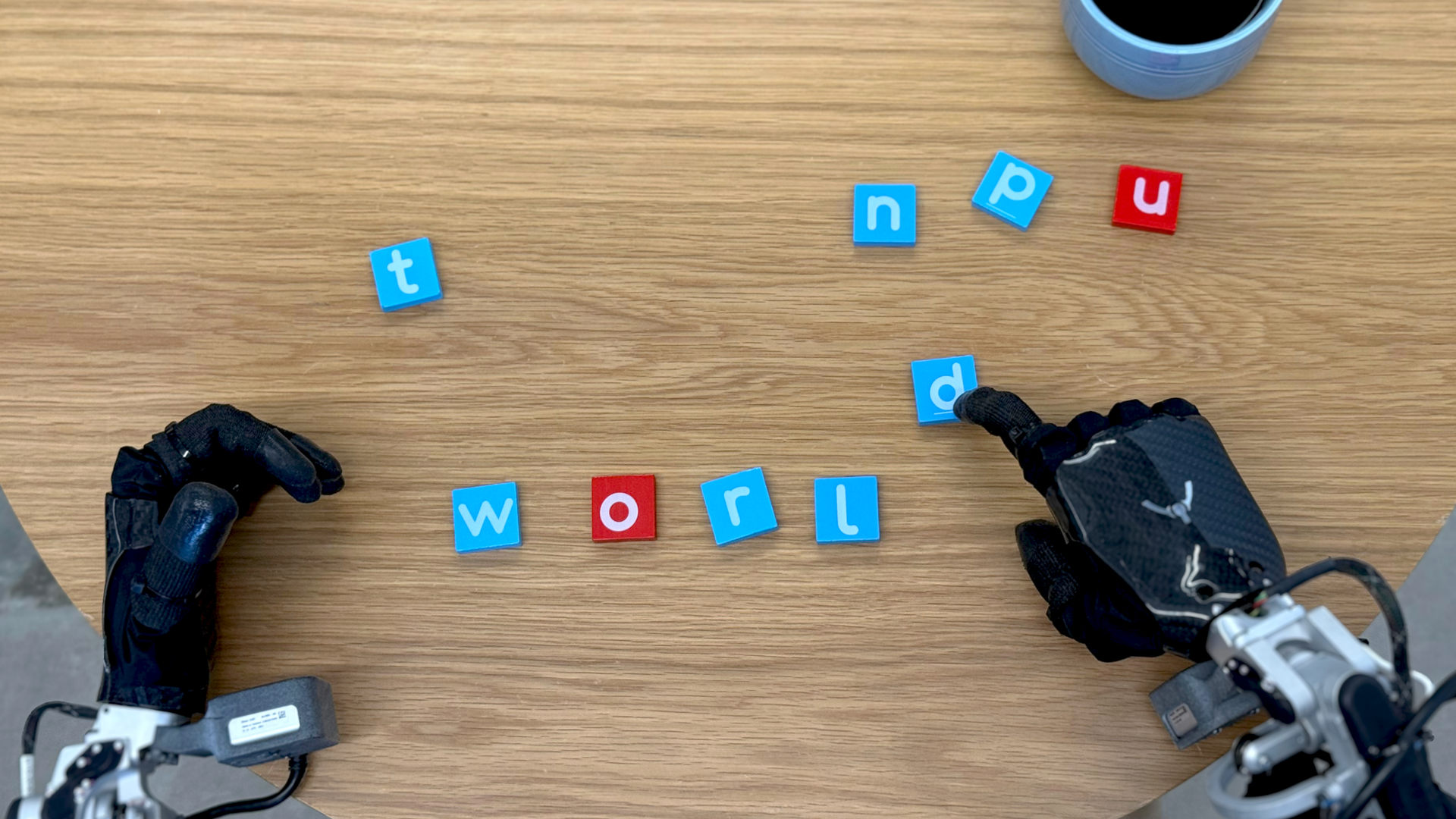
Google announced Wednesday it is bringing the broad knowledge of its Gemini large language models into the world of robotics.
Why it matters: The move could pave the way for robots that are vastly more versatile, but also opens up whole new categories of risks as AI systems take on physical capabilities.

AI is driving new energy "pragmatism," industry players say

HOUSTON — The need to power the AI revolution is the top-of-mind issue for energy CEOs and thousands of professionals at the CERAWeek by S&P Global conference here.
Why it matters: Depending on who you listen to, AI will either lead to a decades-long extension in relatively unfettered fossil fuel use or may not cause electricity demand to skyrocket as much as many assume.

Ursa Major CEO: Today's tech "revolution" is ripe for breakout companies

The future of defense is being defined by the "technical revolution taking place right now" across industry, according to Dan Jablonsky, the chief executive at rocket propulsion company Ursa Major.
- "In an area like this, when you have this much disruption, it actually allows the disruptors to break through, which I'm really excited about," he told Axios in an interview.
Why he matters: Ursa is racking up defense contracts and test flights. It's also playing alongside some of the biggest names, like RTX.

Axios interview: John Roese on Dell's federal AI push

John Roese, Dell's global chief technology officer and chief AI officer, told Axios during a Washington visit Tuesday that the federal government's AI adoption is poised to speed up in part because of success cases in business.
Why it matters: "Nobody in the government wants to be the bleeding-edge, first adopter of a technology — that's pretty risky," he said.
Exclusive: Arlington Capital's GRVTY breaks cover in cyber and intel race

There's a new defense contractor in town, supported by the same investment firm that's selling BlueHalo to AeroVironment.
The big picture: Arlington Capital Partners this week unveiled GRVTY, which specializes in signals and geospatial intelligence as well as cyber.
How Lockheed is thinking through Trump's Golden Dome demand

Lockheed Martin is eyeing everything from its command-and-control networks to its F-35 stealth fighter to its Sentinel A4 radar for Golden Dome, the rebranded missile shield sought by President Trump.
Why it matters: "In terms of importance for the defense of the nation, it's similar to the Manhattan Project," Frank St. John, the company's chief operating officer, said in an interview.
- A key difference between past and future, though, is the "wide array" of existing, deployed equipment that will "form the basis," he said.
Palantir's AI-fueled TITAN trucks are rolling into U.S. Army hands

The U.S. Army now has in hand a few Tactical Intelligence Targeting Access Nodes, state-of-the-art trucks that promise to streamline the battlefield process of spotting, tracking and blasting.
Why it matters: The program — years in the making, but also on time and budget — is critical to the Defense Department's connect-everything-everywhere dream of Combined Joint All-Domain Command and Control.
- It also supports two of the Army's biggest ambitions: deep sensing and long-range precision fires, or the ability to find, shoot and kill more accurately from farther away.

AI failed to detect critical health conditions: study

AI systems designed to predict the likelihood of a hospitalized patient dying largely aren't detecting worsening health conditions, a new study found.
Why it matters: Some machine learning models trained exclusively on existing patient data didn't recognize about 66% of injuries that could lead to patient death in the hospital, according to the research published in Nature's Communications Medicine journal.
MAGA's antisemitism divide

Antisemitic conspiracy theories are flooding America's most popular pro-Trump podcasts, exposing deep political and moral fissures at the heart of the new MAGA coalition.
Why it matters: At a moment of record-high antisemitism in the U.S., an astonishing split screen has emerged between the Trump administration and prominent influencers that reliably spread MAGA's message.

Republicans' "not-in-my-backyard" strategy on DOGE cuts

As Elon Musk's slash-and-burn budget cuts hit Republican and Democratic areas alike, some GOP lawmakers are privately back-channeling with the Trump administration to try to shield their constituents from the fallout.
Why it matters: Republicans have largely cheered on DOGE in public — but behind the scenes, many of President Trump's allies fear potential political backlash to the cuts, and are scrambling to limit the damage.

Musk plans to give Trump's political operation $100 million

Elon Musk has told the White House he plans to give $100 million to President Trump's political operation, according to a person familiar with his plans.
Why it matters: The contribution is unheard of in both amount and type: Musk, who is technically a special government employee, is the world's richest person.