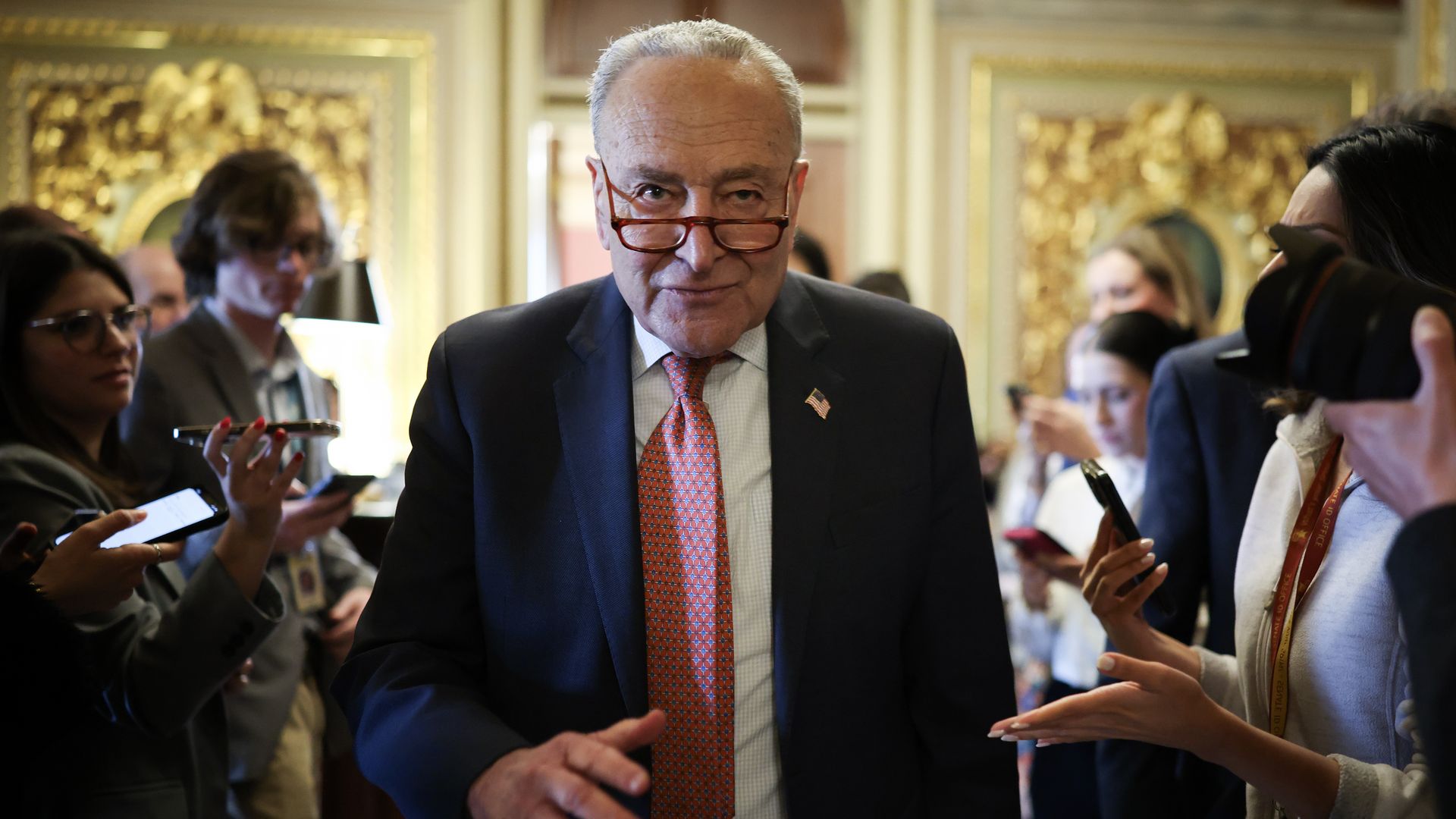
Ten Senate Democrats joined with the Republican majority in voting to move forward with a stopgap spending bill Friday — clearing the path to avoid a government shutdown.
Why it matters: Minority Leader Chuck Schumer (D-N.Y.) is facing outrage from his party, including House leadership, over his decision to vote for the bill. Many Democrats wanted to force a shutdown to protest President Trump and Elon Musk's sweeping federal spending cuts.
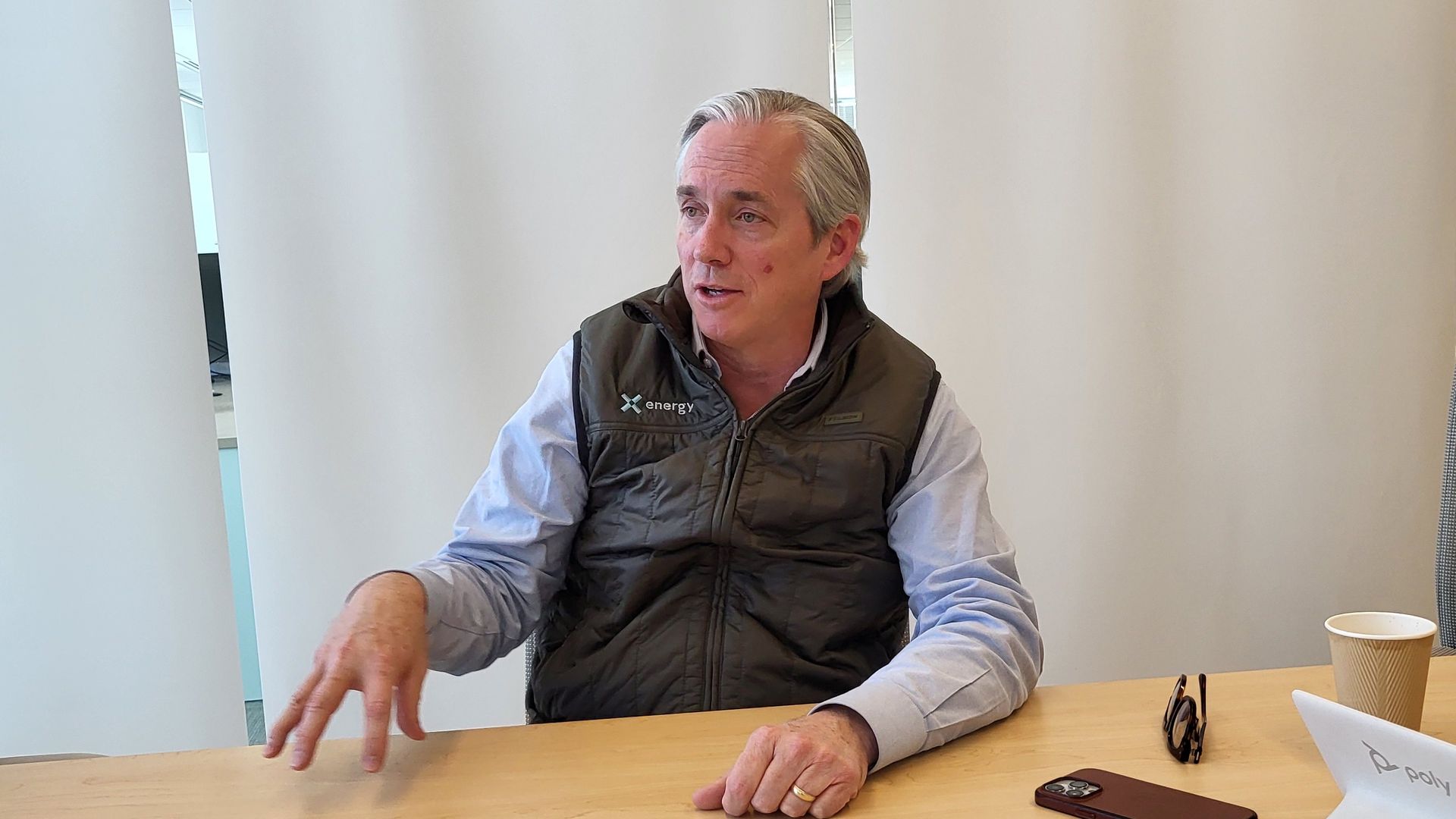
HOUSTON — The small modular reactor startup X-energy's work with Amazon to deploy the technology won't be its only tie-up with a major tech player, CEO Clay Sell said.
"There's more to come," he said in an interview Thursday on CERAWeek by S&P Global's sidelines.
Hackers already have the AI tools needed to create the adaptable, destructive malware that security experts fear. But as long as their basic tactics — phishing, scams and ransomware — continue to work, they have little reason to use them.
Why it matters: Adversaries can flip that switch anytime, and companies need to prepare now.
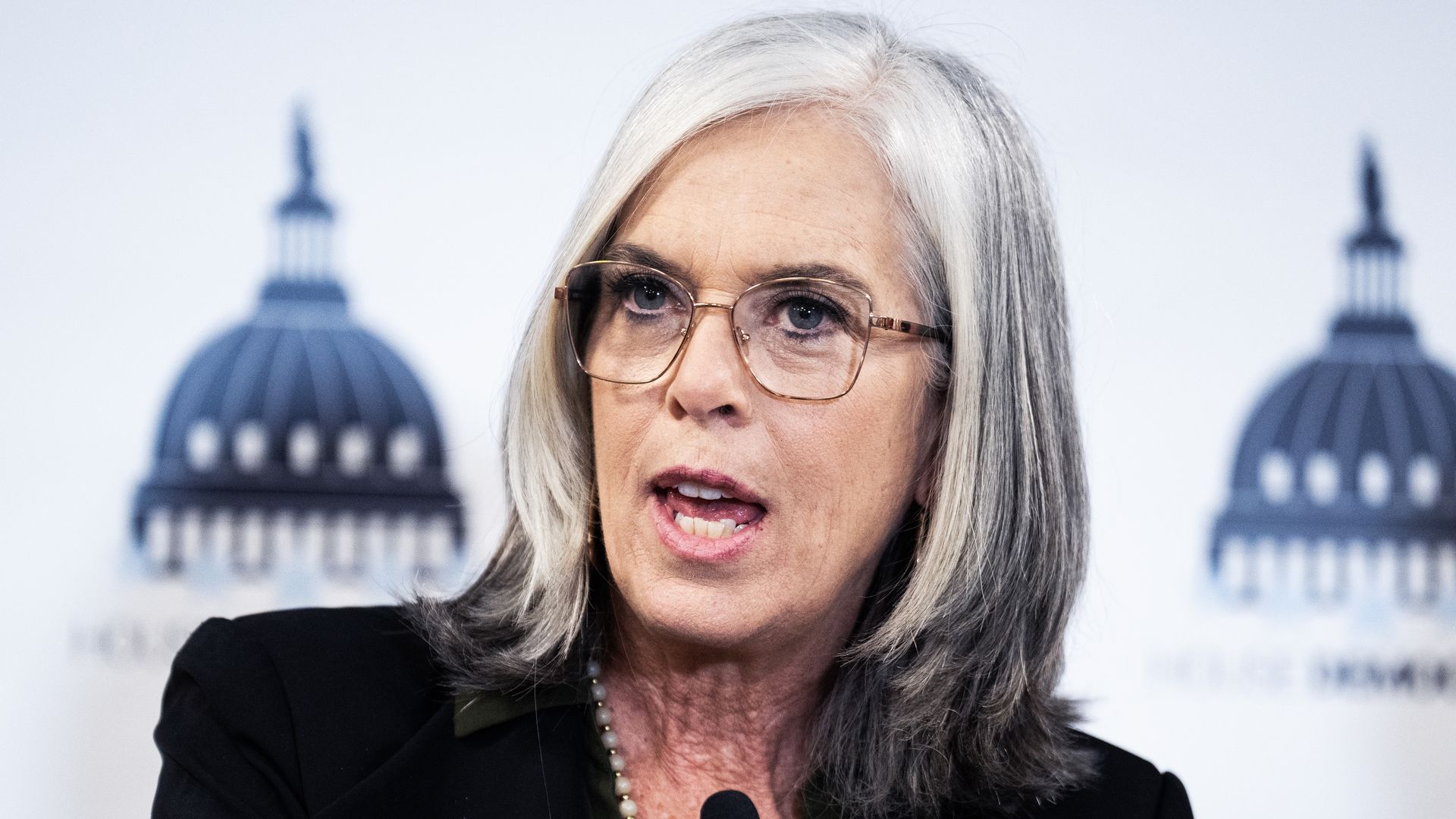
House Democrats are homing in on a new attack against DOGE at their annual retreat: That they don't even get a heads up about cuts that will clobber their constituents.
Why it matters: Republicans have been able to work back-channels to get cuts in their districts rolled back, but Democrats don't have the same privilege, as Axios previously reported.
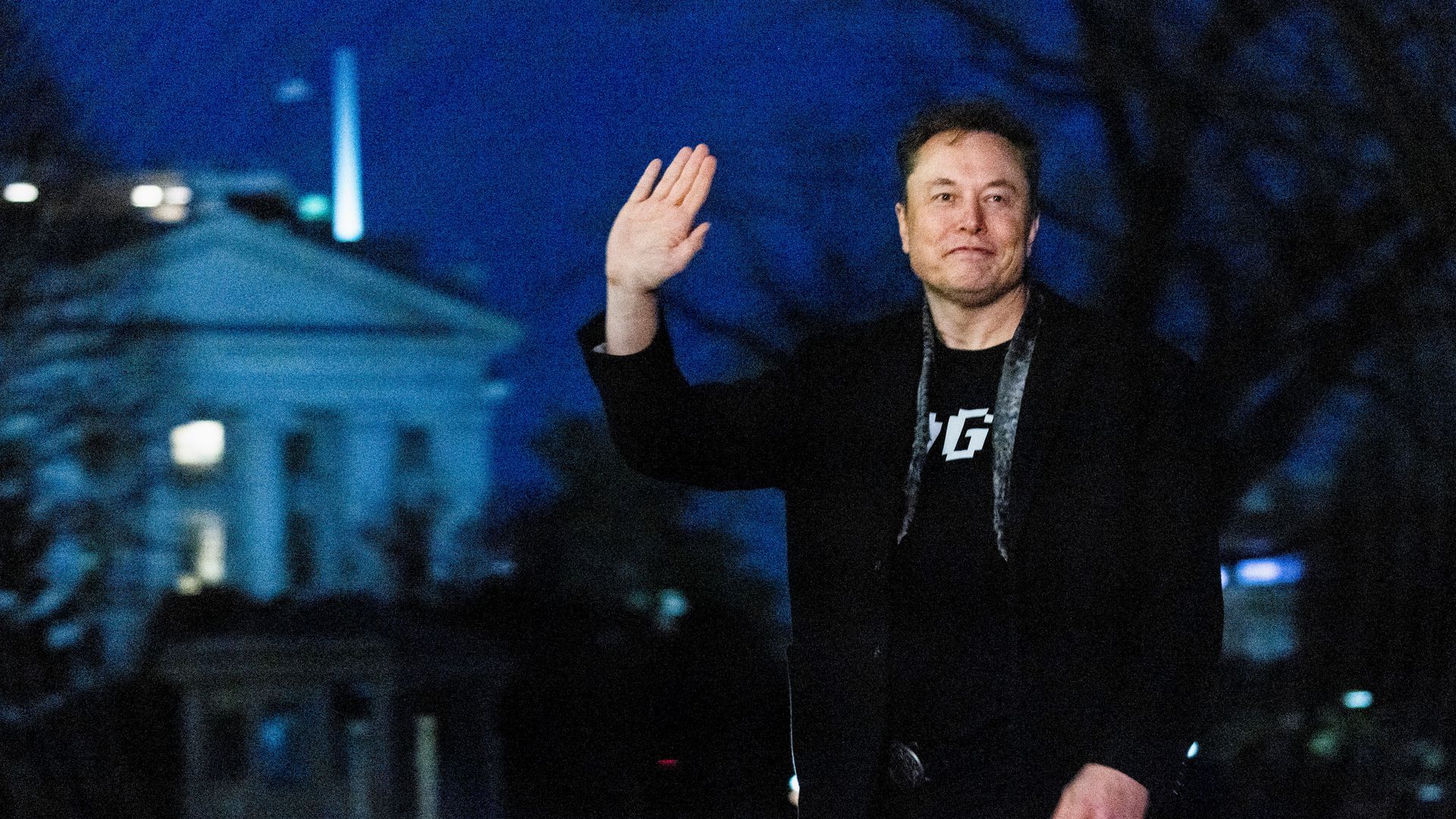
Elon Musk visited the National Security Agency on Wednesday and met with NSA chief Gen. Timothy Haugh, an agency spokesperson confirmed to Axios.
Why it matters: This is Musk's first recorded visit to an intelligence agency as a special adviser to the president. The visit came a week after Musk called for an overhaul at the agency.
The "go direct" strategy — skirting intermediaries like the media to get out a message — remains largely misunderstood and is leading to major debates within the communications industry.
Why it matters: The evolving media landscape and continued audience splintering make going direct an effective strategy that's possible for some but unattainable for most.
The Federal Trade Commission yesterday asked a court for extra time before proceeding on a case against Amazon, claiming its resources are too constrained, before reversing course just hours later.
Why it matters: This suggests that the FTC may struggle to meet its responsibilities, including enforcing antitrust law, or at least could become more selective.
Catch up quick: The FTC in 2023 sued Amazon for allegedly enrolling customers in its Prime program without consent and making it difficult to cancel subscriptions. In short, a deceptive practices case, as Axios' Ashley Gold and I report.
Yesterday, an FTC attorney named Jonathan Cohen told the judge overseeing the case: "Our resource constraints are severe and really unique to this moment. We have lost employees in the agency, in our division and on the case team."
Later in the case, after media coverage of Cohen's request for a trial delay, he fell on his sword, saying: "The commission does not have resource constraints and we are fully prepared to litigate this case."
Behind the scenes: A senior FTC official tells Axios that Cohen was "going rogue," and that his supervisors were unaware of his delay request before it was made. The agency is said to be investigating what happened.
At the same time, however, the FTC — which already had a reputation for being under-resourced — has lost some personnel from DOGE's "fork in the road" resignation offer and cut a dozen staffers on its own.
It's unclear if DOGE itself has been inside the FTC, but Elon Musk has directed FTC staff to soon move into USAID offices, while also rendering government-issued credit cards ineffective.
The bottom line: Trump's FTC is widely expected to keep Big Tech's feet to the fire, including by continuing to pursue its case against Microsoft, so this episode likely reflects internal strife more than a directional change.
Databricks and Palantir are joining forces to make it easier and cheaper for government customers to use both firms' technologies, the companies tell Axios.
Why it matters: The partnership comes as the Trump administration and Elon Musk's DOGE team are reportedly searching for ways to use AI to reduce government waste.
OpenAI's chief global affairs officer Chris Lehane told Axios in an interview this week that it's time to accelerate AI policy for the Trump era two years after ChatGPT exploded onto the scene.
Why it matters: For top AI companies, the policy message has shifted from begging for regulation and warning of dangers to projecting confidence about the policies needed to keep growing and beat China in the AI race.
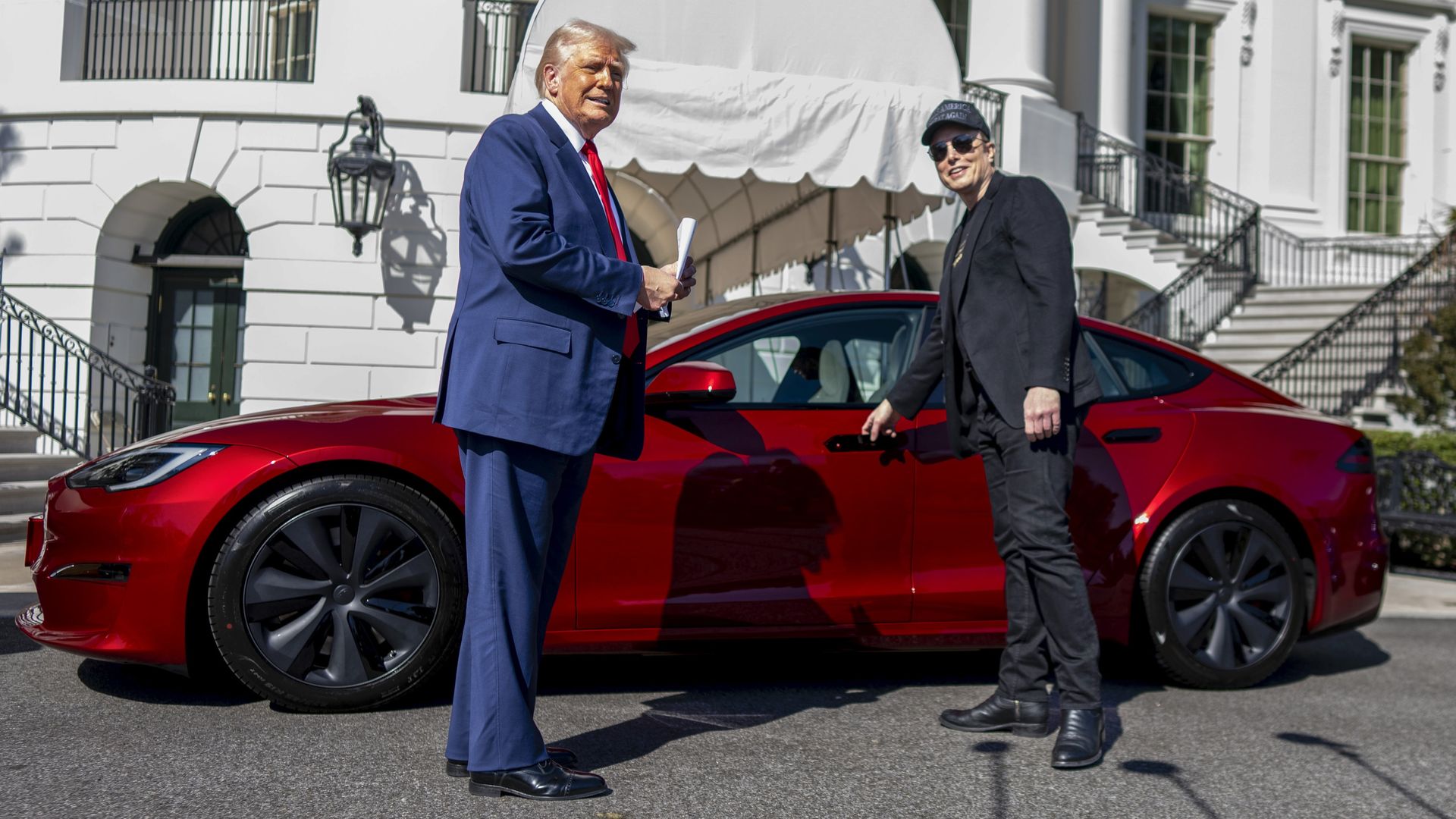
President Trump's public intervention on behalf of Tesla marks the most extraordinary chapter yet in the partisan war over America's preeminent electric vehicle brand.
Why it matters: Elon Musk's assault on the federal government has supercharged Tesla's evolution from liberal status symbol to pride-of-MAGA protectorate. The company's stock has taken a beating along the way.
Tech evangelists predict the arrival of "superintelligence" any year now, but others doubt AI will ever produce its own Leonardos and Einsteins.
Driving the news: In a post on X Tuesday, OpenAI CEO Sam Altman touted the company's development of "a new model that is good at creative writing" and showed off its work — a thousand-word "metafictional" composition on "AI and grief."

















/2025/03/12/1741823865941.gif?w=3840)