Democratic lawmakers are raising alarms about the security implications of Elon Musk's DOGE team's potentially unsanctioned access to sensitive government databases.
Why it matters: Several questions remain about the legality of the Department of Government Efficiency's work, including whether the staffers had proper security clearances and if their work violated federal privacy laws.
Google said on Wednesday it is ending its goal to boost its ranks of people from historically underrepresented groups and will also review its other diversity efforts as it looks to comply with various Trump Administration rules for government contractors.
Why it matters: The move follows a similar push from rival Meta, though that company has also loosened its restrictions on hate speech and taken other moves to roll back inclusion efforts.
Verizon's 2024 Consumer Connections Report reveals how Americans are embracing connectivity like never before, using digital tools to enhance experiences, simplify routines and ensure security.
Apple this week introduced the Apple Invites app to iPhone users with iCloud+ subscriptions, allowing them to create and share custom invitations that anyone can RSVP to, even if they don't have an Apple account or device.
Why it matters: With Apple Invites, the company further encourages its users to remain within the Apple ecosystem, reducing the need to flock to RSVP sites like Eventbrite, Evite and Partiful while driving subscriptions to its products.
Neil Jacobs, the new nominee to lead NOAA, faces different challenges compared to his stint as acting NOAA boss during Trump 1.0. Then, he was ensnared in the "Sharpiegate" scandal.
Why it matters: NOAA's work affects Americans daily, from weather forecasting and alerts to ensuring safe navigation in coastal waters.
Drone-boat maker Seasats plans to hire more people and expand its overseas sales on the heels of a $10 million funding round.
Why it matters: From monitoring U.S. borders to mapping oil spills to sinking Russian ships in the Black Sea, demand for autonomous vessels is soaring.
The cross-country chatter these past weeks, at the Surface Navy Association conference and at WEST, proves one thing: The unmanned obsession is very real inside the U.S. Navy.
Why it matters: Look at Ukraine and the Black Sea beatings it hands out. Look at the Red Sea and Houthi persistence. Look at the Pentagon's J-books, the online think pieces and where elite units are splurging.
The future — mechanical, intelligent, overwhelming — is today smacking us in the face.
As part of their effort to streamline government, Elon Musk and his Department of Government Efficiency have proposed using artificial intelligence to identify waste and fraud, but those efforts have been secretive to date.
The big picture: It's almost impossible to introduce AI successfully overnight — and the less carefully and transparently it's rolled out, the more likely it is to go awry.
Nearly every computer system draws a line between the right to look at files and the right to change them — but till now, the details barely mattered to most non-programmers.
The big picture: The early days of Trump's second administration — as Elon Musk and his Department of Government Efficiency (DOGE) crew execute a hostile takeover of the federal government's digital infrastructure — are giving Washington a crash course in the importance of system permissions.
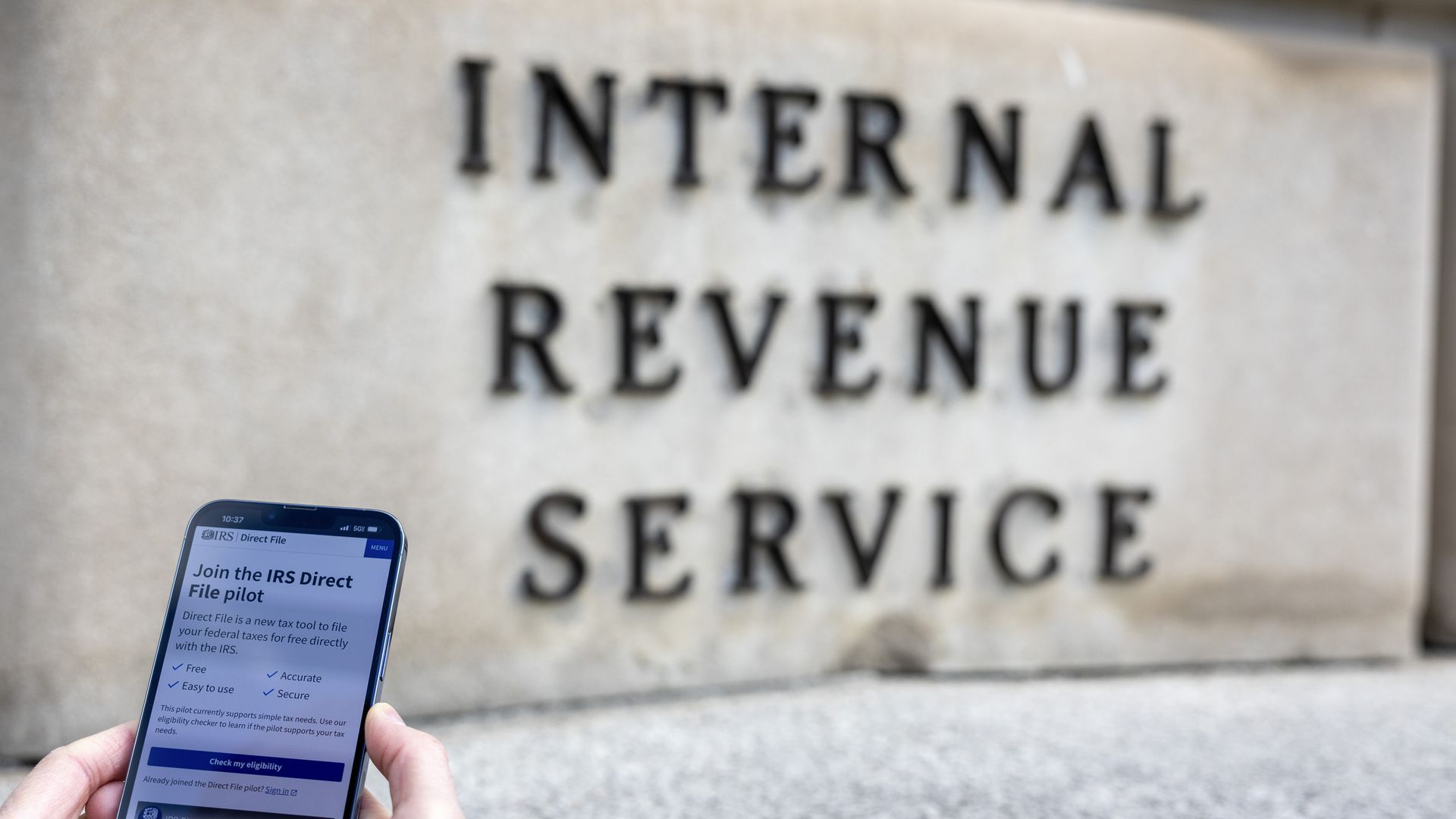
Why it matters: There's been some confusion on the status of the free online tax-filing program after Elon Musk posted on X Monday that he had "deleted" 18F, a government technology group behind the IRS Direct File program.
The California State University (CSU) system is introducing OpenAI's ChatGPT Edu — a version of ChatGPT customized for educational institutions — to more than 460,000 students and over 63,000 staff and faculty across its 23 campuses.
Why it matters: ChatGPT is already transforming higher ed, giving students more access to professors' expertise and boosting efficiency, but many are still cautious about genAI's long-term effects on learning.
Company IT teams know employees are using AI tools without approval — and they're racing to protect their networks.
Why it matters: Cybersecurity vendors are making shadow AI a priority this year, rolling out new tools to tackle a problem that's surprisingly straightforward to mitigate.
👀 Karen Evans, a former Energy Department cyber official during the first Trump administration, has joined the Cybersecurity and Infrastructure Security Agency as a senior adviser in its cybersecurity division. (Nextgov)
⏮️ Republicans have started backing away from previous attacks and threats against CISA. (Washington Post)
⚠️ A 25-year-old engineer who previously worked for two Elon Musk companies now has admin privileges, including the ability to write code, for the Treasury Department system responsible for nearly all payments made to the U.S. government. (Wired)
@ Industry
🤝 Sophos has completed its $859 million acquisition of Secureworks. (Cybersecurity Dive)
A phishing campaign that's gone undetected for at least six years is targeting customers of Microsoft's legacy single sign-on application, according to a new report from Abnormal Security, exclusively shared with Axios.
Why it matters: The campaign has targeted more than 150 organizations across education, healthcare, government and technology sectors, and it relies on social engineering rather than a patchable security flaw.
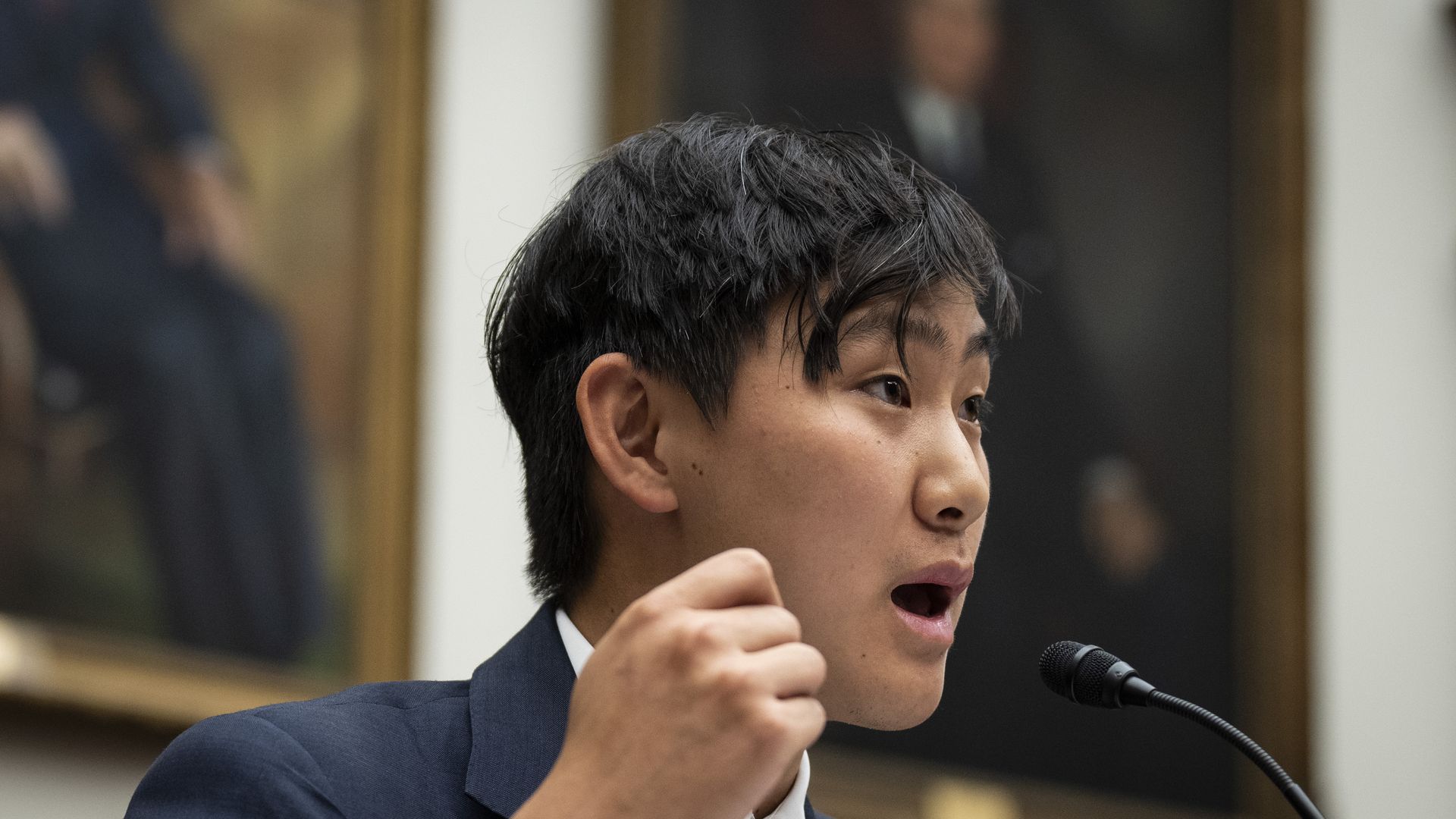
Scale AI CEO and founder Alexandr Wang is heading to Washington Tuesday and Wednesday for meetings with lawmakers and Trump administration officials to discuss China's AI threat to America, sources confirmed to Axios.
Why it matters: Wang made global headlines last month when he said DeepSeek, an open-source AI model that was built with barely any capital, showed that China has caught up with the U.S. in AI.
Oura is planning to deliver health insights to its customers using AI that runs locally on the smartphones of owners of its smart rings.
Why it matters: By running its models on the phone rather than relying on a cloud-based service, Oura CEO Tom Hale tells Axios it can better protect customers' privacy.

/2025/02/05/1738787042556.gif?w=3840)