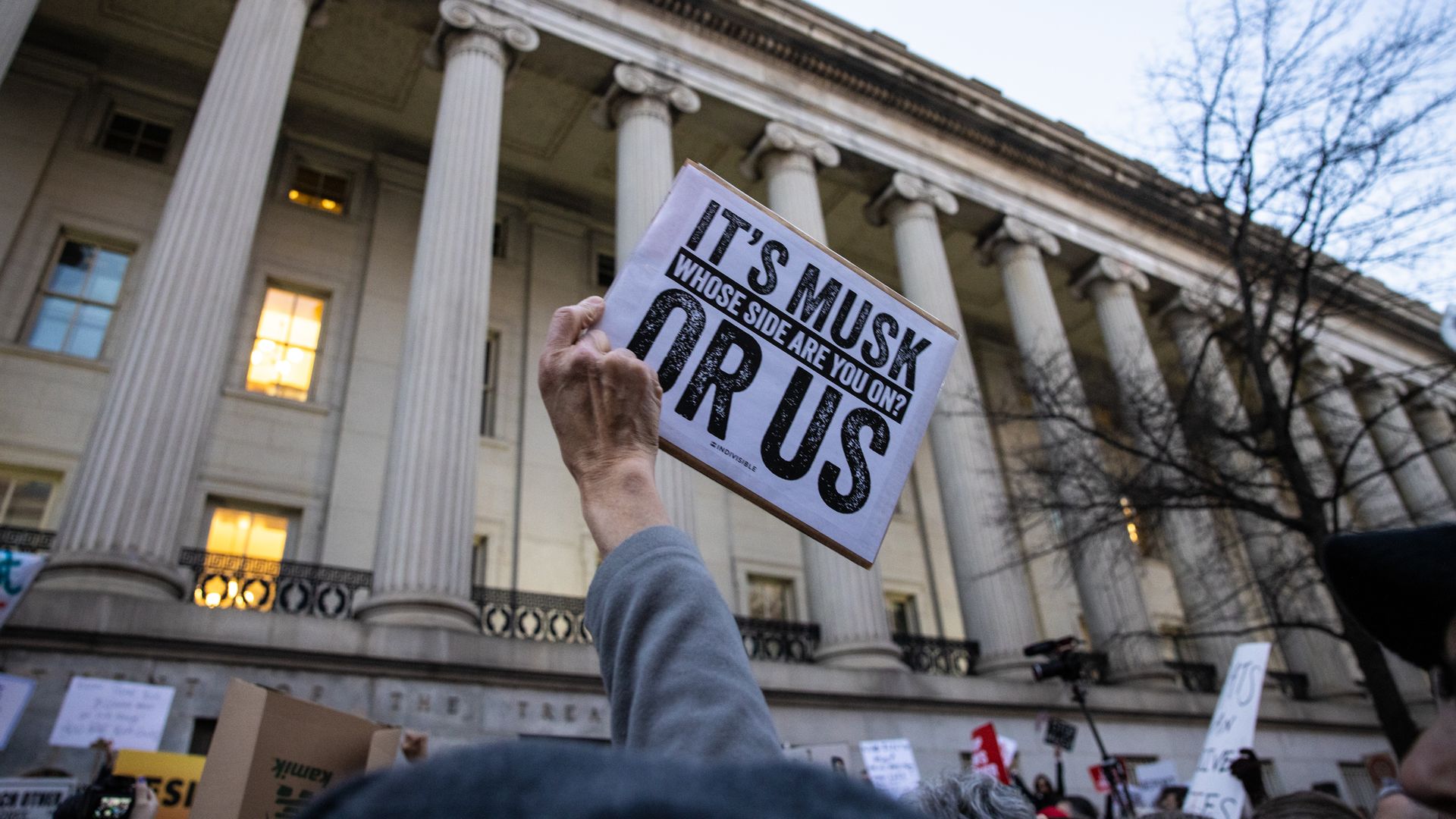
For the past week, Americans have been bombarded with reports of Elon Musk and his team of 20-something IT workers allegedly gaining access to sensitive government systems.
Reality check: The speed at which the Department of Government Efficiency is moving is not normal. Many of these actions likely violate federal privacy and security laws.
For cybersecurity pros, a perfect Super Bowl performance this weekend means stopping hackers before they ever reach the field.
Why it matters: The Super Bowl has always been a breeding ground for sensitive data, from stadium WiFi networks and mobile payment systems to fans' personal devices and the NFL's corporate infrastructure.
Ye, the rapper formerly known as Kanye West, posted yet another antisemitic tirade on X on Friday, including praises for Hitler and declaring himself a Nazi.
The big picture: His outburst drew swift condemnation from Jewish and civil rights groups. It comes days after a coalition of U.S. and Canadian Jewish groups said they will leave X, the social media formerly known as Twitter, after seeing a rise in toxic speech on the platform.
👀 Employees at the Cybersecurity and Infrastructure Security Agency are now allowed to take the Trump administration's deferred resignation offer after DHS initially said they would be exempted. (Nextgov)
💰 The Trump administration agreed to temporarily restrict DOGE's access to Treasury's payment system information. (Axios)
❌ Lawmakers introduced a bill that would ban DeepSeek from government-owned devices. (Wall Street Journal)
@ Industry
🚪 The British government has secretly ordered Apple to create a back door in its encryption that would let officials retrieve all content any Apple user worldwide has uploaded to the cloud. (Washington Post)
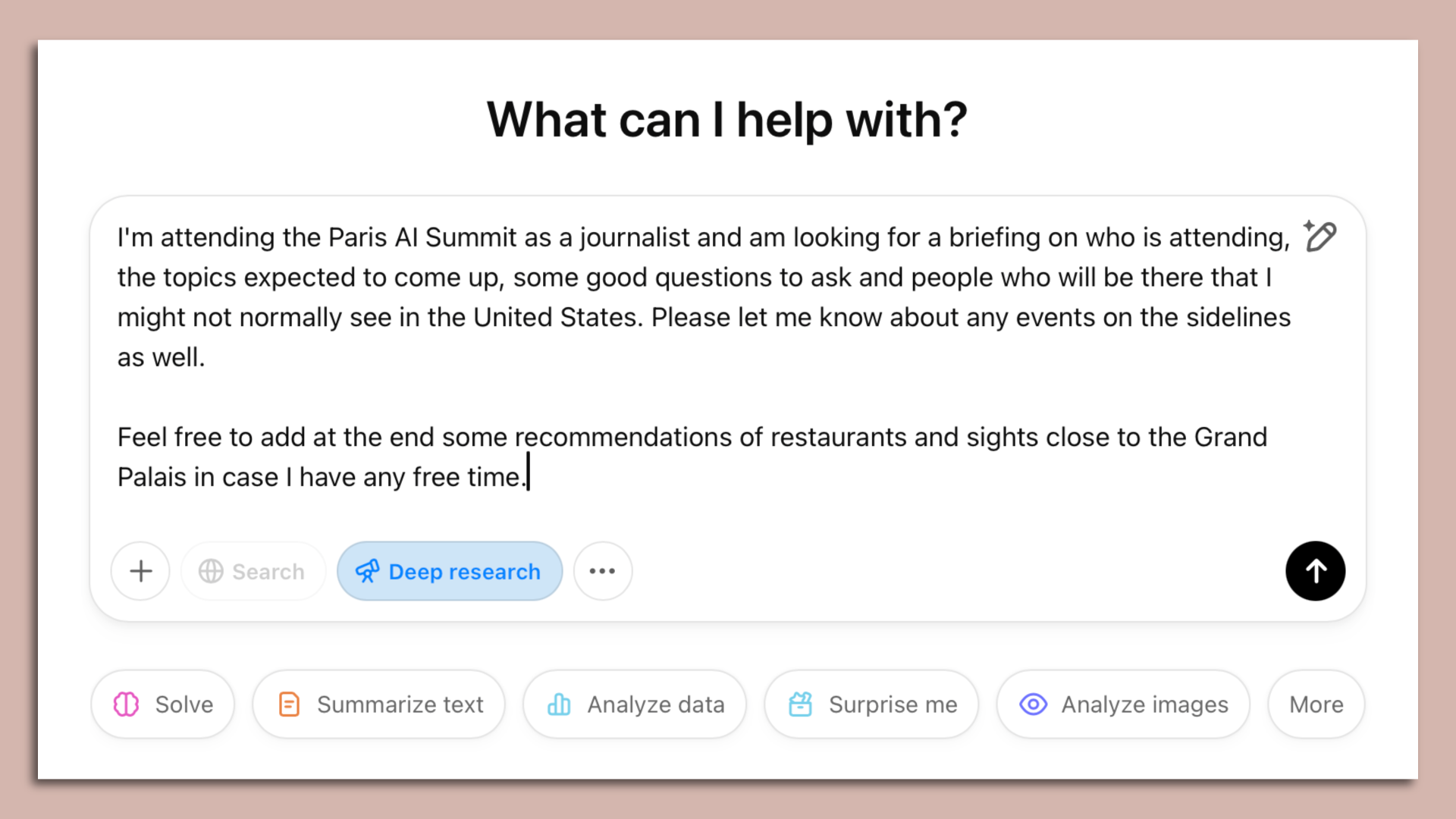
New "deep research" tools from OpenAI and Google offer utility today and hint at generative AI's broader potential, but have some important limits.
Why it matters: OpenAI CEO Sam Altman has said he thinks the company's product — which takes users' assignments and files lengthy research reports in 5 to 25 minutes — "can do a single-digit percentage of all economically valuable tasks in the world."
Two new pro-crypto PACs are launching this weekend, Axios has learned.
Why it matters: Both haveties to Sen. Cynthia Lummis (R-Wyo.), who is chairing the new Banking subcommittee on cryptocurrencies. It comes as President Trump promises to be "the most pro-crypto president" in history.
A federal judge signed an order on Thursday temporarily restricting the Elon Musk-headed Department of Government Efficiency's access to sensitive Treasury payment system information.
Why it matters: The order limits Treasury Department employees affiliated with DOGE to just two individuals with "read-only" access to the data. This comes in response to a lawsuit aiming at blocking DOGE's access to sensitive information.
The companies in Stargate, the new consortium to build out AI infrastructure for OpenAI, are actively considering siting new data center projects in more than a dozen states, OpenAI announced Thursday.
Why it matters: President Trump has thrown his administration's weight behind the $100 billion to $500 billion project involving OpenAI, SoftBank, Oracle and the UAE's MGX.
The White House is announcing Thursday a fresh call for public input on actions the federal government should take regarding artificial intelligence, Axios has learned.
Why it matters: President Trump has revoked former President Biden's executive order on AI, replacing it with one that calls for a focus on U.S. leadership in the sector, including a new "AI Action Plan."
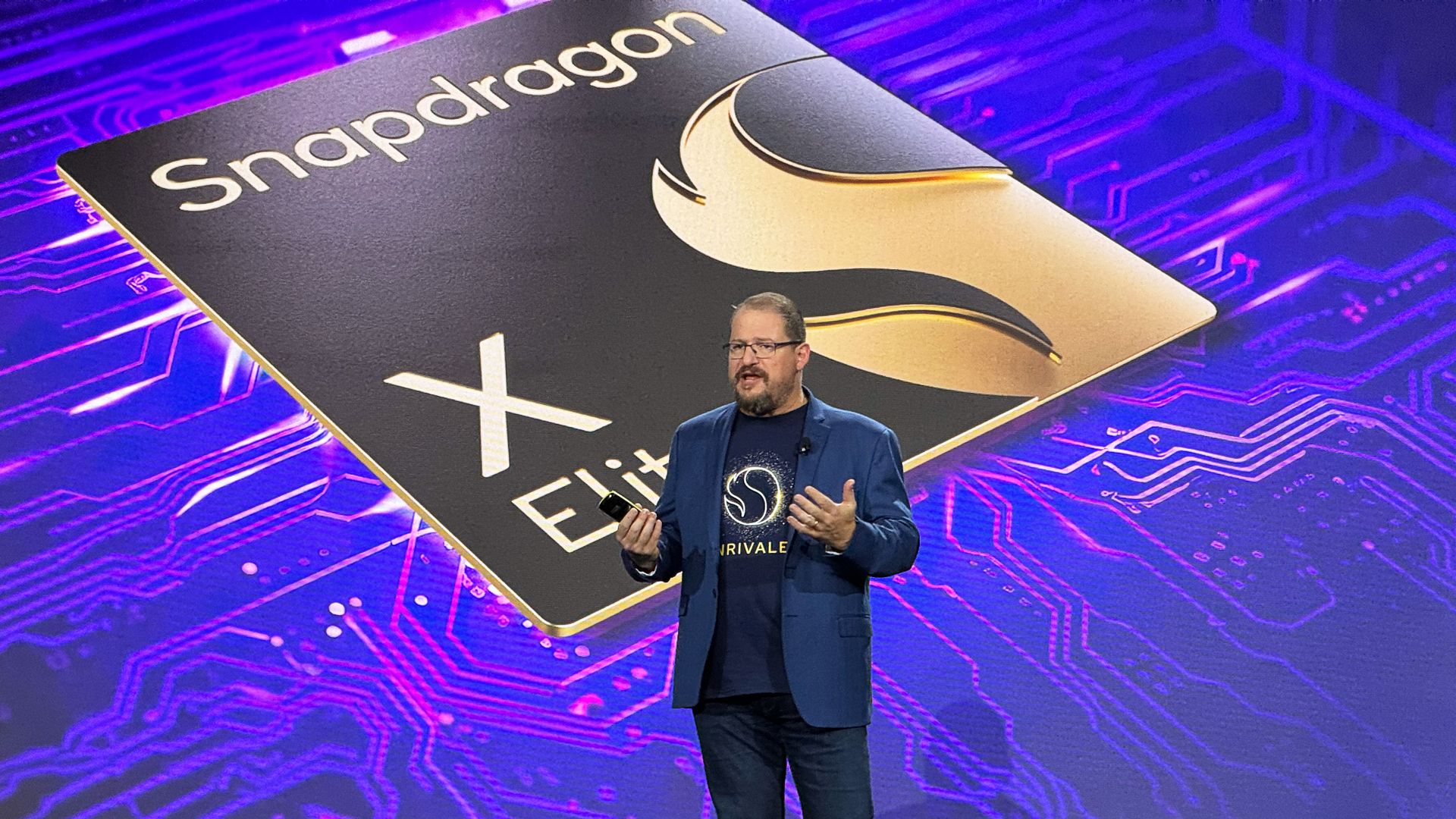
Qualcomm has reached a key milestone in its effort to crack the PC business, the company said Wednesday: Its chips now power more than 1 in 10 high-end laptops sold at U.S. retail stores during the holidays.
Why it matters: Qualcomm has been trying for years to grab a slice of the computer chip market, but its most recent chips are the first to truly compete against those from Intel and Apple.
Tech giants and startups are ramping up efforts to unleash chatbots into group settings like video meetings and messaging platforms, even as many users find them unsettling.
State of play: AI is becoming a workplace staple, but a good chunk of employees still don't like it — and many who use it do so secretly.