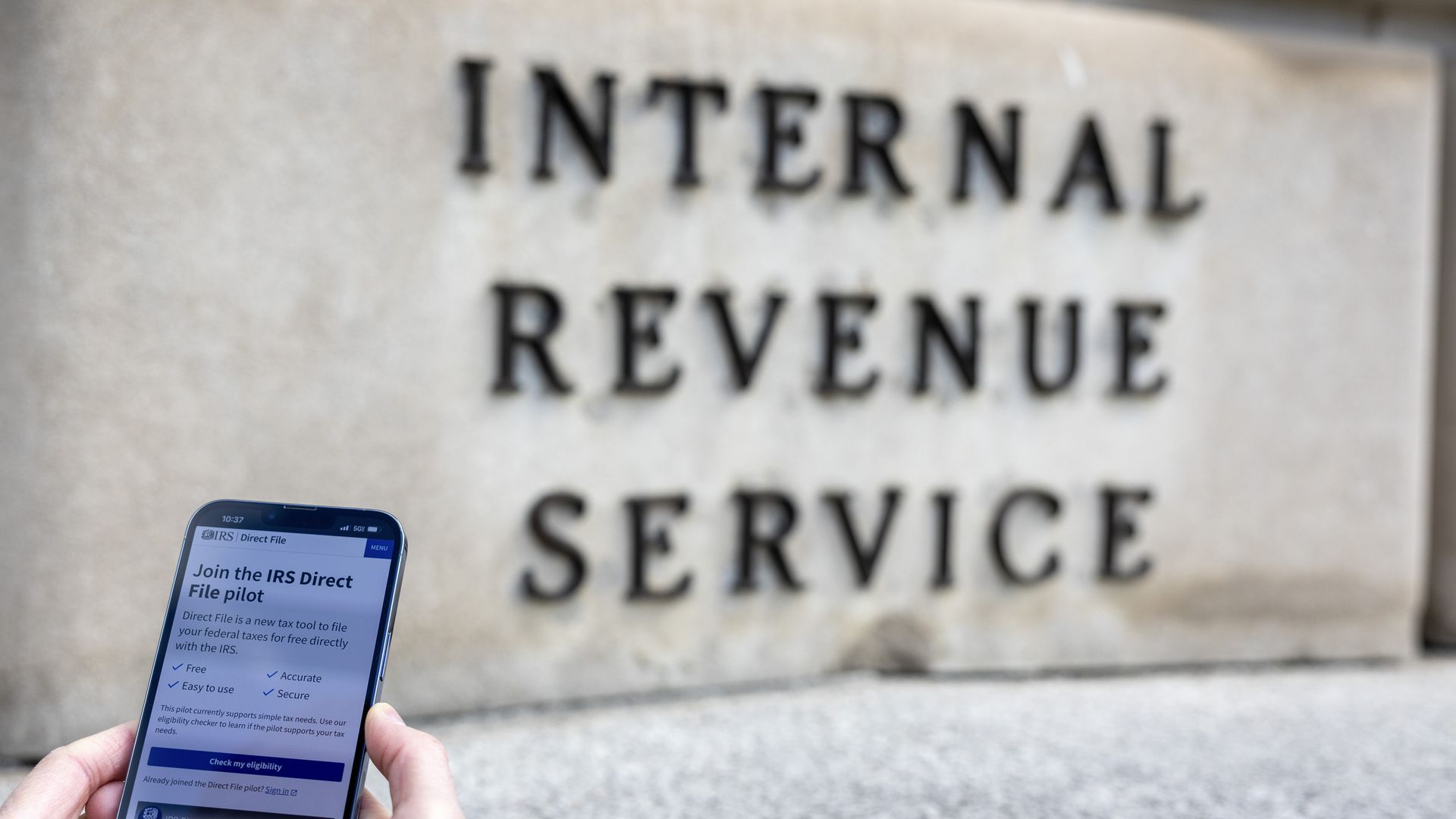
Why it matters: There's been some confusion on the status of the free online tax-filing program after Elon Musk posted on X Monday that he had "deleted" 18F, a government technology group behind the IRS Direct File program.
The California State University (CSU) system is introducing OpenAI's ChatGPT Edu — a version of ChatGPT customized for educational institutions — to more than 460,000 students and over 63,000 staff and faculty across its 23 campuses.
Why it matters: ChatGPT is already transforming higher ed, giving students more access to professors' expertise and boosting efficiency, but many are still cautious about genAI's long-term effects on learning.
Company IT teams know employees are using AI tools without approval — and they're racing to protect their networks.
Why it matters: Cybersecurity vendors are making shadow AI a priority this year, rolling out new tools to tackle a problem that's surprisingly straightforward to mitigate.
👀 Karen Evans, a former Energy Department cyber official during the first Trump administration, has joined the Cybersecurity and Infrastructure Security Agency as a senior adviser in its cybersecurity division. (Nextgov)
⏮️ Republicans have started backing away from previous attacks and threats against CISA. (Washington Post)
⚠️ A 25-year-old engineer who previously worked for two Elon Musk companies now has admin privileges, including the ability to write code, for the Treasury Department system responsible for nearly all payments made to the U.S. government. (Wired)
@ Industry
🤝 Sophos has completed its $859 million acquisition of Secureworks. (Cybersecurity Dive)
A phishing campaign that's gone undetected for at least six years is targeting customers of Microsoft's legacy single sign-on application, according to a new report from Abnormal Security, exclusively shared with Axios.
Why it matters: The campaign has targeted more than 150 organizations across education, healthcare, government and technology sectors, and it relies on social engineering rather than a patchable security flaw.
Scale AI CEO and founder Alexandr Wang is heading to Washington Tuesday and Wednesday for meetings with lawmakers and Trump administration officials to discuss China's AI threat to America, sources confirmed to Axios.
Why it matters: Wang made global headlines last month when he said DeepSeek, an open-source AI model that was built with barely any capital, showed that China has caught up with the U.S. in AI.
Oura is planning to deliver health insights to its customers using AI that runs locally on the smartphones of owners of its smart rings.
Why it matters: By running its models on the phone rather than relying on a cloud-based service, Oura CEO Tom Hale tells Axios it can better protect customers' privacy.
OpenAI and SoftBank are teaming up to sell an enterprise AI system in Japan called "Cristal intelligence," powered by agents that help businesses securely use AI in a way that fits their unique needs.
Why it matters: The announcement further strengthens OpenAI's partnership with SoftBank as the ChatGPT maker lessens its reliance on Microsoft's support.
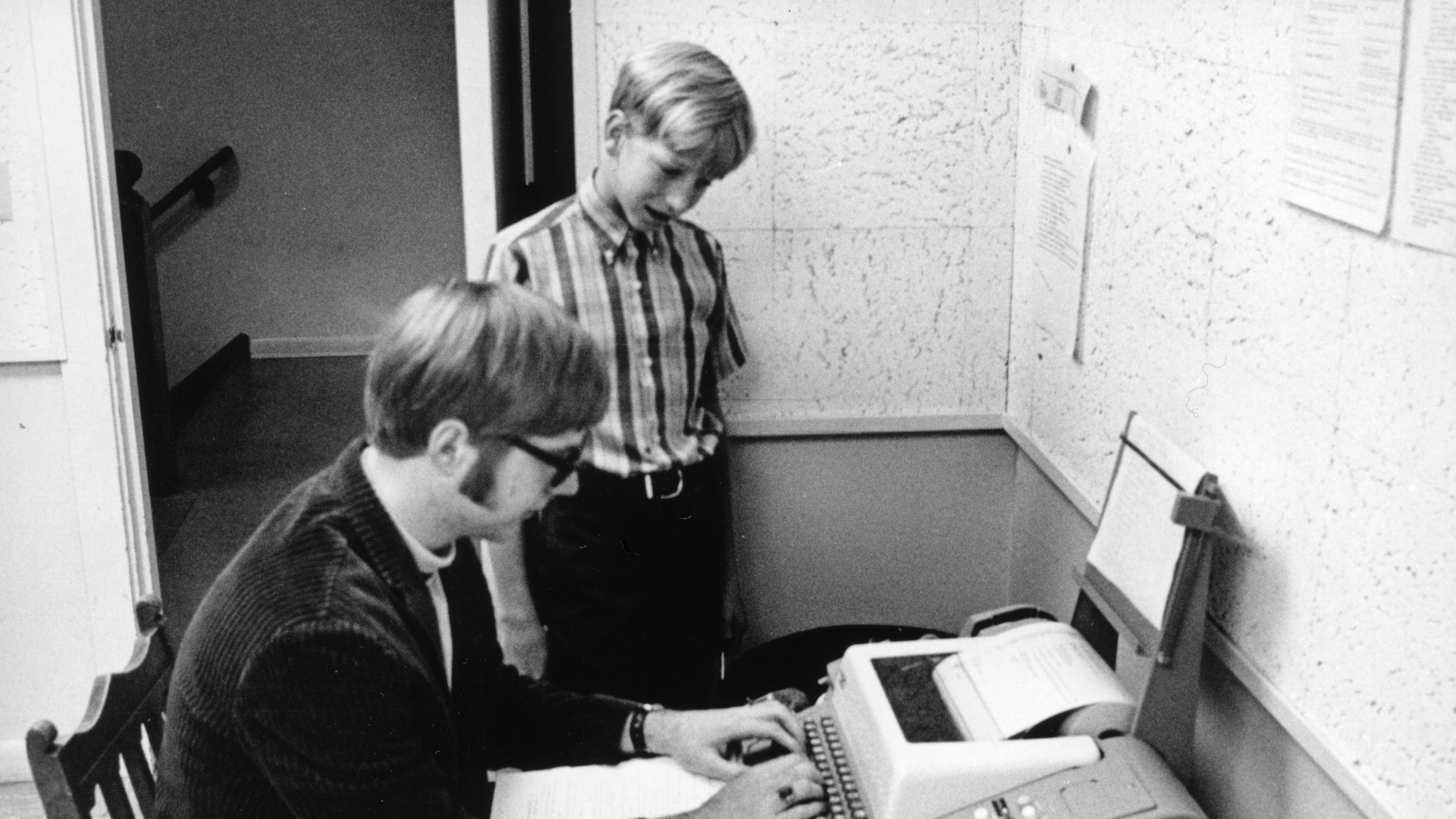
In the final pages of his new book "Source Code," Bill Gates acknowledges something those around him have long assumed: that, were he being raised today, he would be diagnosed with autism spectrum disorder.
Why it matters: Gates tells Axios he hopes that kids like him will benefit from his sharing this part of himself.
Bill Gates' new memoir "Source Code" only stretches through the early days of the computer industry, but even from their first encounters, Steve Jobs stands out as a singular figure.
What he's saying: "He should have been an actor," Gates told Axios as part of a wide-ranging interview. "He really ran the reality distortion field like no one else."