The security of the 2024 U.S. elections is one of the hottest topics on the floors of Black Hat and DEF CON this week.
Why it matters: With less than three months until Election Day, government officials and election security experts are eager to grow confidence in state and local governments' ability to accurately and safely tally legitimate votes.
As the Paris Olympics draw to a close, plans are afoot to use electric air taxis for shuttling visitors around the 2028 Summer Games in Los Angeles.
Why it matters: Air taxis were supposed to be zipping over Paris during the past two weeks, but the electric aircraft — which take off and land vertically — still need regulatory approval.
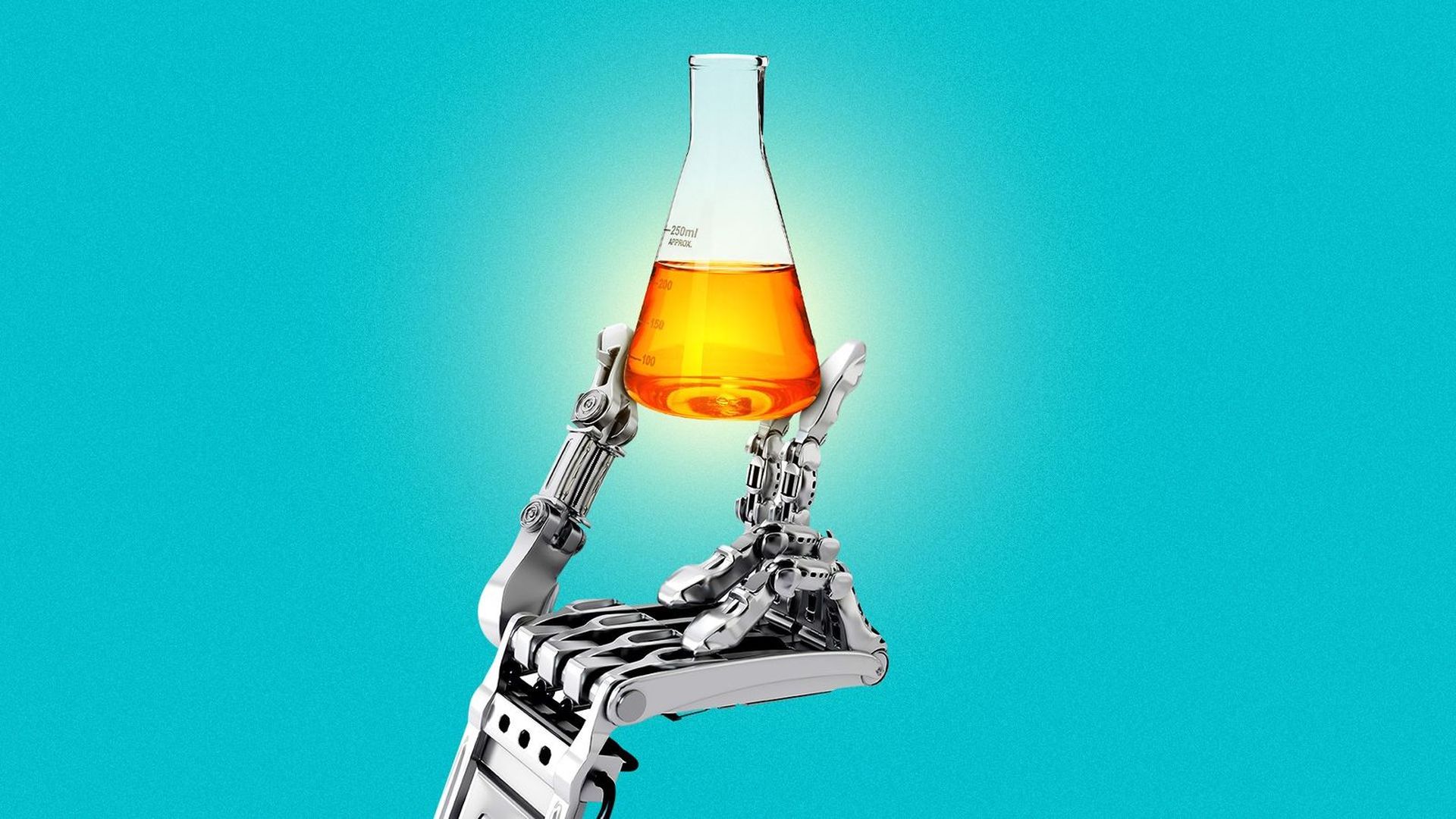
Self-driving labs are the next AI asset countries are pursuing in hopes of gaining an economic and security edge.
Why it matters: Labs that autonomously run experiments promise to speed up the discovery of new materials, but they're still not sufficientlyreliable, reproducible orwidely available.
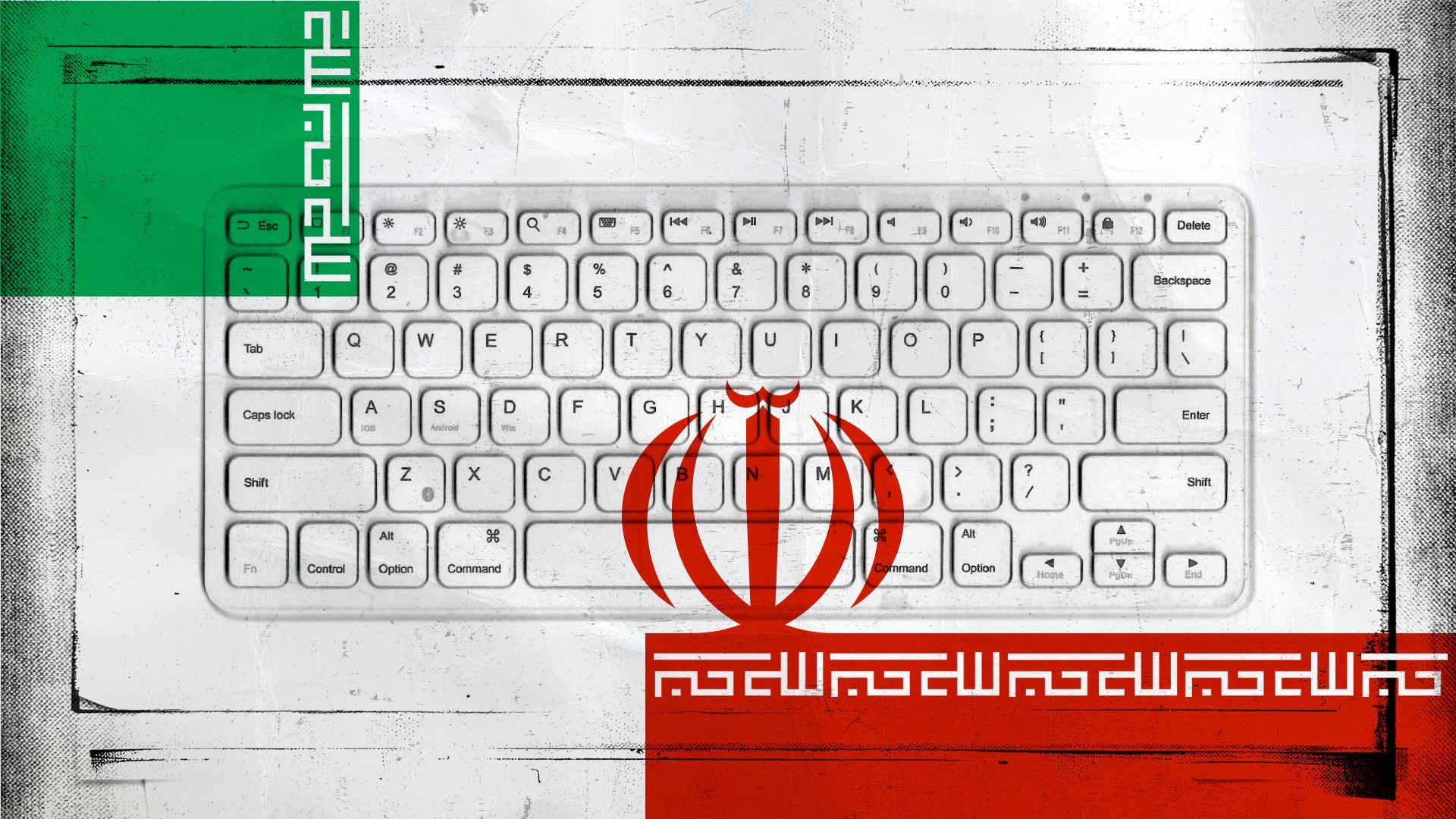
Iran-backed hackers targeted a high-ranking official at an unidentified U.S. presidential campaign in a June spear-phishing attack, Microsoft said in a new report released Friday.
Why it matters: Several Iranian groups have started to launch aggressive disinformation and hacking campaigns to influence the outcome of the 2024 U.S. presidential elections, Microsoft said.
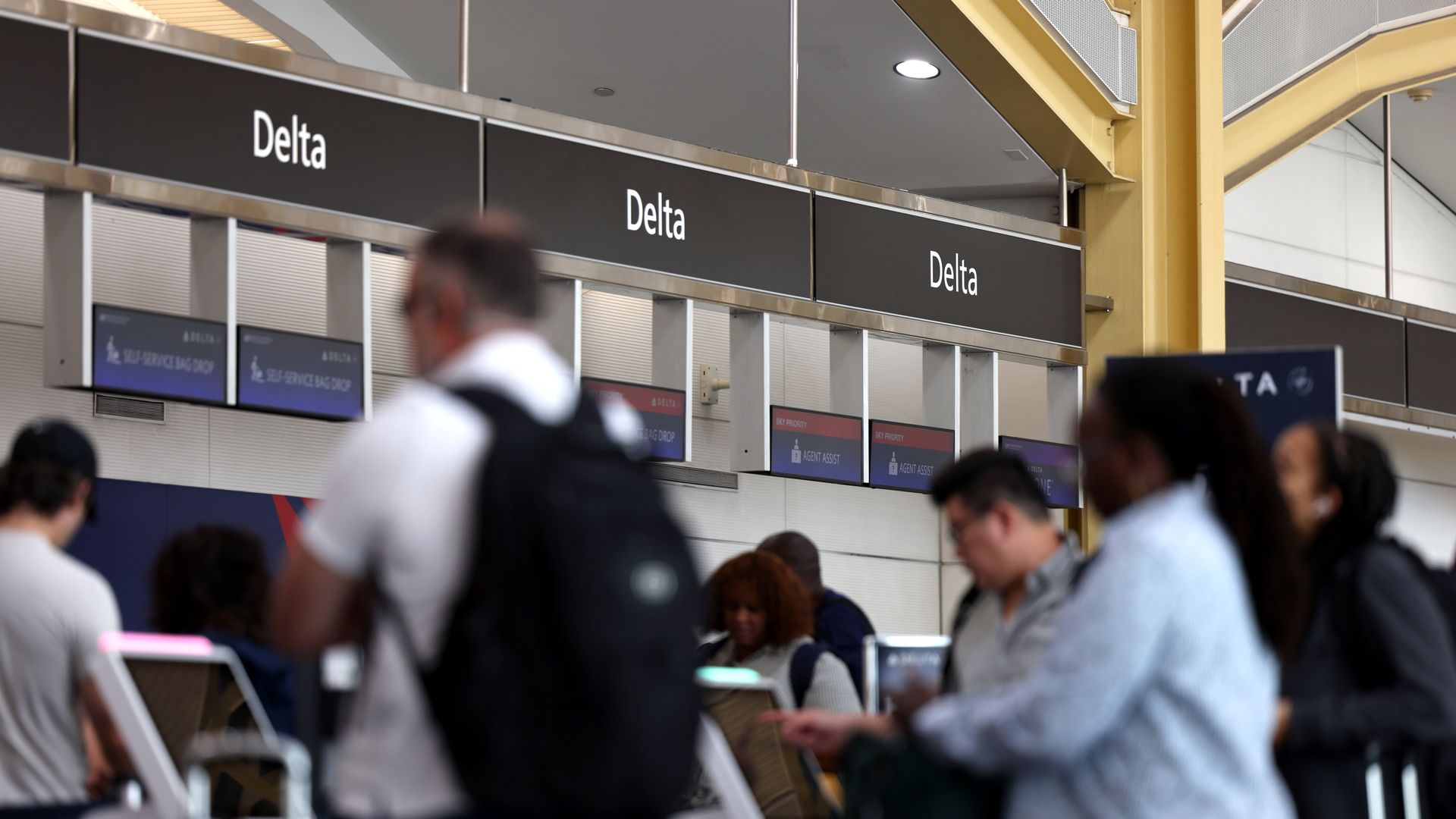
Delta said July's global IT outage cost it $550 million in a regulatory filing on Thursday and also shot back at CrowdStrike's response to an initial letter threatening legal action against CrowdStrike and Microsoft.
Why it matters: The three-way blame game involving Delta, CrowdStrike and Microsoft continues to escalate as each company tries to clear the air about its role in one of the largest tech glitches in recent history.
Why it matters: Despite that mounting momentum, Harris has yet to sit for an interview or take questions from the stump since launching her campaign July 21, but she told press pool reporters on the tarmac Thursday that she hopes to have an interview scheduled by the end of the month.
Competitors have been skeptical of Anduril's vow to transform how America fights and makes weapons. Today's announcement gives the clearest window yet into how the California upstart plans to deliver on its ambitions.
Why it matters: Doubts are rising about America's ability to build enough weapons and ammo to stay ahead China and Russia. Anduril thinks it has a new — and profitable — way to "hyperscale defense manufacturing."
As Axios reported this morning, Anduril is preparing to build a 5-million-square-foot megafactory, dubbed Arsenal-1, somewhere in the U.S. (no hints yet as to where) andthen quickly follow up with copycats.
A new series about Mexico's first women's police unit aims to tackle the pervasiveness of sexism and gender-based violence and highlightthe strides women have made in the past 50 years.
Why it matters: This year, Mexicans elected their first woman president, yet 10 women on average are killed every day in Mexico.
Major news publications are shuttering their opinion sections, forcing more business leaders, elected officials and subject matter experts to go direct with their message.
Why it matters: Unless you're George Clooney or Jamie Dimon, your op-eds are unlikely to be accepted and even more unlikely to drive conversation.
Delta and CrowdStrike have entered a public war of words following last month's IT outage that led to more than 5,000 flight cancellations and an estimated $500 million in losses for the airline.
Why it matters: The blame game rarely improves corporate reputation — and Delta's recent messaging strategy could backfire.
Anthropic is testing a new program to pay well-intentioned hackers who find flaws in its model output review systems, the company first shared with Axios.
Why it matters: No tech company currently has a formalized process to pay independent security researchers who discover safety flaws in their chatbot outputs.
As more EVs hit the road, one often overlooked danger is the potential fire risk from parking all those energy-packed batteries together in an enclosed space, like a garage.
Why it matters: EV fires last longer, are harder to put out and have a tendency to reignite — a major concern for underground parking garages, maintenance facilities and bus depots.
When Naomi Baker captured the iconic image of Simone Biles and Jordan Chiles bowing down to Brazilian gold medalist Rebeca Andrade during the floor exercise medal ceremony, it was sent electronically to an editor in London and broadcast to the world via an array of state-of-the-art technology.
Why it matters: Photography giant Getty is relying on an array of technology, including private 5G networks, to ensure its images from the Paris Games reach media customers almost as soon as they happen.
As more EVs hit the road, one often overlooked danger is the potential fire risk from parking all those energy-packed batteries together in an enclosed space, like a garage.
Why it matters: EV fires last longer, are harder to put out and have a tendency to reignite — a major concern for underground parking garages, maintenance facilities and bus depots.
Defense tech upstart Anduril Industries raised $1.5 billion in new venture capital funding at a $14 billion valuation, with some proceeds to be used for building autonomous weapon manufacturing facilities.
Why it matters: Major investors believe Anduril has cracked the government contract code, just seven years after launch.
Anxiety around how AI will change work is mounting, with the latest warning from the International Monetary Fund stating that some 60% of jobs in America will be affected.
But one silver lining is how AI will open new opportunities for workers whose brains work in unique ways, such as those with autism or ADHD.
Why it matters: Some 50 million Americans are neurodivergent, and the unemployment rate for these adults is estimated at 40%, according to MIT Sloan Management Review.









/2024/08/05/1722887944079.gif?w=3840)