"Women in Blue" celebrates women while examining the perils they face


Add Axios as your preferred source to
see more of our stories on Google.
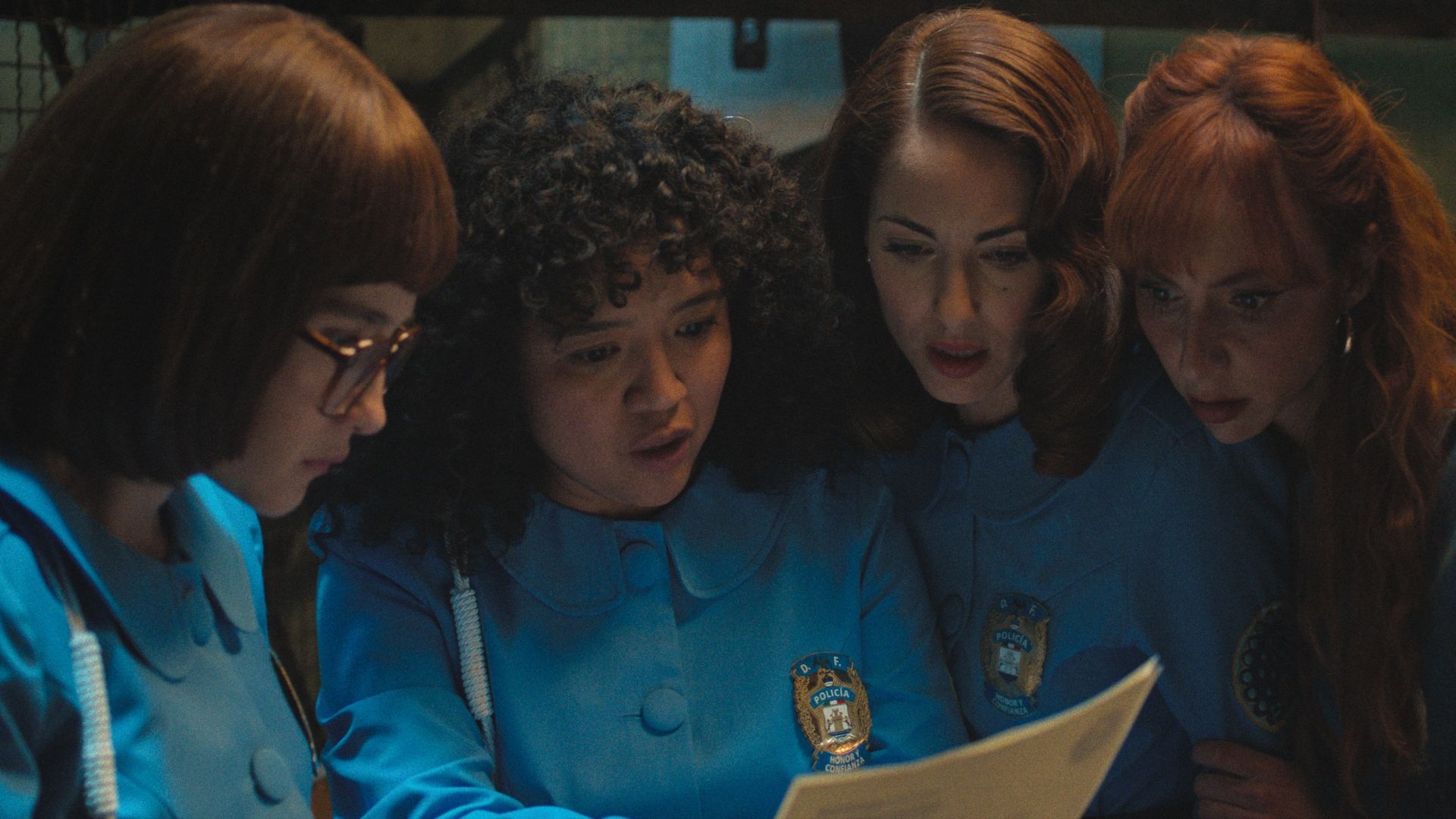
"Women in Blue." Photo: Courtesy of Apple TV+
A new series about Mexico's first women's police unit aims to tackle the pervasiveness of sexism and gender-based violence and highlight the strides women have made in the past 50 years.
Why it matters: This year, Mexicans elected their first woman president, yet 10 women on average are killed every day in Mexico.
Driving the news: Inspired by a true story, "Las Azules," also known as "Women in Blue," was released on AppleTV+ on July 31.
- The 10-part drama series, set in the '70s, is the first show on the streamer that is entirely in Spanish ("Acapulco," a bilingual comedy, was the first Mexican original production.)
What they're saying: The creation of the women's unit was "sort of a publicity stunt to distract people from all the violence that had been going on between the government and the people," co-creator and director Fernando Rovzar tells Axios.
- Rovzar says the women weren't issued guns and couldn't arrest people or investigate crimes. "Thank God they decided to stay, continue the fight and change the system from within."
- "The Azules is a story of triumph, and a story of victory and a story of facing adversity and making a change in society. But it's also a reality that we live in a country where women are not safe," Rovzar adds.
Zoom in: The show follows four recruits who face rampant sexism both at home and on the job as they try to catch a serial killer. Each has a unique backstory and personality, and as a unit they persevere through obstacle after obstacle.
- Actor Ximena Sariñana, who portrays Ángeles, a fingerprint analyst with autism spectrum disorder, says it was very important to portray her character "truthfully and respectfully."
- That called for a lot of research and interviews with women who are neurodivergent, Sariñana tells Axios.
Bárbara Mori plays Maria, who had led a traditional life as a stay-at-home mother and has to deal with guilt over now being a working parent.
- Mori says the show invites viewers to search for their true nature. "'Let me discover my true self — not what society tells me or allows me to be,'" Mori says. "I think that's beautiful."
Subscribe to Axios Latino to get vital news about Latinos and Latin America, delivered to your inbox on Tuesdays and Thursdays.
