Monday's technology stories

Why Japan's currency is triggering a global market selloff
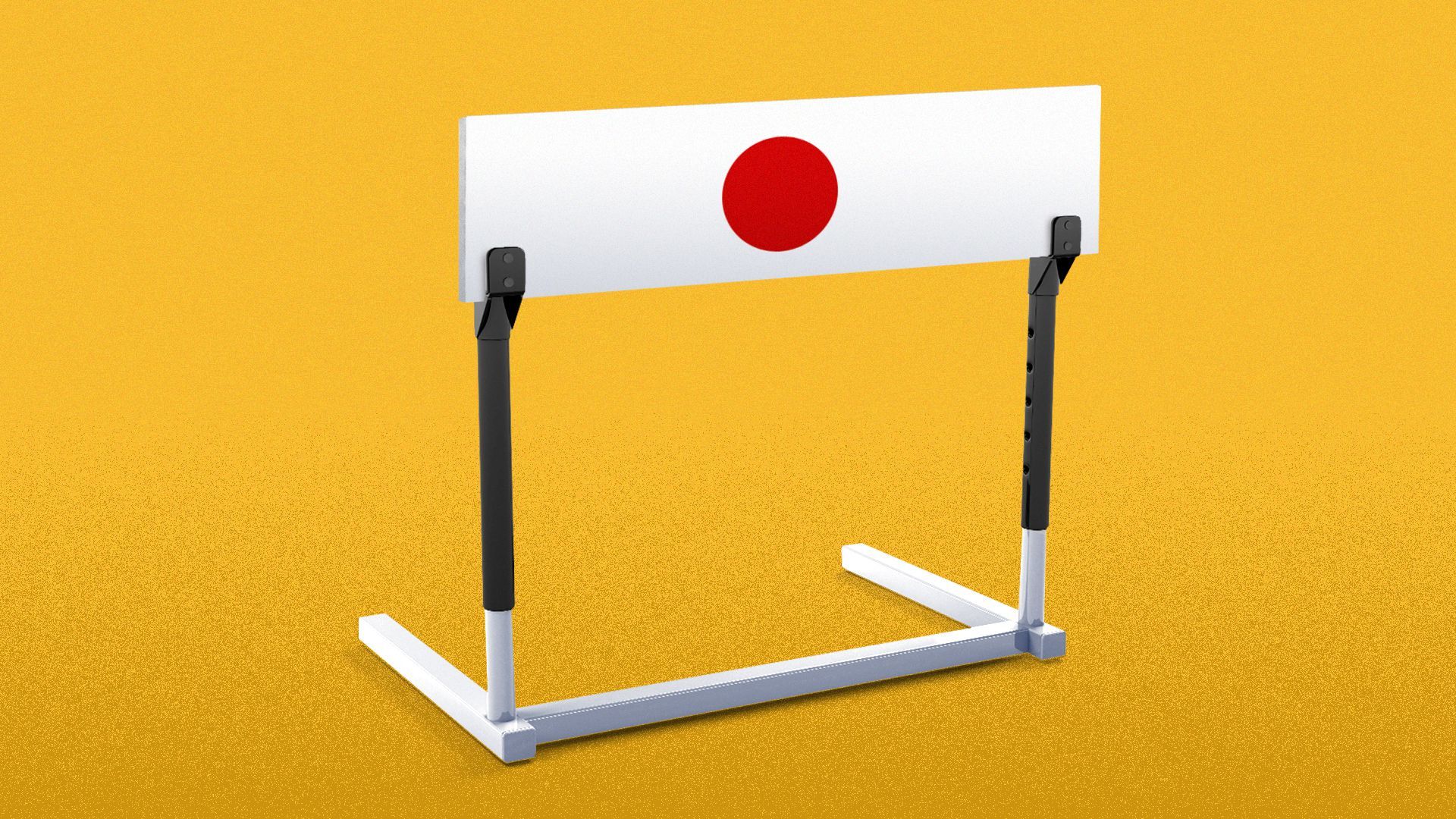
Japanese stocks saw their worst day today since 1987 as Japan's currency soared to a seven-month high against the U.S. dollar — triggering a selloff in global stocks.
Why it matters: There's an unwinding of the popular "yen carry trade" happening "at lightning speed" that will continue to cause volatility until it's over, Art Hogan, chief market strategist at B. Riley Wealth, tells Axios.

Judge rules Google violated antitrust rules to maintain search monopoly
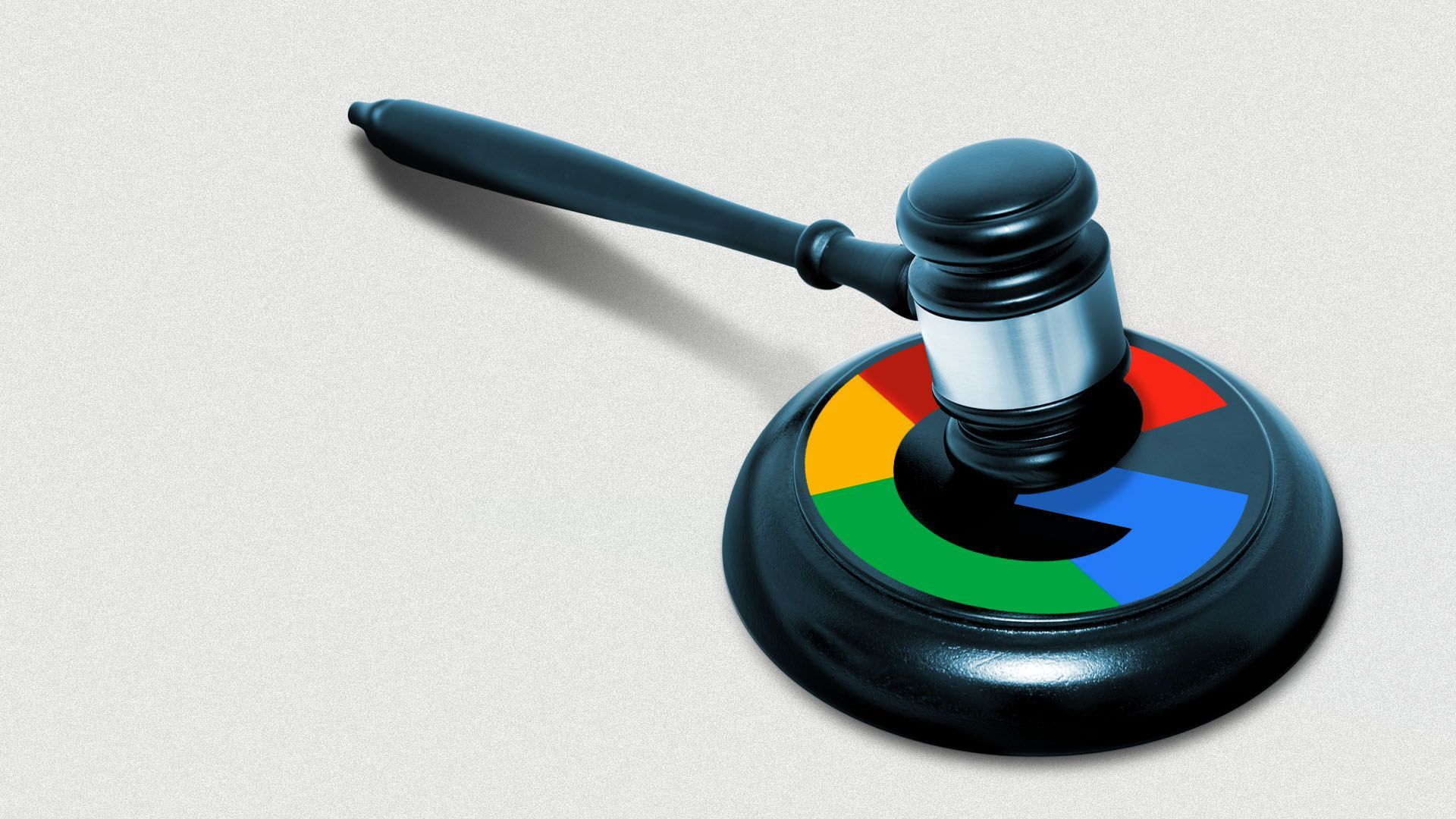
Google violated federal antitrust rules to maintain a monopoly in the online search market, per a federal judge's ruling issued Monday, a seismic turn of events for the tech giant that will ripple across the entire industry.
Driving the news: Judge Amit P. Mehta of the U.S. District Court for the District of Columbia said in the ruling Google has abused its position to stay at the top:
- "Google is a monopolist, and it has acted as one to maintain its monopoly," Mehta wrote.
- It's the biggest tech antitrust ruling since the Microsoft case in the 1990s.
Why it matters: The ruling is proof that current U.S. antitrust law can be successfully applied to online companies born in the digital age, and factors beyond customer price can convince a judge that a company acted as a monopolist.
- Mehta's ruling is about liability—not remedies—so it's unclear what Google will be required to do next.
- Google and the Justice Department did not immediately provide comment.
Context: The proceedings first began in 2020, when the DOJ and a number of states sued Google for illegal dominance in online search, basing their case mostly on the contracts between Google and Apple's Safari and Mozilla's Firefox, worth billions.
What they're saying: "This landmark decision holds Google accountable. It paves the path for innovation for generations to come and protects access to information for all Americans," said DOJ assistant attorney general Jonathan Kanter in a statement.
- "This decision recognizes that Google offers the best search engine, but concludes that we shouldn't be allowed to make it easily available," Kent Walker, Google's president of global affairs, said in a statement, citing the ruling's description of Google's "high quality" search engine.
- "Given this, and that people are increasingly looking for information in more and more ways, we plan to appeal," Walker said.
The other side: Google and its lawyers maintained throughout the trial that every decision made around search, and the default settings for search it paid for on Apple iPhones and Androids, were all for providing the best possible consumer experience.
- People aren't forced to use Google on their smartphones, they choose to because they think it's the best, the company repeatedly argued.
Google rivals including Microsoft and browsers including DuckDuckGo accused the company of monopolistic behavior, arguing smaller browsers can't possibly compete with Google's scale; also arguing that such dominance is sure to spill into the race to lead on artificial intelligence.
- The government accused Google of acting as a monopoly both in how it priced search ads and over the lucrative contracts with other companies.
What's inside: DOJ's ruling says that Google has monopoly power over general search and general search text ad markets, that its contracts or "distribution agreements" have anticompetitive effects, and Google did not provide a valid argument as to why they exist.
What's next: Antitrust cases against Big Tech will continue. Another DOJ case focused on Google's advertising technology will go to trial in September, and a DOJ suit against Apple is underway as well. The Federal Trade Commission has its own proceedings against Meta and Amazon.
- Mehta will next have to decide on remedies in the search case.
Editor's note: This is a developing story. Please check back for updates.

Google's deal for Character.AI is about fundraising fatigue
/2024/08/05/1722872874684.gif?w=3840)
Google stunned Silicon Valley on Friday by kinda/sorta acquiring Character.AI, a personalized chatbot developer that last year secured $150 million in Series A funding at a $1 billion valuation.
The big picture: No entrepreneur enjoys fundraising, but there's a special unpleasantness for generative AI founders who need billions of dollars to train their models.

Elon Musk sues OpenAI and Sam Altman again
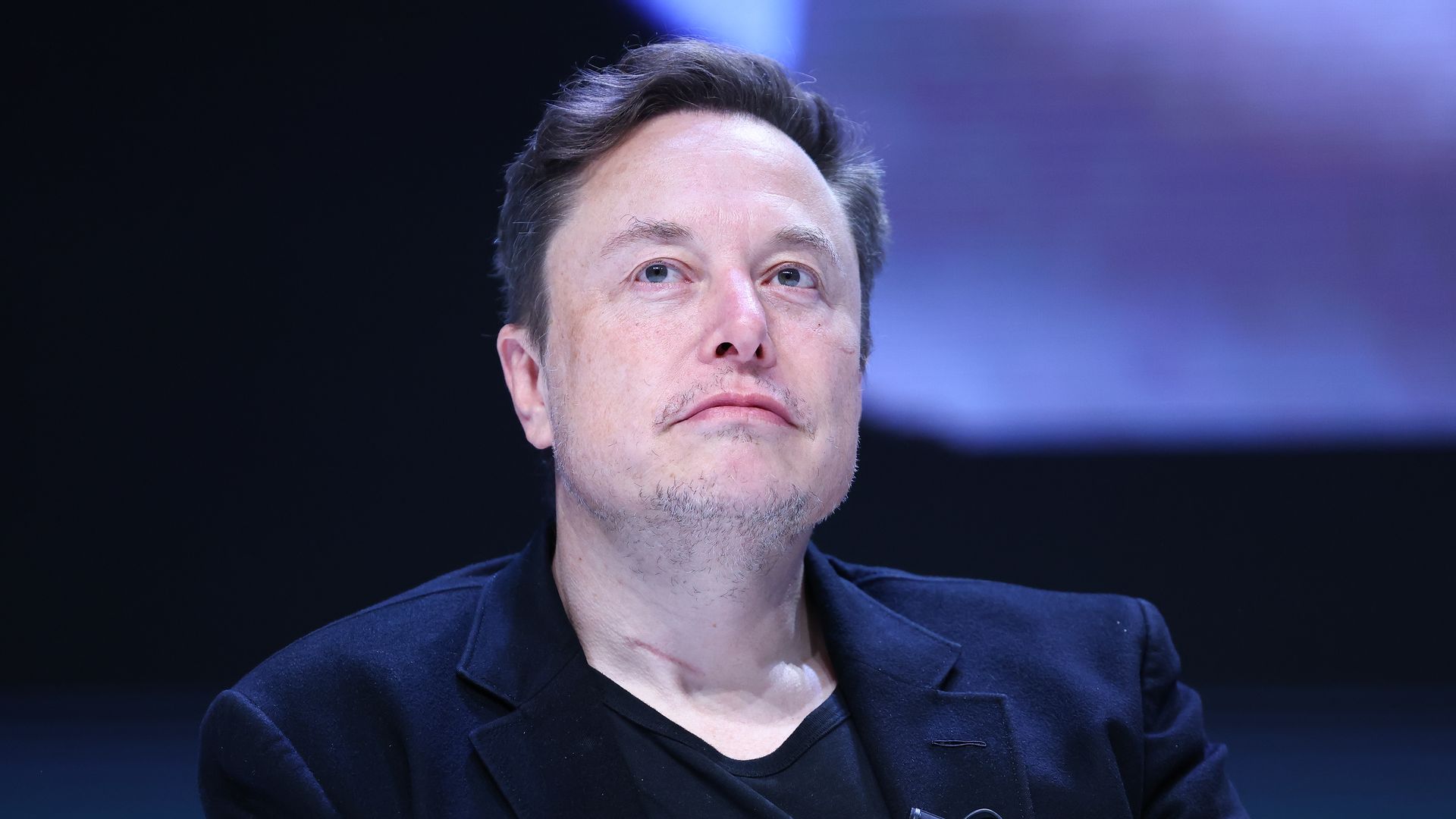
Elon Musk filed a new lawsuit Monday against OpenAI and two of its founders, Sam Altman and Greg Brockman, two months after withdrawing a similar suit.
Why it matters: Musk's new complaint, like the original lawsuit, alleges that Altman and Brockman abandoned the company's founding agreement by prioritizing profits over the public interest.
Musk's AI chatbot spread election misinformation, secretaries of state say
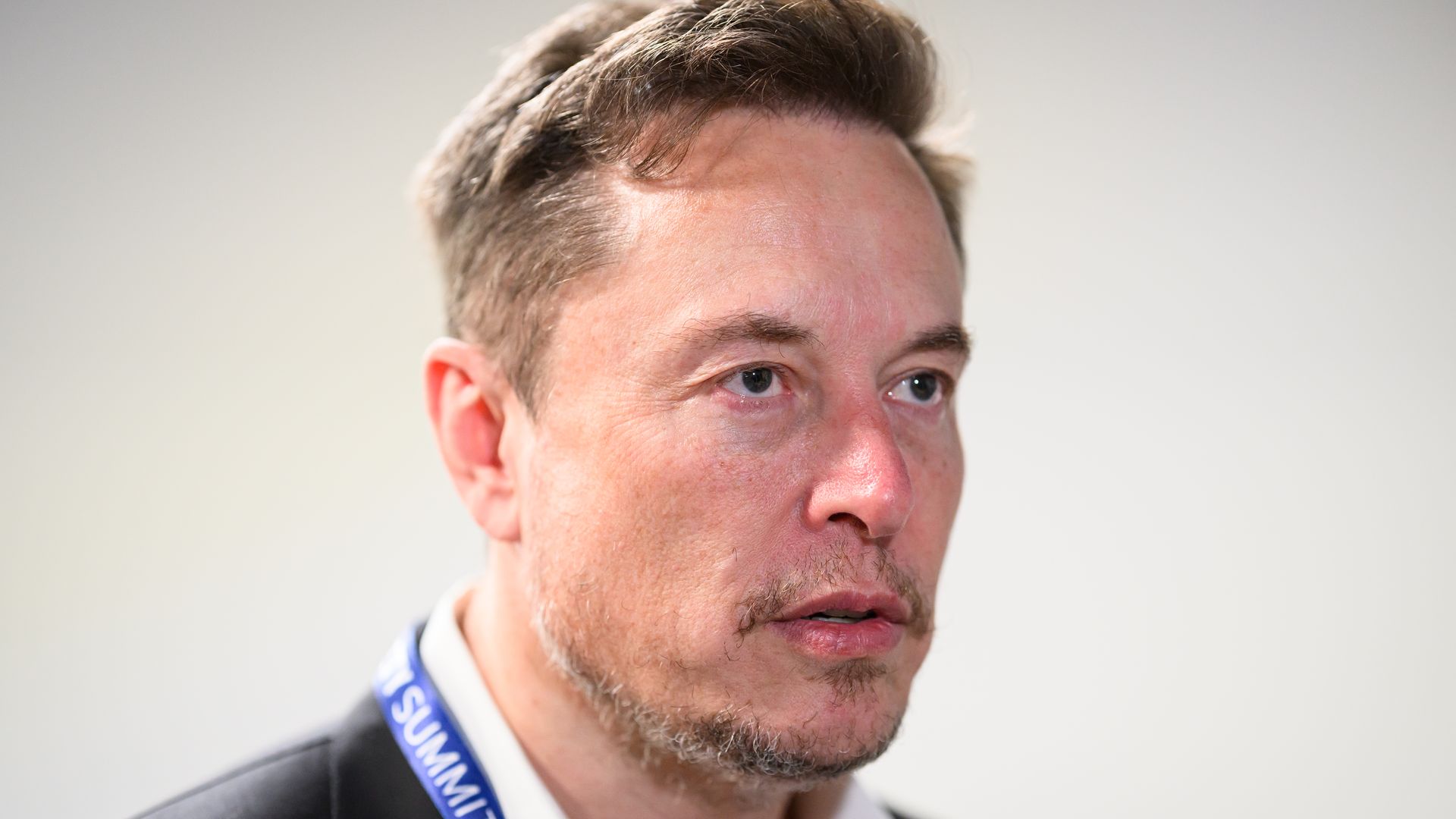
Five secretaries of state sent a letter to Elon Musk Monday imploring him to fix X's AI chatbot after it shared misinformation about the 2024 presidential election.
Why it matters: Experts have long warned about the threat of AI-driven misinformation, which is more salient than ever as the election heats up and voters are susceptible to lies about the candidates or voting process.

Budget airlines go premium
Historically low-cost airlines are suddenly embracing premium upsells like extra legroom and priority boarding in a bid for more revenue.
Why it matters: Economy-plus fever is gripping the airline industry, potentially leaving fewer seats for travelers who want to save a buck or two and don't mind being stuffed back in coach.

AI chip startup Groq raises $640 million in BlackRock-led round
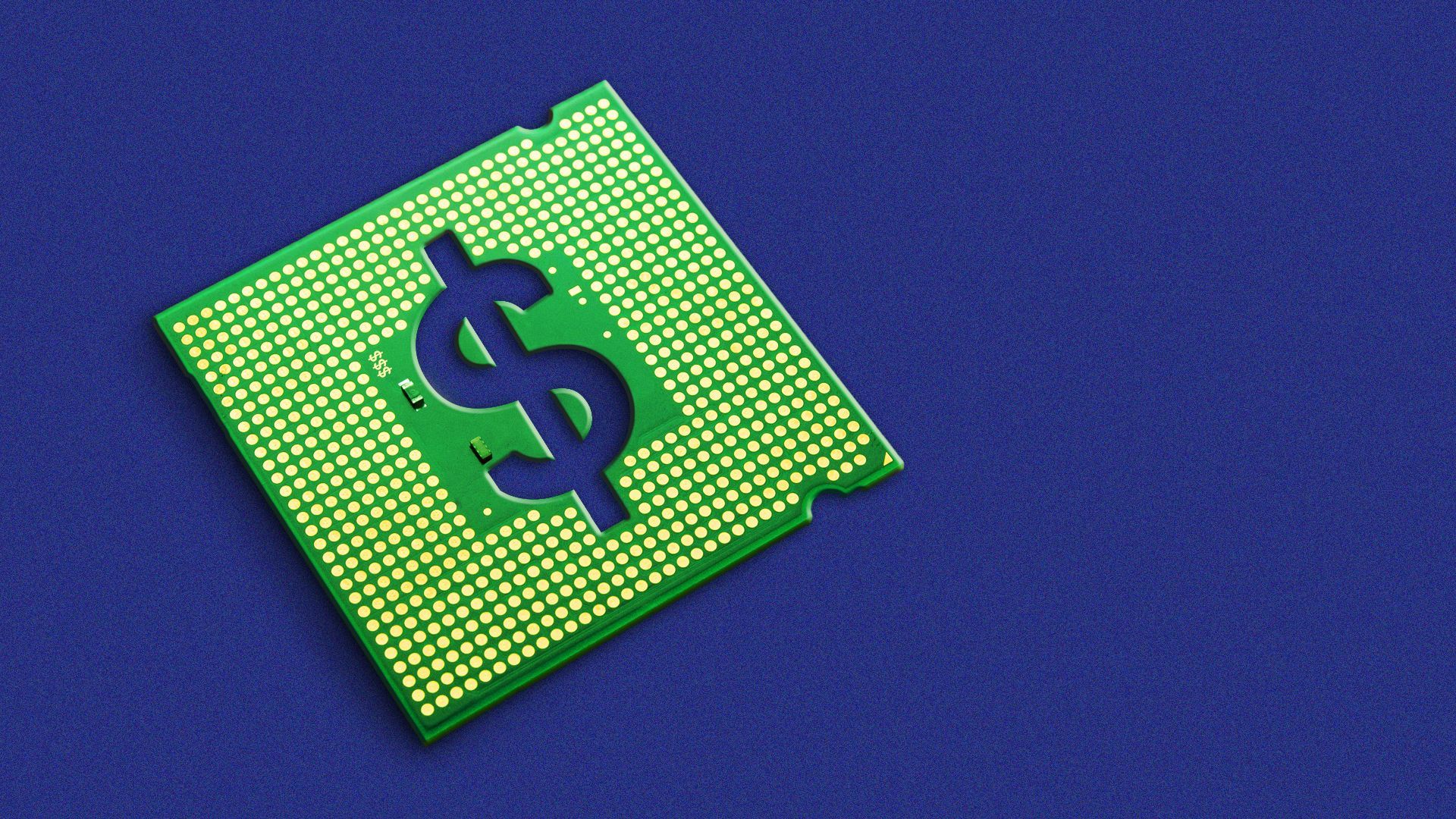
Groq, a startup whose chips are specialized for running AI models, raised $640 million in Series D funding at a $2.8 billion valuation led by BlackRock funds.
Why it matters: As the AI race shows no sign of slowing down, investors and customers are looking to new infrastructure options that could give them an edge.

The tech that showed Noah Lyles winning gold
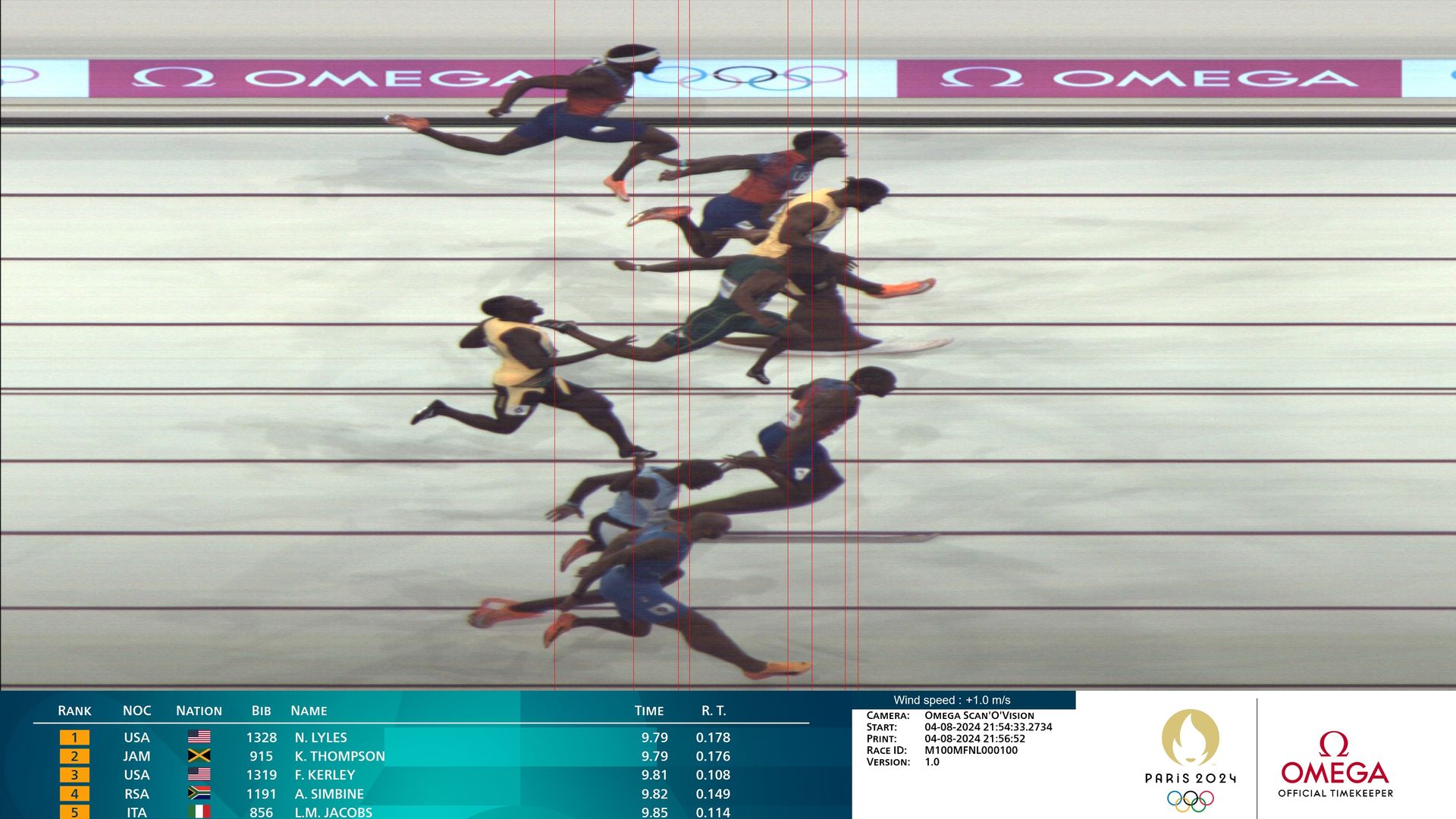
PARIS — When judges needed to determine who won Sunday's Olympic 100-meter race, they drew on some fancy new technology — a camera from Omega that shoots 40,000 frames per second, aimed right at the race's last few millimeters.
The big picture: Omega, which has been the Olympics' official timekeeper for decades, is constantly looking for new ways to help measure athletes' performance and figure out just who won.