The Justice Department sued TikTok and its Chinese-owned parent company on Friday, alleging the social media app violates children's online privacy law.
The big picture: The popular platform engages in "massive-scale invasions of children's privacy" by collecting data from kids, who can create accounts without their parent's consent, the department said in the complaint.
A ransomware attack on blood donation nonprofit OneBlood this week is forcing many hospitals across the southeastern U.S. to rely on their critical blood supplies and host last-minute blood drives.
Why it matters: OneBlood provides blood samples to more than 300 hospitals in Georgia, Florida and the Carolinas, and some hospitals may need to delay certain procedures until the blood supply is back to normal.
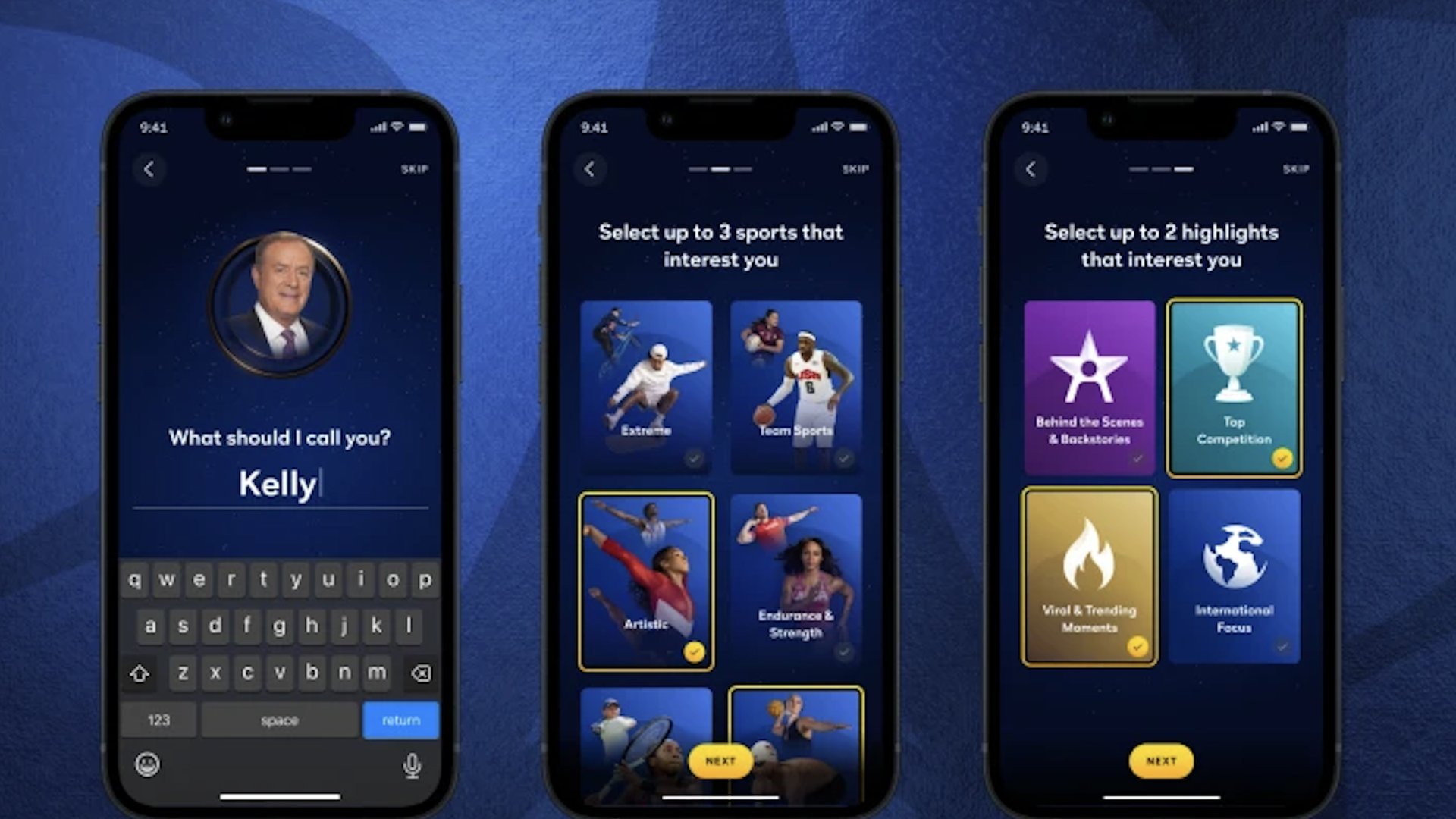
Google has decided to pull its Gemini Olympics ad featuring a dad asking the chatbot to help his daughter write a fan letter to her idol, gold medalist Sydney McLaughlin-Levrone.
The big picture: The "Dear Sydney" ad ruffled the feathers of online critics who believe that using generative AI to help a child write a fan letter sucks the life out of a time-honored tradition of fandom and also constitutes lazy parenting.
Antitrust officials at the Justice Department are looking into complaints that chip giant Nvidia is allegedly abusing its market dominance in AI chips, according to a report from The Information.
Why it matters: Nvidia's leadership in advanced AI semiconductors has powered astonishing stock performance over the past year, and the company now owns between 70% and 95% of the market for AI chips used for training and deploying leading AI models, Mizuho Securities estimates, per CNBC.
A growing number of women are seeking connection and comfort in relationships with chatbots — and finding their approximation of empathy more dependable than many human partners' support.
Why it matters: These female AI users, flipping the stereotype of under-socialized men chatting with AI girlfriends in their parents' basement, are challenging assumptions about the nature of human intimacy.
Russian military intelligence hackers have been embedding luxury car advertisements with credential-harvesting malware in a likely attempt to dupe diplomats, according to new research exclusively shared with Axios.
Why it matters: Targeting diplomats' devices can give Russian cyber spies access to state secrets and get ahead of any schemes designed to undermine the Kremlin's own agenda.
Telling young women they should "just learn to code" is "misguided" advice in the AI era, according to the founder of a global nonprofit aimed at bringing gender parity to tech.
The big picture: AI systems reflect the biases and perspectives of their creators, and shaping fair and inclusive AI systems will require empowering generations of young women to build them, Technovation founder Tara Chklovski argues.
Big Tech's message to investors on back-to-back earnings calls this week was "Stop worrying about the billions we're spending on AI — everything's going to be just great."
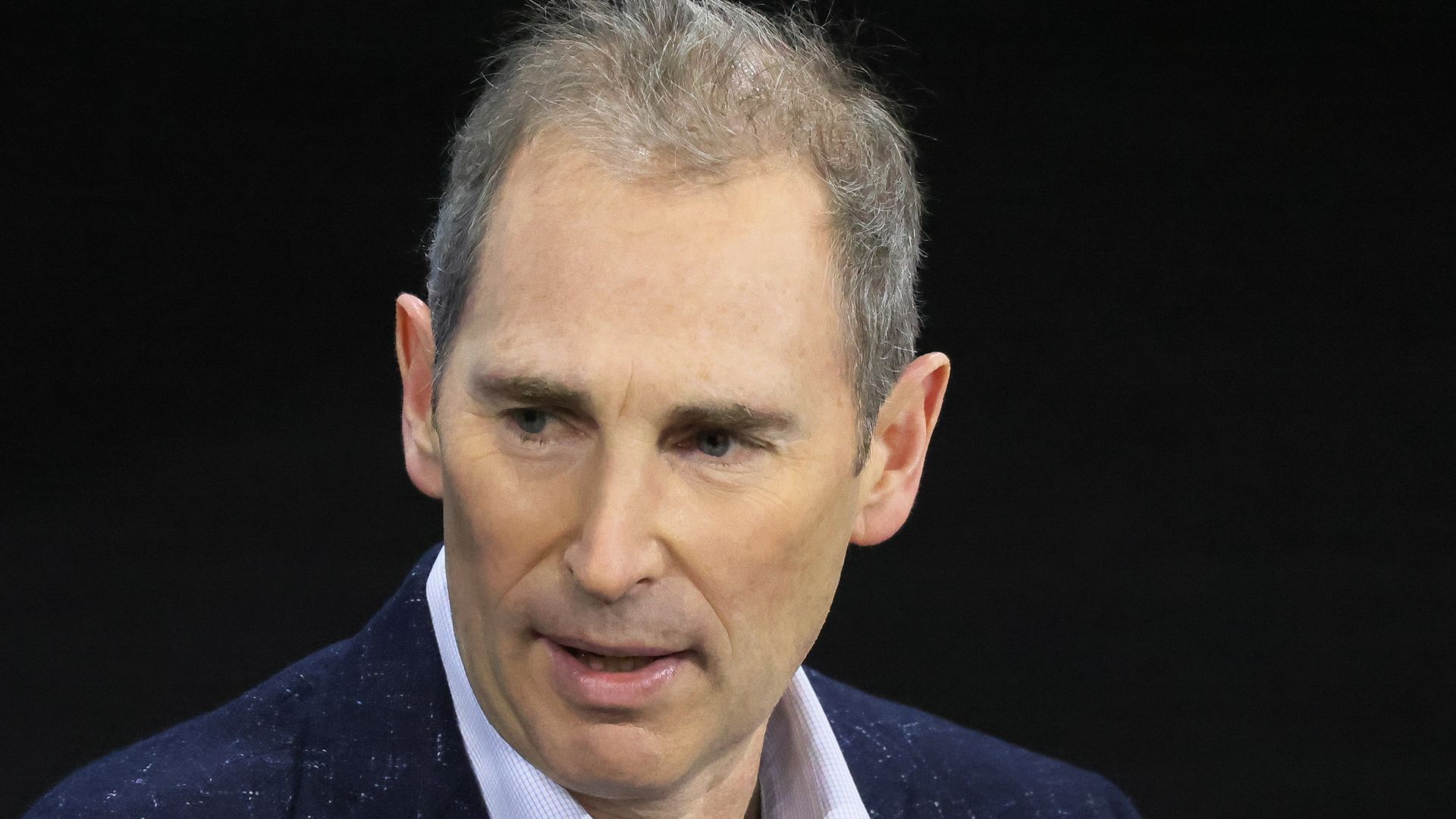
Drug stores' woes are working in favor of Amazon. CEO Andy Jassy on Thursday said that anti-theft measures in brick and mortar chains are helping to drive more customers to shop online and use Amazon's pharmacy business.
Why it matters: Walgreens, CVS and Rite Aid are among big pharmacy chains that have been struggling to keep up with the changing economics of their industry and shifts in consumer behavior.
Major news, including events around the U.S. presidential election and the Olympics, have been disrupting consumer spending patterns, Amazon CFO Brian Olsavsky said Thursday afternoon.
Why it matters: Retail experts in January anticipated that politics would have an impact on businesses this year.
Music software startup Suno accused the world's largest record labels of using copyright lawsuits to fend off competition from music written by generative AI, according to a Thursday court filing.
Why it matters: Universal Music Group, Sony Music and Warner Music havealleged that Suno exploits copyrighted sounds and songs without permission to train its AI models to generate new songs.
Intel plans to cut more than 15% of its workforce, the tech giant announced Thursday.
Why it matters: The company faces intense competition in the AI chip wars against companies like Nvidia, which has boomed alongside the demand for generative AI.
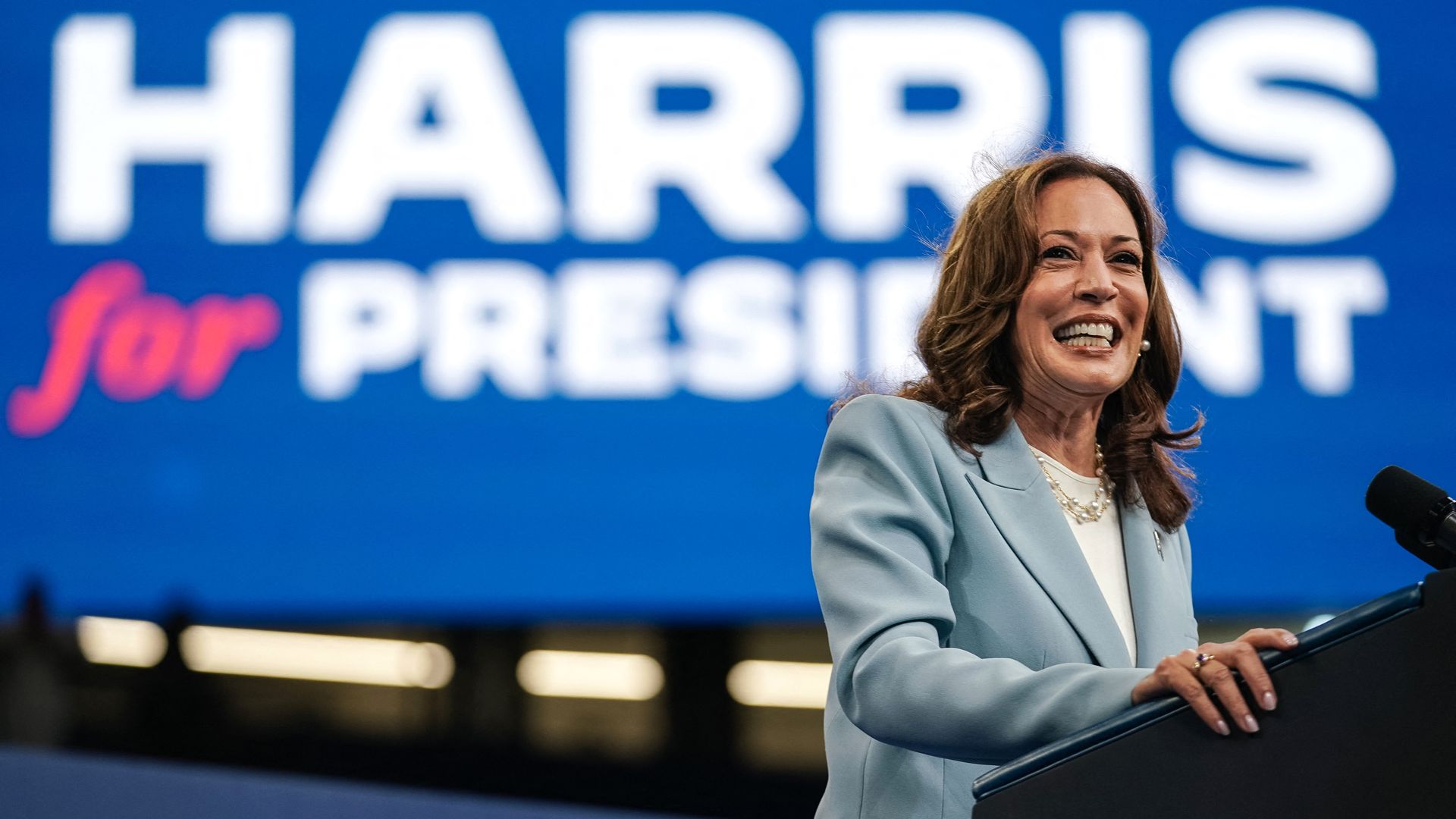
The big picture: While her campaign has embraced the platform, the U.S. government is pursuing a lawsuit alleging that TikTok's ties to China represent a national security threat.
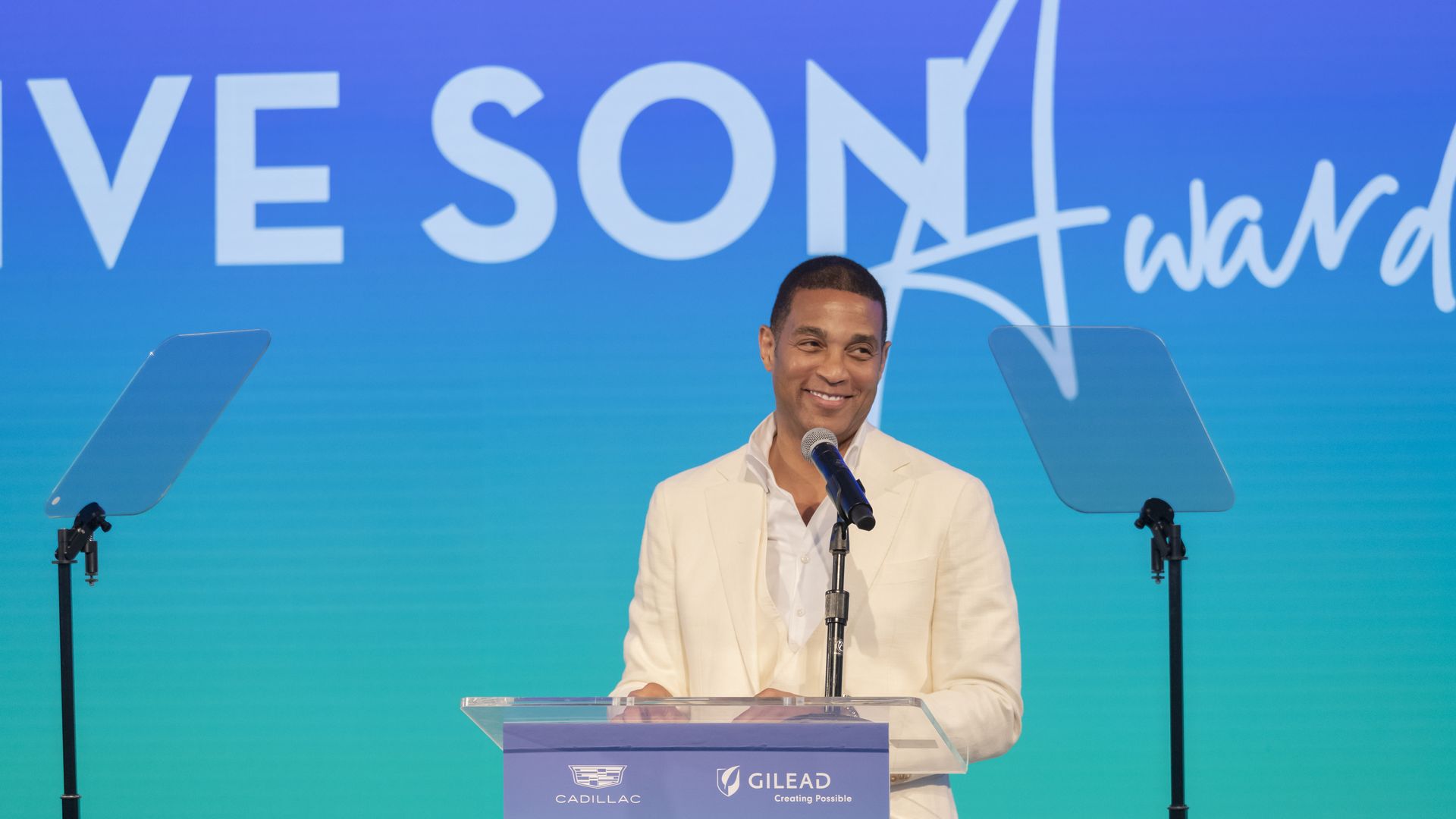
Former CNN anchor Don Lemon sued Elon Musk and X Thursday, alleging the tech mogul refused to pay him after the contract for his show for the social media platform was canceled.
Why it matters: A tense interview between Musk and Lemon earlier this year preceded the show's cancellation, sparking further scrutiny of the billionaire's controversial leadership of the platform formerly known as Twitter.
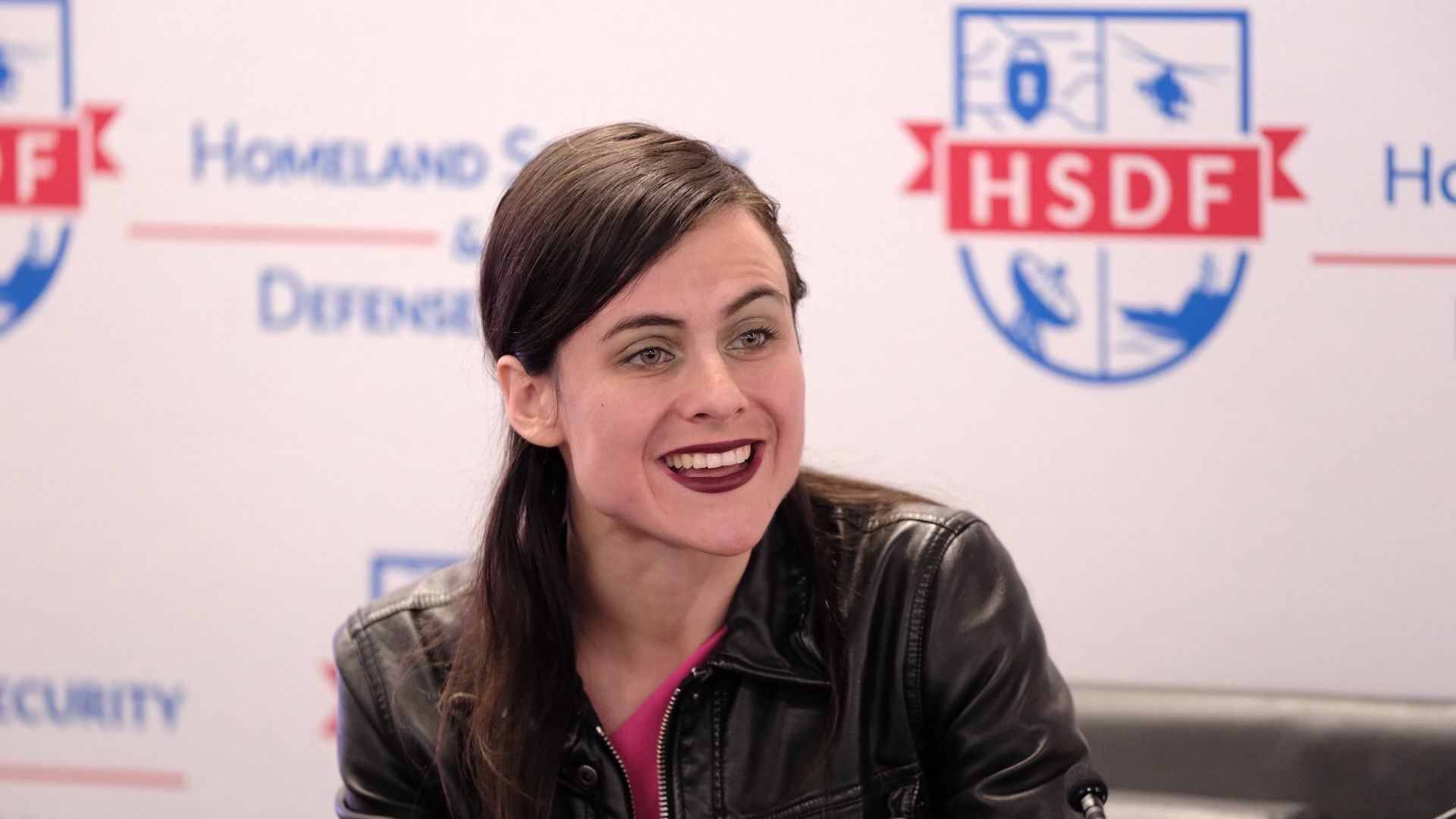
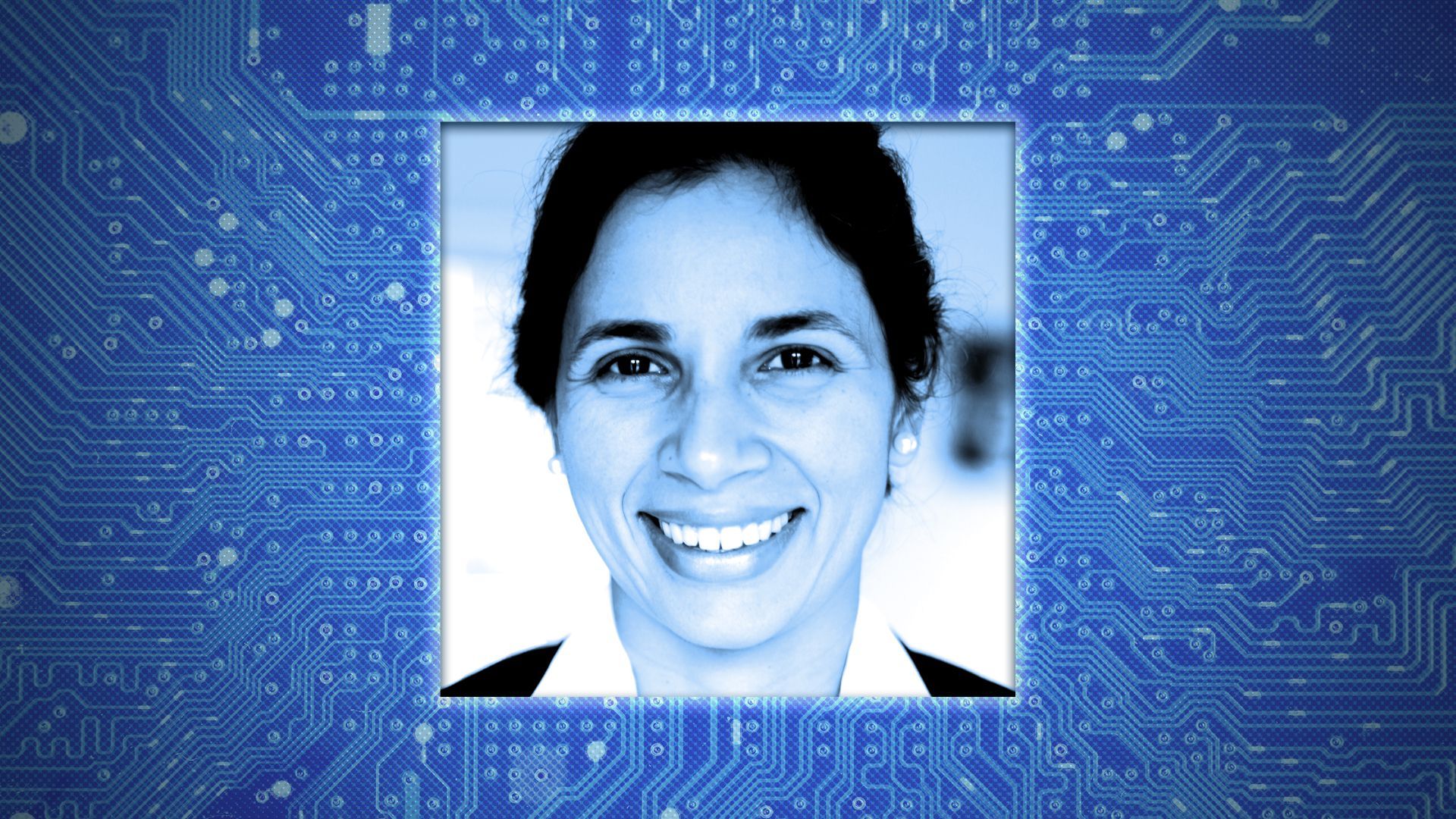
The Cybersecurity and Infrastructure Security Agency has named Lisa Einstein as its first-ever chief artificial intelligence officer, the agency exclusively shared with Axios.
Why it matters: Creating this new senior-level position underscores just how seriously the country's top cybersecurity officials view both artificial intelligence tools' opportunities and threats.
Retired Gen. Paul Nakasone, the former leader of the National Security Agency and Cyber Command and current OpenAI board member, is joining Ballistic Ventures as a strategic adviser, the firm exclusively shared with Axios.
Why it matters: Cybersecurity startups increasingly need advice not only about business operations, but also about the national security threats their products are designed to fight.
Nvidia stock was in something of a short-term slump on Tuesday, closing the day at $103.73, down 26% from the all-time high set in June. Then Microsoft released its quarterly earnings.
The big picture: Microsoft announced a larger-than-expected $19 billion of capital expenditures in Q2 — that's $300 million per business day — and said "nearly all" of that was spent on building cloud and AI infrastructure.
Artificial intelligence is making its presence felt at the Paris Games, but mostly in a supporting role.
Our thought bubble: While it is tempting to cast this year as "The first AI Olympics," it's more accurate to think of it as the last Games in which the technology remains confined to the sidelines.
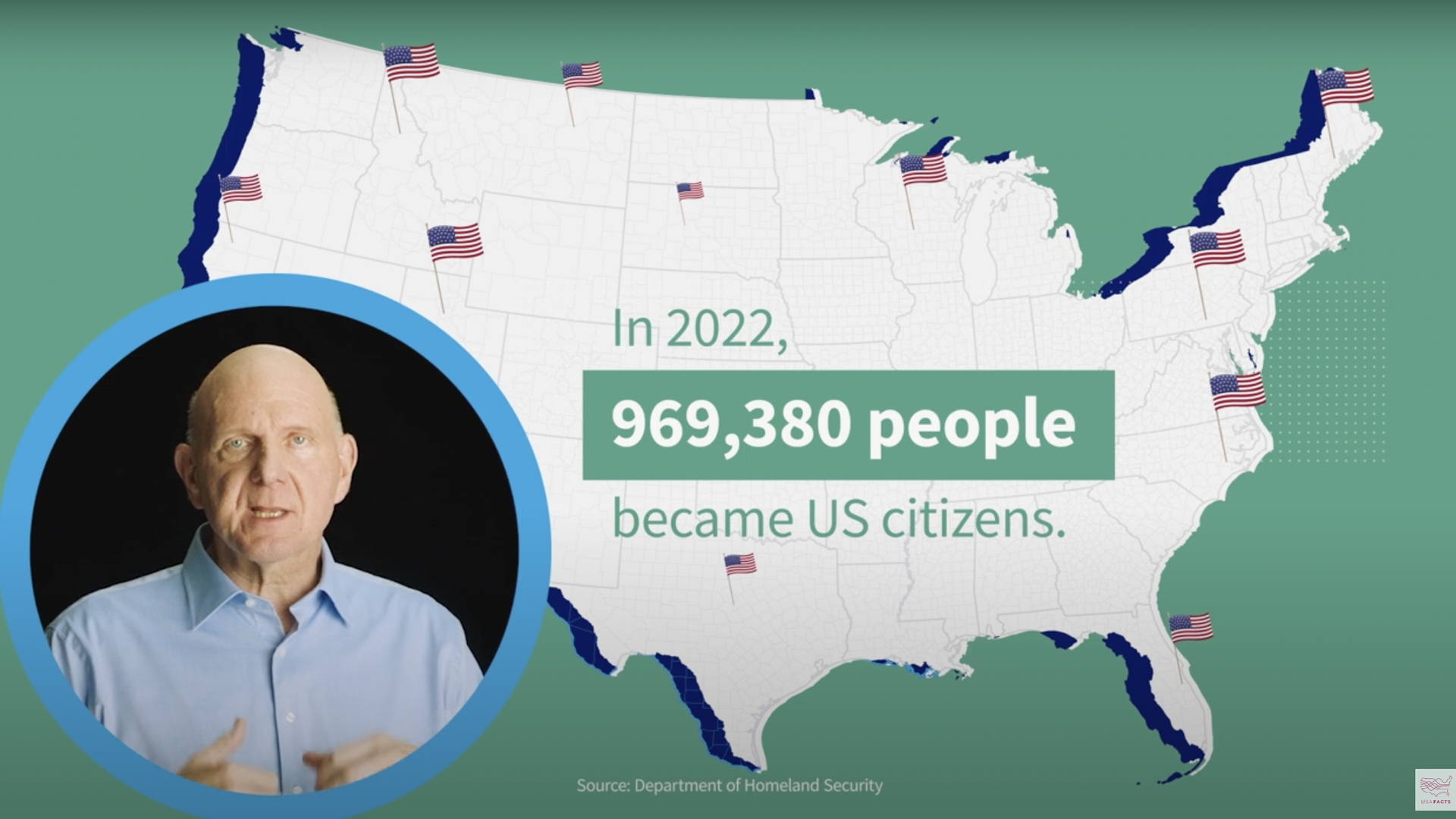
Steve Ballmer, the billionaire former Microsoft CEO and L.A. Clippers owner, might be on your TV screen soon, talking about immigration, health or the federal budget.
Why it matters: "It's a really important thing for people to think independently," Ballmer tells Axios. "But some people are not getting enough information, and some people are getting overwhelmed."










/2024/08/01/1722547633808.gif?w=3840)
/2024/08/01/1722528185306.gif?w=3840)