Exclusive: Gen AI music app Suno comes out of stealth

Add Axios as your preferred source to
see more of our stories on Google.
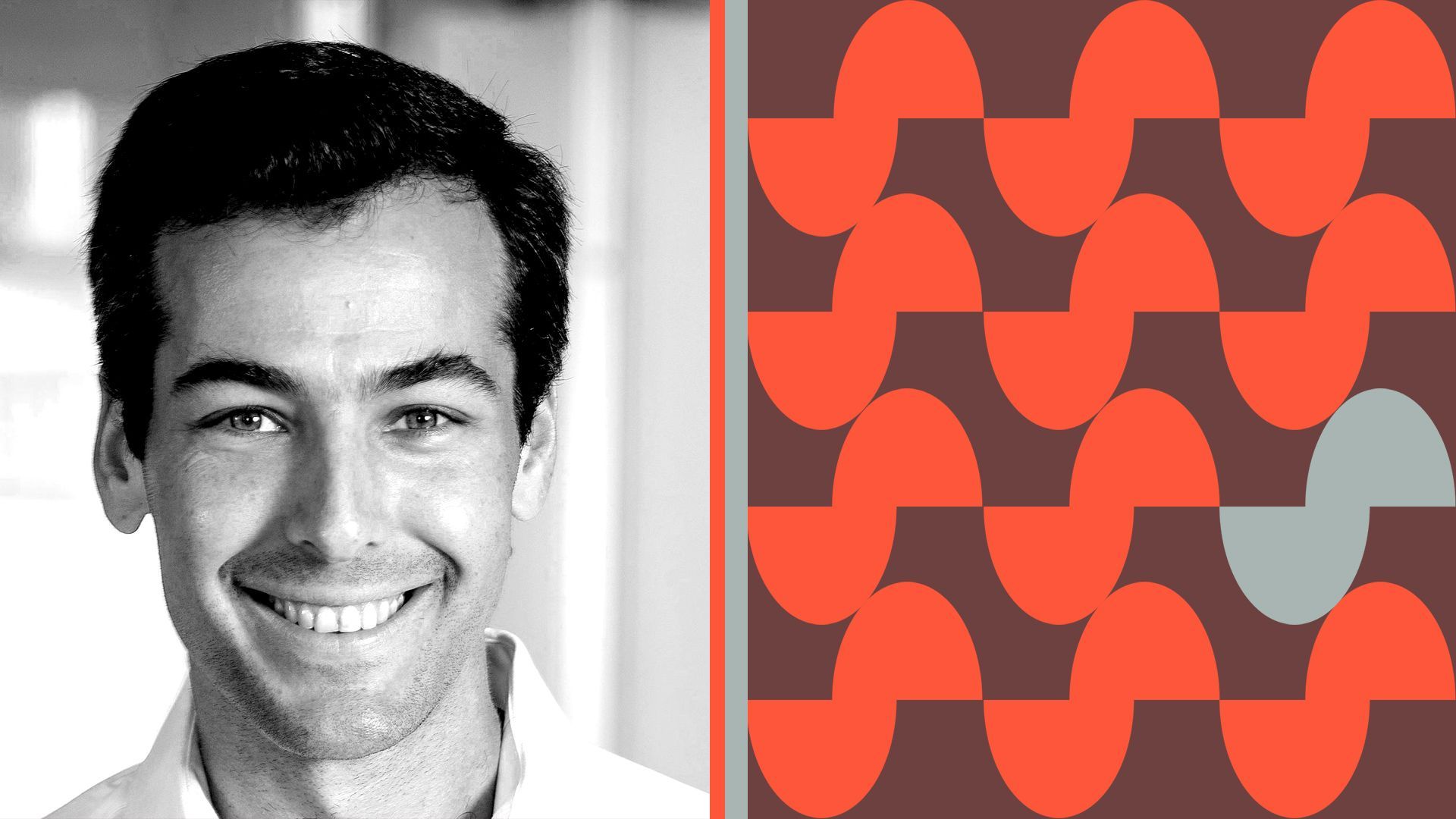
Photo illustration: Axios Visuals. Photo: Courtesy of Michael Shulman.
Suno, a venture-backed AI music company, has come out of stealth with the aim of helping anyone write and create songs as easily as taking photos on a phone.
Why it matters: The race to build consumer AI audio products and platforms is accelerating.
- Microsoft announced Tuesday that it has integrated Suno into its AI software platform Copilot.
- Facebook and Google have released AI tools that can generate songs and sounds.
Zoom in: Unlike many AI music apps, Suno (pronounced soon-oh and means "listen" in Hindi) is focused on creating original tunes with original vocals — not on cloning or mimicking popular artists' voices or songs.
- While it may be "very cool and very interesting" for people to make new songs in a specific artist's style, Suno doesn't think that experience will prove enjoyable for consumers in the long-term, CEO and co-founder Mikey Shulman tells Axios in an exclusive interview.
What they're saying: "We want everyone to experience the joys of making music," he says.
- "Most people don't play an instrument or know complicated software, which up until now have been barriers to making beautiful music. Vocal music is [also] a really important ingredient in that, and it's one of [Suno's] differentiators."
How it works
The web app asks for a song description. (I gave it: "a funky song about the craziness of AI hype.")
- Suno then generates two tunes that sound different and have different lyrics. (I got two 80-second tracks: "Digital Delirium," that starts with "Oh, they say the future is here/it's AI everywhere;" and "Digital Mirage," which begins: "In an era of machines and artifical minds/ The world's gone crazy, it's a digital grind.")
- Right now, users also can generate songs by writing their own lyrics and specifying style, such as "emotional country ballad."
- There's also the ability to download and share the songs. You can listen to the two that I made, both of which I found to be catchy, here and here.
Protecting artists
Shulman says the Cambridge, Mass.-based company wants to produce music legally and ethically.
- When I typed in "A Charlie Puth song about bananas," the app denied my request and flashed this message: "Couldn't generate that. Suno is for generating original music. Try different lyrics, and use genres and vibes rather than specific artist names."
- The company's model "doesn't know who Charlie even is but, even if it did, we wouldn't want to infringe on his likeness," says Shulman.
- The app similarly prevents users from uploading other music as samples and pasting lyrics from someone else.
- I got blocked after putting in Radiohead's "You'd kill yourself for recognition/Kill yourself to never, ever stop" but it let me generate from the chorus, "Don't leave me high/Don't leave me dry."
Monetization
For the free version of the app, there's a limit of five prompts (10 songs) a day.
- For $10 a month, users can generate up to 500 songs. And for $30 a month, users can generate up to 2,000 songs. The company also offers annual subscription discounts.
- Suno and Microsoft, which approached the company initially, do not currently have a financial arrangement.
The team
Shulman and his three co-founders — best friend Georg Kucsko, Martin Camacho, and Keenan Freyberg — have been working on the app for about 18 months.
- All four worked together previously at Kensho, an AI tech startup for financial data that was acquired by S&P Global.
- The 1o-person team is actively recruiting and "well-funded," says Shulman.
Be smart: Generating convincing music with AI has been a tougher task than for text and images.
- To start, there are many more components — from speech to individual notes and arrangements and flow — for systems to process.
- A lack of available high-quality data for training and mapping interpretations of descriptions of music styles and moods, remain challenges.
Our thought bubble: Suno's social sharing features will make it easier for a new kind of digital influencer to emerge, disrupting the music industry the way TikTok comedians have disrupted standup, comedy shows and films and talent pools.
Go deeper: AI-generated music strikes chord and discord
