Amazon Web Services announced updates across several of its AI products on Wednesday as it aims to outpace competitors.
Why it matters: AWS' lead in cloud has been narrowing, and the company is betting that speedy development of AI products will make its cloud services more attractive to customers.
Google has added a speedometer feature to the iOS and CarPlay versions of Google Maps, something I noticed while driving through Golden Gate Park yesterday.
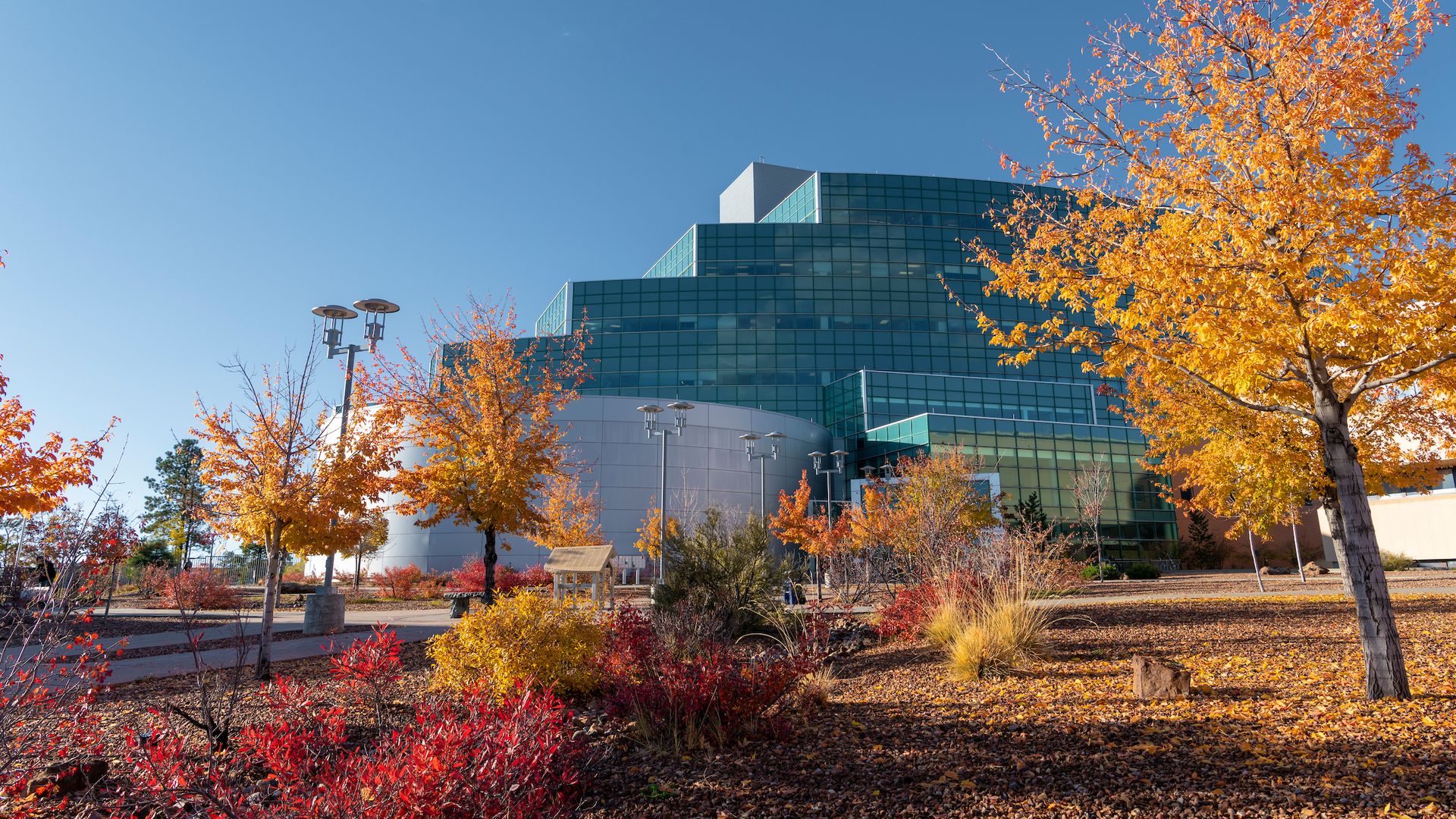
OpenAI and Los Alamos National Laboratory are collaborating to study the benefits and risks of using generative AI in an active laboratory, according to details shared first with Axios.
Why it matters: OpenAI CEO Sam Altman has long said that one of genAI's greatest promises is advancing human understanding in science, though critics have also warned the technology could put bioweapons within the reach of would-be terrorists.
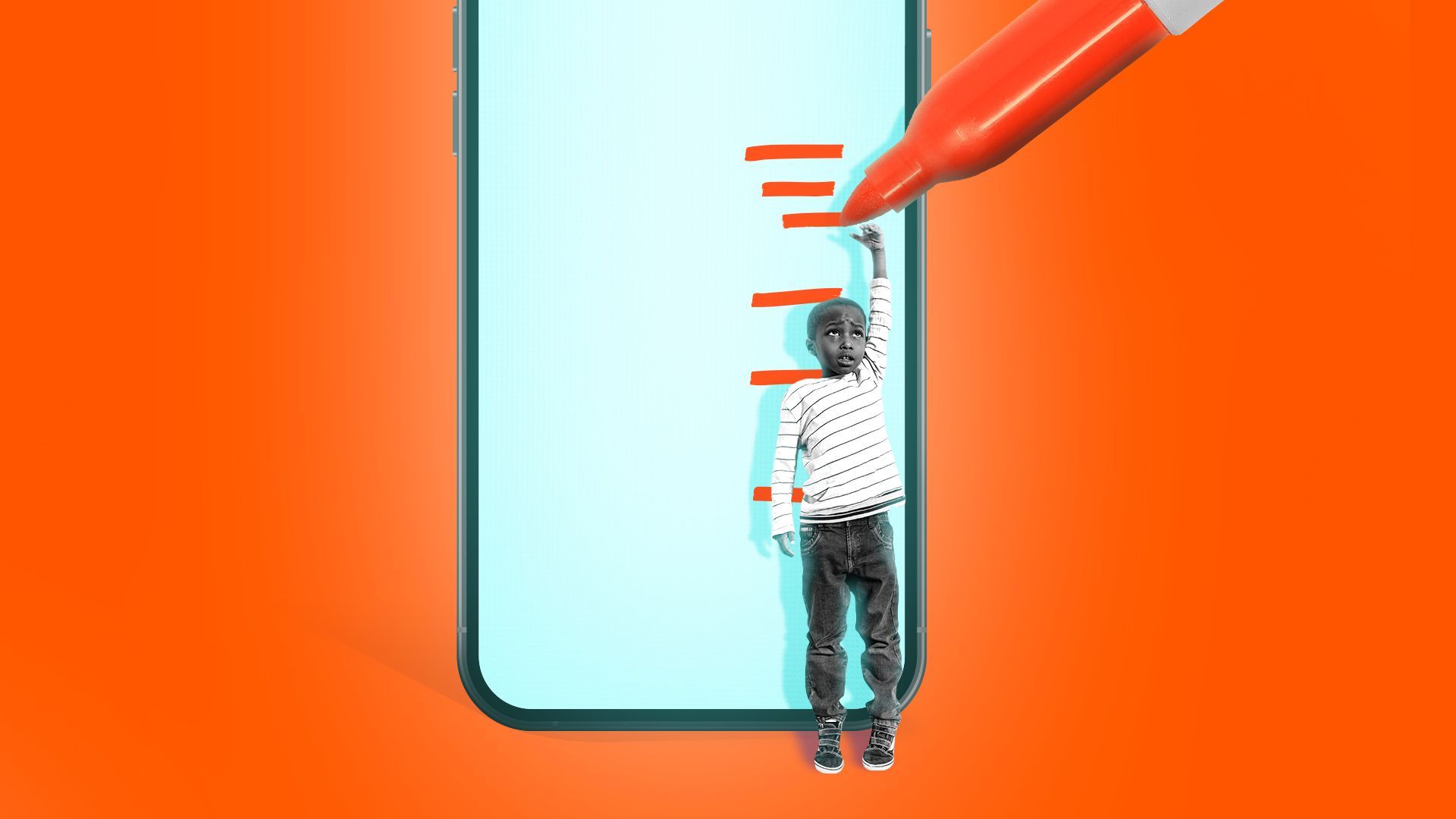
Don't get hysterical about your child's screen time, says Dr. Michael Rich, a pediatrician who runs a leading treatment program for kids with so-called "internet addictions" (a term he detests).
Children will go through life with a smartphone, he points out — and it's important for the adults in their lives to teach them to use one wisely.
Don't get hysterical about your child's screen time or yank away their cellphone protectively, says Dr. Michael Rich, a pediatrician who runs a leading treatment program for kids with so-called "internet addictions" (a term he detests).
Children will go through life with a smartphone, he points out — and it's important for the adults in their lives to teach them to use one wisely.
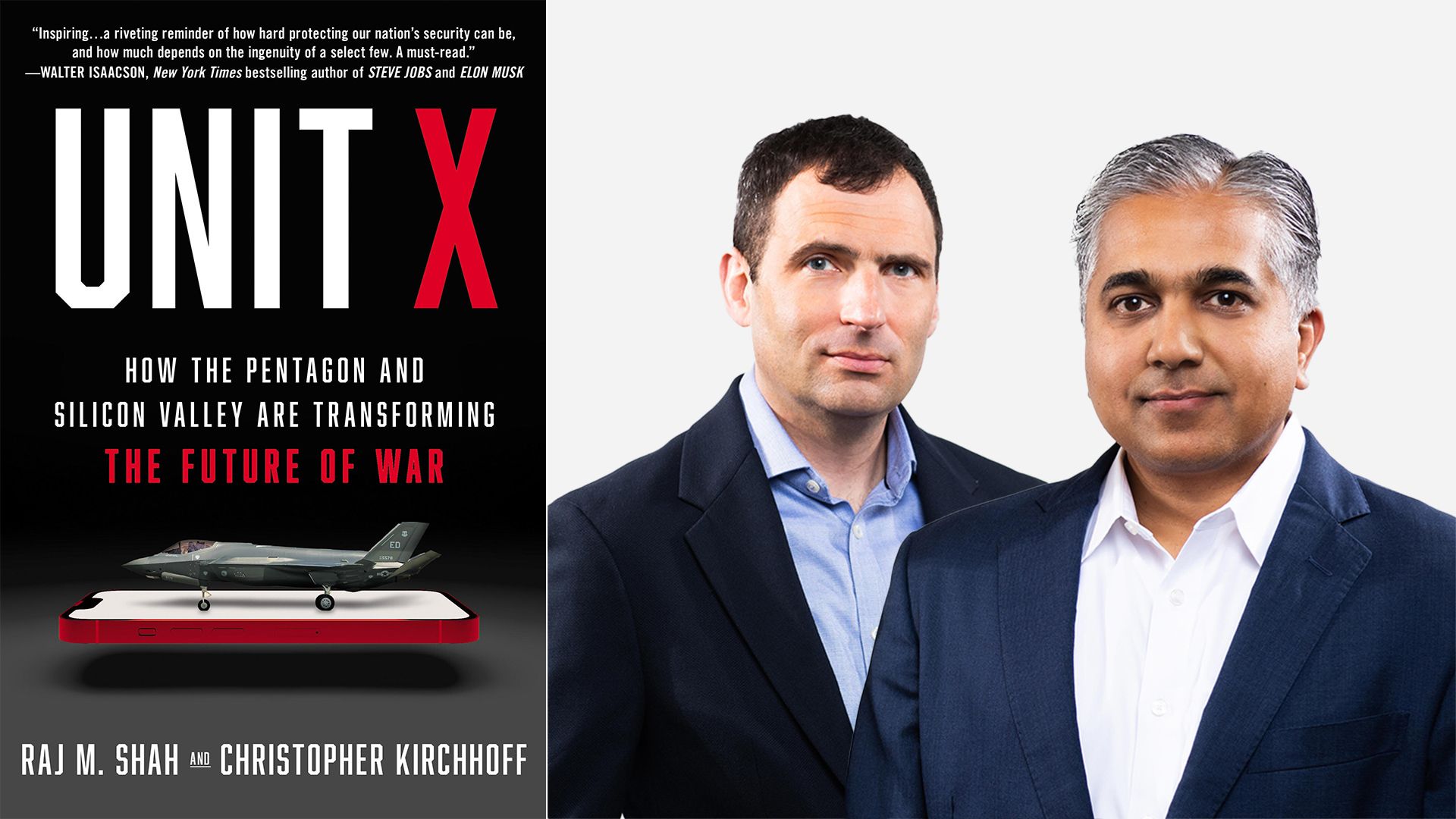
OpenAI CEO Sam Altman, along with investor Marc Andreessen, played a pivotal role in convincing the Trump administration not to kill a unit designed to foster collaboration between the Pentagon and Silicon Valley, according to details from a new book.
The big picture: Since then, the Defense Innovation Unit (DIU) has emerged as a key player in helping the military more quickly adopt technologies developed outside the government, including artificial intelligence.
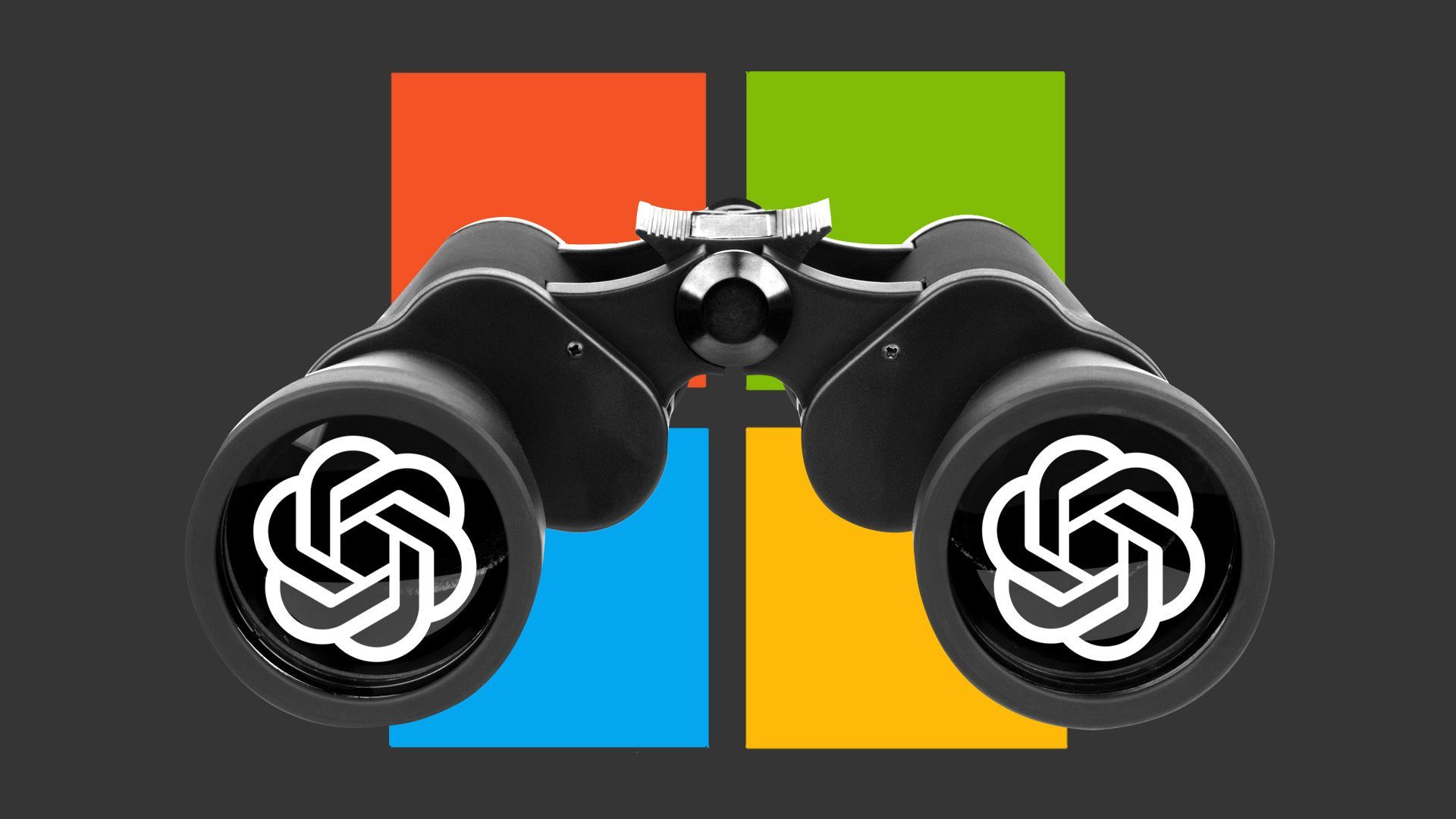
Microsoft said late Tuesday that it is giving up an observer seat on OpenAI's board, noting that it has seen "significant progress" over the last eight months, is confident in the company's direction and no longer sees the seat as necessary.
Why it matters: Microsoft pushed for the spot after the November ouster of Sam Altman. The company played a key behind-the-scenes role in securing Altman's return and changes to the company's governance.
Meta will start taking down more content "attacking 'Zionists' when it is not explicitly about the political movement" across its platforms like Facebook and Instagram, the company announced Tuesday.
Why it matters: The move comes as antisemitic incidents have skyrocketed since the start of the Israel-Hamas war.
The Washington Post on Tuesday launched a new AI-driven chatbot on its site that answers user queries about climate with answers pulled from Washington Post articles.
Why it matters: For now, the tool is only built to answer user queries about climate. In the future, the Post plans to expand the chatbot to other topics, said chief technology officer Vineet Khosla.
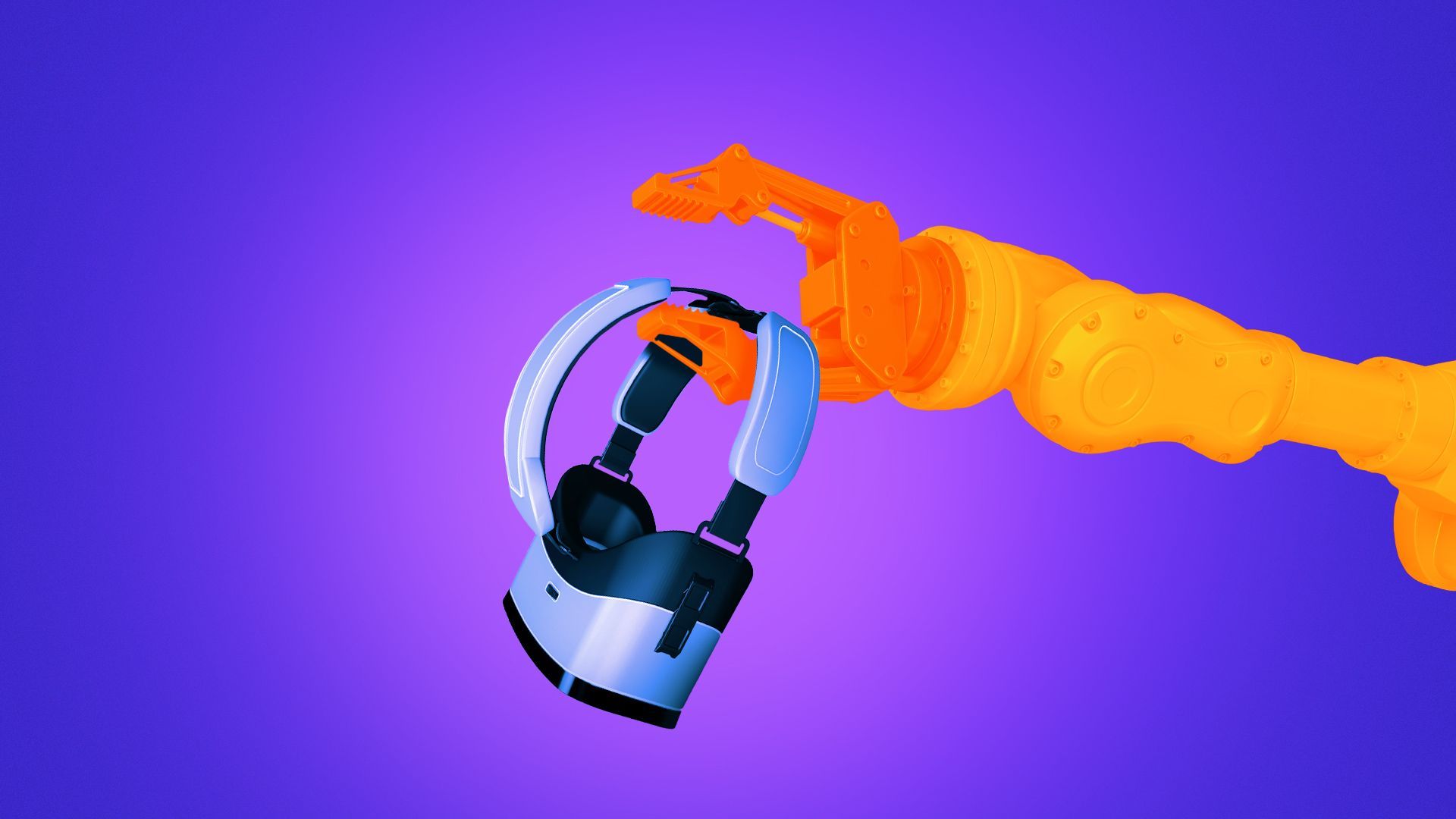
I'm wearing mixed reality goggles, and a disembodied voice is telling me to check the wiring harnesses on the 2.0-liter engine in front of me, inside Ford's Dearborn engine plant in Michigan.
Why it matters: If any one of the electrical connections in the intricate network is wired incorrectly, the engine won't start.
I'm wearing mixed reality goggles, and a disembodied voice is telling me to check the wiring harnesses on the very real 2.0-liter engine in front of me, inside Ford's Dearborn engine plant in Michigan.
Why it matters: If any one of the electrical connections in the intricate network is wired incorrectly, the engine won't start.
The AI industry sees digital twins — virtual likenesses of a human or an object, built for research — as a powerful practical use for the technology it's spending billions to build.
Why it matters: Tech companies believe they can unlock AI's potential by using digital twin technology to make copies of our physiologies, personalities and the objects around us.