Exclusive: OpenAI partners with Los Alamos to study AI in the lab

Add Axios as your preferred source to
see more of our stories on Google.
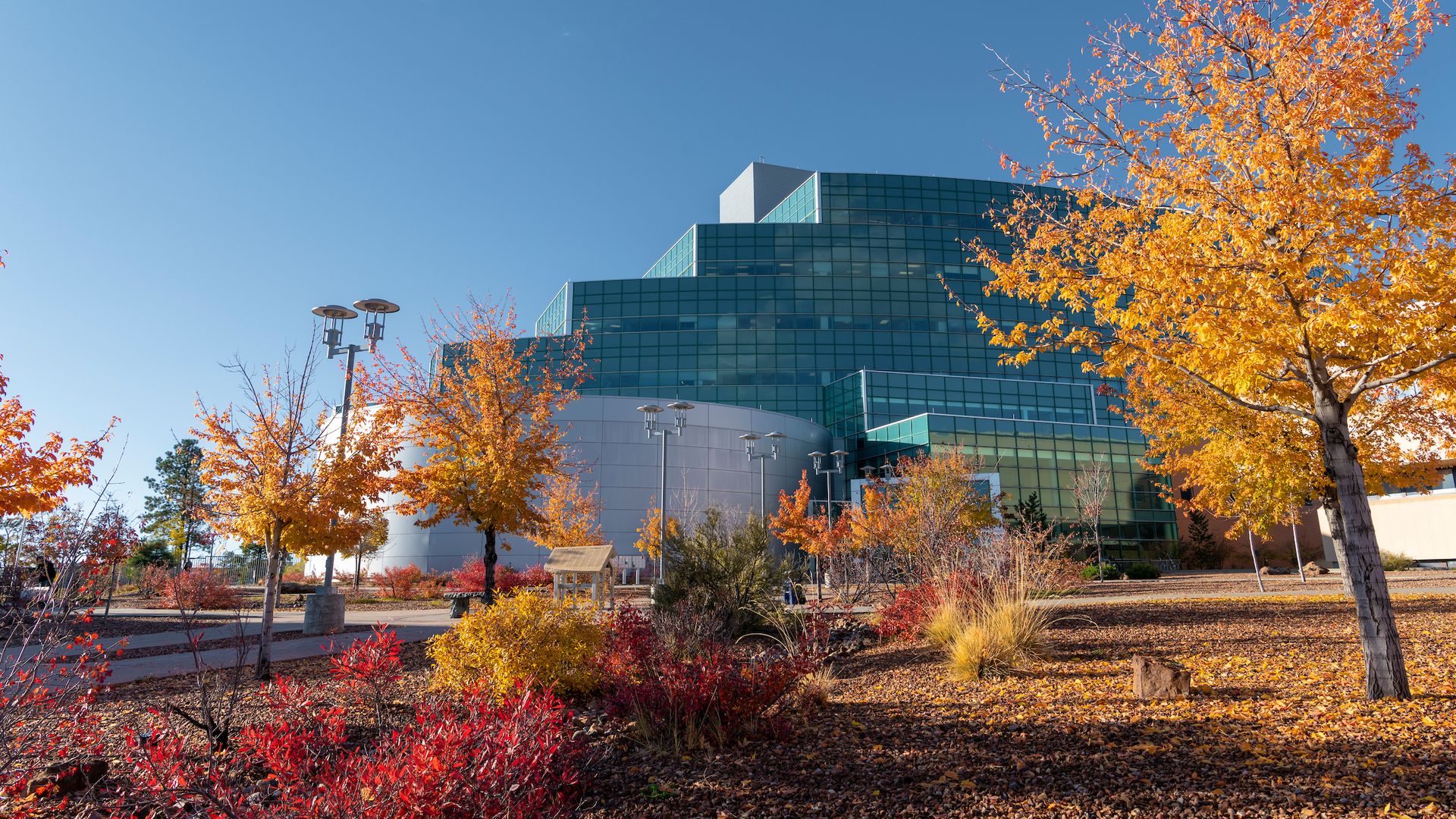
Photo: Los Alamos National Laboratory
OpenAI and Los Alamos National Laboratory are collaborating to study the benefits and risks of using generative AI in an active laboratory, according to details shared first with Axios.
Why it matters: OpenAI CEO Sam Altman has long said that one of genAI's greatest promises is advancing human understanding in science, though critics have also warned the technology could put bioweapons within the reach of would-be terrorists.
Driving the news: The initial experiment involves using AI to help someone who might not be skilled in molecular biology to perform basic biomedical tasks — in this case, helping genetically engineered E. coli bacteria produce insulin.
What they're saying: OpenAI said it believes the experiment is the first of its kind, and could help scientists figure out which areas of research genAI systems could most help.
- "We want these advanced models to contribute to scientific progress — and evaluating them in a setting where scientists actually work is one of the first steps toward realizing their potential," Tejal Patwardhan, a technical lead on OpenAI's preparedness team, told Axios.
- "This is a real-world setting where scientists would actually use this model for biological work, and that's very exciting."
The big picture: Nick Generous, a deputy group leader at Los Alamos, told Axios that incorporating AI in the lab is key to understanding the role the technology could play, both as a tool and as a threat.
- "Many great things can happen, but we want to make sure that if any risks do get introduced that we can at least identify and mitigate them before they become a problem," Generous said.
Between the lines: OpenAI's research team previously found that GPT-4 offered a "mild uplift" in delivering information that could lead to the creation of biological threats.
- However, those experiments focused on written tasks rather than actual lab work and model inputs and outputs were limited to text. The work at Los Alamos will focus on what is possible when the AI tools are combining text, vision and voice data.
