Following an outcry from fans and creators, Lego said Friday that its use of generative AI for a series of images on its website was a test that went against its policies.
Why it matters: The move comes amid a broader debate within creative communities over whether and how the use of generative AI is acceptable.
The Federal Trade Commission has launched an inquiry into Reddit's licensing of user data to AI companies, according to a Friday afternoon disclosure by the social media company.
Why it matters: This comes just days before Reddit is expected to complete its long-awaited IPO.
Public officials can block someone from their social media feed if posting is not part of the person's official job duties, the U.S. Supreme Court said in a unanimous opinion Friday.
Why it matters: The court delineated when a government official can and cannot impose limits on who can see the official's content in the context of the employee's duties.
Swarms of low-cost drones powered by AI — perhaps hundreds of them at the same time — could soon pose an existential threat to America's hulking war machinery.
Why it matters: Advanced militaries can largely fend off individual drones. But swarms of them deployed on a single target have the potential to reshape the global balance of power.
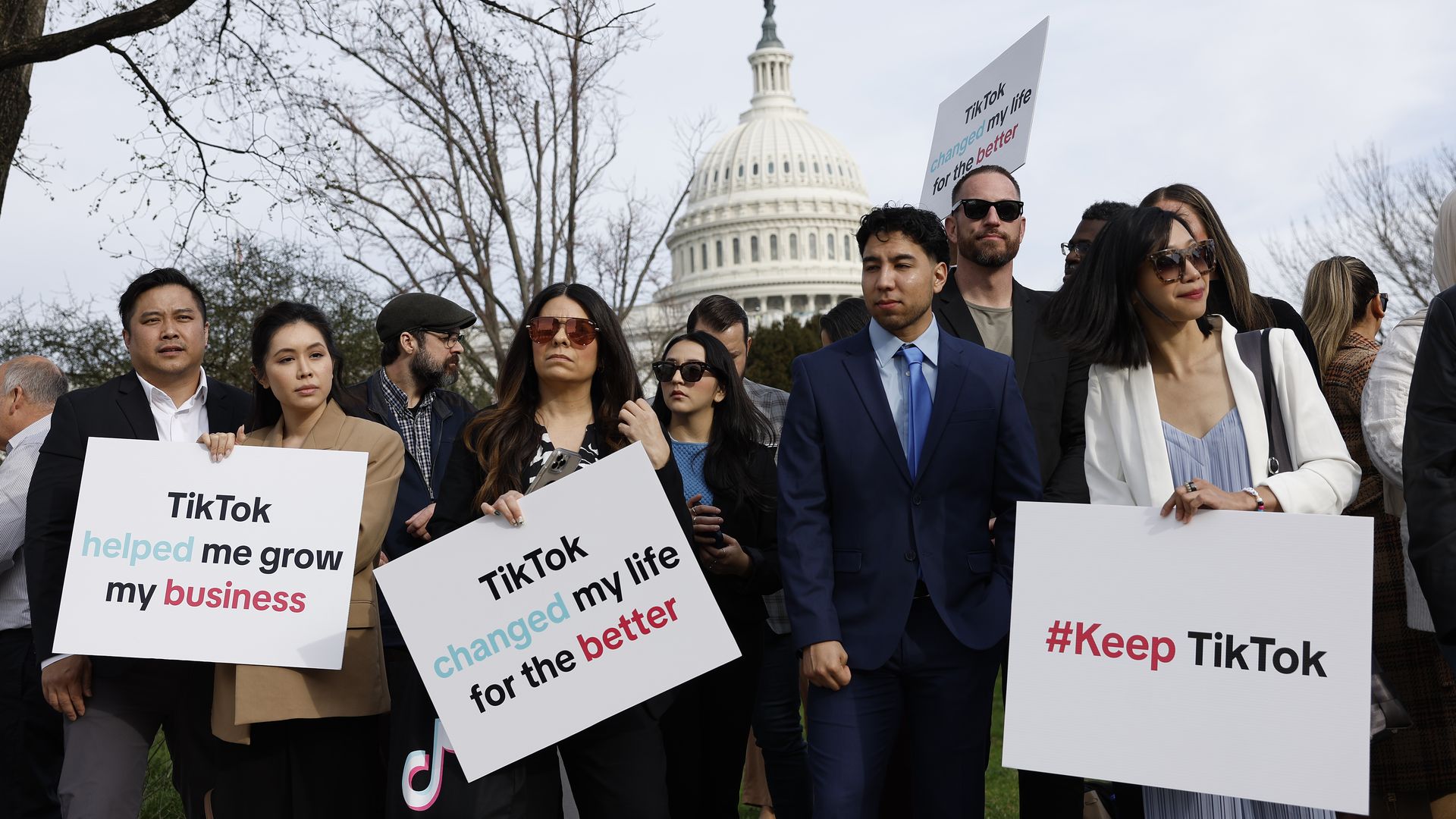
The move toward a TikTok ban took off like a rocket on Capitol Hill this week, but the FBI has warned for years that TikTok could pose national security risks.
Why it matters: American social media sites collect data about users and have become breeding grounds for nation-state disinformation campaigns, but experts tell Axios that the data privacy concernsfacing TikTok are different.
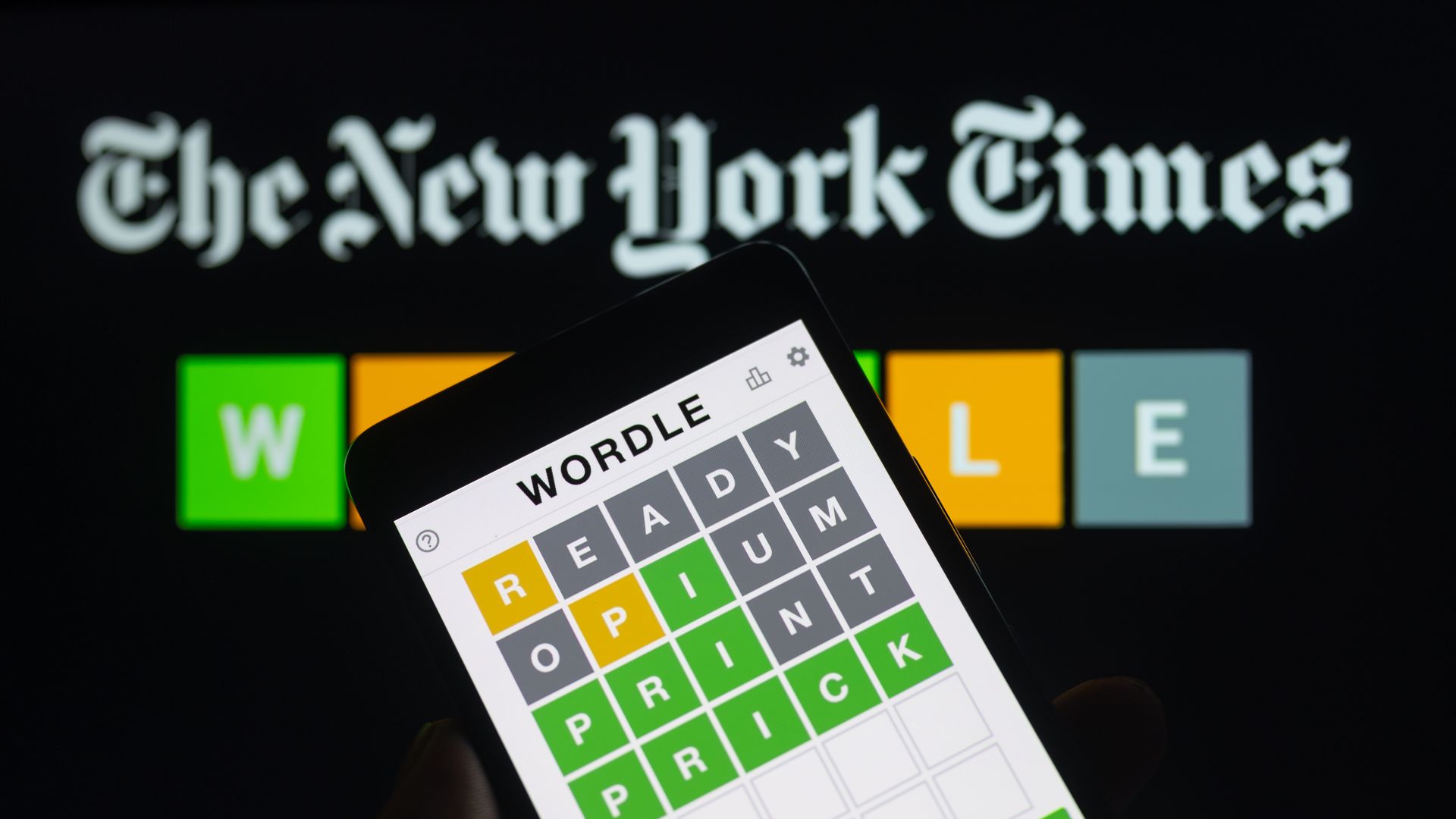
The big picture: The NYT has notified hundreds of people via GitHub about incidents of copyright infringement from "Wordle clone" games since it first contacted the platform that lets developers share code publicly on Jan. 2, a Times spokesperson said in an emailed statement Thursday.
Snapchat is experimenting with a new function called "Infinite Retention Mode" that allows users to save their direct messages (DMs) between friends, executives told Axios.
Why it matters: Snapchat pioneered disappearing chats as a way to help close friends keep conversations intimate. The new changes bring Snapchat closer to a pure-play messaging app like iMessage or WhatsApp.
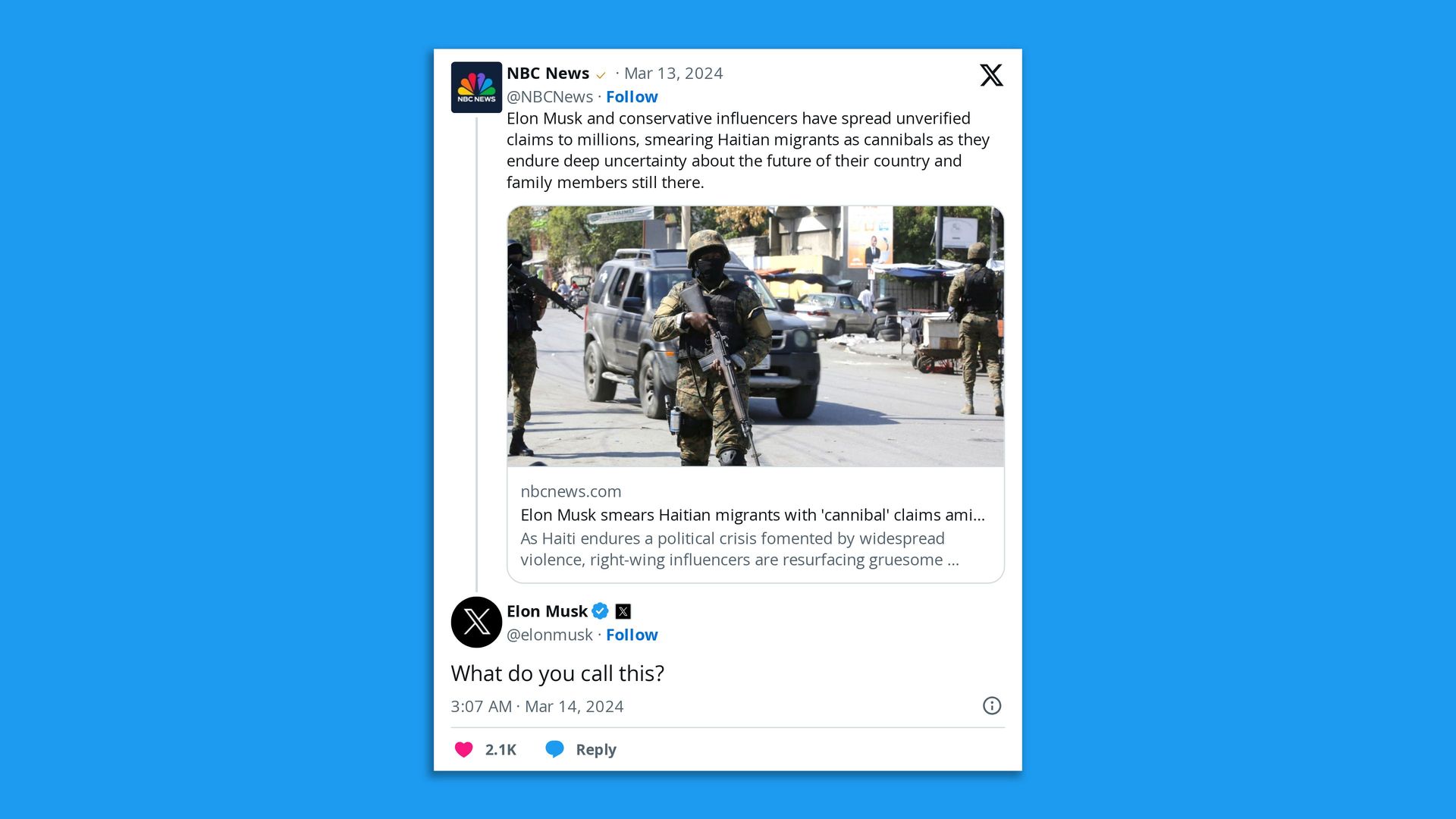
Elon Musk's X has removed a message shared by its owner that contained, per Bloomberg, an unverified video claiming to show evidence of cannibalism in Haiti.
Why it matters: Creating a platform for free speech was one of the main reasons Musk gave for his interest in buying X, and the billionaire's efforts to loosen moderation policies have been cheered by conservatives and criticized by many others.
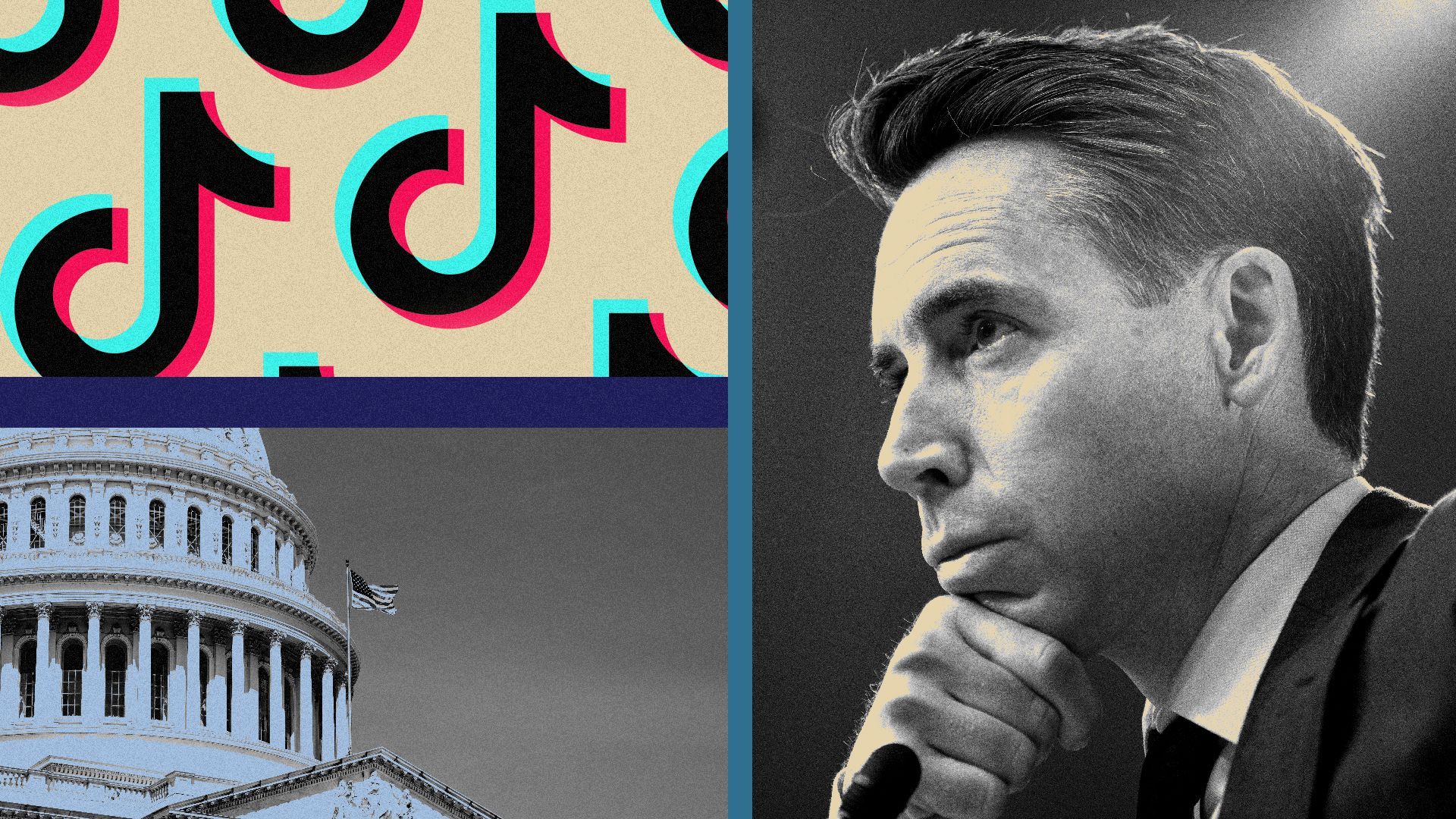
Sen. Josh Hawley (R-Mo.) was one of the first senators to applaud yesterday's House vote on a bill that requires ByteDance to divest TikTok, or else risk the app from being banned.
But hetells Axios that he doesn't have much faith that there will be a similar vote in the Senate, where Majority Leader Chuck Schumer (D-N.Y.) is noncommittal about bringing it to the floor (despite support from President Biden).
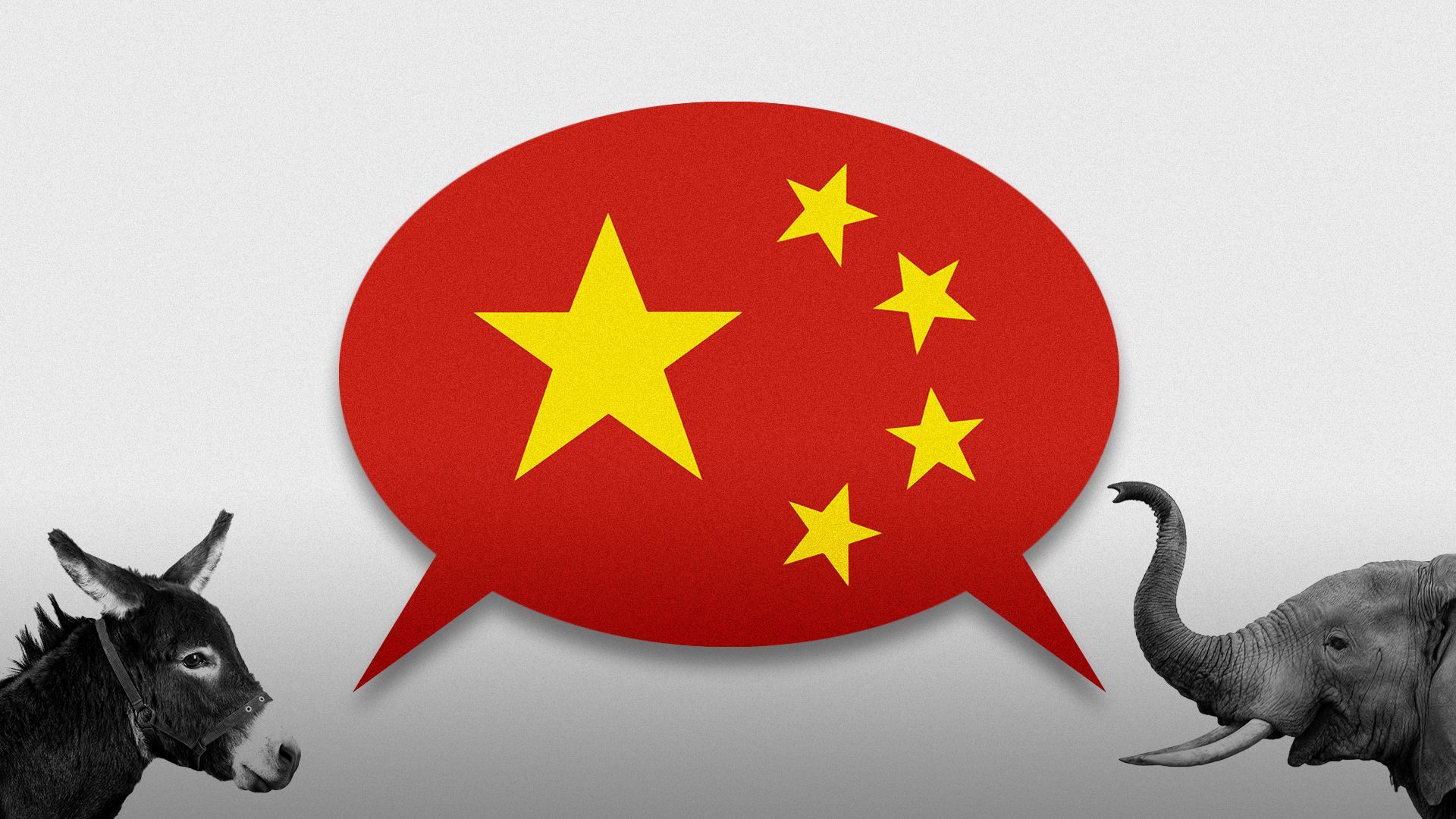
With an anti-TikTok bill flying through the House, Senate Democrats are debating whether to give President Biden what he's wanted for three years: An opportunity to bully former President Trump on China.
Why it matters: Biden has used his presidency to stake out hawkish positions toward Beijing. But he's never had the chance to clearly distinguish his approach from Trump's.
Envisioning a day when hundreds of humanoid robots can be summoned and deployed at the touch of a button, Agility Robotics has announced its first fleet management platform.
Why it matters: There's intense competition among humanoid robot manufacturers to get their products into the industrial marketplace, where companies like Amazon and BMW are eager for their help.
Privacy is the next battleground for the AI debate, even as conflicts over copyright, accuracy and bias continue.
Why it matters: Critics say large language models are collecting and often disclosing personal information gathered from around the web, often without the permission of those involved.
A House-approved bill that threatens to ban TikTok picked up critical bipartisan support in the Senate on Wednesday — but Majority Leader Chuck Schumer (D-N.Y.) remains noncommittal about bringing it to a vote.
Why it matters: President Biden's commitment to sign the legislation on top of the decisive, bipartisan House vote puts immense pressure on the Senate to take action. But the politics will be tricky.