Snapchat is experimenting with a new function called "Infinite Retention Mode" that allows users to save their direct messages (DMs) between friends, executives told Axios.
Why it matters: Snapchat pioneered disappearing chats as a way to help close friends keep conversations intimate. The new changes bring Snapchat closer to a pure-play messaging app like iMessage or WhatsApp.
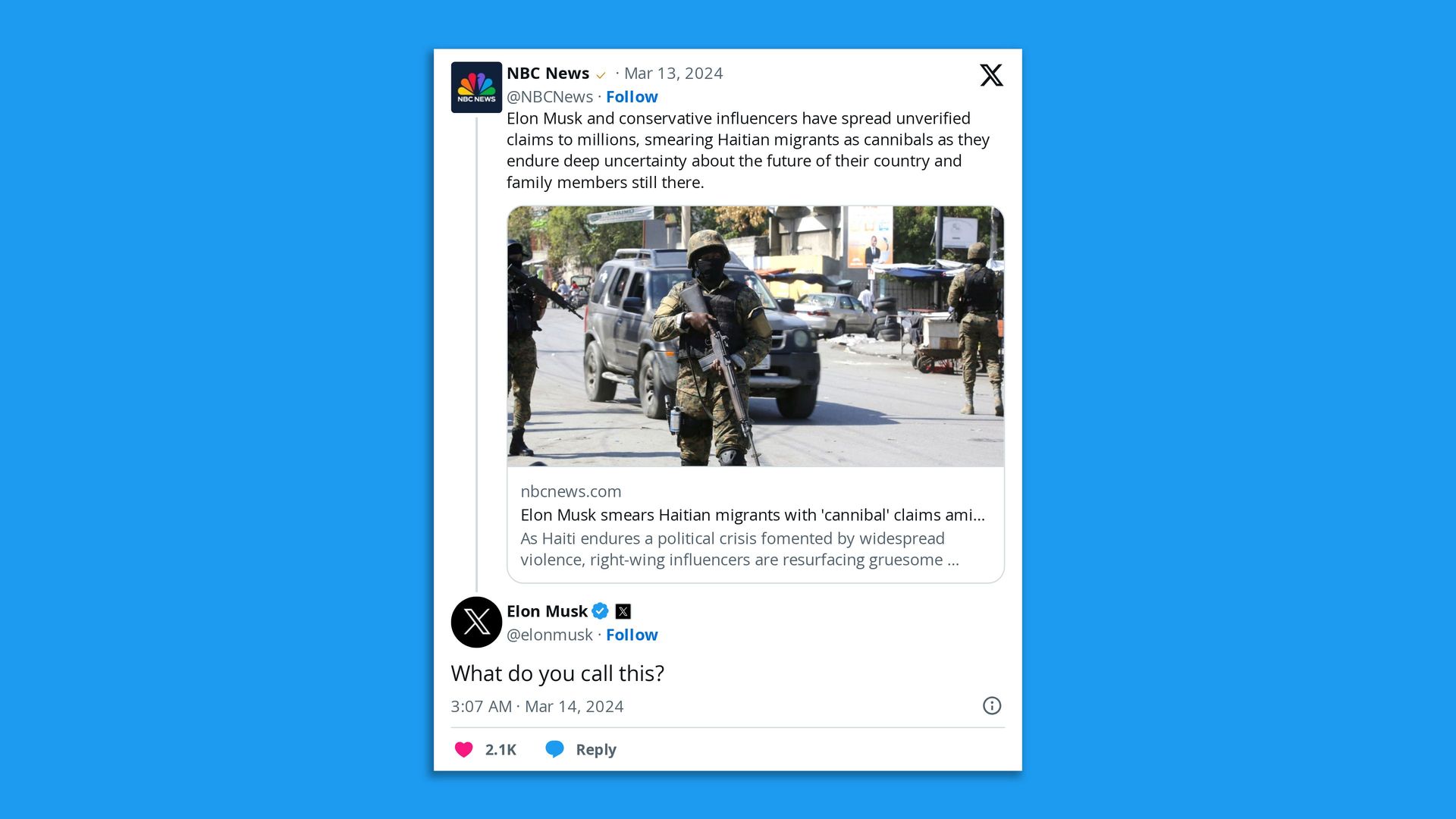
Elon Musk's X has removed a message shared by its owner that contained, per Bloomberg, an unverified video claiming to show evidence of cannibalism in Haiti.
Why it matters: Creating a platform for free speech was one of the main reasons Musk gave for his interest in buying X, and the billionaire's efforts to loosen moderation policies have been cheered by conservatives and criticized by many others.
Sen. Josh Hawley (R-Mo.) was one of the first senators to applaud yesterday's House vote on a bill that requires ByteDance to divest TikTok, or else risk the app from being banned.
But hetells Axios that he doesn't have much faith that there will be a similar vote in the Senate, where Majority Leader Chuck Schumer (D-N.Y.) is noncommittal about bringing it to the floor (despite support from President Biden).
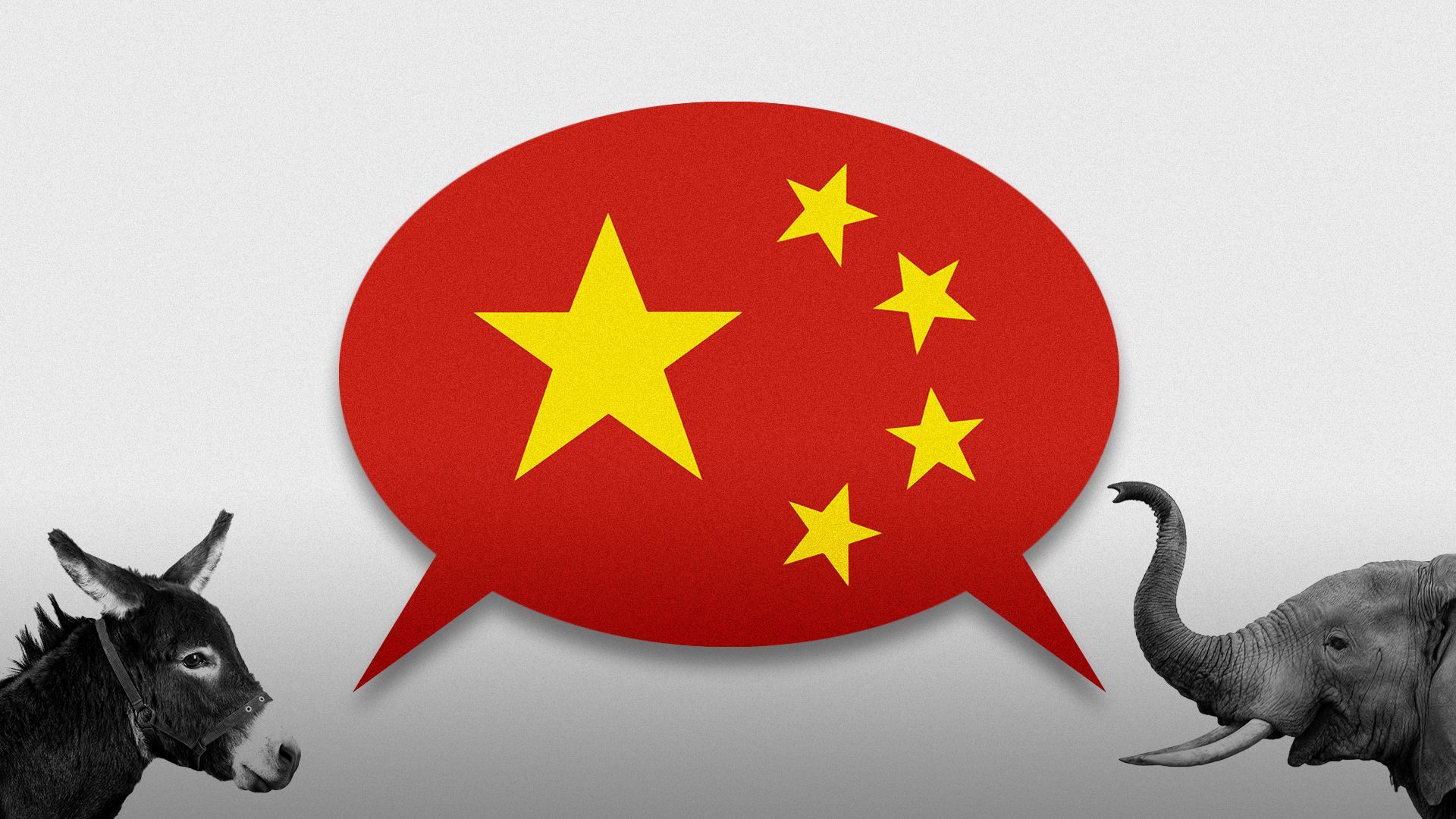
With an anti-TikTok bill flying through the House, Senate Democrats are debating whether to give President Biden what he's wanted for three years: An opportunity to bully former President Trump on China.
Why it matters: Biden has used his presidency to stake out hawkish positions toward Beijing. But he's never had the chance to clearly distinguish his approach from Trump's.
Envisioning a day when hundreds of humanoid robots can be summoned and deployed at the touch of a button, Agility Robotics has announced its first fleet management platform.
Why it matters: There's intense competition among humanoid robot manufacturers to get their products into the industrial marketplace, where companies like Amazon and BMW are eager for their help.
Privacy is the next battleground for the AI debate, even as conflicts over copyright, accuracy and bias continue.
Why it matters: Critics say large language models are collecting and often disclosing personal information gathered from around the web, often without the permission of those involved.
A House-approved bill that threatens to ban TikTok picked up critical bipartisan support in the Senate on Wednesday — but Majority Leader Chuck Schumer (D-N.Y.) remains noncommittal about bringing it to a vote.
Why it matters: President Biden's commitment to sign the legislation on top of the decisive, bipartisan House vote puts immense pressure on the Senate to take action. But the politics will be tricky.
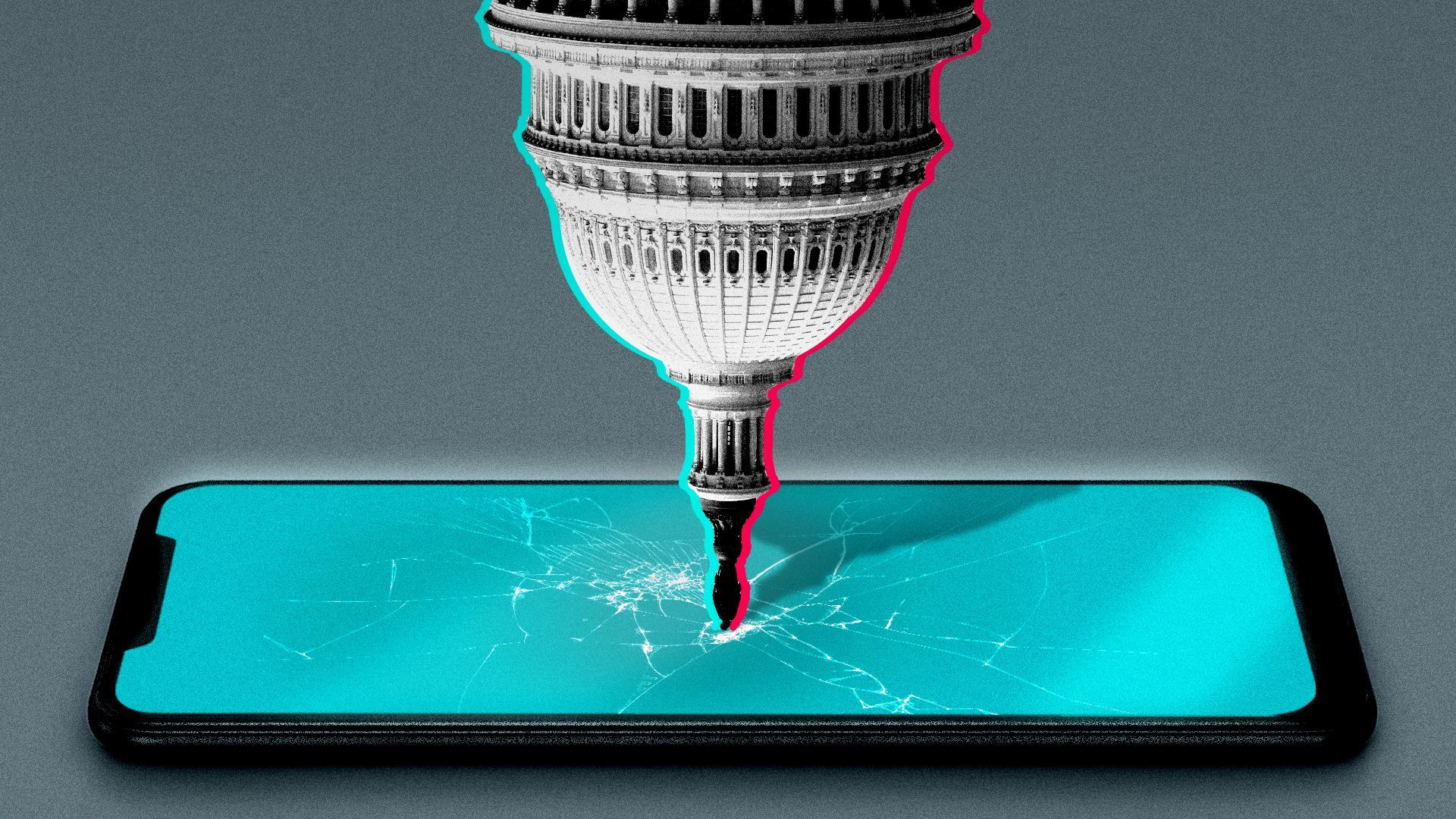
U.S. lawmakers are trying to regulate TikTok over long-standing alleged national security concerns, but it's unlikely the app is going anywhere anytime soon.
The big picture: Although Washington surprised even TikTok with its accelerated recent attempt to potentially ban the wildly popular video app, the efforts still face hurdles.
House Democrats are warning that legislation that could lead to a ban of TikTok risks intensifying their party's problems with young voters heading into the 2024 election.
Why it matters: Young voters have made up the backbone of the Democratic coalition in recent elections, but both parties have ramped up their courtship of the critical voting bloc this year.
A years-long battle over TikTok's fate in the U.S. is escalating this week, as the popular video-sharing platform campaigns against the threat of a ban.
State of play: Following threats from the Trump and Biden administrations, Congress is advancing federal legislation to force China's ByteDance to sell its stake in the U.S. version of TikTok or ban the platform from U.S. app stores. Here's a timeline of how we got here.
The House on Wednesday passed a bipartisan bill that would force China-based ByteDance to sell TikTok or face a ban in the U.S.
Why it matters: Lawmakers passed the bill in a 352-65-1 vote, raising the stakes in a battle that imperils the app for its millions of users across the country.
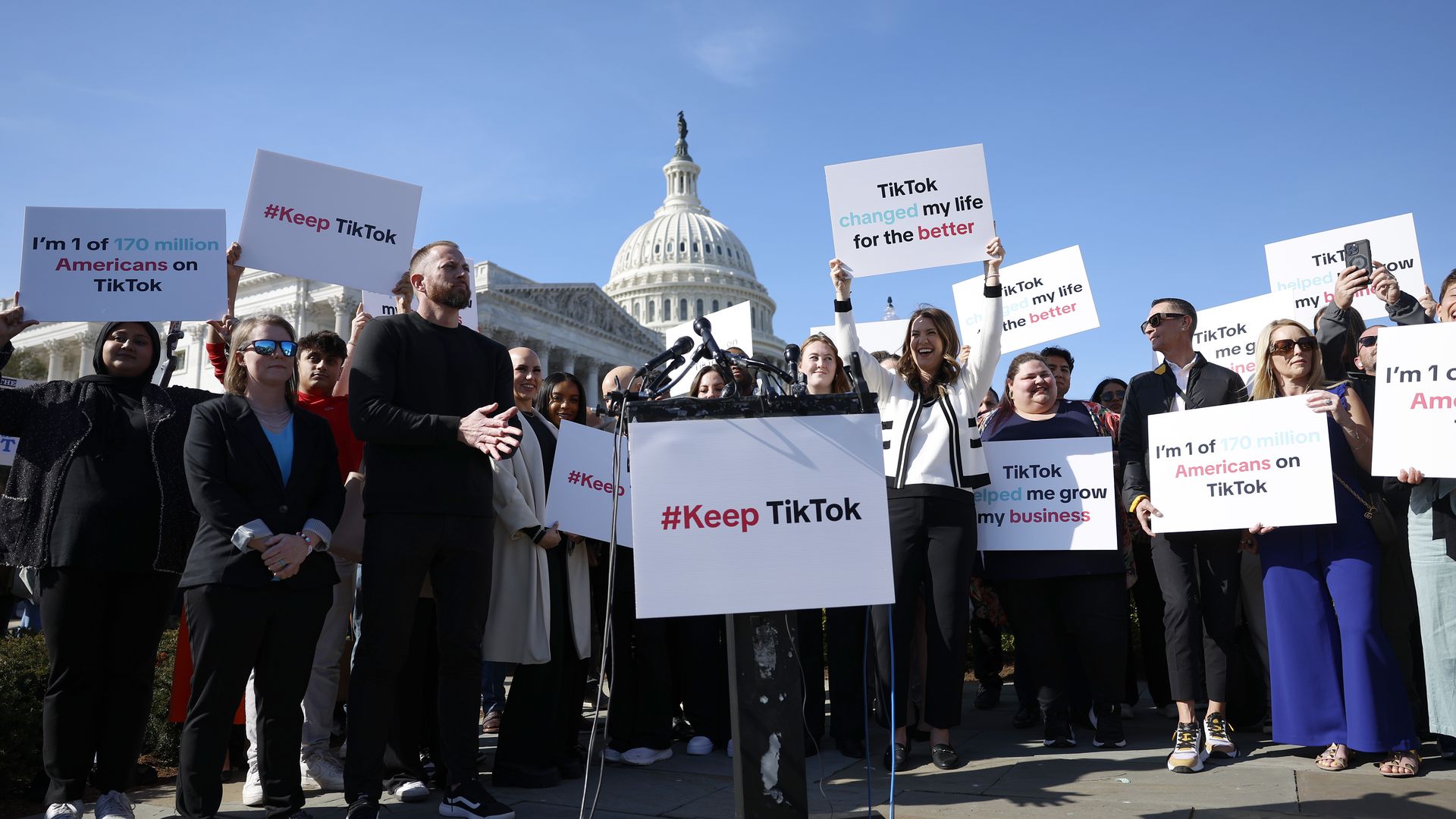
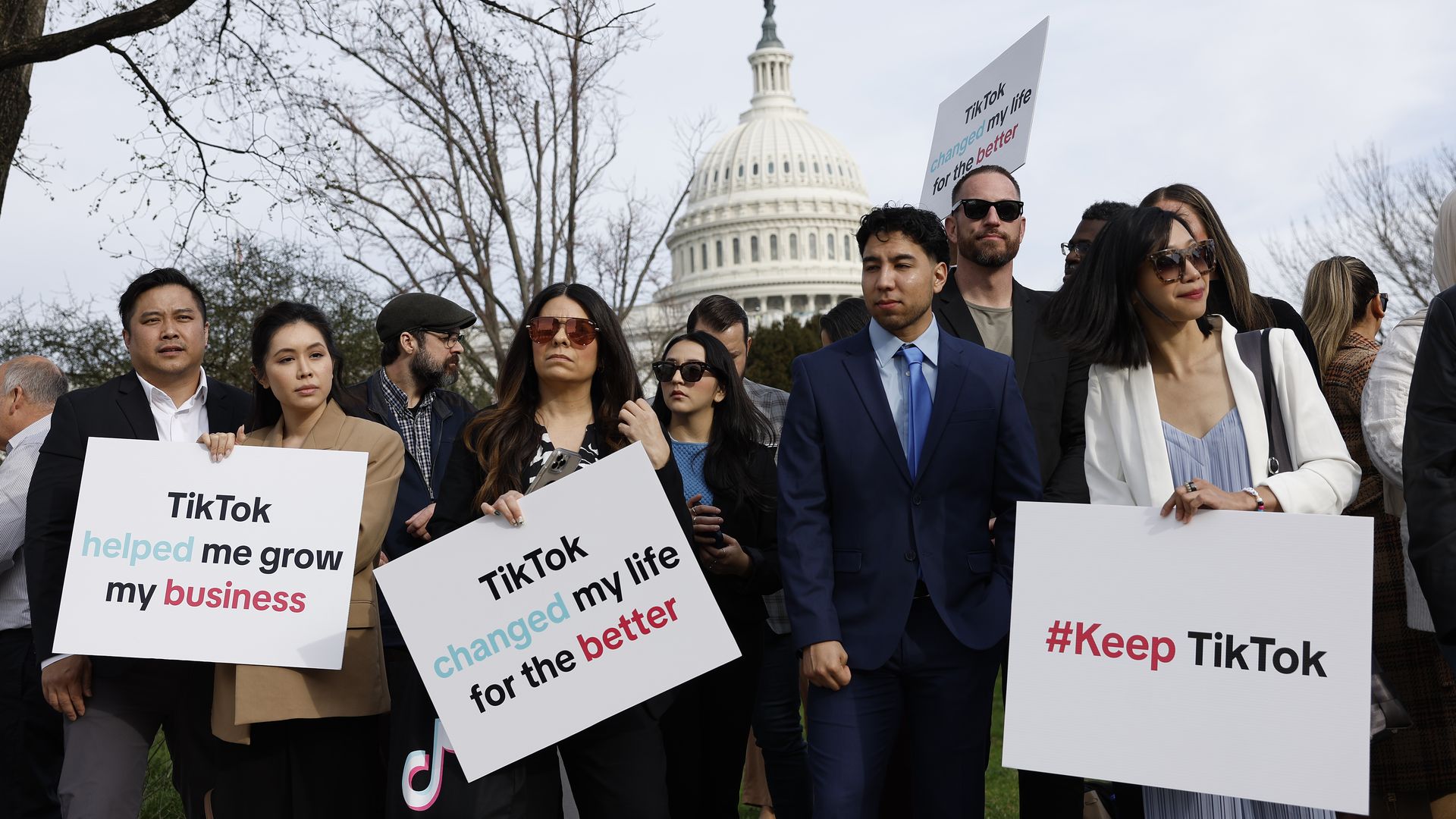
TikTokers are going offline to protest a bill advancing through Congress that could lead to the popular video app's demise.
Why it matters: After the platform's unusual call urging users to contact their representatives, creators have been speaking out about the app's financial and communal benefits and role as a major source of news.
The path to artificial general intelligence (AGI) requires a different approach than today's generative AI models, one inspired by natural ecosystems, argues a newly out-of-stealth-mode firm that's hatched such a project.
Why it matters: Digital intelligence based on a web of intelligent agents is potentially cheaper, more environmentally sustainable, and more geopolitically defensible than one vast system trained on billions of data points.













/2024/03/13/1710358104062.gif?w=3840)