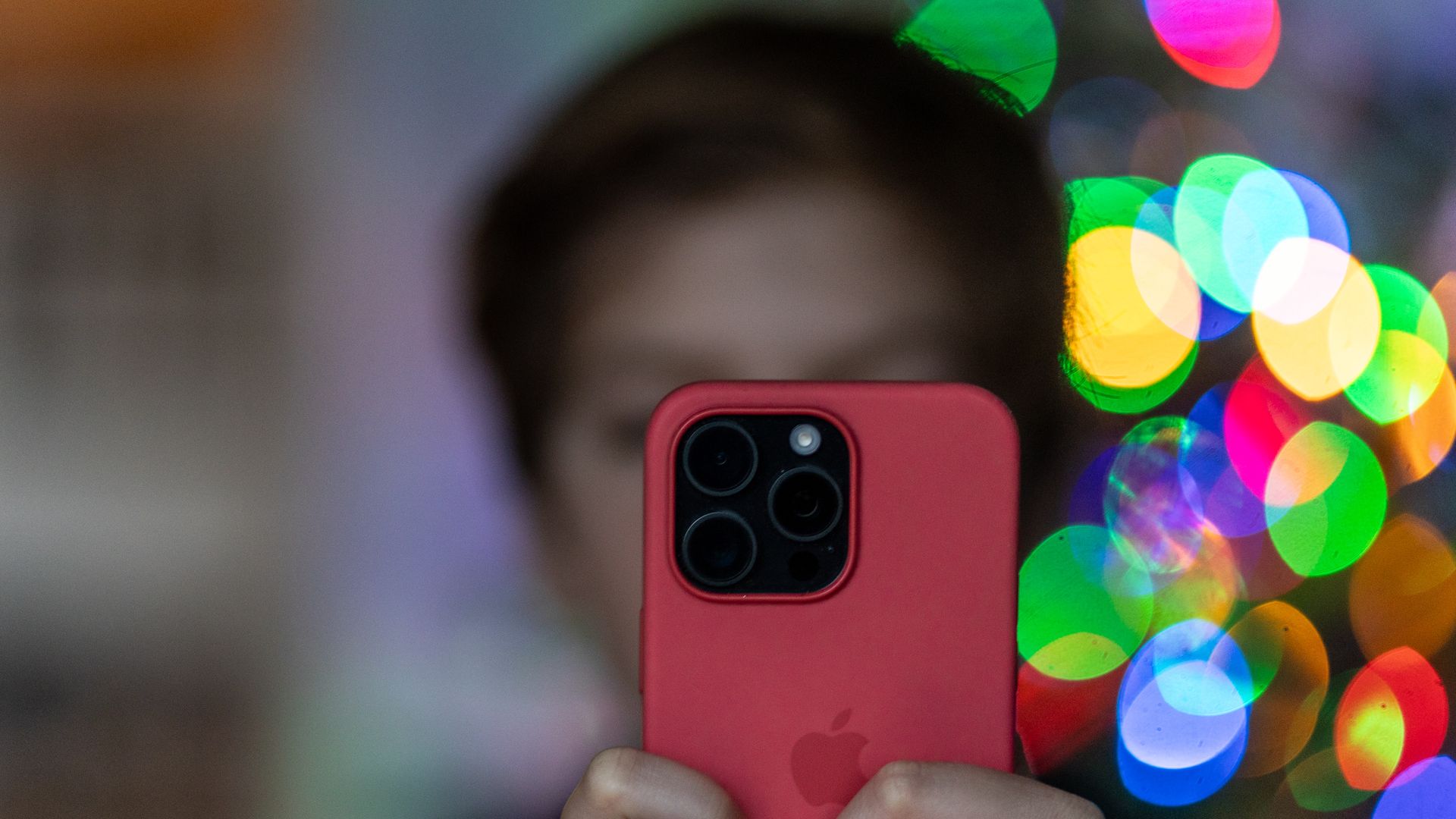
A China-based company now has the ability to break the encryption surrounding Apple's AirDrop feature, according to a statement from China's Justice Bureau.
Why it matters: China-based law enforcement officials say they've already been able to identify a person who shared a video while on the Beijing subway "with inappropriate remarks" using the popular file transfer tool, per an English translation of the statement.
Following a delay, OpenAI said Wednesday that its GPT Store is now open and highlighted some of the most compelling of the custom chatbots that developers have created and shared.
Why it matters: Much as the iPhone's App Store allowed developers to create programs far beyond what Apple had envisioned on its own, OpenAI's store could allow a range of useful tools that likely would never have made it onto the ChatGPT creator's own roadmap.
Four out of five workers say their employers don't have guidelines for using AI — and barely half welcome the arrival of AI in their organization, according to a new international survey.
Why it matters: Many organizations lack a shared view on how to use AI — and that lack of consensus could hold them back from integrating AI into their operations.
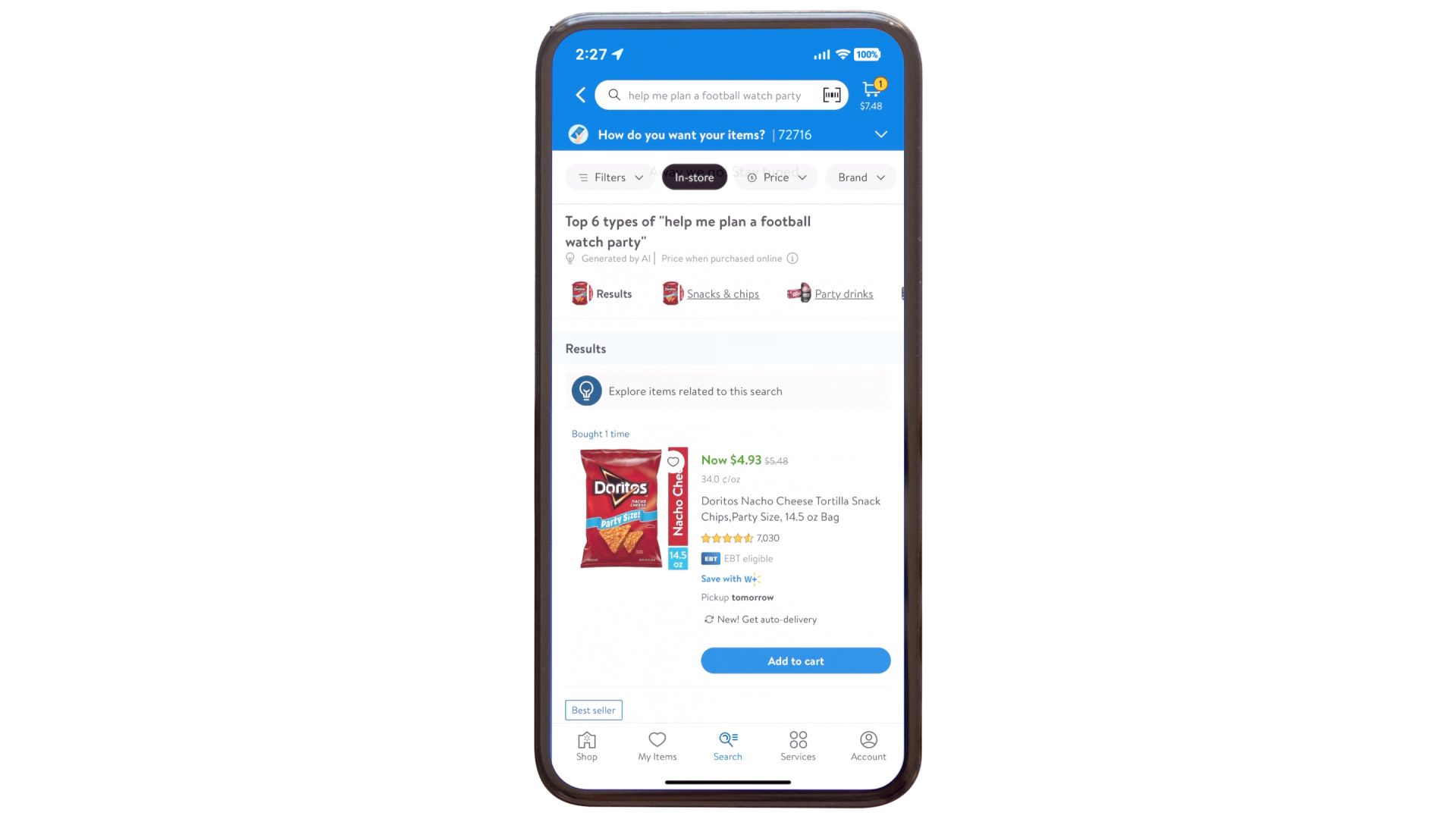
Walmart, America's biggest retailer, is digging deeper into generative AI to create a "single, unified retail experience" across stores and online, including generative AI-powered search and an AI-powered product replenishment service.
Driving the news: The mega-retailer announced Tuesday afternoon during CES that a partnership with Microsoft will power a range of new shopping experiences in 2024, drawing on AI models from Microsoft Azure and OpenAI as well as Walmart's own custom models.
The Screen Actors Guild announced a deal with Replica Studios setting terms for voice actors that require guaranteed minimum payment and consent when actors' voices are digitally replicated for voice-overs.
Why it matters: The agreement with Replica, a platform calling itself an "Ethical AI" option for voice actors, offers one path forward for companies to harness generative AI while also supporting creators, and could serve as a model for other studios to use.
Meta will institute more protections for teenagers on Facebook and Instagram, the company announced Tuesday.
Why it matters: A lawsuit last year from more than half the country's attorneys general said Meta knowingly released products and features that harm teens'mental health.
The Biden administration announced a final rule on Tuesday that makes it harder to classify workers as independent contractors — a victory for gig workers that could shift the business models of companies that rely on them.
Why it matters: The rule, which takes effect in March, requires businesses to extend the benefits and protections offered to employees to other workers that may no longer fit the status of a contractor.
Fox Corp., one of the largest media companies in the U.S., has publicly debuted a new blockchain platform called Verify to help media companies track how their content is being used online.
Why it matters: Fox Corp. plans to use the Verify Protocol to negotiate deals licensing its content — an enormous trove of intellectual property across Fox News, Fox Sports, Fox Entertainment, and more — to artificial intelligence (AI) companies.
Why it matters: Scientific discovery itself must speed up if the world is to address its challenges — from climate change to personalized treatments for cancer — fast enough to make a difference.
Samsung remained atop the list of companies obtaining U.S. patents last year, while Qualcomm's number of patents grew nearly 50%, making it the first U.S. company in three decades to surpass IBM, according to market intelligence firm IFI Claims.
Why it matters: Though not a direct proxy for innovation, the rankings do show trends in terms of which companies are investing in both research and seeking protection for intellectual property.






/2024/01/10/1704848742331.gif?w=3840)