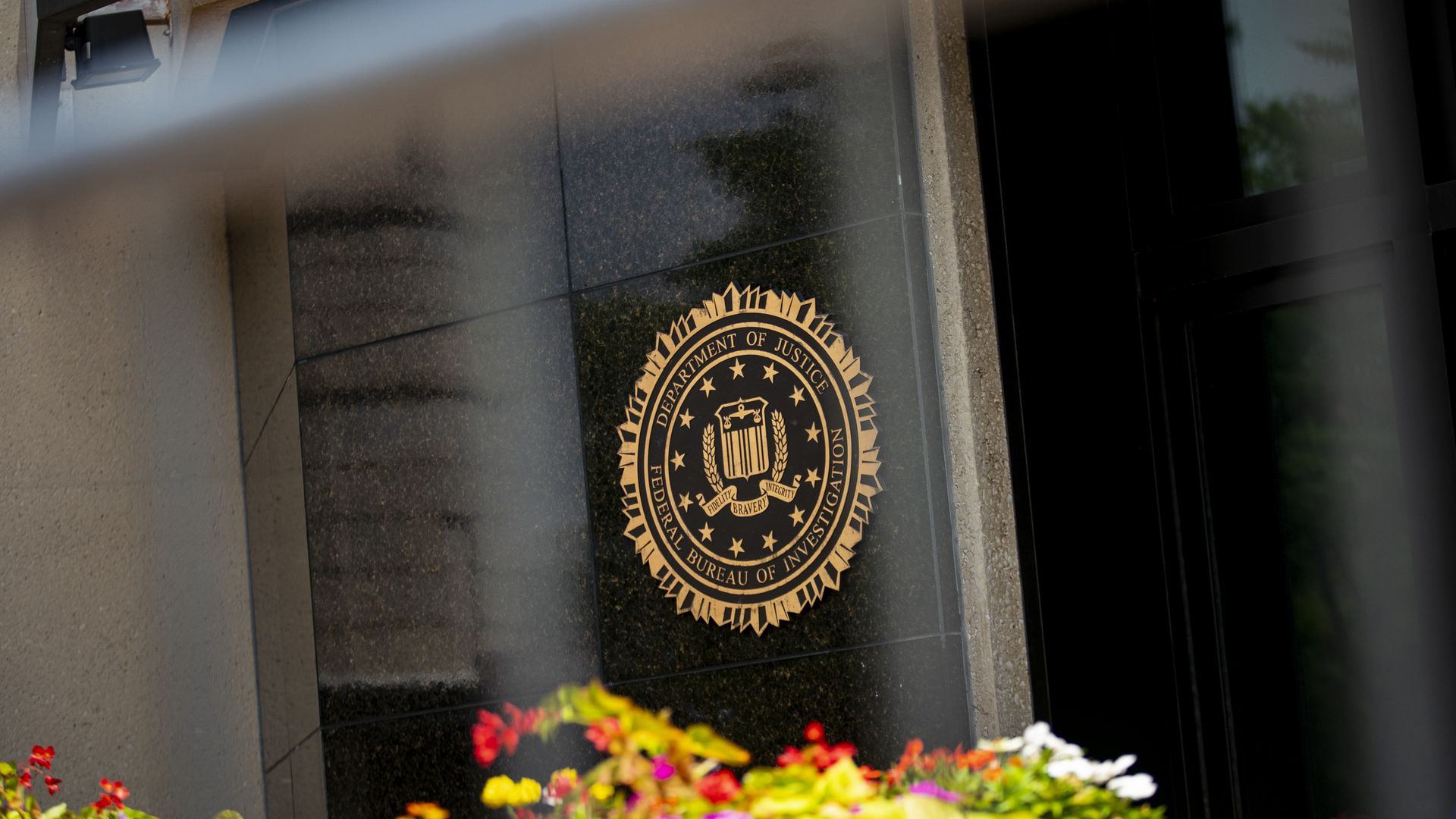
The FBI said on Friday it contained and is investigating a cyber incident against its computer network.
Why it matters: The bureau believes the incident involved a bureau computer system used in its investigations into images of child sexual exploitation, CNN first reported.
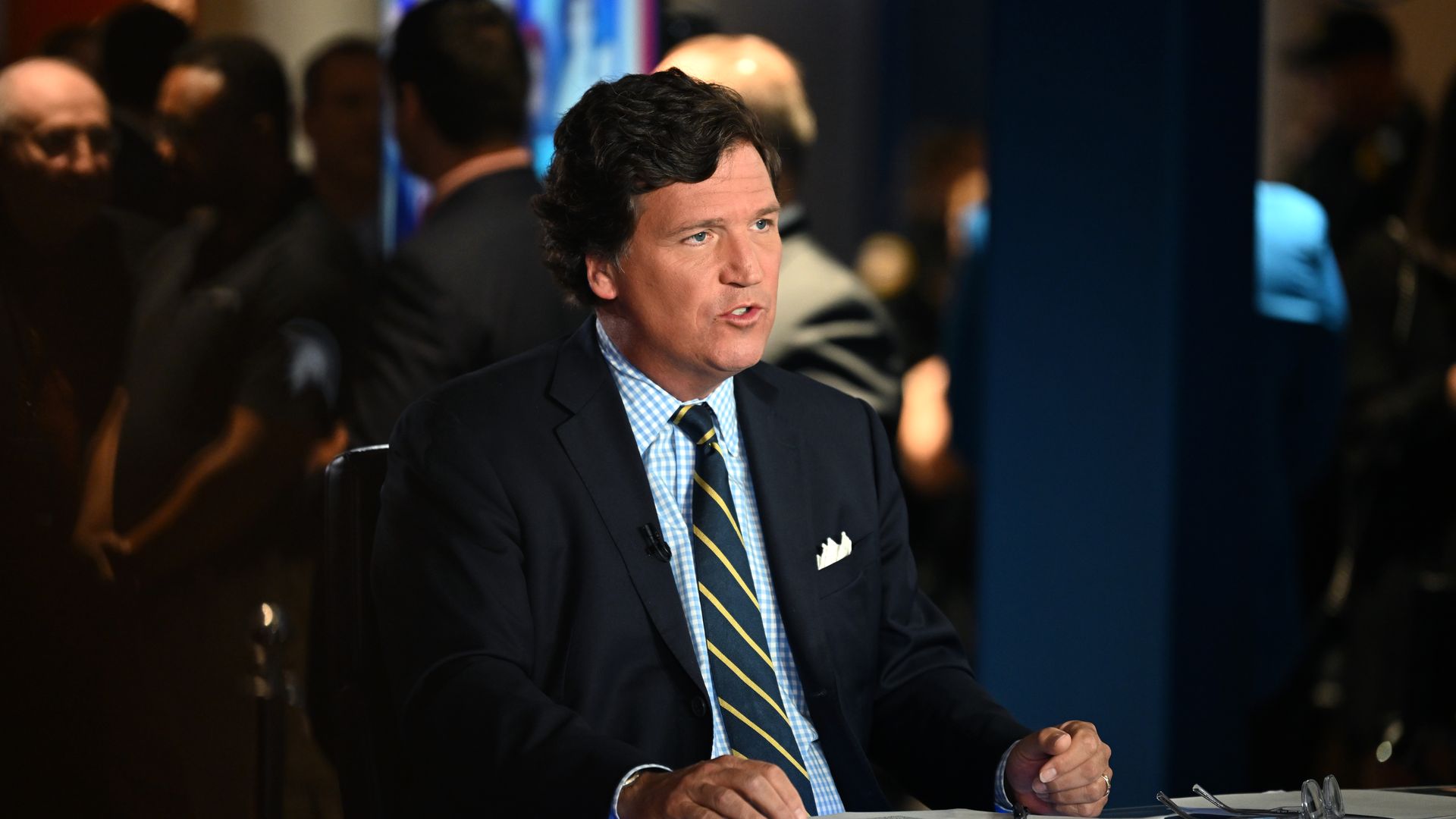
Top hosts and executives at Fox Newsprivately slammed former President Trump's election fraud claims as "total BS," according to court documents filed in Dominion Voting Systems' defamation lawsuit against Fox.
Why it matters: The filing argues that Fox "knew that Donald Trump lost the election" while "Fox viewers heard a different story— repeatedly."
Cybersecurity experts are cautiously optimistic about the new wave of generative AI innovations like ChatGPT, while malicious actors are already leaping to experiment with it.
Cyber leaders see multiple ways generative AI can help assist organizations' defense: reviewing code for efficiency and potential security vulnerabilities; exploring new tactics that malicious actors might employ; and automating recurring tasks like writing reports.
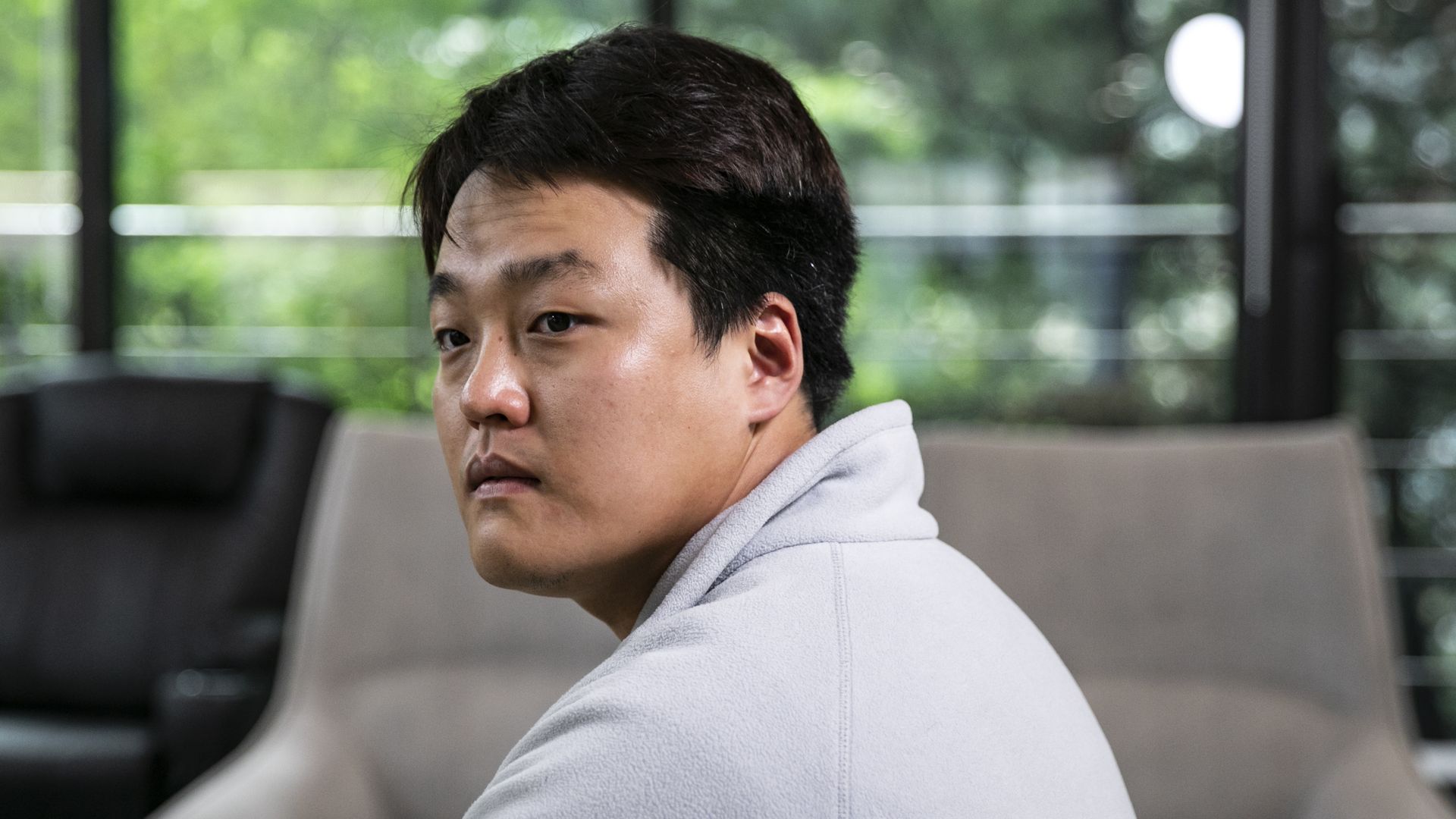
The U.S. Securities and Exchange Commission charged Terraform Labs and co-founder Do Kwon with fraud.
What's happening: The SEC's complaint alleges that from April 2018 until its collapse in May 2022, Terra and Kwon raised billions of dollars from investors "offering and selling an inter-connected suite of crypto asset securities."
Chinese video surveillance firm Hikvision is suing the U.S. government as well as the Federal Communications Commission, over a November order limiting the sale of its products here.
Why it matters: Hikvision is one of a number of Chinese firms that has seen its ability to sell goods in the U.S. limited by the federal government in recent months and years.
Saudi Arabia recently increased its investment in EA and Take-Two Interactive while pouring more money into esports as well.
Driving the news: A series of financial disclosures this week reinforced the kingdom's stated goal to eventually invest billions into the games industry.
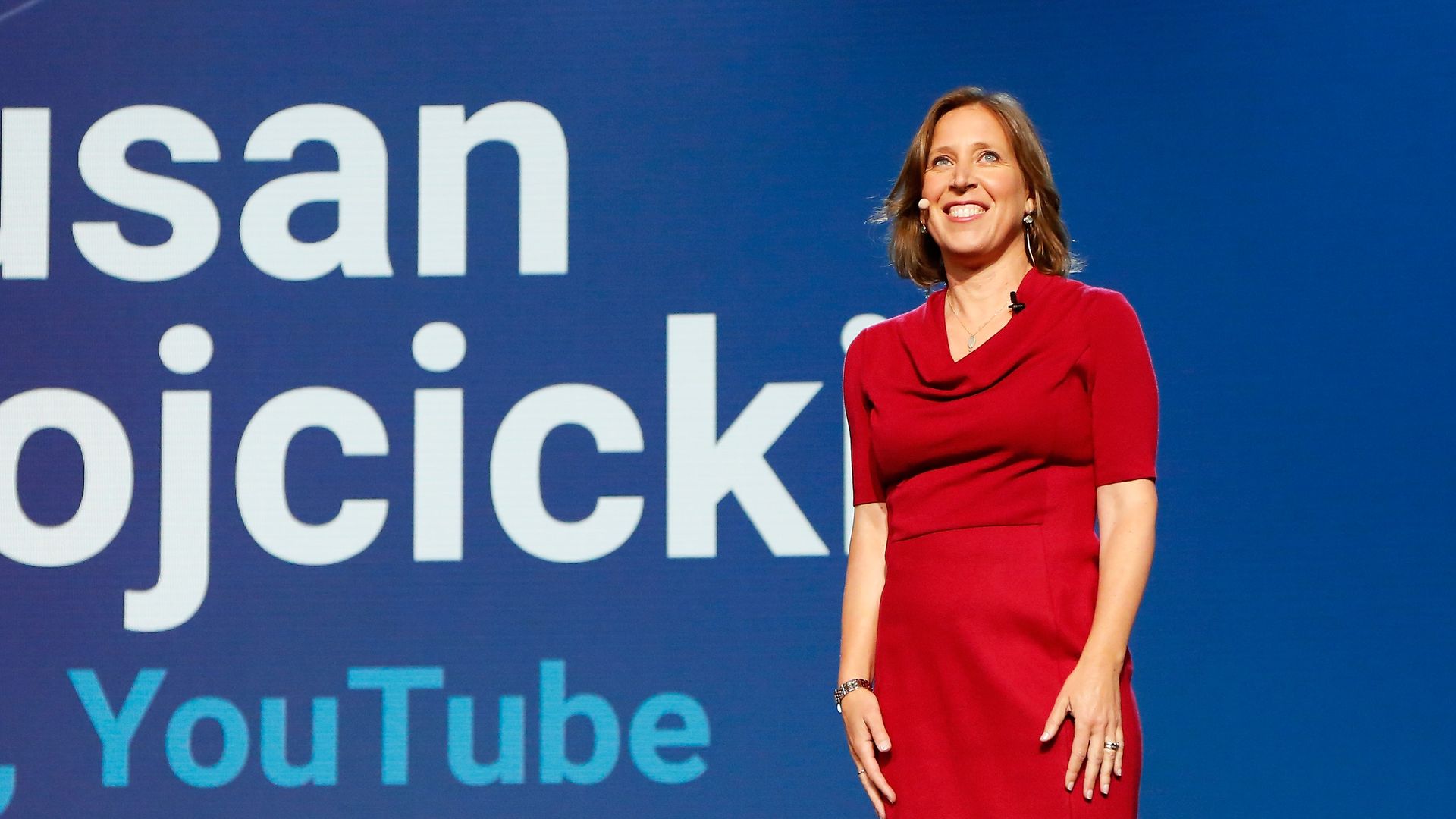
YouTube CEO Susan Wojcicki is stepping down from her role and will be replaced by Neal Mohan, she announced Thursday morning in a letter to staff first reported by Recode.
Why it matters: Wojcicki has been at the helm of the video streaming giant owned by Google for nine years, overseeing its explosive growth and some of its most controversial moments and policy changes.
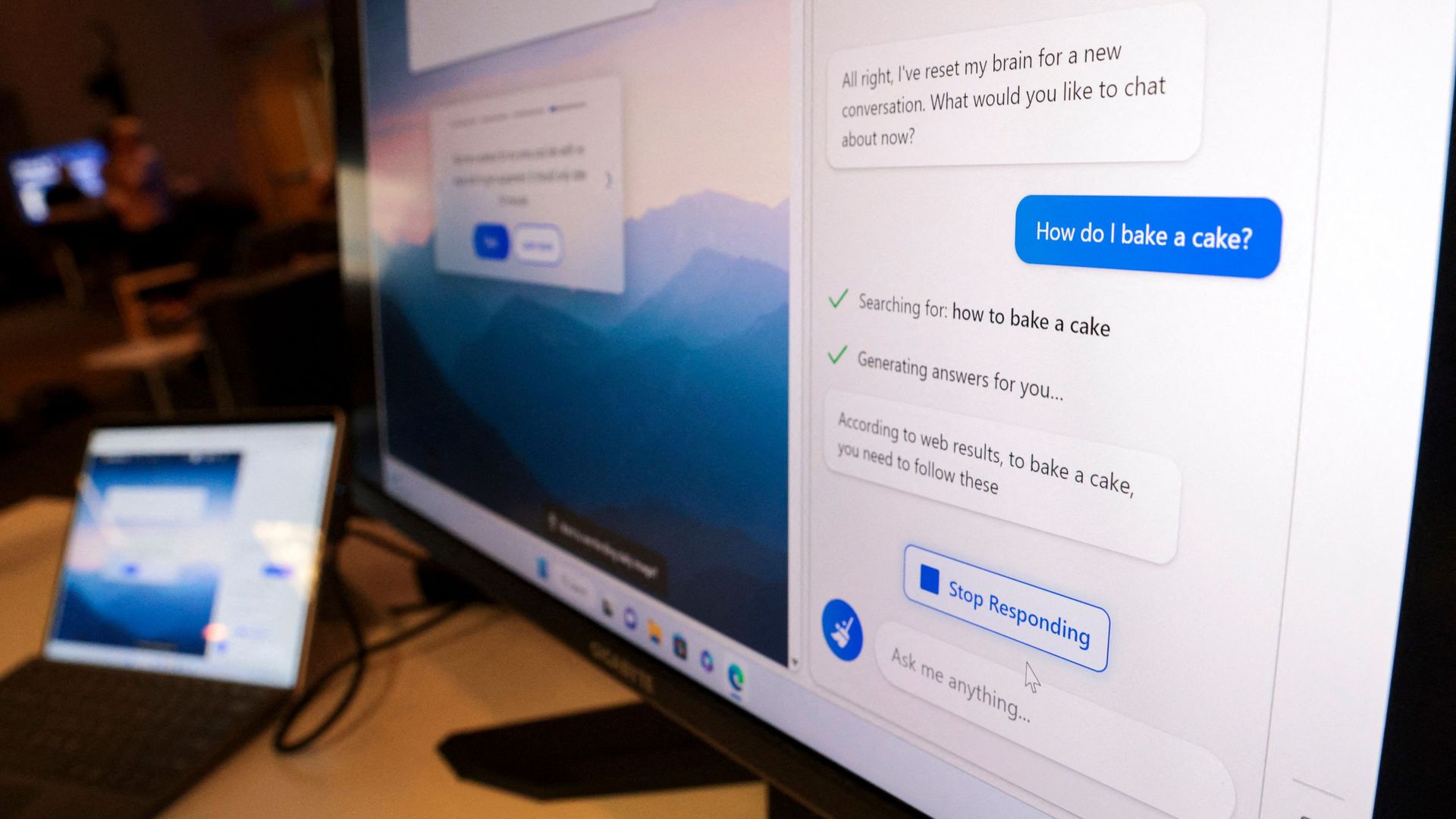
As users test-drive Microsoft Bing's new AI-powered chat mode, they're finding example after example of the bot seeming to lose its mind — in different ways.
What's happening: In the past few days, Bing has displayed a whole therapeutic casebook's worth of human obsessions and delusions.
Tesla fired dozens of workers at its Buffalo, New York, plant on Wednesday, the day after employees announced a union campaign, according to a new complaint filed with the National Labor Relations Board by the Workers United labor union.
Driving the news: Workers United alleged in the complaint that Tesla terminated the workers "in retaliation for union activity and to discourage union activity."
Tech experts, taking a first look at Microsoft's new AI-powered search engine, are learning what happens when you push the system out of its comfort zone.
Why it matters: Two well-known tech columnists describe their experiences with Bing's AI as chilling, scary and mind-blowing.
Many of the smartest people working in artificial intelligence argue that these systems work best paired with human beings, letting each partner do what they do best. But dividing the tasks is often trickier than it sounds.
Why it matters: Figuring out where humans need to play a role — whether for their common sense, skills or ethics — is a key task facing society as AI systems grow increasingly powerful.
Tesla's agreement to open part of its proprietary car-charging network to drivers of other brands should make it far easier for electric vehicle (EV) owners to charge away from home, potentially accelerating adoption.
Why it matters: The Biden administration's clean energy agenda includes a shift away from gasoline-powered cars and a new domestic supply chain for electric cars. But many Americans have resisted buying EVs because they're worried about charging on long road trips.