The antisemitic film that made headlines after Brooklyn Nets guard Kyrie Irving tweeted its Amazon link will not be taken down from the tech giant's platform, CEO Andy Jassy said this week.
Why it matters: The company has faced pressure to terminate sales of the film since Irving's tweet, which was posted around the same time as rapper Ye's antisemitic remarks and preceded former President Trump's dinner with white nationalist Nick Fuentes.
FBI Director Chris Wray warned Friday that TikTok is controlled by a Chinese government that "doesn't share our values" and could "use it for influence operations."
The big picture: The popular video-sharing app has served as a point of concern for U.S. officials for years. Despite the platform's move to distance itself from its Chinese parent company, national security worries continue to hound TikTok, especially as Chinese President Xi Jinping enters his third term.
Google is giving the Ukrainian government 50,000 free, one-year licenses to its Workspace tools as the country continues to fend off cyber assaults nearly one year into the war with Russia, the company announced Thursday.
Why it matters: Google Workspace gives Ukraine access to the company's email spam filters and phishing monitoring tools, which will help Ukrainians fend off the swarm of phishing and malware attacks they've encountered in their email inboxes.
A group of federal cyber advisers is putting a suspected teen hacking group under the microscope in the second investigation ever conducted by the Cyber Safety Review Board.
Driving the news: The Department of Homeland Security review board — a group of 15 federal government and private-sector cyber experts — announced Friday morning that it will study and provide recommendations to fend off the hacking techniques behind the Lapsus$ data extortion group.
The U.S. is barreling toward a quantum computing future, but until it’s here, it's unknown if all the investments and time spent preparing the country’s cybersecurity will pay off.
The big picture: Experts have long feared quantum computing would allow foreign adversaries and hackers to crack the otherwise unbreakable encryption standards that protect most online data — leaving everything from online payment systems to government secrets vulnerable.
It's easy to see the latest algorithms write a story or create an image from text and think that they are ready to take on a whole range of human tasks. But experts insist that AI systems' growing power makes it more important than ever to keep humans in the loop.
Why it matters: AI-based computer systems are being used to handle an array of increasingly consequential tasks. While machine learning-trained systems do many things well, they can also be confidently wrong — a dangerous combination.
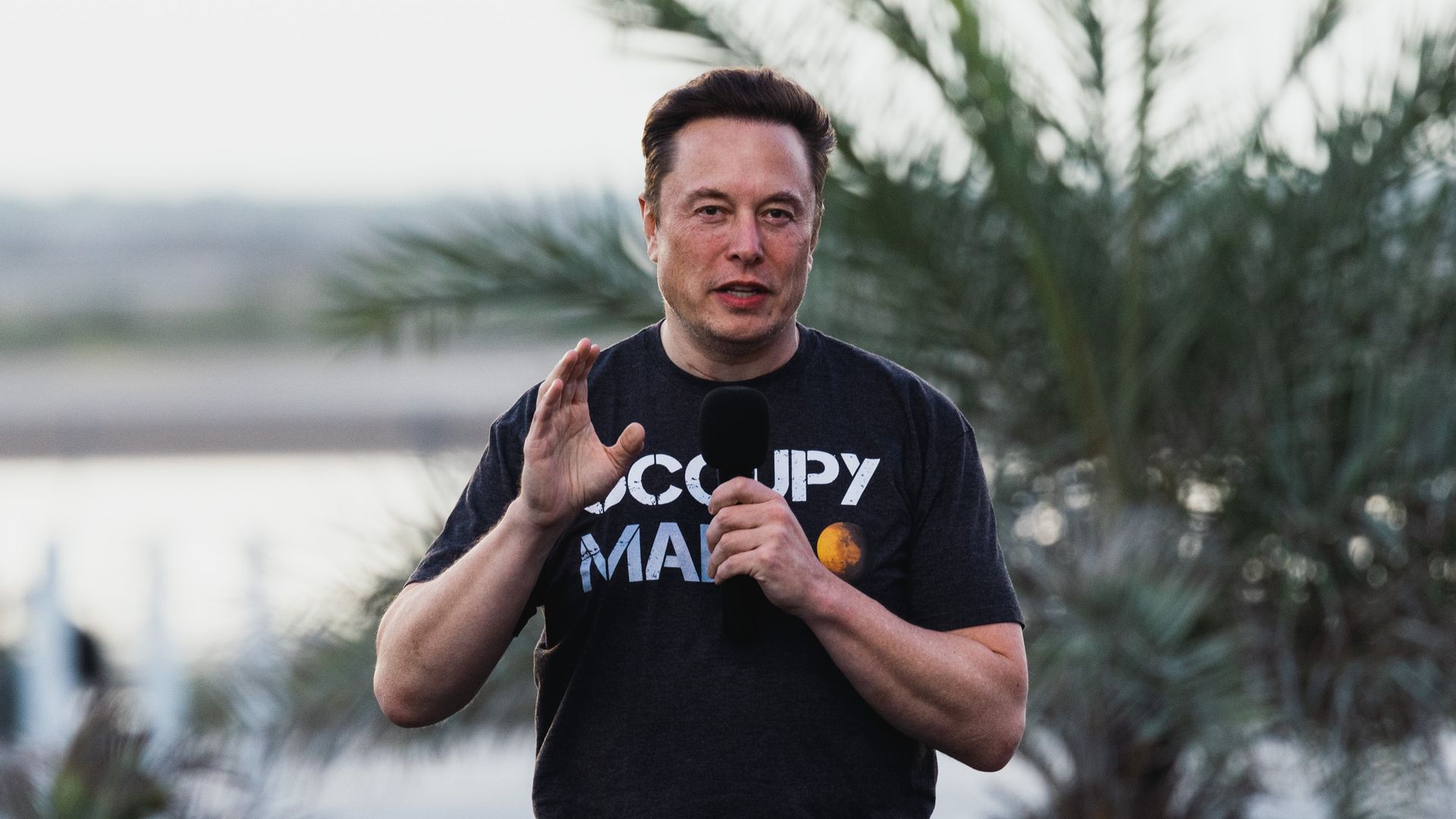
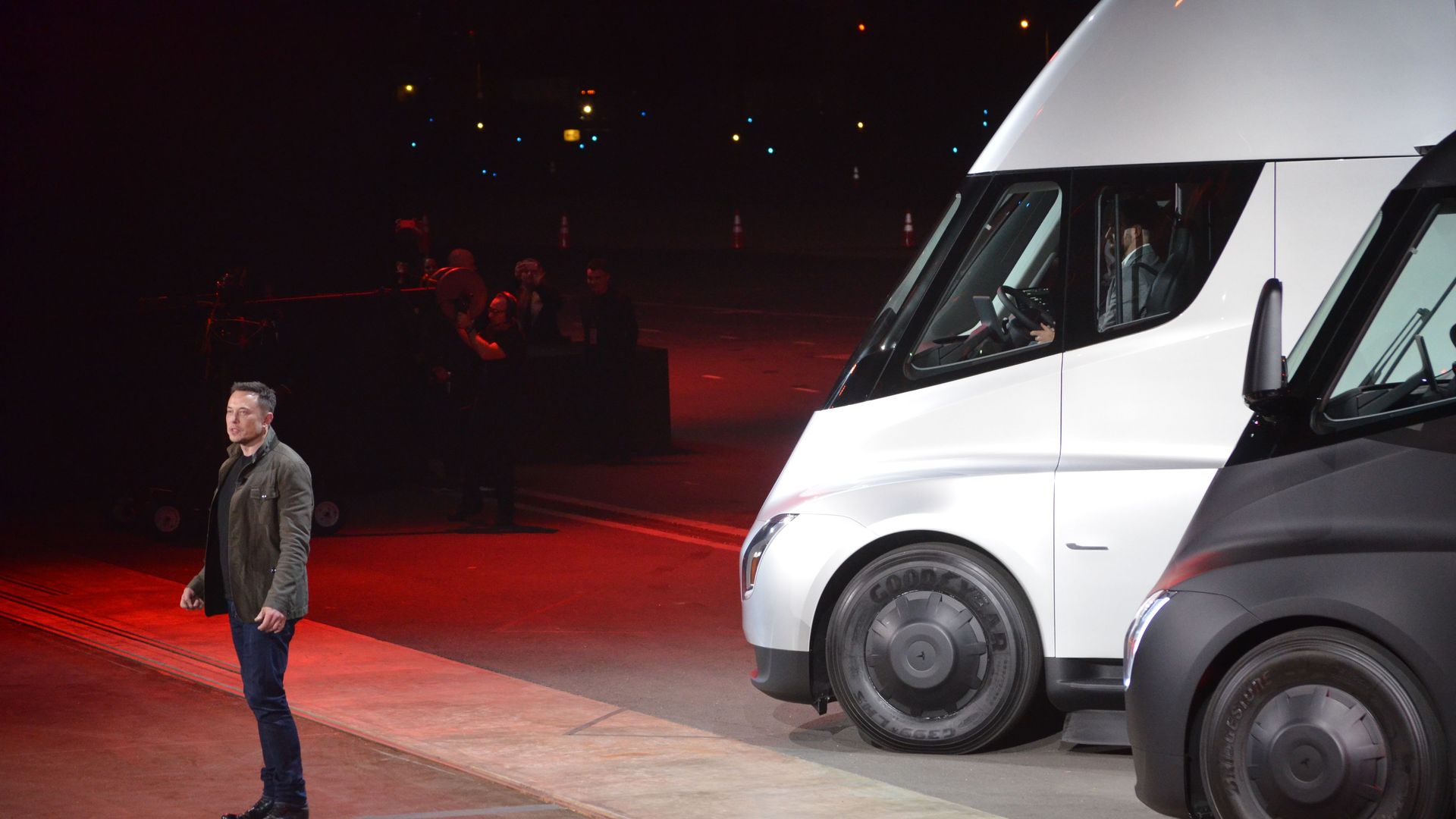
Elon Musk announced Thursday that Tesla is rolling out its long-awaited all-electric Semi trucks.
The big picture: The first shipment of the Tesla Semi, which was unveiled five years ago, was delivered to PepsiCo's Modesto, California, factory Wednesday, Tesla Semi program manager Dan Priestley said during a livestreamed event at the electric vehicle company's Nevada plant.
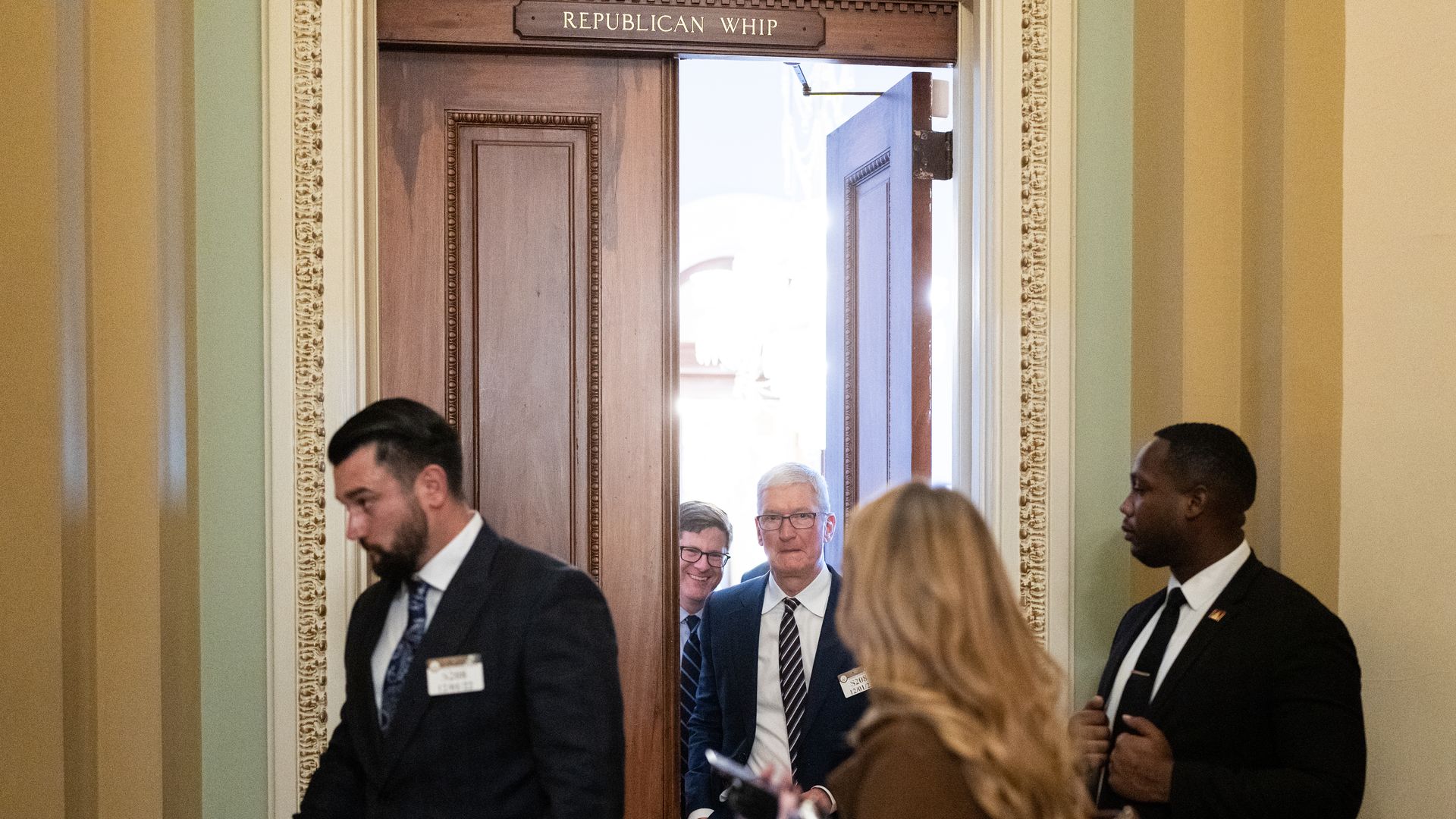
Amid an onslaught of criticism from Republicans and Big Tech rivals, Apple CEO Tim Cook met with lawmakers on Thursday to try to shore up support on Capitol Hill.
The big picture: Tech's leaders are beginning to take stock of a new political landscape in Washington as Republicans prepare to take over the House and ready hearings to spotlight what they see as biased treatment at Big Tech's hands.
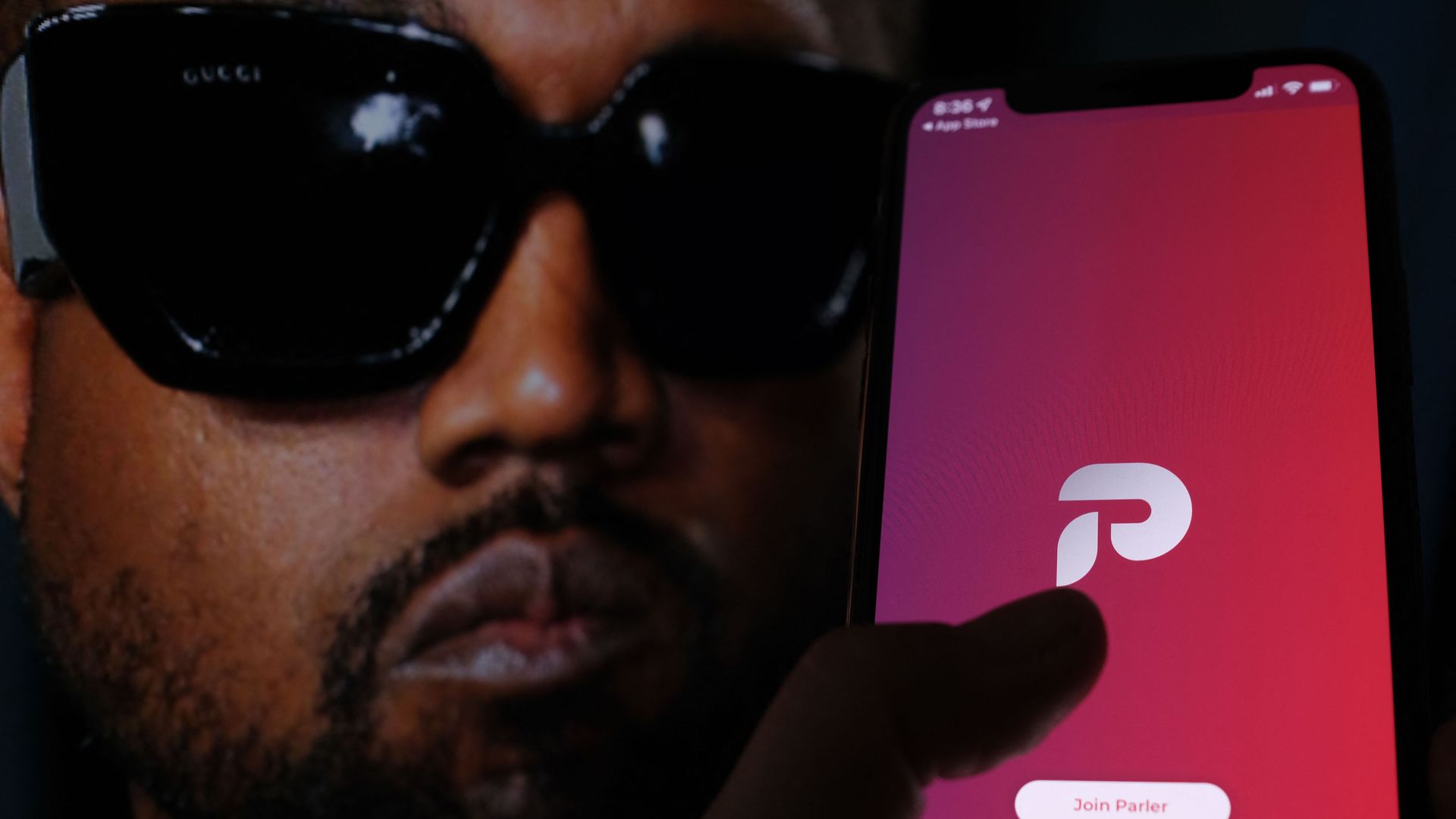
Parler announced Thursday it reached a mutual agreement with Ye, formerly known as Kanye West, to terminate the sale of the social media app.
Driving the news: The announcement from Parler, which has become a haven for conservatives, came hours after Ye spewed a torrent of antisemitic remarks during an interview with conspiracy theorist Alex Jones.
Two new papers from AI powerhouses DeepMind and Meta describe how AI systems are notching wins against human players in complex games involving deception, negotiation and cooperation.
Why it matters: Machine contenders have struggled with games where information is incomplete or hidden from players — similar to the intentions of humans in daily life and interactions.
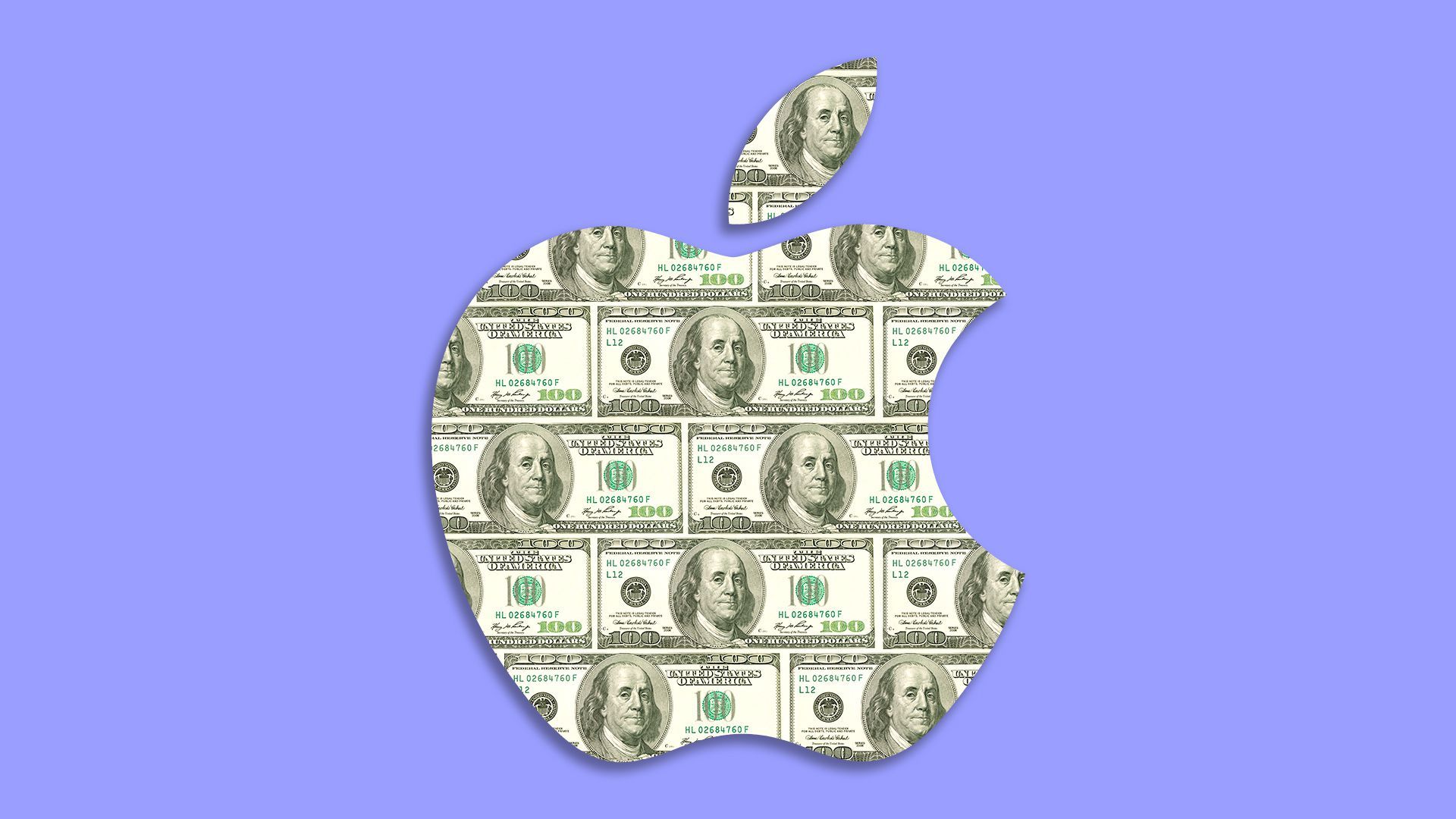
Coinbase has killed a non-fungible token (NFT) function on its mobile wallet because Apple demanded a cut, even though the cryptocurrency platform wasn't getting a cut either.
Driving the news: The company nixed a "Send NFT" function in its Coinbase Wallet, because it costs money (ether) to send an NFT.
Meanwhile, the iPhone maker — which has come under fire for the stiff cut it charges larger app makers — has claimed that "gas" fees required to send NFTs should be paid within the app, according to Coinbase.
Why it matters: Many large firms (and not a few informed users) in Silicon Valley are mad about the 30% Apple takes from any transaction that takes place on a large developer's iOS app.
Spotify and Epic Games have been fighting it a long time, and Elon Musk has joined that fight now that he's running Twitter.
Even the French are upset with the Cupertino-based giant.
What they're saying: "Apple’s claim is that the gas fees required to send NFTs need to be paid through their In-App Purchase system, so that they can collect 30% of the gas fee," Coinbase Wallet posted in a Twitter thread.
Context: Apple controls the most lucrative app marketplace in the world. Coinbase has, at times, been one of its most popular apps.
Zoom in: To send an NFT (to do literally anything on a blockchain) costs the sender a little money. Every time a user takes any action that goes into Ethereum or related blockchains, the user needs to pay the many computers that are going to run that computation.
This is called "gas" but is actually paid in the coin of the blockchain realm (when it's on Ethereum, gas is paid in ether).
Still, Coinbase gets none of this when a Wallet user hits "send NFT." It goes entirely to the blockchains' validators. It's just how Ethereum works.
Nevertheless, money is changing hands through one of its apps, so Apple believes it deserves a cut.
Catch up fast: In October, updates to the Apple app store guidelines gave a firm "no" to selling NFTs without cutting Apple in.
Thus far, Apple has not objected to functionality that only concerns using tokens. Digital goods seem to be the key issue.
To some, Apple appears to be trying to protect its lucrative market for digital goods, particularly in games. NFTs are feared to be an end-run around in-app purchase functionality for those goods.
"They are willing to hurt customers and the industry just to enforce that line," a source familiar with the matter told Axios.
Coinbase has appealed Apple's decision, saying that it's not technically feasible to implement in-app purchases for sending NFTs within Coinbase Wallet, given the nature of blockchains.
But the appeal was denied, and has since been escalated to an appeal of the guidelines themselves.
Flashback: For a long time, Apple has had a hard time wrapping its head around blockchains and NFTs.
Back in 2018, it booted the Coinbase Wallet when it tried to let users look at their NFTs for a video game that was under development at the time.
Coinbase itself had a tough time with the iOS store early on.
Quick take: If we had to bet, we'd say that Apple does not even have an Ethereum address to send their cut to, even if Coinbase found a way to pay them part of the gas fees.
Apple and Coinbase did not immediately reply to Axios' request for comment.
Gamers can now turn virtual water to wine in the newly released playable prologue of the PC video game I Am Jesus Christ.
Why it matters: Movies, TVs shows, and songs about Jesus Christ have been around for a while. A very famous book dates back even further. But a game about Jesus is all but unheard of.
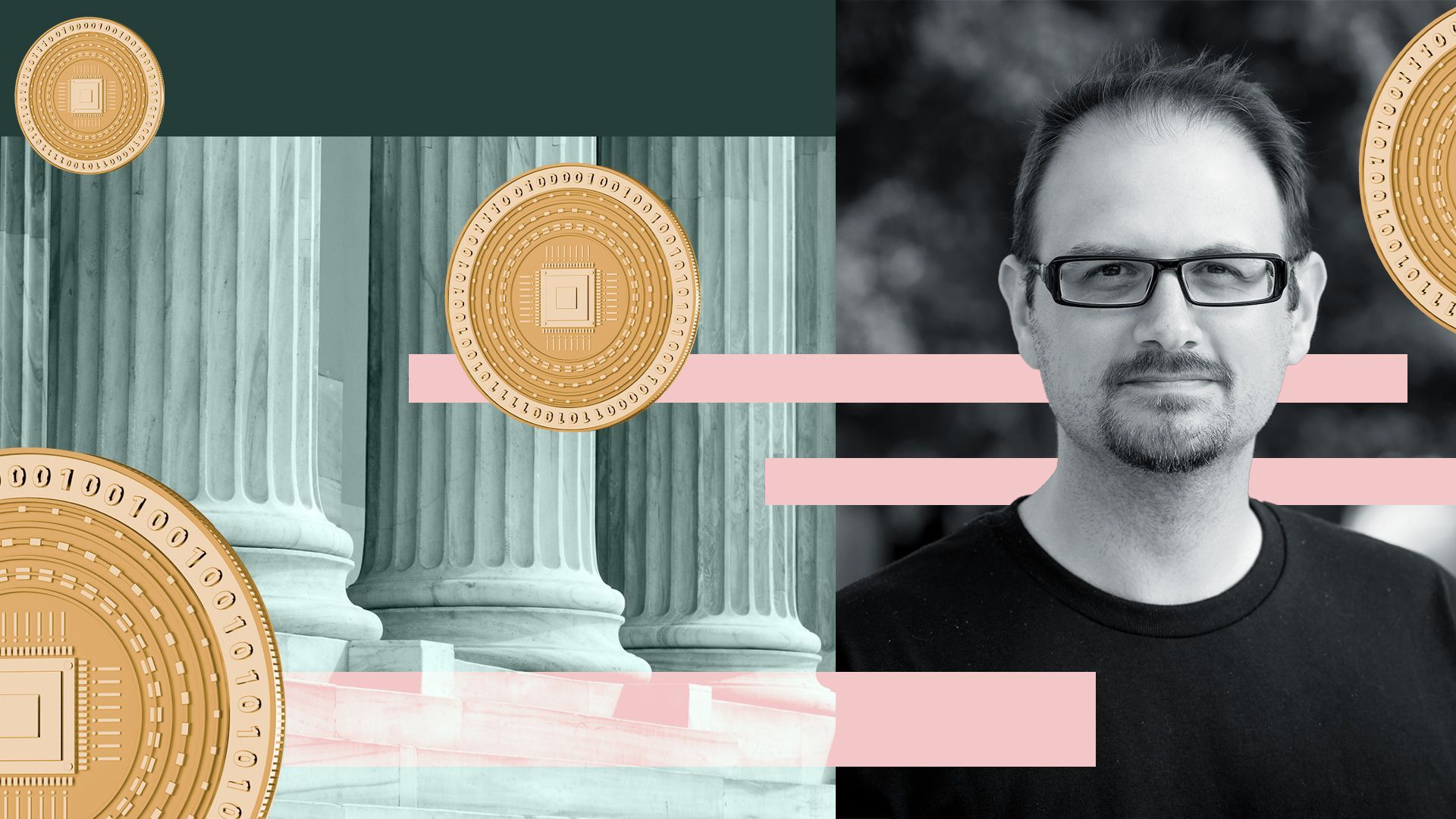
Crypto markets have been so drunk on wealth that those involved forgot how to consider risk realistically. But one bitcoin-minded philosophy professor is helping students think about how money should fit into their lives.
Why it matters: Humans have known as long as money has been around that it's dangerous when cash becomes an end in itself, and 2022 presents very strong evidence that those lessons for sure haven't sunk in with the crypto crowd.
Celsius Network's bankruptcy proceeding took an interesting turn this week.
Driving the news: Terms of Use, a topic that's becoming increasingly popular in crypto bankruptcy cases, could determine who ends up with $18 million in stablecoins.
Tech firms are warning the Supreme Court that weakening liability protections for online speech could put all types of service providers — including those operating offline — at risk of costly, business-wrecking litigation.
The big picture: A key law governing online speech is facing its first-ever fundamental tests before the high court.
Republican lawmakers and some Tech CEOs are rallying behind Elon Musk's public attacks on Apple, alleging its control over its App Store amounts to an abuse of power.
Why it matters: By wading into the Apple debate, Musk has reignited concerns about whether Apple's App Store policies — which include a 30% commission on most charges for apps or services within apps — put competitors at a disadvantage.
Elon Musk showcased his company Neuralink's progress on brain-implant technology during an event livestreamed from the firm's headquarters in Fremont, California, on Wednesday night.
Driving the news: The Neuralink co-founder emphasized that the event's goal was to recruit talent, but Musk highlighted a video of a monkey called Sake that had a brain implant conducting an exercise he described as "telepathic typing."
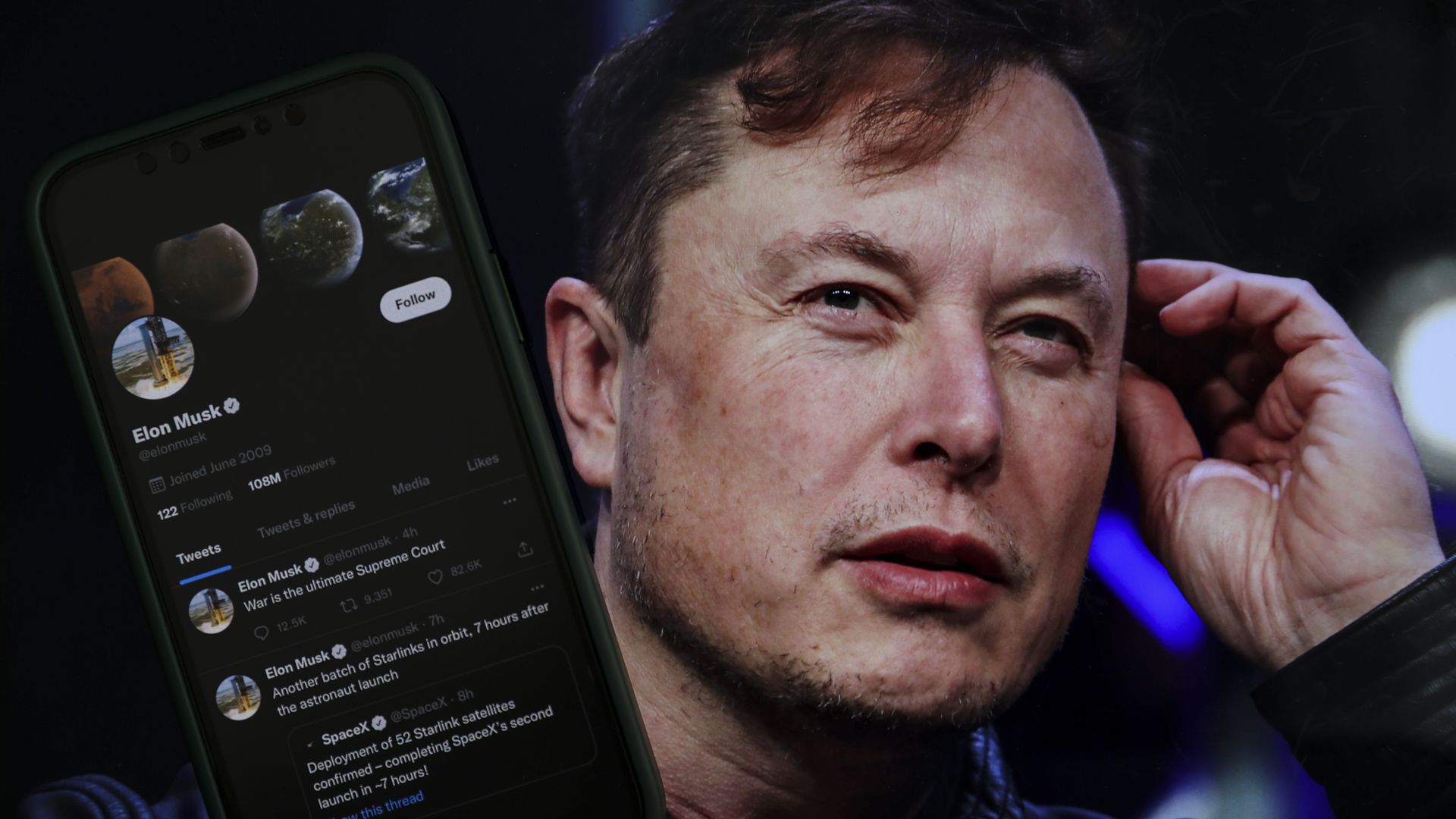
Elon Musk took to Twitter on Wednesday in an attempt to lower the heat in a fight he picked with Apple on Monday.
Driving the news: "We resolved the misunderstanding about Twitter potentially being removed from the [Apple] App Store," Musk claimed in a tweet, after thanking Apple CEO Tim Cook for taking him around Apple headquarters Wednesday. "Tim was clear that Apple never considered doing so."











/2022/12/01/1669919929090.gif?w=3840)




/2022/11/30/1669844112186.gif?w=3840)