Elon Musk's Twitter took aim at the firm's previous management Friday evening with a "Twitter Files" presentation intended to demonstrate "free speech suppression."
Driving the news: Musk's team apparently provided newsletter author Matt Taibbi with access to internal documents surrounding Twitter's controversial decision, three weeks before the 2020 presidential election, to limit access to a New York Post article about the contents of Hunter Biden's laptop.
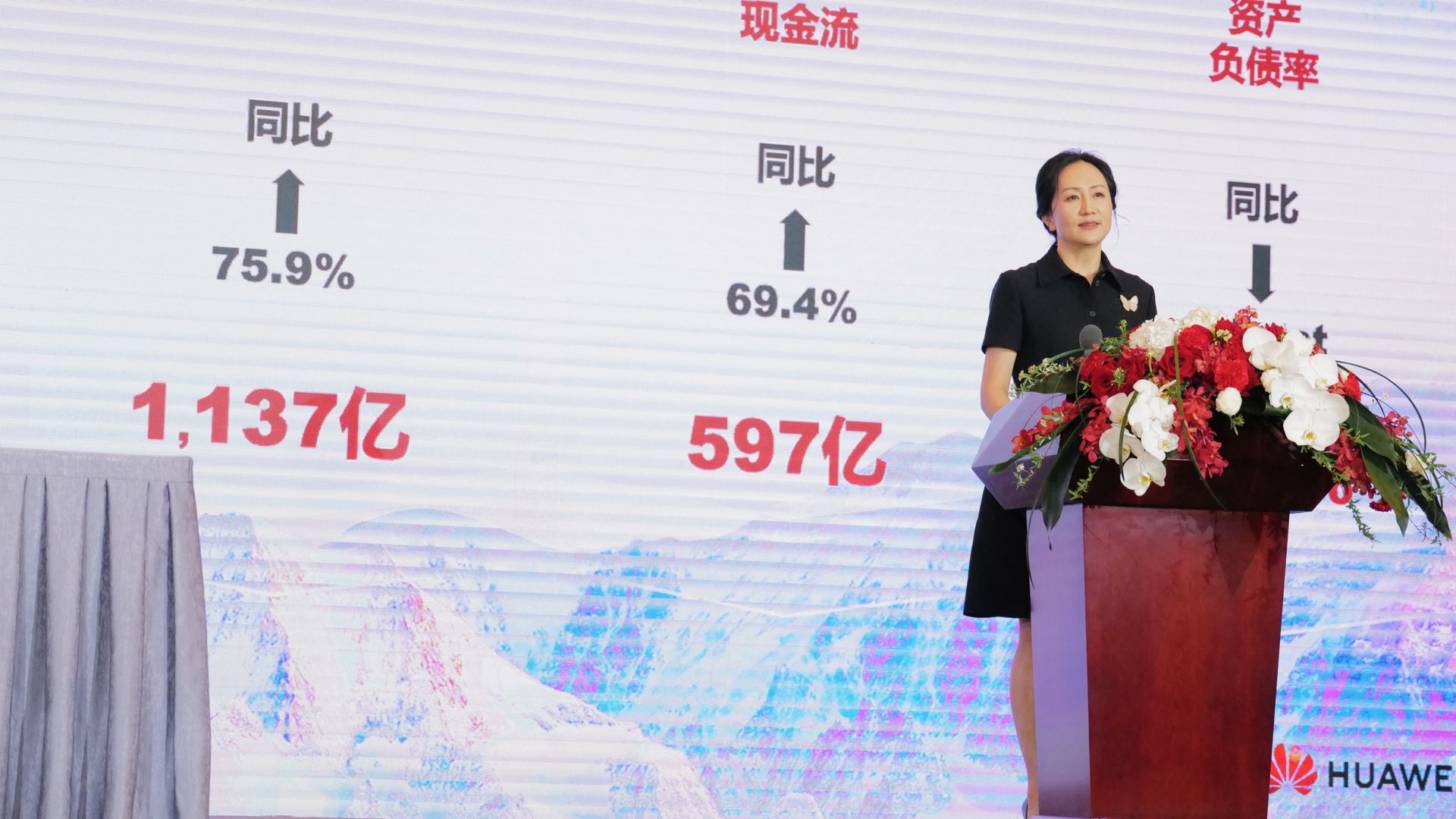
A federal judge on Friday dismissed charges of financial fraud against Meng Wanzhou, Huawei's chief financial officer.
Why it matters: The move concludes a yearslong dispute involving the Justice Department's 2019 indictment, which accused Meng of violating Iran trade sanctions.
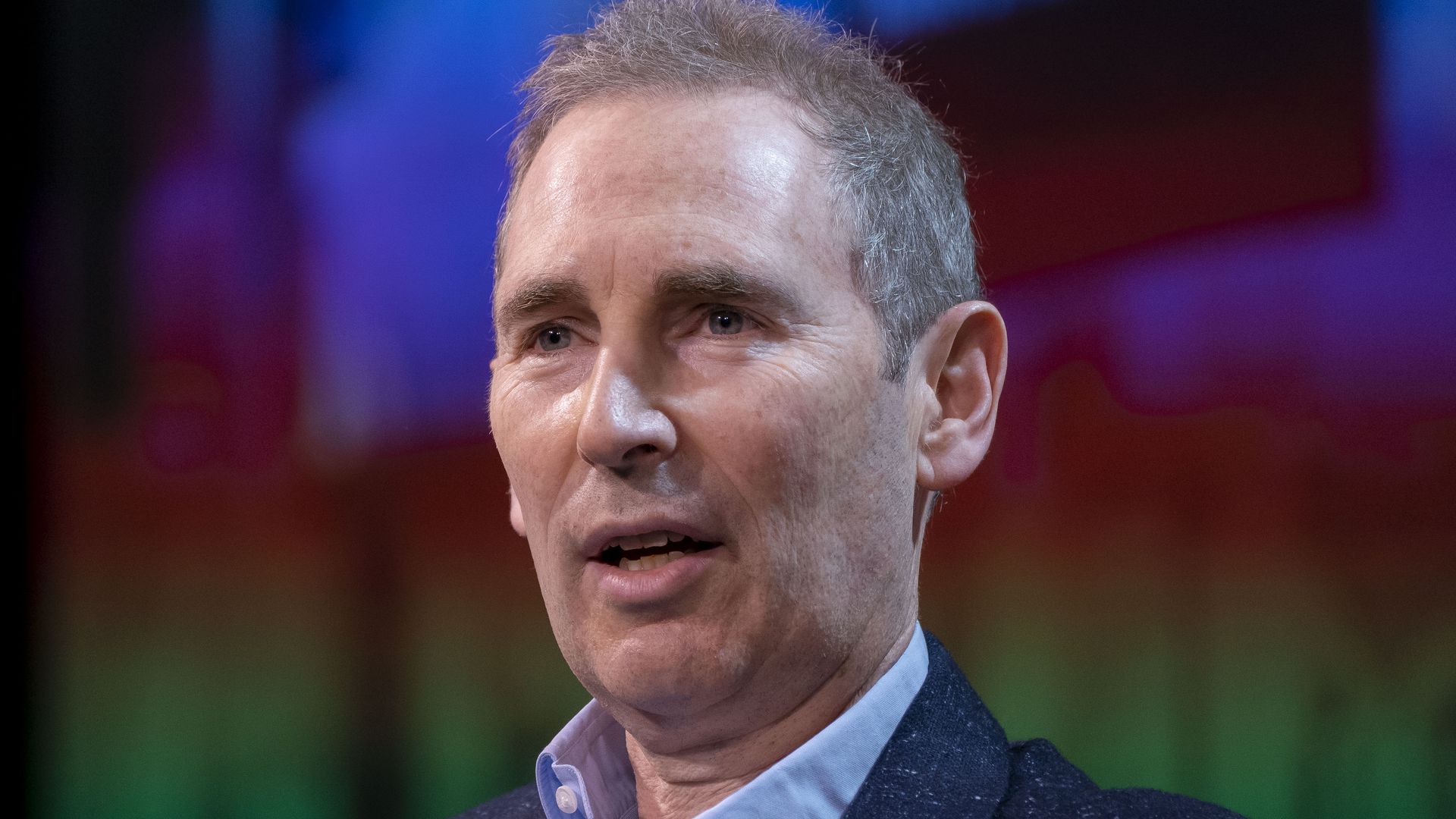
The antisemitic film that made headlines after Brooklyn Nets guard Kyrie Irving tweeted its Amazon link will not be taken down from the tech giant's platform, CEO Andy Jassy said this week.
Why it matters: The company has faced pressure to terminate sales of the film since Irving's tweet, which was posted around the same time as rapper Ye's antisemitic remarks and preceded former President Trump's dinner with white nationalist Nick Fuentes.
FBI Director Chris Wray warned Friday that TikTok is controlled by a Chinese government that "doesn't share our values" and could "use it for influence operations."
The big picture: The popular video-sharing app has served as a point of concern for U.S. officials for years. Despite the platform's move to distance itself from its Chinese parent company, national security worries continue to hound TikTok, especially as Chinese President Xi Jinping enters his third term.
Google is giving the Ukrainian government 50,000 free, one-year licenses to its Workspace tools as the country continues to fend off cyber assaults nearly one year into the war with Russia, the company announced Thursday.
Why it matters: Google Workspace gives Ukraine access to the company's email spam filters and phishing monitoring tools, which will help Ukrainians fend off the swarm of phishing and malware attacks they've encountered in their email inboxes.
A group of federal cyber advisers is putting a suspected teen hacking group under the microscope in the second investigation ever conducted by the Cyber Safety Review Board.
Driving the news: The Department of Homeland Security review board — a group of 15 federal government and private-sector cyber experts — announced Friday morning that it will study and provide recommendations to fend off the hacking techniques behind the Lapsus$ data extortion group.
The U.S. is barreling toward a quantum computing future, but until it’s here, it's unknown if all the investments and time spent preparing the country’s cybersecurity will pay off.
The big picture: Experts have long feared quantum computing would allow foreign adversaries and hackers to crack the otherwise unbreakable encryption standards that protect most online data — leaving everything from online payment systems to government secrets vulnerable.
It's easy to see the latest algorithms write a story or create an image from text and think that they are ready to take on a whole range of human tasks. But experts insist that AI systems' growing power makes it more important than ever to keep humans in the loop.
Why it matters: AI-based computer systems are being used to handle an array of increasingly consequential tasks. While machine learning-trained systems do many things well, they can also be confidently wrong — a dangerous combination.
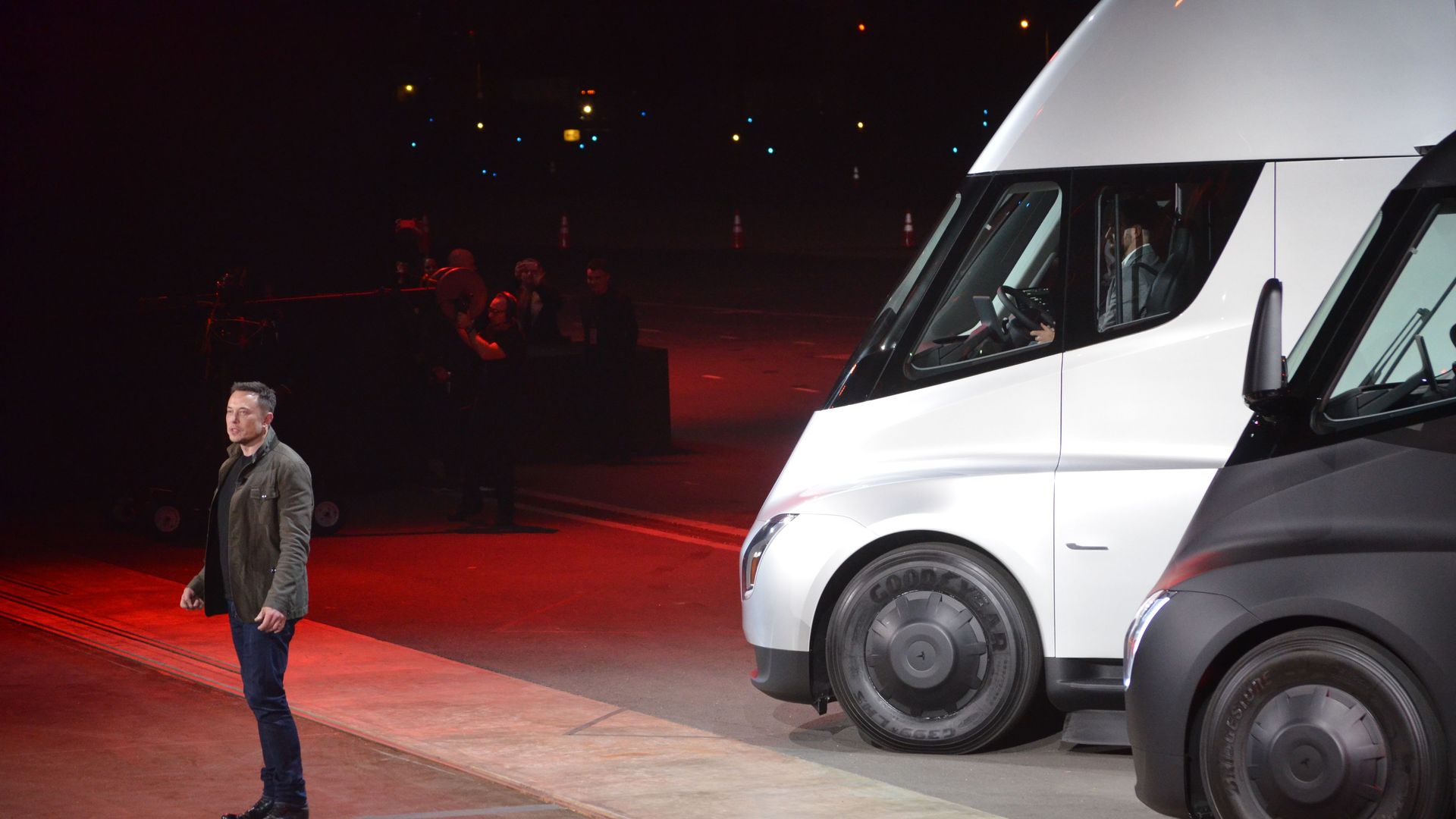
Elon Musk announced Thursday that Tesla is rolling out its long-awaited all-electric Semi trucks.
The big picture: The first shipment of the Tesla Semi, which was unveiled five years ago, was delivered to PepsiCo's Modesto, California, factory Wednesday, Tesla Semi program manager Dan Priestley said during a livestreamed event at the electric vehicle company's Nevada plant.