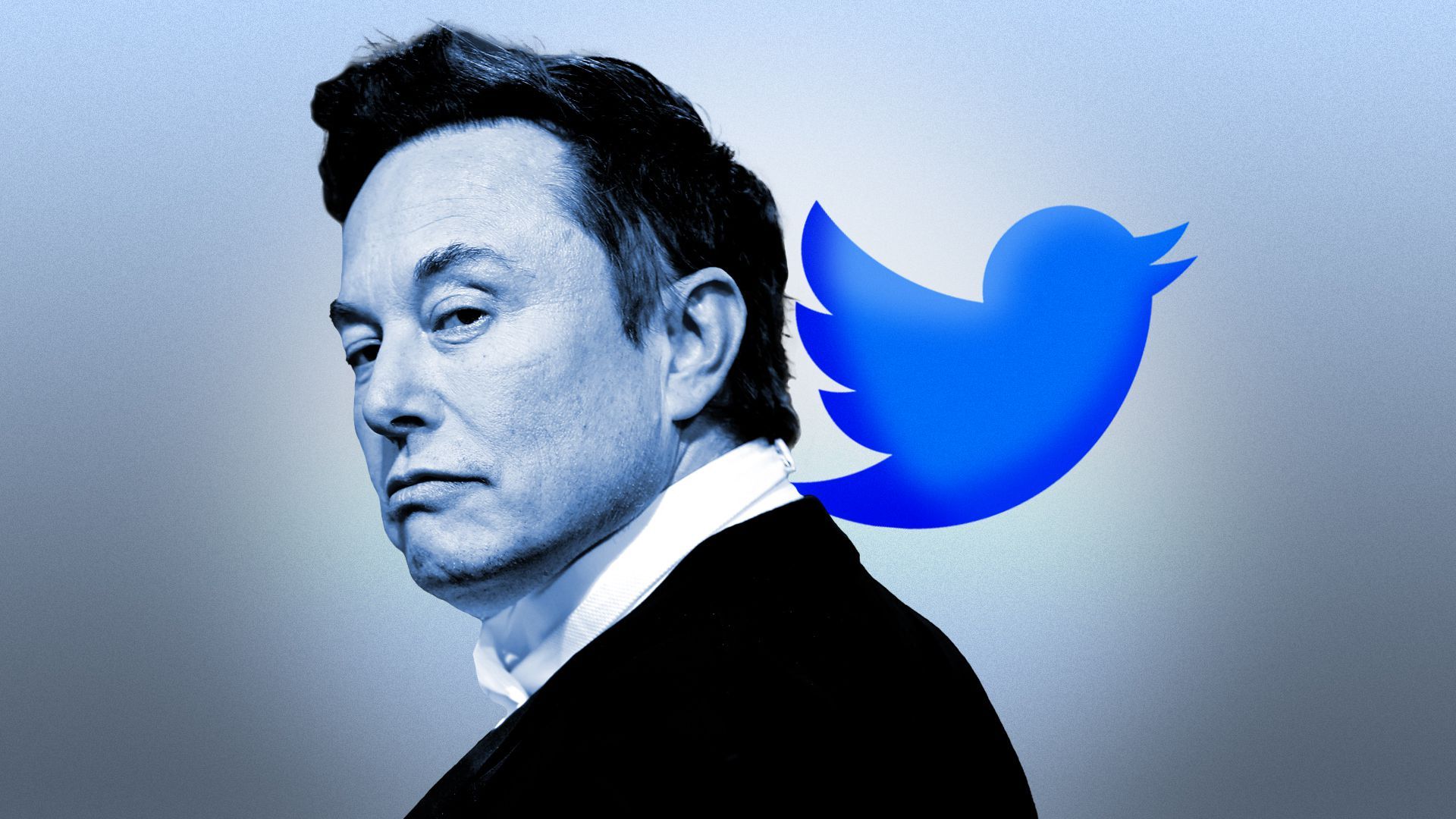
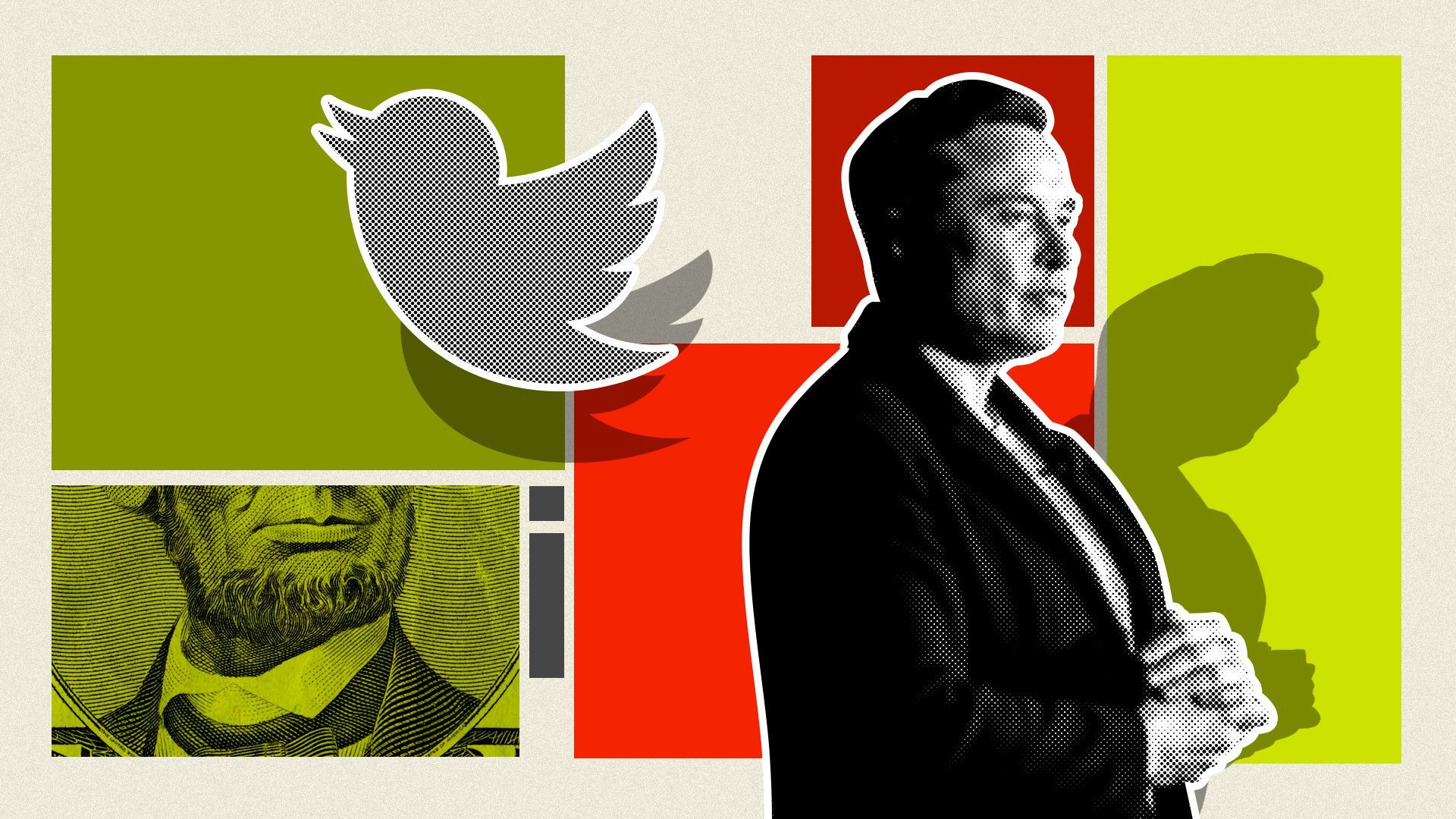
The judge overseeing the Musk v. Twitter trial wrote in a procedural ruling on Wednesday that she will "continue to press on toward our trial," given the absence of any request not to.
Driving the news: Elon Musk may have told Twitter in a letter that he's again willing to buy the company for $44 billion, but neither party has yet asked the court to stay a trial that's set to begin on October 17.
Most people in crypto think in the very near future. They aren't investing for returns years from now. They want strong returns next week. But Lisa JY Tan, founder of Economics Design, takes the long view.
Why it matters: Tan and her team work with companies to design the economics of their token projects, which have become more complicated since Bitcoin started with its simple economic model.
A Treasury-chaired council charged with flagging risks to U.S. financial stability said the crypto industry poses several risks, without really conjecturing on what crypto could break beyond itself, or how bad it could get.
Why it matters: The report from the Financial Stability Oversight Council this week is the latest response to President Biden’s executive order, “Ensuring Responsible Development of Digital Assets.” The issues it raised — some old, some new — could have an impact on new pivotal regulations to come.
Elon Musk looks like he is once more poised to purchase Twitter, but the company hasn't changed much since he decided to walk away from acquiring it in July: It's financially hurting, beset by free-speech disputes and shaken by months of relentless criticism, much of it from its likely new owner.
The big picture: Musk and his supporters believe he is just the person to solve these problems. His critics point out that building electric vehicles and reusable rockets is a very different skill from managing a community of hundreds of millions of people.
Micron CEO Sanjay Mehrotra tells Axios that its massive investment in a New York State chip facility will create as many as 50,000 jobs and allow 10% of the total global memory chip market to be U.S.-made by the end of the decade, up from 2% today.
Why it matters: The U.S. has committed $52 billion to reboot the domestic semiconductor industry. The push comes amid growing concern that the concentration of leading-edge chip production in Taiwan and Korea represents a threat to both national and economic security.
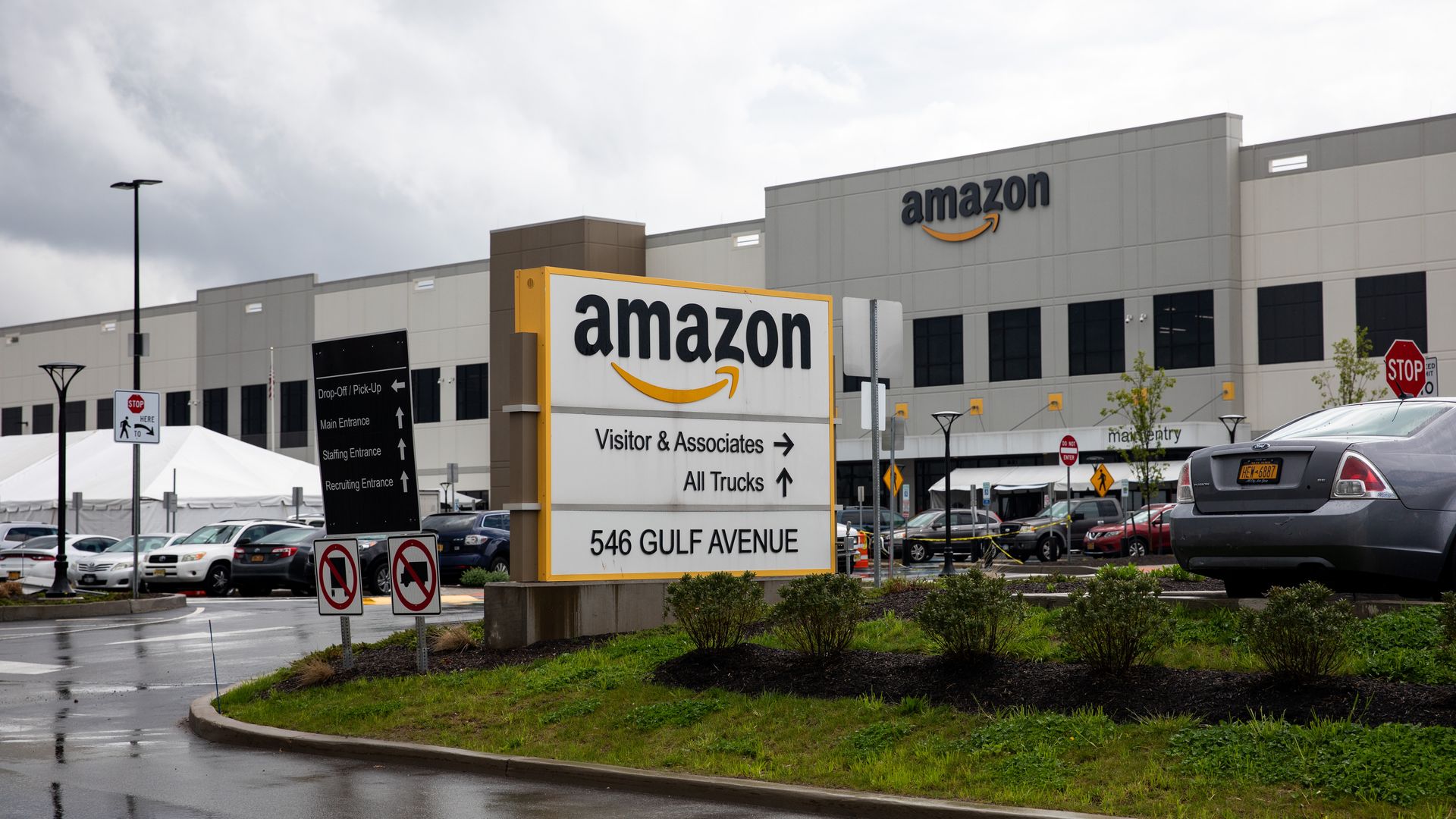
At least 50 Amazon workers were suspended Tuesday for refusing to return to work after a fire at its Staten Island warehouse, union leaders told the Washington Post.
Driving the news: About 650 workers participated in a "work stoppage" Monday night, protesting against "abnormally dangerous working conditions" over health and safety concerns related to a fire that broke out in the facility, the Amazon Labor Union said in a statement.
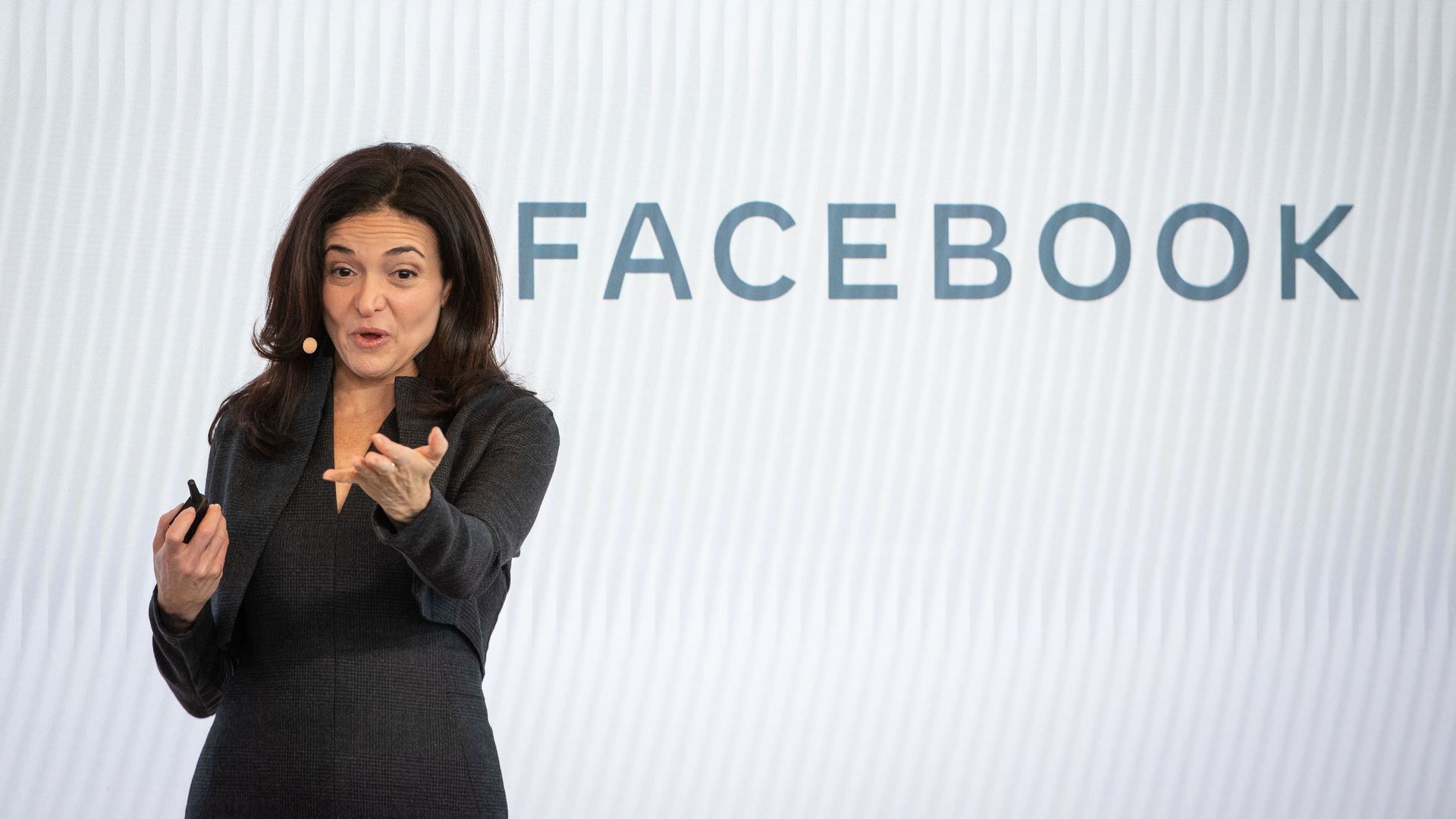
Driving the news: The announcement, which comes a week after Sandberg left the company, will allow the ACLU to expand its reproductive rights operations, including efforts to educate voters on judicial candidates' abortion records, support ballot measures to safeguard access and oppose restrictions in Congress and state legislatures.
Elon Musk has offered to proceed with a $44 billion buyout of Twitter, according to a letter his lawyer sent to Twitter's legal team that was submitted to regulators Tuesday.
Driving the news: According to the letter, Musk has agreed to proceed in closing the transaction in accordance with the April 25 merger agreement he originally signed, in which he agreed to pay $54.20 per share.
Google will pay $85 million to settle a lawsuit by the Arizona Attorney General's Office over the way the tech giant used customers' location data.
The settlement averts a trial that was scheduled to begin on Oct. 24.
Catch up quick: Attorney General Mark Brnovich began investigating Google in 2018 after the Associated Press reported that some of the company's apps continued tracking and storing users' location data even after they turned off the location history feature.
Brnovich sued Google in state court in 2020, alleging it violated the Arizona Consumer Fraud Act.
Driving the news: Brnovich announced the settlement Tuesday morning, calling it one of the largest consumer fraud lawsuits in Arizona history.
Google will pay $77,250,000 to Arizona's general fund, and another $7,750,000 to the attorney general's outside counsel.
The settlement directs the state legislature to spend the money that goes into the general fund on education, broadband and internet privacy efforts.
The AG's office will direct $5 million to an accredited law school and to a bipartisan AGs' association for consumer protection training and programming.
Why it matters: The bulk of Google's profits come from advertising, and it uses customers' location data to help determine which ads to target them with.
The AG's office noted that 80% of the $161 billion in revenue that Google generated in 2019 came from advertising.
What they're saying: "When I was elected attorney general, I promised Arizonans I would fight for them and hold everyone, including corporations like Google, accountable," Brnovich said in a press statement. “I am proud of this historic settlement that proves no entity, not even big tech companies, is above the law."
Of note: The settlement does not require Google to admit wrongdoing or to the violation of any laws.
The other side: Google spokesperson José Castañeda told Axios that the case was based on outdated policies the company changed years ago.
"We provide straightforward controls and auto delete options for location data, and are always working to minimize the data we collect. We are pleased to have this matter resolved and will continue to focus our attention on providing useful products for our users," Castañeda said.
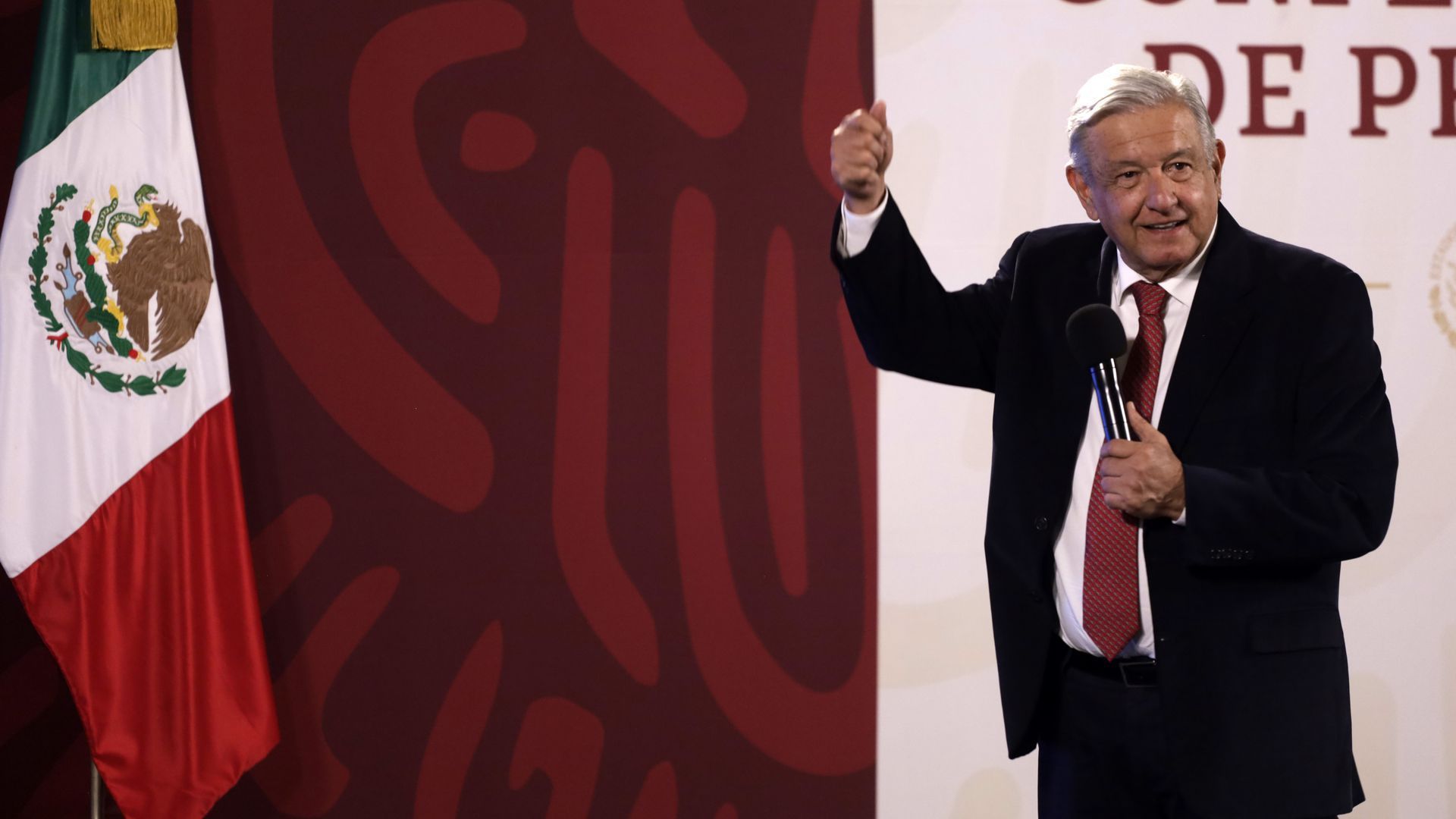
Despite Mexican PresidentAndrés Manuel López Obrador’s professed opposition to his predecessor’s use of Pegasus spyware on journalists, the practice has continued since he took office, a new report says.
Driving the news: The cellphones of at least two Mexican journalists and a human rights defender were infected with the Pegasus software between 2019 and 2021, according to the report from a group of digital rights organizations, including the Network for the Defense of Digital Rights and Article 19. López Obrador’s term started in 2018.
The sloppy launch of 2020’s Cyberpunk 2077 and the years devoted to repairing the game have not clipped the ambitions of its studio, CD Projekt RED.
Driving the news: The Polish game-maker announced a slew of new games today, most many years out, including a Cyberpunk sequel and a new trilogy in its hit fantasy series The Witcher.
Company boards are struggling to get on the same page with lead security executives on how susceptible their organizations are to cyberattacks, according to a new survey.
Driving the news: Email security company Proofpoint and MIT Sloan School of Management's cyber program released a survey Tuesday detailing how 600 board directors worldwide view the cyber threats facing their companies.
Forecasts of a years-long economic downturn aren't stopping cybersecurity investment funds from pouring money into both early- and late-stage security startups — at least for now.
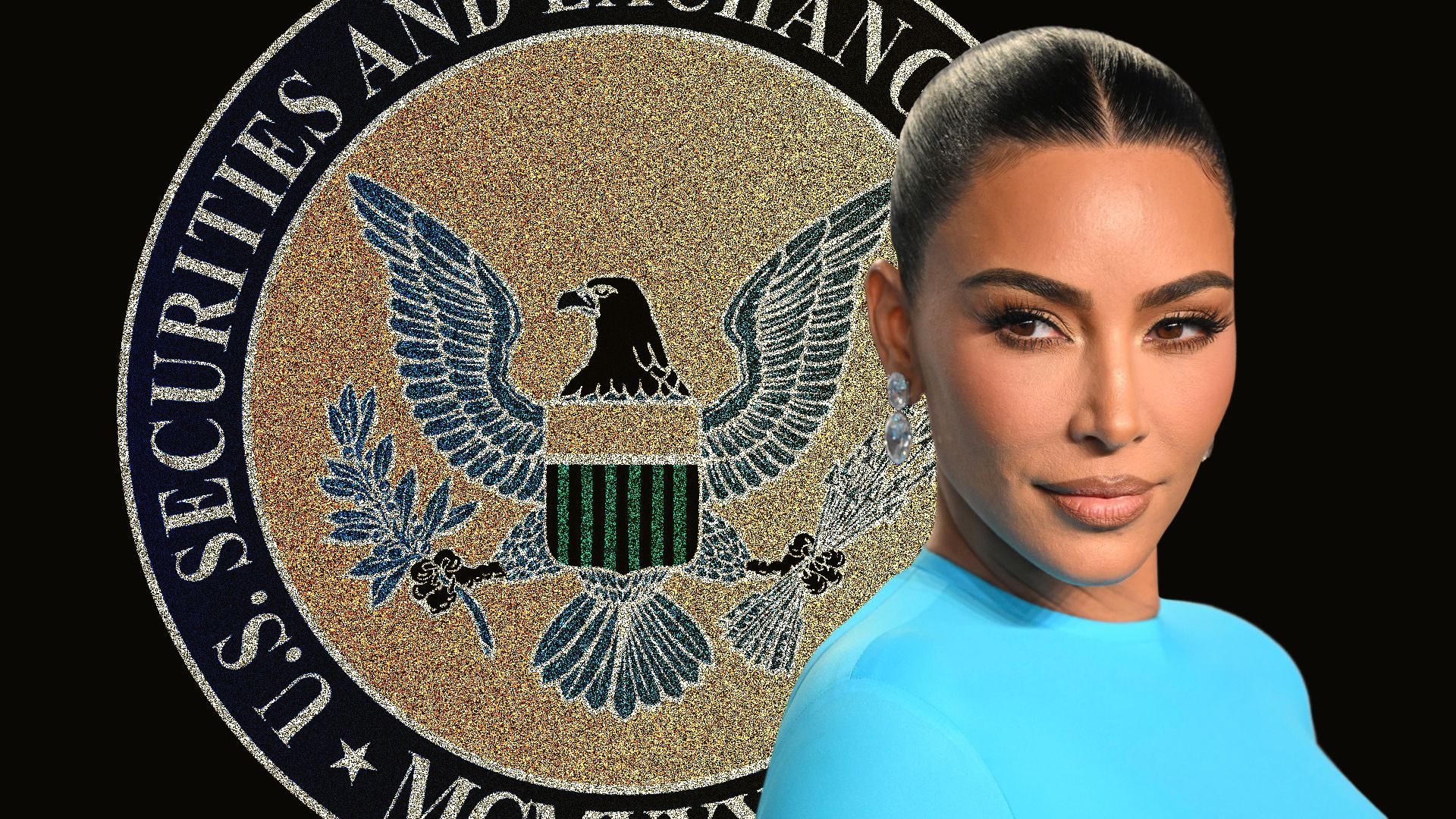
Kim Kardashian is every marketer's dream influencer. And that includes for SEC chair Gary Gensler.
Why it matters: If the Securities and Exchange Commission wanted to get the word out on its crypto stance — that most cryptocurrencies are securities — hanging that message on Kardashian has been a successful move.
Sony PlayStation is diversifying the types of games it makes, but will not neglect its core strength of single-player narrative adventures, PlayStation Studios chief Hermen Hulst tells Axios.
Why it matters: Winning gaming hardware generations by selling the most consoles is no longer enough for PlayStation.
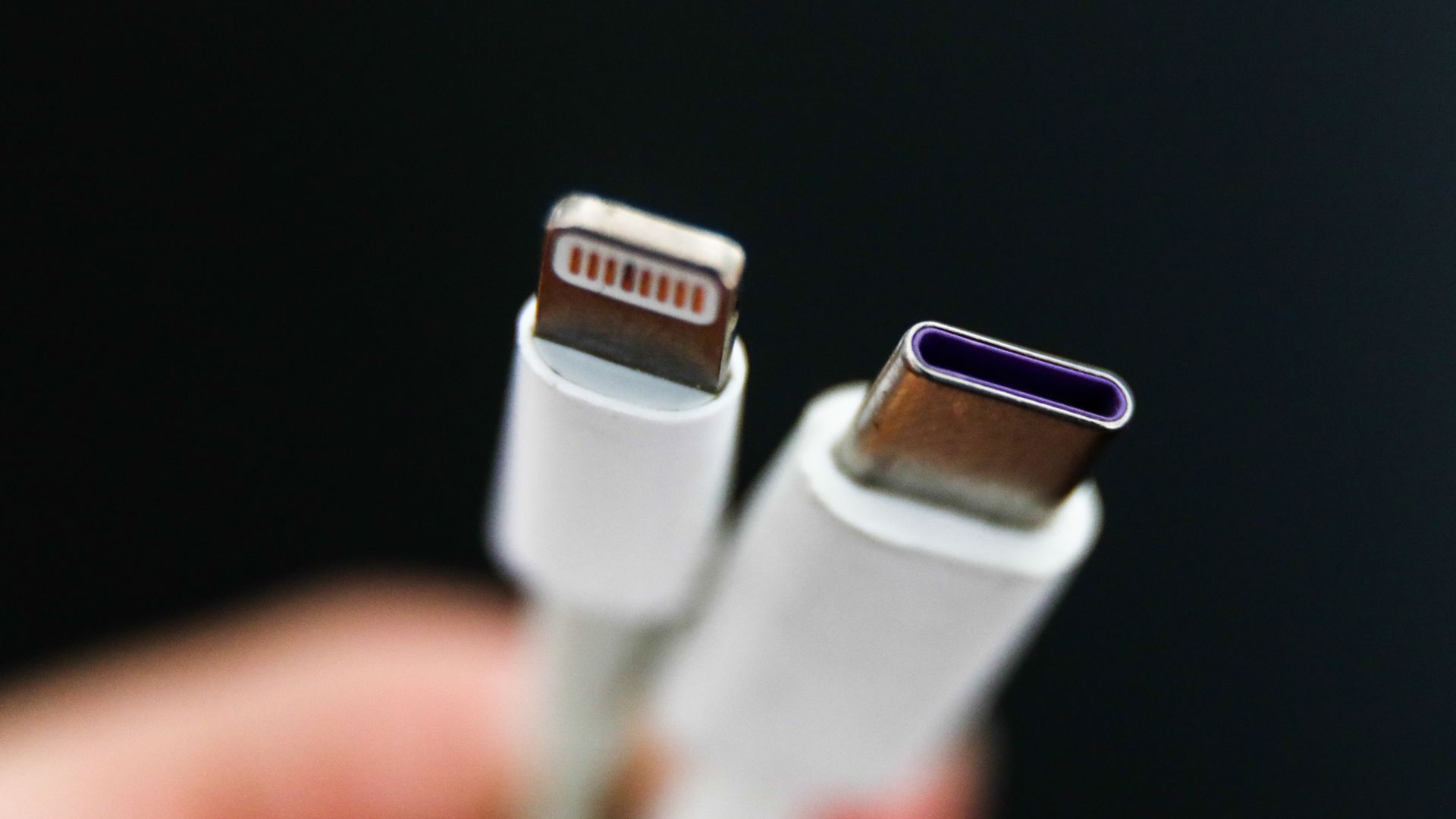
The European Union parliament voted on Tuesday to approve a new law requiring all mobile phones, tablets and cameras to use the same charging port.
Why it matters: The measure, which was provisionally agreed to by member states in June, is intended to reduce electronic waste and increase convenience for consumers.
There’s a new program on the block for turning entrepreneurs into angel investors — dubbed Powerset — and it’s aiming to raise $314 million.
Why it matters: Co-founder Jake Zeller previously helped lead Spearhead, a similar setup (and the inspiration for Powerset) that’s a joint venture between AngelList and venture firm Accomplice.
The White House issued a call for artificial intelligence systems to be developed with built-in protections Tuesday, even as the tech industry barrels forward in an AI free-for-all.
Why it matters: Automated systems can influence or even determine important aspects of Americans' lives, including healthcare, employment, housing and education. In the U.S., government regulations covering the new technology remain minimal or nonexistent.