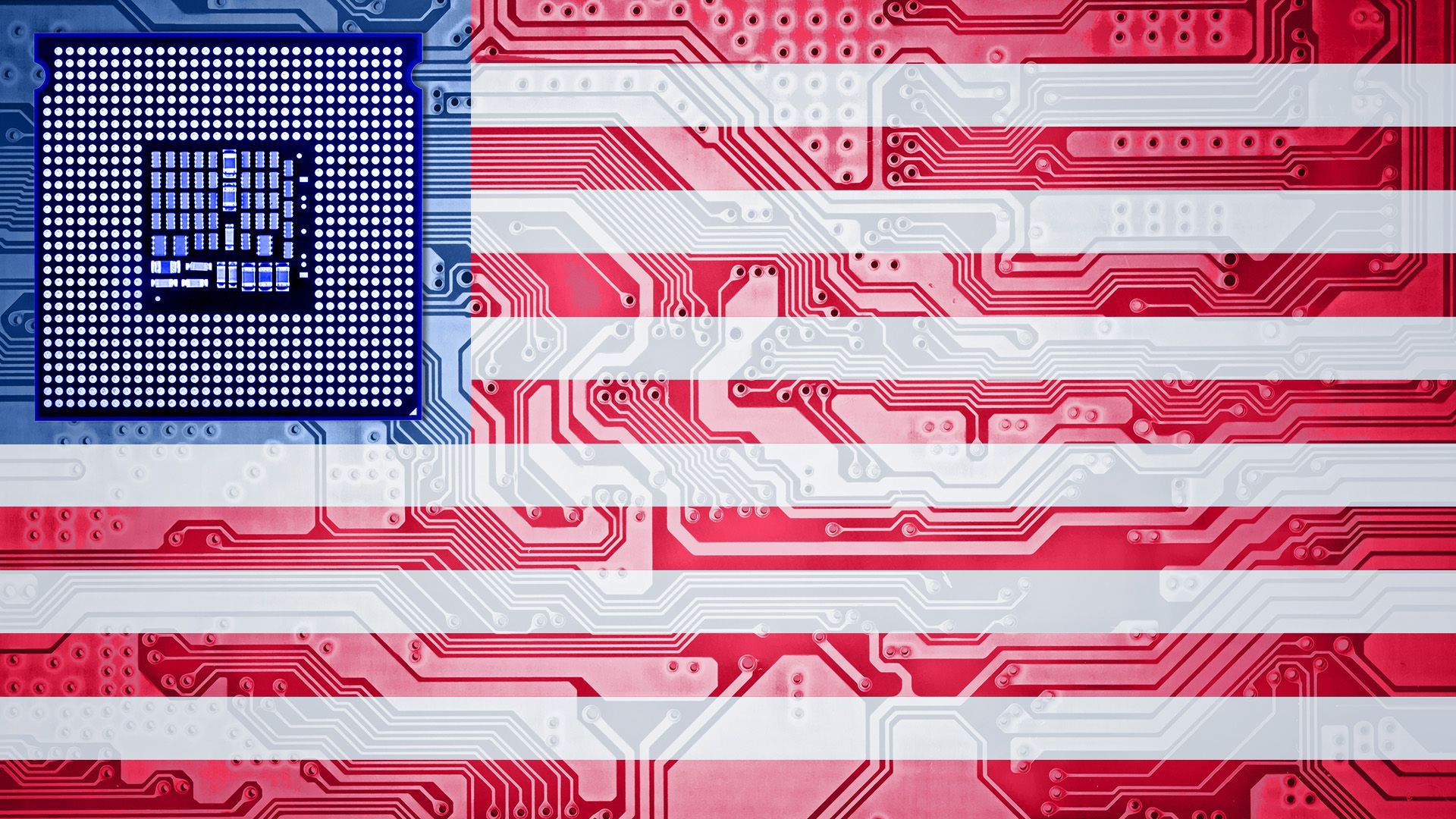
The Biden administration on Friday announced new export restrictions aimed at hobbling China's ability to make advanced semiconductors, escalating the tech conflict between the world's two biggest economies.
Why it matters: The move is expected to reshape the interplay between American and foreign chipmakers, potentially undermining China while also heightening the risk of a countermove.
Chainalysis is officially joining the National Cyber-Forensics and Training Alliance (NCFTA), the company first told Axios — marking the first blockchain analytics firm to join the widely respected cybercrime information-sharing organization.
Why it matters: Because of the borderless nature of cybercrime, law enforcement agencies often rely on overseas partners and industry organizations to quickly track down key evidence about data breaches, ransomware attacks and other cybercriminal activities.
Former Uber security chief Joe Sullivan’s conviction for mishandling a 2016 data breach is renewing long-held fears among chief information security officers that they could be "sacrificial lambs" when cyberattacks occur.
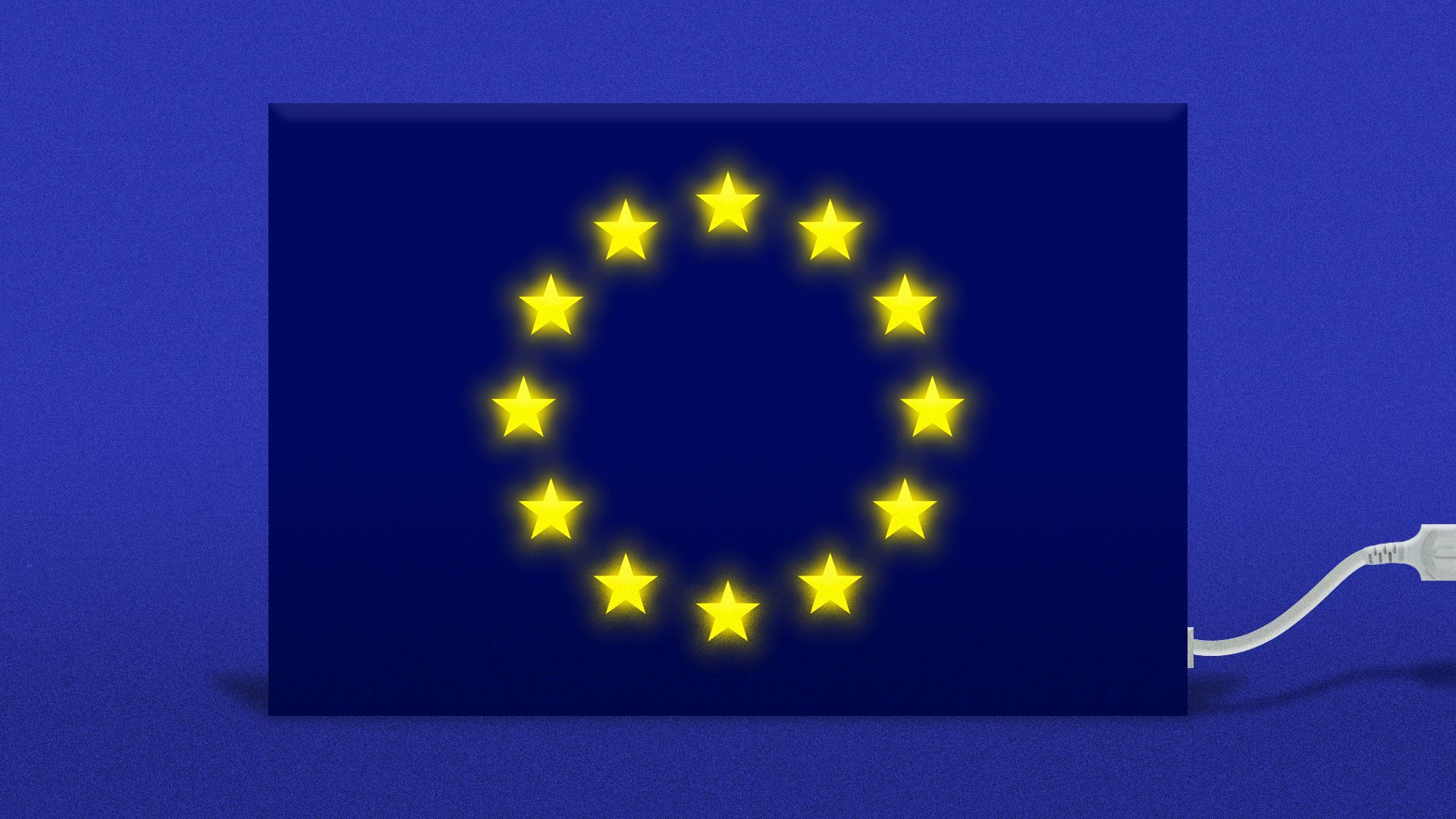
President Joe Biden signed an executive order Friday implementing a new privacy framework for data being shared between Europe and the United States.
Why it matters: Data flowing between Europe and the U.S. is of major importance to international businesses that work with customers across the Atlantic.
The March deal between Biden and European Commission President von der Leyen follows two previous agreements which failed after being challenged and struck down by a European court.
The legality of such data transfers, which the White House said are "critical to enabling the $7.1 trillion EU-U.S. economic relationship," has been in flux for years.
Details: The executive order adds new safeguards for U.S. intelligence activities, taking privacy and civil liberties into account, and introduces new privacy requirements for data collection.
It establishes a process for non-U.S. citizens to file complaints if they are concerned their personal information has been improperly collected by the U.S. intelligence community.
That process starts with the Office of the Director of the National Intelligence, who will forward valid complaints to a new data privacy court inside the Justice Department to investigate.
What they're saying: "This is a culmination of our joint efforts to restore trust and stability to transatlantic data flows, and is a testament to the enduring strength of the U.S.-EU relationship and our shared values," Commerce Secretary Gina Raimondo told reporters.
"By ensuring a durable and reliable legal basis for transatlantic data flows, We've paved the way for a more inclusive digital economy that will benefit American consumers and small businesses alike."
"It actually creates a better set of circumstances, greater certainty for companies who want to transfer data," John Miller, senior vice president of policy at tech industry group Information Technology Industry Council told Axios. "We actually have changes in U.S. law and not just practice."
What's next: The new agreement could be challenged again, but senior administration officials told reporters in a call they're confident this deal, with its new structure and requirements at different levels of U.S. government, satisfies the demands of European Court of Justice, the EU's high court.
The new documentary about the U.S.'s leading crypto exchange is called COIN, but they might as well have called it BRIAN, after its chief executive.
Why it matters: Coinbase has taken the vanguard of the crypto industry in the public imagination (much as Facebook is synonymous with social media). COIN — which is also its ticker symbol — appears to be its effort to get out in front of the criticism that has come with that position.
Meta will notify at least 1 million Facebook users that their login information may have been stolen if they downloaded one of hundreds of malicious mobile apps.
Driving the news: Meta’s security team published a report this morning detailing how more than 400 mobile apps posed as innocuous tools, such as photo editors, to get people to share their Facebook login credentials.
On a recent trip to Seattle, I learned how tantalizingly close we are to being able to ditch our wallets.
Over two days, I managed to take two flights, check into a hotel room and pay for meals — all from my phone. Everything worked, but there were some asterisks involved.
Innovations in artificial intelligence are making it faster and cheaper for political campaigns to identify, turn out and extract money from voters.
The big picture: Consultants for both major parties are hoovering up voter data to hone advanced fundraising and persuasion tactics. These data tools are especially useful in down-ballot local races.
A Delaware judge on Thursday paused Twitter's upcoming trial against Elon Musk until 5pm on Oct. 28 to allow the Tesla CEO to close his proposed acquisition of the social media company.
Driving the news: "If the transaction does not close by 5 p.m. on October 28, 2022, the parties are instructed to contact me by email that evening to obtain November 2022 trial dates," Judge Kathaleen St. Jude McCormick wrote in the court filing.
Elon Musk on Thursday asked Delaware Chancery Court to stay the trial over his proposed $44 billion takeover of the social media giant, adding that the deal could close on or around Oct. 28.
What to know: This is a necessary step toward moving the merger forward, but doesn't mean much until and unless Twitter files its own motion requesting a stay.
Lulu Cheng Meservey is stepping down from the board of Activision Blizzard to join the company as its executive vice president, corporate affairs and chief communications officer starting today.
Why it matters: Meservey, who left Substack as VP of communications in August, steps into a newly created role that will be critical to helping Activision shape its image to the public and to regulators.
Celsius Network's financial statements show a history of executives making withdrawals in the weeks leading up to the crypto lender's decision to halt customer withdrawals and file for Chapter 11 bankruptcy protection.
Why it matters: The crypto lender has time and again insisted that it operates with "the entire community and all clients in mind," yet the numbers, according to Celsius documents, tell a different story.
Just as the prime brokerage business in crypto was starting to see some traction, the rug was pulled out from under it.
Why it matters: For the crypto market to go from a trillion to "trillions," it needs prime brokerage — the business that facilitates sophisticated trading and draws the Big Money crowd, like hedge funds.
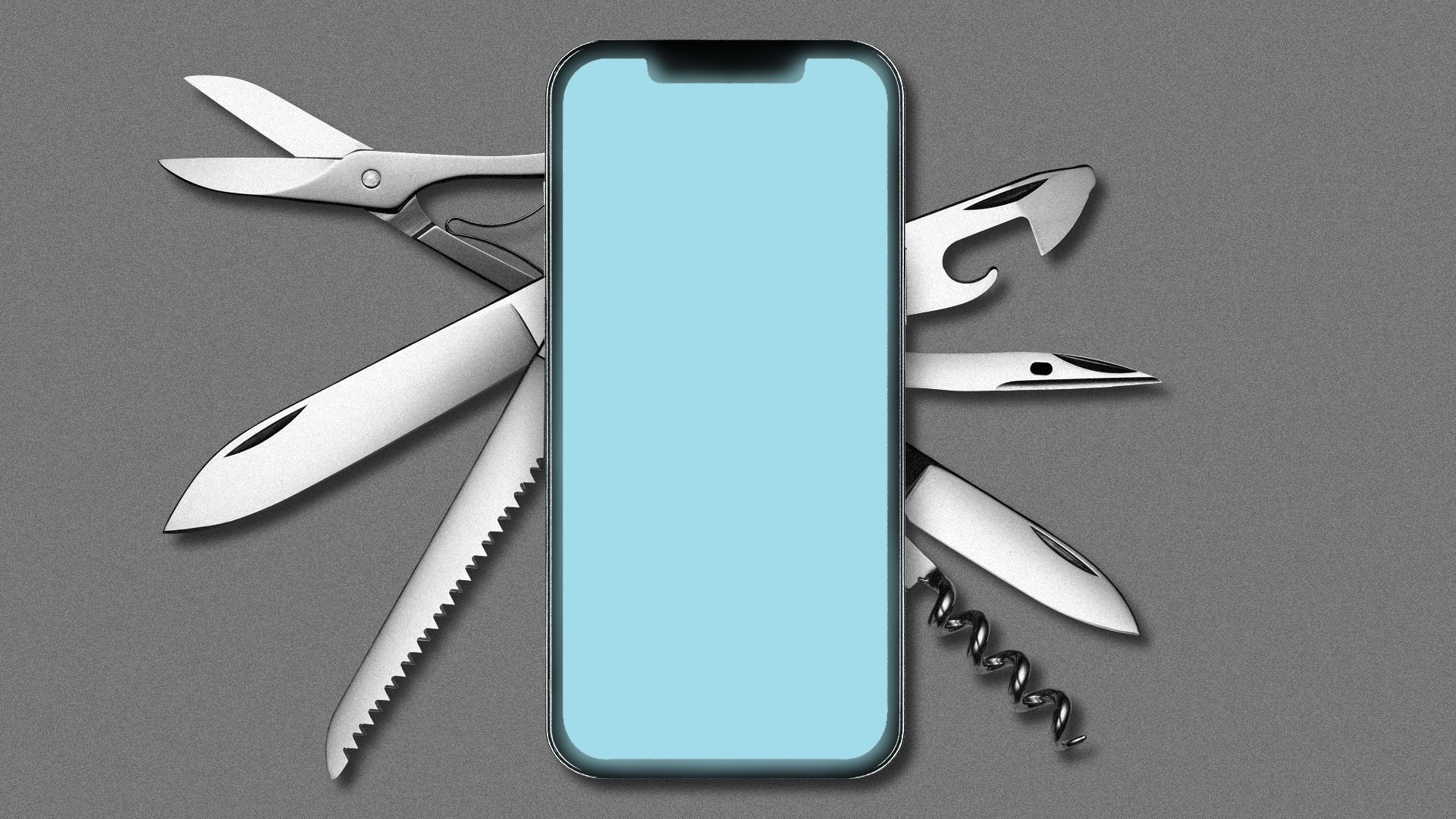
Google on Thursday announced the Pixel 7 Pro and Pixel 7 smartphones, which feature an updated Google Tensor processor, along with the Pixel Watch. It had previewed the three products earlier this year.
Why it matters: Google's hardware effort is growing into a more full-fledged business, and the company is counting on the new crop of gear to help it compete against the latest devices from Apple.
Several robotics companies, including Boston Dynamics, are pledging not to support the weaponization of their products and are calling for others in the industry to do the same, according to a letter shared first with Axios.
Why it matters: Robots, like drones before them, have a wide range of peaceful and even life-saving uses, but can be turned into war-fighting machines, too.
The Supreme Court's Monday announcement that it would rule on a pair of challenges to a foundational law governing online speech set off internet experts' earthquake alerts.
Why it matters: A decision by the court to alter or strike down the law, Section 230 of the 1996 Communications Decency Act, would rock the legal landscape for every company or organization whose work involves contributions from users — not just social networks but online marketplaces, review sites, neighborhood groups and more.










/2022/10/03/1664806438458.gif?w=3840)








/2022/10/05/1665007732031.gif?w=3840)




/2022/10/04/1664893889321.gif?w=3840)