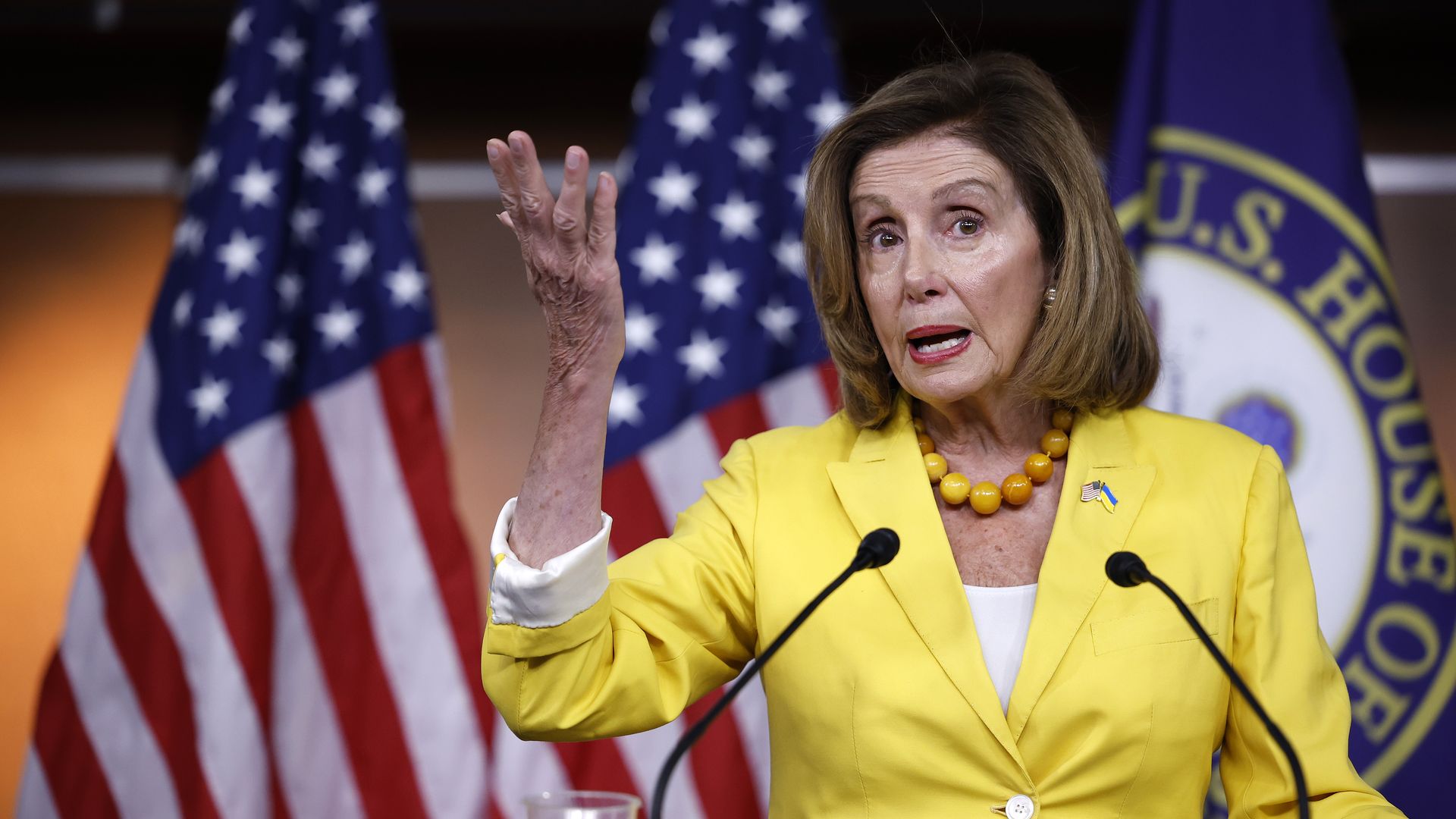
House Speaker Nancy Pelosi (D-Calif.) does not support the most recent federal data privacy bill in its current form, she announced Thursday.
Why it matters: The proposal has won bipartisan support and is farther along than any other recent privacy legislation, but without Pelosi's backing, lawmakers working to pass such a law face a much more uphill battle.
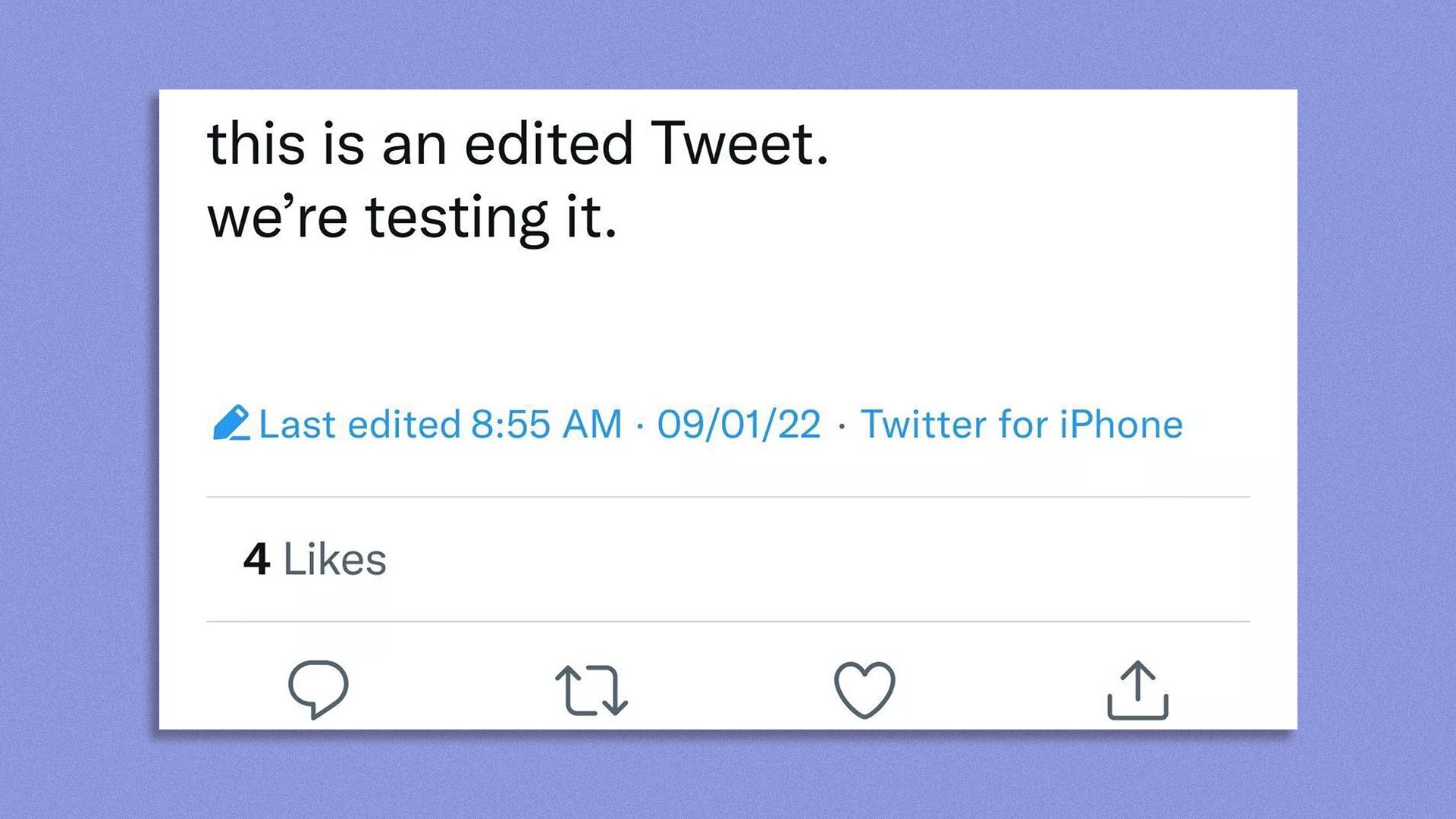
Twitter announced Thursday it has started internal testing of a long-requested feature that will allow people to edit tweets after they are sent.
Be smart: Such a feature has topped customer requests for years, but the tricky part is allowing edits without opening the door to spam and misinformation.
The phenomenal and speedy rise of TikTok has made the short-video-sharing platform the latest and most-likely-to-succeed front-runner in the race to join tech's inner corporate circle.
Why it matters: TikTok's vast pool of users, fine-tuned content algorithm and accelerating cash machine have made it the upstart that most spooks Facebook, which started copycatting TikTok's format in 2020.
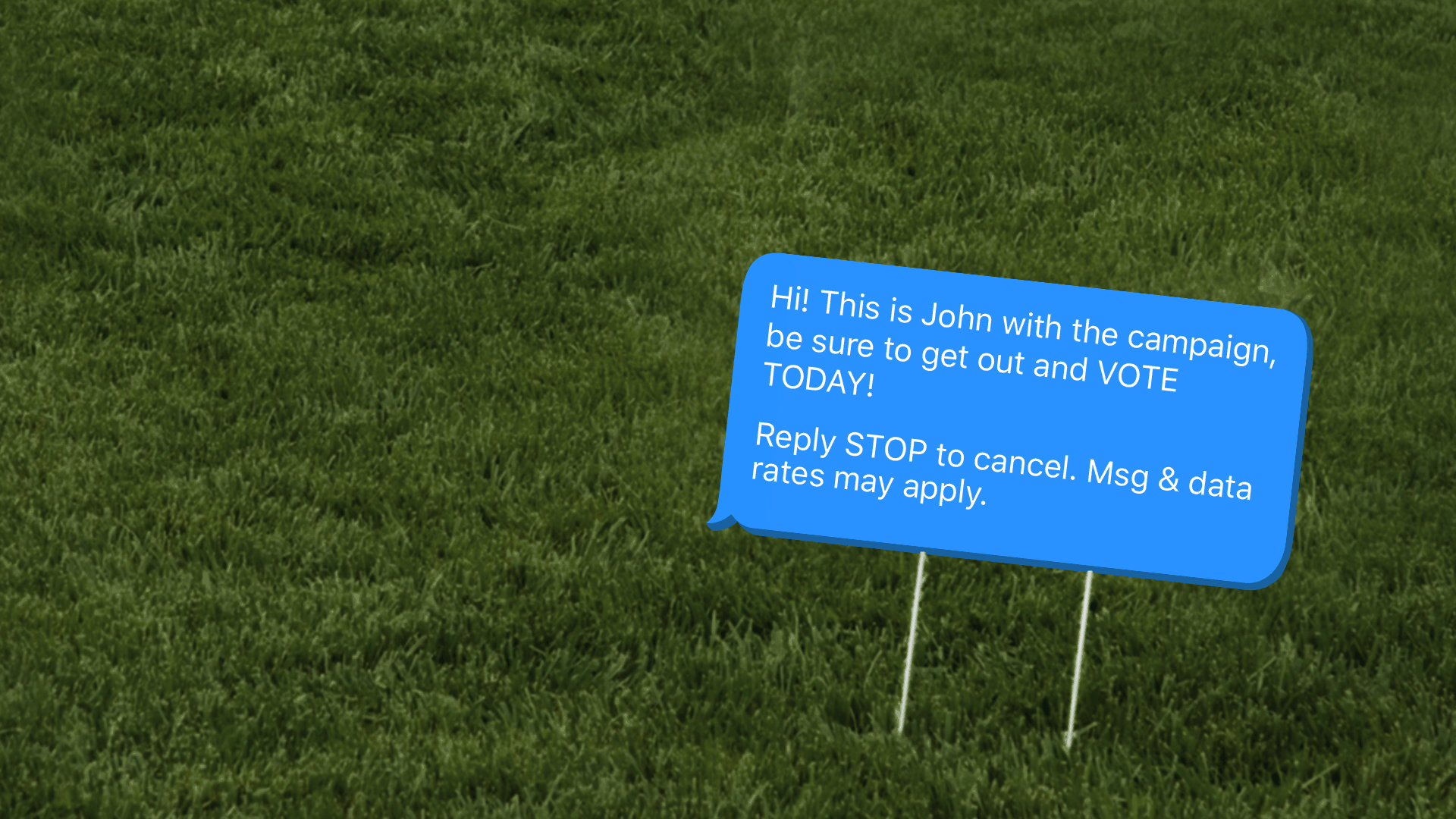
Americans are sick of the constant barrage of robotexts from political campaigns. So they're suing.
Staggering stat: Campaigns have already sent 90.5 million texts this election cycle, including some 68 million from Democrats and around 23 million from Republicans, Axios' Lachlan Markay reports from data by RoboKiller, a blocker app.
Arm, the British chipmaker owned by SoftBank, on Wednesday sued Qualcomm for breach of contract and trademark infringement, according to court documents.
Why it matters: This comes just months after reports that Qualcomm would seek to buy an ownership stake in Arm, whose prior agreement to be acquired by Nvidia was scrapped due to regulatory pressures.
Private equity keeps buying up data centers, despite the warnings of a veteran short-seller.
Driving the news: An investor group yesterday agreed to pay $1.5 billion for a 35% stake in Dallas-based DataBank, while Malaysian telco Time Dotcom reportedly short-listed final bidders for a data center unit that could be valued at around $600 million.
There's also the ongoing auction process for London-based data center operator Global Switch, which is expected to fetch more than $10 billion.
By the numbers: 2022 already is a record year for PE investment in data centers, per PitchBook.
The research group reports $41.5 billion of deal value as of Aug. 25, which doesn't include DataBank, topping the $36.8 billion from 2013 and last year's $27.7 billion tally.
The year's largest data center buyout was CyrusOne, which KKR and Global Infrastructure Partners took private for around $15 billion.
The big picture: Private equity's interest in data centers is largely about predictable cash flows. Plus, there's dry powder pressure tied to the infrastructure fundraising boom, and a PE belief that legacy location is a key differentiator.
There's at least one notable naysayer: Jim Chanos, who's raising several hundred million dollars for a fund that will short U.S. data center groups.
Yes, Chanos invests in public equities instead of in private equities. But his thesis would hold for both.
He basically believes that cloud giants like Amazon, Google and Microsoft will come to dominate the data center market. Not just by building massive facilities for their own services, but by cheaply leasing out space in those data centers to others that currently contract with traditional players.
For context, Chanos has made some very good short bets (e.g., Enron) and some very bad ones (e.g., Tesla).
The bottom line: This could become private equity vs. Big Tech. Or maybe the other way around.
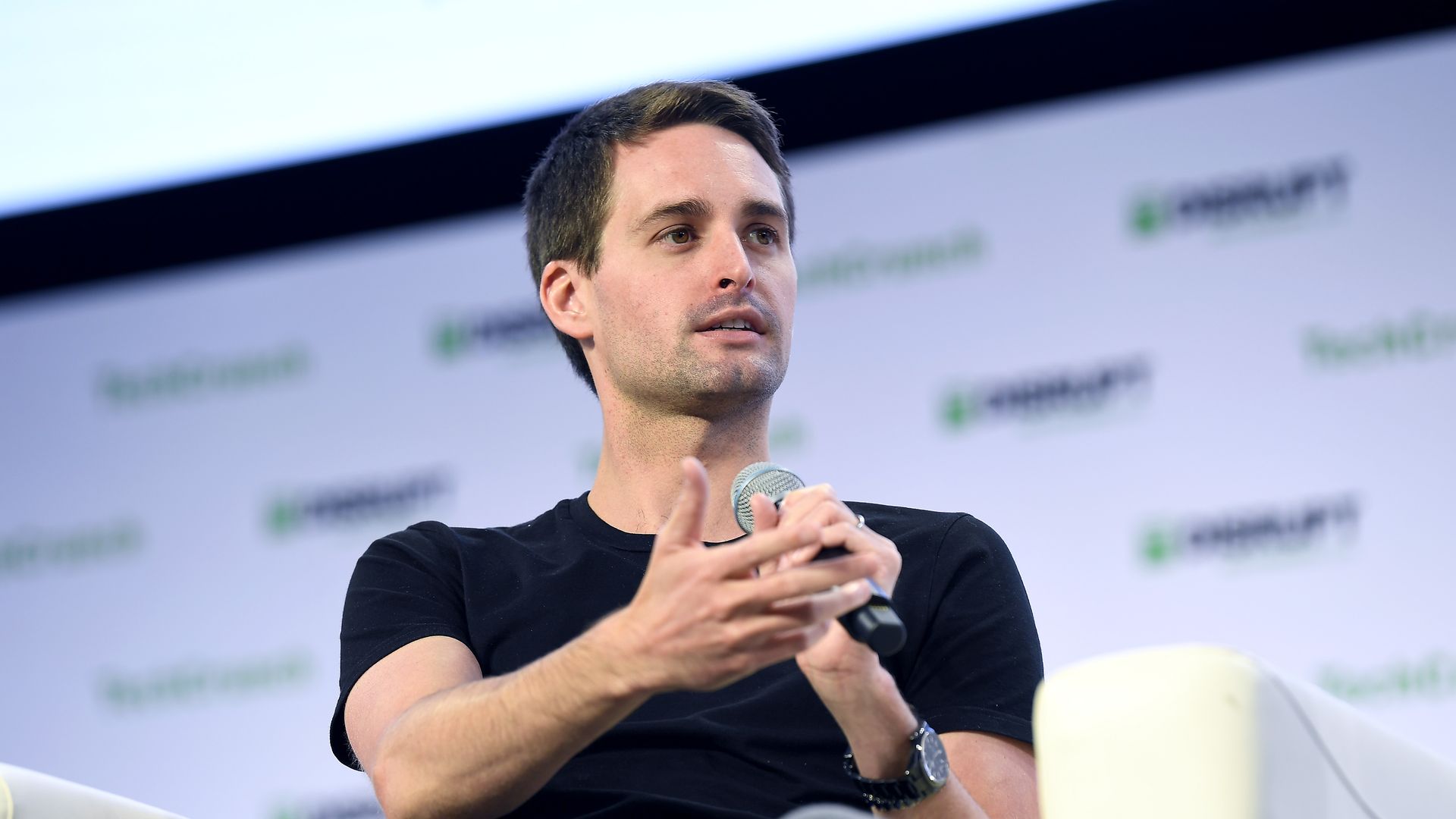
Snap Inc. CEO Evan Spiegel told staff in a memo on Wednesday that the company will undergo a major restructuring that includes a 20% reduction of its workforce and product pullbacks it anticipates will help save $500 million this quarter.
Why it matters: Shares in Snap have taken a plunge following a weak Q2 earnings report that came as a result of advertising headwinds attributed to macroeconomic trends, such as inflation and supply chain issues.
Zendrive, which uses smartphone sensors to measure and improve driver safety, has announced that it's spinning out a new company called Fairmatic, a commercial insurance service that taps such data to determine its pricing.
Why it matters: By relying on actual driving experience rather than more abstract underwriting methods, the company says it can save customers 10% to 20%.
Plug-in hybrid vehicles (PHEVs) are a good bridge car for drivers reluctant to go fully electric — but they also make a lot of sense for the broader industry, given problems like a lack of charging infrastructure and battery scarcity.
Why it matters: Lawmakers' efforts to get Americans to replace their gas-powered cars with EVs are about to run into two stubborn realities: Most consumers aren't ready to go electric, nor is the battery supply chain prepared to meet a surge in demand.








/2022/08/31/1661956369821.gif?w=3840)