Reproduced from Morning Consult; Chart: Axios Visuals
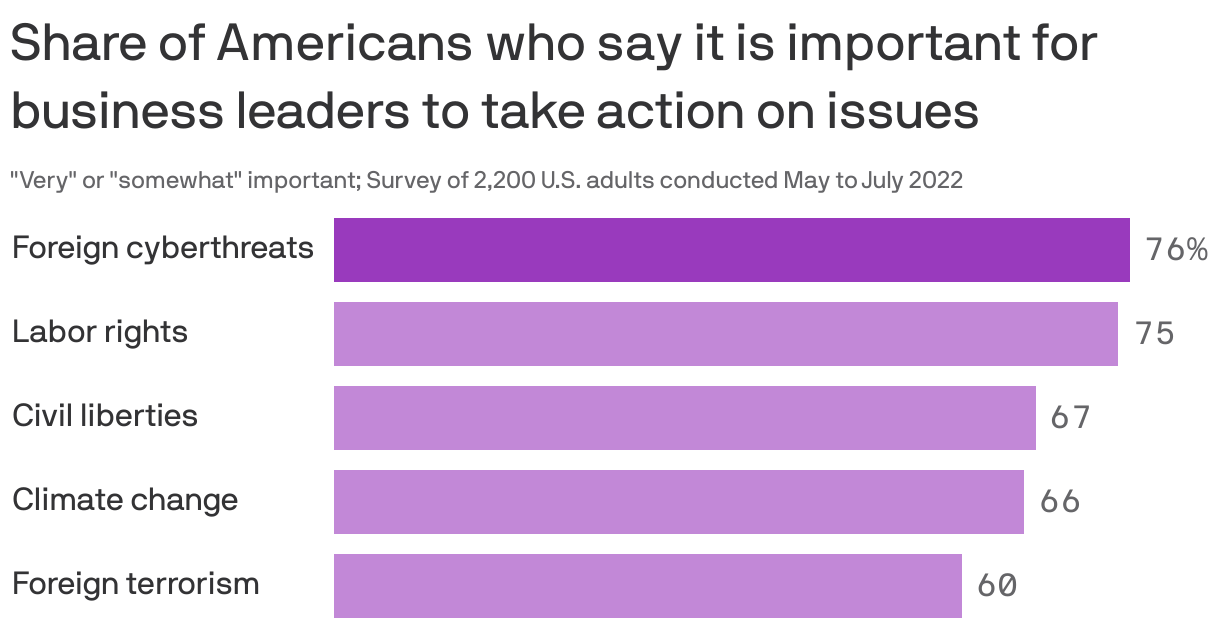
Roughly 3 in 4 consumers say it's important for a business leader to discuss or take action against foreign cybersecurity threats, according to recent survey data from Morning Consult.
Why it matters: Many businesses have feared that discussing cybersecurity problems with the public would harm their brand's reputation. This new data suggests the tide could be turning.
By the numbers: 76% of survey respondents said in a series of three monthly surveys this year that it’s either “very” or “somewhat” important for business leaders to discuss or take action against foreign cyberthreats.
A similar share (75%) said the same about labor rights, while 67% said it was important for leaders to speak out or take action on civil liberties issues.
The survey was conducted among 2,200 adults in May, June and July, with a margin of error of 2 percentage points.
Between the lines: The results track with the increasing number of executives who have started to publicly discuss cyber incidents affecting their companies.
SolarWinds CEO Sudhakar Ramakrishna has said he is constantly advising leaders on how to speak to the public about their own incidents. Russian hackers infiltrated SolarWinds in 2020 to access the networks of nine federal agencies and about 100 private companies.
Earlier this year, identity management company Okta received scrutiny for not disclosing a security incident after a well-known cybercrime gang revealed details about it in underground hacking forums.
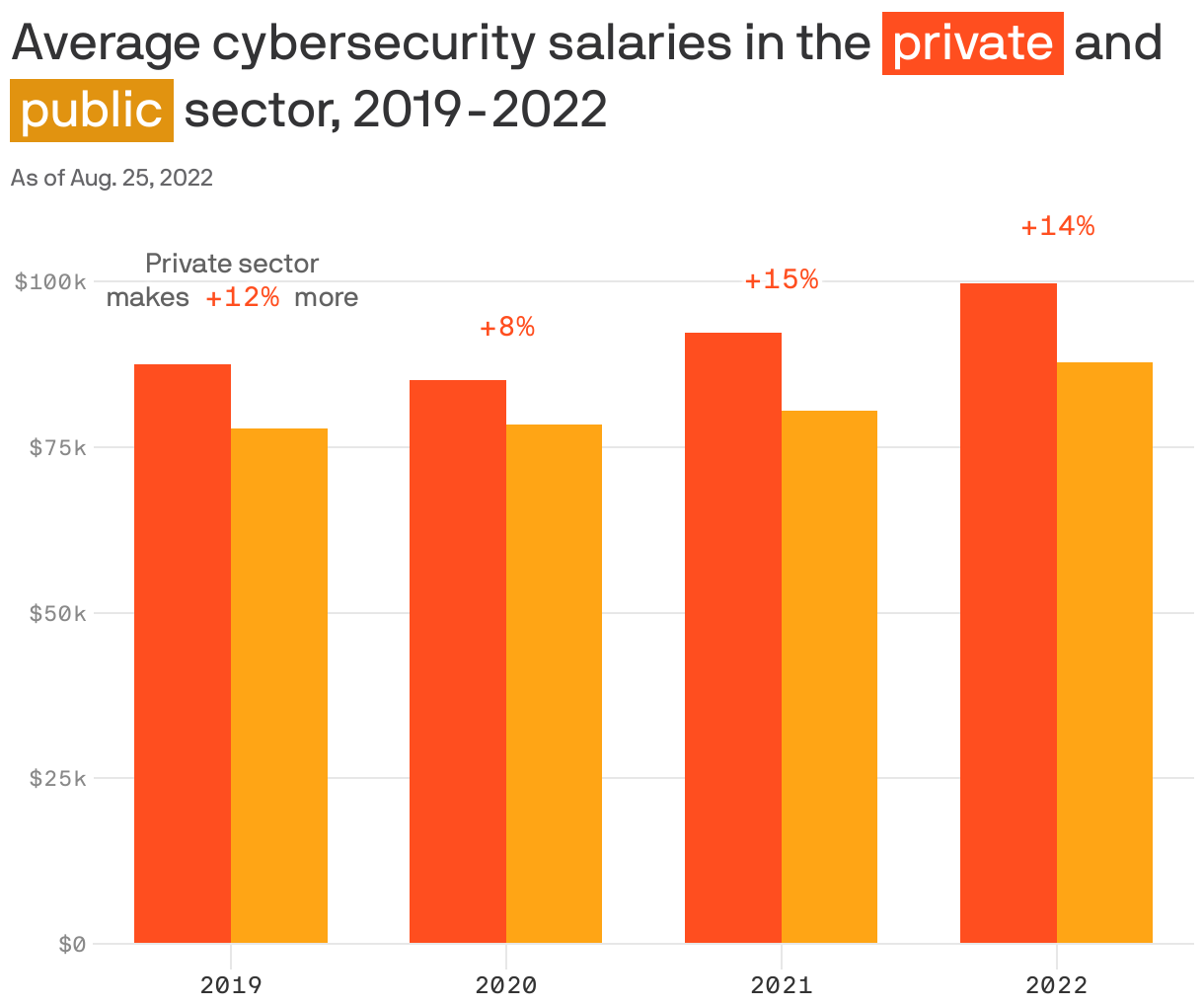
The gap between cybersecurity professionals' salaries in private industry and the public sector shows little sign of closing any time soon, per data from Lightcast.io, a labor market research firm.
Why it matters: The pay disparity makes the Biden administration's giant hiring challenges — filling thousands of security and other tech-related positions in government — that much harder.
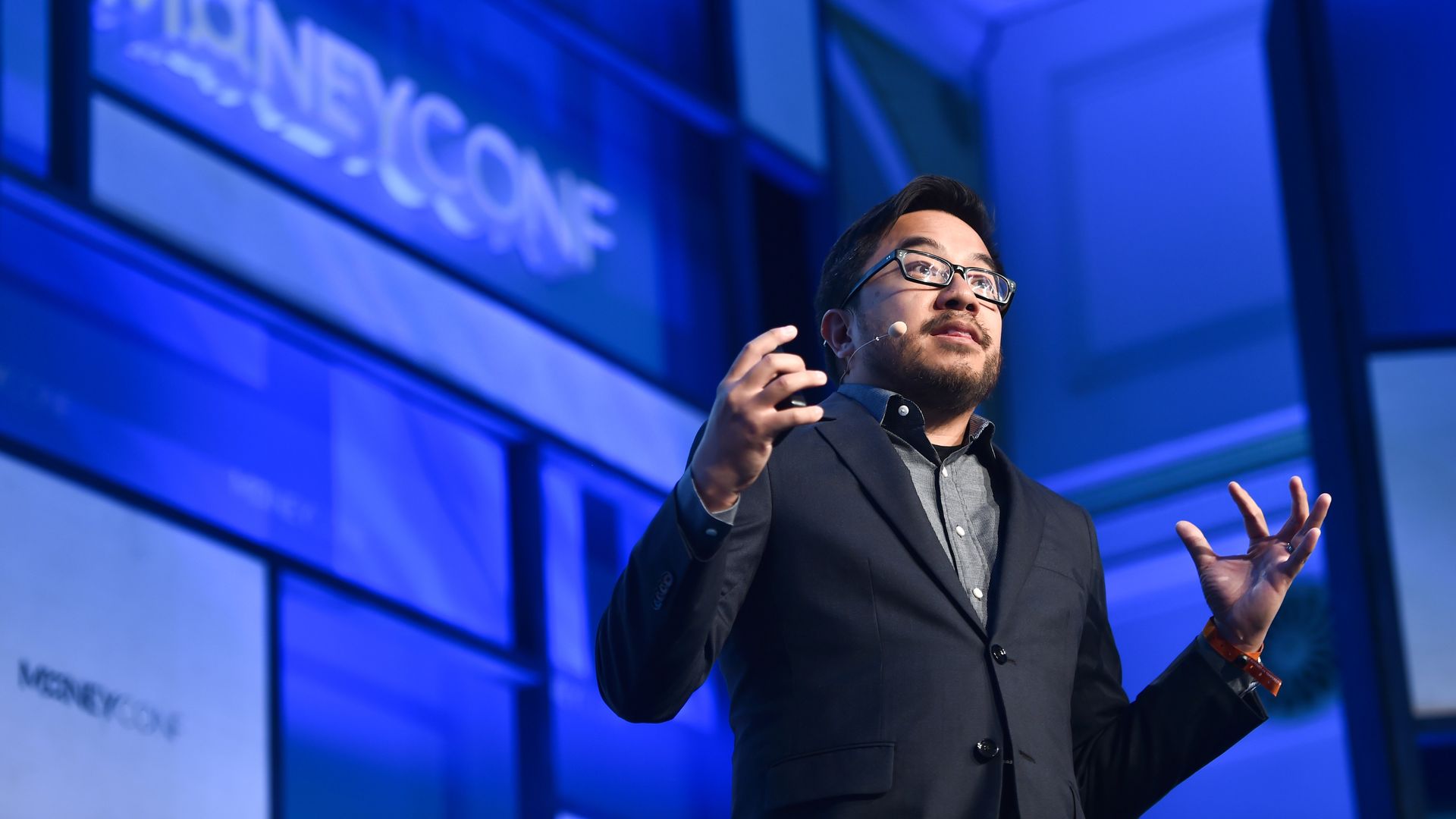
Garry Tan was a Y Combinator founder in the summer of 2008, back when the famed startup incubator was known for its exclusivity. But Tan has no plans to return YC to its limited roots, when he takes over as president and CEO early next year.
What Tan's saying: "There are some people who say only 10 or so companies matter per year and some say it's 100 or hundreds of companies per year that matter. I'm a believer in the hundreds."
Google hasn't yet approved Truth Social's Android app for distribution via its Play Store because of insufficient content moderation, a Google spokesperson tells Axios.
Driving the news: Truth Social CEO Devin Nunes last week claimed the decision about when the app would be available on Android "is up to Google," but Google insists that the ball is in Truth Social's court.
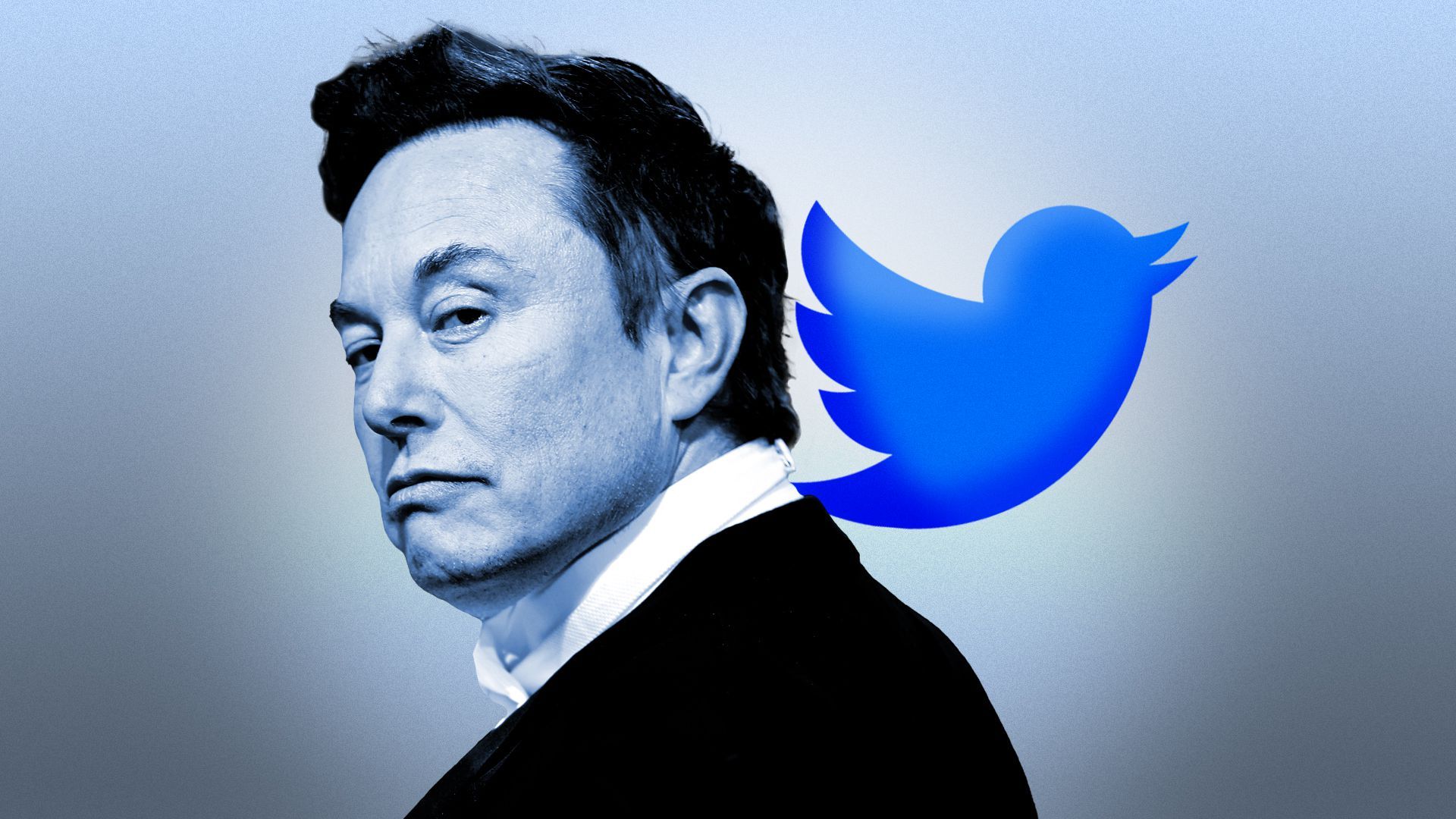
Why it matters: Musk's legal team is trying to leverage the allegations made by former Twitter security chief Peiter Zatko last week to defend Musk's attempt to walk away from his $44 billion takeover bid.
Corning said Tuesday it will build a new manufacturing facility outside Phoenix in response to a spike in demand for fiber-optic cable as the U.S. government ramps up a $42.5 billion internet funding program.
Why it matters: Building high-speed internet service to connect all Americans won't happen without the right equipment — and, thanks to the infrastructure funding law's "Buy America" provisions, it will need to be largely U.S.-made.
Most Americans can choose among several providers of home internet service, but that competition masks their much more limited options for true high-speed connections, advocates say.
The big picture: Home internet connections became even more essential during the pandemic, but there's still wide disagreement among trade groups, consumer advocates and government agencies about the extent of competition in the broadband market.