EA’s advance release of “Battlefield 2042” and Take Two’s “Grand Theft Auto: The Trilogy” have both stumbled out to release this week, replete with technical problems, outages and some signs fixes are coming.
Why it matters: These are two more examples of how modern games often release rough, with players expected to wait for patches to make them run better.
While legislators and regulators around the world weigh big changes to Apple's and Google's app stores, some quick revisions could be coming within weeks, thanks to a U.S. judge's decision and a Korean law.
Why it matters: Control of app stores and their hefty commissions is what has made owning mobile operating systems so valuable for both companies, especially Apple.
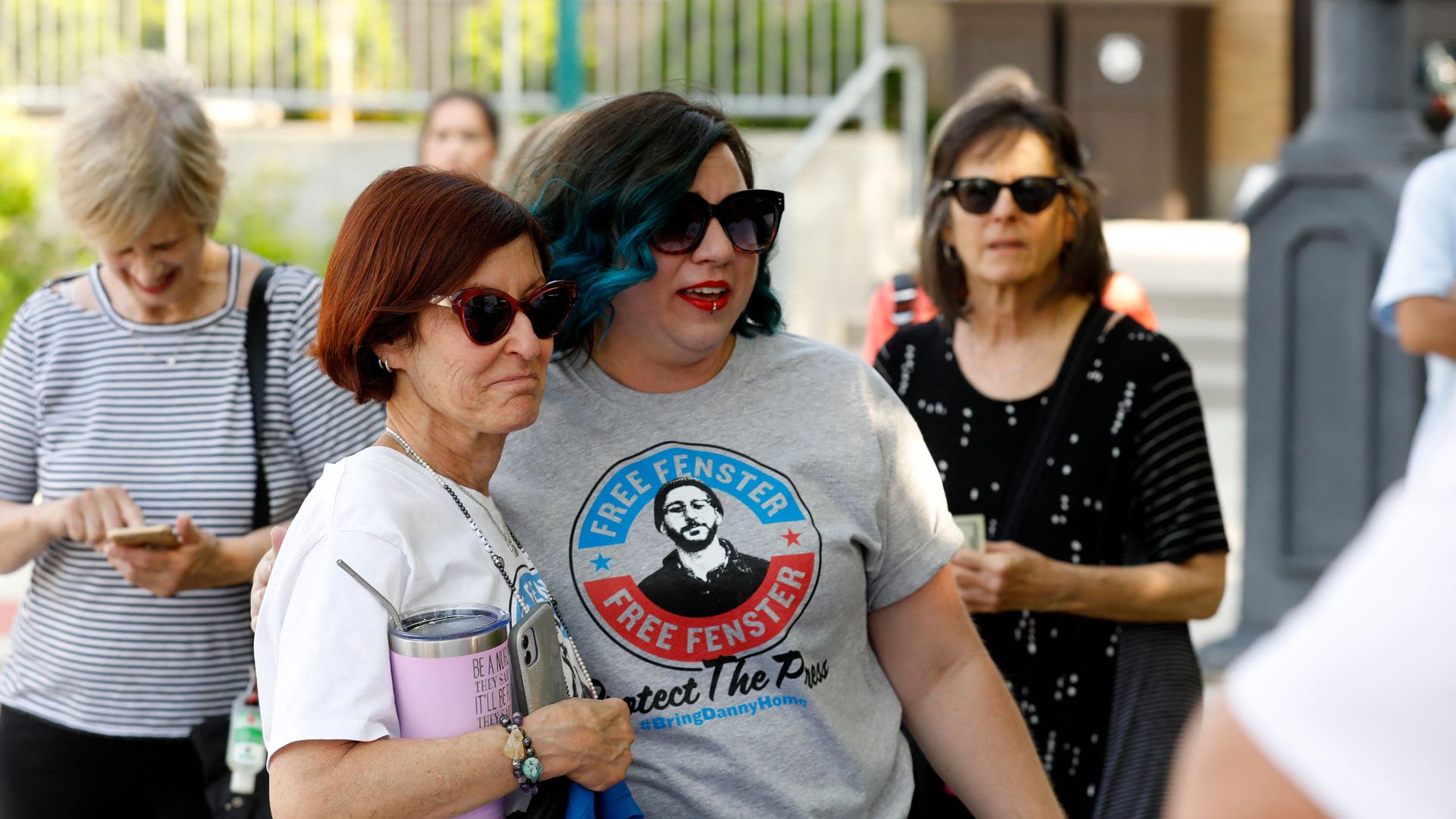
A Myanmar military court sentenced American journalist Danny Fenster to 11 years in prison Friday, his employer Frontier Myanmar announced after a closed hearing in Yangon.
Details: The 37-year-old Frontier Myanmar managing editor was found guilty of "breaching immigration law, unlawful association and encouraging dissent against the military," per the BBC. He's also facing further charges of sedition and terrorism.
President Biden signed into law Thursday a bill that requires the Federal Communications Commission (FCC) to secure telecommunications systems against potential foreign threats to national security.
Why it matters: In recent years, lawmakers have increasingly voiced concerns about Chinese telecom giants' operations in the U.S., and possible surveillance by the Chinese government.
Spotify on Thursday announced it is acquiring Findaway, an audiobook distribution company.
Why it matters: With the deal, Spotify hopes to democratize the audiobook space by making it easier for creators to develop and distribute their own audiobooks, instead of having to go through big publishing houses.
Public like and dislike counts, once a baseline offering for social media companies, are disappearing as tech platforms begin to uncover ways they are being abused.
Why it matters: Engagement mechanisms such as "likes" or "reactions" make tech platforms stickier, which is good for selling ads. But they're also becoming a risk factor for tech firms that are under pressure to address issues like user wellbeing and misinformation.
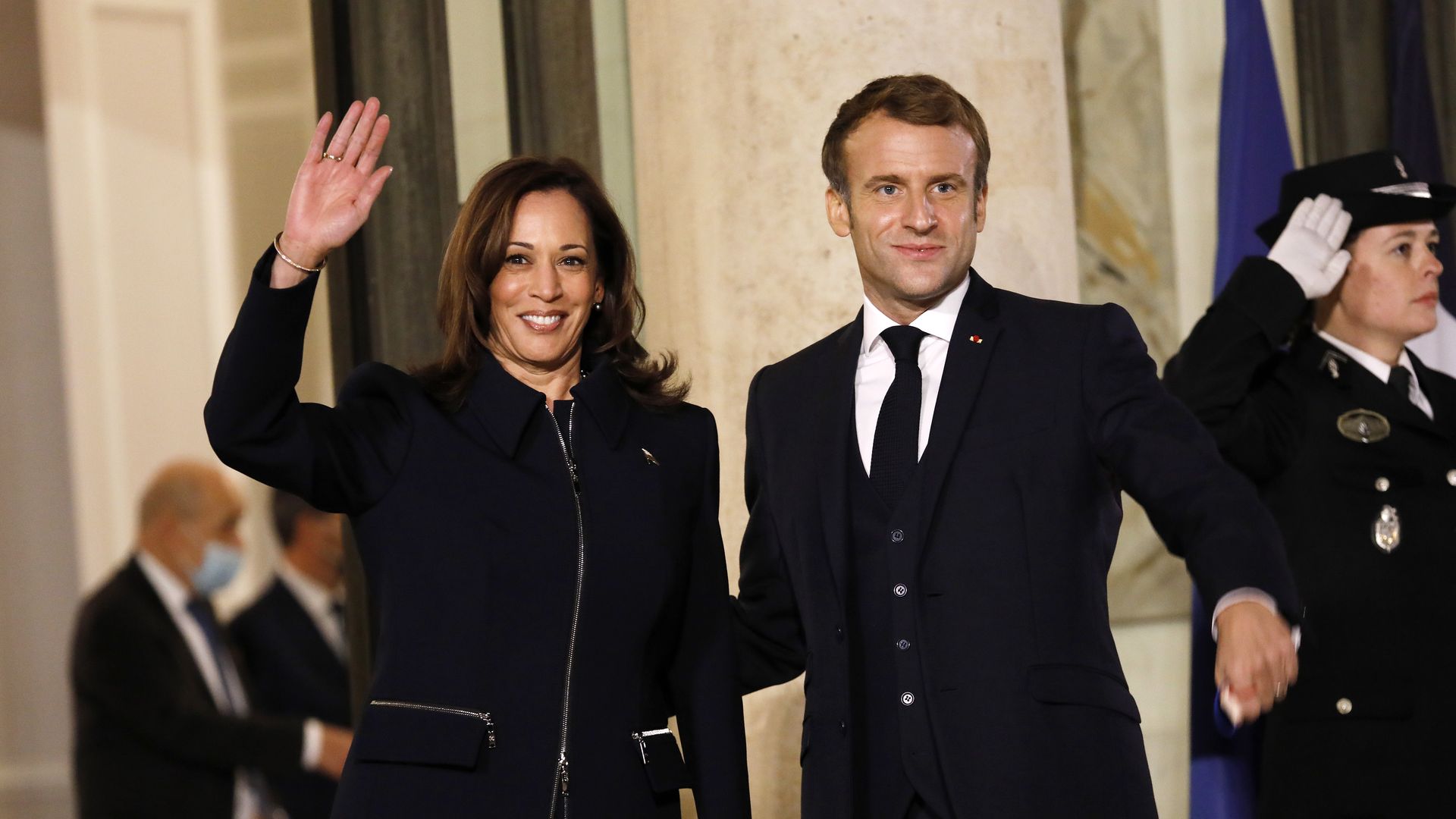
The U.S. is now part of an international agreement on cybersecurity that the Trump administration declined to sign up for, Vice President Kamala Harris announced in Paris Wednesday.







/2021/11/10/1636570469494.gif?w=3840)