The New York Police Department terminated its contract for a robotic dog after residents complained.
Why it matters: Robots and drones are becoming a bigger part of policing, but their presence makes some people feel uncomfortable, as they've come to symbolize the growing militarization of the police.
A new generation of heavy-duty 3D printers is increasingly being employed for industrial manufacturing.
Why it matters: 3D printers have long been used to speed the making of prototypes, but the growing ability to design and print a range of materials means they are becoming an integral part of the manufacturing chain.
AI language models are being used to identify instances of racial and gender bias in employee performance reviews.
Why it matters: The tech industry — and all industries — have an ongoing problem with bias in the workplace. AI systems that parse text can help identify bias in at least one area: who companies decide to hire and promote.
Conventional startup-land wisdom used to be that entrepreneurs and early shareholders cashing out some of their stock was a sign of disloyalty and would lead to a lack of interest in growing the business. Those beliefs have greatly changed.
Why it matters: Secondaries are becoming a normal, and even expected, part of a startup's life.
Smartphones, computers, cars and, increasingly, household appliances all run on silicon chips — but the global supply chain isn’t producing enough chips to satisfy demand, creating a shortage that could impact product availability.
Axios Re:Cap digs into what caused the shortage, how it could impact consumers, and how it can be alleviated with Axios chief technology correspondent Ina Fried and Intel’s executive vice president and general manager of its client computing group Gregory Bryant.
In my early days of covering private markets, there were two pieces of data that were almost impossible to come by: Fund performance and VC-backed valuation. These were "trade secrets" whose disclosure could be catastrophic, all of my sources insisted.
Trade groups representing AT&T, Verizon and other telecom companies are opening fire on a new law requiring them to provide discounted internet service to low-income households in New York.
Why it matters: New York's first-in-the-nation law could be adopted by other states at a time when the White House has signaled it wants to reduce broadband prices for all Americans.
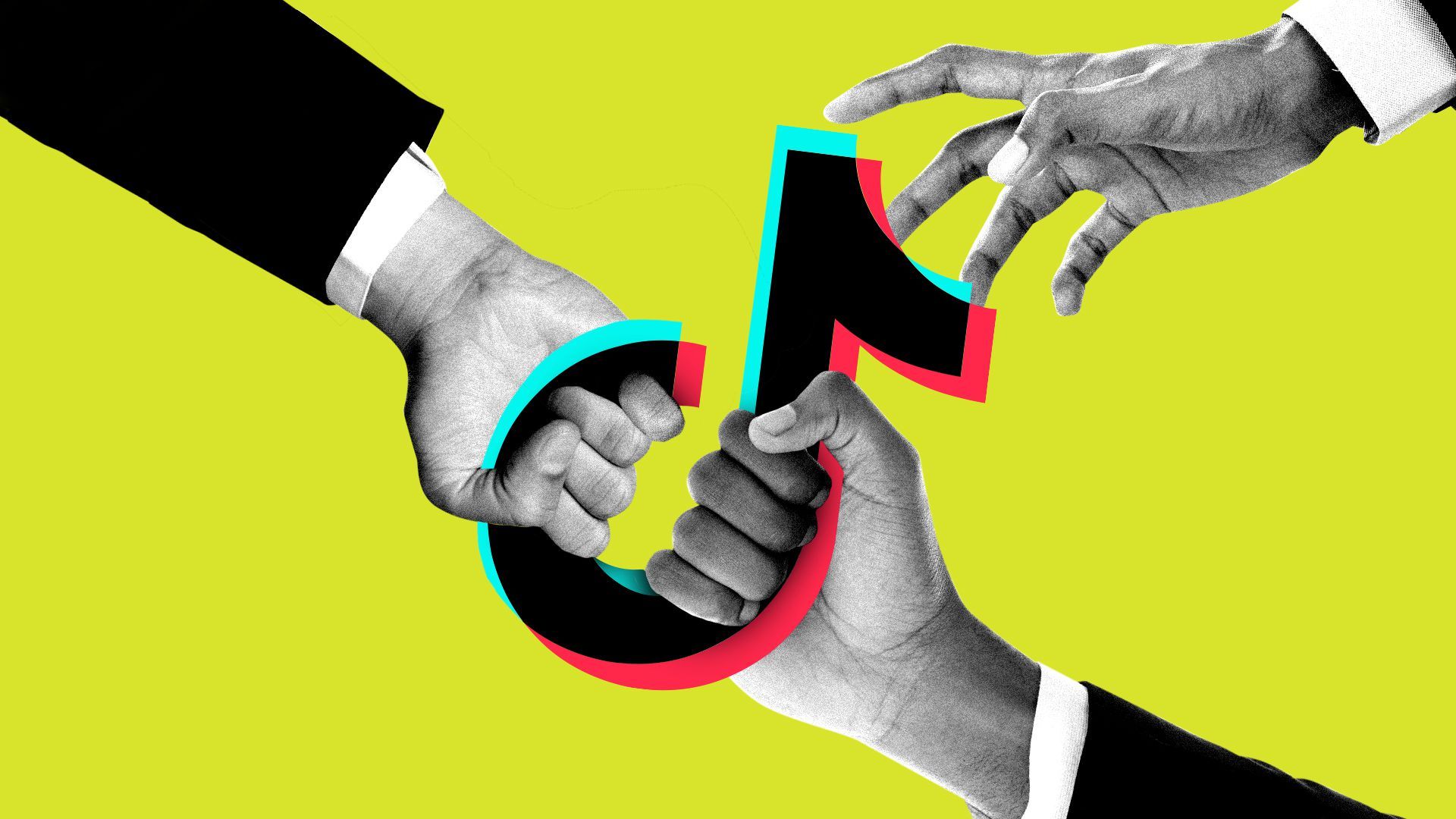
TikTok on Friday named ByteDance CFO Shouzi Chew as its CEO, and Vanessa Pappas, who has served as interim head of the company, as the video-sharing platform's COO.
Why it matters: TikTok's former CEO Kevin Mayer resigned amid heightened tensions between the Chinese-owned company and the Trump administration, which ordered TikTok to sell its U.S. operations to a domestic buyer over security fears.
The European Union on Friday charged Apple with antitrust violations, alleging the U.S. company abuses its dominant position in the marketplace, the Wall Street Journal reports.
Why it matters: The European Commission said Apple violated antitrust laws by requiring music-streaming apps to use its in-app payments system to sell digital content, and by charging high commission fees on apps that compete with its music-streaming app, Apple Music.
YouTube TV has been removed from Roku's channel store, after Roku and YouTube TV parent Google failed to come to a distribution agreement amid accusations that the tech giant made anti-competitive demands.
Why it matters: These spats happen regularly between Pay-TV providers and linear TV networks. But in the digital era, this is one of the rare times in which consumers will have a major streaming network removed from their platform's channel store due to a breakdown in negotiations.
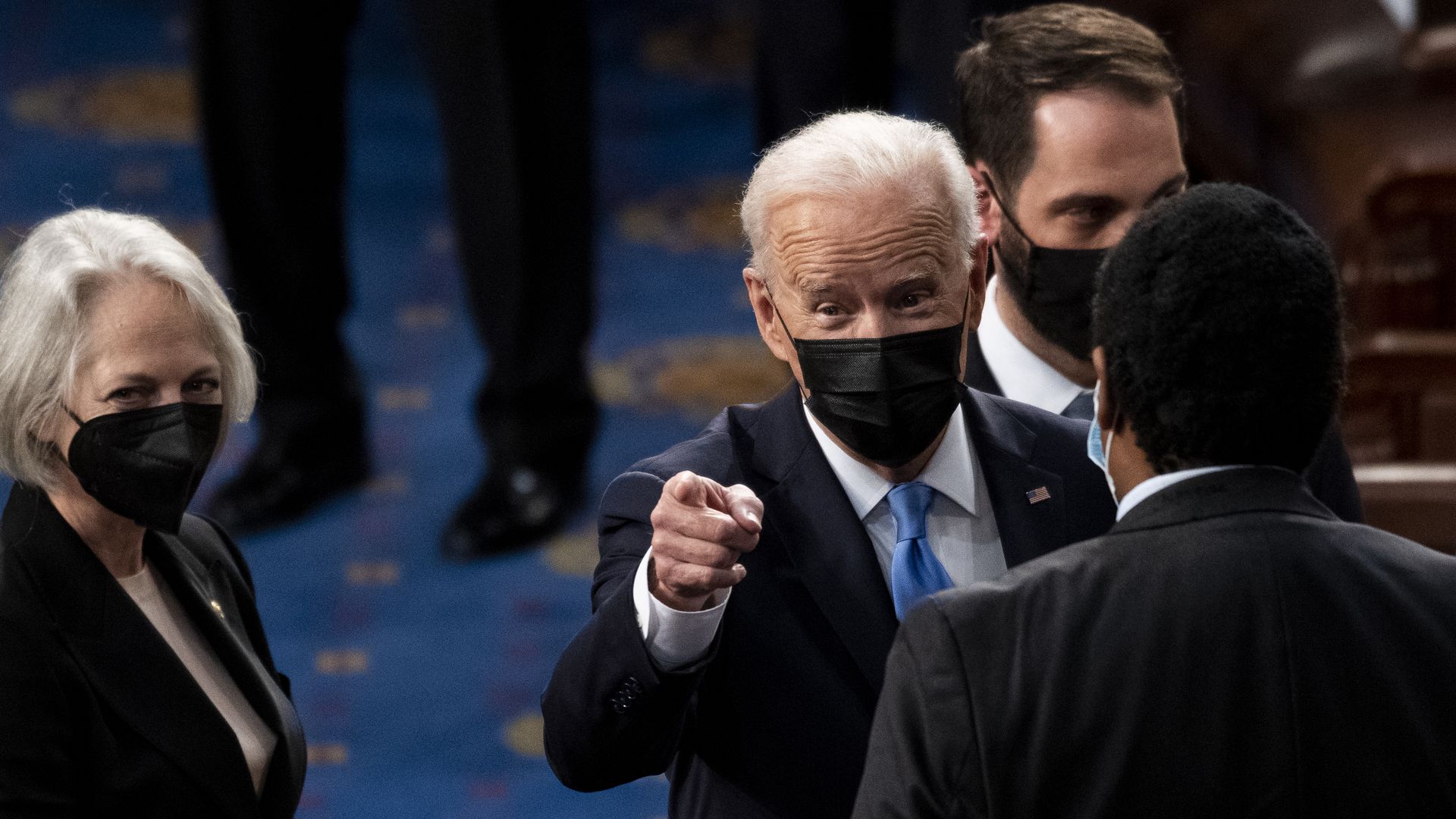
Precision Strategies, an agency founded by Democrats, analyzed what broke through in the digital fallout from President Biden's address:
"Conservative tweets spiked around ... immigration and gun safety ... Conservatives focused on a few core issues — immigration, border security, taxes, and jobs — but largely stuck to painting the entirety of the agenda as radical."
"Progressives are loud ... From racial justice and child care to climate and health care, progressives covered the widest range of issues. No single issue emerged as a widely held, clear priority."
It's easy to dismiss the Big Tech hearings as political spectacles with no concrete results. But even without new laws, company behavior has evolved under the heat of the spotlight.
Why it matters: Regulation takes time, and a lot of hearings, to produce tangible results.
Apple's AirTags have the potential to be quite handy for those of us who misplace stuff and a significant new revenue source for Apple. But for those who are blind or have very low vision, the new product trackers could be a game changer.
Why it matters: The combination of the iPhones VoiceOver accessibility features and the new product-tracker tags could make it a lot easier for blind people to keep tabs on objects they can't see.
Big Tech crushed earnings this past quarter, proving the resilience of their businesses even as the country begins to emerge from the pandemic.
The big picture: A strong recovery in the advertising market and continued reliance on cloud services and at-home entertainment have given most tech firms a boost.
Bobby Kotick, the longtime CEO of "Call of Duty" and "Candy Crush" game maker Activision Blizzard, will see his base salary reduced by 50% and bonus potential slashed as part of a 15-month contract extension, the company reported Thursday in an SEC filing.
Why it matters: The cut isn't a sign that the company is struggling. Activision, like most big gaming companies, is thriving. But it appears to show a company reacting to criticism of outsized executive compensation.





/2021/05/01/1619877855994.gif?w=3840)