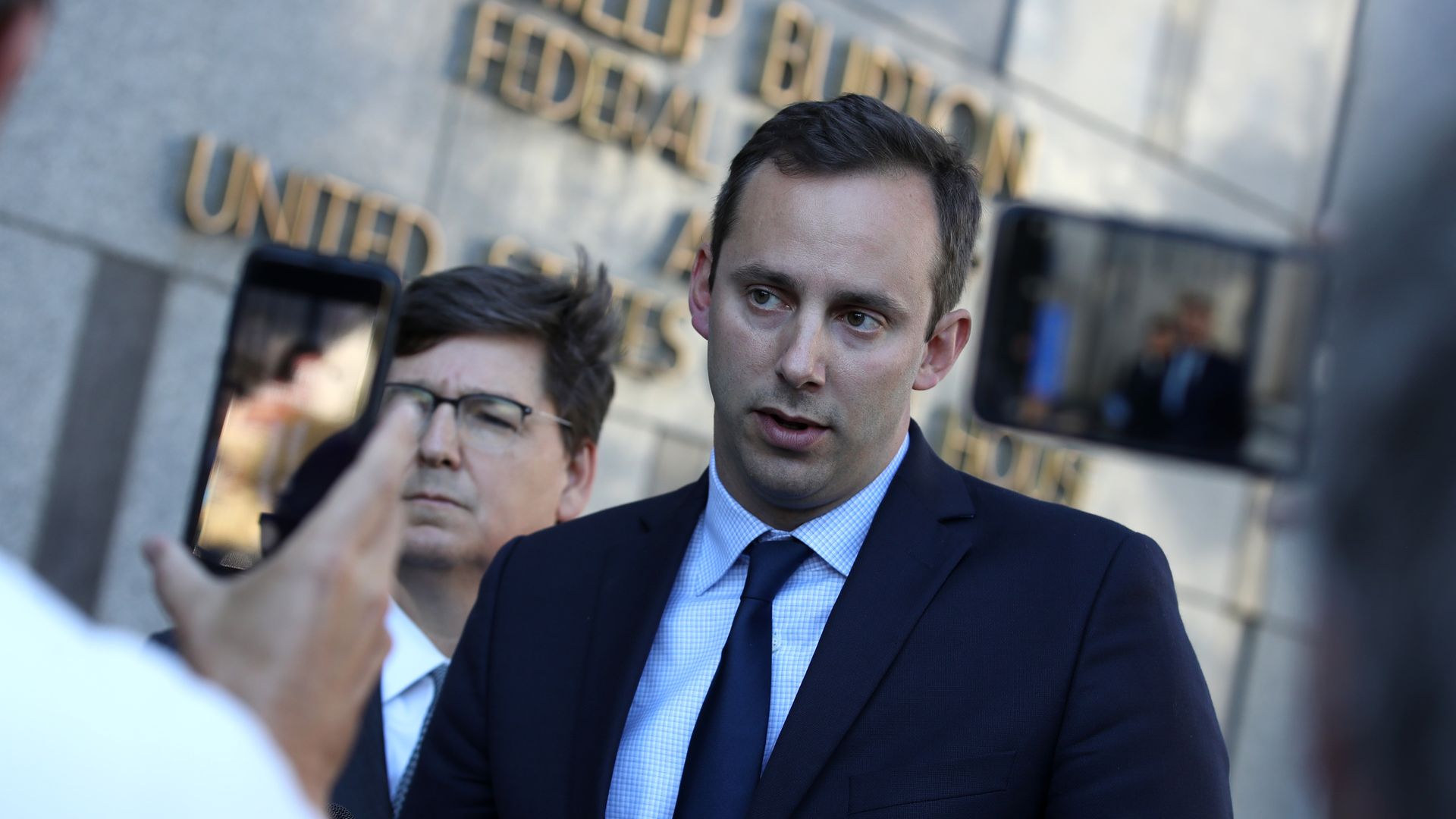
Anthony Levandowski, the engineer at the center of a year-long legal battle between Waymo and Uber, was sentenced to 18 months in prison after pleading guilty to one count of stealing trade secrets, per mediareports.
Why it matters: The case, which the companies settled despite still landing Levandowski with criminal charges, made headlines as two of Silicon Valley's best-known companies fought to win the race to build self-driving cars. The exact start date of his prison sentence is delayed due to the COVID-19 pandemic.
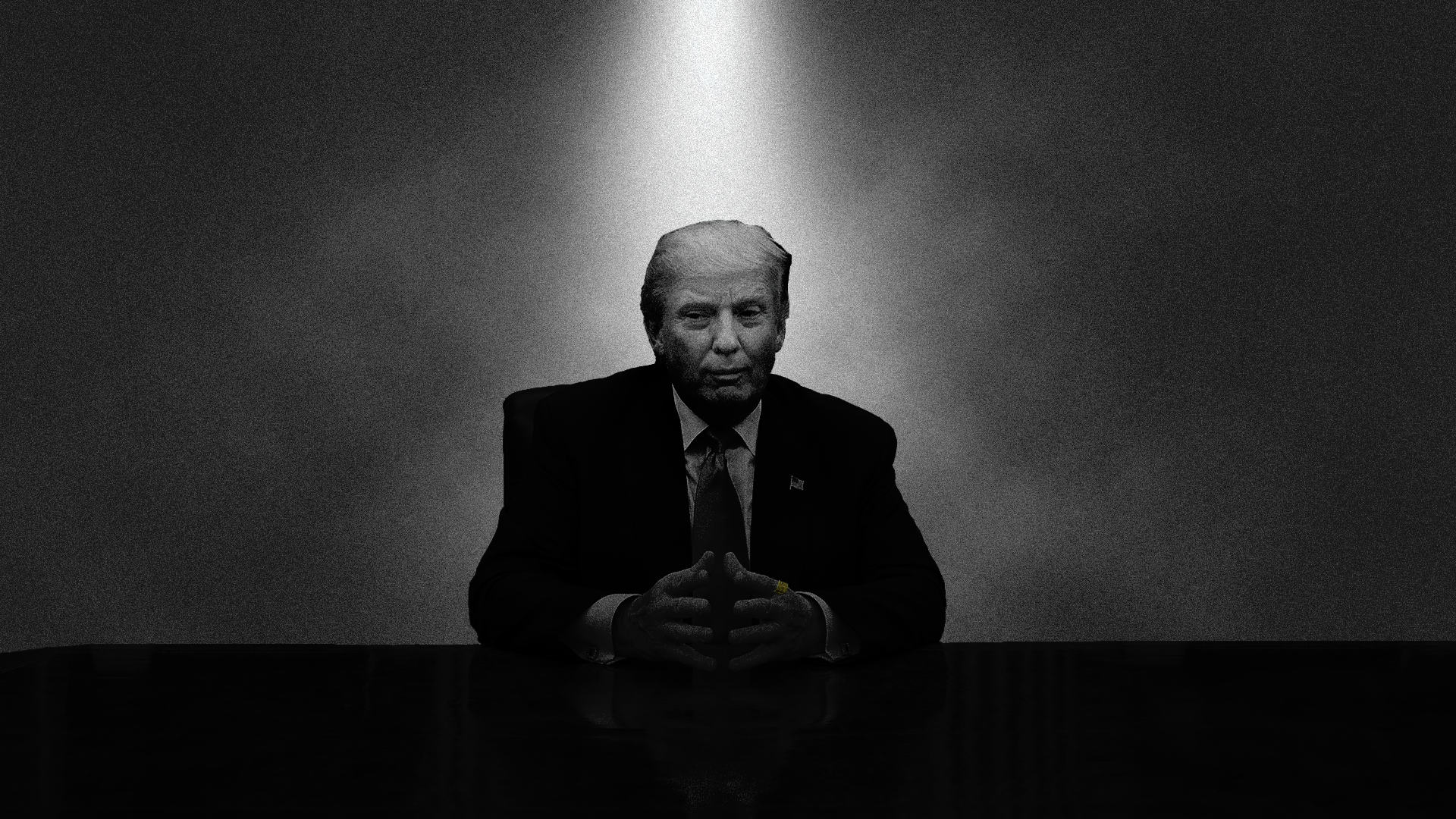
President Trump said twice Monday that the U.S. Treasury would need to get a portion of the sale price of TikTok, as a condition of regulatory approval.
Why it matters: This is akin to extortion — the sort of thing you'd expect to hear on a wiretap, not from the White House in front of reporters.
A slew of high-profile headlines led by Microsoft's expected acquisition of social media video app TikTok helped bring the Nasdaq to another record high on Monday.
Why it matters: The mergers-and-acquisitions market looks like it's bouncing back, joining the revived credit and equity markets as well as the market for new public companies through IPOs and special purpose acquisition companies (SPACs).
The Federal Communications Commission Monday took the next step toward enacting a request from President Trump to craft new rules for online content, aimed at ending what he called "censorship" of conservatives. At the same time, the White House withdrew a GOP commissioner's renomination to the agency after he criticized calls for the government to regulate online speech.
The big picture: The FCC's move stems from a May executive order by the president, aimed at scaling back the liability shield that protects platforms from liability for content posted by users.
The strange realities of 2020 have perfectly played to the kind of fear QAnon thrives on, driving record online interest in the conspiracy theory.
Why it matters: QAnon is not just one fringe conspiracy theory — it's a sprawling network of falsehoods that's seeping into the mainstream. Its growing influence is sowing fear and confusion around some of today's most important issues, such as election integrity and the coronavirus pandemic.
The QAnon conspiracy is picking up steam abroad, particularly in Europe, where populist movements are on the rise.
Why it matters: "The U.S. has started exporting these domestic-in-origin conspiracy movements to the outside world, "says Zarine Kharazian, Assistant Editor at the Atlantic Council's Digital Forensic Research Lab.
President Trump's crackdown on TikTok suggests that the U.S. government is starting to see the internet more like China does — as a network that countries can and should control within their borders.
The big picture: Today's global internet has split into three zones, according to many observers: The EU's privacy-focused network; China's government-dominated network; and the U.S.-led network dominated by a handful of American companies. TikTok's fate suggests China's model has U.S. fans as well.
Voting by mail has become a controversial issue for President Trump's re-election campaign. He talked to chief political correspondent Jonathan Swan about his lack of confidence in the system in his "Axios on HBO" interview. While Trump continues to sow fear around mail-in voting, a new Axios-Ipsos poll shows a partisan divide on the dangers of in-person voting.
The Federal Trade Commission has accused Twitter of using phone numbers and emails from its users to make targeted ads between 2013 and 2019, Twitter said in an SEC filing published Monday.
Why it matters: Twitter estimates that the FTC's draft complaint, which was sent a few days after its Q2 earnings report, could cost the company between $150 million and $250 million. The complaint is unrelated to the recent Twitter hack involving a bitcoin scam.
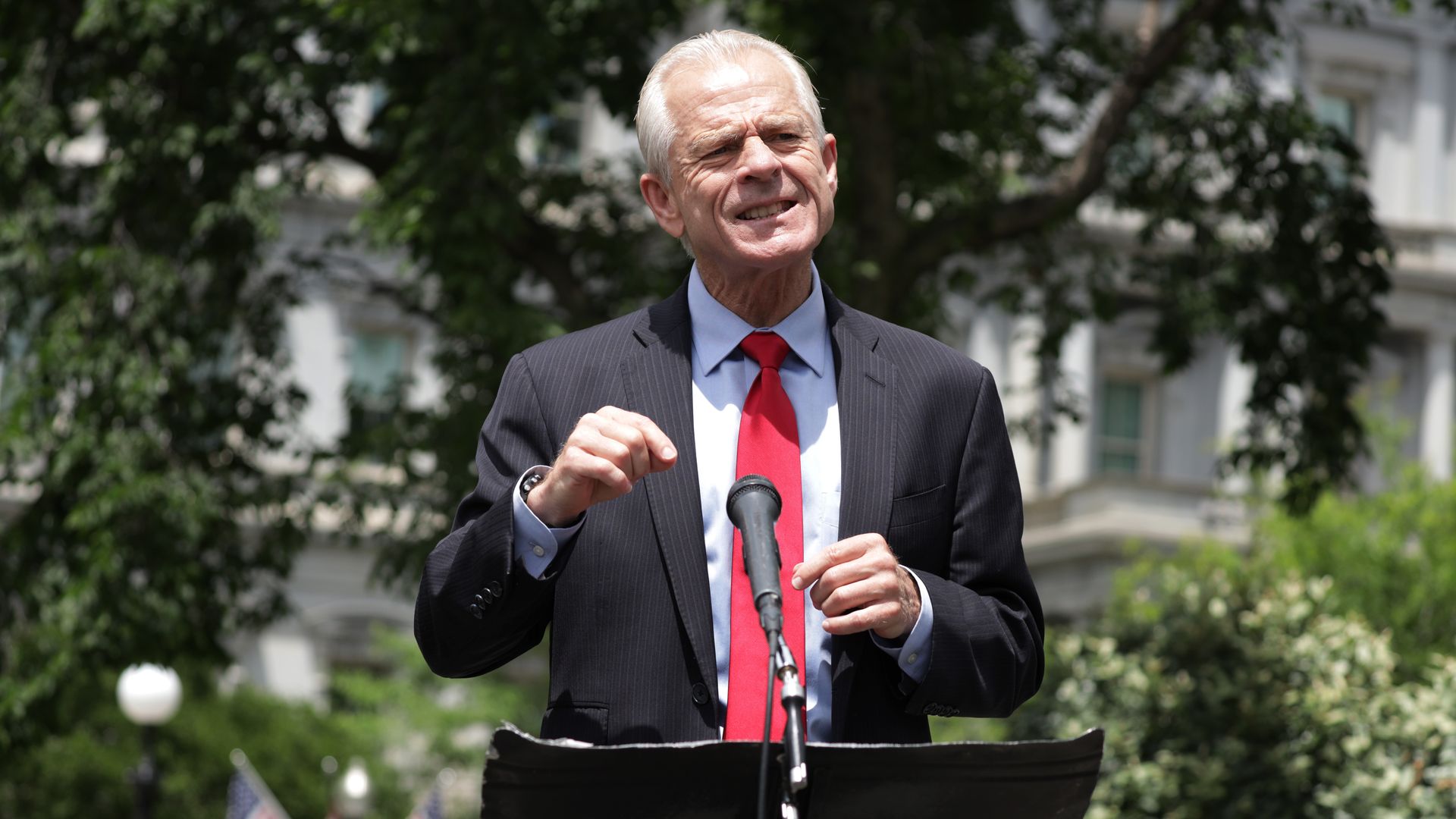
White House trade adviser Peter Navarro said Monday that the Chinese-owned social media app TikTok poses a threat to privacy and national security, telling the Axios Re:Cap podcast, "Let's not downplay the threat here: the mothers of America have to worry about whether the Chinese Communist Party knows where their children are."
Why it matters: Navarro, a fervent China hawk, is among the voices shaping White House policy on TikTok, which President Trump said Monday must be sold by Sept. 15 in order to avoid a U.S. ban. Navarro suggested that if Microsoft is allowed to buy TikTok, the company should be forced to make unrelated concessions related to its China operations.
San Jose Mayor Sam Liccardo on Monday announced a deal with AT&T to make 11,000 4G hotspots available to keep students and families connected when schools begin virtually this fall.
Why it matters: Like other school districts, Santa Clara County in the heart of Silicon Valley will stick with remote learning for the foreseeable future as COVID-19 cases surge in California. Students without broadband access will not be able to keep up with all-online classes.
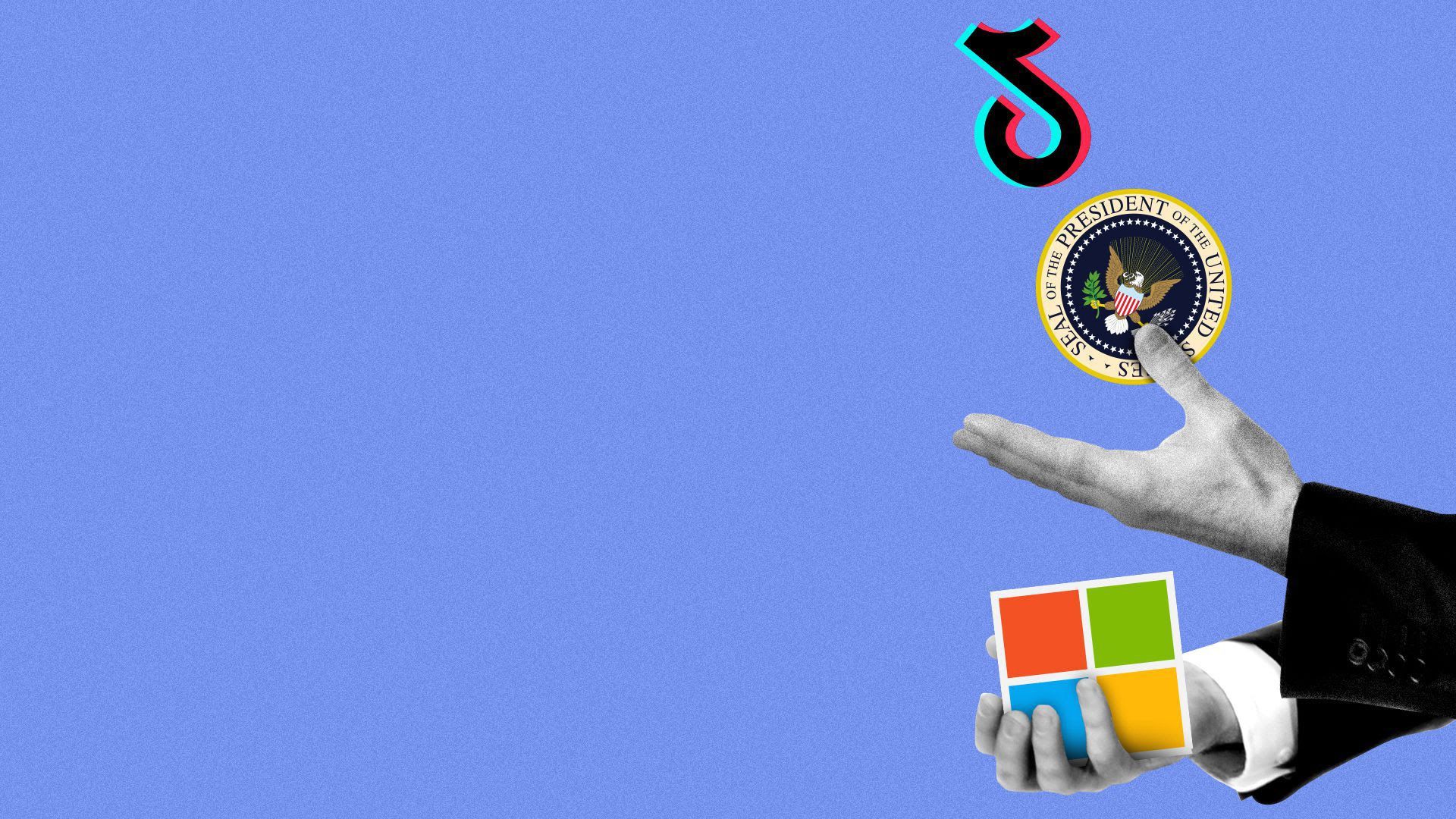
President Trump has relaxed his threat to immediately ban the popular social media app TikTok, giving Microsoft room to negotiate an acquisition from Chinese tech giant ByteDance.
Axios Re:Cap digs into the situation with Peter Navarro, the White House's top trade adviser and a noted China hawk, who suggests Microsoft should be forced to make unrelated concessions related to its China operations.
President Trump said Monday that TikTok will be shut down in the U.S. if it hasn't been bought by Microsoft or another company by Sept. 15, and argued — without elaborating — that the U.S. Treasury should get "a very substantial portion" of the sale fee.
Why it matters: Trump appears to have backed off his threat to immediately ban TikTok after speaking with Microsoft CEO Satya Nadella, who said Sunday that the company will pursue discussions with TikTok’s Chinese parent company ByteDance to purchase the app in the U.S.
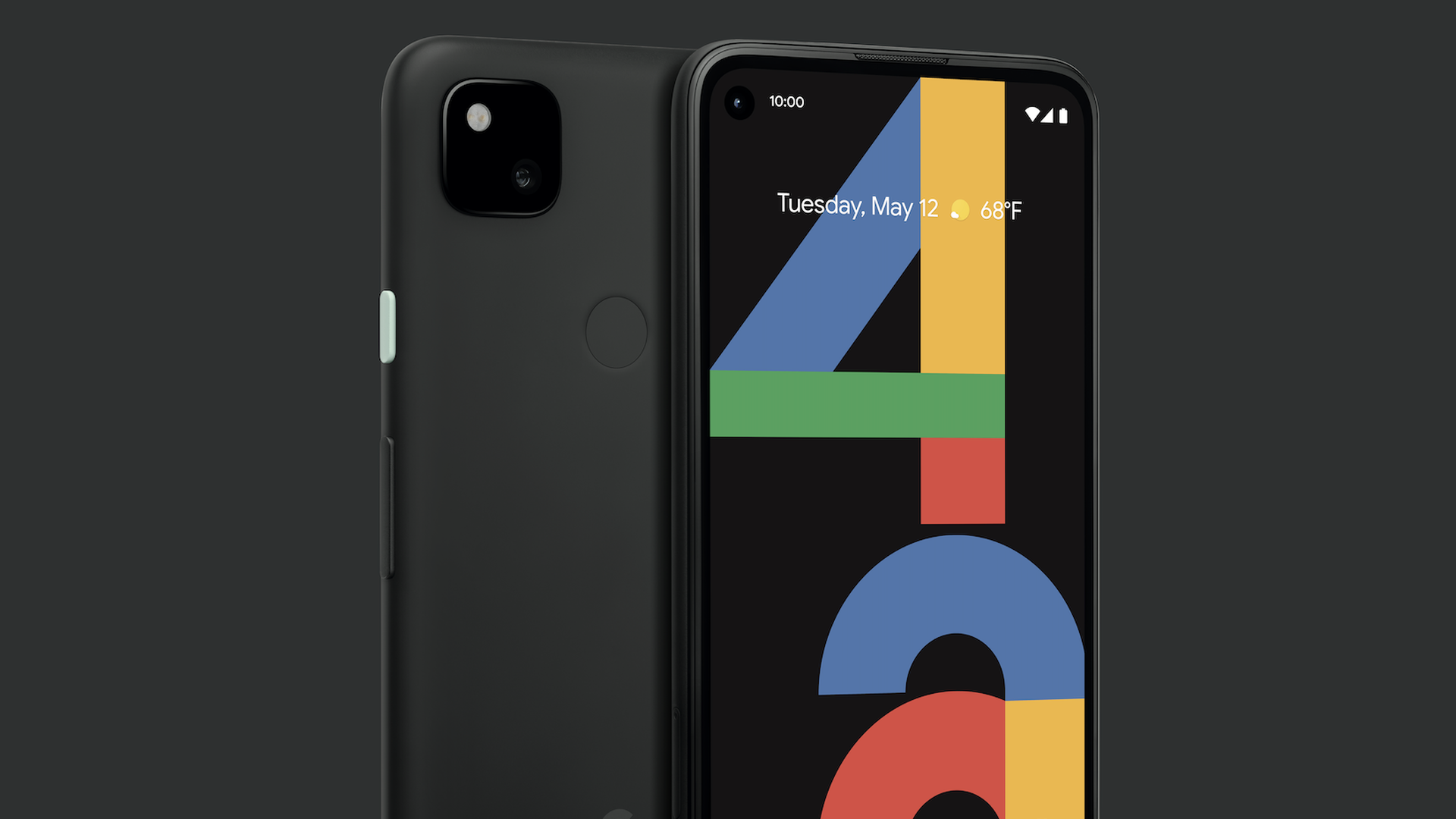
Google on Monday launched its long-expected Pixel 4a, a $349 device that brings key features of the company's flagship smartphone to a more affordable price point.
Why it matters: Google saw surprisingly strong demand for last year's "a" model, and having a broader range of products allows the company to reach more parts of the market.
While its Big Tech rivals were testifying in front of a congressional antitrust committee last week, Microsoft was negotiating what could be the largest — and most politically perilous — tech acquisition of 2020.
The state of play: The hullabaloo surrounding Microsoft picking up TikTok has undergone a flurry of twists and turns over the weekend, as both the White House and the tech giant reacted in real time.
A group whose members include Adobe, Twitter and the New York Times Monday offered a plan for restoring trust in photos and video in the face of a rising tide of digital fakery.
Why it matters: Deepfakes — images manipulated or generated by AI in a deceptive way — undermine trust both by tricking people into thinking phony images or videos are real and by making them doubt the veracity of real imagery.
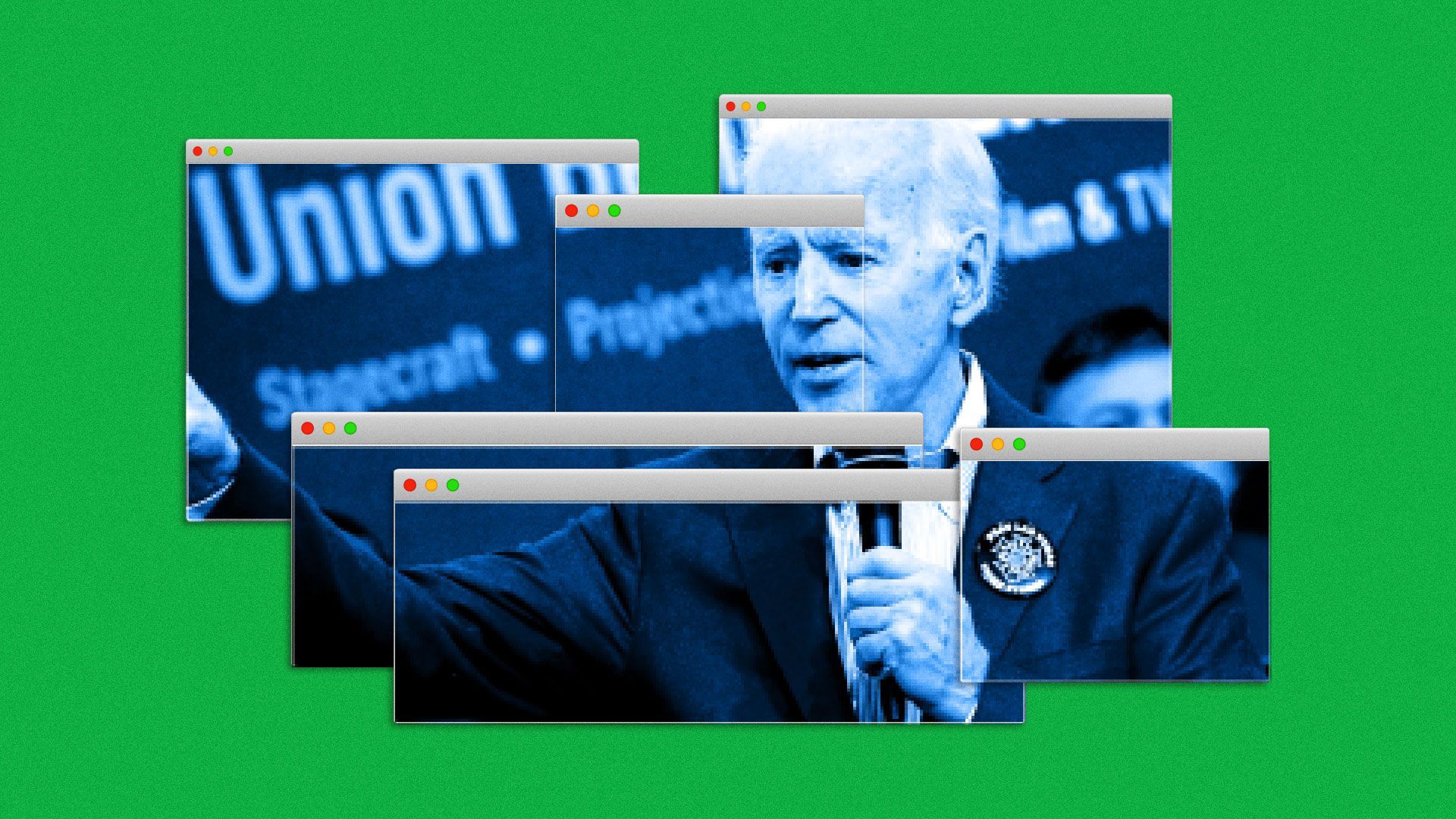
A Biden presidency would put the tech industry on stabler ground than it's had with President Trump. Although Biden is unlikely to rein in those Democrats who are itching to regulate the big platforms, he'll almost certainly have other, bigger priorities.
The big picture: Liberal Silicon Valley remains one of Democrats' most reliable sources for big-money donations. But a Biden win offers no guarantee that tech will be able to renew the cozy relationship it had with the Obama White House.
This week, Joe Biden is supposed to decide on his pick for a running mate, and his selection process says a lot about how the former vice president might govern.





/2020/08/04/1596503160495.gif?w=3840)