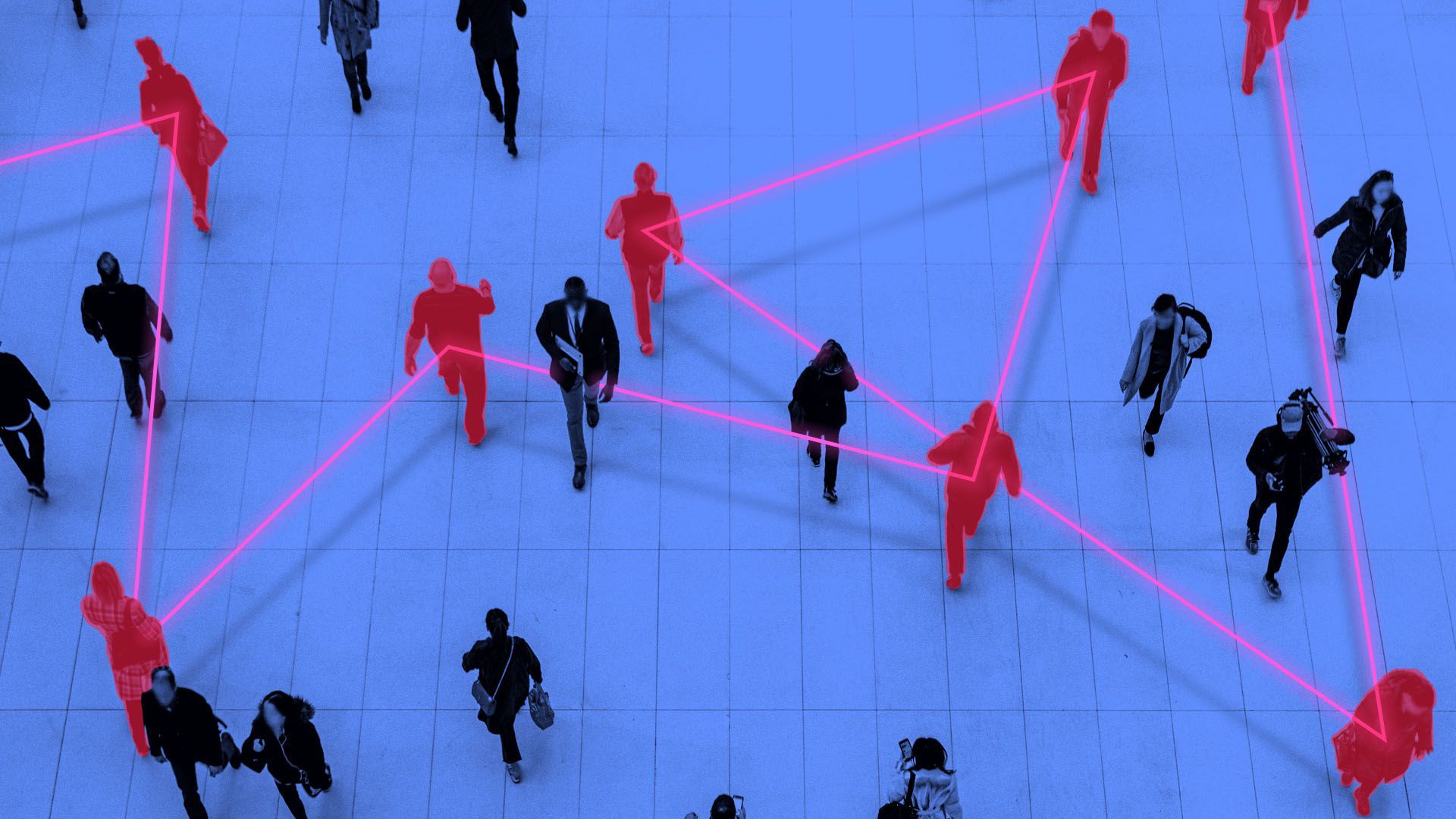
Why it matters: Adoption of COVID-19 tracing tech in the U.S. has been limited compared to other countries — and tracking who has possibly been exposed to the virus (and promptly notifying them) is crucial to stem the spread.
California's Labor Commission has filed lawsuits against Uber and Lyft, accusing them of "committing wage theft by misclassifying employees as independent contractors." The suit will replace individual claims that drivers have filed.
Why it matters: This is the latest move by California officials seeking to force the companies to reclassify their drivers from independent contractors to employees following a new law that went into effect in January.
U.S. political actors will keep weaponizing the impact of widespread foreign disinformation campaigns on American elections, making these operations that much more effective and attractive to Russia, China, Iran or other countries backing them.
Why it matters: Hostile powers’ disinformation campaigns aim to destabilize the U.S., and each time a domestic politician embraces them, it demonstrates that they work.
Samsung unveiled its crop of new mobile devices Wednesday, including two versions of the Note 20 smartphone, an updated foldable device, two tablets and a watch.
Why it matters: The new devices aim to give Samsung an early start in the second half of the year, with products aimed at parents buying fresh gear for the back-to-(home)school season.
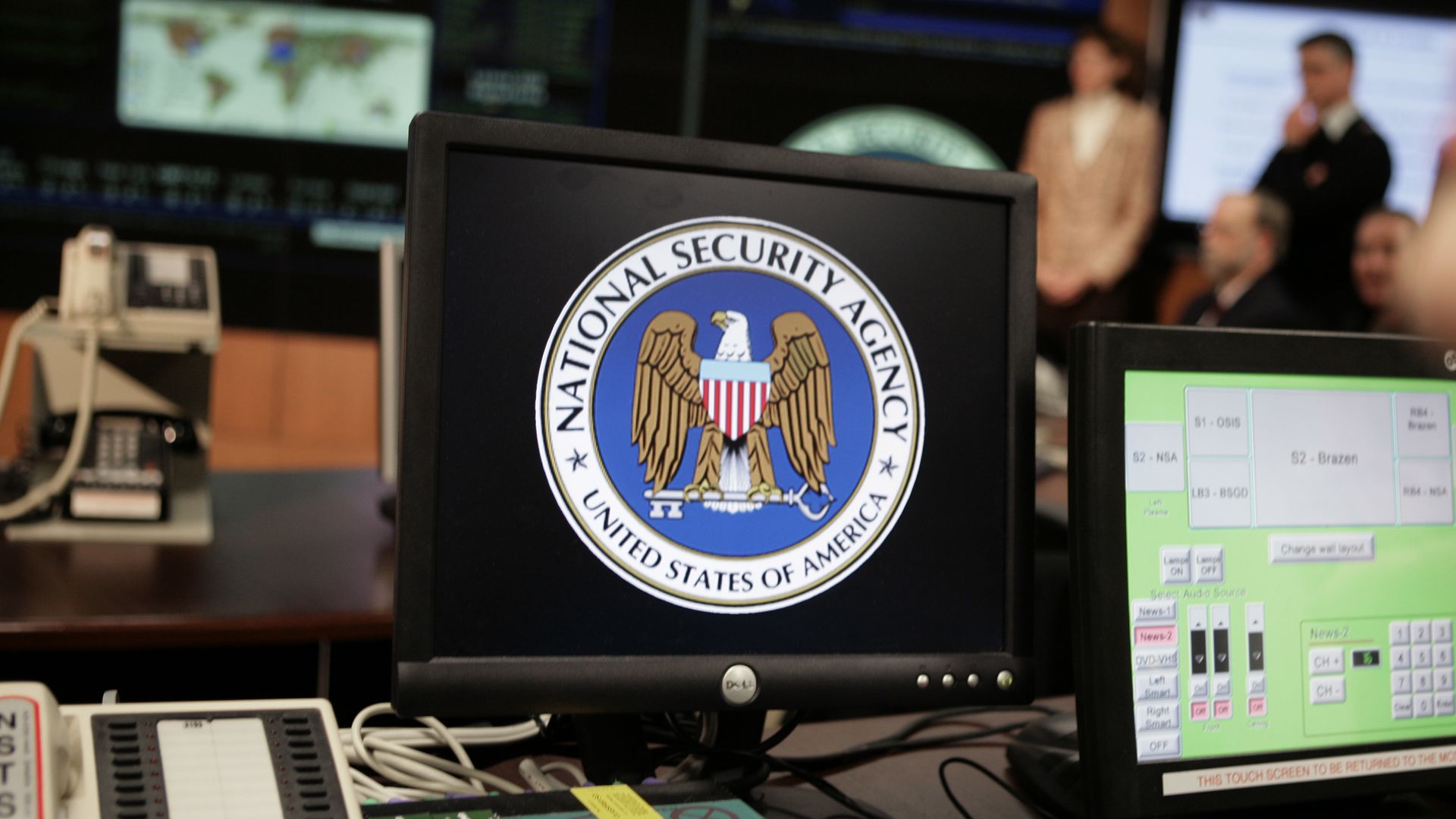
The NSA on Tuesday released a detailed guide on the dangers that cellphones, Internet of Things devices, social media accounts, and vehicle communications may pose to military and intelligence personnel.
The big picture: There are a whole host of ways devices like smartphones can be used to track individuals’ every move, and the NSA concludes that ditching them may be the only surefire way to avoid tracking by a determined adversary.
Political and economic motivations behind a sale or shutdown of TikTok in the U.S. are obscuring sincere security concerns raised by the rise of the Chinese-owned social video app.
The big picture: U.S. intelligence officials evince deep worry over Chinese companies’ ability to resist Beijing’s demands for data.
Collective Action in Tech, a project that documents the tech industry labor movement, released a guide Tuesday to help workers fight for racial equality.
Facebook-owned Instagram on Wednesday launched its answer to the popular karaoke app TikTok, whose future remains in limbo.
The big picture: Facebook has a long record — sometimes successful, sometimes not — of adopting features that have proven popular on rival platforms and rolling them out to its billions of users worldwide in an effort to avoid being eclipsed by younger upstarts.
TikTok announced new rules for its users on Wednesday to curb misinformation and manipulation ahead of the 2020 election.
Why it matters: The Chinese-owned karaoke app aims to show that its platform won't be vulnerable to election-related mischief and malice, as it weighs a deal to sell itself to Microsoft to forestall a ban by the Trump Administration.








/2020/08/04/1596582529363.gif?w=3840)