Refraction AI, a robot delivery startup in Ann Arbor, Mich., was having trouble gaining traction before the pandemic — and now, it's racing to capitalize on our stay-at-home mentality.
Why it matters: In the midst of the pain and suffering from a crisis, there's often room for innovation by forward-looking entrepreneurs with good timing.
A bipartisan group of House Judiciary lawmakers is demanding Amazon CEO Jeff Bezos testify before them following a Wall Street Journal report detailing his company's use of third-party sellers' data to develop competing in-house products.
Why it matters: Amazon has been a lifeline for many people during the coronavirus pandemic, but the company remains the target of multiple antitrust probes — and has invited fresh scrutiny with revelations like those chronicled in the Journal.
Amazon announced Thursday as part of its Q1 2020 earnings that it’s planning to spend the $4 billion it would expect in profit next quarter on worker safety and resources because of the coronavirus pandemic — then its stock dropped 5% in after-hours trading.
Why it matters: If you’ve been wondering for the last six to eight weeks why some publicly traded companies seem to be resisting strong measures to curb the virus spread, this a big reason.
New data from companies and analysts is indicating that smartphone sales are starting to take a hit as we predicted might be the case earlier this week.
Why it matters: Smartphones have been the growth engine of consumer electronics for more than a decade. Sales were already slowing before the coronavirus, but the industry now appears headed for a significant dip.
Investors were hoping to come away from this week's earnings reports with a better sense of how tech companies were faring amid the coronavirus pandemic, but they ended up with some dollops of sobering news on a heap of continuing uncertainty.
The big picture: Tech may be the sector best poised to ride out the economic disruptions caused by the illness, but it won't be immune from the pain, and even some of its revenue gains will be dented by a higher cost of doing business.
Why it matters: The federal government, long in need of tech expertise, is even more so amid the coronavirus pandemic. Pahlka, meanwhile, has been leading a separate volunteer effort to help state and local governments get tech help during the crisis.
The sudden wave of tens of millions of unemployment claims has overwhelmed state agencies hobbled by outdated tech and understaffed offices.
Why it matters: The federal coronavirus aid package expanded unemployment benefits for laid-off workers as the pandemic roiled the labor market, but an unprepared system has boxed out people in need — and artificially depressed the unemployment count, economists say.
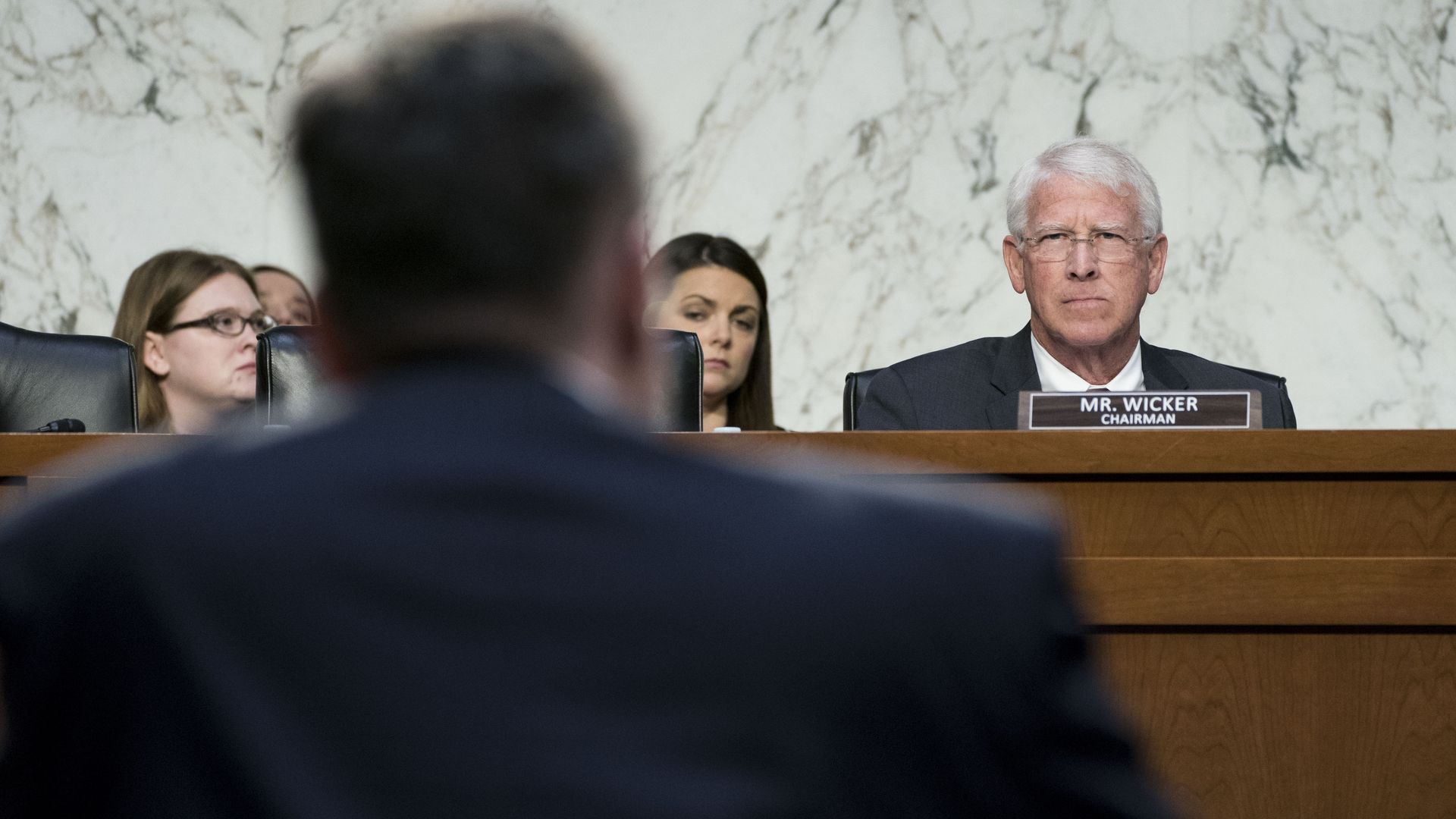
Senate Republicans on Thursday announced a measure to police how companies use Americans' personal data to track the spread of the coronavirus.
The big picture: Tech firms are increasingly looking to use data to combat the pandemic. Lead bill sponsor Roger Wicker said in a statement that this data "has great potential to help us contain the virus and limit future outbreaks, but we need to ensure that individuals’ personal information is safe from misuse."
Apple reported quarterly sales and profits on Thursday that came in well above what most analysts had projected. The company issued a rare earnings warning in February, saying it would miss estimates due to both coronavirus-related iPhone production delays and weaker demand in China.
Why it matters: Apple is seen as a bellwether for the broader tech industry, and many other companies depend on revenue from supplying components for the iPhone.
Andrea Goldsmith, an innovator in the improvement of wireless networks, has won this year's Marconi Prize, one of the highest honors in the telecom industry.
Why it matters: Goldsmith, who has helped WiFi and cellular networks adapt to changing conditions, is the first woman to get the award in its 45-year history.
For his latest startup, entrepreneur and Pinterest veteran John Milinovich is betting automation can help even the highly human task of creative design.
Driving the news: Milinovich's new company, Aesthetic, aims to automate normally costly steps in building out companies' brand identities. It will announce today it has landed $3.1 million in seed funding to test out the premise, led by A.Capital with strategic investment from Y Combinator.
Restaurants are embracing delivery services to help keep them afloat while dining in is barred, but ChowNow, which sells restaurants order-management systems, is offering them a different bet: a membership program.
Why it matters: How well restaurants can withstand the current circumstances will determine whether they'll be around when we get back to eating out — and that could be months, a year or even longer from now.
Twitter said Thursday that it beat first-quarter revenue expectations and added more "monetizable" daily users than investors had anticipated.
Why it matters: It was the fourth major internet company to post strong earnings in the past week, suggesting that Big Tech will continue its dominance over the advertising ecosystem as a result of the coronavirus pandemic.
Microsoft delivered the goods in its earnings report Wednesday, announcing increased profit and sales that not only beat analysts' expectations but showed the company could continue its impressive growth trajectory in the face of the coronavirus pandemic.
Why it matters: The impact of Microsoft's strong earnings is magnified by the fact that it is one of the five Big Tech companies that account for around 20% of the entire S&P 500's market cap — along with Apple, Amazon, Alphabet and Facebook — the index's highest level of concentration since the 2000 tech bubble.
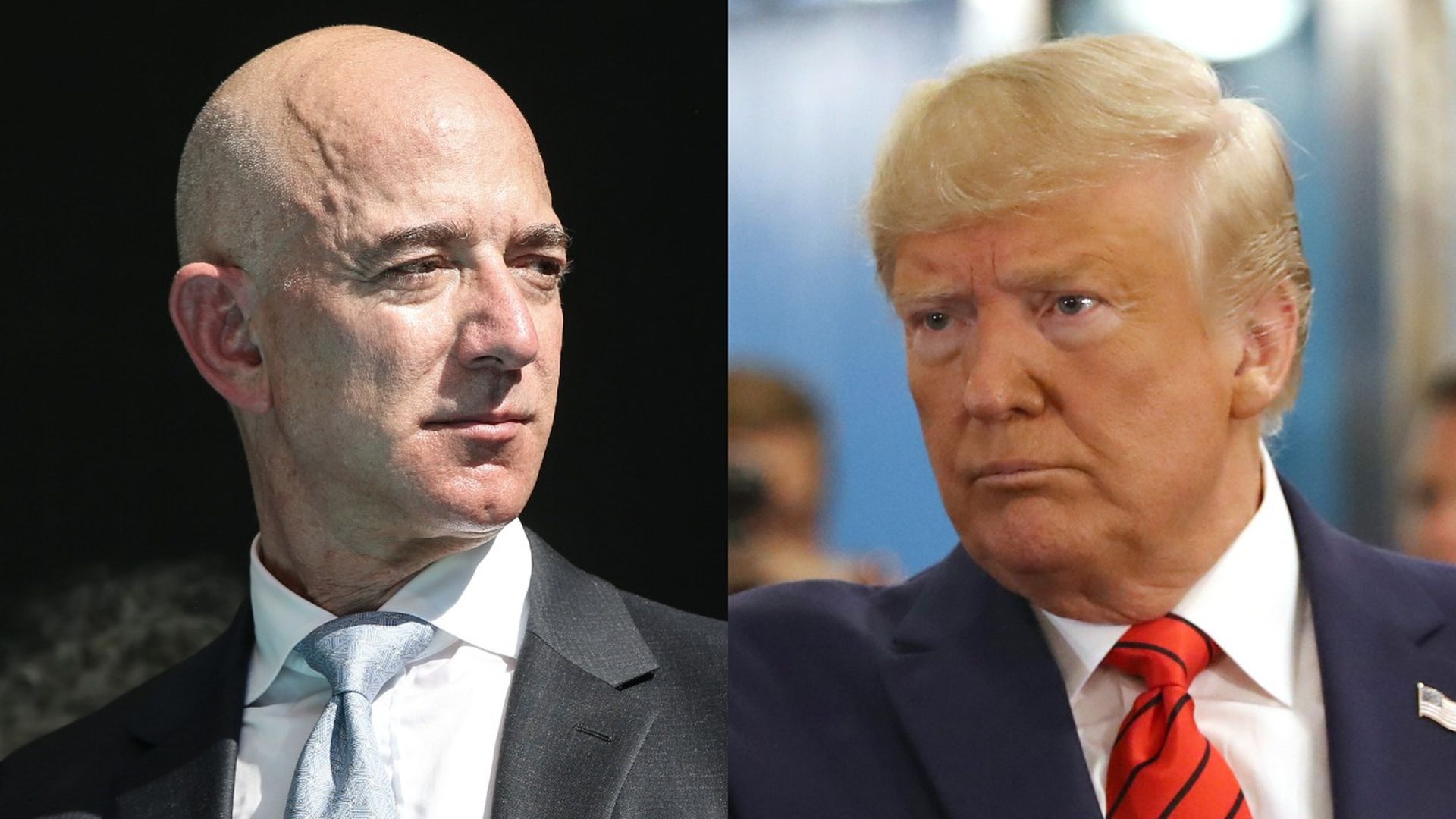
Amazon blasted an unusual accusation in an annual report by saying President Trump's trade office as a "purely political act" that's part of a "personal vendetta."
What happened: U.S. Trade Representative Robert Lighthizer's office put five of Amazon’s overseas domains (Canada, France, Germany, India and the U.K.) on a list of "notorious markets” where pirated goods are sold, AP reports.
As some states take steps to partially re-open their economies, public health officials and local governments are trying to aggressively ramp up contact tracing to track the spread of COVID-19 in their communities.
Why it matters: If we are indeed in the midst of a war against an invisible enemy, a contact-tracing offensive — launched by both an army of human tracers and an arsenal of technological tools — will be a big part of the key to winning.