If and when quantum computers are developed, they will likely be able to break any cryptography standard in use today.
Why it matters: Governments and companies need to immediately begin future-proofing their online security against coming quantum computers, which will be exponentially faster than current technology.
Strength in Microsoft's cloud business helped offset the impact of COVID-19 on computer manufacturing, as the company topped earnings and revenue expectations for the quarter that ended March 31. That's despite a February warning from the company that PC sales would not meet prior estimates.
Why it matters: The tech sector has taken on added importance and value as many other areas of the economy have been shut down or severely impacted by the coronavirus pandemic.
Facebook's stock was up more than 7% in after-hours trading on Wednesday after the tech giant reported that it beat Wall Street's expectations on revenue and earnings per share. Facebook grew its ad revenue by 17% year-over-year, despite the fact that the digital ad market is experiencing unprecedented headwinds due to the coronavirus.
Why it matters: The fact that Facebook was able to beat top and bottom line revenue expectations amid the coronavirus crisis speaks to how strong the company's value proposition continues to be during the pandemic.
The coronavirus will have a significant impact on Qualcomm's smartphone sales this quarter, with units down as much as 30% from prior estimates, CEO Steve Mollenkopf said in an interview on Wednesday.
Driving the news: Mollenkopf spoke right after Qualcomm posted March earnings and revenue ahead of expectations, with its current quarter financial outlook roughly in line with estimates.
Lyft disclosed Wednesday that it is laying off 982 employees, about 17% of its workforce, and furloughing another 288 — as well as implementing salary cuts for many employees for 12 weeks.
Why it matters: Despite its attempt to roll out new services like delivery, Lyft has been hit hard by the coronavirus pandemic as people remain home and largely avoid interacting with others. Rival Uber is said to be in talks to cut 20% of its employees as well, as it faces the same market shifts.
Apple and Google said Wednesday that they have given an early version of their Bluetooth-based COVID-19 exposure notification technology to certain developers working with public health authorities.
Why it matters: Releasing test code now is key to offering the technology broadly by mid-May.
A group of app companies has launched the App Coalition, a trade group that will begin its lobbying efforts with a push to make it easier for app developers to qualify for loans under coronavirus relief programs.
Why it matters: Many small and independent tech firms need access to fresh capital as the pandemic blows holes in the global economy. Existing tech trade groups like the Internet Association represent companies of all sizes, but tech giants' interests are increasingly at odds with those of their smaller counterparts on issues like competition.
The NFL and Amazon said Wednesday that they have renewed their streaming partnership for Thursday Night Football games and added the exclusive TV rights to an additional Saturday game late in the season.
Why it matters: The deal shows Amazon's commitment to accessing live sports rights as it continues to build out its media business. It also shows the NFL's push to make sure its games are watched by as many people as possible — particularly younger audiences that are migrating away from live sports on traditional TV.
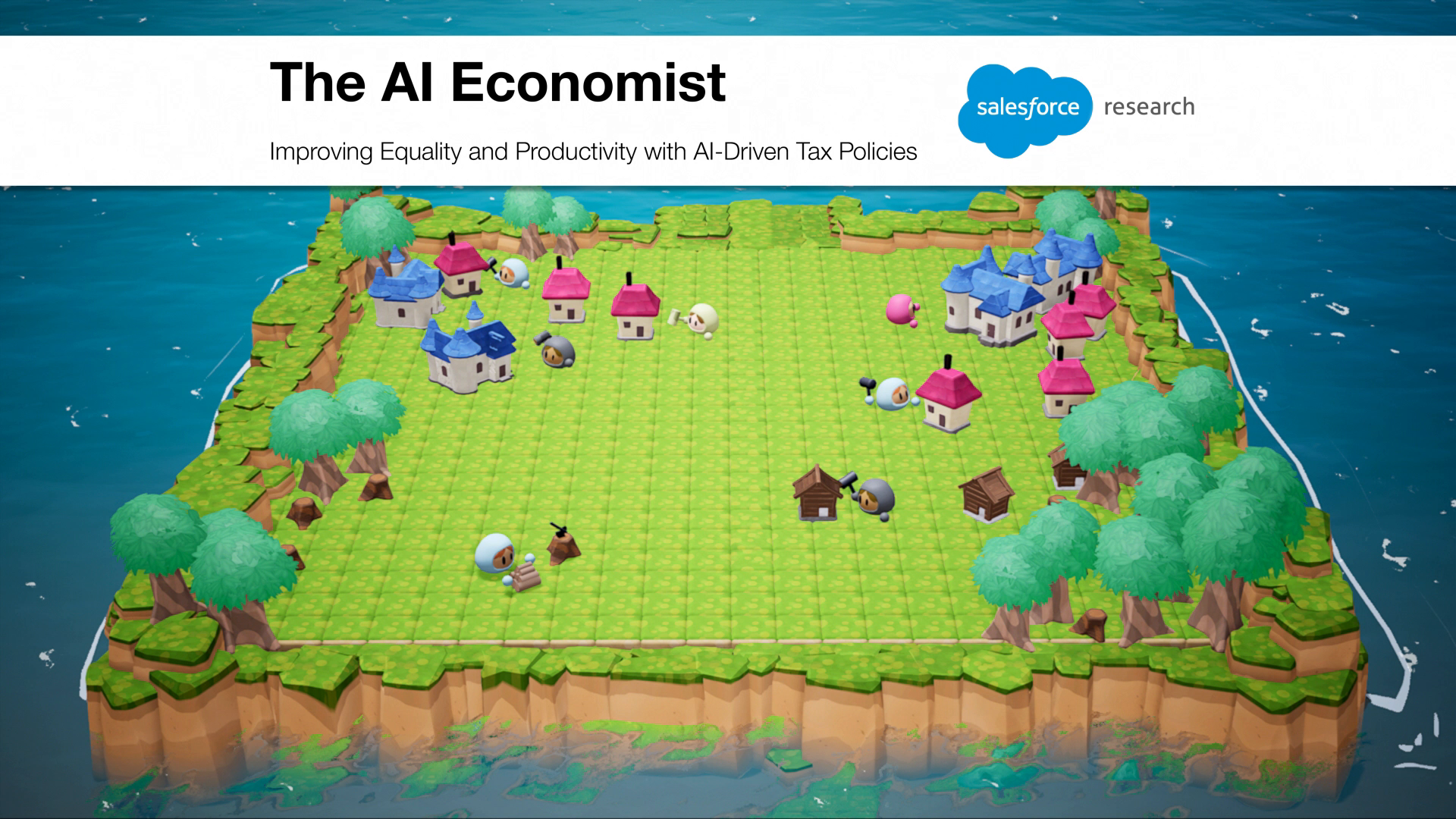
A team of researchers at Salesforce has been working to tap artificial intelligence to identify which tax rates would best achieve a balance of productivity and economic equality.
Why it matters: It's hard to do real-world experiments actually testing out changes in tax policy. Assuming the models work and can add complexity over time, AI could allow economists and regulators to test out lots of approaches to find one that best matches their desired outcome.
Nintendo's "Animal Crossing: New Horizons" slashed its in-game interest rates at its Bank of Nook, taking the war on savers virtual, the Financial Times writes.
The state of play: Players are "being driven to speculate on turnips and tarantulas, as the most popular video game of the coronavirus era mimics global central bankers by making steep cuts."
The "sharing economy" — as embodied by companies like Uber, Airbnb, and WeWork — is in critical condition, thanks to the coronavirus pandemic.
Why it matters: Basic assumptions about the evolution of human behavior in the digital age are melting under the pressure of COVID-19, requiring us to recalibrate how we envision the tech-enabled future.