Coronavirus contact tracing apps used in the EU should protect privacy and be compatible enough with one another to track the spread of the virus across borders, the European Commission wrote to its members on Thursday.
Why it matters: Contact tracing — or tracking down those who have interacted with a virus patient and advising them to self-isolate — is seen as a key step, along with widespread testing, in order to mitigate the spread of COVID-19.
Uber said on Thursday that it's withdrawing its forecasts for certain revenue and earnings metrics for the year, and it will write down between $1.9 billion and $2.2 billion from the value of equity investments. Its investments include ride-hailing companies Grab and Didi and food delivery company Zomato.
Why it matters: While Uber is seeing a surge in its food delivery business, demand for rides has dramatically dropped — by as much as 60–70% in Seattle at the peak of its outbreak — as people stay home to curb the virus spread.
For the past decade, everyone in the tech world has wondered how the great boom of the Big Tech era that began in the mid-2000s would end. Now we know.
Why it matters: Recessions are "incumbent killers," says Bruce Mehlman. He's talking about politics, but the same principle holds true in tech.
Big Tech's newly bolstered dominance doesn't make these companies invulnerable.
The big picture: Three elements form the ground on which the tech giants built their success — cheap hardware, connectable software and the freedom to innovate. Each of these foundations already faced threats that the virus crisis has now amplified.
The coronavirus crisis has reset the tech industry's ecology with the speed and force of a meteor hitting a planet.
The big picture: Just as the industry's tools and services have shaped our experience of this disastrous moment, the pandemic has reshaped the industry itself in a matter of weeks.
Cocoon, an iPhone app for sharing with a close circle of friends, is adding a number of health and wellness features designed to be useful amid the COVID-19 pandemic.
Why it matters: The app, founded by two former Facebook employees, was already pretty well suited to a society sheltering in place, as it allows people to privately share thoughts, pictures and other information with an intimate circle.
Facebook will begin informing people who have engaged with coronavirus misinformation on its main Facebook app, the company announced Thursday. It will guide those people to resources from the World Health Organization.
Why it matters: The tech giant typically doesn't inform users if they've engage in debunked content, aside from informing readers about Russian disinformation.
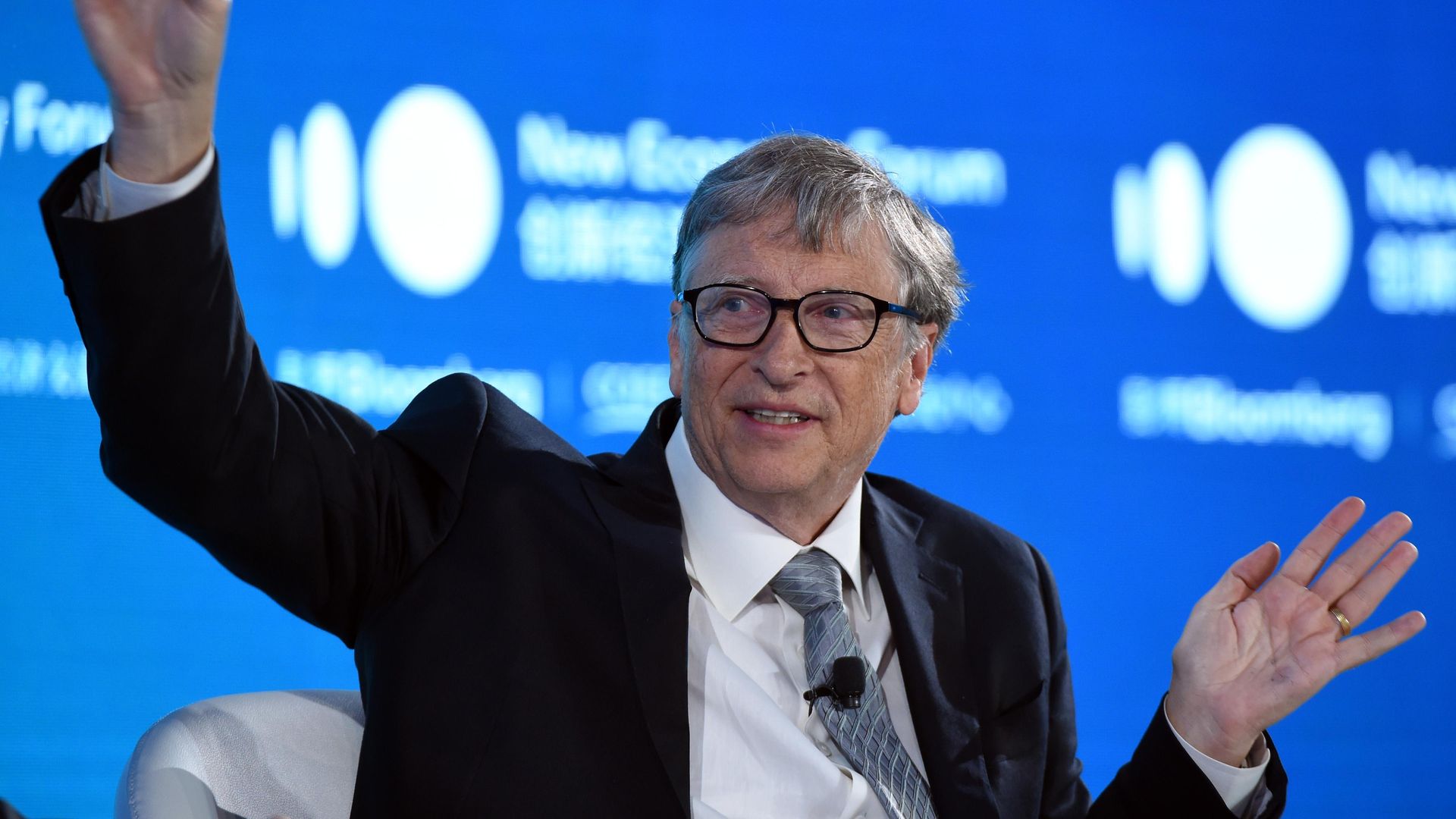
The Bill and Melinda Gates Foundation pledged $150 million for its coronavirus relief efforts on Wednesday, on top of the $100 million committed in February.
The big picture: Tech giants like Google and Facebook have donated hundreds of millions to COVID-19 relief efforts.
The world is learning the hard way that ramping up manufacturing of the equipment needed to fight the COVID-19 pandemic isn't as easy as scaling up the software that has come to dominate our lives.
Why it matters: Our economy has thrived on manipulating bytes, but to face the threats of the future, we'll need to relearn how to manipulate atoms in the real world. New technology like 3D printing can help by putting the flexibility of software at work in the creation of stuff.
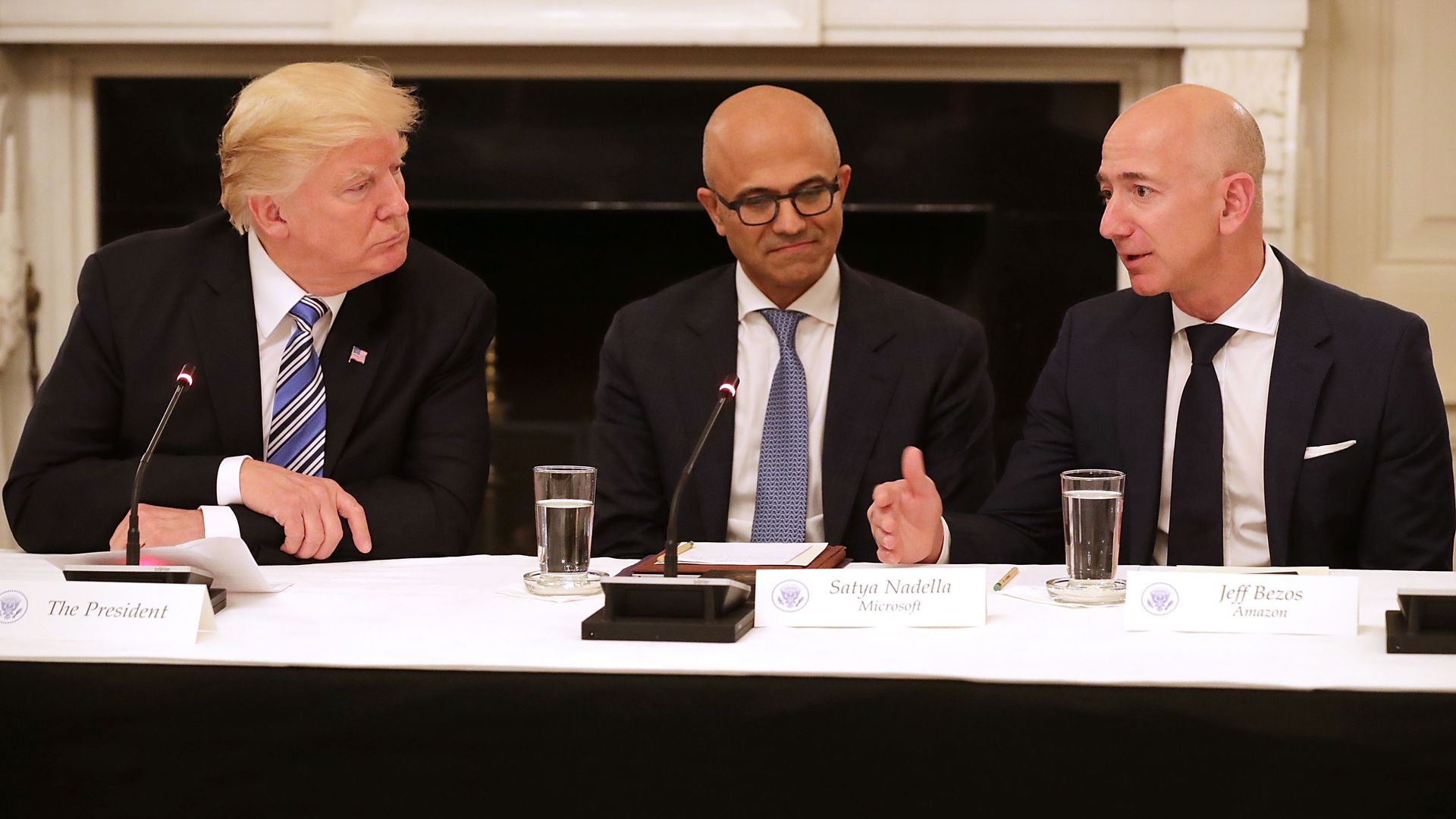
The Pentagon's inspector general reported Wednesday that the White House did not influence the Defense Department's decision to award a $10 billion cloud-computing contract to Microsoft over Amazon, CNBC reports.
Why it matters: Amazon sued the department last year, claiming that President Trump influenced the decision by repeatedly and publicly criticizing the company and its CEO, Jeff Bezos.
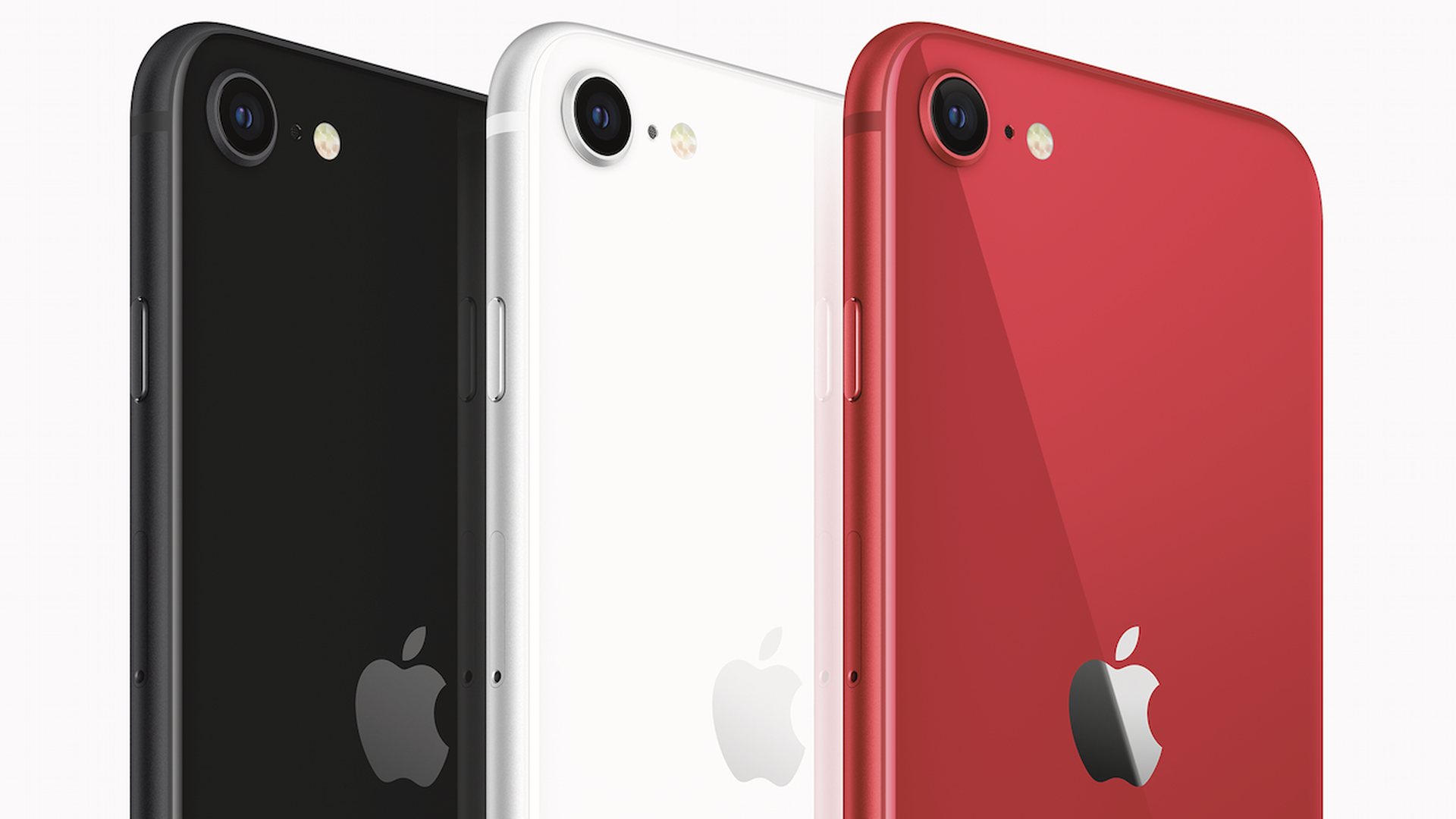
Apple on Wednesday announced the second-generation iPhone SE, which combines many of the features of the iPhone 8 with the same A13 Bionic processor found in the iPhone 11 and iPhone 11 Pro in a $399 device.
Why it matters: It gives Apple a new product to sell and offers a lower priced option to those who need a new phone but are looking to save money amid the economic uncertainty created by the coronavirus pandemic.
The state of Washington sued Facebook on Tuesday, saying that the social network continues to sell political advertising in the state despite an agreement not to do so.
Why it matters: While Facebook continues to accept political advertising in most places, it had said it would stop selling such ads in Washington rather than comply with the state's strict disclosure law.
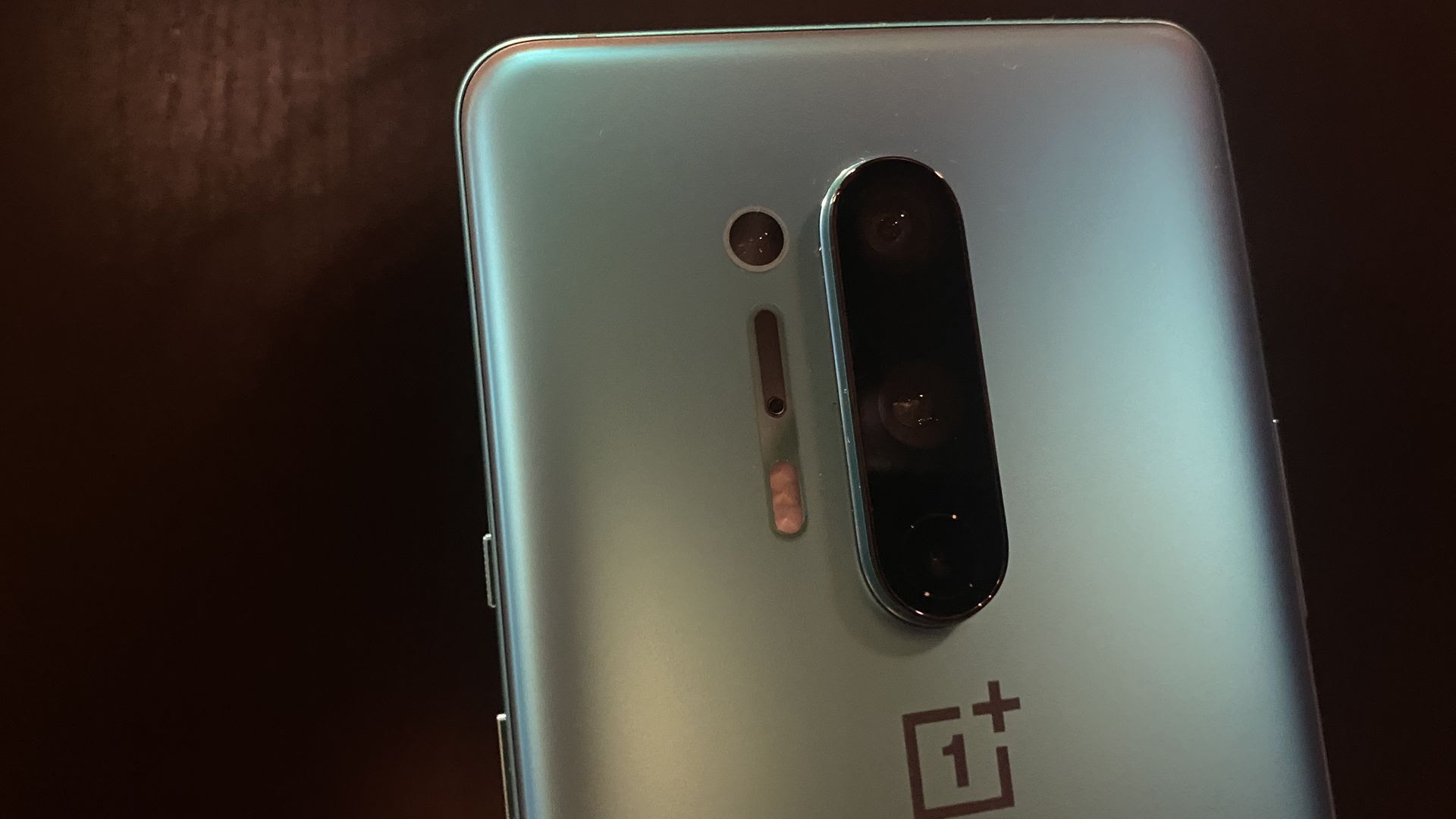
OnePlus launched two Android smartphones on Tuesday, including its most expensive model yet, the OnePlus 8 Pro, which starts at $899 and also comes in a $999 version with more memory.
The big picture: Product launches have changed a lot in the coronavirus era, but less so for companies like OnePlus that already did a lot of their events online. The biggest issue in the smartphone business, though, is demand, amid a struggling economy and a shelter-in-place market that favors home electronics.
Apple released data Tuesday from nations and cities worldwide that help to show the stunning reductions in travel due to the coronavirus pandemic.
Why it matters: Stay-at-home policies and closures of schools, offices and more are among the forces driving the collapse in oil demand — so is the decline of flying, which is not directly captured here.
Fear of the coronavirus and misinformation about the pandemic have created a pool of targets for online scammers.
The big picture: Misinformation around COVID-19 is rampant online, from phony cures to outlandish claims that 5G wireless signals cause the illness. Cybersecurity analysts are also seeing an explosion in phishing and other digital cons that base their scams on these popular coronavirus myths.
Why it matters: Like the rest of the travel industry, Airbnb has taken a huge hit from the novel coronavirus pandemic, which is also raising questions about its plans to go public in 2020.