David Thacker, a Google vice president of product management who oversees G Suite's apps, is joining venture firm Greylock Partners as a general partner focused on consumer technology.
The intrigue: "This is an opportunity right now, in this pandemic, where entrepreneurs have an opportunity to expose consumers to new products and delight them," Thacker tells Axios, noting part of the challenge will also be to spot the fads that emerge from the current circumstances.
A long-running legal showdown between Oracle and Google over whether common interfaces between software programs can be protected by copyright looks like it will drag on for months longer.
Driving the news: The U.S. Supreme Court announced Monday it would take up a handful of cases from its spring term docket via teleconference, meaning those cases — including several relating to President Trump's business records — could be decided on their original schedule, despite the disruptions of the coronavirus shutdown.
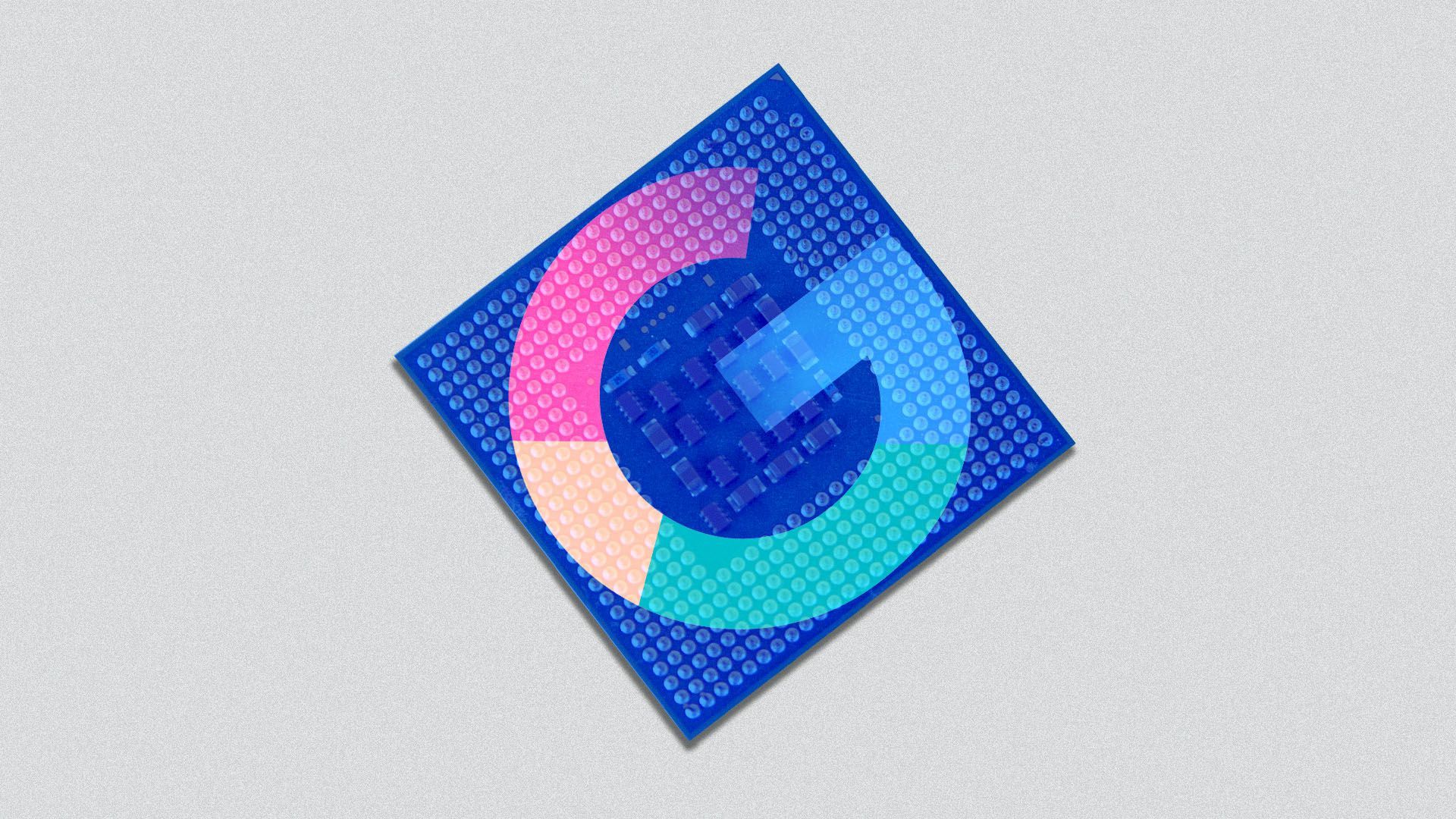
Google has made significant progress toward developing its own processor to power future versions of its Pixel smartphone as soon as next year — and eventually Chromebooks as well, Axios has learned.
Why it matters: The move could help Google better compete with Apple, which designs its own chips. It would be a blow to Qualcomm, which supplies processors for many current high-end phones, including the Pixel.
Only public health authorities will be able to create apps using Apple and Google's new contact-tracing technology, and governments won't be able to force people to use the tech, the companies clarified Monday.
Why it matters: The clarifications, and others offered by the companies on Monday, aim to address some of the privacy questions raised by the technology, which was jointly announced Friday.
With the coronavirus pandemic binding Americans to their home internet service, policymakers are moving to bolster the WiFi networks those homes use.
The big picture: WiFi use has already been exploding as consumers connect more devices to their home broadband networks, a trend that's only accelerated with the coronavirus. Yet it's been years since the spectrum dedicated to carrying that load has been expanded.
Google announced Sunday night it is giving $1 million to help families in the San Francisco Bay Area, with CEO Sundar Pichai contributing another $1 million. The goal is to fundraise another $3 million from employees and others through GiveDirectly, which would allow 5,000 families to receive $1,000 each.
Why it matters: Google's home region remains one of the most expensive in the country and, for those not able to work from home, the COVID-19 outbreak is a financial crisis in addition to a health crisis.