Bond Capital, a Silicon Valley VC firm whose portfolio companies include Slack and Uber, told its investors this morning via email that the coronavirus' high-speed spread and impact has similarities to the devastating San Francisco earthquake of 1906.
Why it matters: Bond's best-known partner, Mary Meeker, is a former bank analyst renowned for her annual Internet Trends Report, which many investors and entrepreneurs use as a touchstone for where tech is now and where it's going. Today's 28-page report to Bond's limited partners, obtained by Axios, shares some structural similarities.
A new research report says a hyperloop, the high-speed travel concept, is at least 20 years away from commercialization.
The big picture: Climate change has fueled interest in finding low-carbon alternatives to conventional rail and air travel. An electric hyperloop is one solution, because it operates in a vacuum system that reduces aerodynamic drag, enabling higher speeds and greater energy efficiency.
The team behind the Facebook-backed Libra digital currency effort announced several key changes scaling back what once seen as a monetary instrument that could be used to rival and subvert national currencies.
Why it matters: The moves are designed to address concerns from governments and others, but also represent a further reining in of ambitions for the initiative, which launched with great fanfare last year.
Consensus seems to be building globally around the idea that Bluetooth-based contact tracing could be a practical use of technology to contain the spread of the coronavirus.
Why it matters: Both governments and advocacy groups agree that using Bluetooth to sense the proximity of users' phones could be more effective and less of a civil rights problem than tapping location-based data that apps and service providers often collect.
Facebook and Instagram have new messages on their streams that are highlighting Affordable Care Act coverage and the HealthCare.gov website for anyone who "has recently lost a job" during the coronavirus outbreak.
The bottom line: A Facebook spokesperson told Axios the Trump administration did not pay for these digital spaces, and instead the companies are running the messages "as a PSA." ACA plans will be sources of coverage for some of the newly unemployed, but Medicaid will likely be doing a lot of the heavy lifting.
Coronavirus contact tracing apps used in the EU should protect privacy and be compatible enough with one another to track the spread of the virus across borders, the European Commission wrote to its members on Thursday.
Why it matters: Contact tracing — or tracking down those who have interacted with a virus patient and advising them to self-isolate — is seen as a key step, along with widespread testing, in order to mitigate the spread of COVID-19.
Uber said on Thursday that it's withdrawing its forecasts for certain revenue and earnings metrics for the year, and it will write down between $1.9 billion and $2.2 billion from the value of equity investments. Its investments include ride-hailing companies Grab and Didi and food delivery company Zomato.
Why it matters: While Uber is seeing a surge in its food delivery business, demand for rides has dramatically dropped — by as much as 60–70% in Seattle at the peak of its outbreak — as people stay home to curb the virus spread.
For the past decade, everyone in the tech world has wondered how the great boom of the Big Tech era that began in the mid-2000s would end. Now we know.
Why it matters: Recessions are "incumbent killers," says Bruce Mehlman. He's talking about politics, but the same principle holds true in tech.
Big Tech's newly bolstered dominance doesn't make these companies invulnerable.
The big picture: Three elements form the ground on which the tech giants built their success — cheap hardware, connectable software and the freedom to innovate. Each of these foundations already faced threats that the virus crisis has now amplified.
The coronavirus crisis has reset the tech industry's ecology with the speed and force of a meteor hitting a planet.
The big picture: Just as the industry's tools and services have shaped our experience of this disastrous moment, the pandemic has reshaped the industry itself in a matter of weeks.
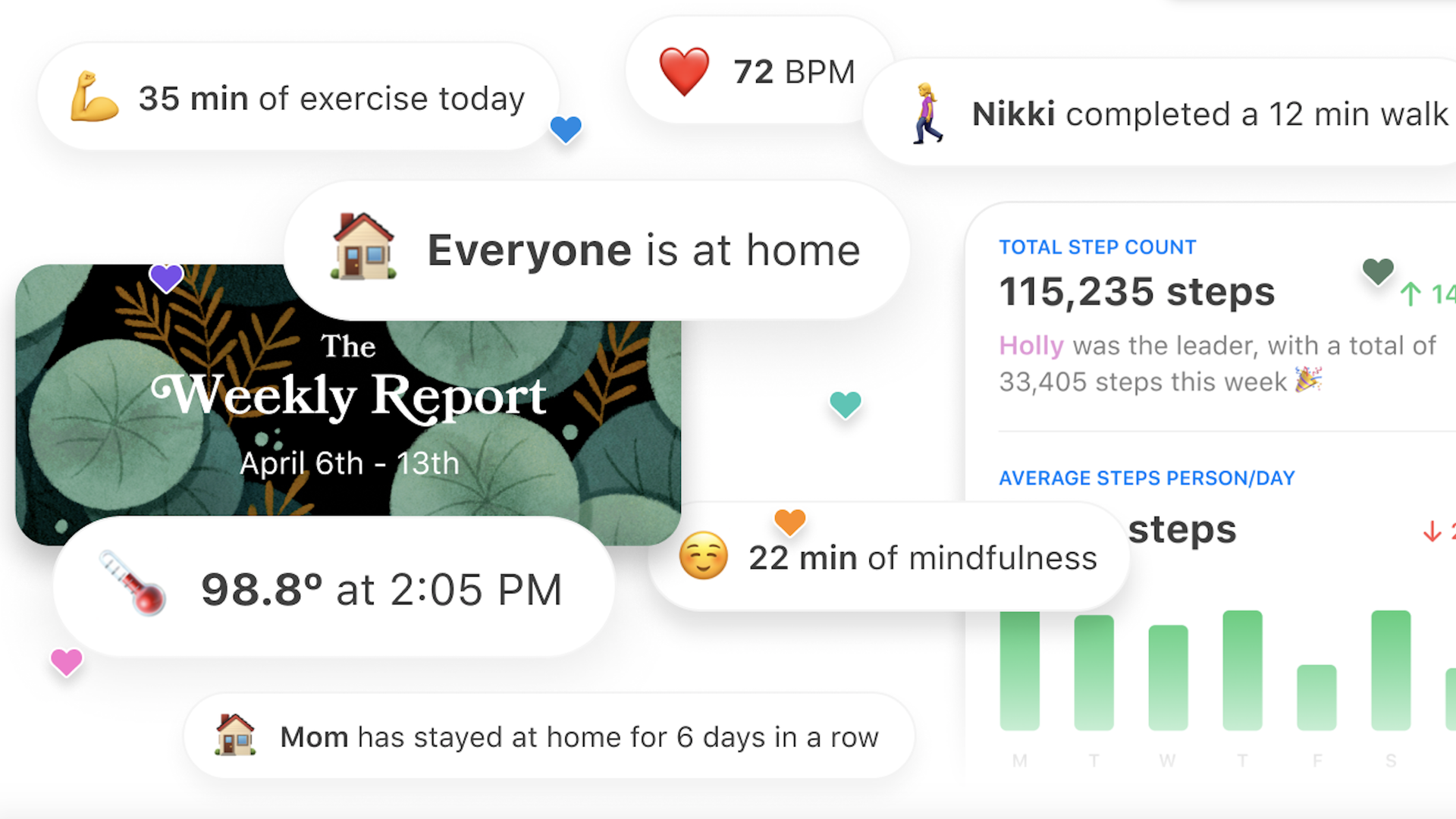
Cocoon, an iPhone app for sharing with a close circle of friends, is adding a number of health and wellness features designed to be useful amid the COVID-19 pandemic.
Why it matters: The app, founded by two former Facebook employees, was already pretty well suited to a society sheltering in place, as it allows people to privately share thoughts, pictures and other information with an intimate circle.
Facebook will begin informing people who have engaged with coronavirus misinformation on its main Facebook app, the company announced Thursday. It will guide those people to resources from the World Health Organization.
Why it matters: The tech giant typically doesn't inform users if they've engage in debunked content, aside from informing readers about Russian disinformation.